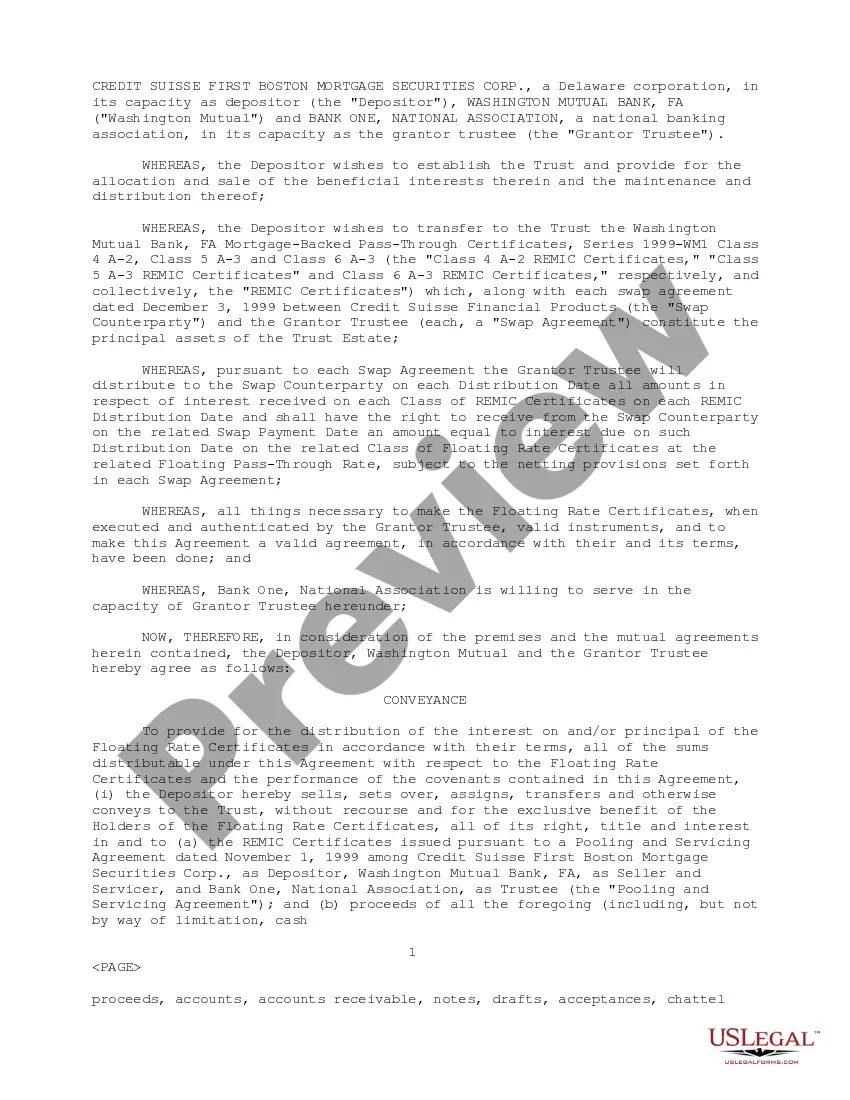
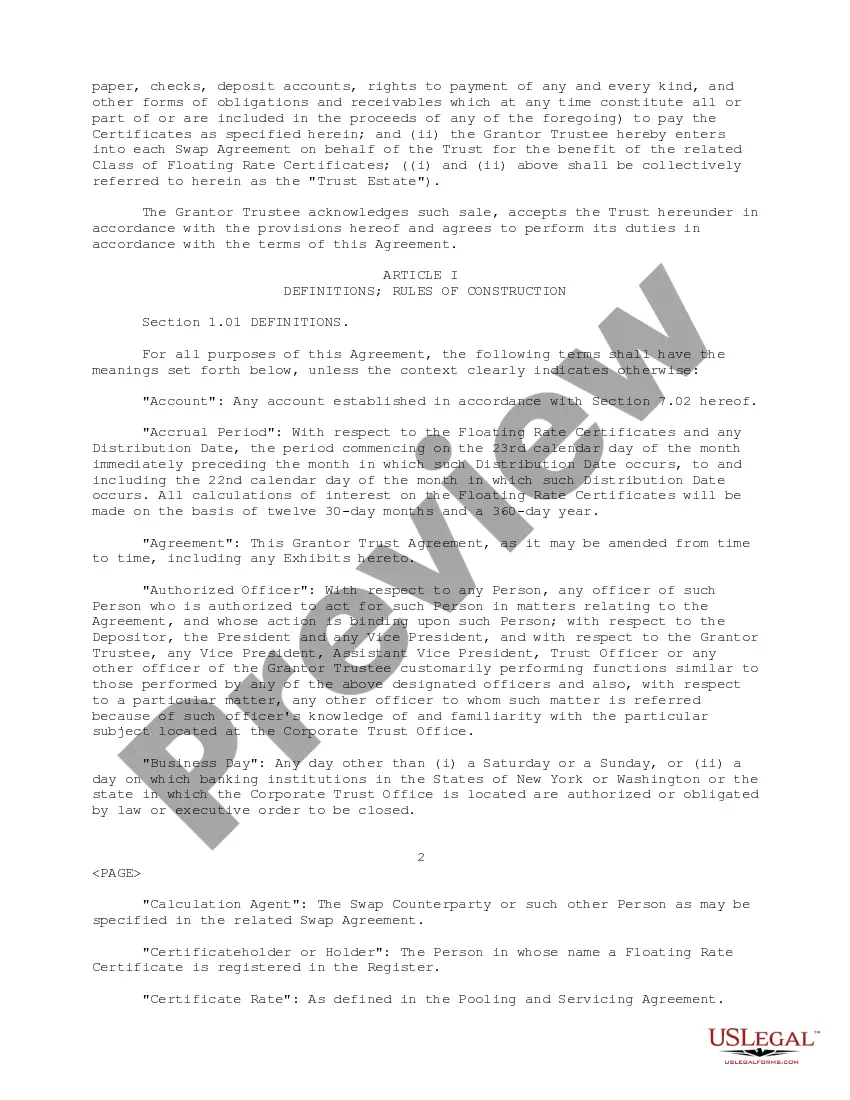
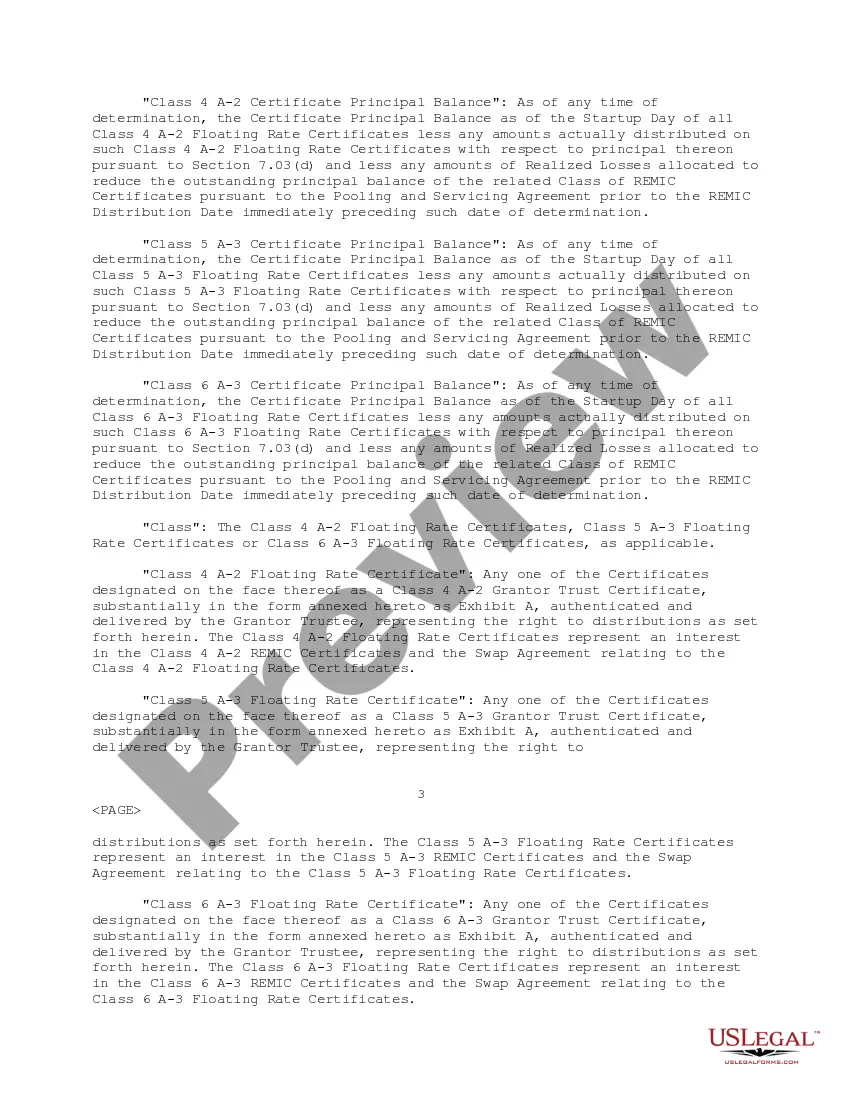
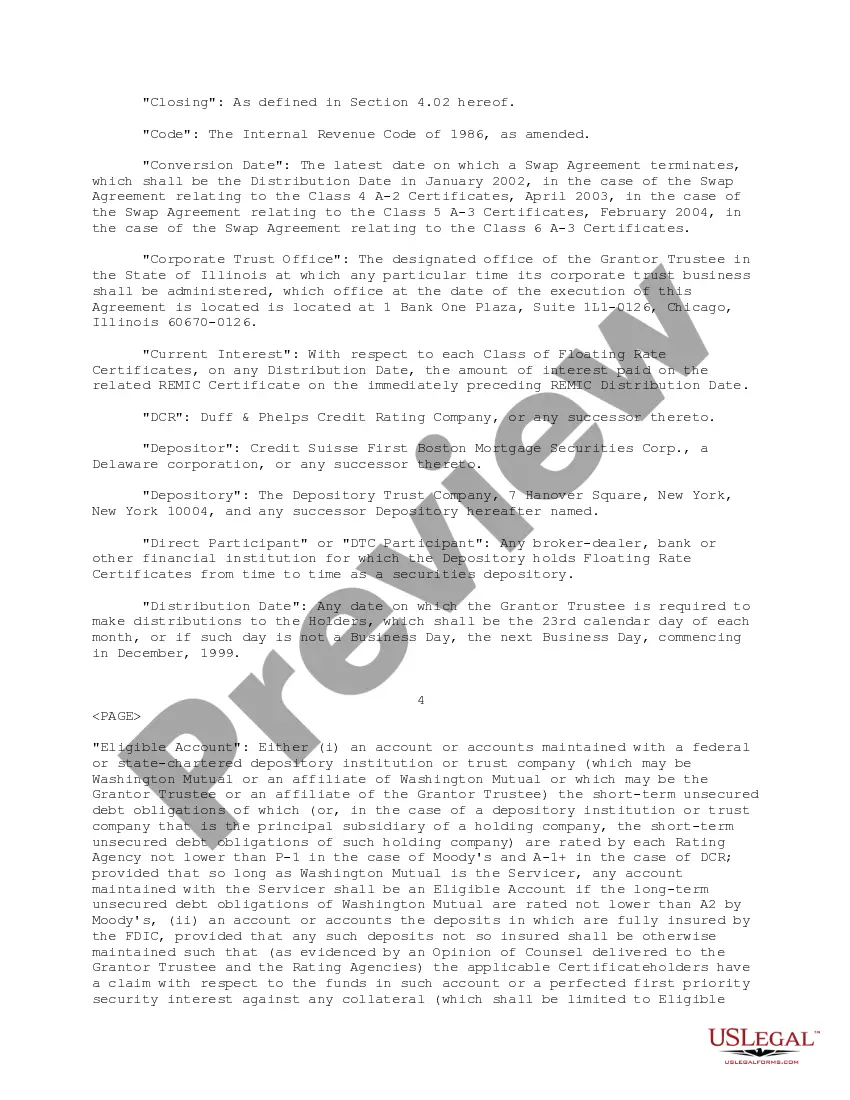
Grantor Trust Agreement With Ein
Description

Get your form ready online
Our built-in tools help you complete, sign, share, and store your documents in one place.
Make edits, fill in missing information, and update formatting in US Legal Forms—just like you would in MS Word.
Download a copy, print it, send it by email, or mail it via USPS—whatever works best for your next step.
Sign and collect signatures with our SignNow integration. Send to multiple recipients, set reminders, and more. Go Premium to unlock E-Sign.
If this form requires notarization, complete it online through a secure video call—no need to meet a notary in person or wait for an appointment.
We protect your documents and personal data by following strict security and privacy standards.

Make edits, fill in missing information, and update formatting in US Legal Forms—just like you would in MS Word.

Download a copy, print it, send it by email, or mail it via USPS—whatever works best for your next step.

Sign and collect signatures with our SignNow integration. Send to multiple recipients, set reminders, and more. Go Premium to unlock E-Sign.

If this form requires notarization, complete it online through a secure video call—no need to meet a notary in person or wait for an appointment.

We protect your documents and personal data by following strict security and privacy standards.
Looking for another form?









How to fill out Grantor Trust Agreement Between Credit Suisse First Boston Mortgage Securities Corp., Washington Mutual Bank FA And Bank One, National Assoc.?
Identifying a reliable location to obtain the most recent and suitable legal documents is part of the challenge of dealing with bureaucracy.
Finding the correct legal documents requires accuracy and meticulousness, which is why it is vital to obtain samples of the Grantor Trust Agreement With Ein exclusively from credible sources, such as US Legal Forms. An incorrect template will squander your time and prolong the issue you are facing. With US Legal Forms, you have minimal cause for concern. You can access and review all the specifics regarding the document's application and relevance for your situation and within your region.
Eliminate the hassle associated with your legal documents. Explore the extensive US Legal Forms catalog where you can discover legal samples, evaluate their relevance to your situation, and download them instantly.
- Use the catalog navigation or search bar to find your template.
- Open the form's description to determine if it aligns with the prerequisites of your state and region.
- View the form preview, if available, to confirm that the form is the one you seek.
- Return to the search and locate the appropriate template if the Grantor Trust Agreement With Ein does not meet your specifications.
- If you are confident about the form's suitability, download it.
- If you are a registered user, click Log in to verify and access your chosen forms in My documents.
- If you do not have an account, click Buy now to acquire the template.
- Select the pricing plan that corresponds to your needs.
- Proceed to registration to complete your transaction.
- Finalize your purchase by choosing a payment method (credit card or PayPal).
- Select the document format for downloading the Grantor Trust Agreement With Ein.
- Once you have saved the form on your device, you can modify it with an editor or print it and fill it out manually.
Form popularity
FAQ
EIN stands for Employer Identification Number, which is crucial for trust operations. In a grantor trust agreement with EIN, the number serves as a tax identification for the trust. It allows the trust to file tax returns, open bank accounts, and manage investments efficiently, ensuring everything complies with IRS regulations.
The trustee must give the trust's name, TIN, and address to all payors for the taxable year, and the trustee must file Forms 1099 with the IRS and appropriately attribute the income of the trust among the grantors in proportion to their deemed ownership.
Your social security number can be used as the TIN for a trust that is considered a ?grantor trust? under federal income tax law. A grantor trust is recognized as a separate entity under state law but is ignored for purposes of federal income tax law.
Revocable trusts do not necessarily require an EIN as you can use the grantor's social security number, yours if you created the trust if you wish. However, the IRS recommends that both revocable and irrevocably trusts have their own Tax ID (EIN) Number.
An EIN is a federal tax ID number that a trust, estate, or business must use to file federal and state income taxes. Not all types of trusts require an EIN. Revocable trusts generally don't need EINs because their income is included on the tax return of the trust creator, who's known as the grantor or trustor.
The trustee then files Form 1099s showing the trust as the payor, and the grantor as the payee, of trust income. The trustee can avoid filing a Form 1099 where another form is used to report income, such as Form K-1.