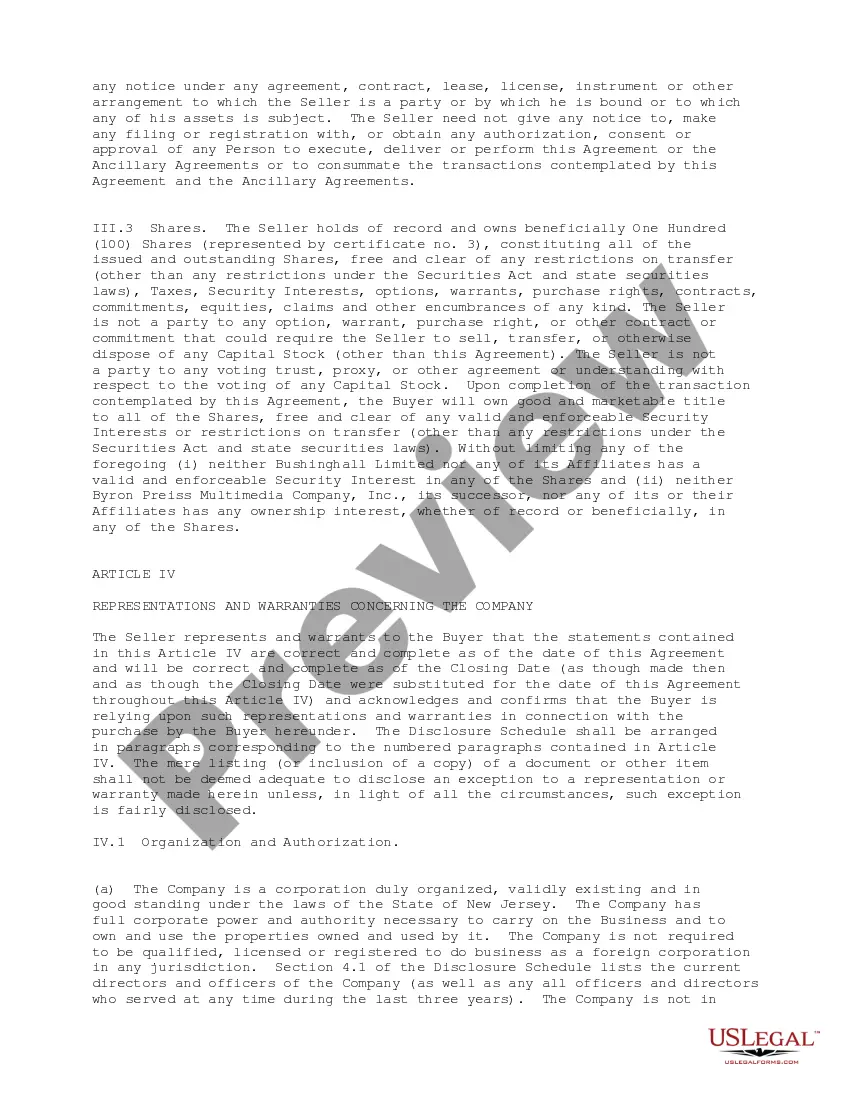
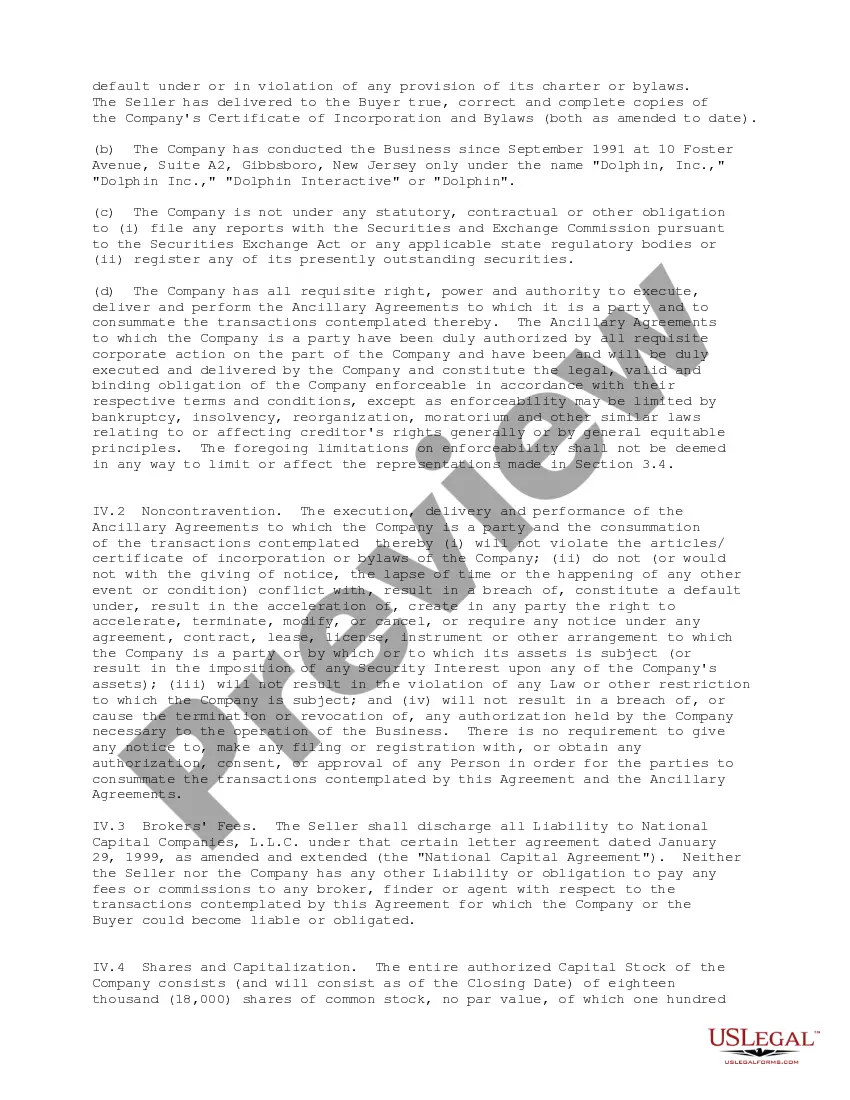
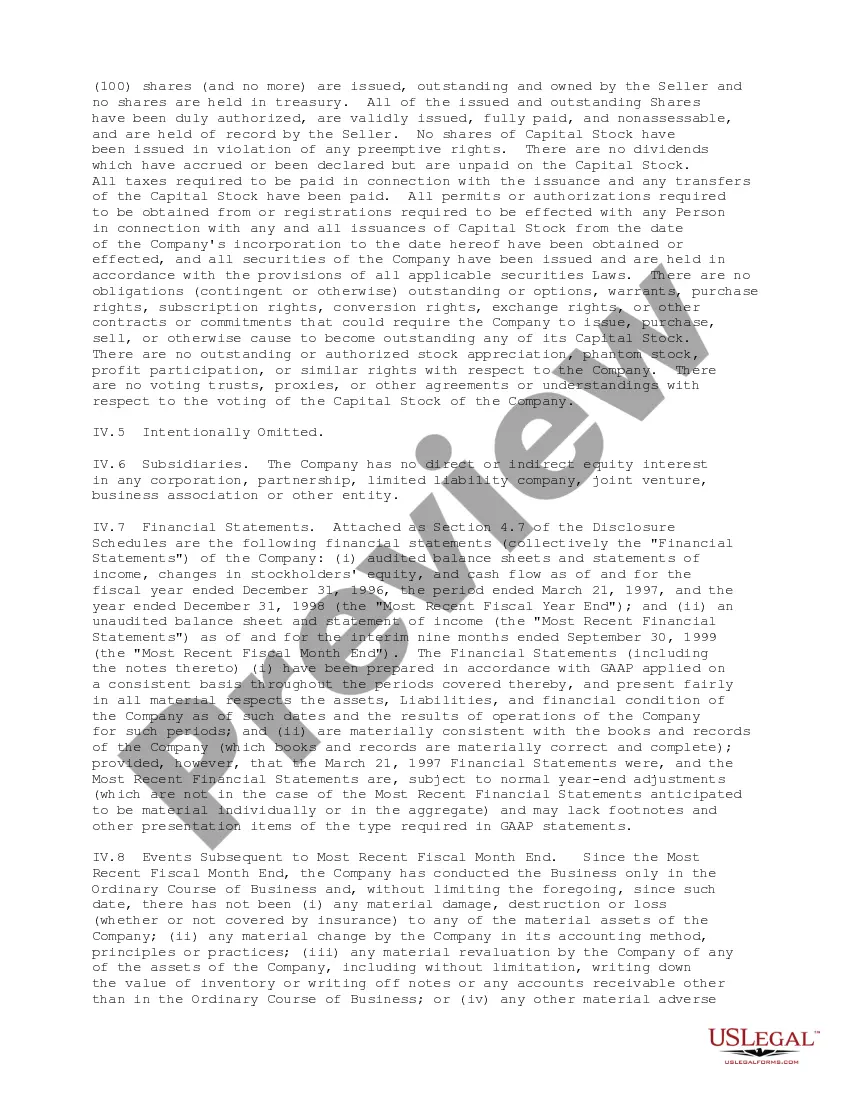
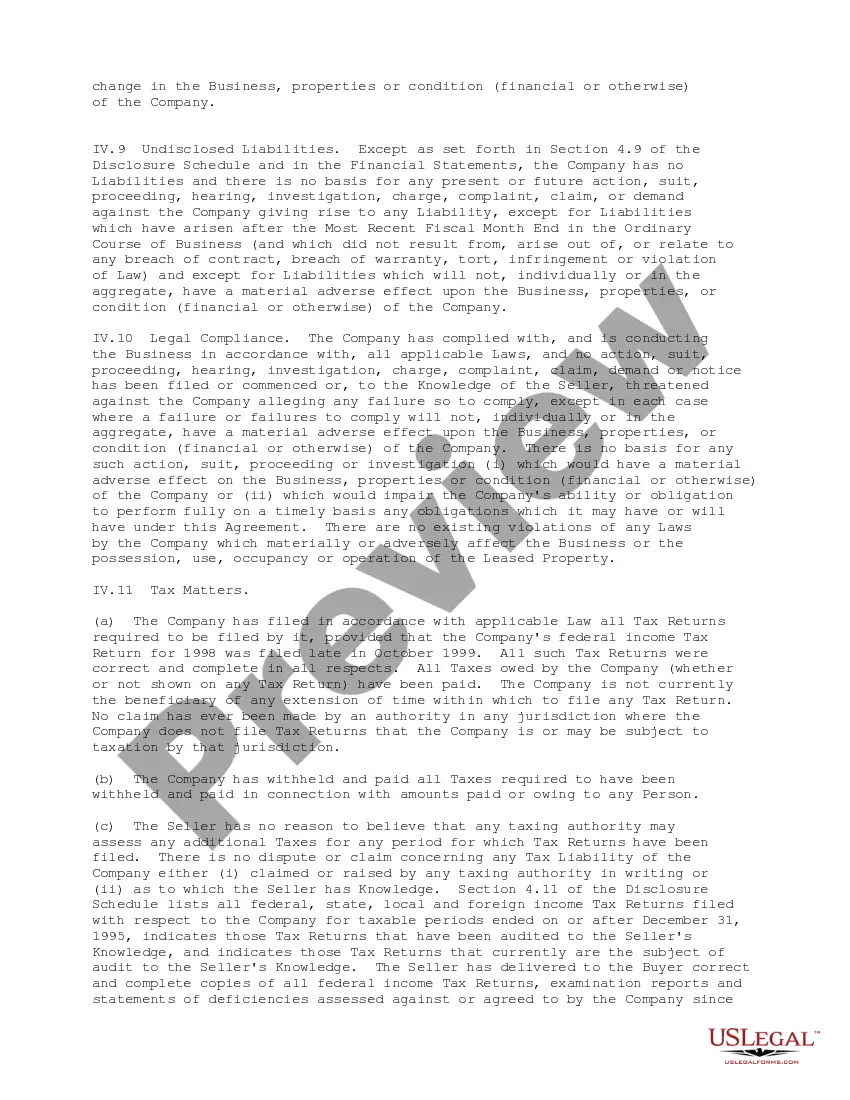
Purchase Agreement With Contingency
Description
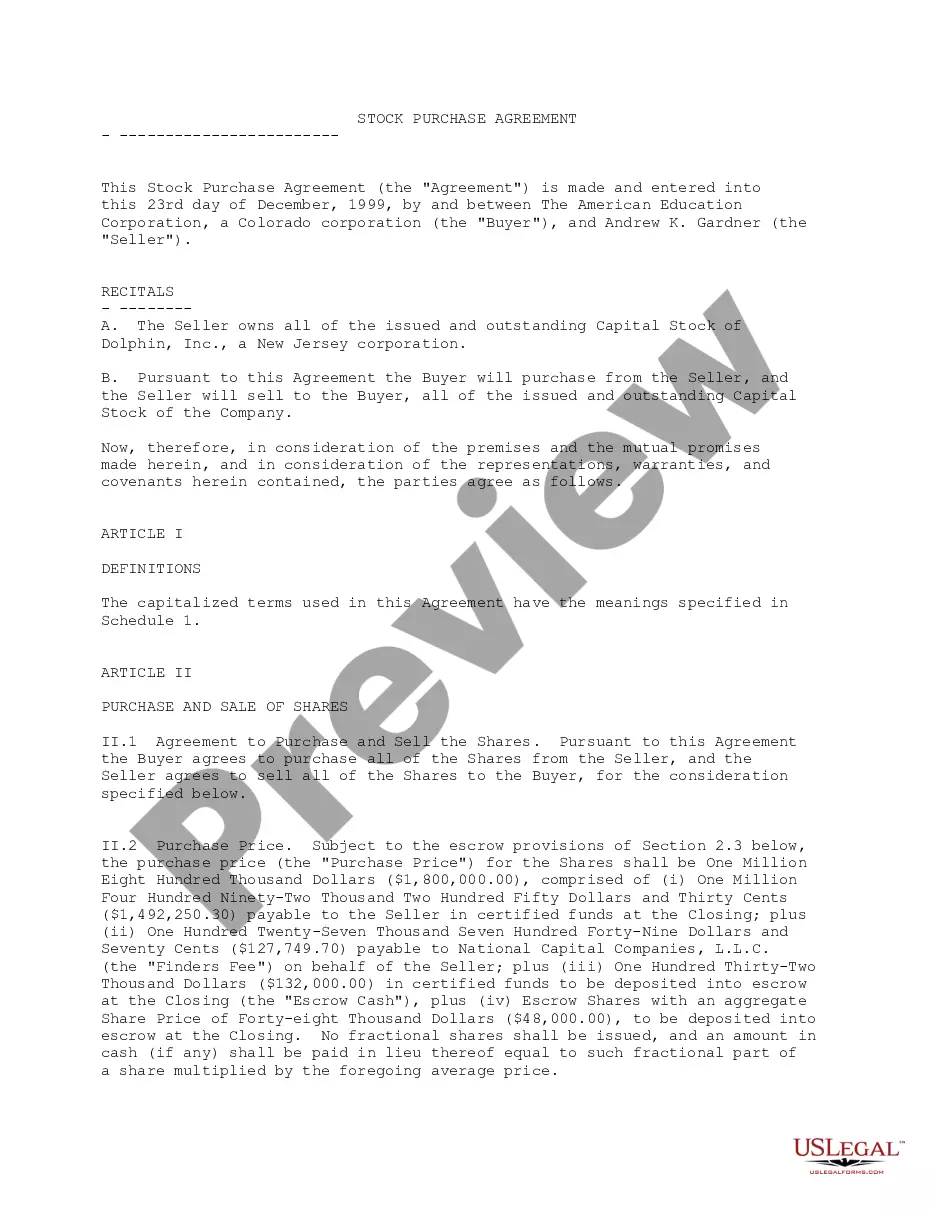
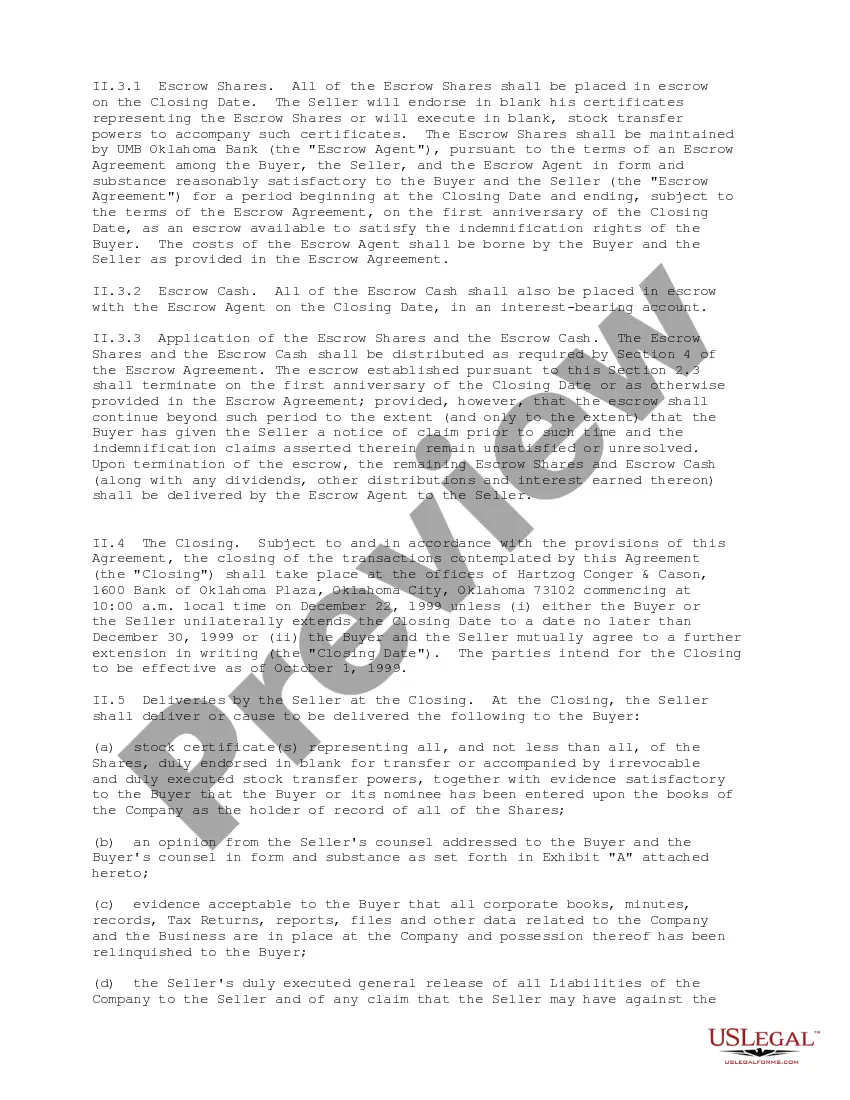
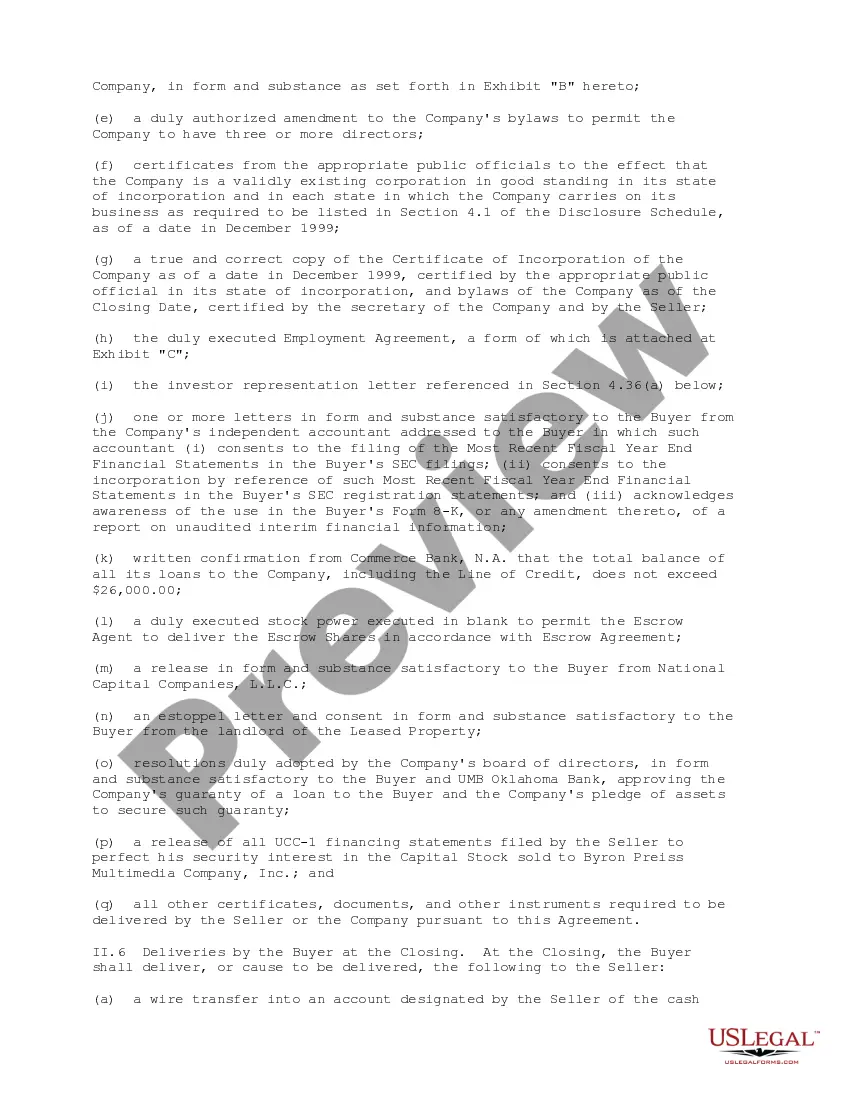
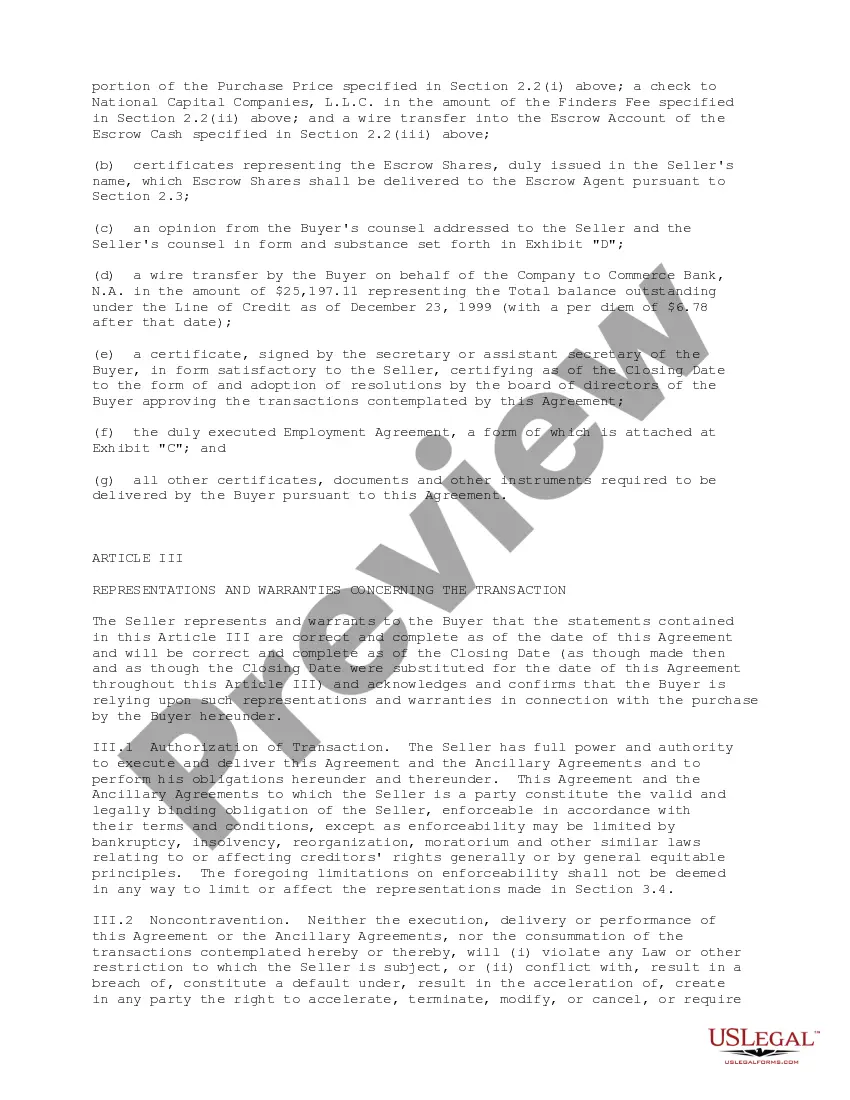

Get your form ready online
Our built-in tools help you complete, sign, share, and store your documents in one place.
Make edits, fill in missing information, and update formatting in US Legal Forms—just like you would in MS Word.
Download a copy, print it, send it by email, or mail it via USPS—whatever works best for your next step.
Sign and collect signatures with our SignNow integration. Send to multiple recipients, set reminders, and more. Go Premium to unlock E-Sign.
If this form requires notarization, complete it online through a secure video call—no need to meet a notary in person or wait for an appointment.
We protect your documents and personal data by following strict security and privacy standards.

Make edits, fill in missing information, and update formatting in US Legal Forms—just like you would in MS Word.

Download a copy, print it, send it by email, or mail it via USPS—whatever works best for your next step.

Sign and collect signatures with our SignNow integration. Send to multiple recipients, set reminders, and more. Go Premium to unlock E-Sign.

If this form requires notarization, complete it online through a secure video call—no need to meet a notary in person or wait for an appointment.

We protect your documents and personal data by following strict security and privacy standards.
Looking for another form?
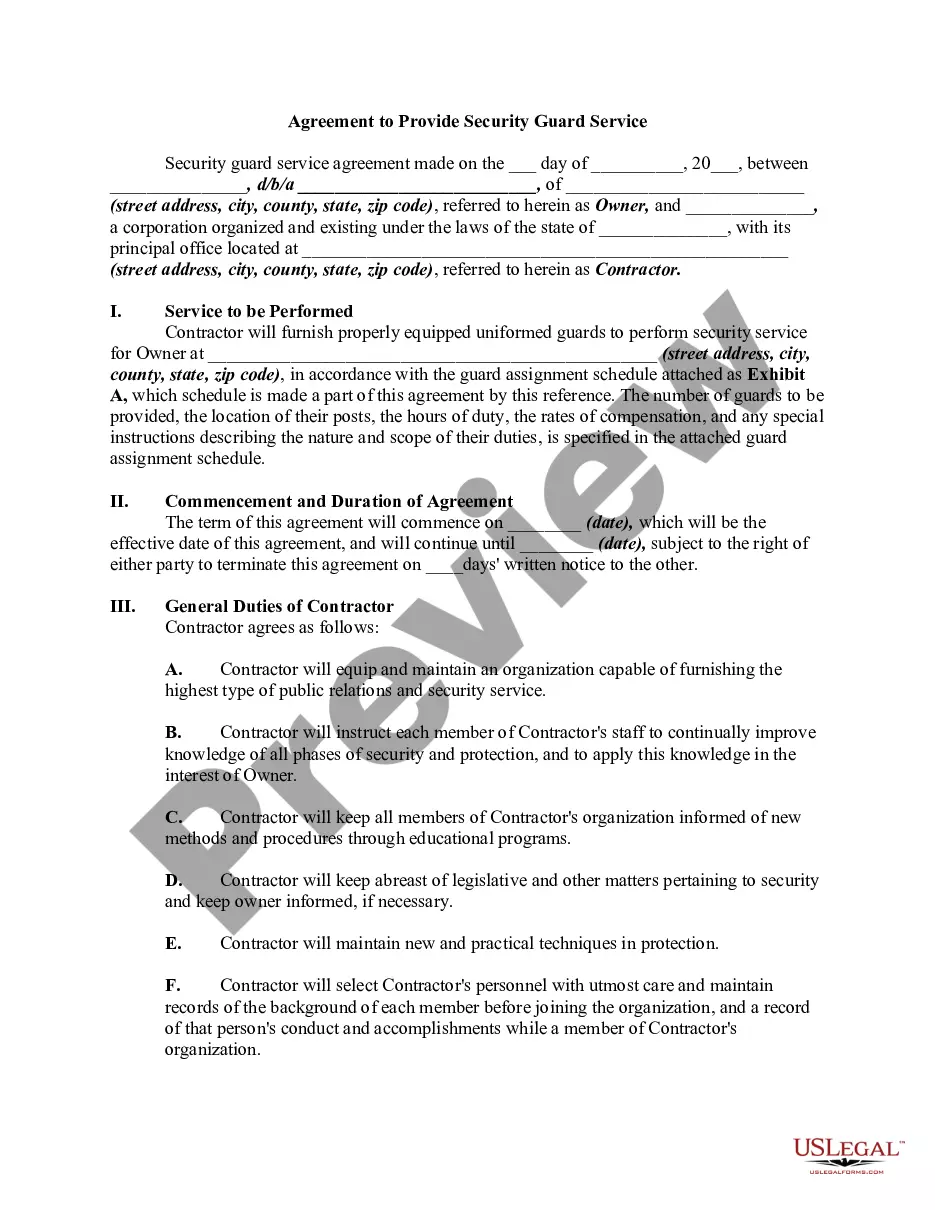

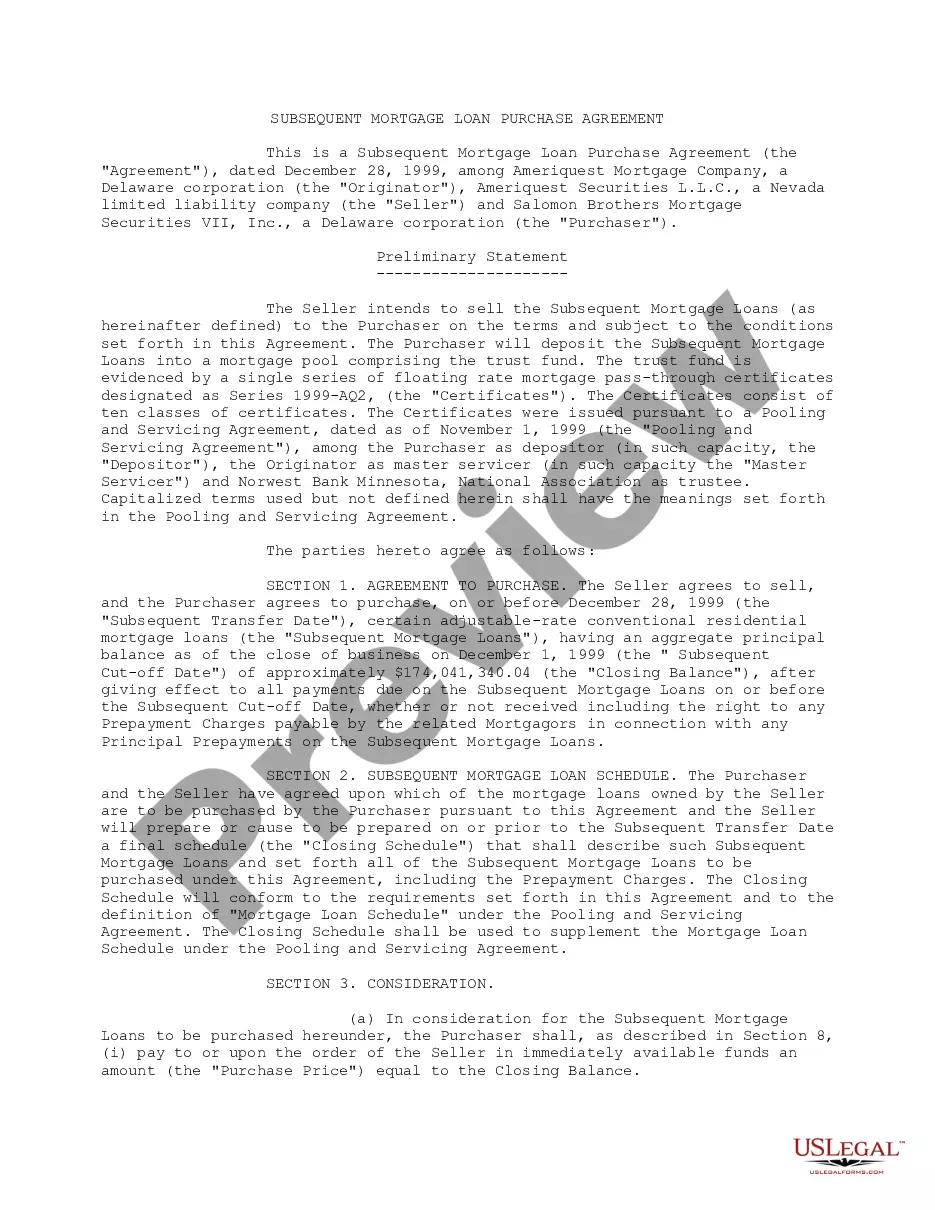
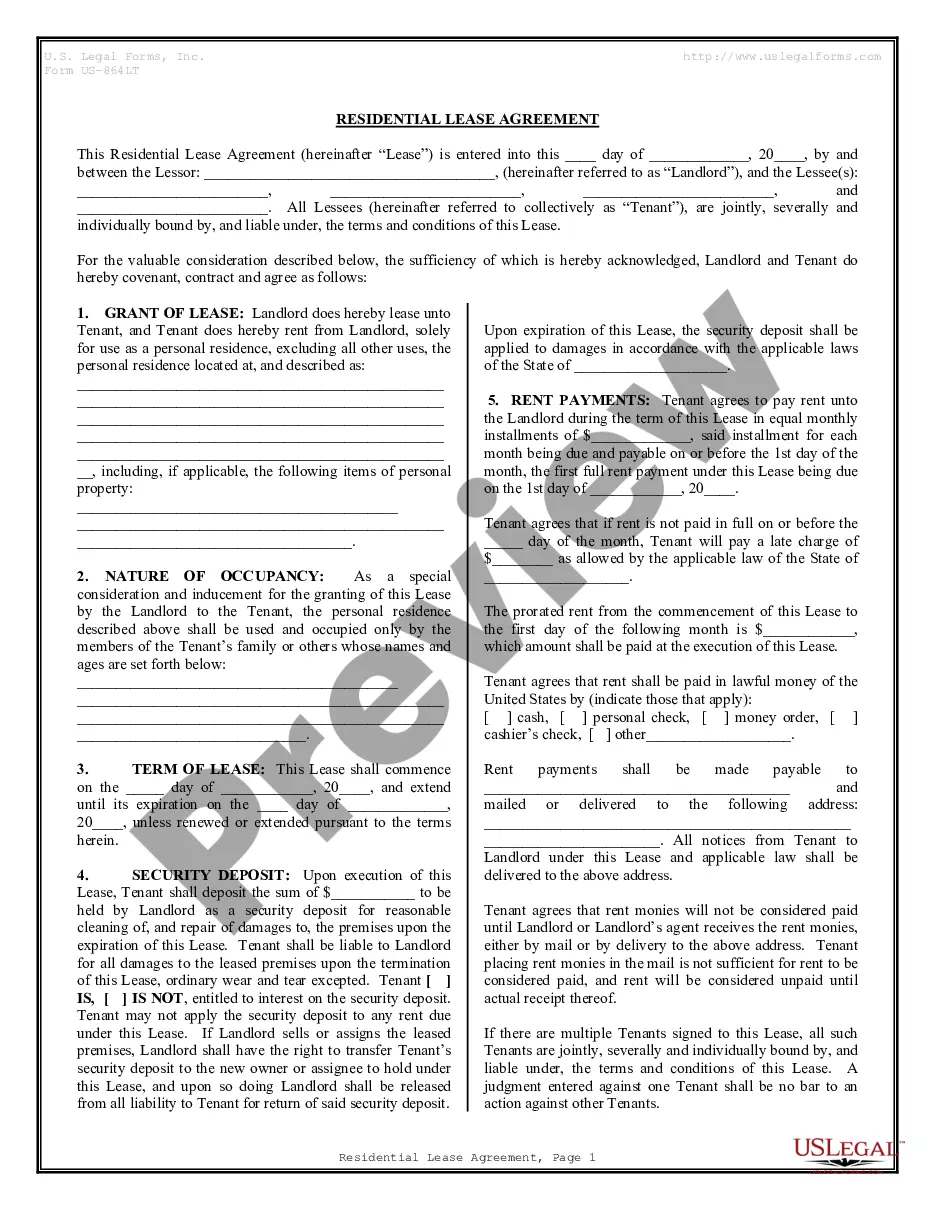
How to fill out Sample Stock Purchase Agreement Between The American Education Corporation And Andrew K. Gardner?
Whether for professional aims or for personal matters, everyone must deal with legal issues at some time in their life.
Completing legal documents requires meticulous attention, starting from selecting the right form template.
With an extensive US Legal Forms catalog available, you don’t need to waste time searching for the correct template online. Utilize the library’s straightforward navigation to find the right form for any situation.
- For example, if you select an incorrect version of the Purchase Agreement With Contingency, it will be rejected upon submission.
- Thus, it is crucial to find a trustworthy source for legal documents like US Legal Forms.
- If you need to acquire a Purchase Agreement With Contingency template, follow these simple steps.
- Locate the sample you need by utilizing the search bar or catalog browsing.
- Review the description of the form to verify it aligns with your situation, state, and locality.
- Click on the form’s preview to inspect it.
- If it is the incorrect form, return to the search feature to find the Purchase Agreement With Contingency template you need.
- Obtain the template when it suits your requirements.
- If you possess a US Legal Forms account, click Log in to access previously saved files in My documents.
- Should you not have an account yet, you can acquire the form by clicking Buy now.
- Select the appropriate pricing option.
- Complete the account registration form.
- Choose your payment method: you can use a credit card or PayPal account.
- Select the document format you prefer and download the Purchase Agreement With Contingency.
- Once it is saved, you can fill out the form using editing software or print it out and complete it manually.
Form popularity
FAQ
A contingency is a potential occurrence of a negative event in the future, such as an economic recession, natural disaster, fraudulent activity, terrorist attack, or a pandemic.
A contingency clause should clearly outline what the condition is, how the condition is to be fulfilled, and which party is responsible for fulfilling it. The clause should also provide a timeframe and what happens if the condition is not met.
In other words, the sale is contingent upon these conditions. Common contingencies in real estate include an appraisal contingency, inspection contingency, sale contingency or funding contingency.
Contingencies can include details such as the time frame (for example, ?the buyer has 14 days to inspect the property?) and specific terms (such as, ?the buyer has 21 days to secure a 30-year conventional loan for 80% of the purchase price at an interest rate no higher than 4.5%?).
Making a contingent offer on a home Think of a contingency as an ?if-then? proposition. For example: If the appraised value of the property is lower than the purchase price, then I can ask for a lower price or get out of the contract.