Military Law Examples
Description
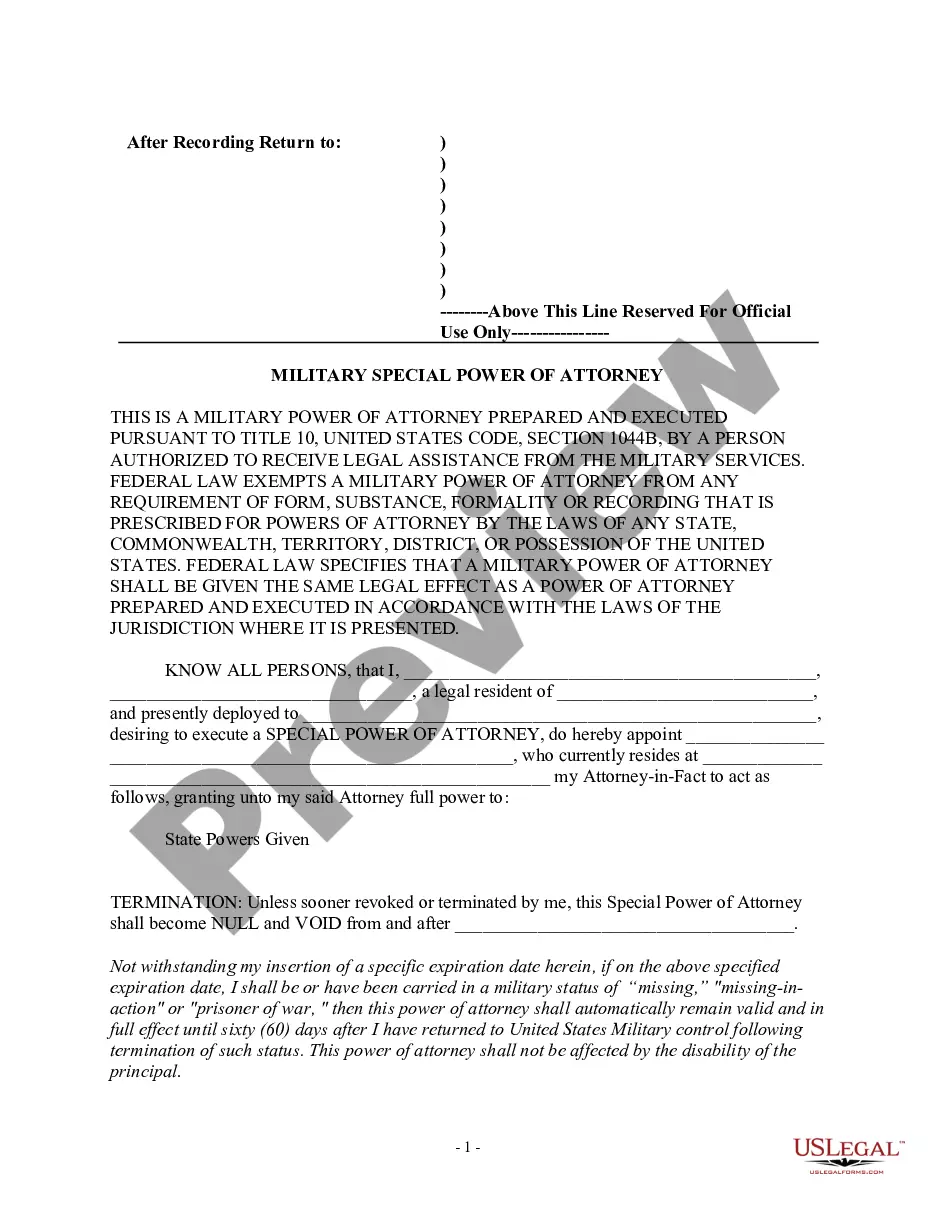
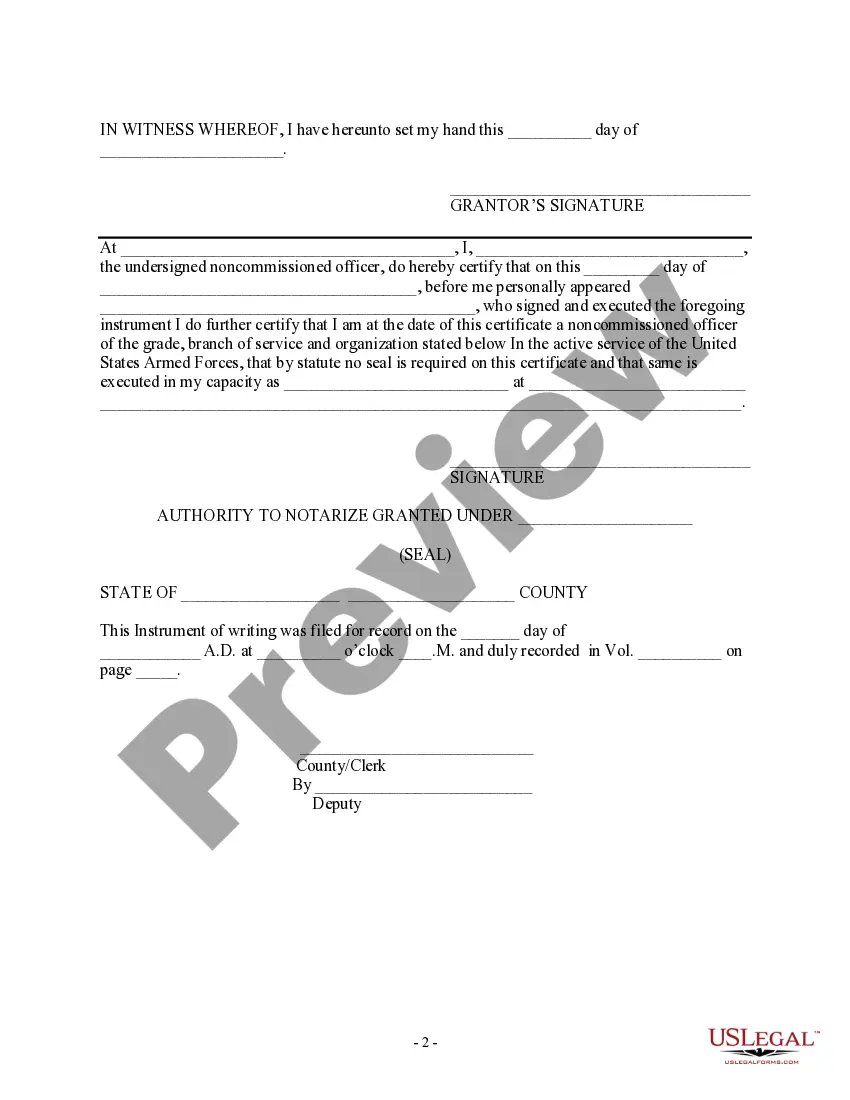
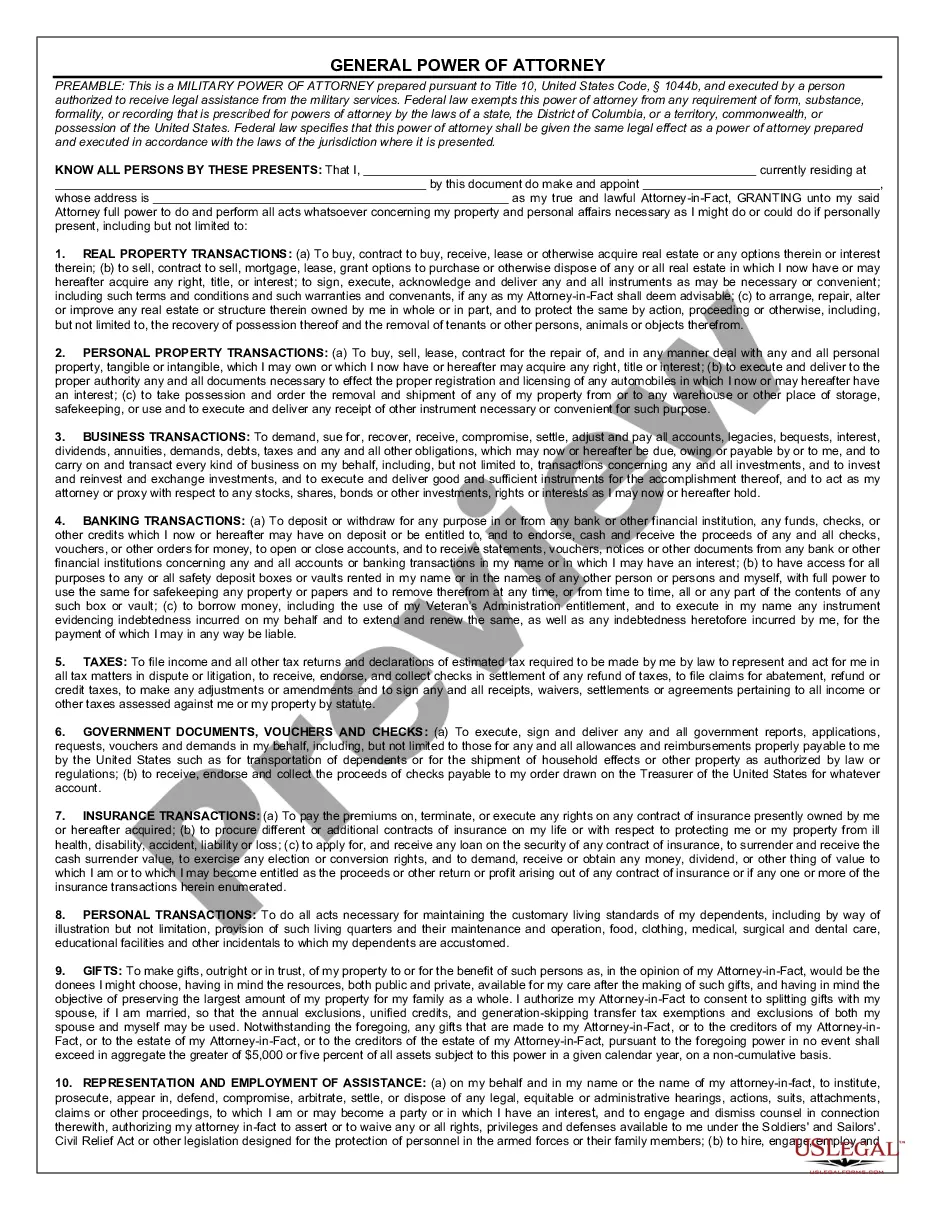
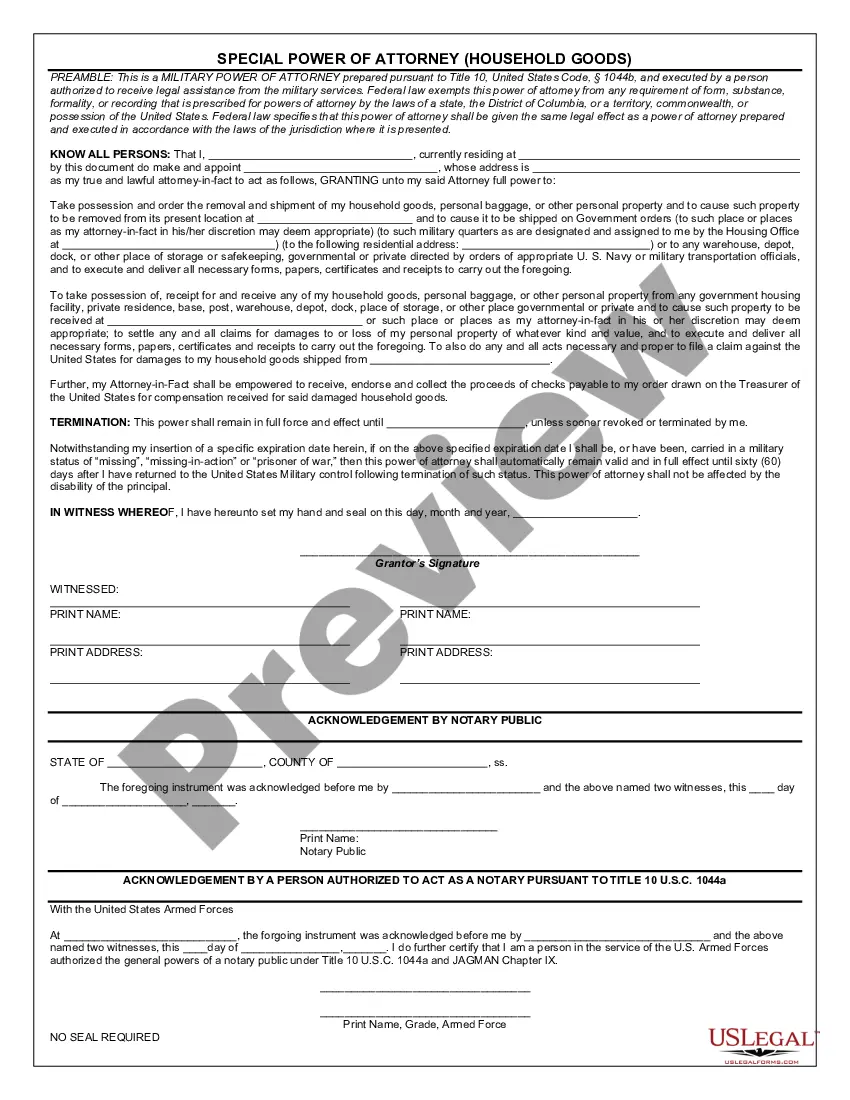
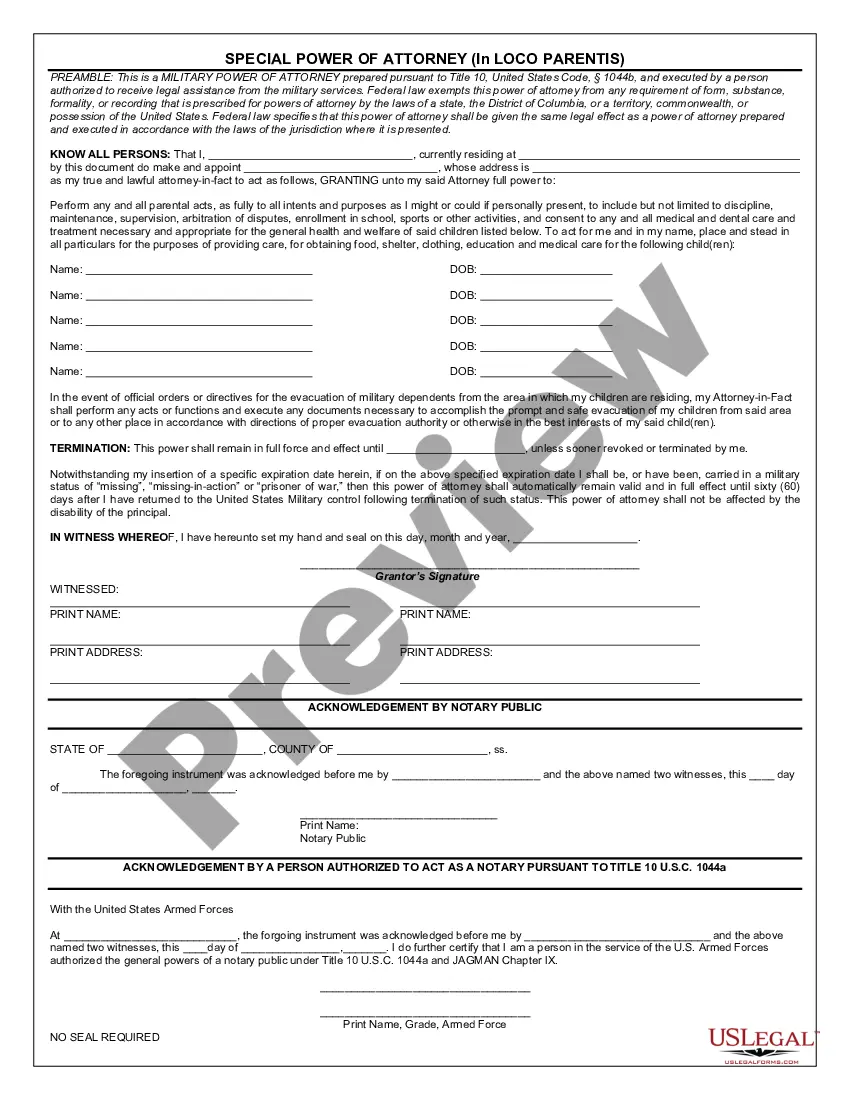
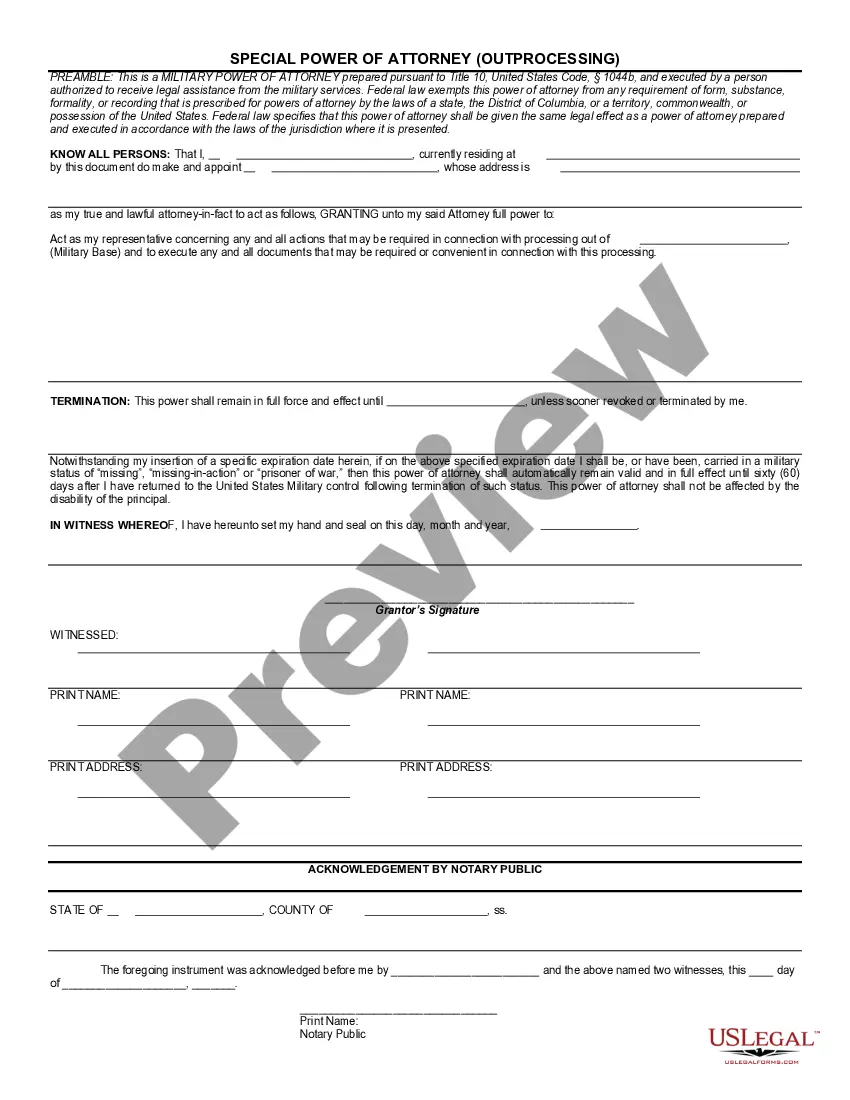
Get your form ready online
Our built-in tools help you complete, sign, share, and store your documents in one place.
Make edits, fill in missing information, and update formatting in US Legal Forms—just like you would in MS Word.
Download a copy, print it, send it by email, or mail it via USPS—whatever works best for your next step.
Sign and collect signatures with our SignNow integration. Send to multiple recipients, set reminders, and more. Go Premium to unlock E-Sign.
If this form requires notarization, complete it online through a secure video call—no need to meet a notary in person or wait for an appointment.
We protect your documents and personal data by following strict security and privacy standards.

Make edits, fill in missing information, and update formatting in US Legal Forms—just like you would in MS Word.

Download a copy, print it, send it by email, or mail it via USPS—whatever works best for your next step.

Sign and collect signatures with our SignNow integration. Send to multiple recipients, set reminders, and more. Go Premium to unlock E-Sign.

If this form requires notarization, complete it online through a secure video call—no need to meet a notary in person or wait for an appointment.

We protect your documents and personal data by following strict security and privacy standards.
Looking for another form?




How to fill out Special Military Power Of Attorney?
The Military Law Samples you see on this site is a reusable legal framework crafted by expert attorneys in accordance with federal and state regulations.
For over 25 years, US Legal Forms has been supplying individuals, businesses, and lawyers with more than 85,000 authenticated, state-specific documents for any business and personal situation. It’s the quickest, most straightforward, and most dependable method to obtain the materials you require, as the service ensures bank-level data security and anti-malware safeguards.
Register for US Legal Forms to have authenticated legal templates for all of life’s circumstances at your fingertips.
- Search for the document you need and verify it.
- Browse through the file you searched and preview it or review the form description to ensure it meets your requirements. If not, utilize the search function to find the correct one. Click Buy Now when you have located the template you require.
- Choose and Log In.
- Select the pricing option that fits you and create an account. Use PayPal or a credit card to complete a quick payment. If you already possess an account, Log In and check your subscription to proceed.
- Obtain the fillable document.
- Choose the format you prefer for your Military Law Samples (PDF, Word, RTF) and store the sample on your device.
- Complete and sign the document.
- Print out the template to finish it manually. Alternatively, employ an online versatile PDF editor to quickly and accurately fill out and sign your form with a legally-binding electronic signature.
- Redownload your paperwork.
- Utilize the same document again whenever necessary. Access the My documents tab in your profile to retrieve any previously saved forms.
Form popularity
FAQ
A good sentence for military could be: 'The military exemplifies discipline, teamwork, and dedication to duty.' This sentence provides a clear illustration of the values upheld in military law examples. It captures the essence of military service, showing how these principles govern actions and decisions in military settings. By understanding these key concepts, you can appreciate the complexities of military law and its examples.
Military laws refer to the legal framework governing members of the armed forces, primarily outlined by the UCMJ. These laws establish protocols for behavior, disciplinary actions, and justice processes within military contexts. For further assistance, platforms like USLegalForms can provide resources and templates to navigate military law effectively.
Five examples of military include the Army, Navy, Air Force, Marine Corps, and Coast Guard. Each branch has distinct roles and responsibilities, contributing to national defense and security. Understanding these branches helps highlight how military law examples apply differently across various service members and situations.
Filling out a military affidavit involves gathering the necessary information, such as personal details and the nature of the statement. Begin by clearly stating the purpose of the affidavit and provide factual details in a straightforward manner. Once completed, make sure to sign the document in front of a notary public to ensure its legitimacy.
Military law examples include the Uniform Code of Military Justice (UCMJ), which governs the conduct of members of the armed forces. Another example is the rules surrounding court-martial proceedings, which address offenses like desertion and insubordination. Understanding these examples is essential for service members to navigate legal obligations and protections.
Generally, in the United States, military law is a body of law that oversees the members of the armed forces. Essentially, the usage of military law on the members of the armed forces was a recognition that military individuals are subjected to different rules and expectations than ordinary civilian citizens.
Military law is all legal structures that govern military personnel. Topics covered by military cover service members' conduct while in training or on active duty, protections of military spouses, and service members' reentry into civil society when their tours of duty are over.
Apart from offenses of a peculiarly military nature, such as mutiny, insubordination, desertion, and misconduct in action or in performance of service duties, when an act committed by a soldier constitutes an offense in the civil code, it will frequently constitute an offense of which military law takes cognizance.
The Uniform Code of Military Justice (UCMJ), enacted by Congress, contains the substantive and procedural laws governing the military justice system. The President prescribes procedural rules and punishments for violations of crimes in the Manual for Courts-Martial (MCM).