Credit Shelter Trust Form With Two Points
Description

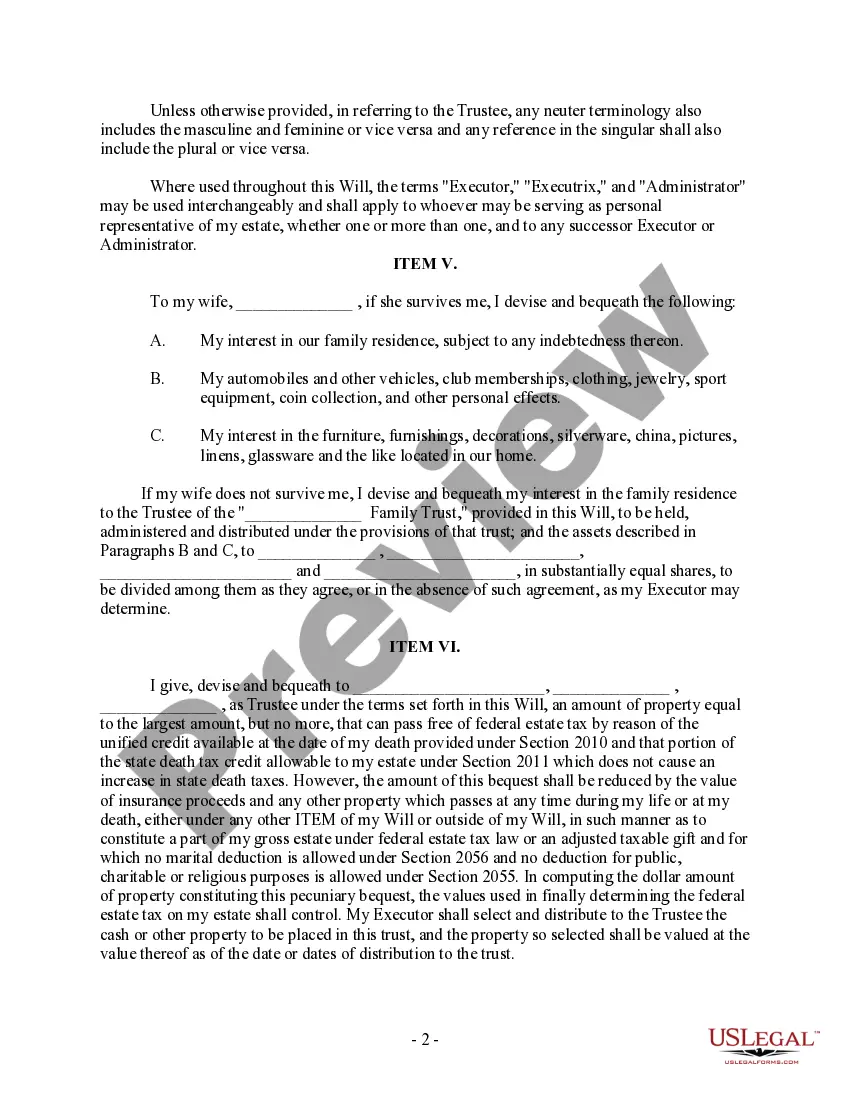
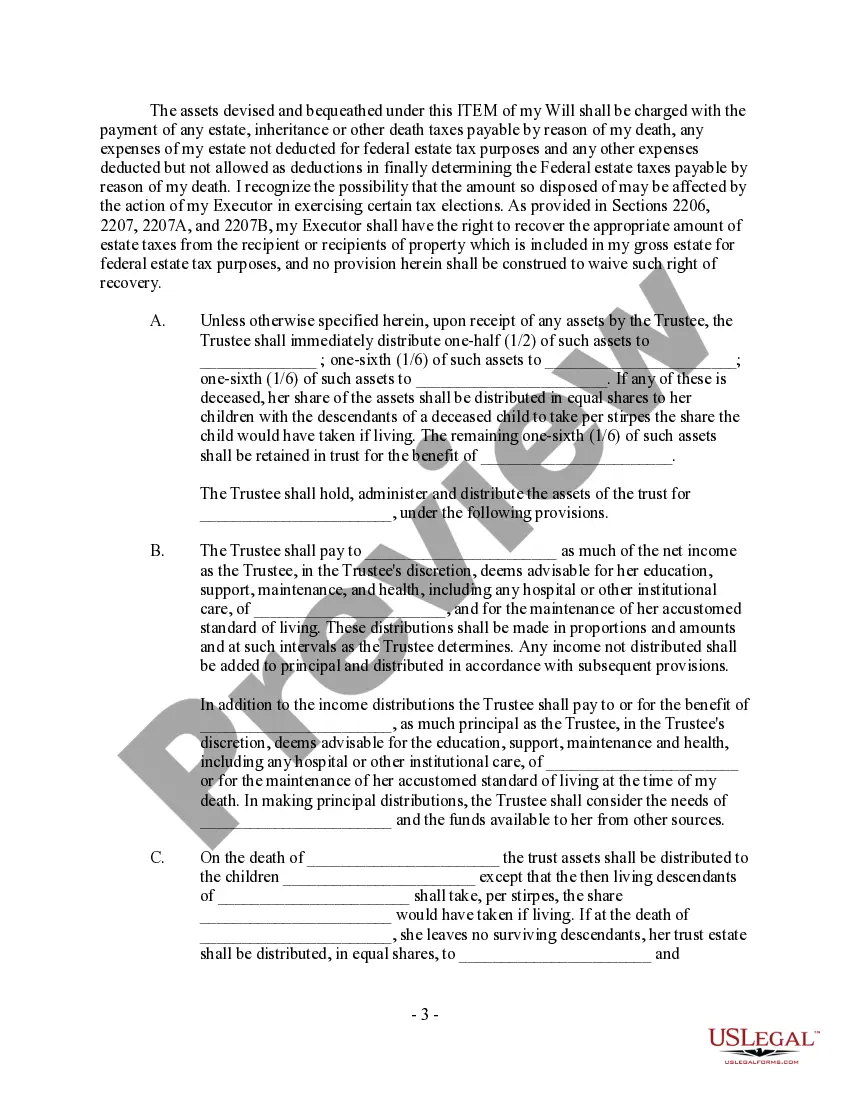
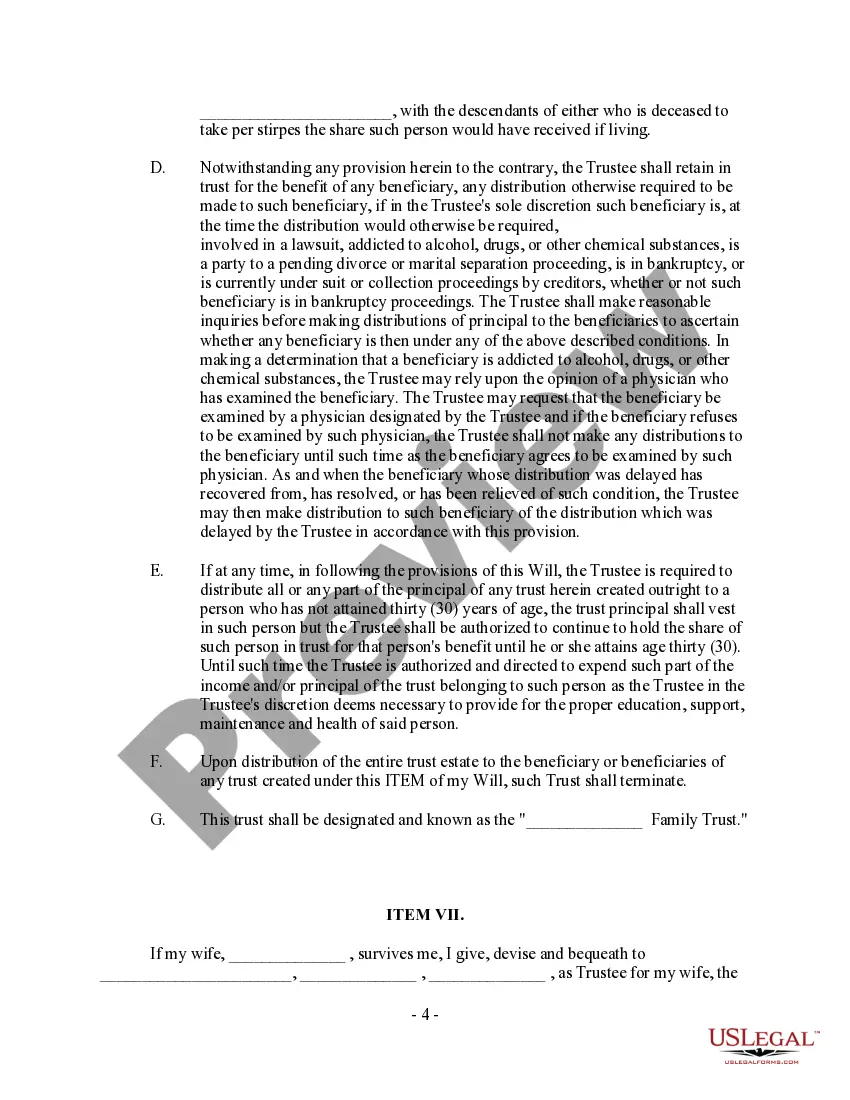
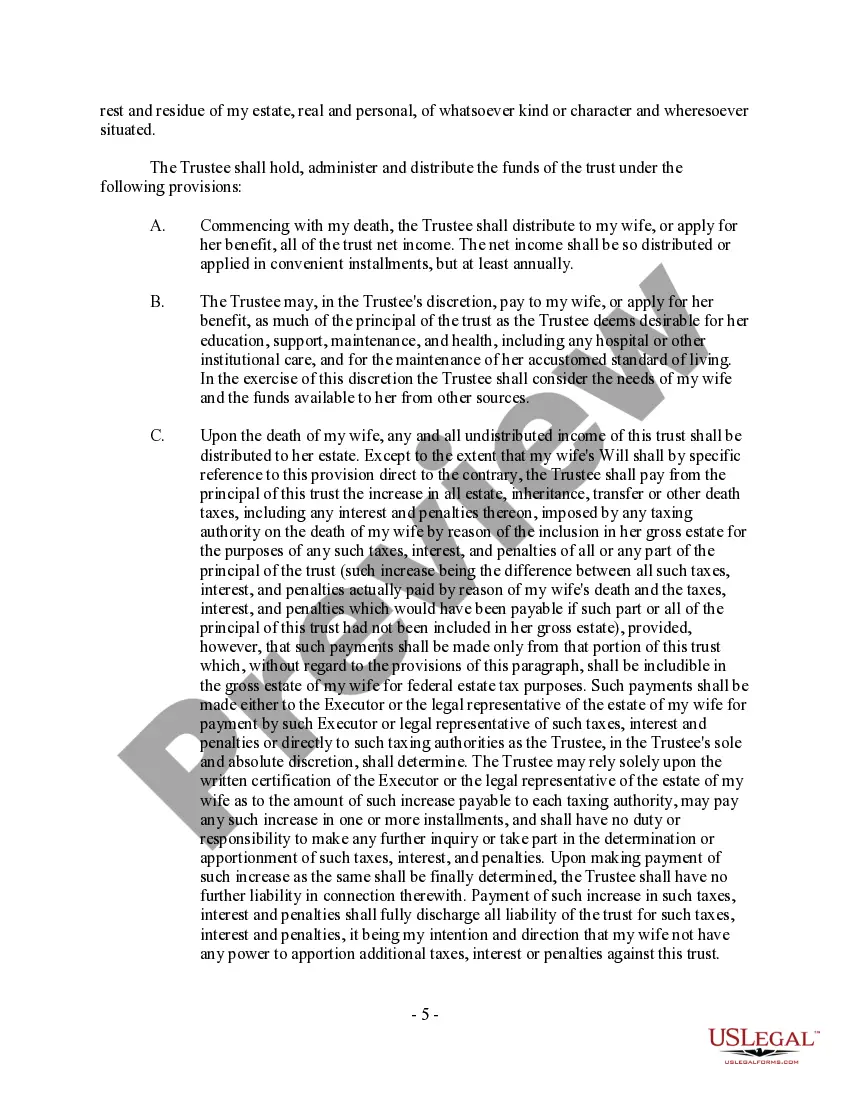



Get your form ready online
Our built-in tools help you complete, sign, share, and store your documents in one place.
Make edits, fill in missing information, and update formatting in US Legal Forms—just like you would in MS Word.
Download a copy, print it, send it by email, or mail it via USPS—whatever works best for your next step.
Sign and collect signatures with our SignNow integration. Send to multiple recipients, set reminders, and more. Go Premium to unlock E-Sign.
If this form requires notarization, complete it online through a secure video call—no need to meet a notary in person or wait for an appointment.
We protect your documents and personal data by following strict security and privacy standards.

Make edits, fill in missing information, and update formatting in US Legal Forms—just like you would in MS Word.

Download a copy, print it, send it by email, or mail it via USPS—whatever works best for your next step.

Sign and collect signatures with our SignNow integration. Send to multiple recipients, set reminders, and more. Go Premium to unlock E-Sign.

If this form requires notarization, complete it online through a secure video call—no need to meet a notary in person or wait for an appointment.

We protect your documents and personal data by following strict security and privacy standards.
Looking for another form?




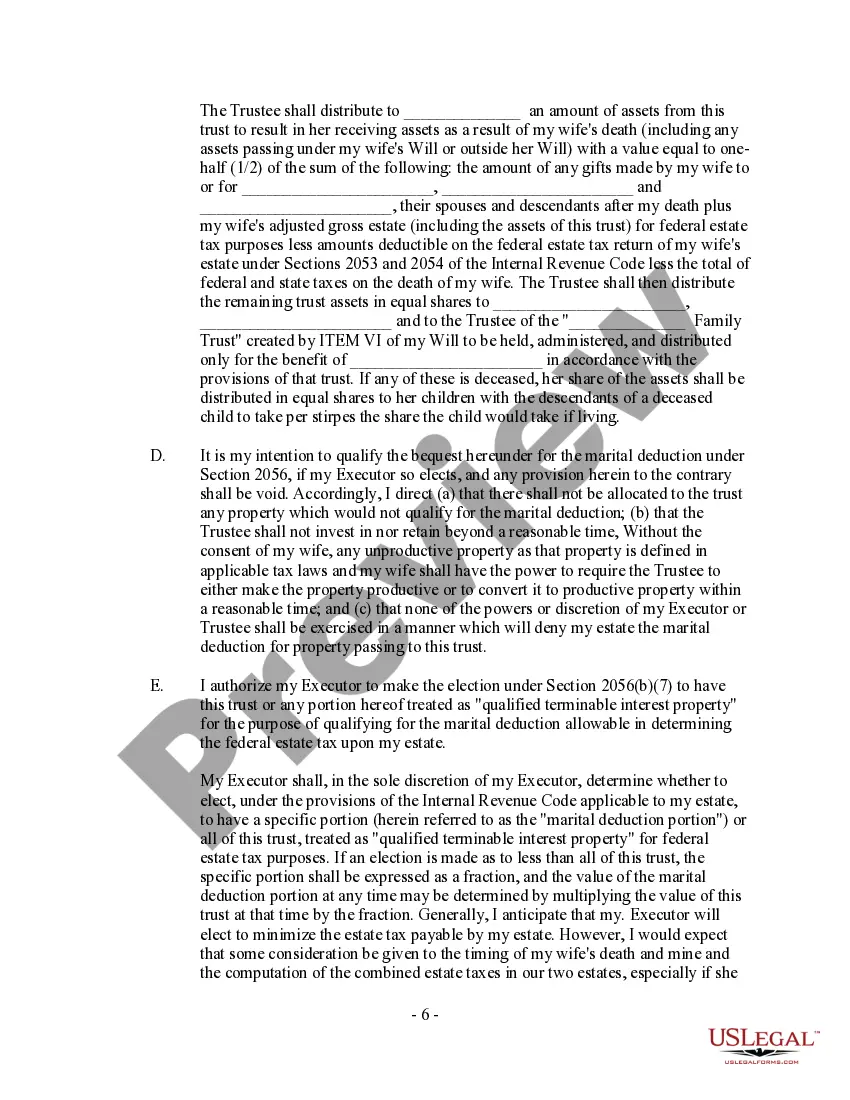
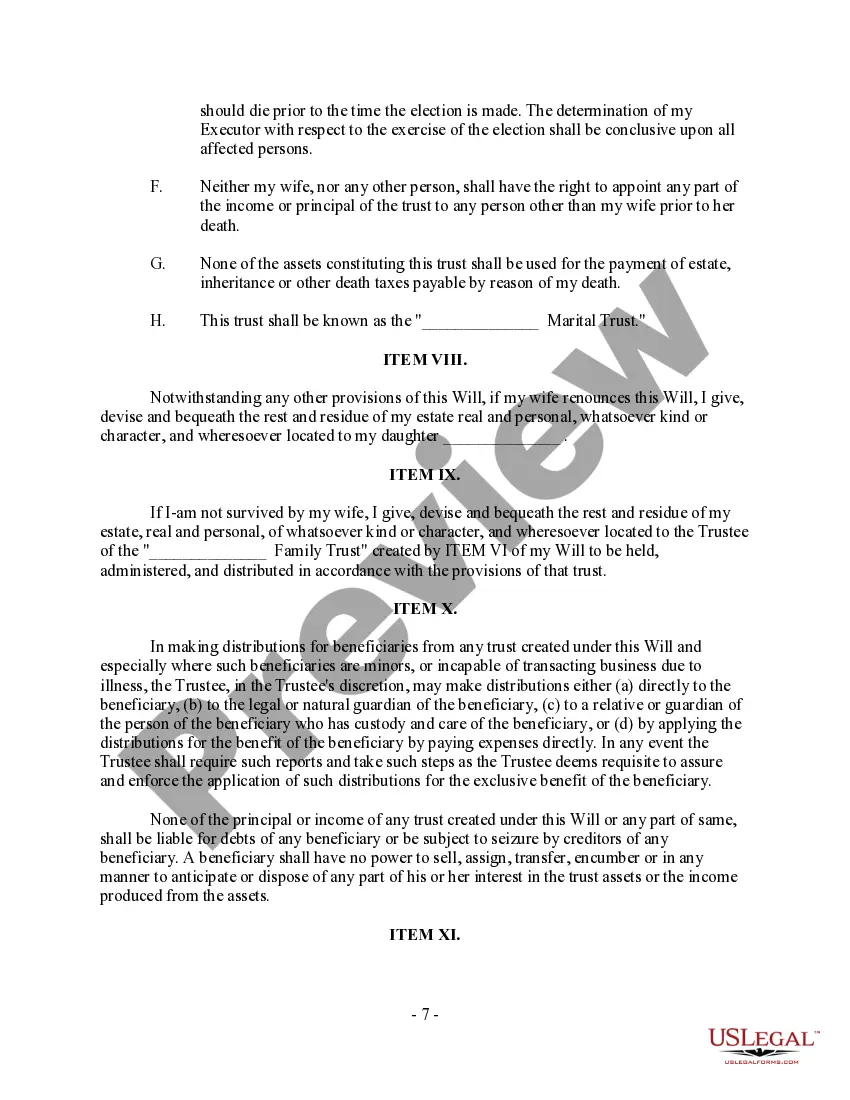
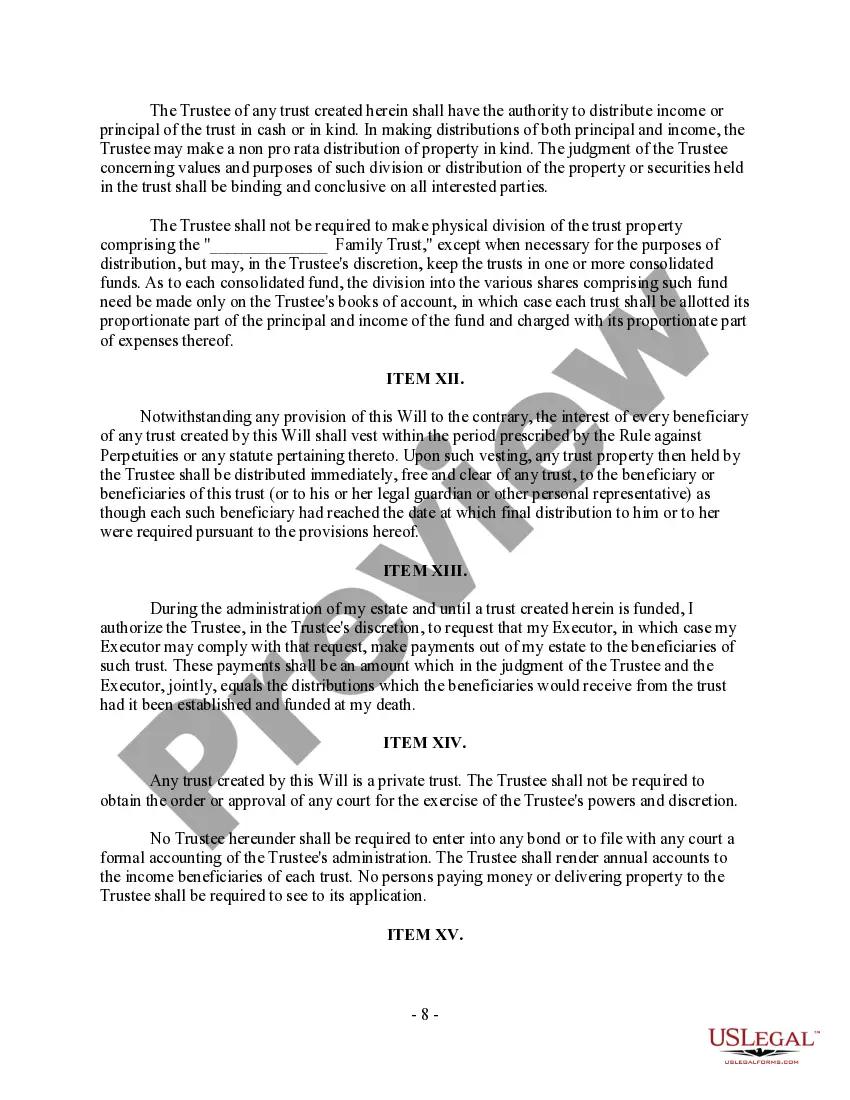
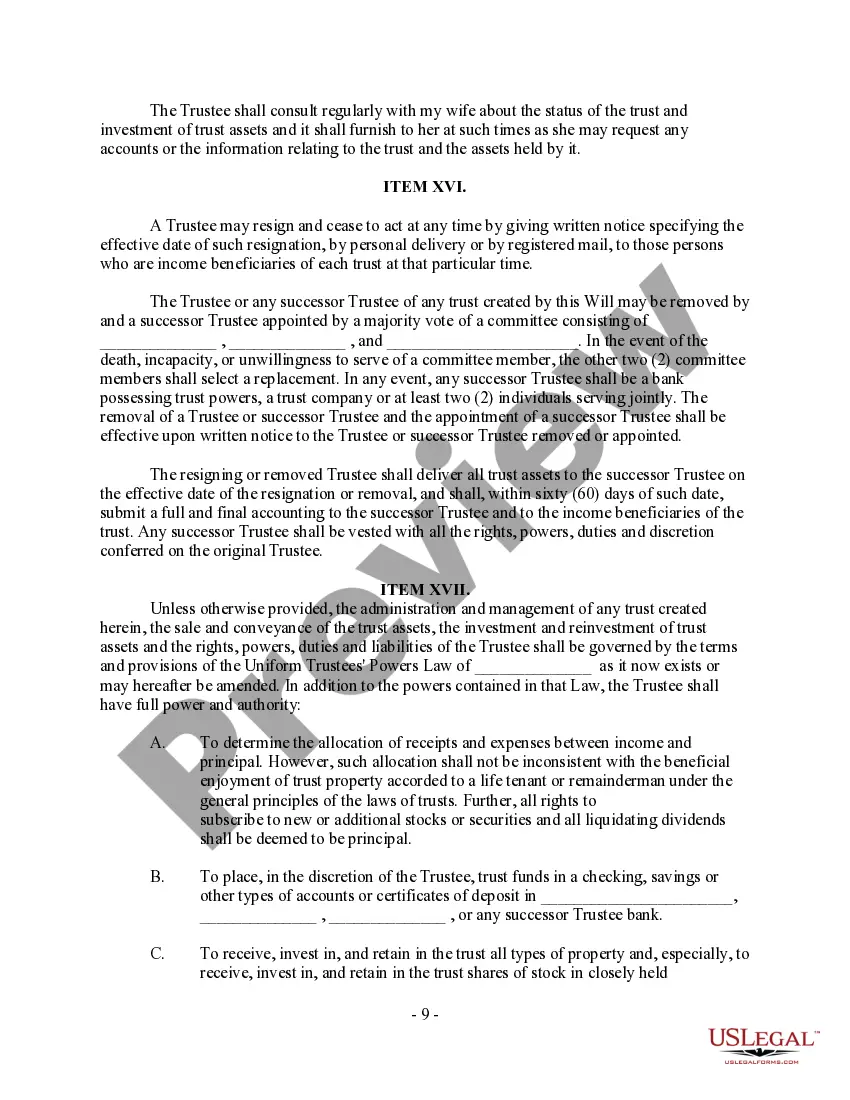
How to fill out Complex Will - Credit Shelter Marital Trust For Spouse?
Finding a reliable source for the latest and suitable legal documents is a significant part of navigating through bureaucracy.
Locating the correct legal paperwork demands precision and meticulousness, which is why it’s essential to obtain samples of the Credit Shelter Trust Form With Two Points exclusively from reputable providers, such as US Legal Forms.
Eliminate the complications associated with your legal paperwork. Browse the extensive US Legal Forms catalog to discover legal templates, assess their suitability for your needs, and download them instantly.
- Utilize the library navigation or search bar to locate your template.
- Review the form’s description to determine if it meets the specifications of your state and county.
- Check the form preview, if available, to confirm it is the document you need.
- Return to the search to find the appropriate template if the Credit Shelter Trust Form With Two Points does not meet your specifications.
- Once you are confident about the form’s applicability, proceed to download it.
- If you are a registered user, click Log in to verify your identity and gain access to your selected forms in My documents.
- If you don’t have an account yet, click Buy now to acquire the template.
- Choose the pricing plan that best fits your needs.
- Continue with the registration to complete your purchase.
- Conclude your purchase by selecting a payment option (credit card or PayPal).
- Choose the file format for downloading the Credit Shelter Trust Form With Two Points.
- Once you have the form on your device, you can either edit it using the editor or print it out to fill it in manually.
Form popularity
FAQ
The primary benefit of CSTs is that the surviving spouse can use the trust's principal and income during the remainder of their lifetime, for example, for medical or educational expenses. The remaining assets then pass to the beneficiaries and are not subject to estate taxes.
A credit shelter trust (CST) is a trust created after the death of the first spouse in a married couple. Assets placed in the trust are generally held apart from the estate of the surviving spouse, so they may pass tax-free to the remaining beneficiaries at the death of the surviving spouse.
Upon the death of the surviving spouse, the trust transfers to the heirs, who are exempt from the estate tax that would have resulted from a combined inheritance. Disadvantages of a CST include formation costs and the surviving spouse's lack of control.
When the credit shelter trust is initially funded upon the death of one spouse, the assets that are placed under the trust receive a step-up in basis. This is an important consideration, because any assets held in a CST don't receive a second step-up in basis upon the death of the surviving spouse.
Example of a Credit Shelter Trust Because these assets were held in the trust outside of the wife's control, her taxable estate is still valued at $6 million and still within the estate tax exemption. Thus, she can pass on her assets to her children without paying an estate tax when she dies.