Credit Shelter For Sale
Description

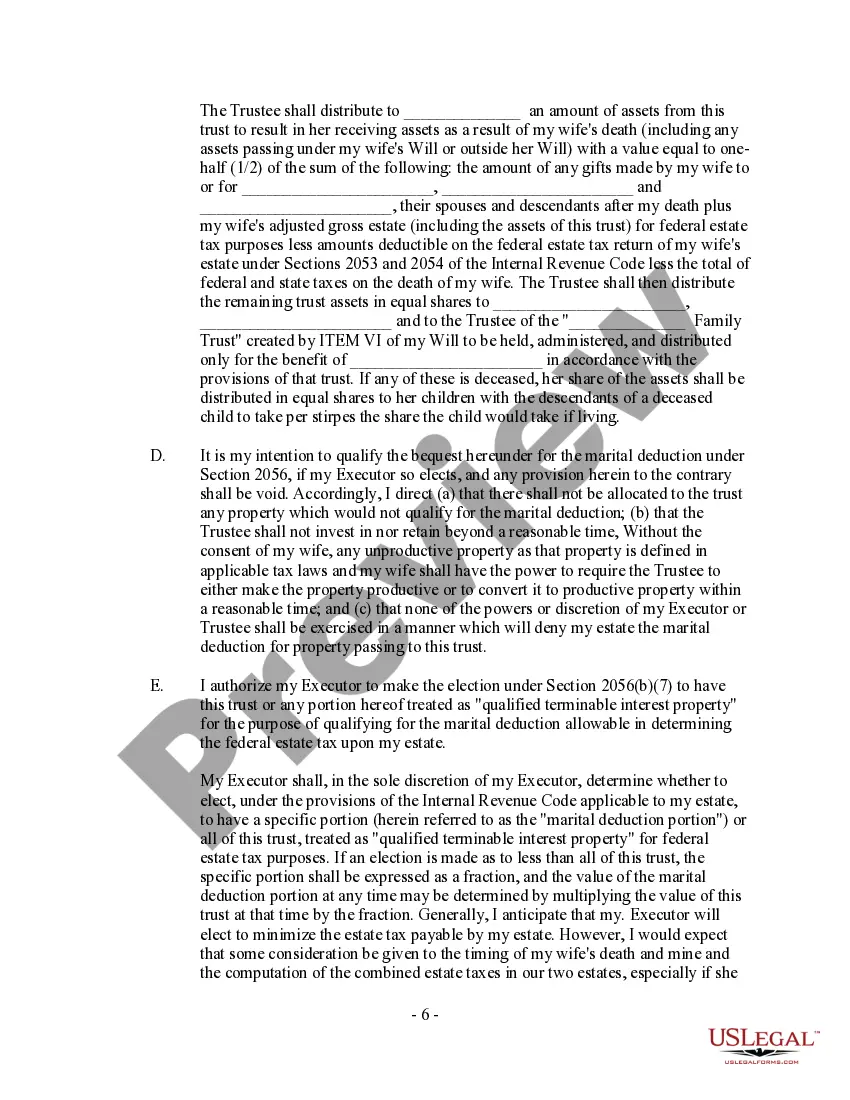
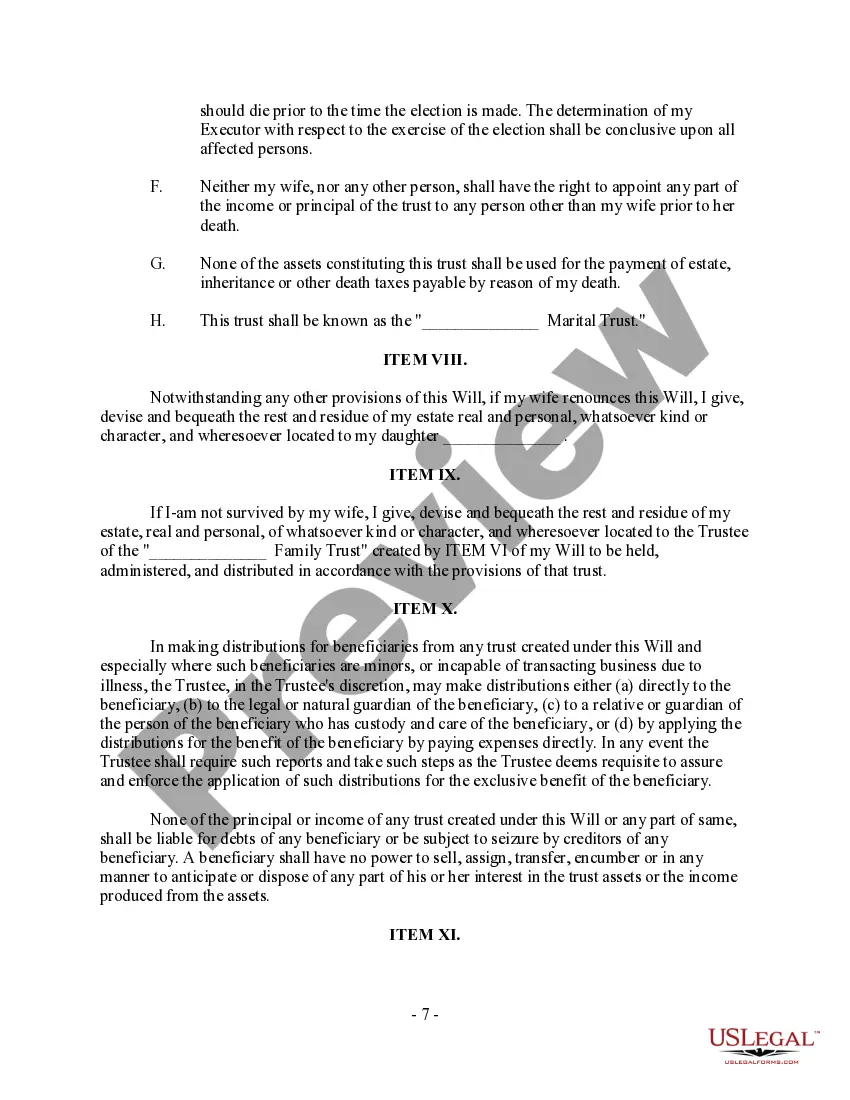
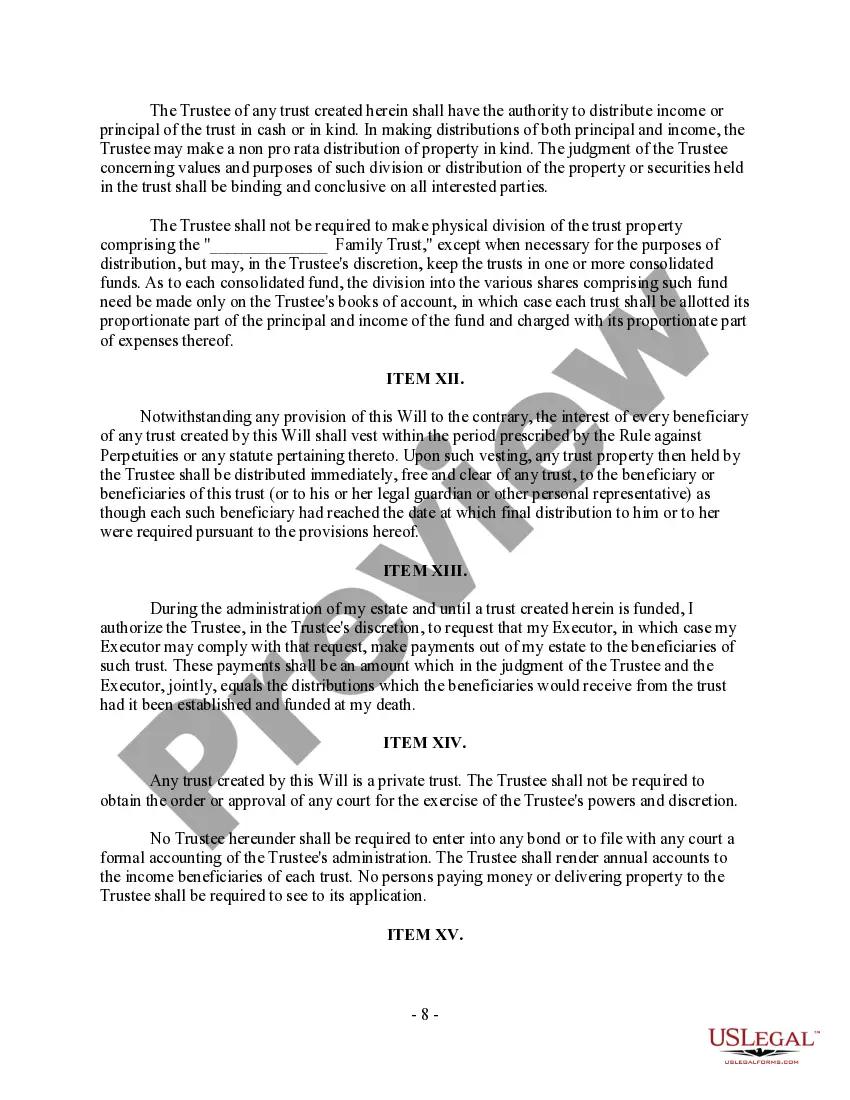
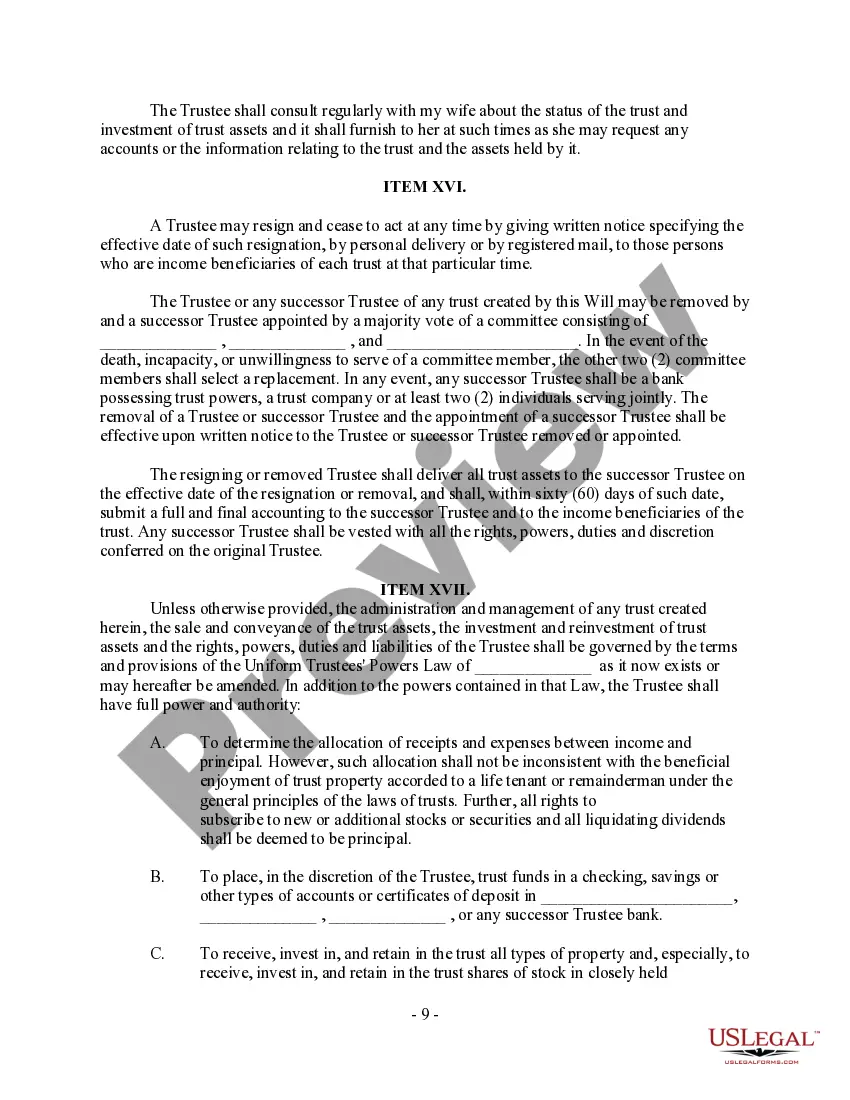



Get your form ready online
Our built-in tools help you complete, sign, share, and store your documents in one place.
Make edits, fill in missing information, and update formatting in US Legal Forms—just like you would in MS Word.
Download a copy, print it, send it by email, or mail it via USPS—whatever works best for your next step.
Sign and collect signatures with our SignNow integration. Send to multiple recipients, set reminders, and more. Go Premium to unlock E-Sign.
If this form requires notarization, complete it online through a secure video call—no need to meet a notary in person or wait for an appointment.
We protect your documents and personal data by following strict security and privacy standards.

Make edits, fill in missing information, and update formatting in US Legal Forms—just like you would in MS Word.

Download a copy, print it, send it by email, or mail it via USPS—whatever works best for your next step.

Sign and collect signatures with our SignNow integration. Send to multiple recipients, set reminders, and more. Go Premium to unlock E-Sign.

If this form requires notarization, complete it online through a secure video call—no need to meet a notary in person or wait for an appointment.

We protect your documents and personal data by following strict security and privacy standards.
Looking for another form?
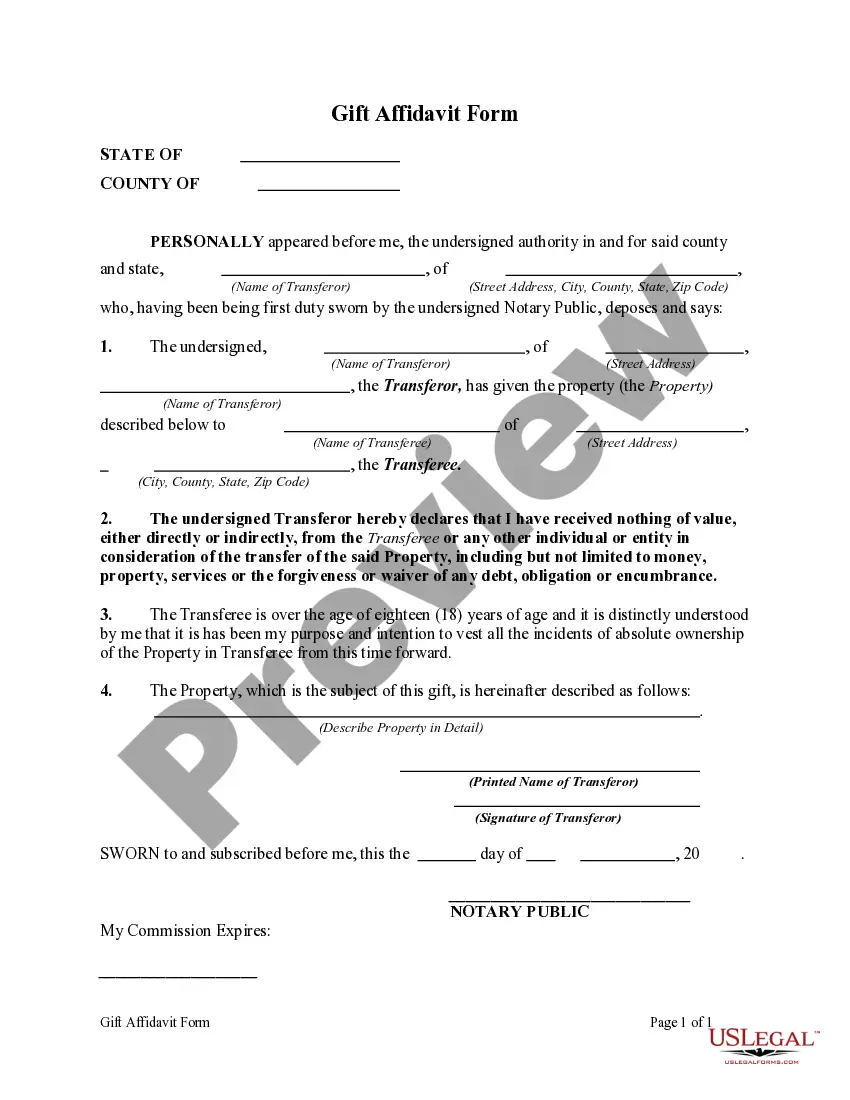







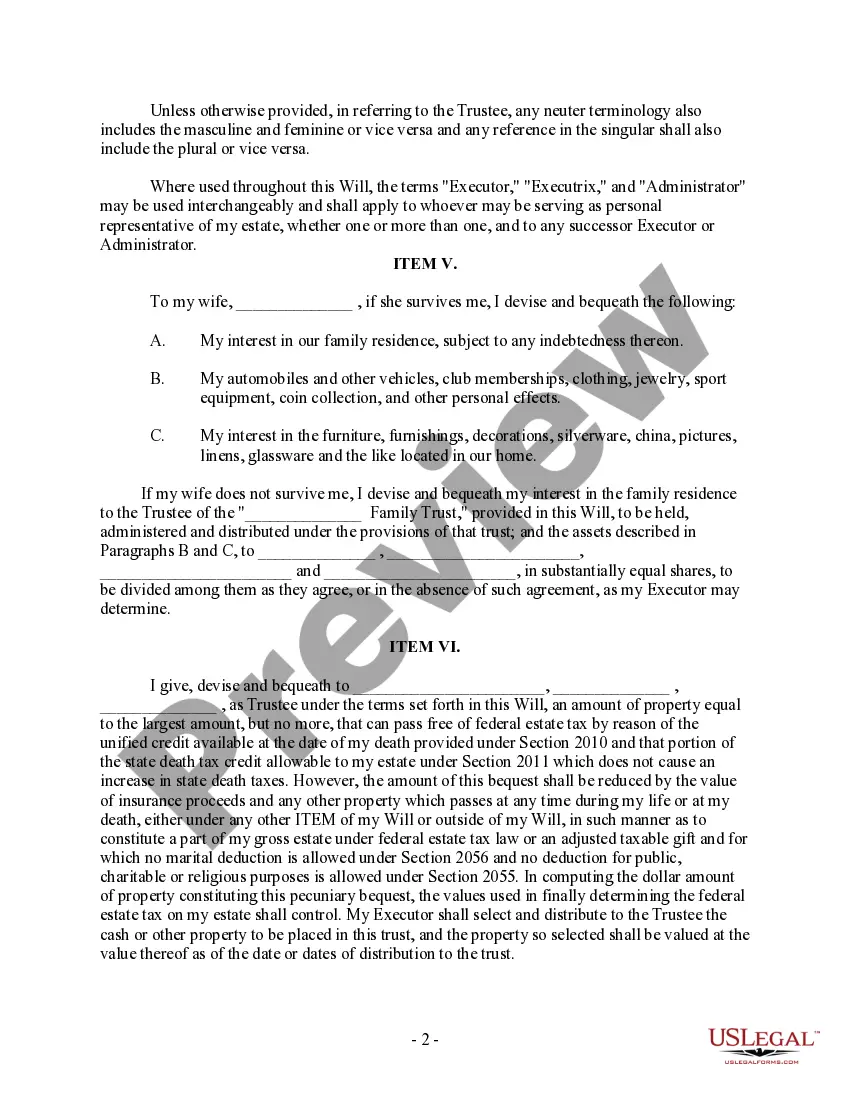
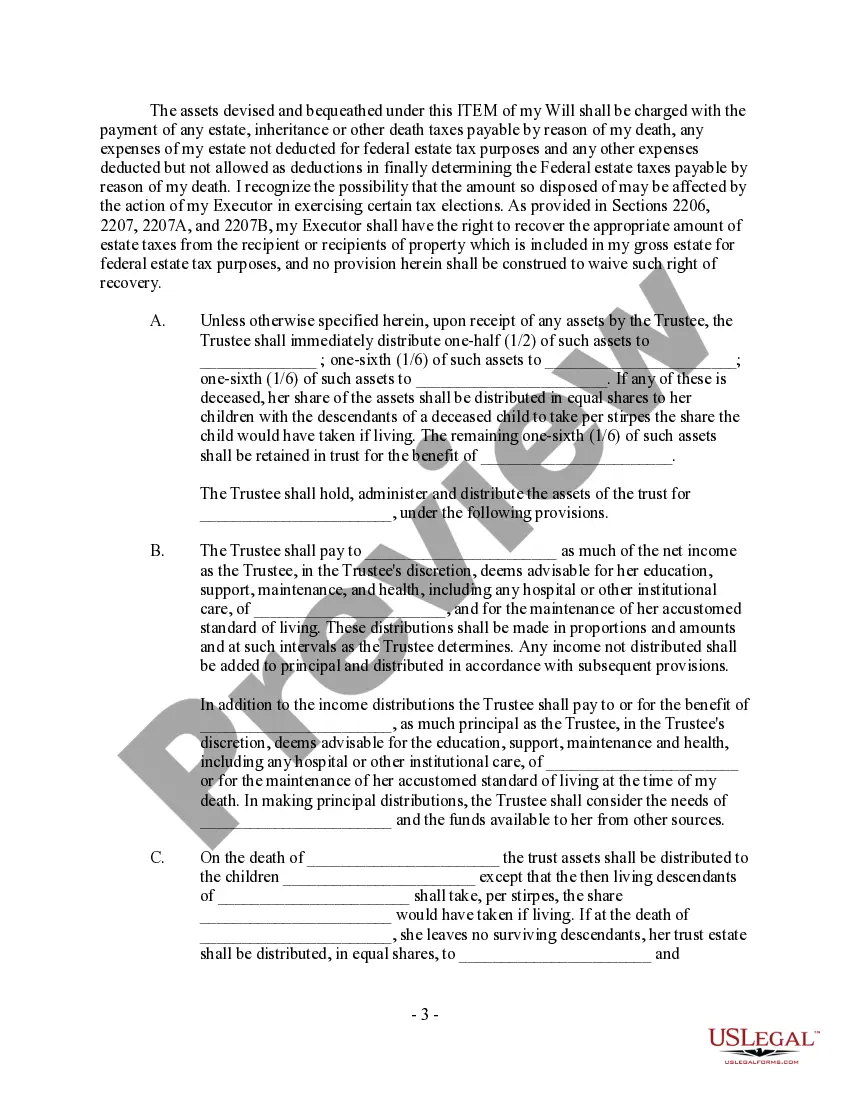
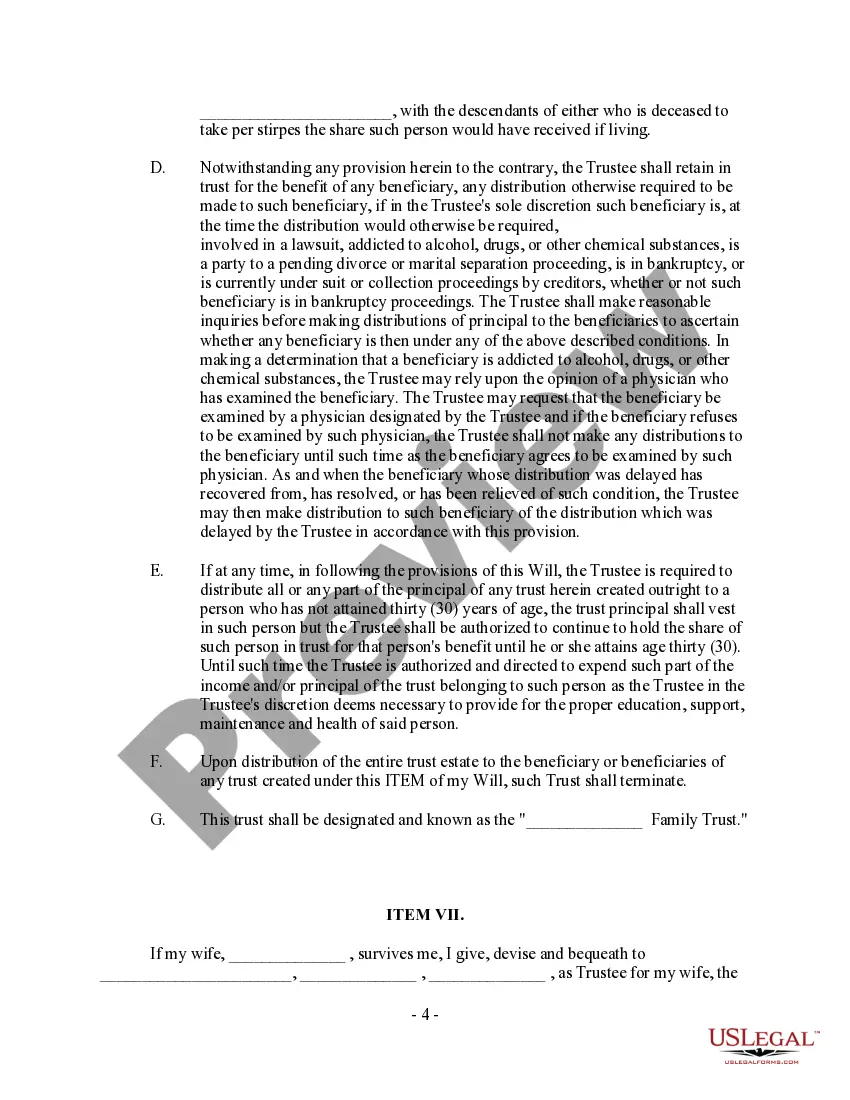
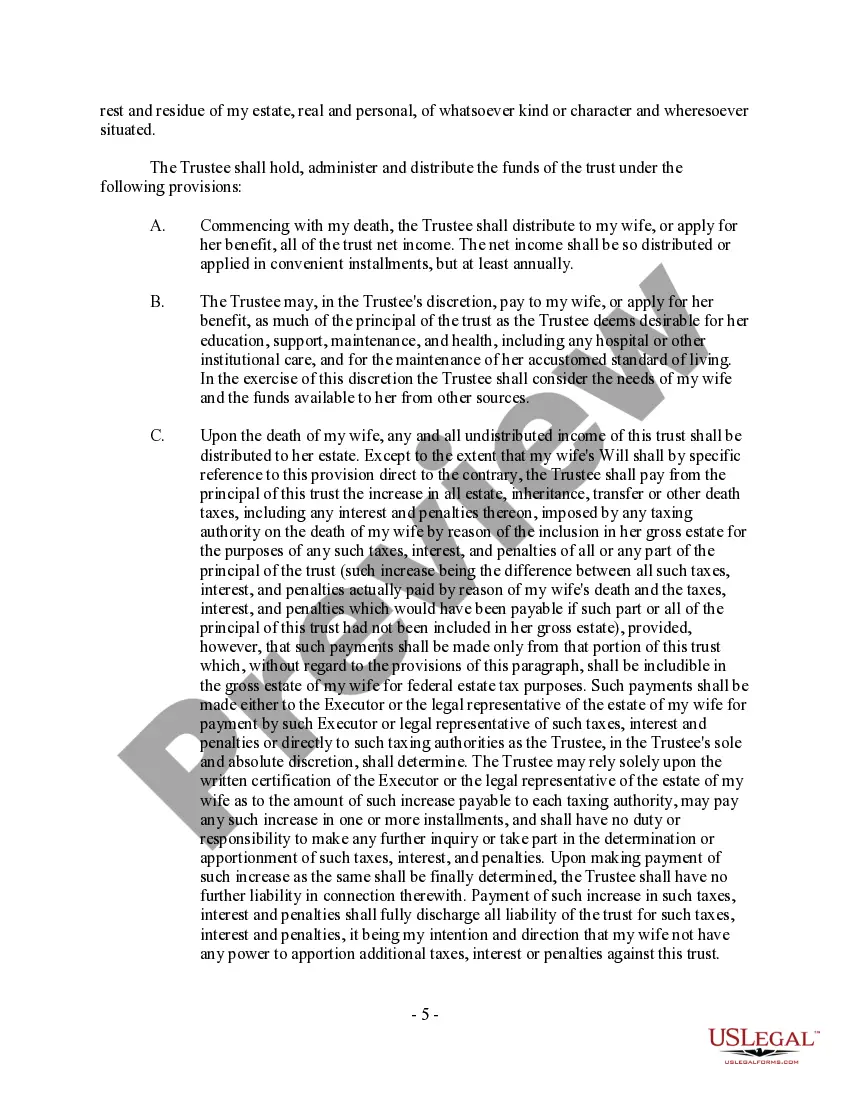
How to fill out Complex Will - Credit Shelter Marital Trust For Spouse?
- Log in to your account if you're a returning user, ensuring you have a valid subscription to access the form template.
- If you're new to US Legal Forms, start by reviewing the available templates. Use the Preview mode to find one that fits your requirements.
- Should you need a different form, utilize the Search tab to locate the precise document that meets your specifications.
- After confirming you have the correct form, click 'Buy Now' to select your preferred subscription plan and create an account.
- Complete your purchase by entering your payment details, either through credit card or PayPal.
- Once your payment is processed, download the form to your device for easy access and future completion.
By following these steps, you can efficiently obtain your desired credit shelter form while enjoying the extensive benefits US Legal Forms offers.
Take advantage of this powerful legal resource today and secure your credit shelter for sale with confidence!
Form popularity
FAQ
Certain types of trusts, like charitable remainder trusts, can enjoy tax-exempt status. These trusts allow the donor to reduce their taxable income while supporting charitable causes. However, it's crucial to understand the criteria and benefits fully. Exploring credit shelter for sale options can help you seek the most effective solution for minimizing taxes through various trust structures.
Yes, a trustee holds a vital role in managing the trust, including the responsibility for tax payments. The trustee ensures that the trust complies with tax laws and submits the necessary tax returns. Proper management of a credit shelter for sale includes understanding these obligations, which can be complex, but platforms like uslegalforms can simplify the process.
A common example of a credit shelter trust is a bypass trust. When one spouse passes away, the trust can hold the deceased spouse's assets up to the estate tax exemption limit. This scenario helps minimize taxes and allows the surviving spouse to access the trust’s benefits, ensuring the family retains wealth effectively through a credit shelter for sale.
Typically, the income generated by a credit shelter trust is subject to taxation. The trustee is responsible for filing tax returns for the trust, and any tax liability usually falls on the trust itself. Therefore, it's essential to understand that the funds within a credit shelter for sale can have tax implications that the trustee must manage effectively.
After death, a credit shelter trust remains in effect, allowing for continued management and distribution of its assets according to the trust's terms. Beneficiaries may receive their inheritance directly, bypassing the probate process entirely. If you are considering a credit shelter for sale, it's beneficial to understand how this instrument can facilitate smoother wealth transfer.
Yes, creditors can seek to collect debts from a trust after the grantor's death, depending on specific laws and the nature of the debts. However, effective estate planning can protect certain assets from creditor claims. By exploring credit shelter for sale options, you can safeguard your family's financial future against potential claims.
When the surviving spouse dies, the assets in a credit shelter trust generally pass to the designated beneficiaries as outlined in the trust agreement. This transfer happens without going through probate, ensuring a smooth transition of assets. As you consider options for a credit shelter for sale, it’s important to understand the long-term benefits this structure can provide.
Yes, a credit shelter trust typically needs to file its own tax return, separate from the individual tax returns of the grantor or beneficiaries. This requirement can add another layer of complexity in managing your assets. If a credit shelter for sale is on your mind, knowing the tax implications is essential.
A credit shelter trust may involve higher upfront legal and administrative costs, which can be daunting for many individuals. Additionally, managing the trust can complicate the estate plan, making it necessary to regularly consult with a financial advisor. For those considering a credit shelter for sale, understanding these drawbacks is crucial to making informed decisions.
The current estate tax exemption refers to the amount that an individual can pass on to heirs without incurring federal estate taxes. This exemption amount is adjusted regularly and can significantly impact estate planning strategies. If you want to take advantage of tax exemptions, exploring options like a credit shelter for sale can optimize your estate's value for your loved ones. Stay informed about these limits to make the best decisions for your family's future.