Fraud Letter Template With Bank
Description
Get your form ready online
Our built-in tools help you complete, sign, share, and store your documents in one place.
Make edits, fill in missing information, and update formatting in US Legal Forms—just like you would in MS Word.
Download a copy, print it, send it by email, or mail it via USPS—whatever works best for your next step.
Sign and collect signatures with our SignNow integration. Send to multiple recipients, set reminders, and more. Go Premium to unlock E-Sign.
If this form requires notarization, complete it online through a secure video call—no need to meet a notary in person or wait for an appointment.
We protect your documents and personal data by following strict security and privacy standards.

Make edits, fill in missing information, and update formatting in US Legal Forms—just like you would in MS Word.

Download a copy, print it, send it by email, or mail it via USPS—whatever works best for your next step.

Sign and collect signatures with our SignNow integration. Send to multiple recipients, set reminders, and more. Go Premium to unlock E-Sign.

If this form requires notarization, complete it online through a secure video call—no need to meet a notary in person or wait for an appointment.

We protect your documents and personal data by following strict security and privacy standards.
Looking for another form?
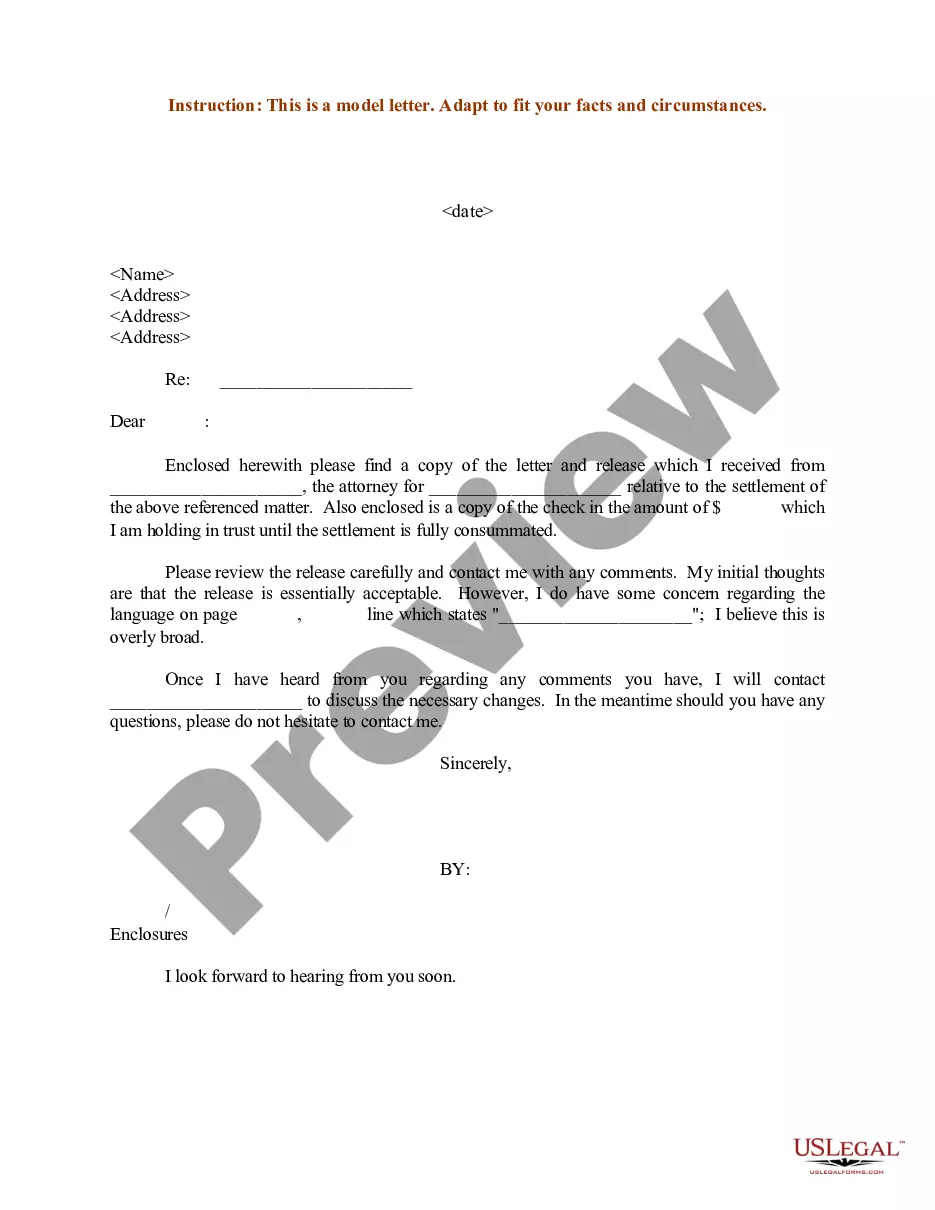
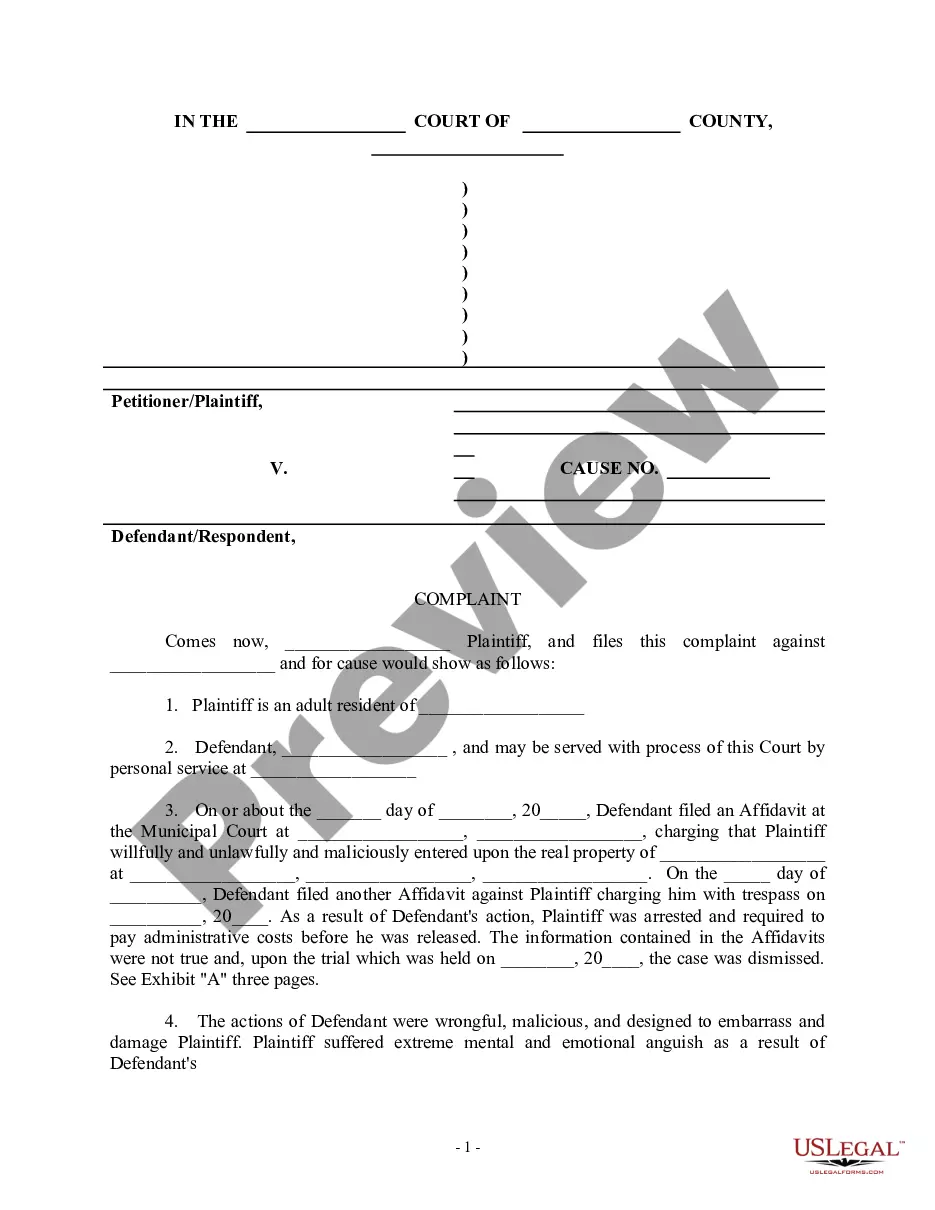
How to fill out Complaint Regarding Defamation, Fraud, Deceitful Business Practices?
Regardless of whether it is for corporate interests or personal reasons, everyone must navigate legal matters at some stage of their life.
Filling out legal documents requires thorough scrutiny, starting from selecting the appropriate form template.
With a vast US Legal Forms catalog available, you will never need to waste time searching for the right template online. Utilize the library’s straightforward navigation to find the correct form for any scenario.
- For example, if you select the incorrect version of the Fraud Letter Template With Bank, it will be rejected upon submission.
- Thus, it is crucial to have a reliable source for legal documents such as US Legal Forms.
- If you wish to acquire a Fraud Letter Template With Bank template, follow these straightforward steps.
- Retrieve the template you need using the search tool or catalog navigation.
- Examine the form’s details to ensure it aligns with your circumstances, state, and locality.
- Click on the form’s preview to review it.
- If it is not the correct form, return to the search tool to find the necessary Fraud Letter Template With Bank sample.
- Download the file when it fulfills your requirements.
- If you already possess a US Legal Forms account, click Log in to access your previously saved documents at My documents.
- If you do not have an account yet, you can acquire the form by clicking Buy now.
- Select the suitable pricing choice.
- Complete the user registration form.
- Choose your payment method: use a credit card or PayPal account.
- Select the file format you prefer and download the Fraud Letter Template With Bank.
- Once downloaded, you can fill out the form using editing software or print it and complete it manually.
Form popularity
FAQ
To write a letter to your bank for unauthorized transactions, start by clearly stating your account details and the nature of the transaction. Use a Fraud letter template with bank to structure your message effectively, as it provides a proficient format. Include any relevant transaction IDs and the amount. Finally, request a prompt investigation and resolution of the issue.
You may seek review of matters that qualify for appeal by submitting a written description of the matter(s) under dispute to either the OCC ombudsman or your immediate supervisory office.
You can send your dispute to the address for the bank or credit union found in your consumer report or you can call customer service for the bank that reported the information about you to find out where to send the dispute. Financial institutions may require additional documents for requests involving identity theft.
This letter is to serve as written notification that I am a victim of a fraud crime. The account currently in your office for collection does not belong to me--it was opened fraudulently. I reported this crime to [Name of police department] on [Date]. The police report number is [Number].
I am writing to tell you that the payment was an unauthorized transfer. My bank account number is [x-x]. My account statement or other notification sent by you shows that an automatic payment was made to [Company name]. However this payment was unauthorized.
Your letter should identify each item you dispute, state the facts, explain why you dispute the information, and ask that the business that supplied the information take action to have it removed or corrected.