Defamation Complaint Example
Description


Get your form ready online
Our built-in tools help you complete, sign, share, and store your documents in one place.
Make edits, fill in missing information, and update formatting in US Legal Forms—just like you would in MS Word.
Download a copy, print it, send it by email, or mail it via USPS—whatever works best for your next step.
Sign and collect signatures with our SignNow integration. Send to multiple recipients, set reminders, and more. Go Premium to unlock E-Sign.
If this form requires notarization, complete it online through a secure video call—no need to meet a notary in person or wait for an appointment.
We protect your documents and personal data by following strict security and privacy standards.

Make edits, fill in missing information, and update formatting in US Legal Forms—just like you would in MS Word.

Download a copy, print it, send it by email, or mail it via USPS—whatever works best for your next step.

Sign and collect signatures with our SignNow integration. Send to multiple recipients, set reminders, and more. Go Premium to unlock E-Sign.

If this form requires notarization, complete it online through a secure video call—no need to meet a notary in person or wait for an appointment.

We protect your documents and personal data by following strict security and privacy standards.
Looking for another form?
How to fill out Complaint Regarding Defamation, Fraud, Deceitful Business Practices?
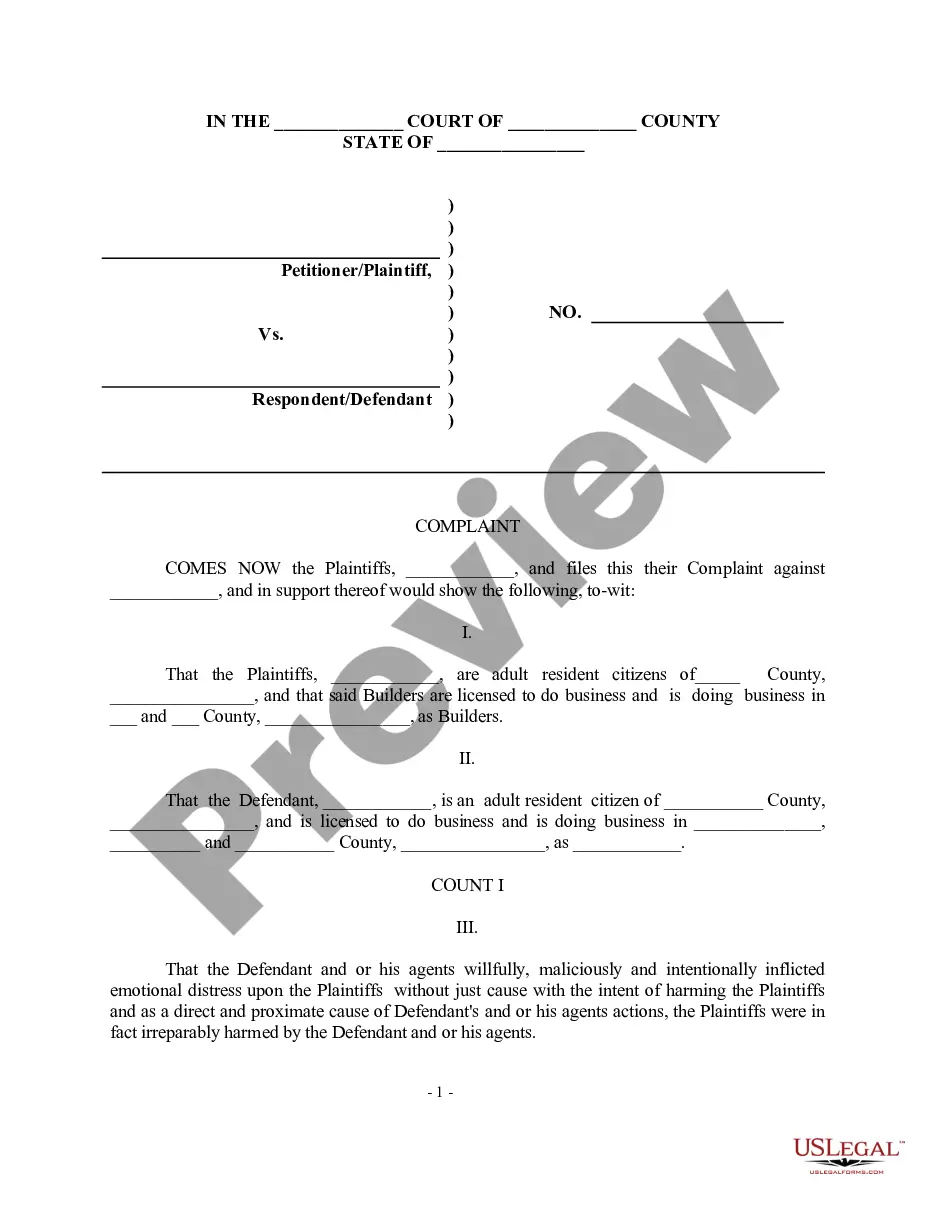
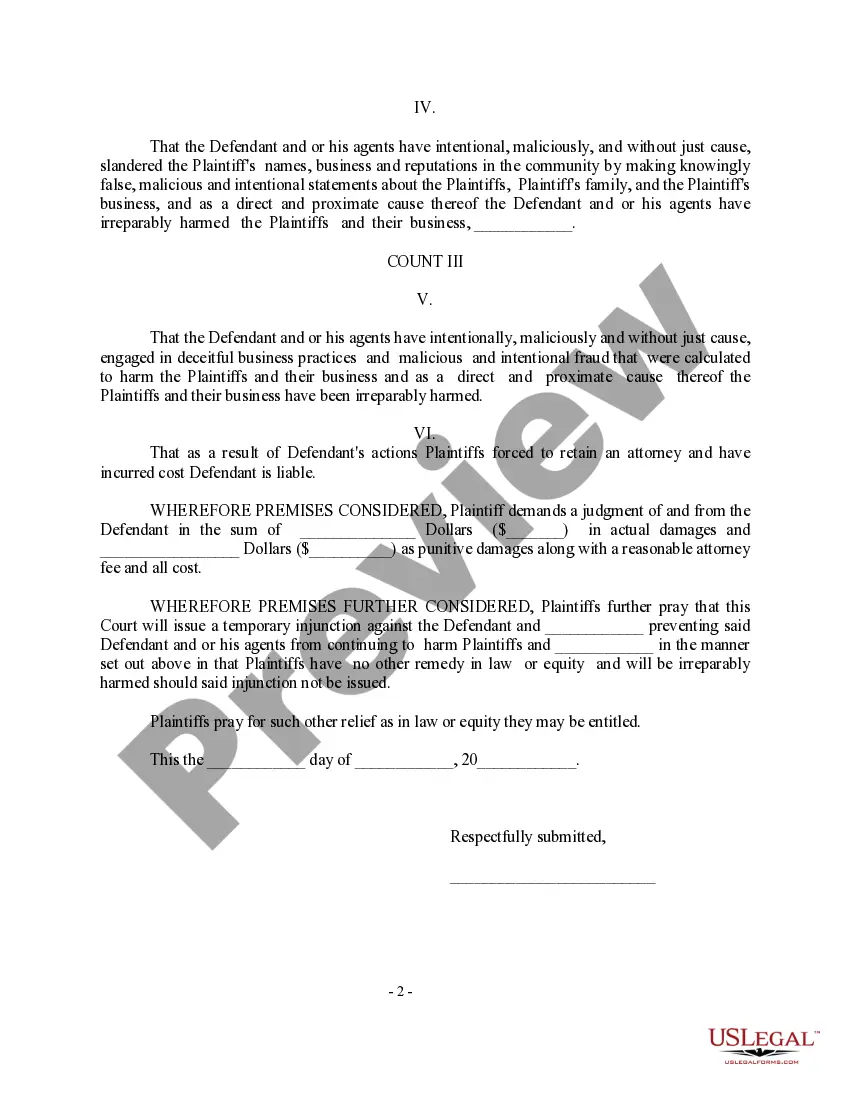
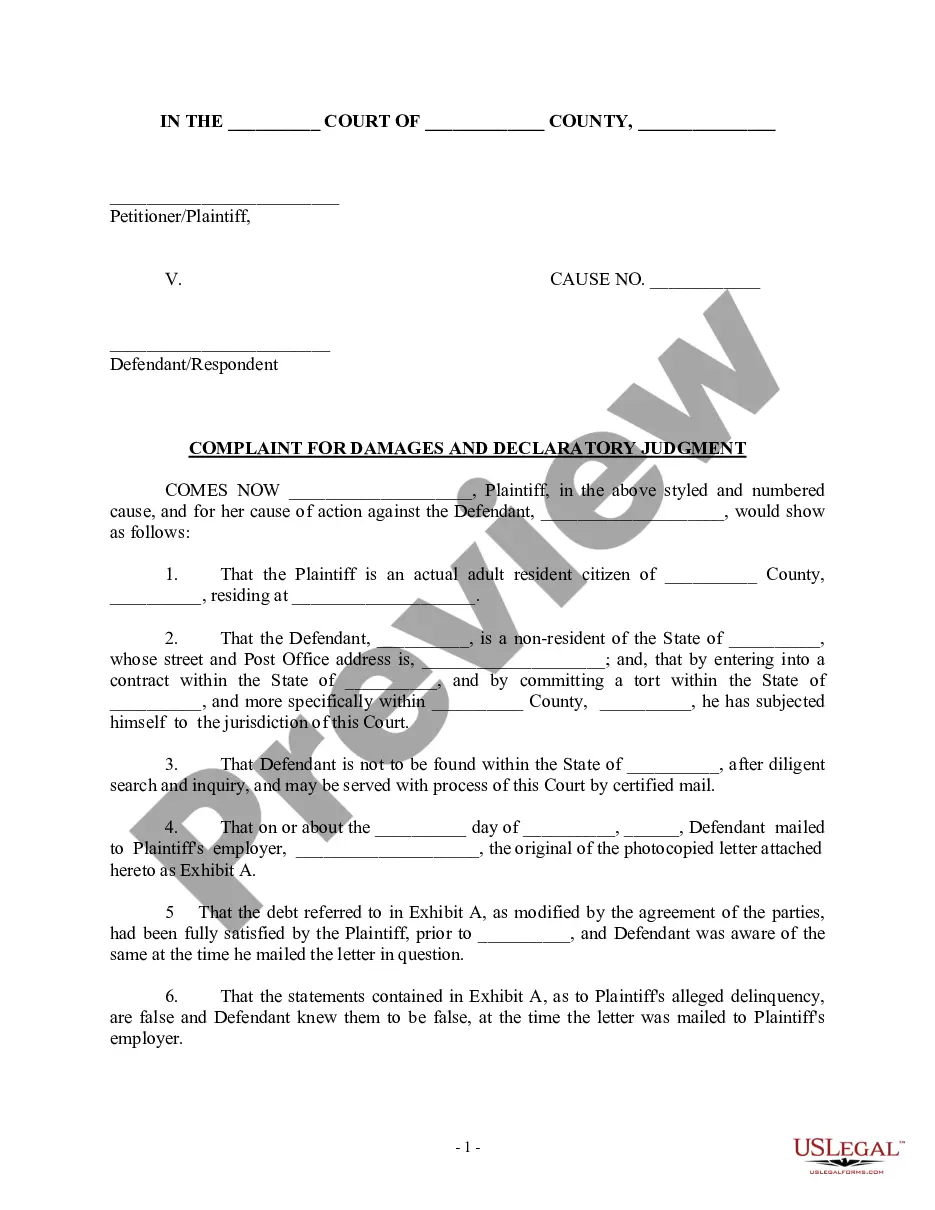
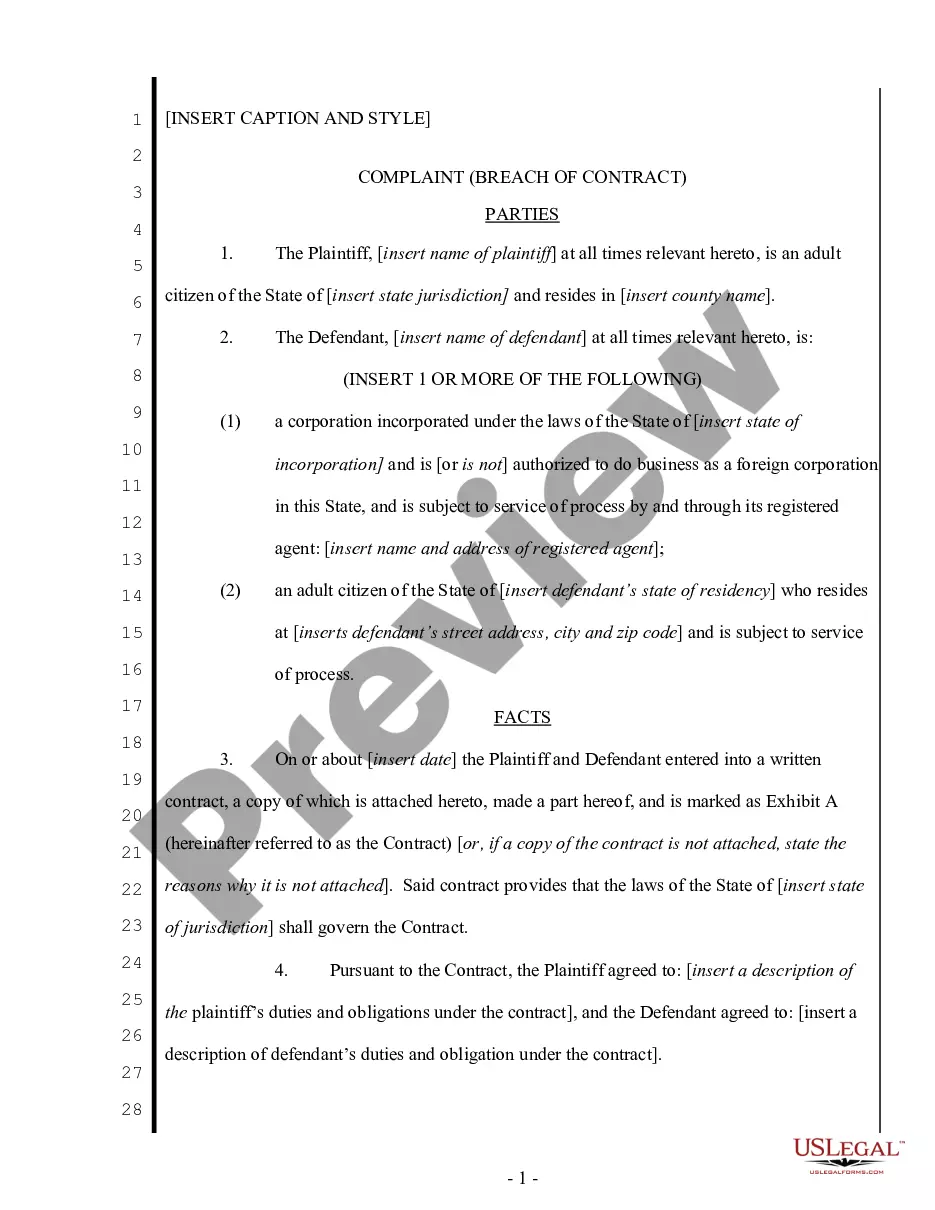
The Defamation Complaint Sample you observe on this site is a reusable formal outline crafted by expert attorneys in accordance with federal and state guidelines.
For over 25 years, US Legal Forms has delivered individuals, enterprises, and legal practitioners with over 85,000 authenticated, state-specific documents for any commercial and personal event. It is the fastest, easiest, and most reliable method to acquire the paperwork you require, as the service ensures bank-level data safety and anti-malware defenses.
Select the format you desire for your Defamation Complaint Sample (PDF, Word, RTF) and save the document on your device.
- Search for the document you require and review it.
- Browse through the example you searched and preview it or examine the form description to confirm it meets your requirements. If it does not, utilize the search bar to find the fitting one. Click Buy Now when you have identified the template you seek.
- Choose and Log In to your account.
- Select the pricing plan that suits you and create an account. Use PayPal or a credit card for a swift payment. If you already possess an account, Log In and verify your subscription to continue.
- Acquire the editable template.
Form popularity
FAQ
An example of a defamatory statement would be a false claim that someone committed a crime, which can damage their personal and professional reputation. Additionally, alleging that a person is unfit for their job without basis could also be considered defamatory. Understanding these examples is crucial when considering legal action. Use a defamation complaint example to see how such statements are articulated in legal cases.
To write a complaint letter for defamation of character, first give an overview of the situation and specify the defamatory statements. Make sure to explain how these statements have negatively impacted your life. Detail your expectations for resolution, like a public retraction or correction. Consulting a defamation complaint example can provide a helpful structure for your letter.
In a defamation lawsuit, you need proof of the false statement made against you, along with evidence showing that the statement has caused you harm. This could include witness statements, documents, or any relevant communication. It's important to establish that the statement was published to a third party. Looking at a solid defamation complaint example can guide you on what proof to gather for your case.
To write a complaint for defamation, you should start by clearly stating the facts of the situation. Include specific details about the defamatory statement, such as when it was made and who made it. Be sure to outline how the statement harmed your reputation. For a thorough example, consider reviewing a defamation complaint example from reliable sources like uslegalforms.
An example of a defamation complaint generally outlines the parties involved, the defamatory statements, and the damages incurred. It specifies how the false statements were made and their impact on the plaintiff's life. Using a concrete defamation complaint example can serve as a guide when drafting your own complaint, ensuring you include all necessary elements.
An example of a defamatory comment may include a false accusation that someone committed a crime, like theft, which can severely damage their reputation. Such statements can lead to legal action if they harm the person’s career or personal life. Reviewing a defamation complaint example can help you understand how these statements are framed in legal terms.
To prove defamation of character, you need to show that the statement in question is false and caused harm. You must present evidence of the statement, its dissemination, and its impact on your reputation. Often, a defamation complaint example can provide insights into the types of proof required, such as witness testimonies or documentation.
A good defamation of character case typically involves a false statement made about a person that causes damage to their reputation. The statement must be presented as fact rather than opinion and must be communicated to a third party. It’s also important to establish that you suffered harm, either economically or emotionally. Reviewing a defamation complaint example can help clarify these elements.
To write a defamation of character complaint, start by clearly stating the person or entity you are accusing of defamation. Include specific details about the defamatory statements, such as when and where they were made. Additionally, explain how these statements harmed your reputation. For a solid foundation, consider using a defamation complaint example to guide you.