Protection From Harassment Act
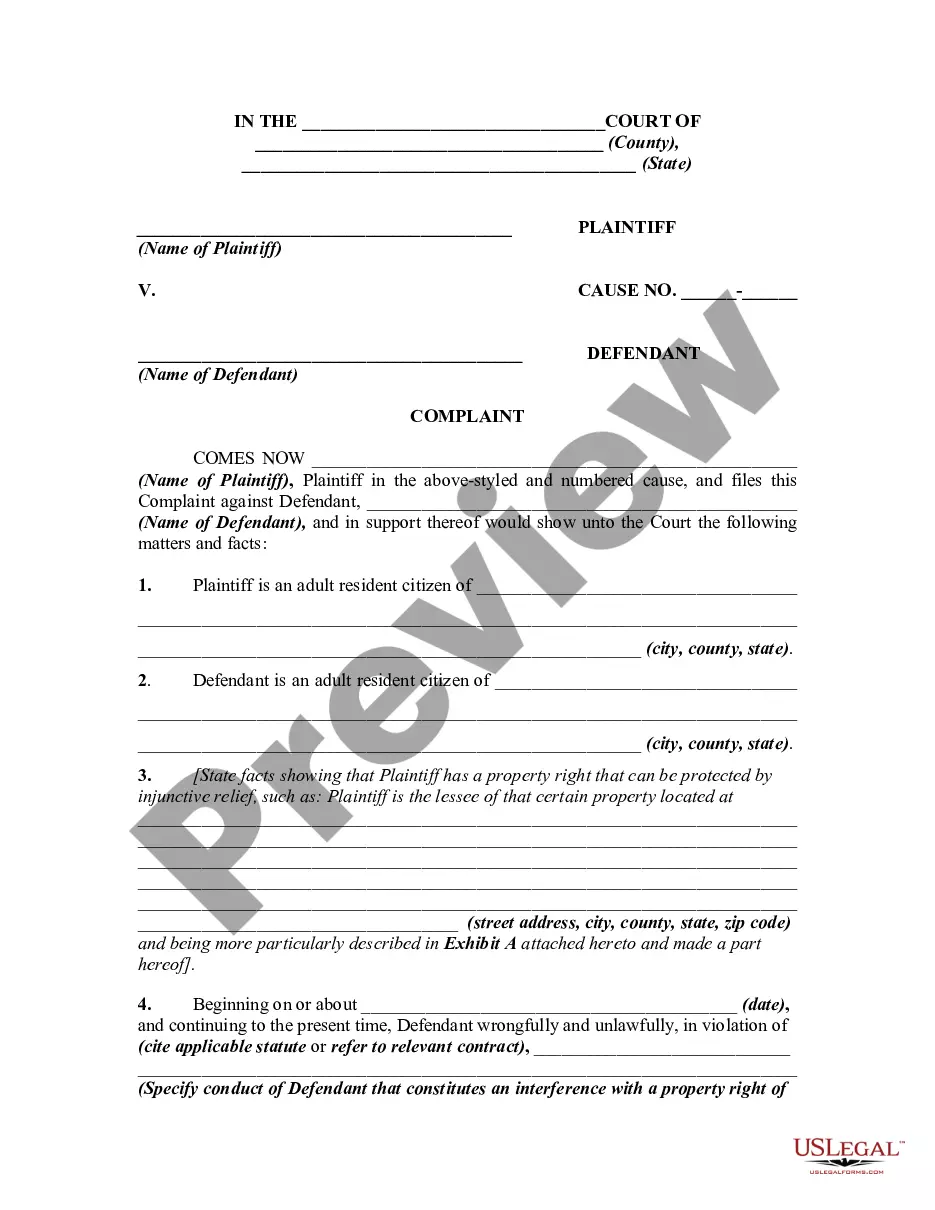
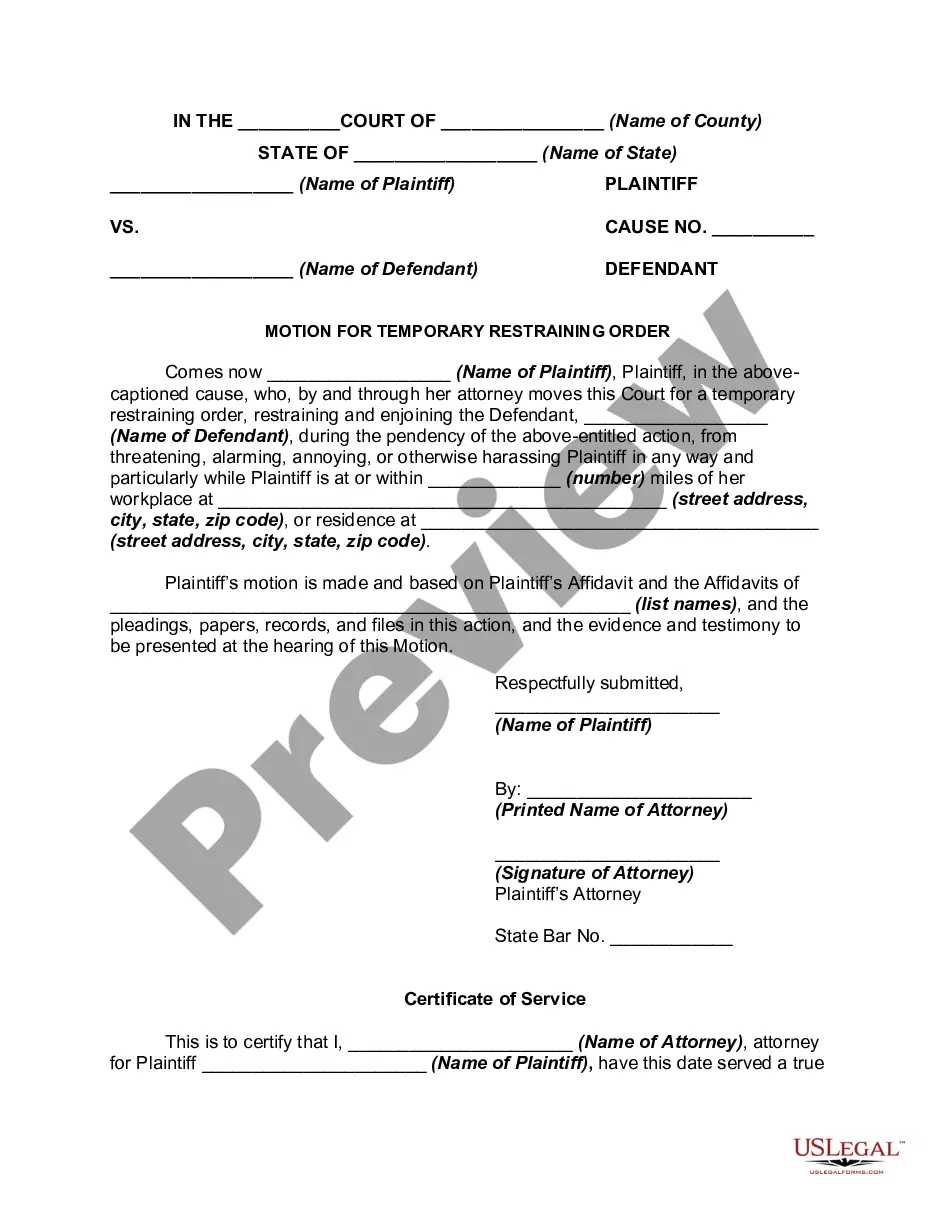
Description



Get your form ready online
Our built-in tools help you complete, sign, share, and store your documents in one place.
Make edits, fill in missing information, and update formatting in US Legal Forms—just like you would in MS Word.
Download a copy, print it, send it by email, or mail it via USPS—whatever works best for your next step.
Sign and collect signatures with our SignNow integration. Send to multiple recipients, set reminders, and more. Go Premium to unlock E-Sign.
If this form requires notarization, complete it online through a secure video call—no need to meet a notary in person or wait for an appointment.
We protect your documents and personal data by following strict security and privacy standards.

Make edits, fill in missing information, and update formatting in US Legal Forms—just like you would in MS Word.

Download a copy, print it, send it by email, or mail it via USPS—whatever works best for your next step.

Sign and collect signatures with our SignNow integration. Send to multiple recipients, set reminders, and more. Go Premium to unlock E-Sign.

If this form requires notarization, complete it online through a secure video call—no need to meet a notary in person or wait for an appointment.

We protect your documents and personal data by following strict security and privacy standards.
Looking for another form?
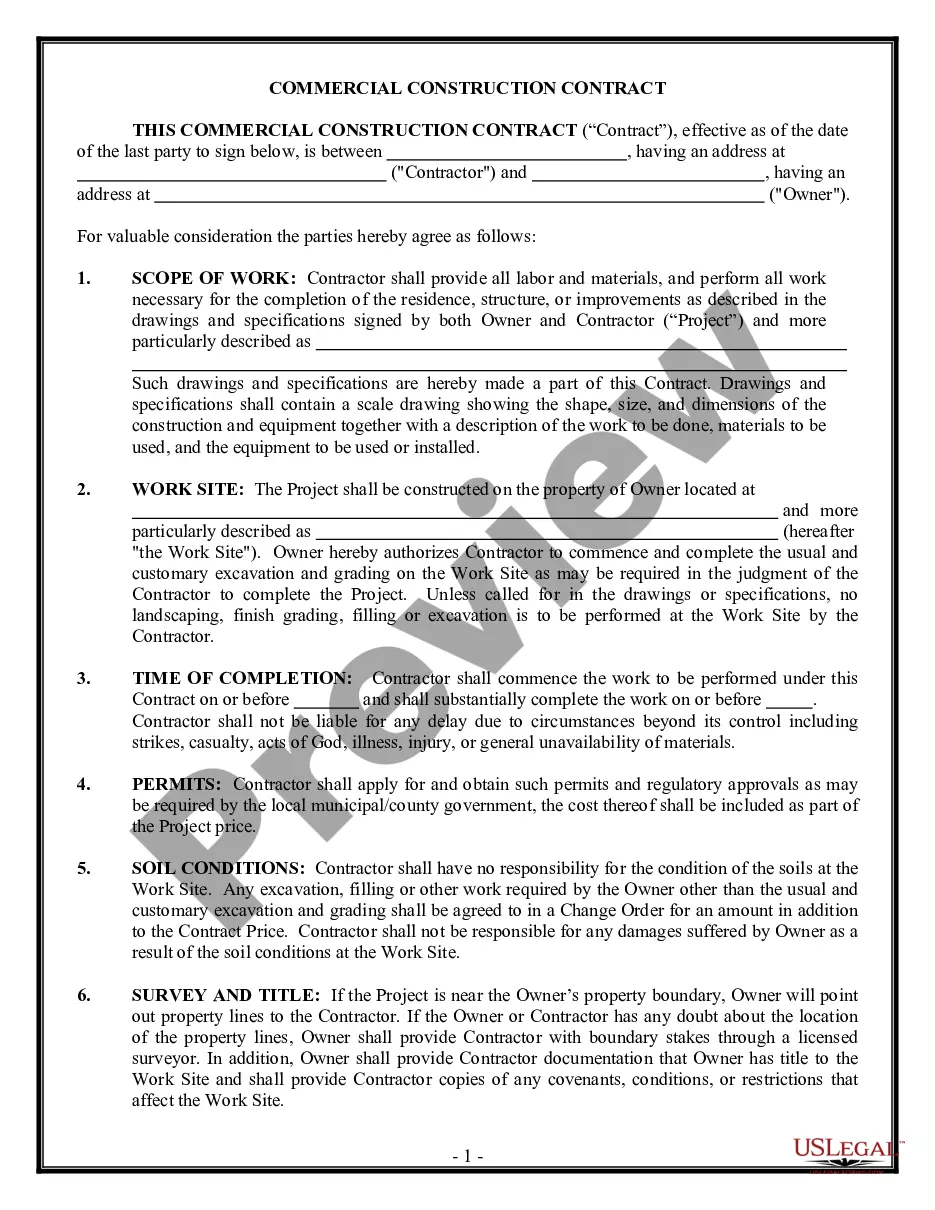


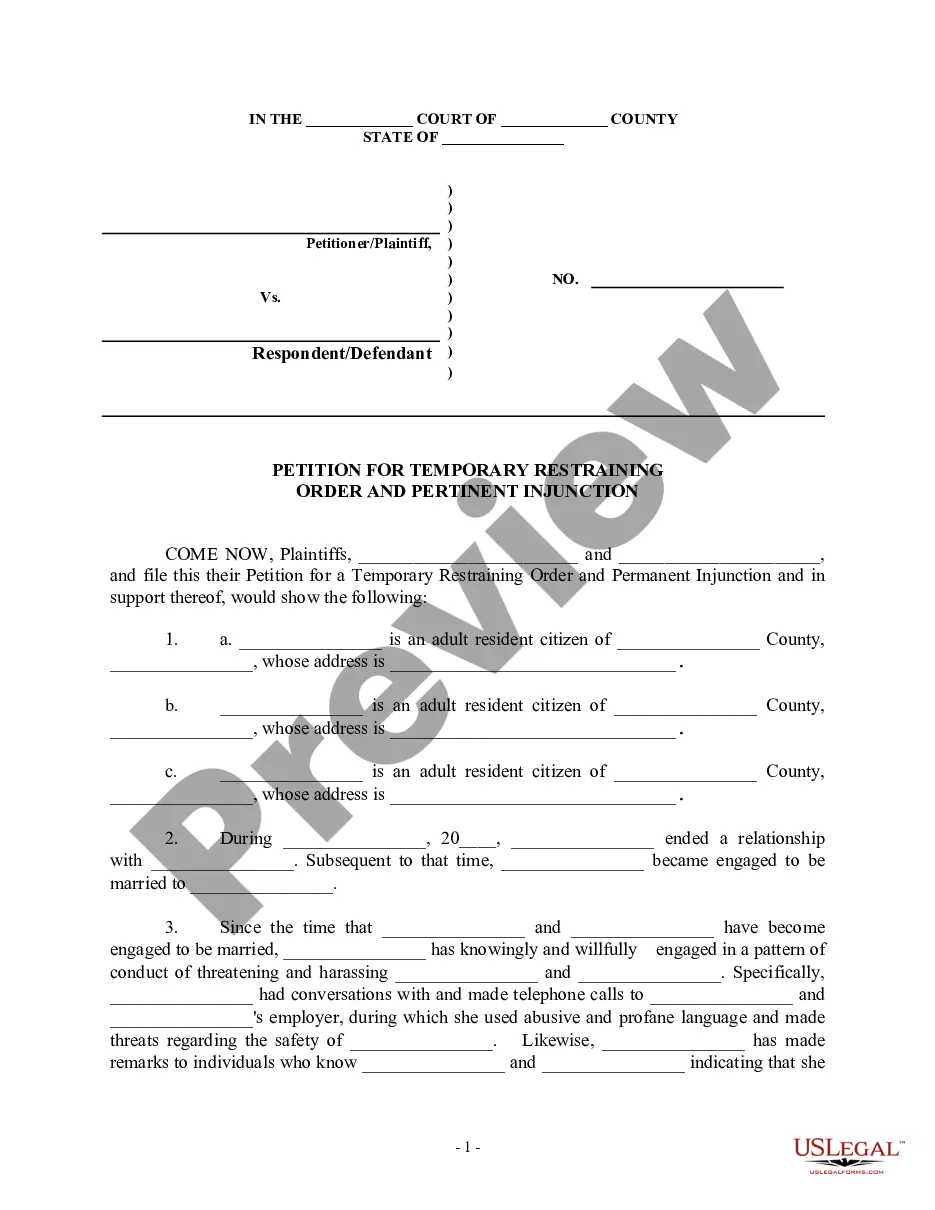
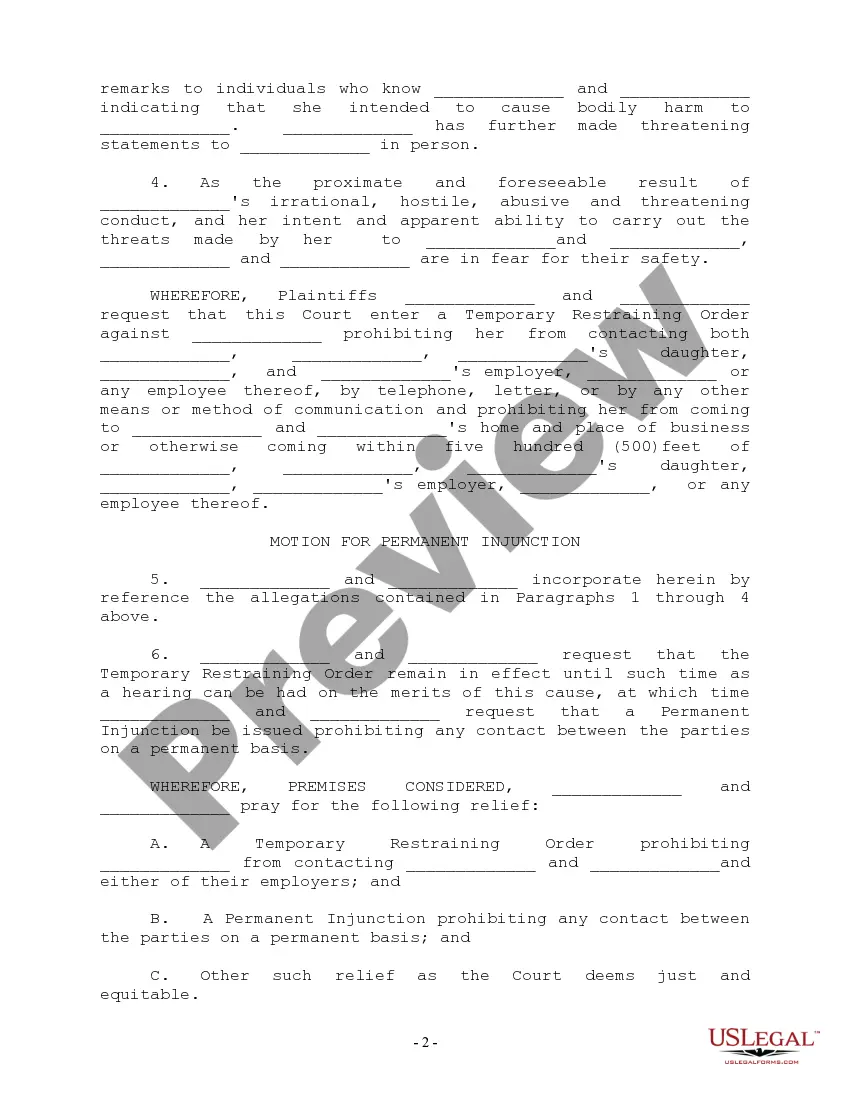
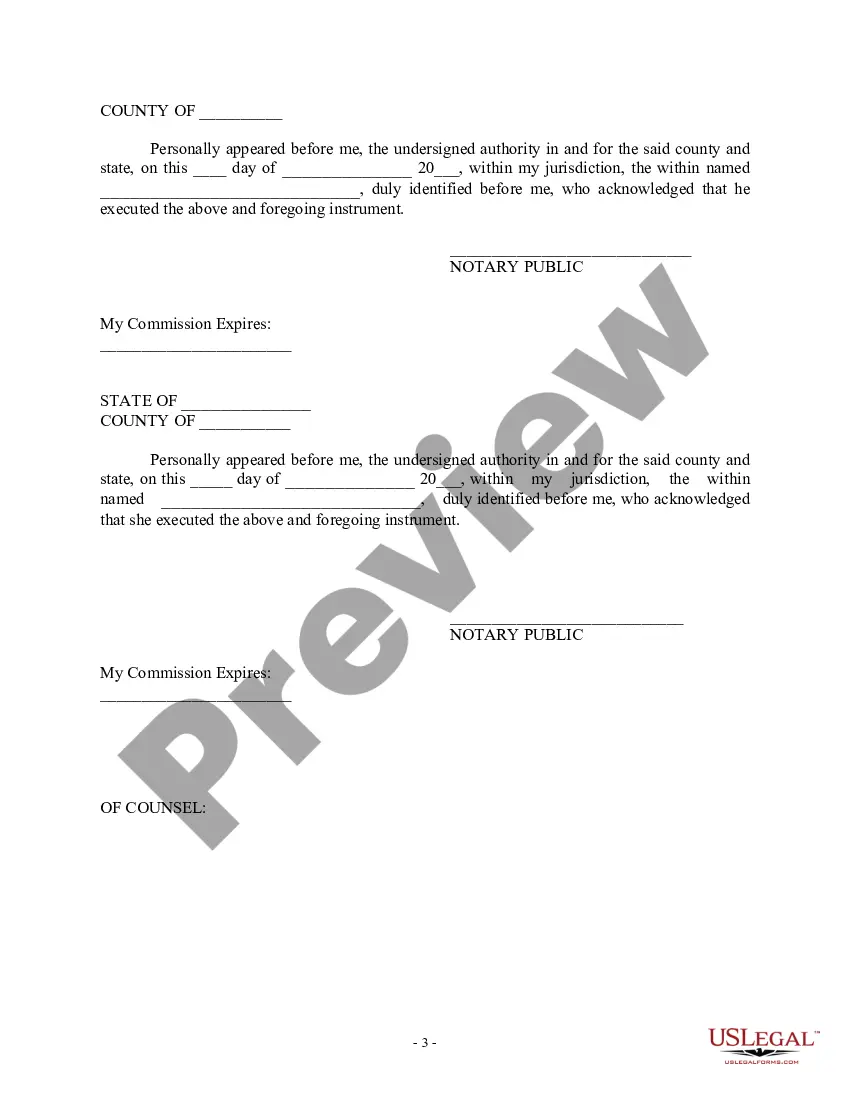
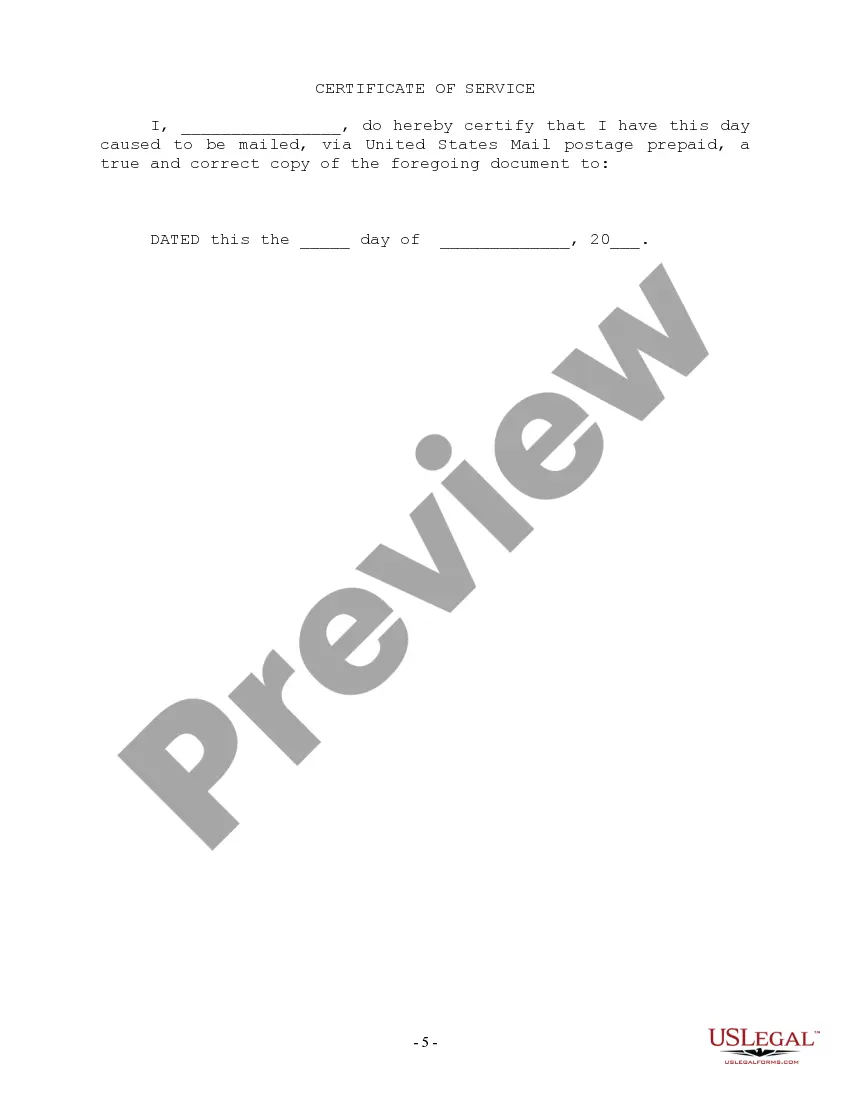
How to fill out Petition For Temporary Restraining Order And Permanent Injunction For Personal Harassment?
Utilizing legal documents that adhere to national and regional regulations is an essential task, and the internet provides numerous choices to consider.
However, what is the benefit of spending time searching for the correctly formulated Protection From Harassment Act example online when the US Legal Forms digital library already compiles such documents in one location.
US Legal Forms is the largest digital legal repository boasting over 85,000 fillable documents prepared by attorneys for various business and personal circumstances. They are user-friendly to navigate, with all paperwork organized by state and intended use. Our professionals keep pace with legislative changes, allowing you to trust that your form is current and compliant when obtaining a Protection From Harassment Act from our site.
Click Buy Now once you’ve found the appropriate form and select a subscription option. Set up an account or Log In and process your payment using PayPal or a credit card. Choose the correct format for your Protection From Harassment Act and download it. All templates accessed via US Legal Forms are reusable. To re-download and fill out previously acquired forms, access the My documents section in your account. Take advantage of the most comprehensive and user-friendly legal document service!
- Securing a Protection From Harassment Act is swift and straightforward for both existing and new users.
- If you have an account with an active subscription, Log In and save the necessary document sample in the appropriate format.
- If you are new to our platform, adhere to the instructions below.
- Examine the template using the Preview feature or through the text outline to confirm it satisfies your needs.
- Search for an alternative example using the search tool at the top of the webpage if required.
Form popularity
FAQ
When a claim of harassment is received, the first step usually involves an initial review of the allegations. This includes gathering relevant information and assessing whether the claim falls under the Protection from Harassment Act. Addressing these claims promptly is crucial for maintaining a safe and respectful environment.
The Protection from Harassment Act is a legal framework designed to offer individuals a pathway to seek relief from harassment. This law aims to protect victims by allowing them to file complaints against those who engage in unwanted behavior. By understanding this act, you can better navigate the legal system and take action against your harasser.
Effective July 1, 2023, Senate Bill 18/House Bill 5 requires that a person convicted of especially aggravated kidnapping, aggravated rape, or rape be sentenced within at least a Range II offense. In Tennessee, a Range II sentence for aggravated kidnapping or aggravated rape, both A felonies, is 25-40 years.
Corporate bylaws are legally required in Tennessee. In most cases, the board of directors adopts bylaws at the first organizational meeting.
The nickname for the Tennessee Code Annotated is the ?T.C.A.? If you wanted to purchase a full paper copy of the T.C.A., it would run you a few thousands dollars.
Ing to the IRS' compliance guide for 501(c)(3) nonprofits, "An exempt organization that is required to file an annual return must report name, address, and structural and operational changes on its return." That means if you change your bylaws, you have to let the IRS know on your next annual report (990).
LexisNexis® publishes Tennessee Code Annotated. To locate the section pertaining to Private Protective Services, enter the LexisNexis® Web site and scroll to Title 62. Our section is Chapter 35. Go to the Tennessee State Legislature Web site to see Senate and House bills passed that amend Tennessee Code Annotated.
Corporate bylaws are legally required in Georgia. The board of directors usually adopts initial bylaws at the first organizational meeting.
Bylaws cover a range of topics, including finances, voting, appointing officers and directors, and much more. While you won't need to file your corporate bylaws with the Secretary of State?unlike the Texas Certificate of Formation?every Texas corporation is required to have bylaws.
Tennessee nonprofit corporations must have at least three board members. We recommend at least seven directors, when possible.