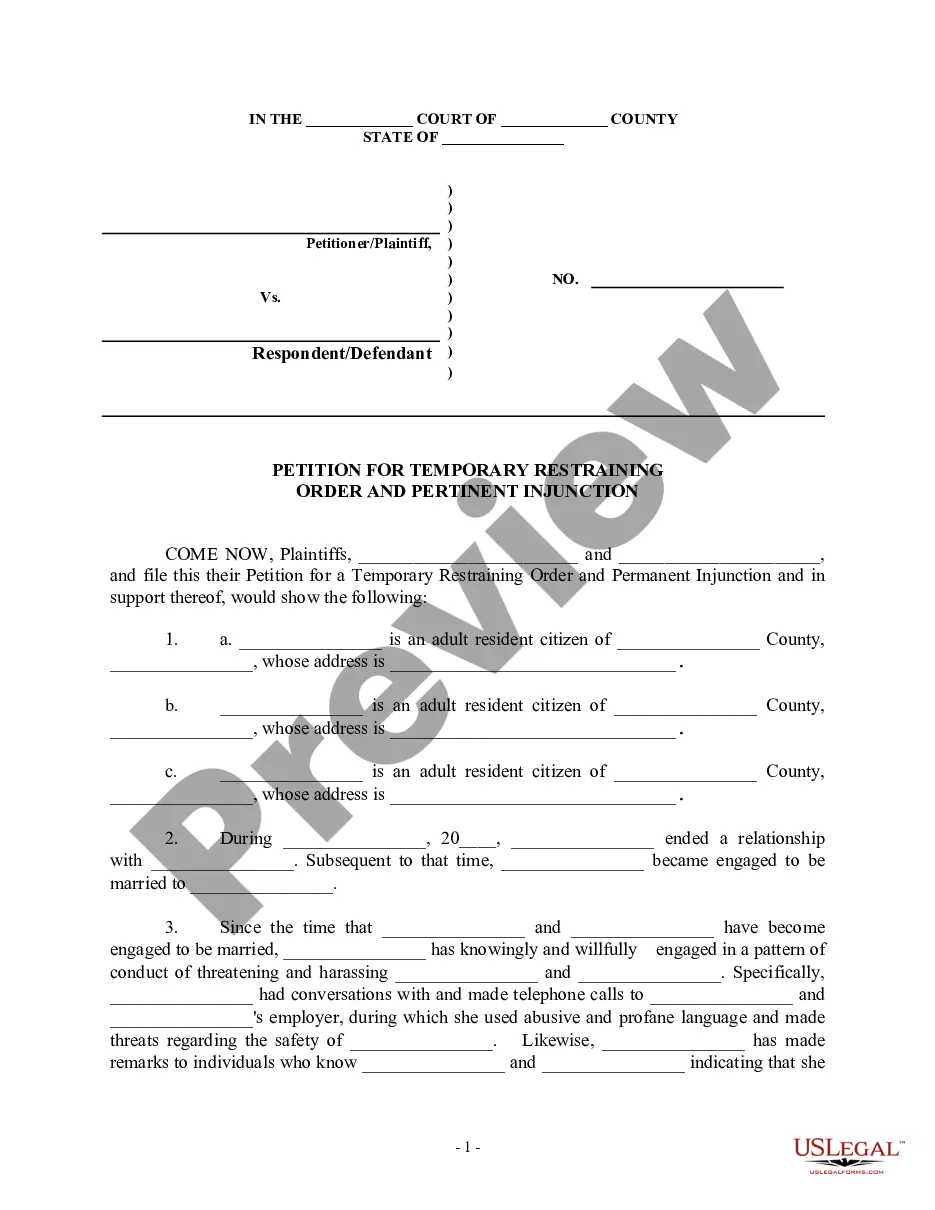
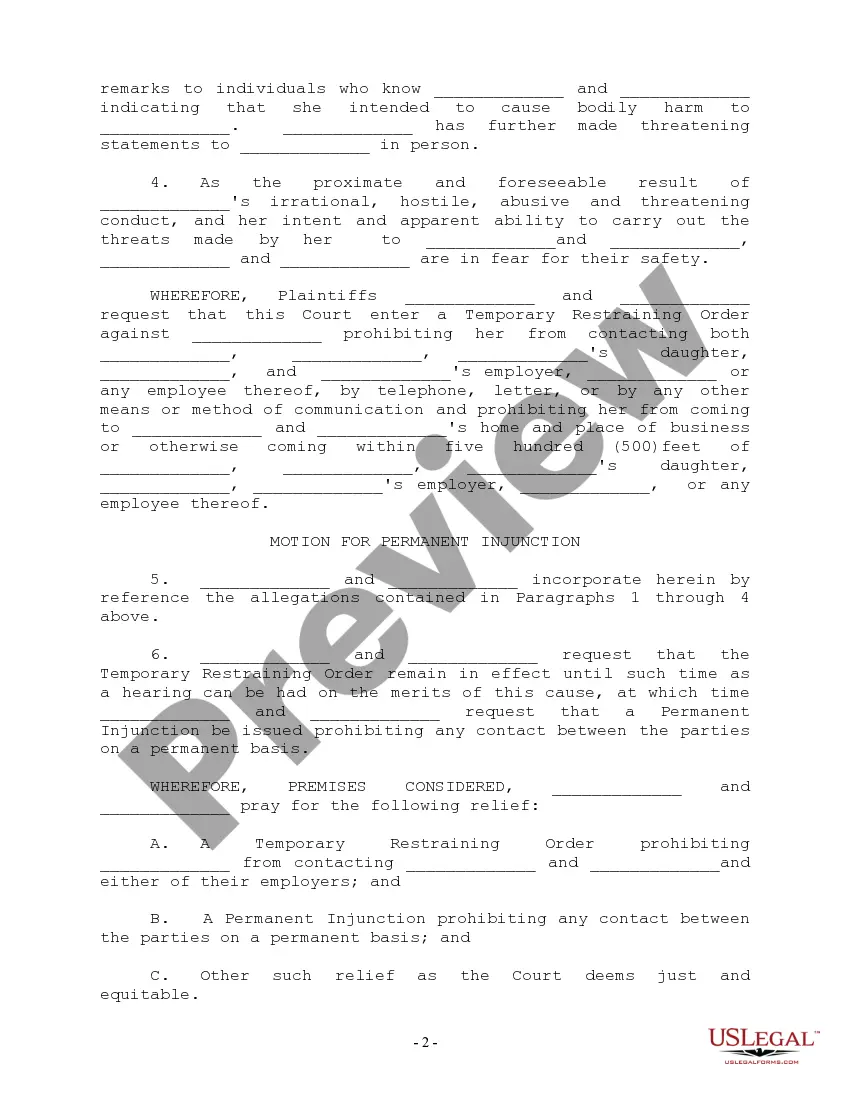
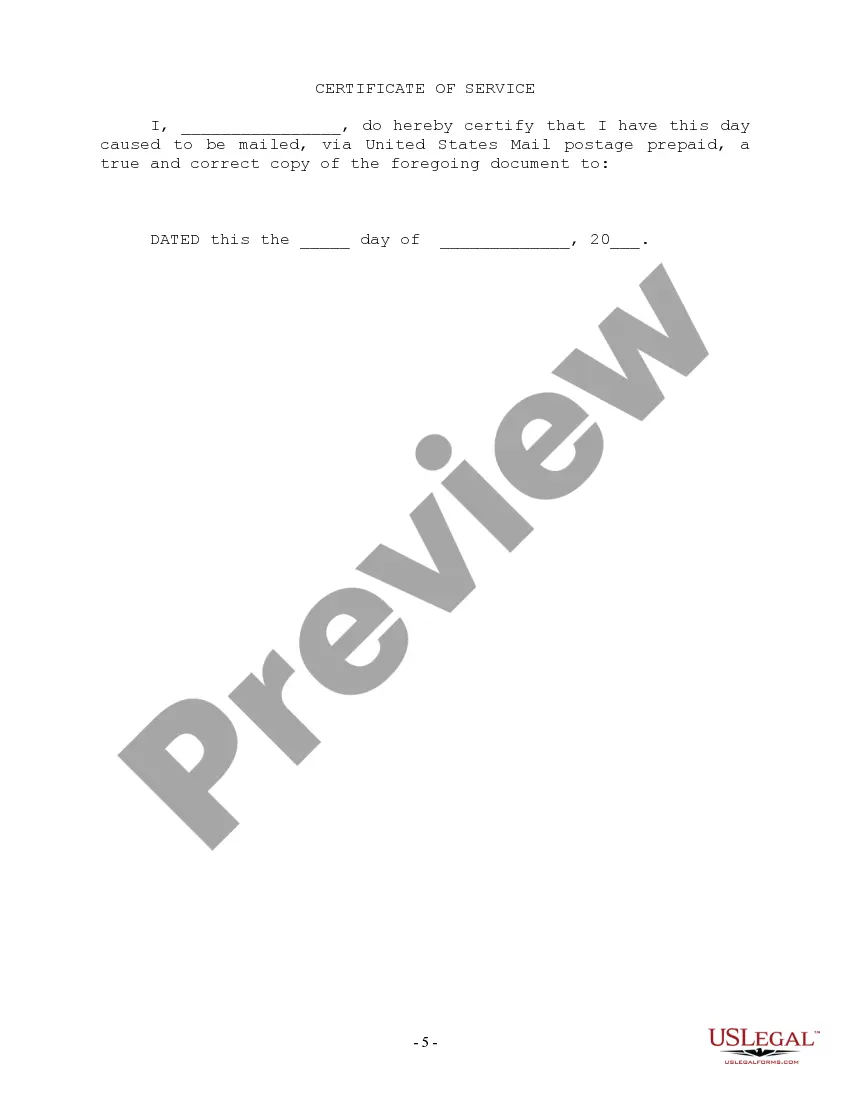
Petition Restraining Order Harassment With The Police
Description



Get your form ready online
Our built-in tools help you complete, sign, share, and store your documents in one place.
Make edits, fill in missing information, and update formatting in US Legal Forms—just like you would in MS Word.
Download a copy, print it, send it by email, or mail it via USPS—whatever works best for your next step.
Sign and collect signatures with our SignNow integration. Send to multiple recipients, set reminders, and more. Go Premium to unlock E-Sign.
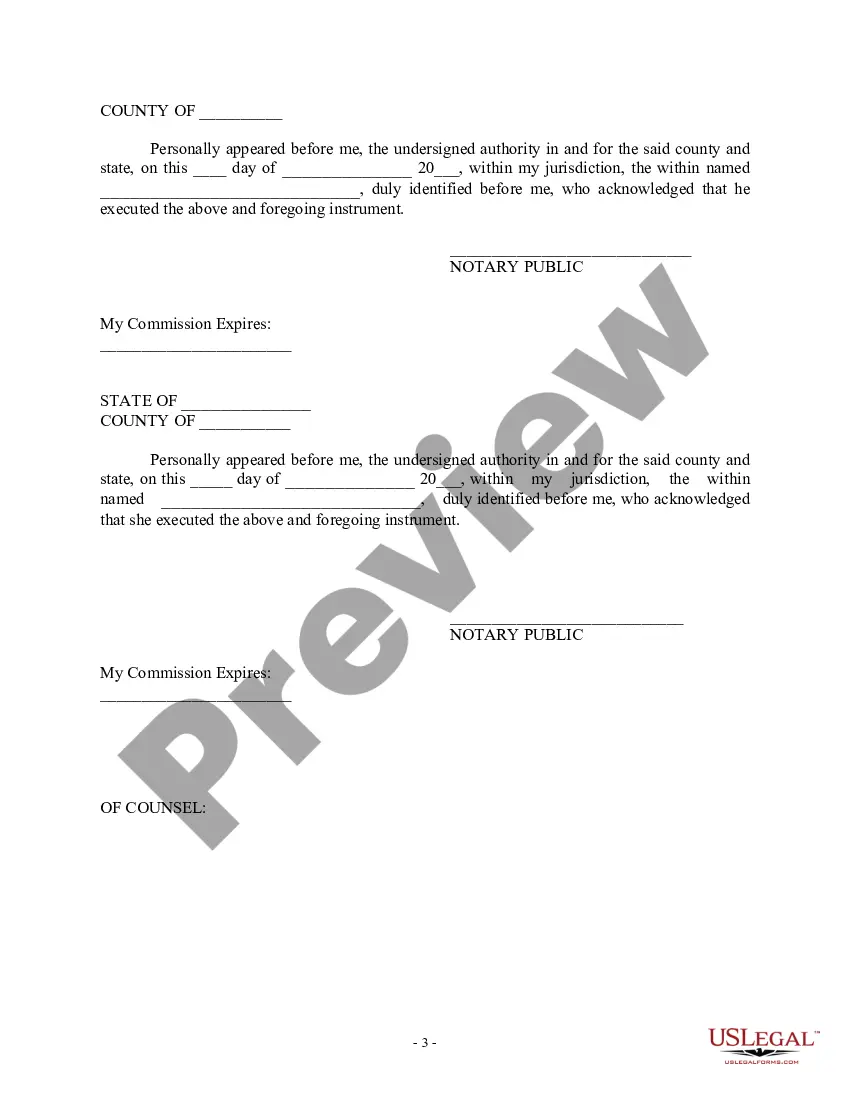
If this form requires notarization, complete it online through a secure video call—no need to meet a notary in person or wait for an appointment.
We protect your documents and personal data by following strict security and privacy standards.

Make edits, fill in missing information, and update formatting in US Legal Forms—just like you would in MS Word.

Download a copy, print it, send it by email, or mail it via USPS—whatever works best for your next step.

Sign and collect signatures with our SignNow integration. Send to multiple recipients, set reminders, and more. Go Premium to unlock E-Sign.

If this form requires notarization, complete it online through a secure video call—no need to meet a notary in person or wait for an appointment.

We protect your documents and personal data by following strict security and privacy standards.
Looking for another form?


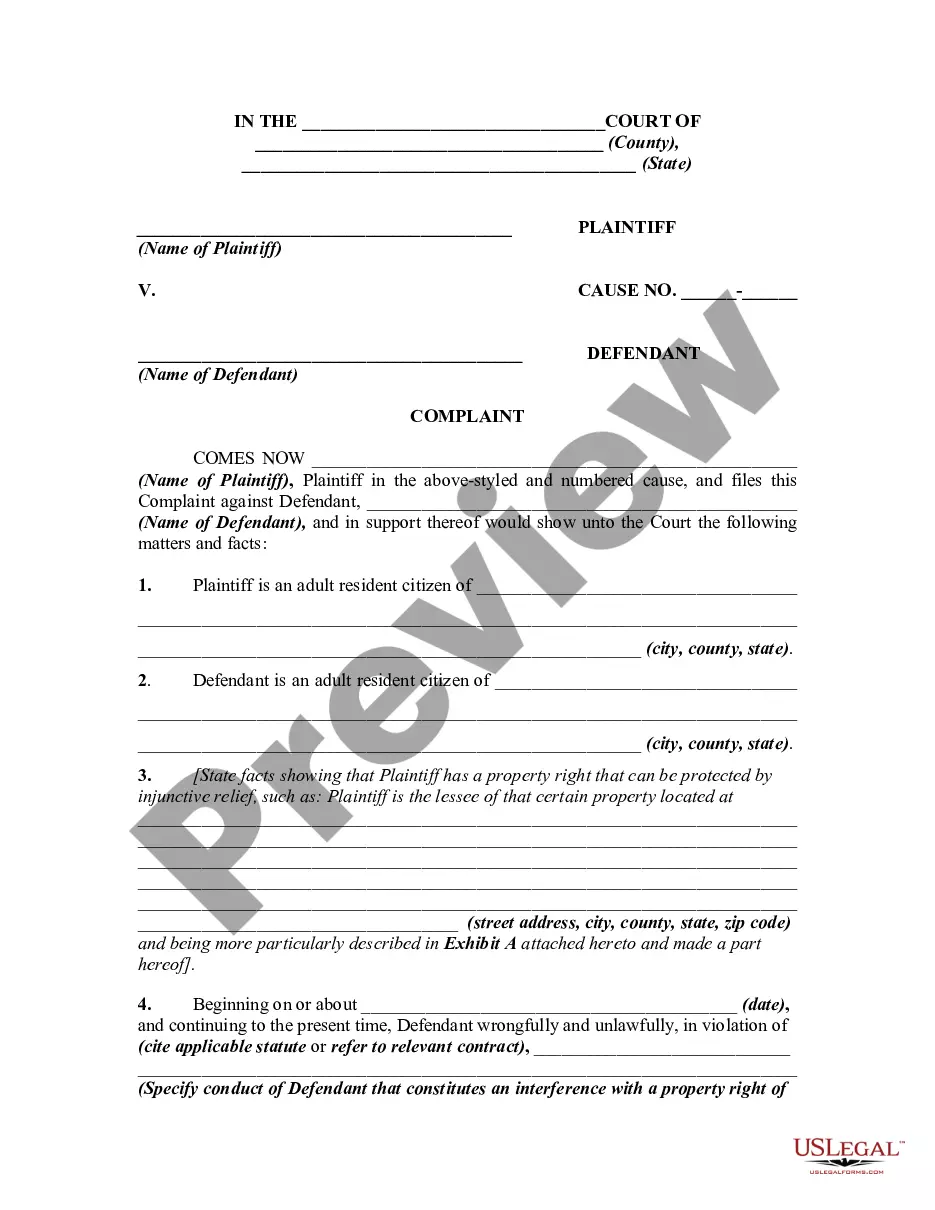
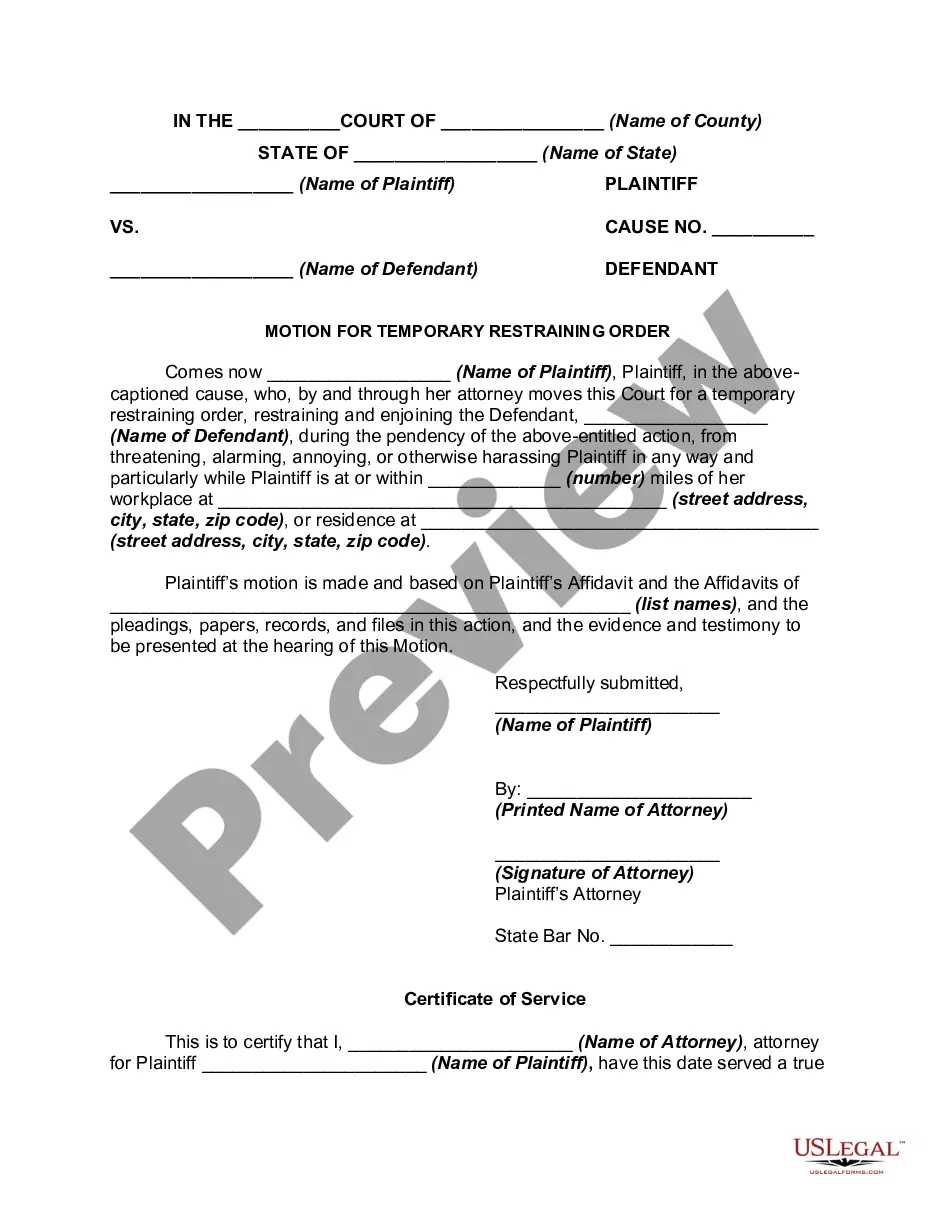
How to fill out Petition For Temporary Restraining Order And Permanent Injunction For Personal Harassment?
- Log in to your US Legal Forms account if you have previously registered. Ensure your subscription is active, or renew it as necessary.
- In the form library, locate the preview mode and read the form descriptions to confirm you have selected the appropriate restraining order template for your local jurisdiction.
- If the current form does not meet your requirements, utilize the Search feature to find a suitable alternative and confirm its alignment with your needs.
- Select the document you wish to purchase by clicking the 'Buy Now' button and choose your preferred subscription plan, which will require account registration.
- Complete your purchase by providing payment details or using PayPal for convenience.
- Once your transaction is successful, download the necessary document and save it to your device, ensuring it is accessible from the 'My Forms' section of your profile whenever needed.
By utilizing US Legal Forms, you're not just filling out documents; you're accessing a robust collection of legal forms, all tailored to meet the needs of individuals and attorneys alike.
Take control of your legal matters today by leveraging US Legal Forms for all your legal documentation needs!
Form popularity
FAQ
Yes, a harassment order is indeed different from a restraining order. A harassment order is specifically designed for situations involving repeated and unwanted behavior, whereas a restraining order can address broader threats of violence. If you feel you are being harassed, you can consider a harassment order and consult with a legal platform like uslegalforms to assist you.
A restraining order typically aims to protect individuals from threats or violence, while a harassment order specifically addresses repeated patterns of harassment. The key difference lies in the nature of the behavior being addressed. Understanding these distinctions will help you choose the correct legal path for your situation.
Some valid reasons to consider dropping a restraining order may include reconciliation with the individual involved or a change in circumstances that reduces your fear. Additionally, you might find that the other person has made positive changes and poses no further threat. Whatever the reason, you should properly inform the court about your decision.
To write an effective opening statement for a restraining order, clearly outline the reasons you are seeking protection. Start with a brief introduction about yourself and the individual you are petitioning against. Include specific instances of harassment, and explain how these actions have impacted your safety and well-being.