Printable Emancipation Forms With Child
Description
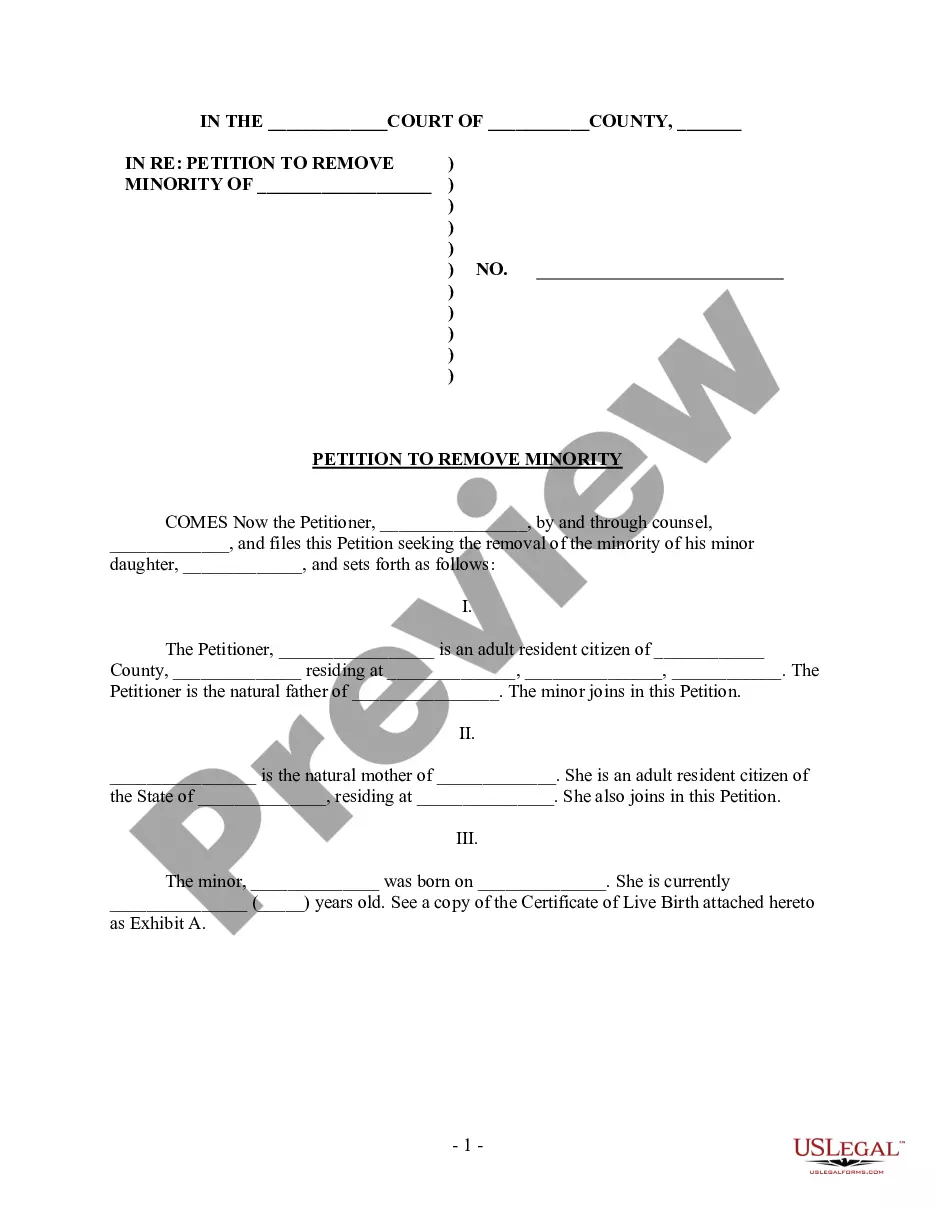
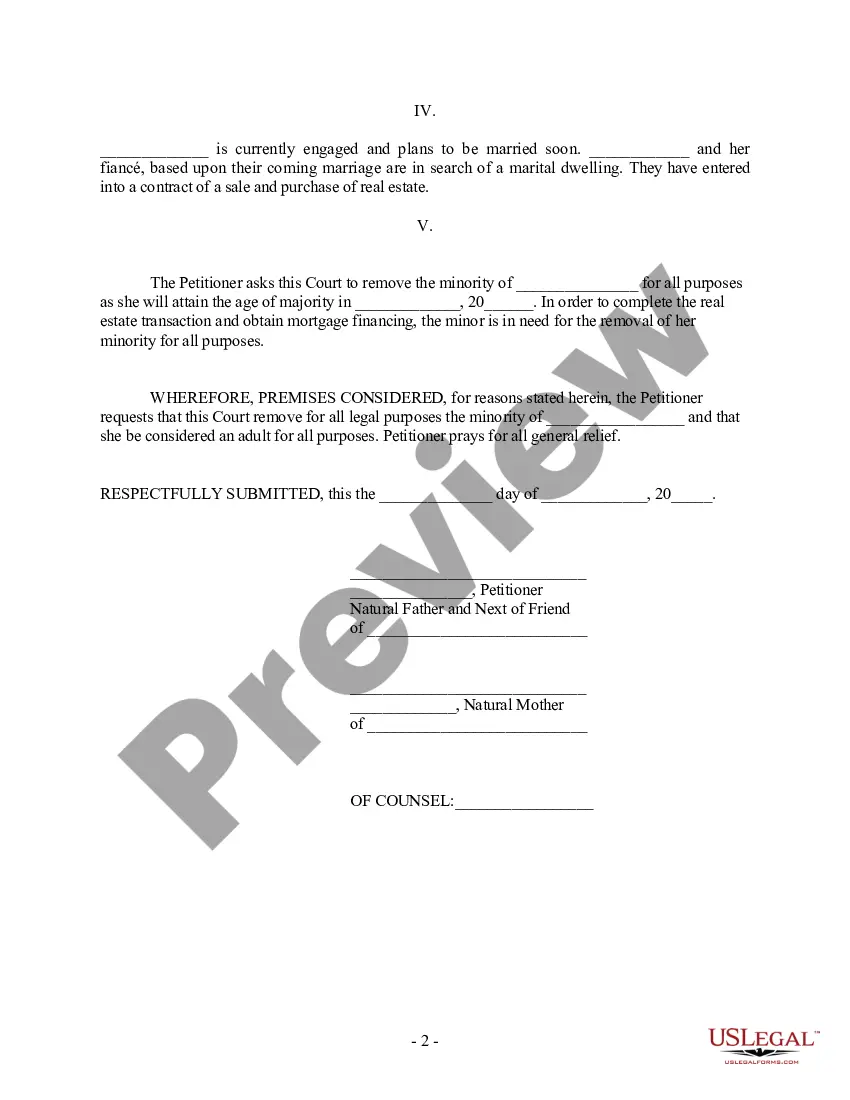
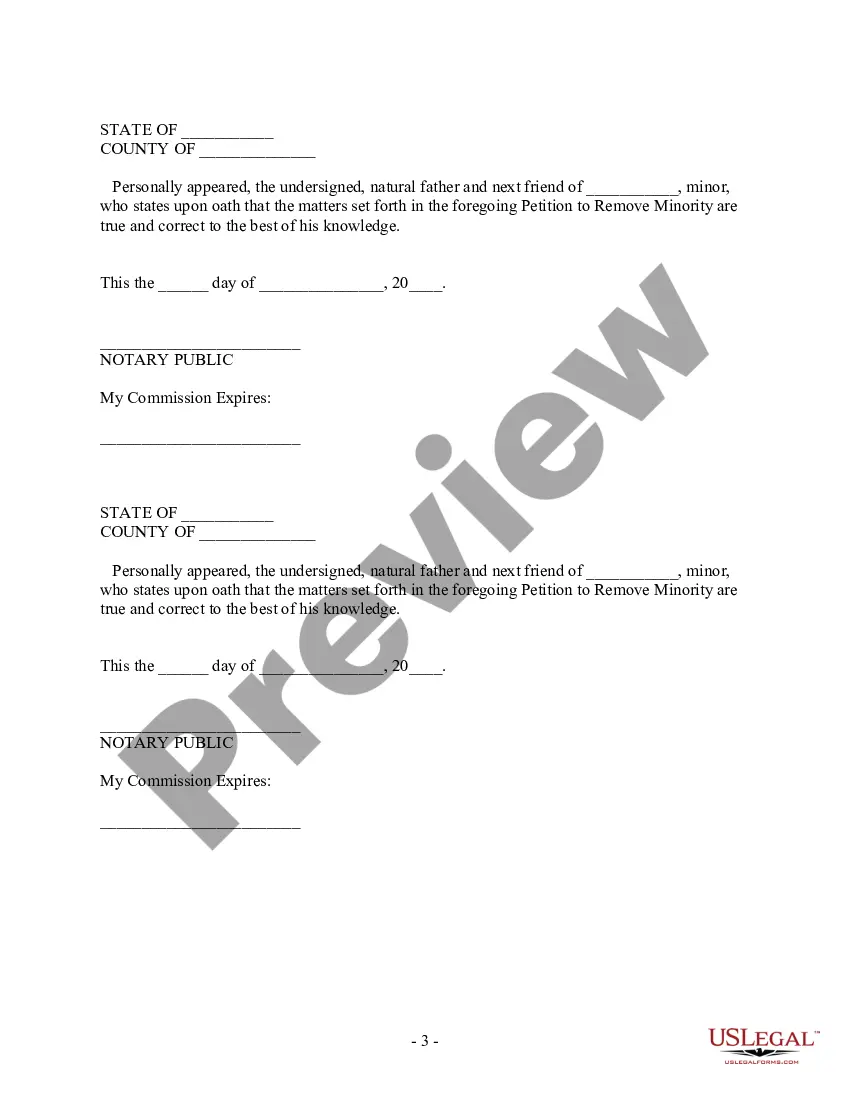
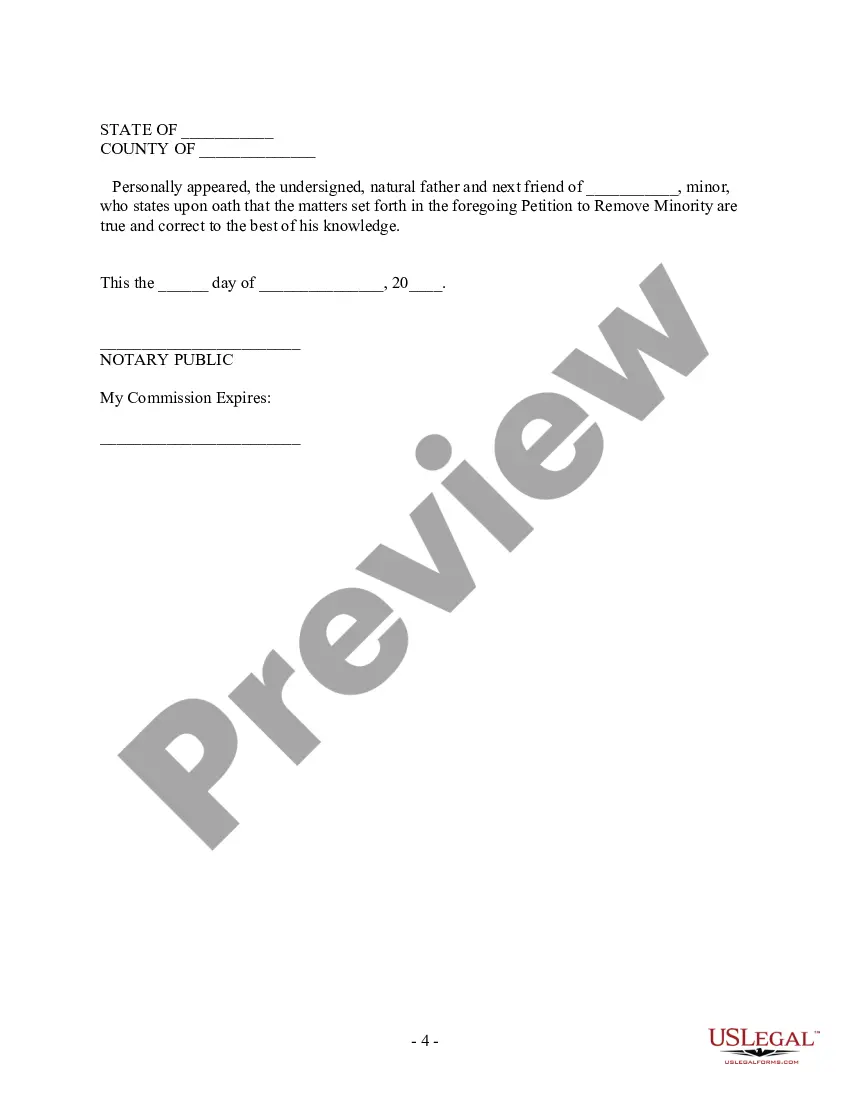
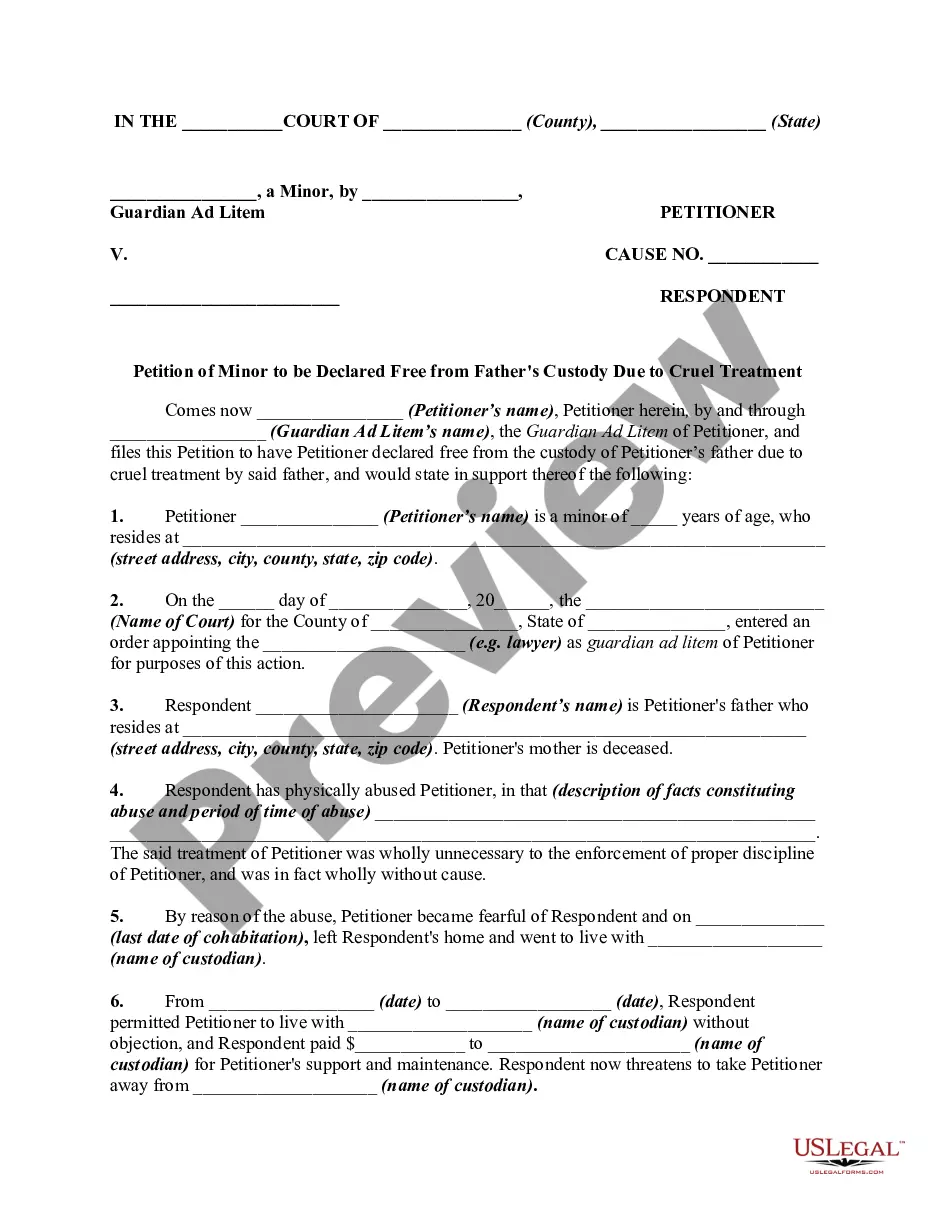
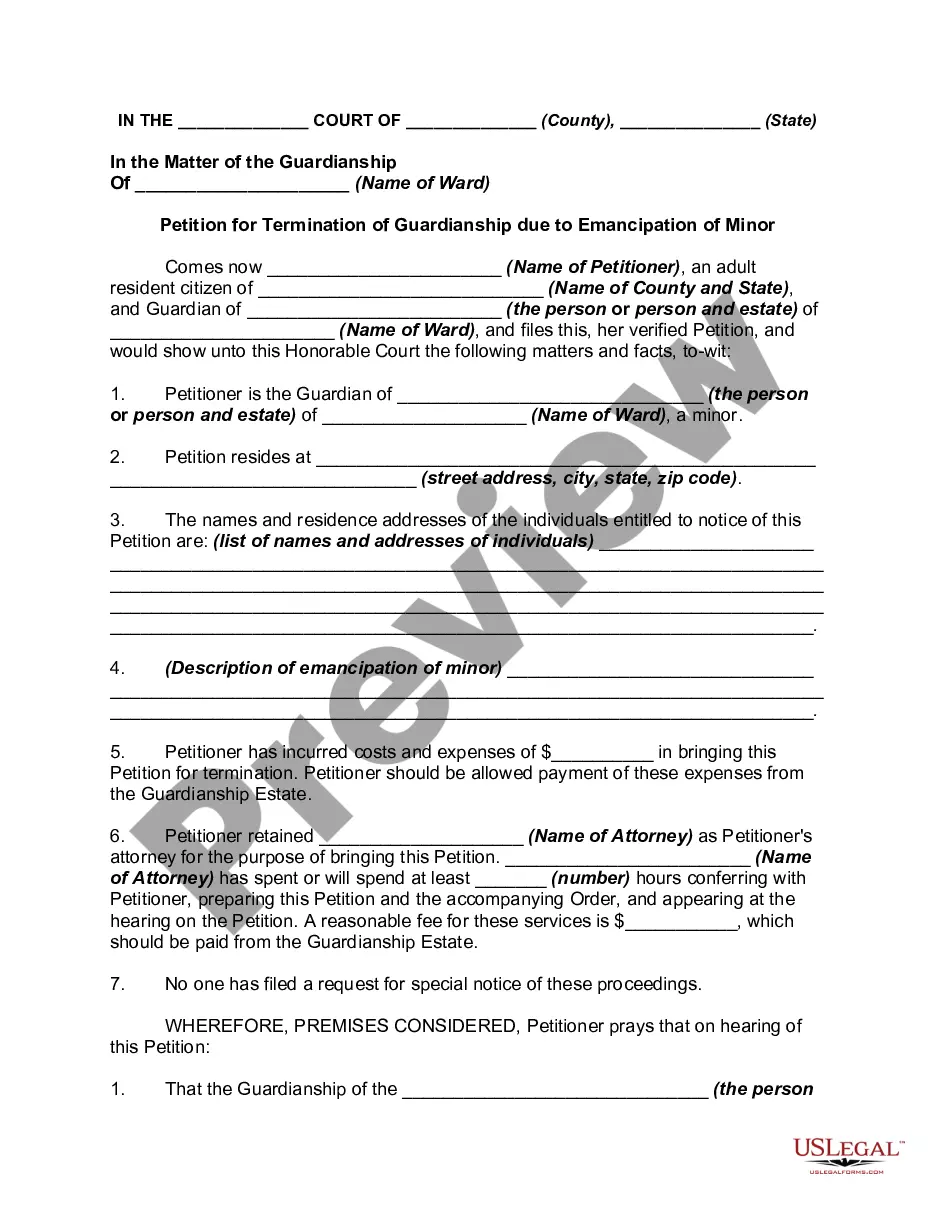
Get your form ready online
Our built-in tools help you complete, sign, share, and store your documents in one place.
Make edits, fill in missing information, and update formatting in US Legal Forms—just like you would in MS Word.
Download a copy, print it, send it by email, or mail it via USPS—whatever works best for your next step.
Sign and collect signatures with our SignNow integration. Send to multiple recipients, set reminders, and more. Go Premium to unlock E-Sign.
If this form requires notarization, complete it online through a secure video call—no need to meet a notary in person or wait for an appointment.
We protect your documents and personal data by following strict security and privacy standards.

Make edits, fill in missing information, and update formatting in US Legal Forms—just like you would in MS Word.

Download a copy, print it, send it by email, or mail it via USPS—whatever works best for your next step.

Sign and collect signatures with our SignNow integration. Send to multiple recipients, set reminders, and more. Go Premium to unlock E-Sign.

If this form requires notarization, complete it online through a secure video call—no need to meet a notary in person or wait for an appointment.

We protect your documents and personal data by following strict security and privacy standards.
Looking for another form?
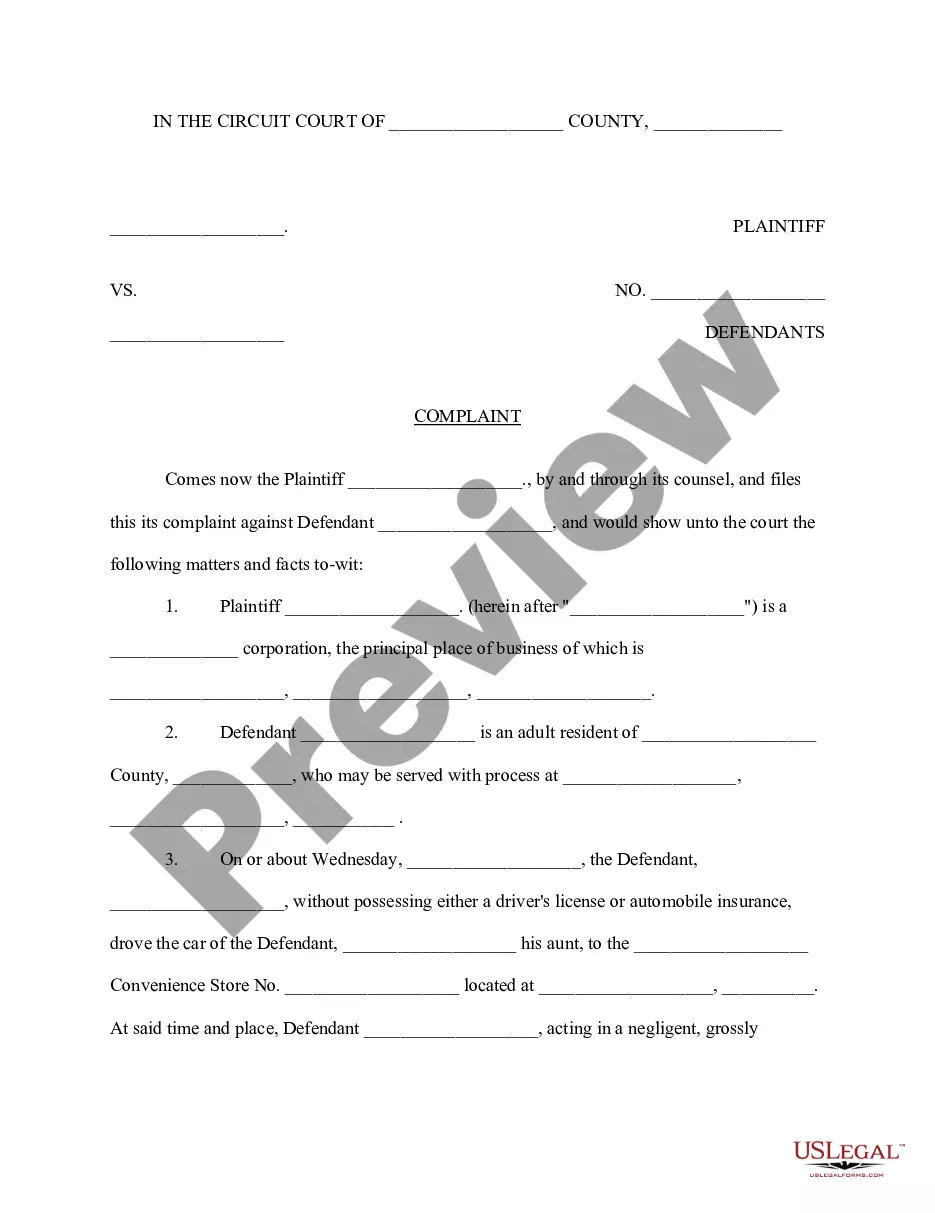
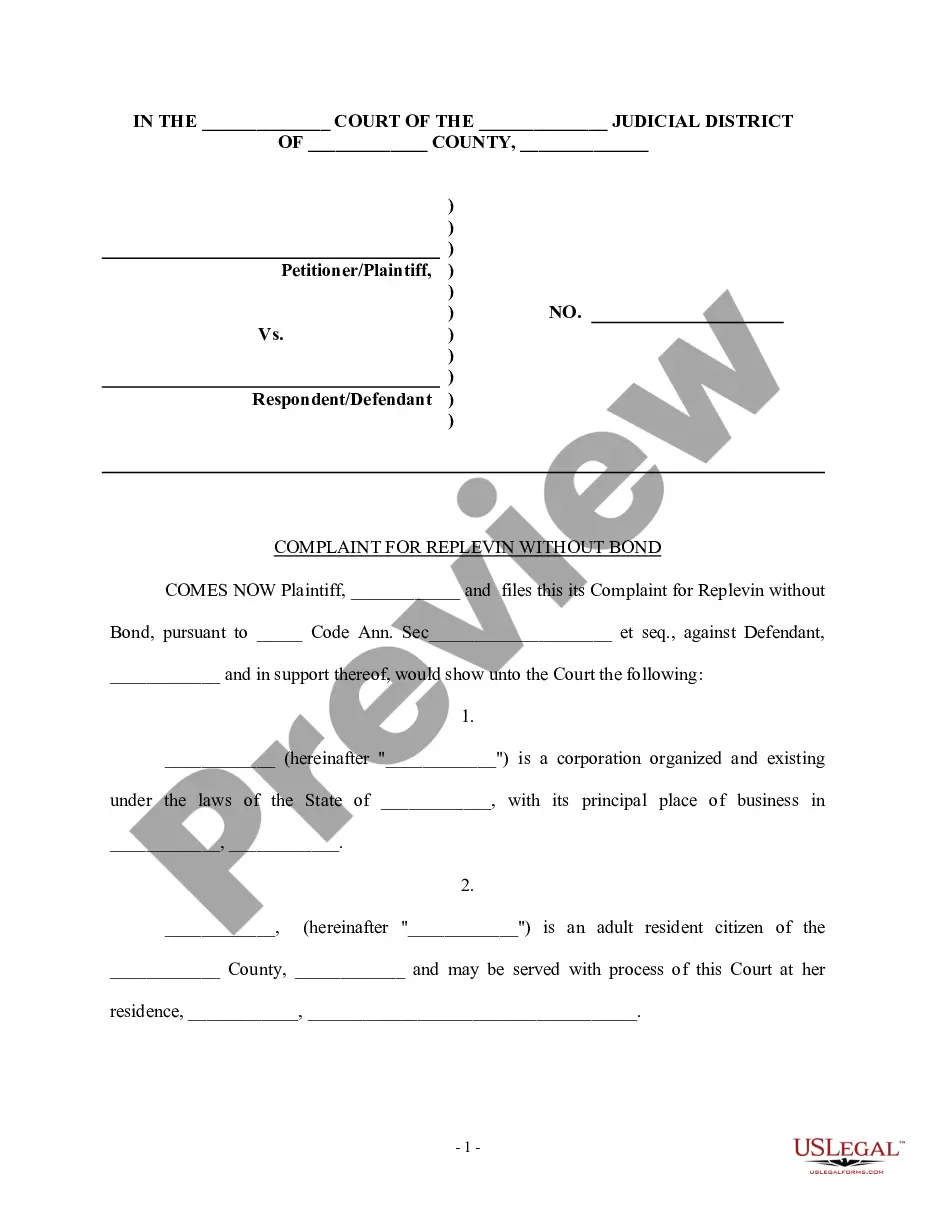
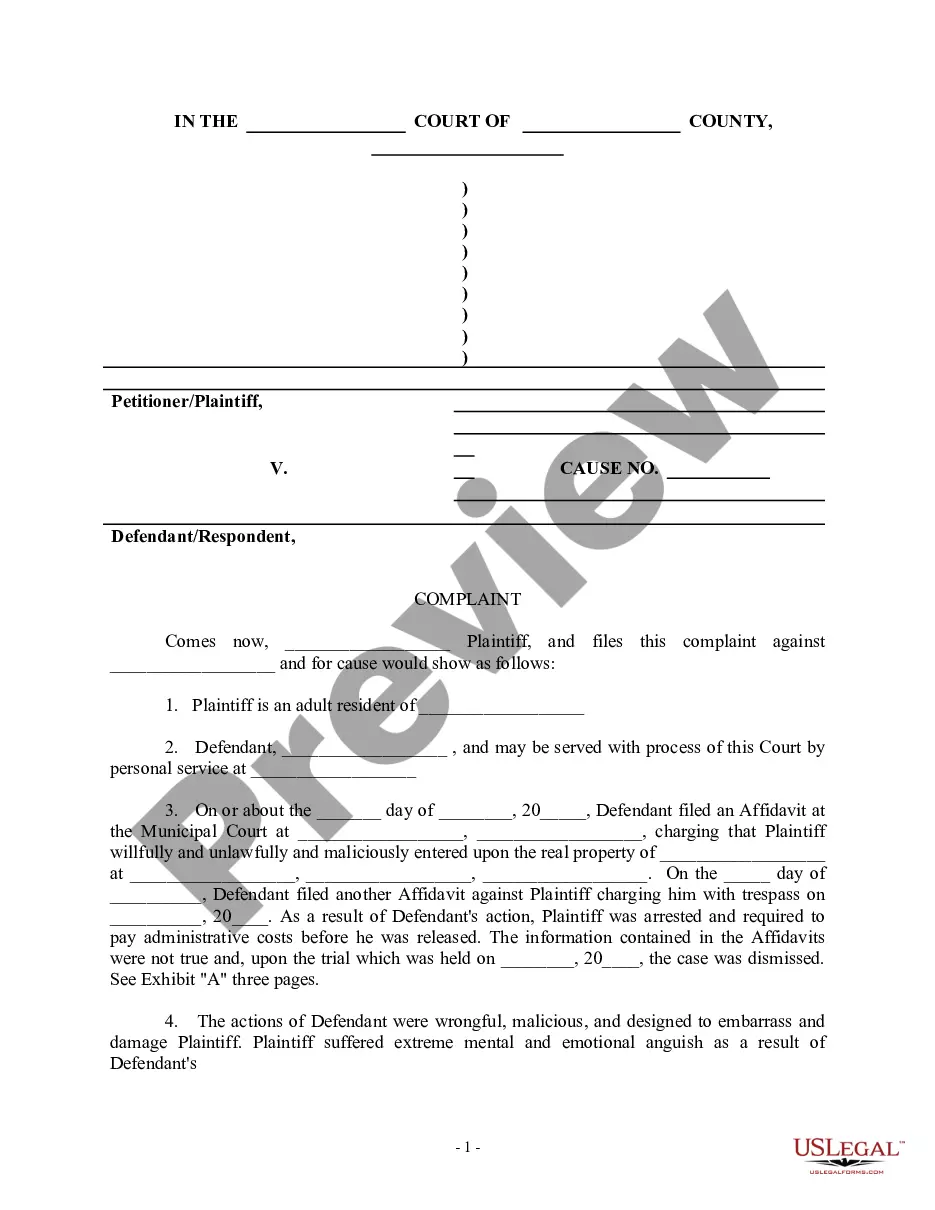
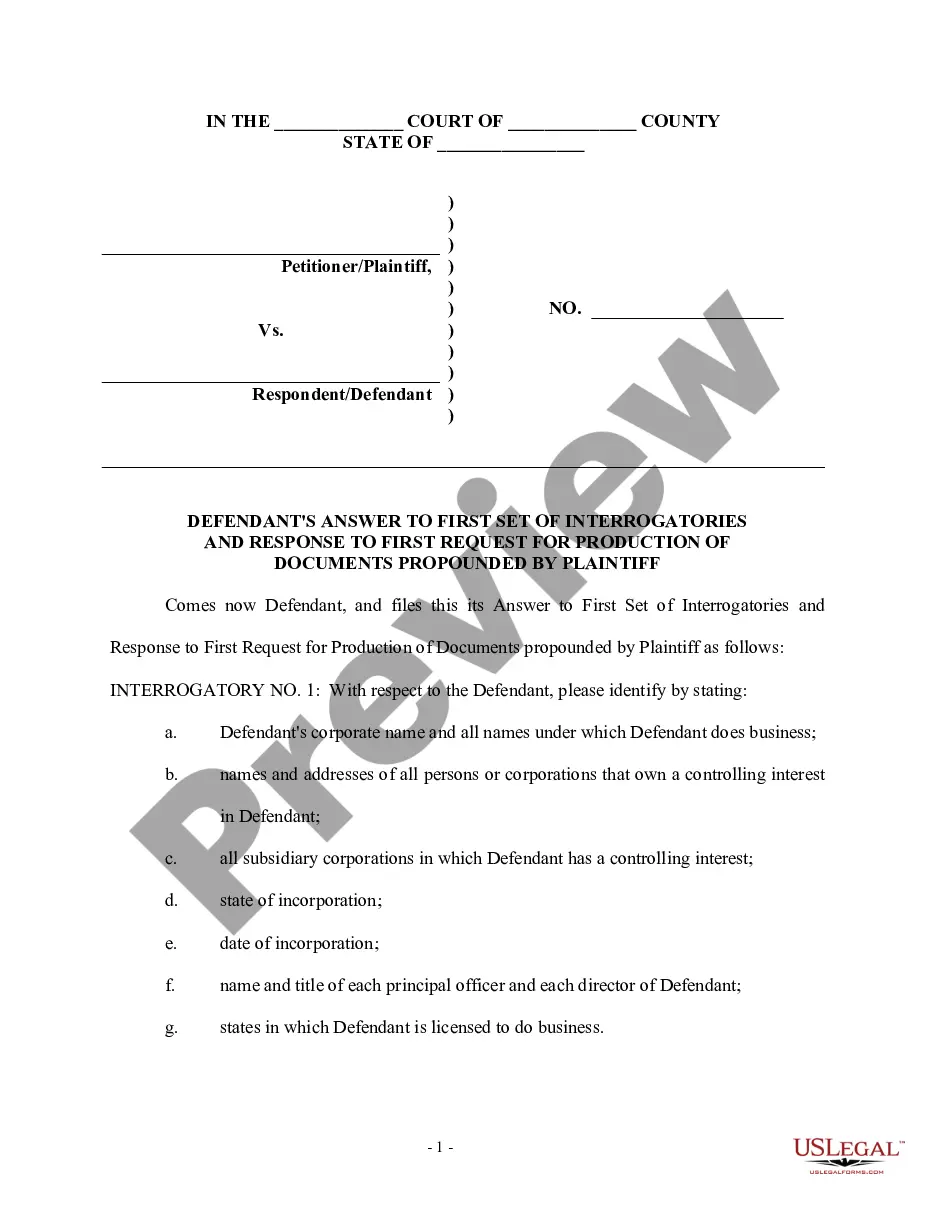
How to fill out Petition For Removal Of Minority - Emancipation?
It’s clear that you cannot become a legal authority instantly, nor can you comprehend how to swiftly prepare Printable Emancipation Forms With Child without possessing a specific expertise.
Drafting legal documents is a lengthy process that necessitates particular training and abilities. So why not entrust the creation of the Printable Emancipation Forms With Child to the professionals.
With US Legal Forms, one of the most extensive legal document repositories, you can discover everything from court filings to templates for internal communication.
You can regain access to your forms from the My documents tab at any time. If you’re an existing customer, you can simply Log In, and find and download the template from the same tab.
Regardless of your paperwork's purpose—whether financial and legal, or personal—our platform has you covered. Try US Legal Forms now!
- Identify the form you need by utilizing the search bar at the top of the page.
- Examine it (if this option is available) and read the accompanying description to determine if Printable Emancipation Forms With Child is what you’re looking for.
- Start your search anew if you require a different template.
- Create a free account and select a subscription plan to purchase the form.
- Click Buy now. Once the payment is finalized, you can obtain the Printable Emancipation Forms With Child, complete it, print it, and send or mail it to the relevant individuals or organizations.
Form popularity
FAQ
You can pursue emancipation even if your parents do not support your decision. The court will evaluate your maturity and ability to live independently. Submitting printable emancipation forms with child is a crucial step, as they allow you to present your case clearly. Remember, the court's primary concern is your welfare, so be prepared to explain why emancipation is necessary for you.
Specifically, in Idaho a probate is required after you die anytime your estate includes any assets that have a value of $100,000 or more. Additionally, a probate is required in Idaho anytime your name is on the deed to any real estate, homes, or land regardless of its value.
An executor (which in Idaho is called a ?personal representative? even though these two different names means the same thing) is the person who is given legal authority to deal with the money, property, and other assets of a person's estate after they die.
In Idaho a surviving spouse can choose to do a simple Affidavit of Heirship as their Idaho probate when certain circumstances exist. An Idaho Affidavit of Heirship is a wonderful mechanism used to transfer personal property to the surviving spouse without the requirement of filing a probate with the Idaho courts.
Ing to Idaho Code § 15-3-1201 et seq., after a family member or loved one passes away, an individual can use a small estate affidavit that specifically identifies them as the recipient of personal property owned by the decedent. The small estate affidavit has to have some specific language in it.
How to Write (1) Name Of Deceased. The full name of the Idaho Deceased must be produced. ... (2) Residential County Of Idaho Deceased. ... (3) Date Idaho Deceased Pronounced Dead. ... (4) Location Of Idaho Deceased's Death. ... (5) Name Of Successor. ... (6) Proportion Of Estate. ... (7) Signature Of Affiant. ... (8) Idaho Notarization.
The fair market value of the entire estate of the decedent, wherever located, which is subject to probate, less liens and encumbrances, does not exceed one hundred thousand dollars ($100,000).