Defect Construction Actions Form Interrogatories
Description
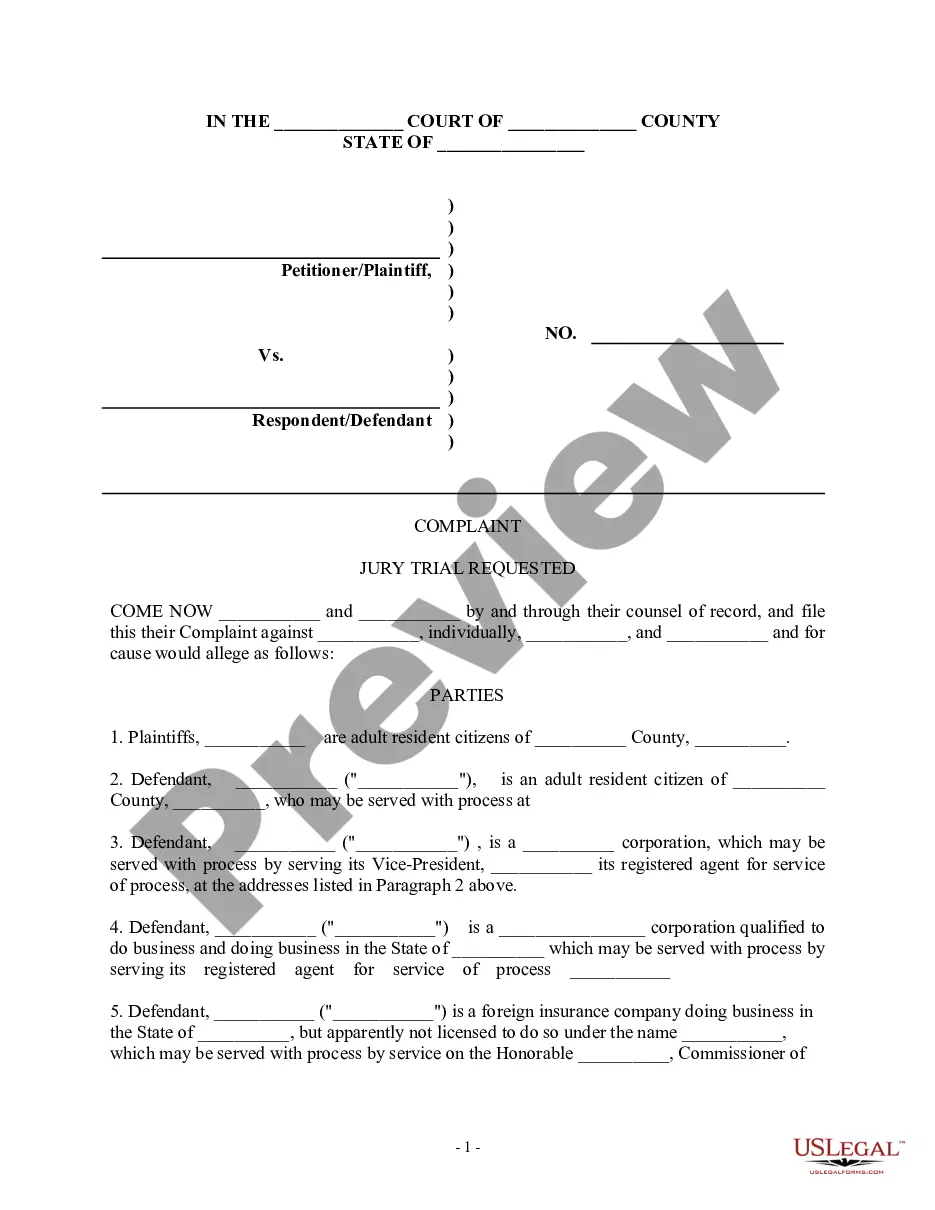
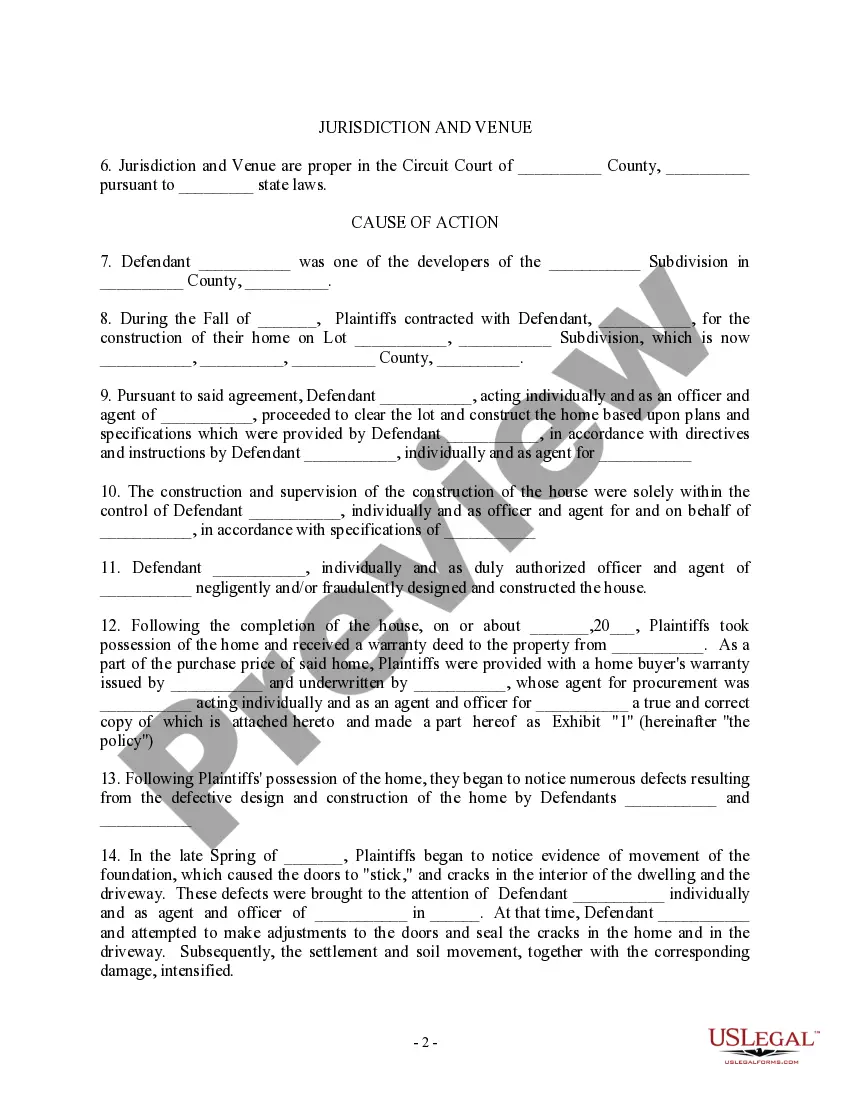
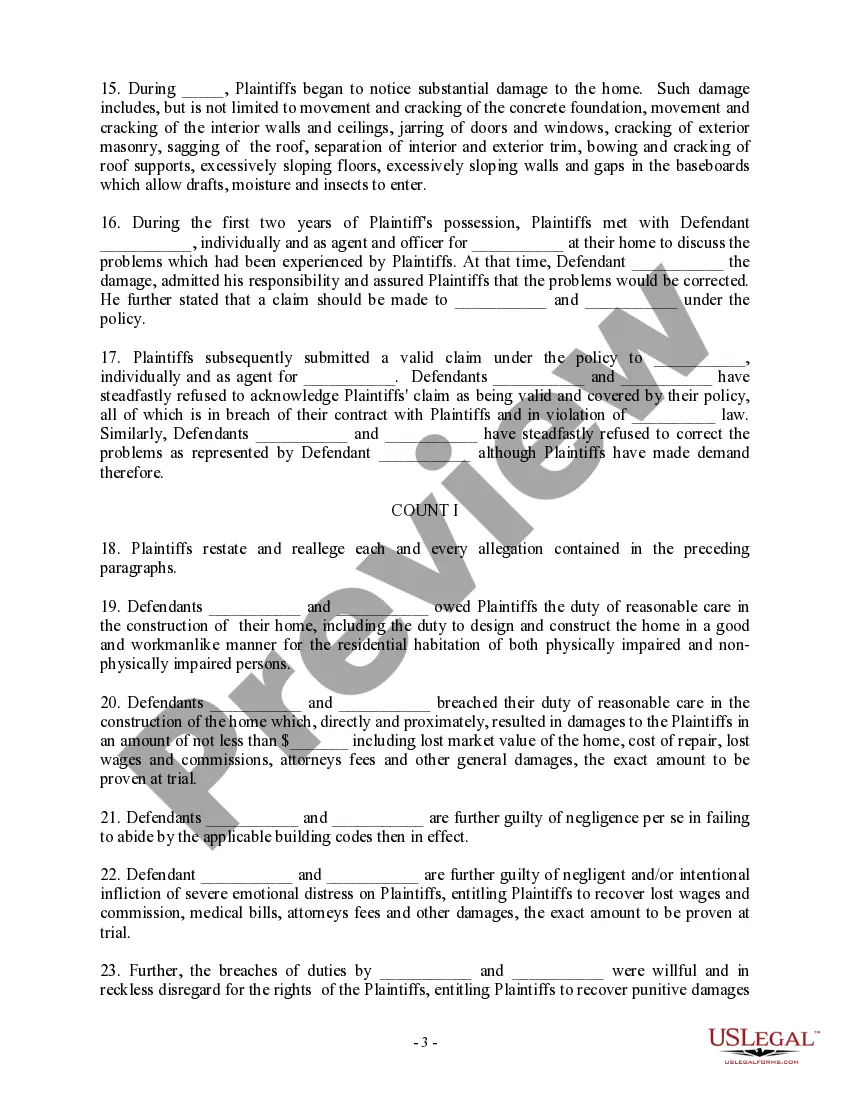
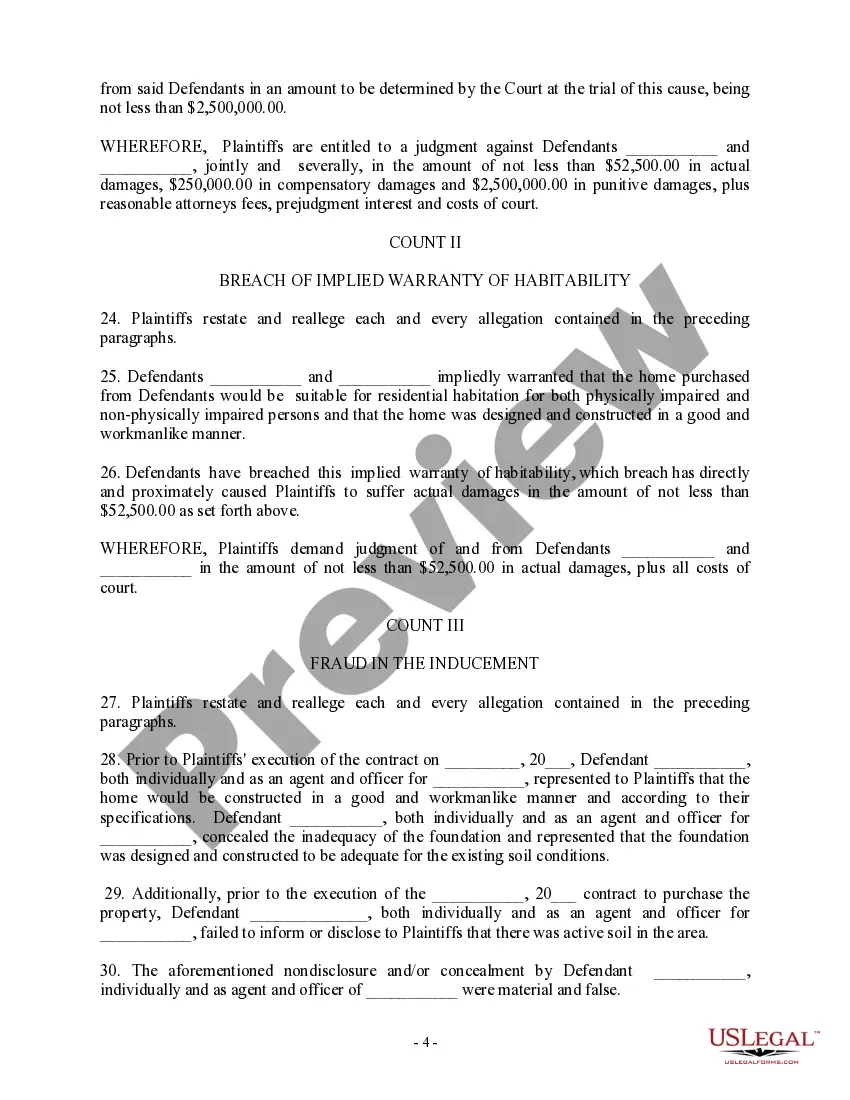
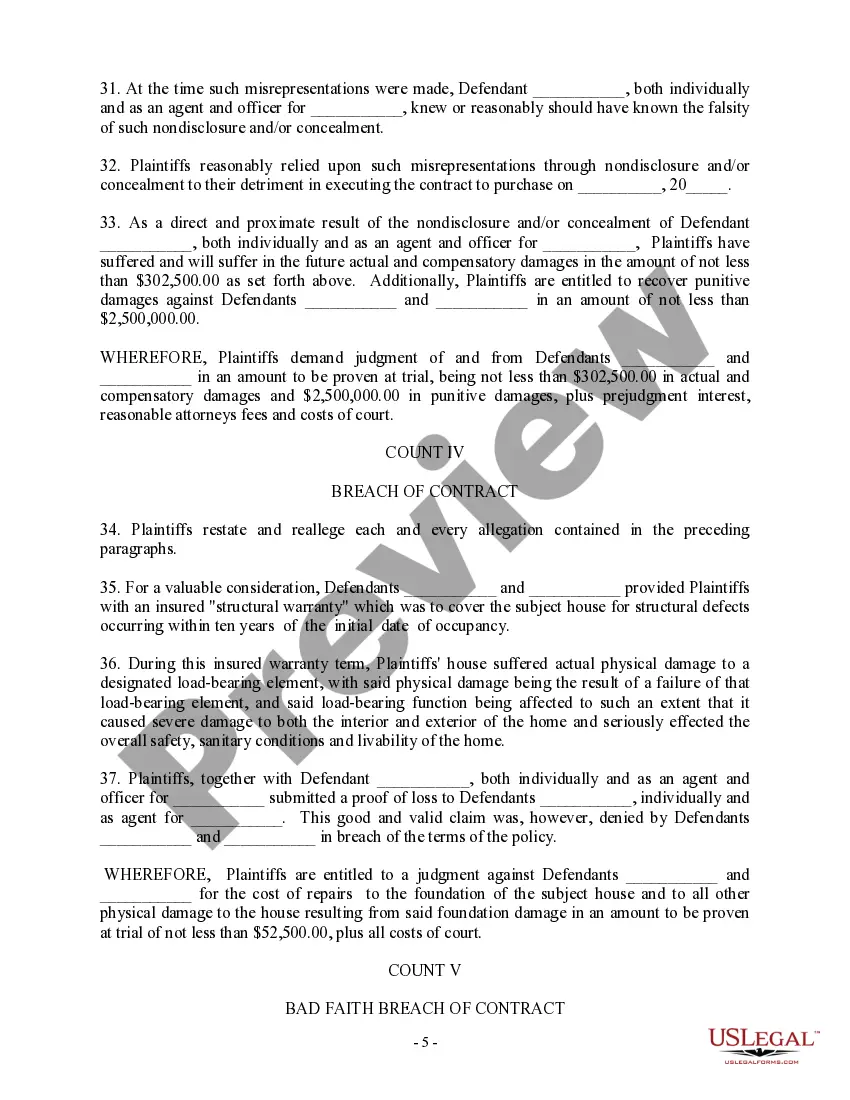
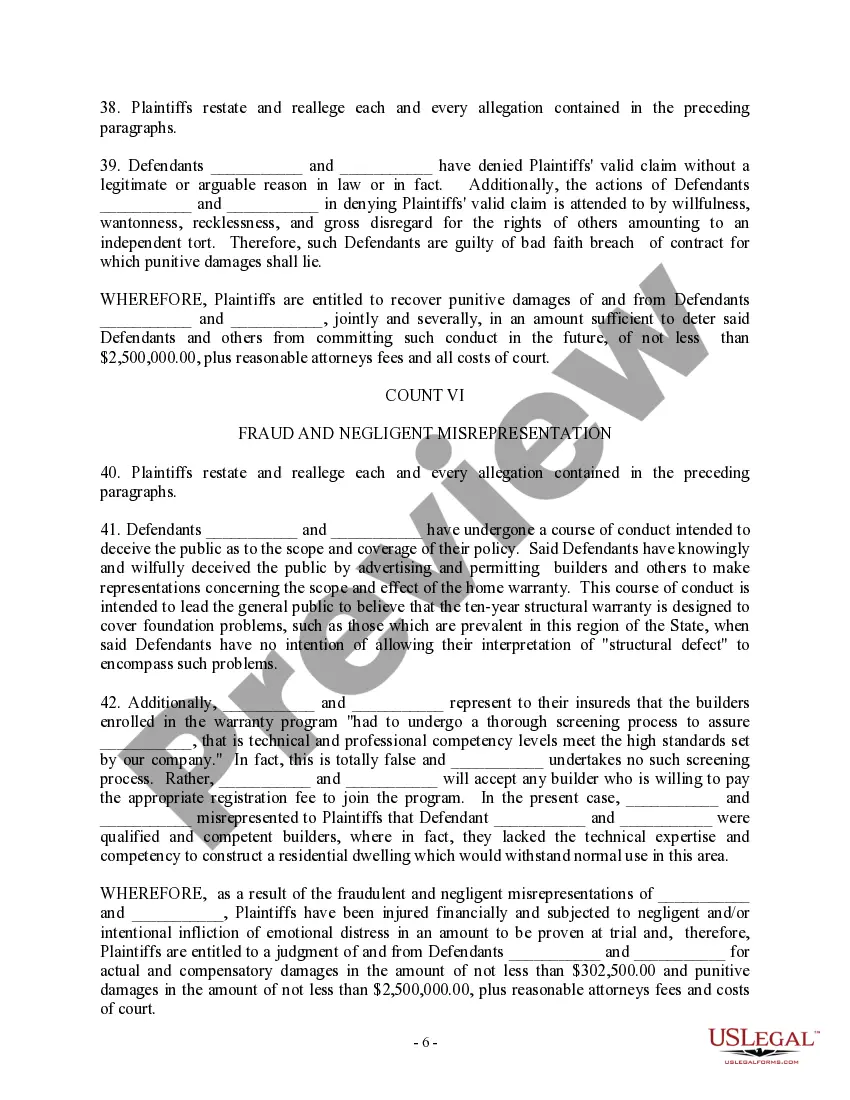
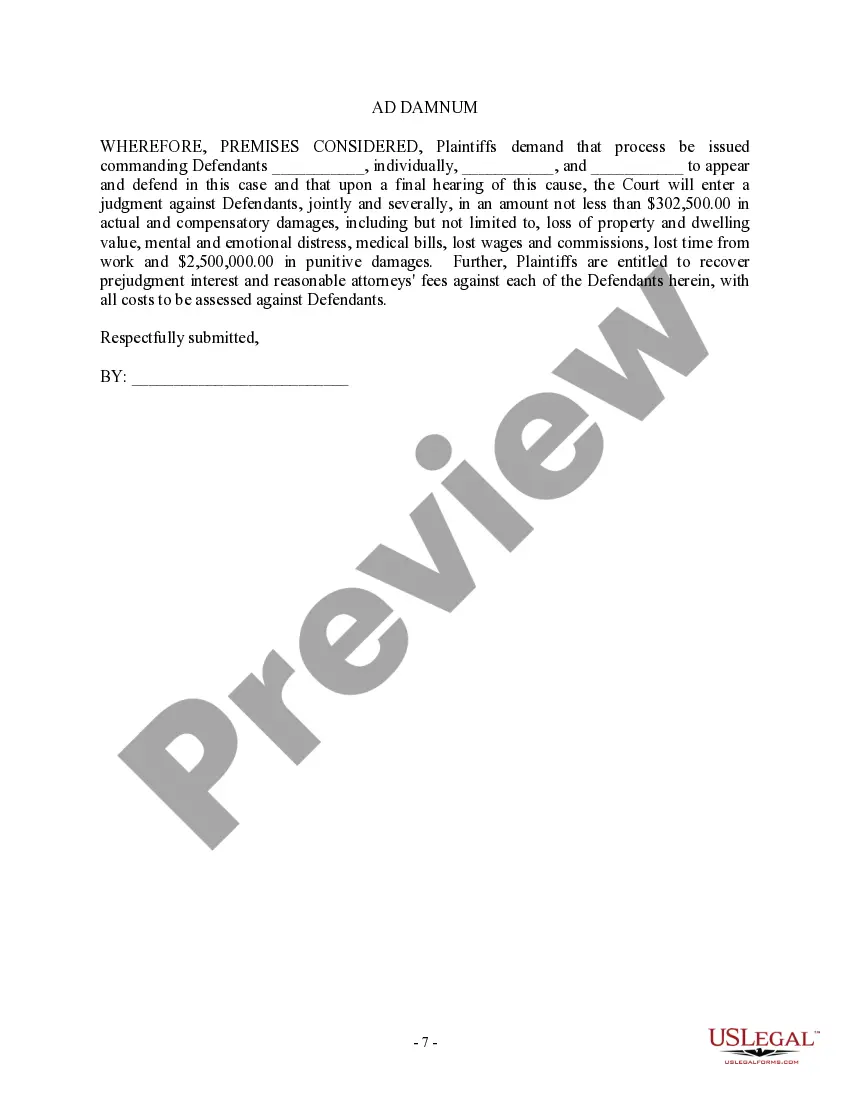
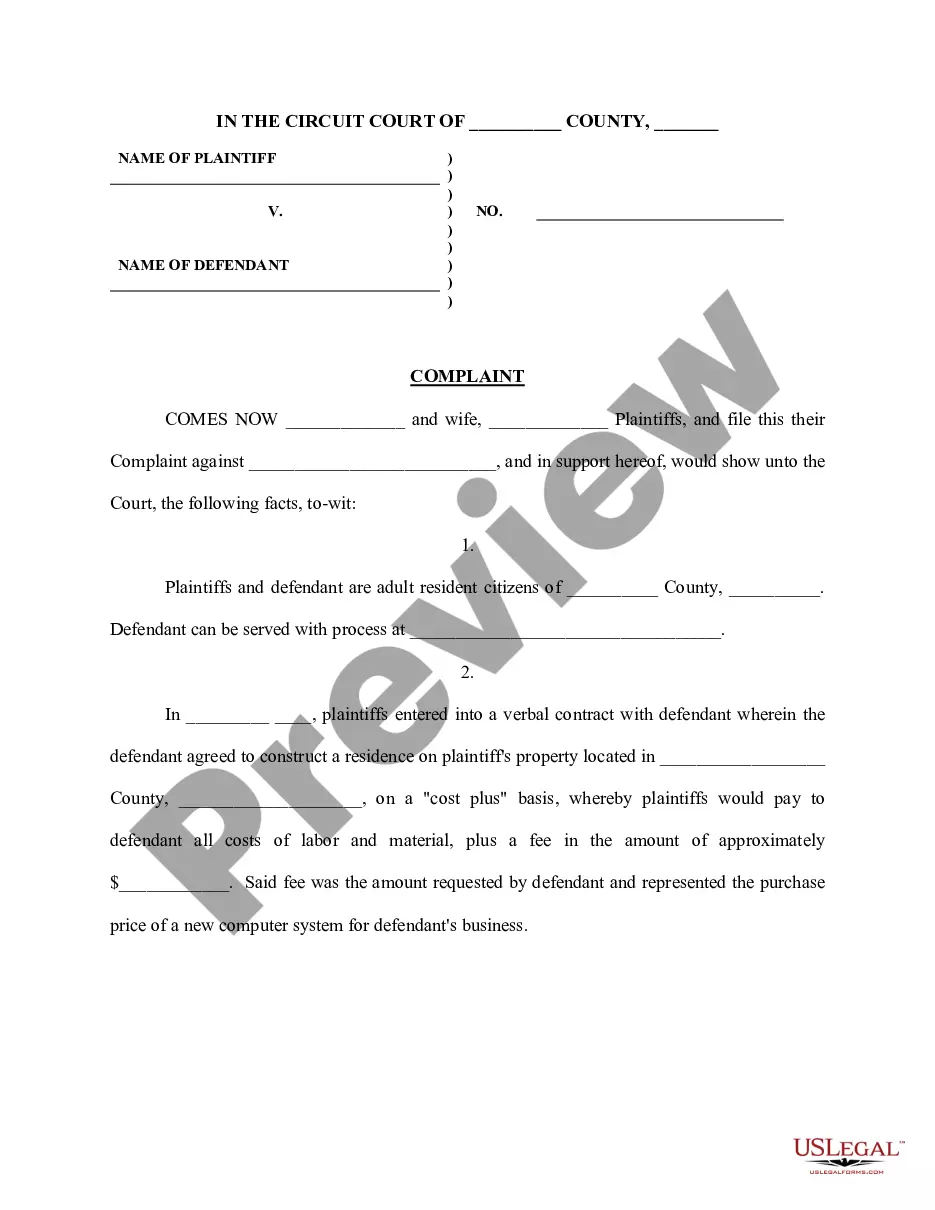
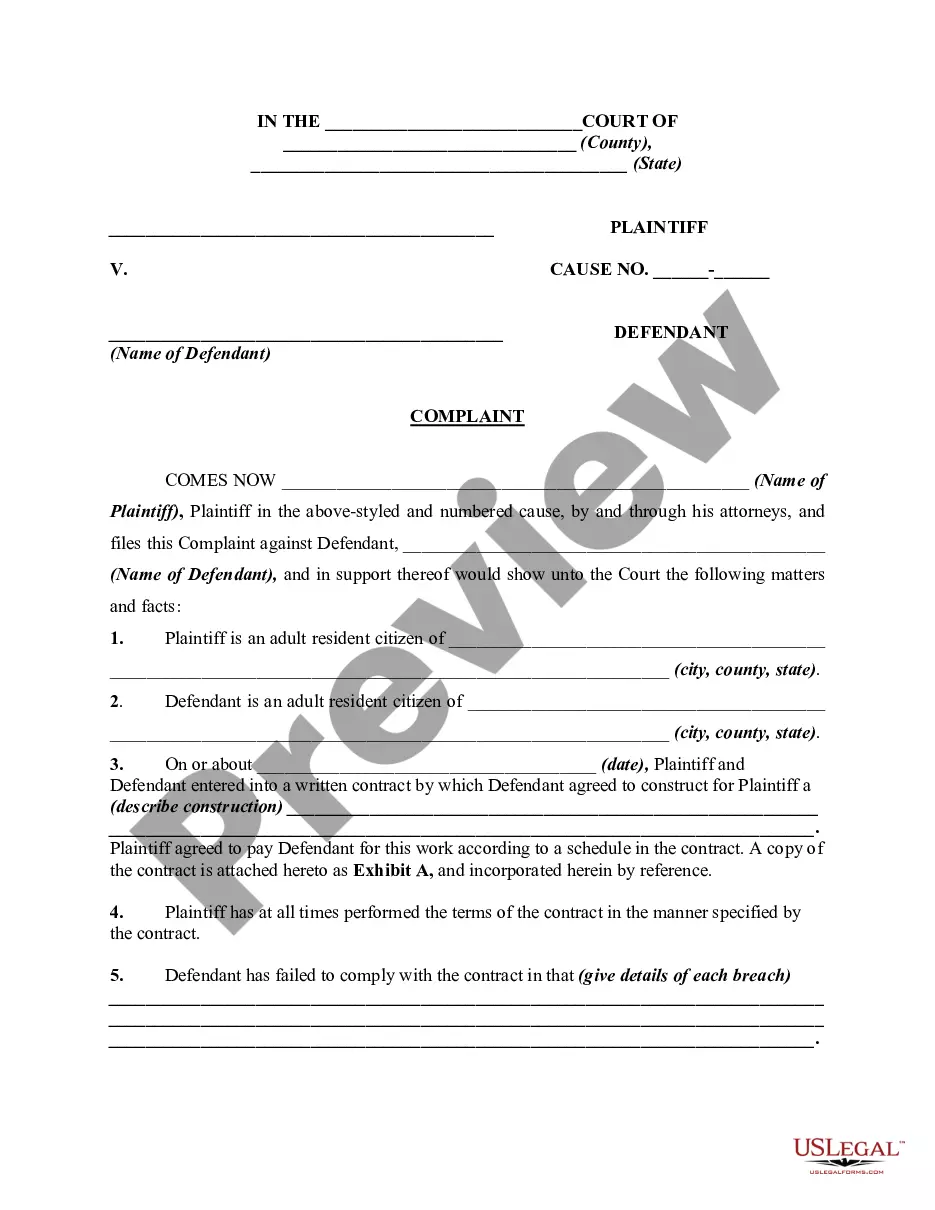
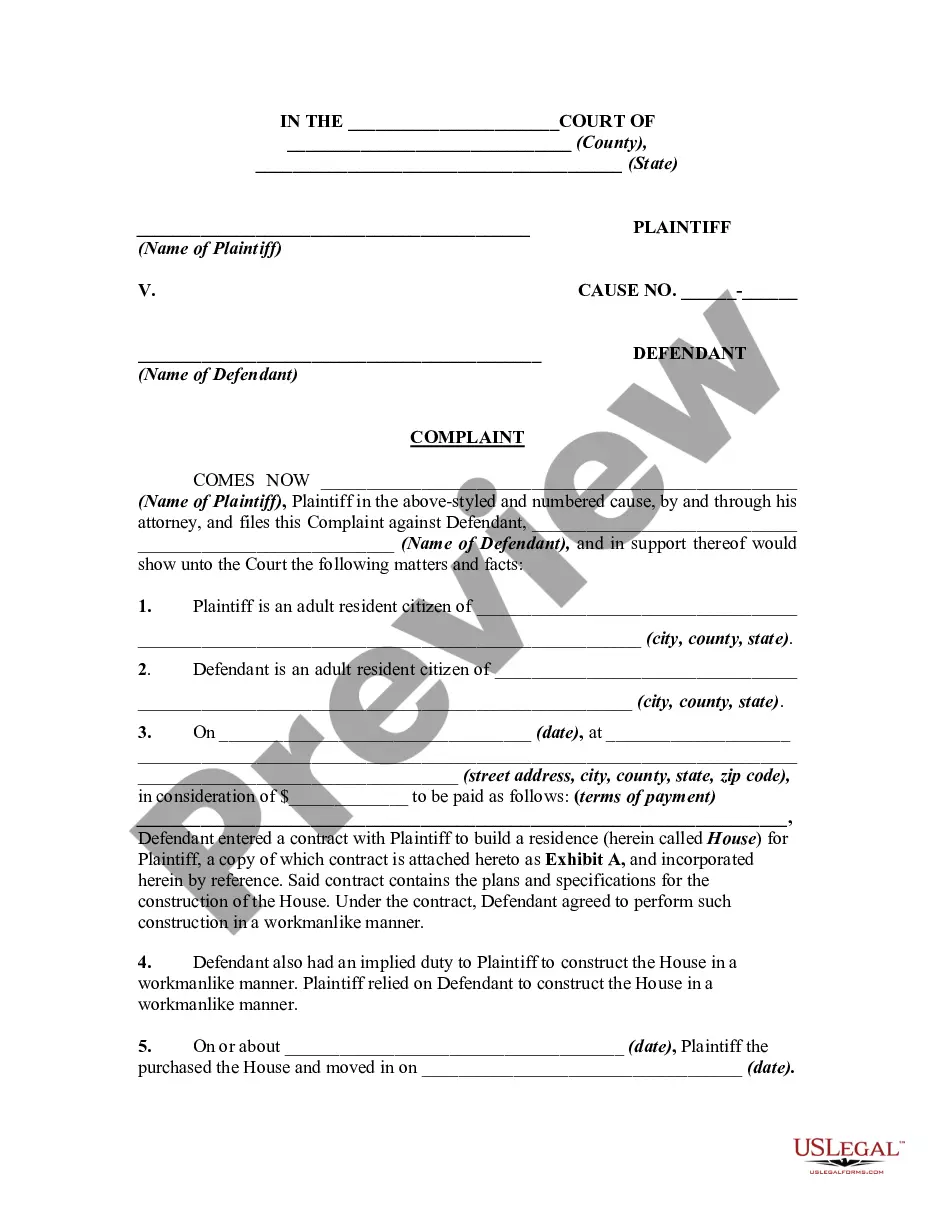
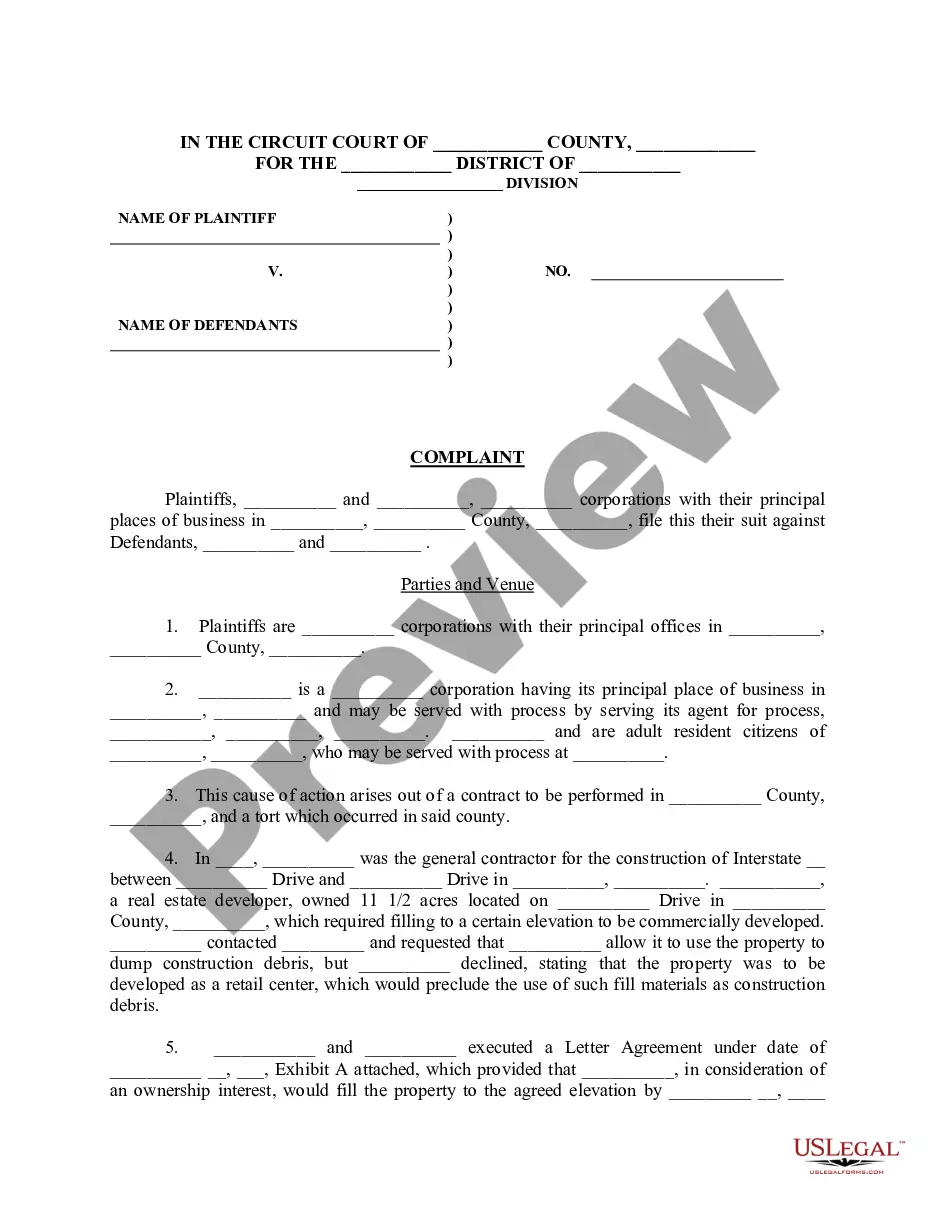
Get your form ready online
Our built-in tools help you complete, sign, share, and store your documents in one place.
Make edits, fill in missing information, and update formatting in US Legal Forms—just like you would in MS Word.
Download a copy, print it, send it by email, or mail it via USPS—whatever works best for your next step.
Sign and collect signatures with our SignNow integration. Send to multiple recipients, set reminders, and more. Go Premium to unlock E-Sign.
If this form requires notarization, complete it online through a secure video call—no need to meet a notary in person or wait for an appointment.
We protect your documents and personal data by following strict security and privacy standards.

Make edits, fill in missing information, and update formatting in US Legal Forms—just like you would in MS Word.

Download a copy, print it, send it by email, or mail it via USPS—whatever works best for your next step.

Sign and collect signatures with our SignNow integration. Send to multiple recipients, set reminders, and more. Go Premium to unlock E-Sign.

If this form requires notarization, complete it online through a secure video call—no need to meet a notary in person or wait for an appointment.

We protect your documents and personal data by following strict security and privacy standards.
Looking for another form?
How to fill out Complaint For Defective Home Construction, Defective Design?
Handling legal documents can be daunting, even for the most proficient professionals.
When you are in search of a Defect Construction Actions Form Interrogatories and lack the time to invest in finding the correct and most recent version, the process can be stress-inducing.
Gain access to a valuable resource library of articles, guidelines, manuals, and tools pertinent to your circumstances and requirements.
Conserve time and energy searching for the documents you require, and utilize US Legal Forms’ advanced search and Review function to locate the Defect Construction Actions Form Interrogatories and obtain it.
Experience the US Legal Forms online collection, supported by 25 years of expertise and trustworthiness. Streamline your daily document management into a smooth and user-friendly experience today.
- If you have a subscription, Log In to your US Legal Forms account, find the form, and download it.
- Check the My documents section to view the documents you have already downloaded and to manage your files as you wish.
- If this is your first experience with US Legal Forms, create a complimentary account and gain unlimited access to all the platform’s features.
- Following the download of the desired form, verify that it is the correct one by previewing it and reviewing its details.
- Ensure that the template is valid in your state or county.
- Click Buy Now when you are ready.
- Choose a subscription option.
- Select the format you prefer, then Download, complete, eSign, print, and send your documents.
- Access state- or county-specific legal and organizational documents.
- US Legal Forms accommodates any needs you may have, from personal to corporate paperwork, all consolidated in one location.
- Employ cutting-edge tools to complete and manage your Defect Construction Actions Form Interrogatories.
Form popularity
FAQ
Writing good interrogatories involves crafting clear, concise questions that directly relate to the case at hand. For defect construction actions form interrogatories, focus on specific details that you need to understand the claims or defenses better. Avoid vague language, and ensure your questions require detailed responses, which can significantly aid in building your case. Utilizing templates from USLegalForms can simplify this process and enhance the quality of your interrogatories.
Rule 35 does not specifically refer to interrogatories; it primarily deals with physical and mental examinations. However, it's essential to consider how interrogatories and other discovery tools complement each other. For defect construction actions form interrogatories, combining both methods can provide a comprehensive view of the claims being examined. USLegalForms offers resources to ensure all your discovery tools are used effectively.
An example of an interrogatory might be, 'Please describe in detail the nature of any alleged defects in the construction work completed on your property.' This question encourages the responding party to provide a comprehensive answer regarding defect construction actions form interrogatories. Such clarity is vital for understanding the specific issues at hand, and using a structured approach can streamline the process.
Rule 33 interrogatories allow one party to send written questions to another party in a lawsuit. These questions must be answered under oath and help clarify issues before trial. In the context of defect construction actions form interrogatories, these inquiries can uncover details about claims and defenses related to construction defects. Using USLegalForms can help you draft effective interrogatories that comply with Rule 33.
To fill out an interrogatories form, begin by carefully reading the instructions provided. This ensures you understand the questions and the information required. Next, gather all relevant documentation to help you provide accurate answers. Lastly, write clear and precise responses in the space provided, making sure to reference any supporting documents as necessary. Using the Defect construction actions form interrogatories can streamline this process, guiding you through each step effectively.
You may refuse to answer discovery questions under certain circumstances, such as if they are overly broad or would require you to disclose privileged information. However, it's crucial to provide a valid reason for your refusal. In cases involving defect construction actions form interrogatories, carefully assess your responses to ensure compliance with legal standards. Properly addressing discovery questions can safeguard your legal interests.
If someone does not respond to interrogatories, the other party may seek court intervention to enforce compliance. This process can include filing a motion to compel and may lead to sanctions against the non-responding party. Therefore, it is vital to respond to defect construction actions form interrogatories in a timely manner to avoid such complications. Legal resolutions can often hinge on information obtained through these inquiries.
No, you cannot simply ignore interrogatories, as doing so may result in legal repercussions. Courts typically require parties to respond within a specified timeframe. If you receive defect construction actions form interrogatories, it’s in your best interest to provide replies to avoid negative legal consequences. Ignoring them can jeopardize your position in the case.
If someone fails to answer interrogatories, you may need to file a motion to compel them to respond. It's essential to document any lack of response to strengthen your case. With defect construction actions form interrogatories, this process can be particularly important, as detailed responses can make a significant difference in the outcome. Take action promptly if you encounter this issue.
The rule of 35 allows a party to serve a maximum of 35 special interrogatories without needing court approval. This rule aims to streamline the discovery process while still providing parties the chance to gather necessary information. If you are dealing with defect construction actions, understanding this rule can help you maximize your inquiries. Ensure you adhere to this limit to avoid complications.