Construction Defect Form Interrogatories
Description
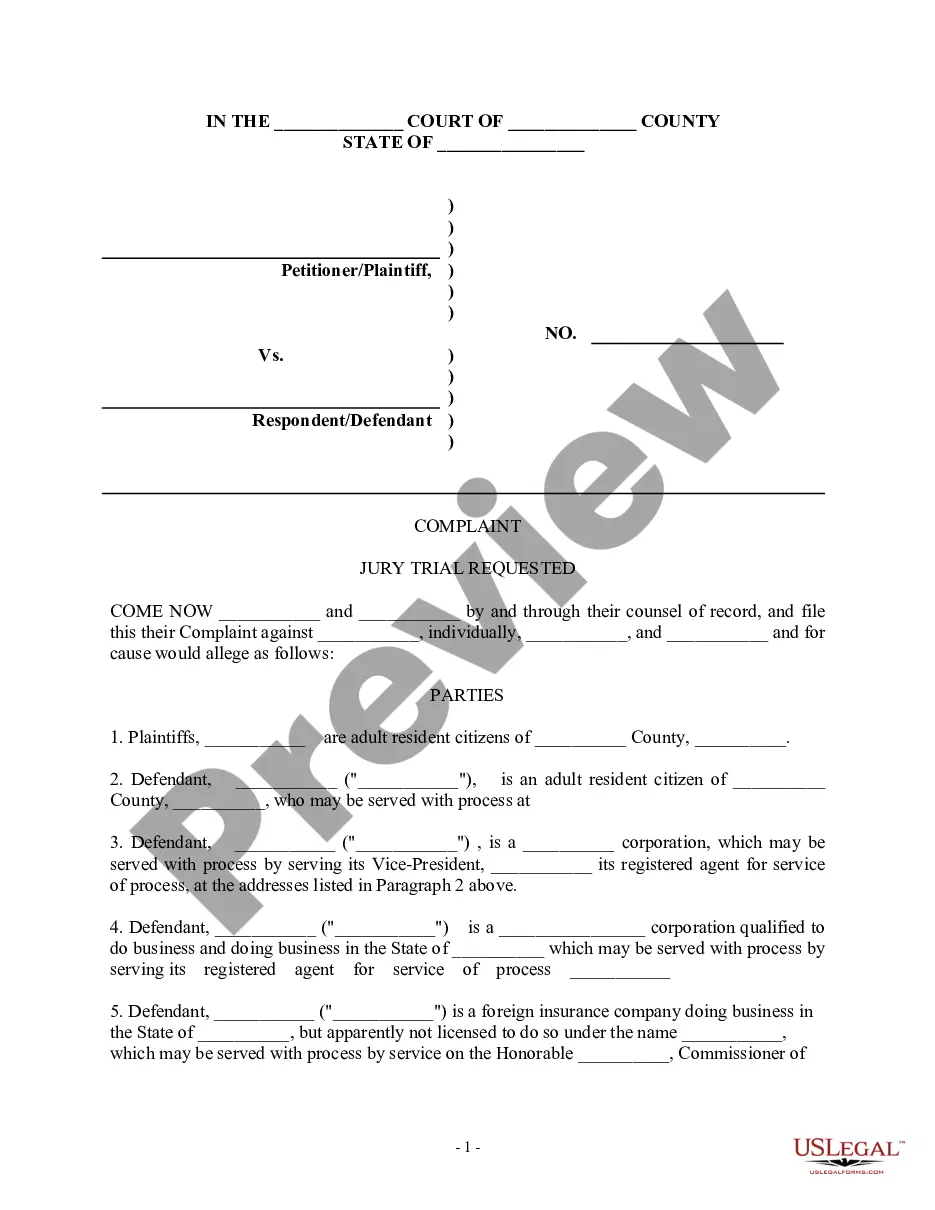
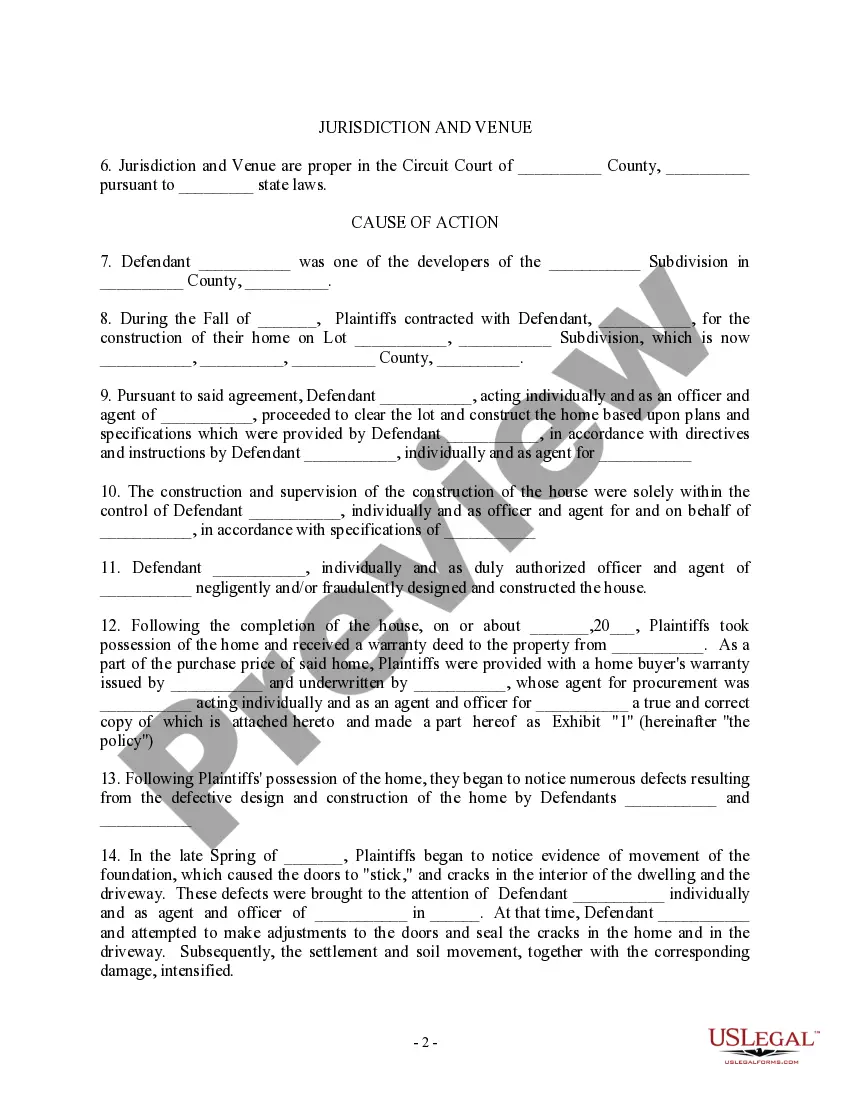
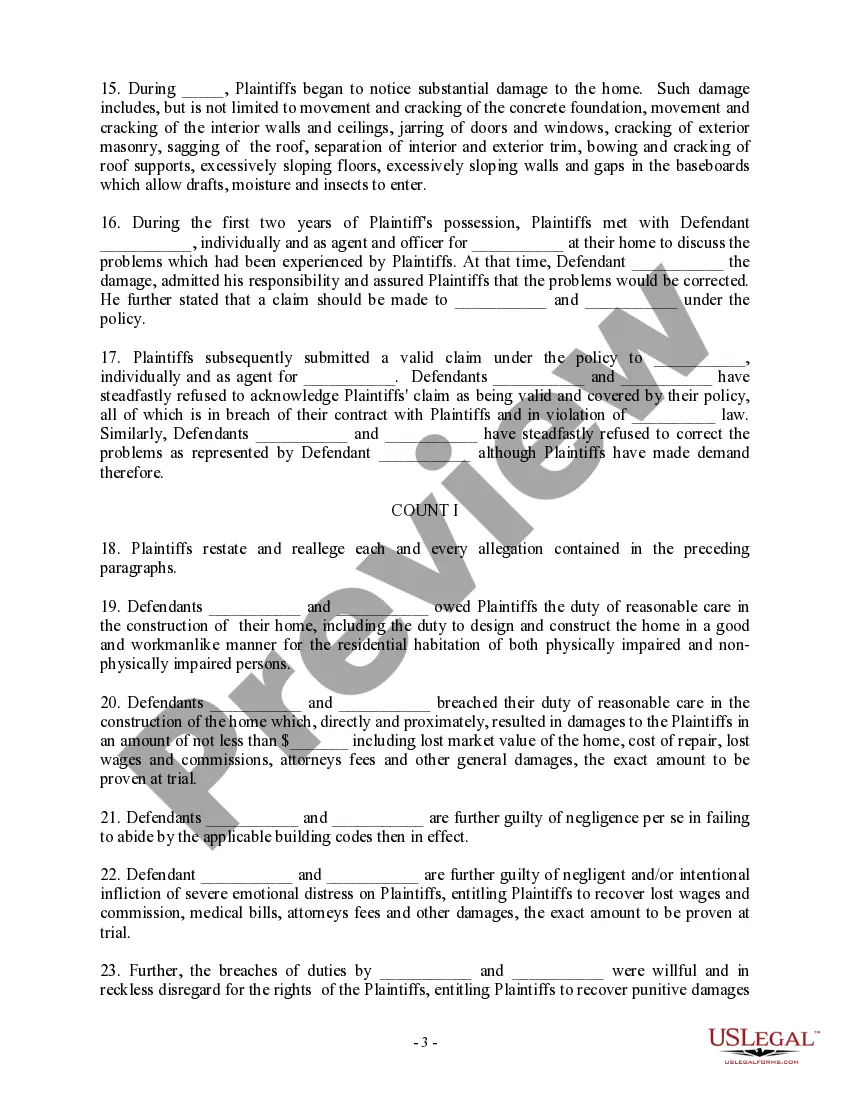
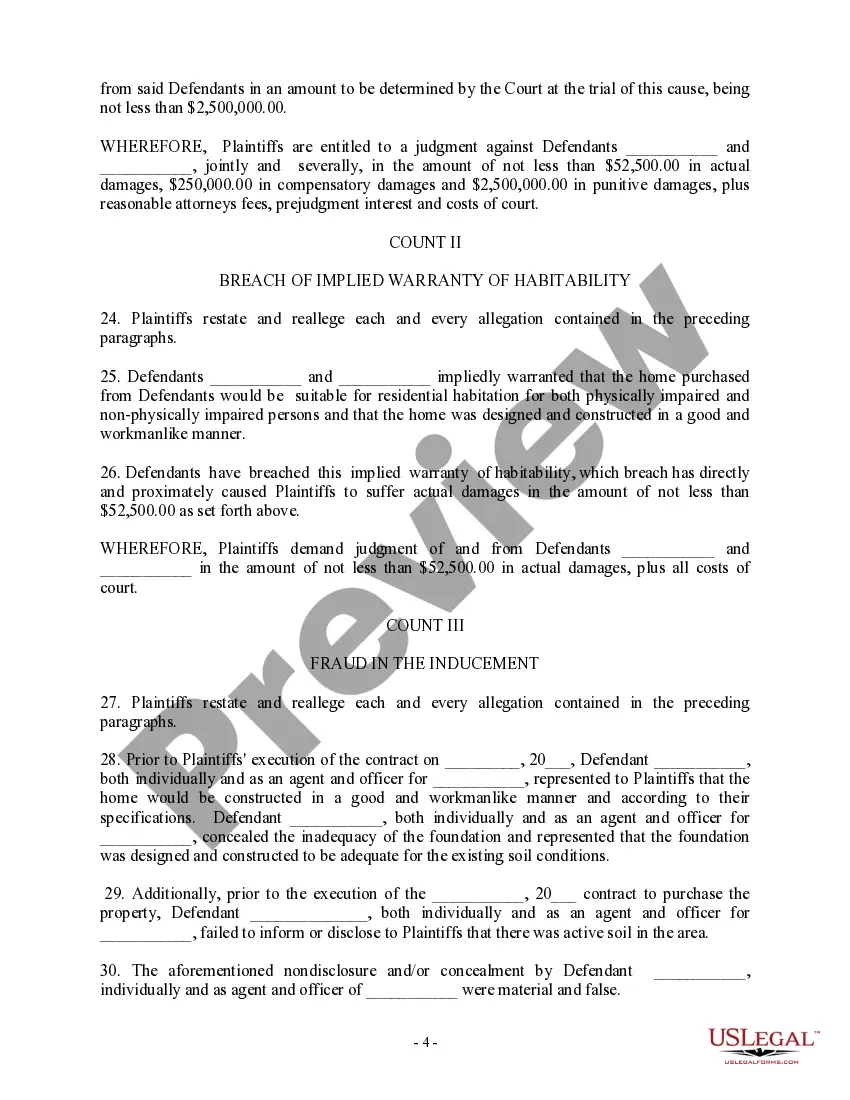
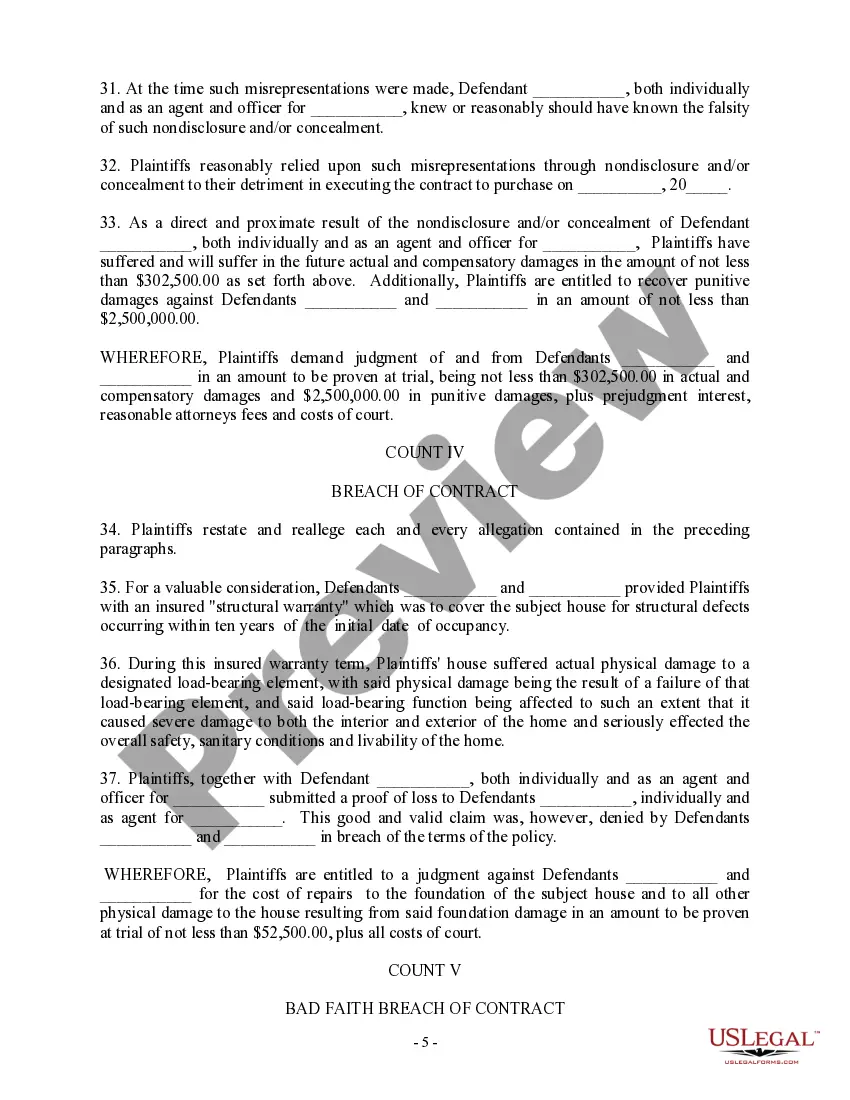
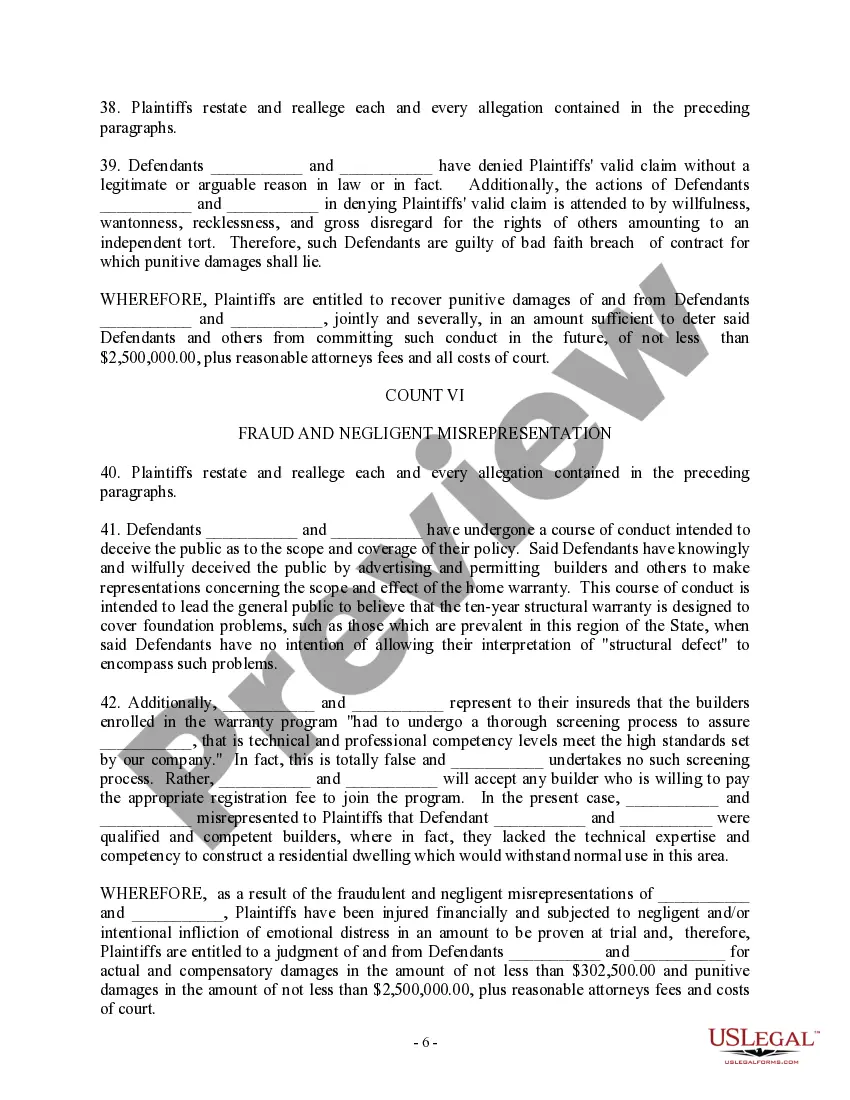
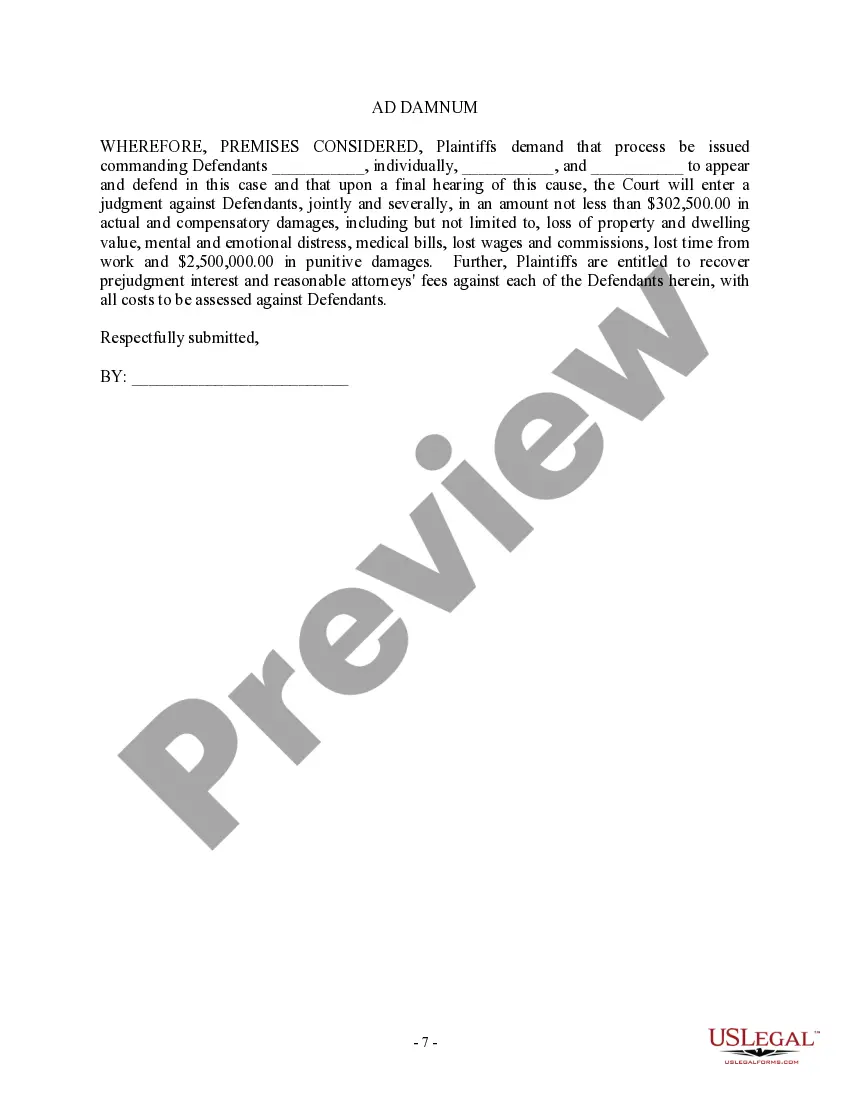
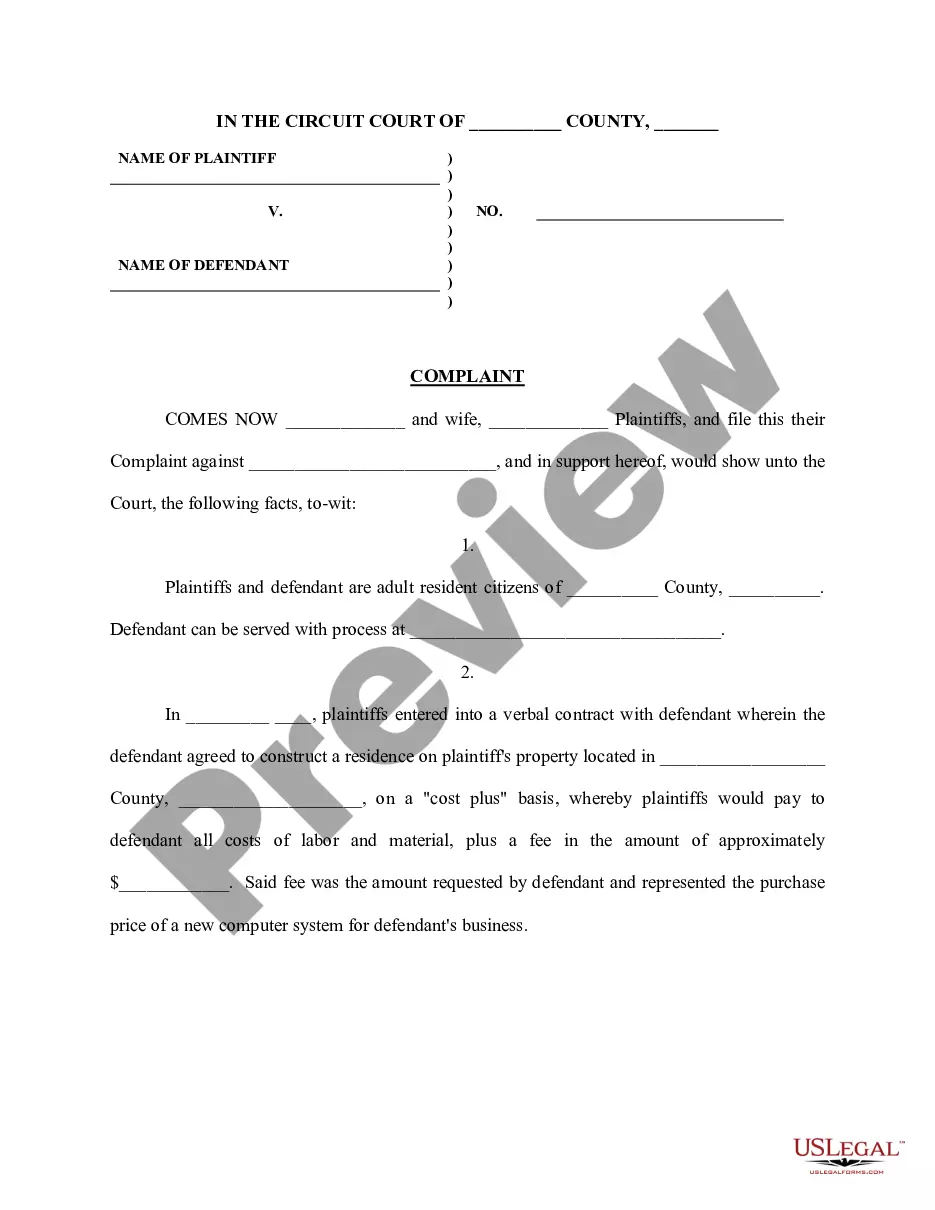
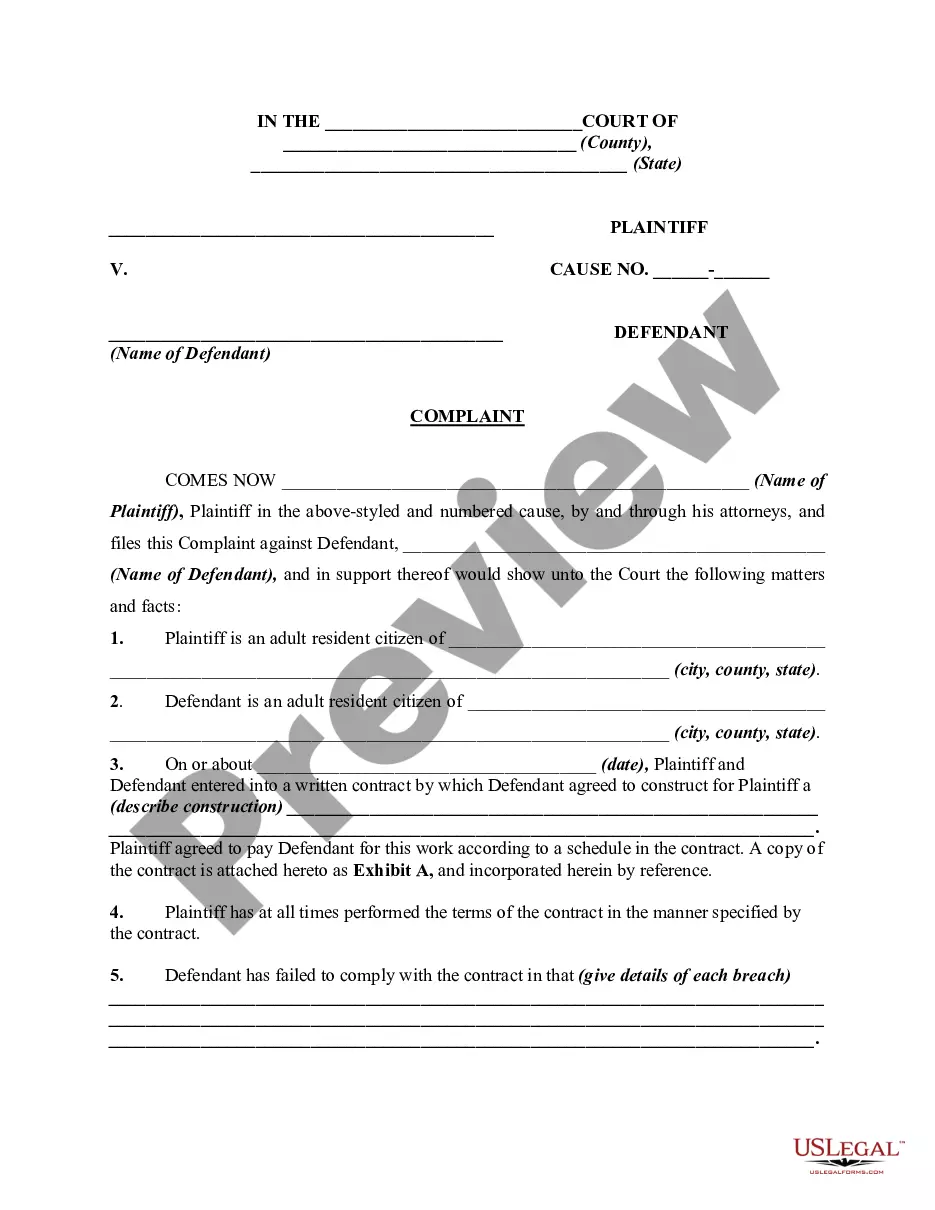
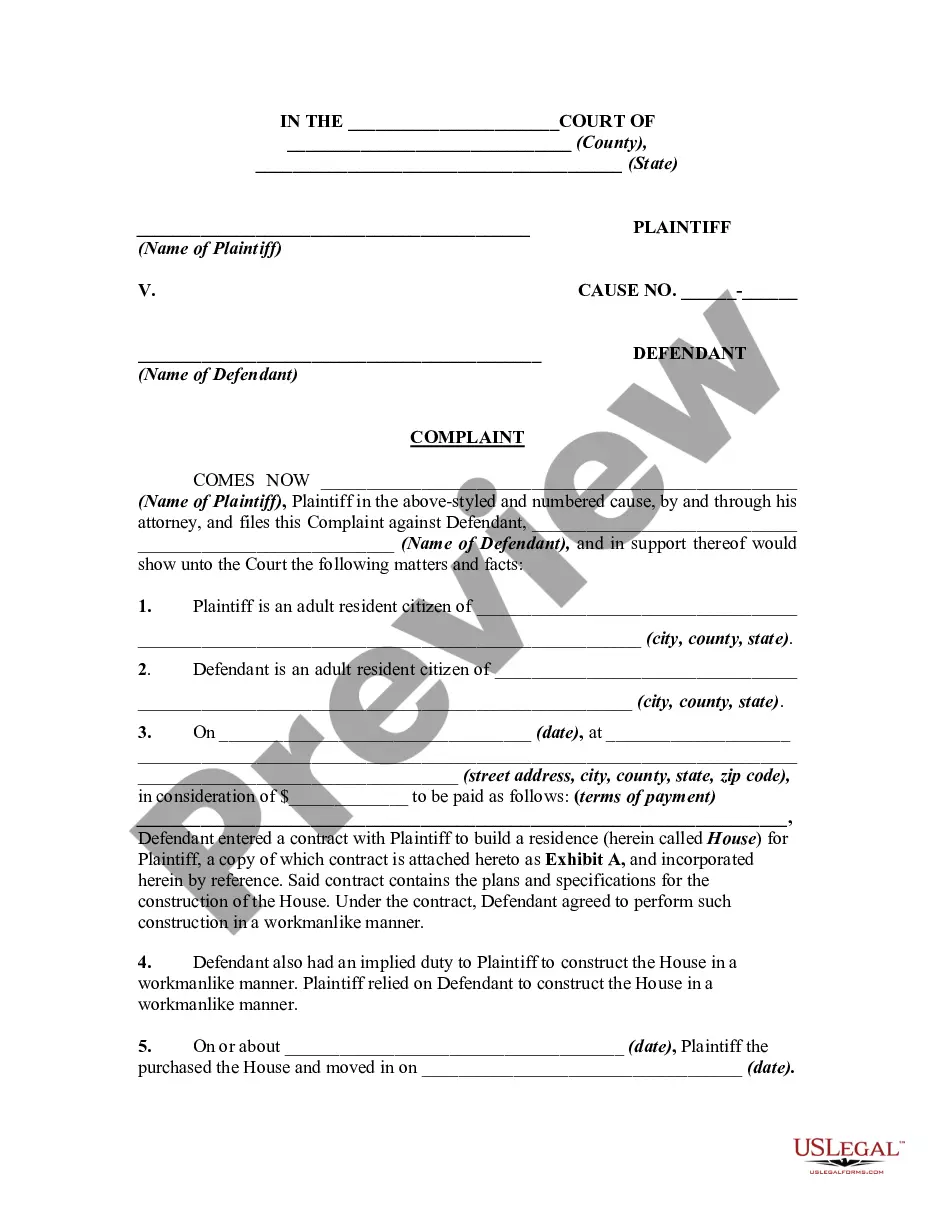
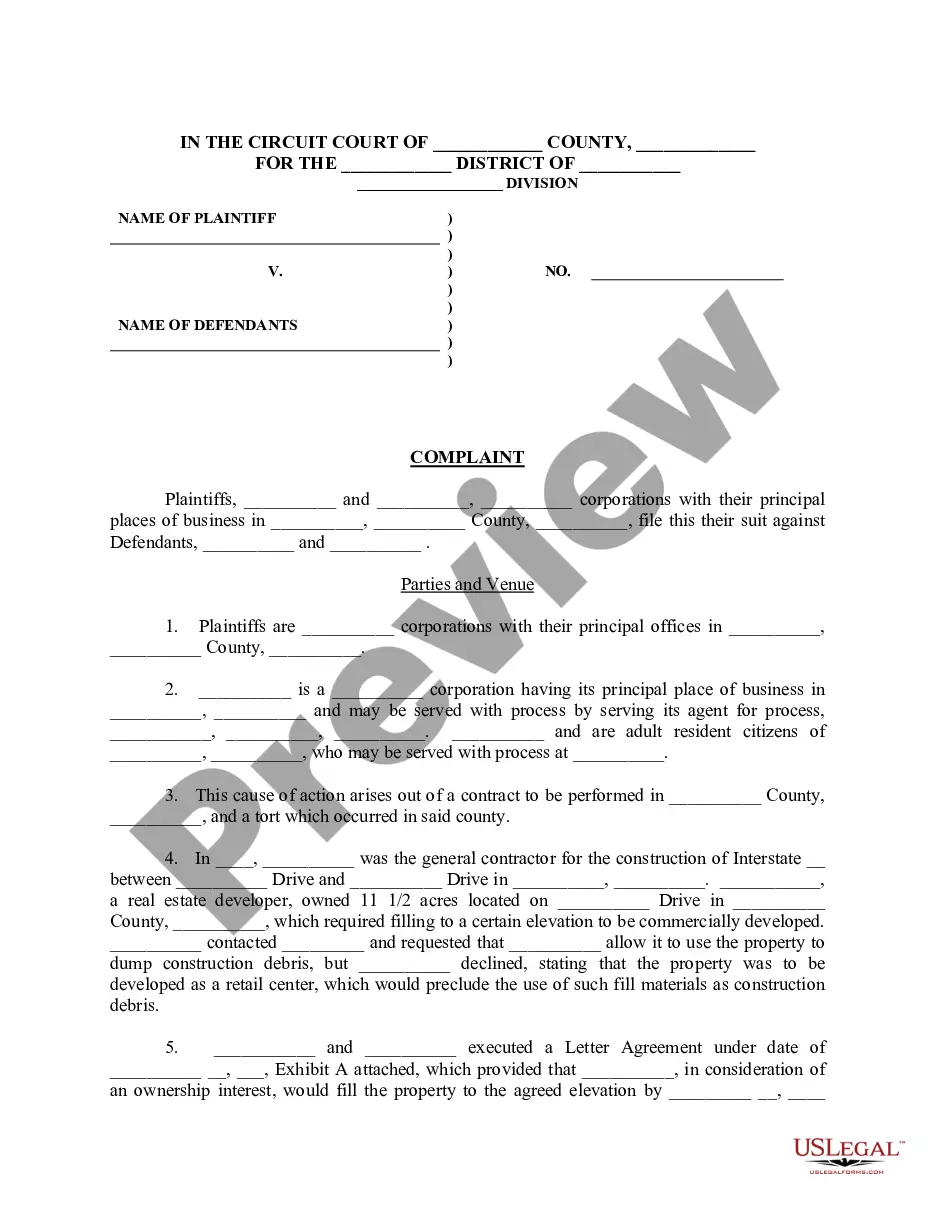
Get your form ready online
Our built-in tools help you complete, sign, share, and store your documents in one place.
Make edits, fill in missing information, and update formatting in US Legal Forms—just like you would in MS Word.
Download a copy, print it, send it by email, or mail it via USPS—whatever works best for your next step.
Sign and collect signatures with our SignNow integration. Send to multiple recipients, set reminders, and more. Go Premium to unlock E-Sign.
If this form requires notarization, complete it online through a secure video call—no need to meet a notary in person or wait for an appointment.
We protect your documents and personal data by following strict security and privacy standards.

Make edits, fill in missing information, and update formatting in US Legal Forms—just like you would in MS Word.

Download a copy, print it, send it by email, or mail it via USPS—whatever works best for your next step.

Sign and collect signatures with our SignNow integration. Send to multiple recipients, set reminders, and more. Go Premium to unlock E-Sign.

If this form requires notarization, complete it online through a secure video call—no need to meet a notary in person or wait for an appointment.

We protect your documents and personal data by following strict security and privacy standards.
Looking for another form?
How to fill out Complaint For Defective Home Construction, Defective Design?
Whether for commercial reasons or personal issues, everyone has to handle legal matters at some time in their life.
Completing legal documents requires careful consideration, beginning with choosing the proper form template.
With a vast US Legal Forms catalog available, you never have to waste time searching for the right template on the internet. Utilize the library’s straightforward navigation to find the correct form for any circumstance.
- Locate the template you require using the search bar or catalog browsing.
- Examine the form’s description to confirm it fits your situation, state, and locality.
- Select the form’s preview to review it.
- If it is the wrong document, return to the search feature to find the Construction Defect Form Interrogatories example you need.
- Obtain the template when it fulfills your specifications.
- If you possess a US Legal Forms account, just click Log in to access previously saved documents in My documents.
- In case you do not have an account yet, you can acquire the form by clicking Buy now.
- Choose the suitable pricing option.
- Fill out the account registration form.
- Select your payment method: you can utilize a debit card or PayPal account.
- Select the document format you desire and download the Construction Defect Form Interrogatories.
- After it is saved, you can complete the form using editingsoftware or print it and finalize it manually.
Form popularity
FAQ
Yes, a defendant typically must respond to interrogatories, such as construction defect form interrogatories, unless they have a valid reason for not doing so. The responses are crucial for the discovery phase and allow both parties to clarify facts and issues. If a defendant fails to answer appropriately, this may lead to legal consequences, including sanctions from the court. Therefore, it's important to approach this requirement with seriousness and seek legal guidance when necessary.
Yes, you can object to form interrogatories, including construction defect form interrogatories, based on specific grounds. Valid objections may include issues of ambiguity, vagueness, or concerns regarding privacy. It's vital to clearly articulate your objections and provide supporting reasons to the opposing party. To effectively manage objections, consider using platforms like US Legal Forms, which can assist you in navigating the complexities of legal documentation.
The rule of 35 special interrogatories refers to a limit placed on the number of interrogatories that can be sent without the court's permission, usually set at 35. This limit is designed to help streamline the discovery process and prevent abuses in cases involving construction defect form interrogatories. If your case necessitates more than 35 interrogatories, you will need to file a motion with the court to seek approval. Understanding and adhering to this rule can help maintain the integrity of your legal proceedings.
Avoiding responses to interrogatories, such as construction defect form interrogatories, typically requires a valid legal basis. You may object on grounds like privilege or lack of relevance, but this demands a proper legal understanding. To ensure that your objections are appropriate and well-founded, seek advice from a legal professional. This approach can help protect your rights while navigating the discovery process.
Refusing to answer interrogatories, including construction defect form interrogatories, can have serious consequences. The other party may file a motion to compel, which asks the court to require you to respond. Additionally, the court may impose sanctions, which could affect the outcome of your case. Therefore, it's always advisable to carefully consider your responses.
In general, you can refuse to answer interrogatories under certain circumstances, but it is important to understand the implications of doing so. When dealing with construction defect form interrogatories, it's crucial to consult with a legal expert to determine if your reasons for refusing are valid. Some valid reasons may include relevance or concerns about privacy. However, refusing to respond fully could negatively impact your case.
Dealing with construction defect form interrogatories begins with understanding the questions posed to you. Review each inquiry, gather the necessary information, and respond in writing by the provided deadline. Maintaining organization is essential, and if conflicts arise, consult with your attorney to devise an appropriate strategy for your responses.
Filling out a construction defect form interrogatories requires careful attention. Begin by clearly writing each question at the top of your response section. Then, provide thorough and direct answers, using factual information wherever possible. If in doubt about how to respond, consider seeking assistance from a legal expert for precise guidance.
An example of a construction defect form interrogatory might be, 'Please describe any known defects in the construction completed on the project as of insert date.' This question requires a comprehensive answer about the defects, offering insight into the nature and timing of the issues at hand. Such specific questions guide parties in accurately narrating the facts.
Interrogatories are effective tools for obtaining factual information related to construction defects. Through these forms, parties can uncover details about project timelines, materials used, and any known issues. This information helps build a clearer picture of the case and can support or refute claims made by either side.