Par Value For Bonds
Description
Get your form ready online
Our built-in tools help you complete, sign, share, and store your documents in one place.
Make edits, fill in missing information, and update formatting in US Legal Forms—just like you would in MS Word.
Download a copy, print it, send it by email, or mail it via USPS—whatever works best for your next step.
Sign and collect signatures with our SignNow integration. Send to multiple recipients, set reminders, and more. Go Premium to unlock E-Sign.
If this form requires notarization, complete it online through a secure video call—no need to meet a notary in person or wait for an appointment.
We protect your documents and personal data by following strict security and privacy standards.

Make edits, fill in missing information, and update formatting in US Legal Forms—just like you would in MS Word.

Download a copy, print it, send it by email, or mail it via USPS—whatever works best for your next step.

Sign and collect signatures with our SignNow integration. Send to multiple recipients, set reminders, and more. Go Premium to unlock E-Sign.

If this form requires notarization, complete it online through a secure video call—no need to meet a notary in person or wait for an appointment.

We protect your documents and personal data by following strict security and privacy standards.
Looking for another form?










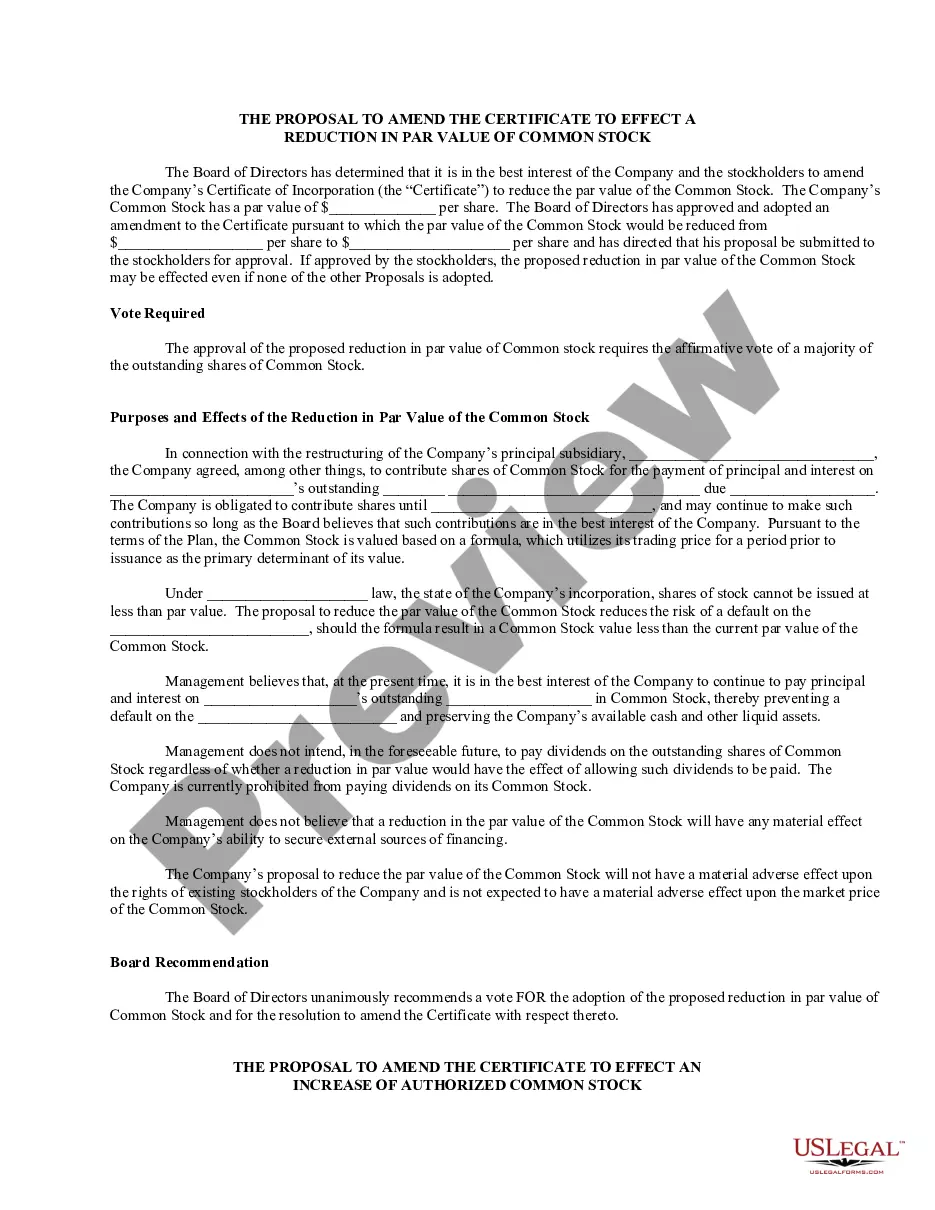
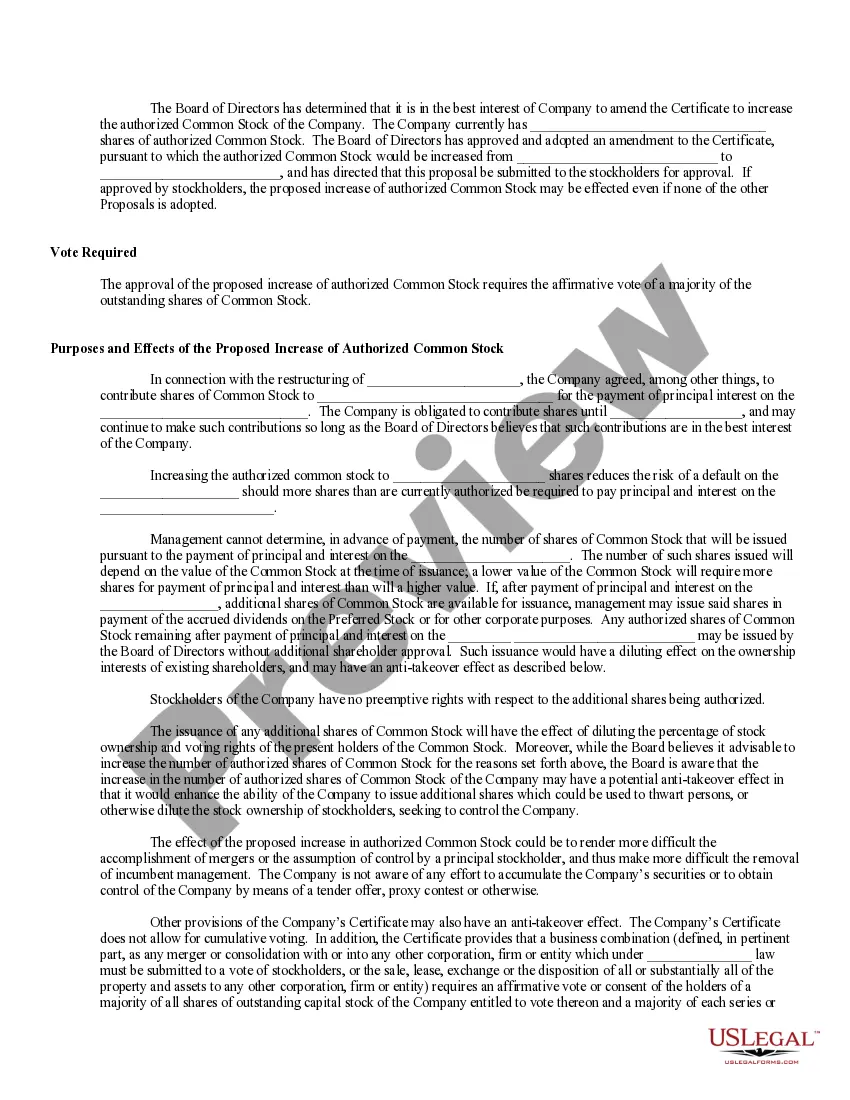
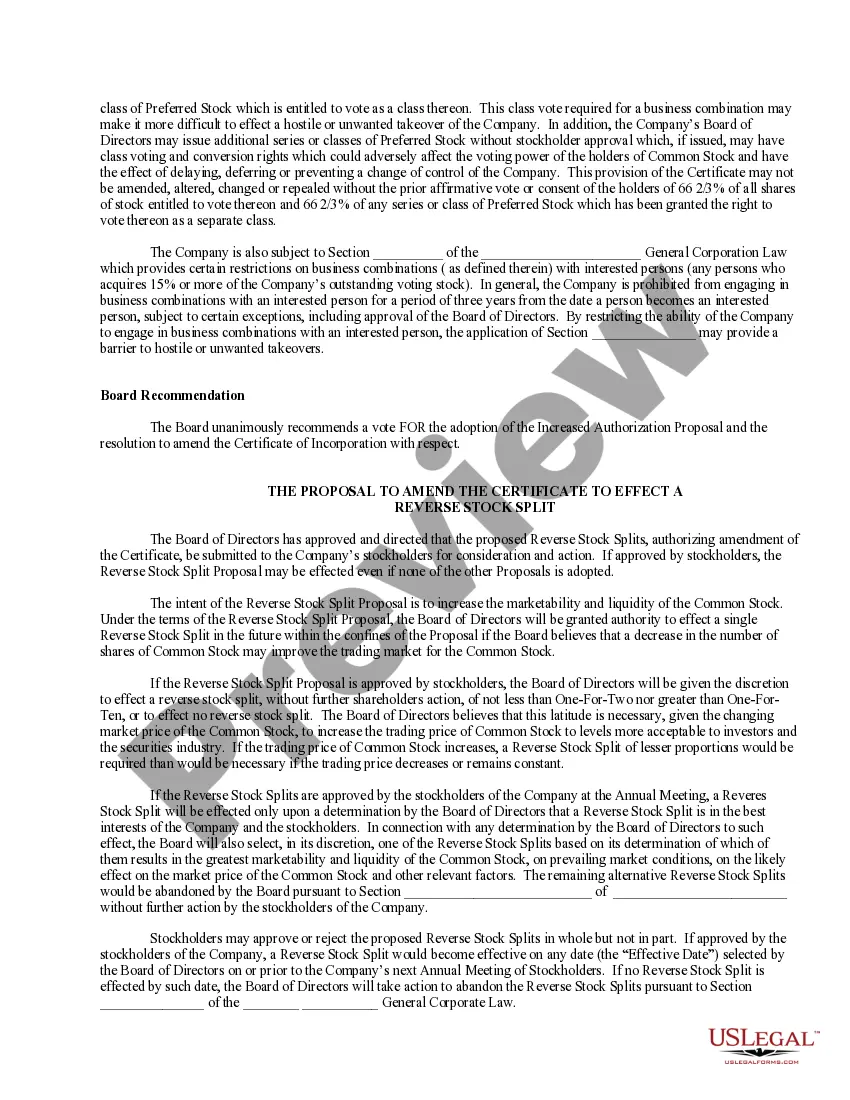
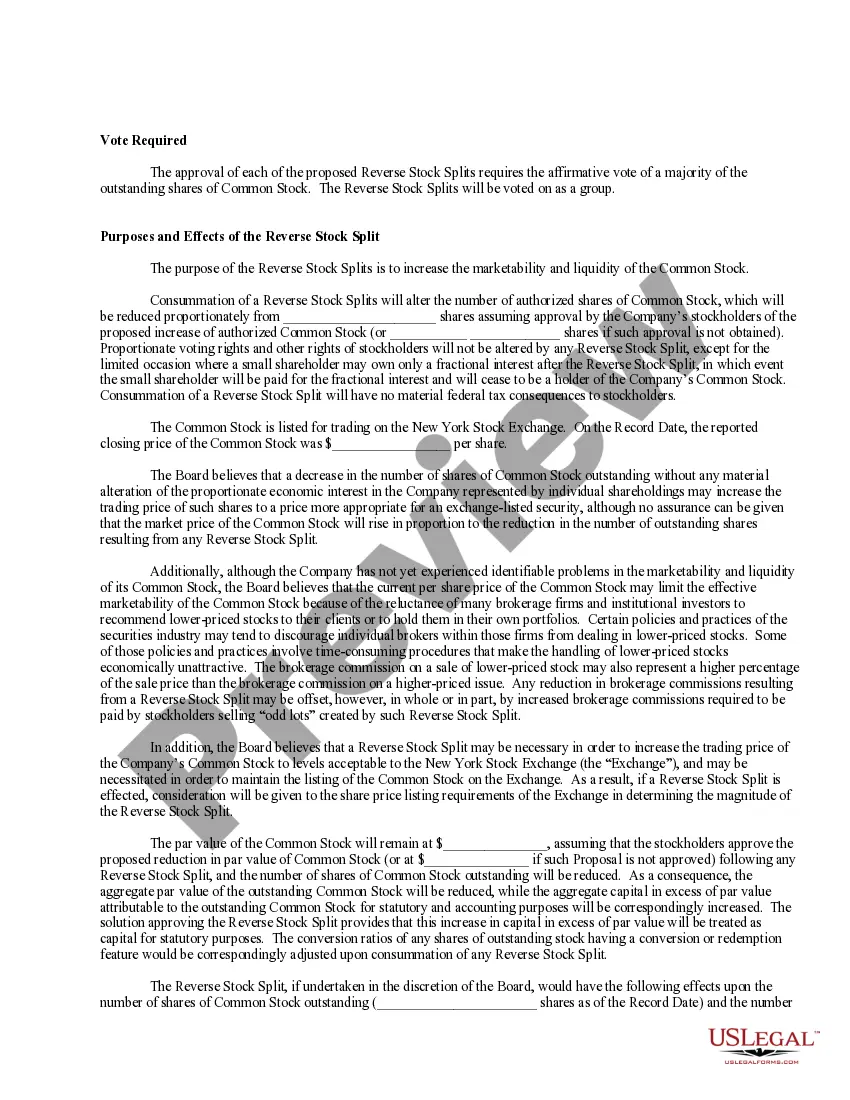
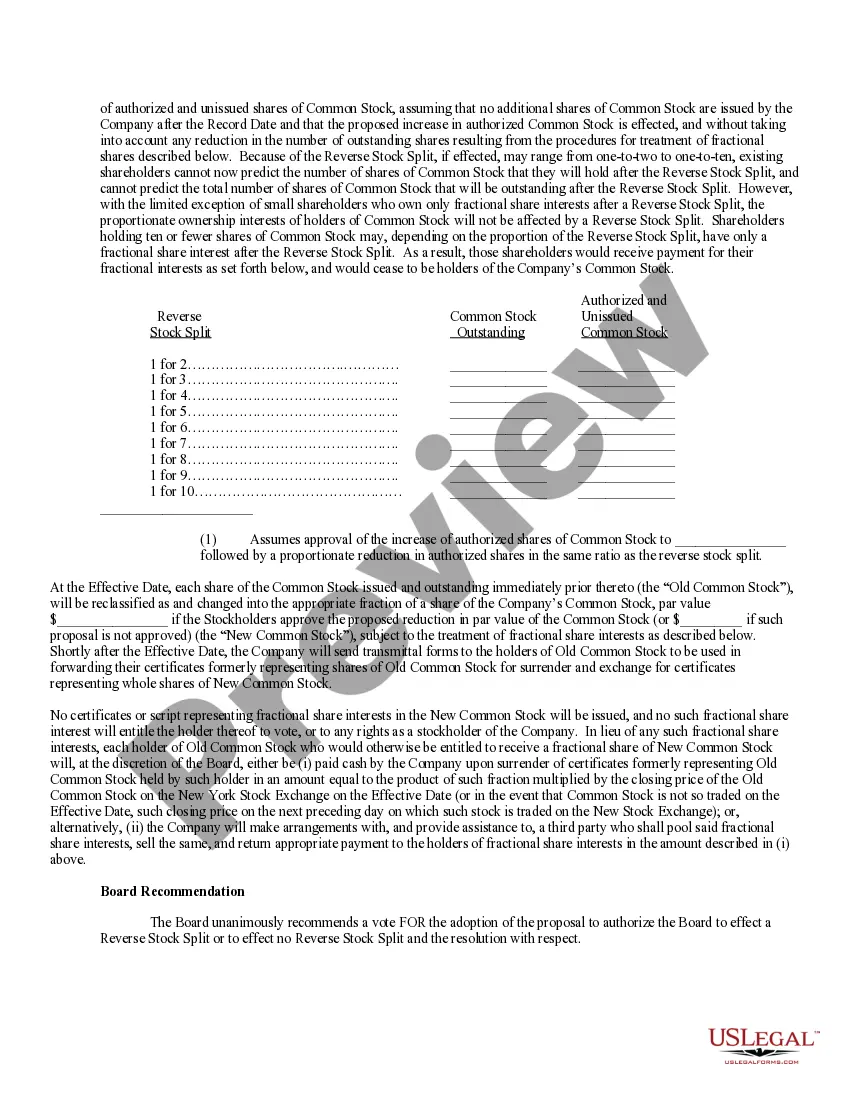
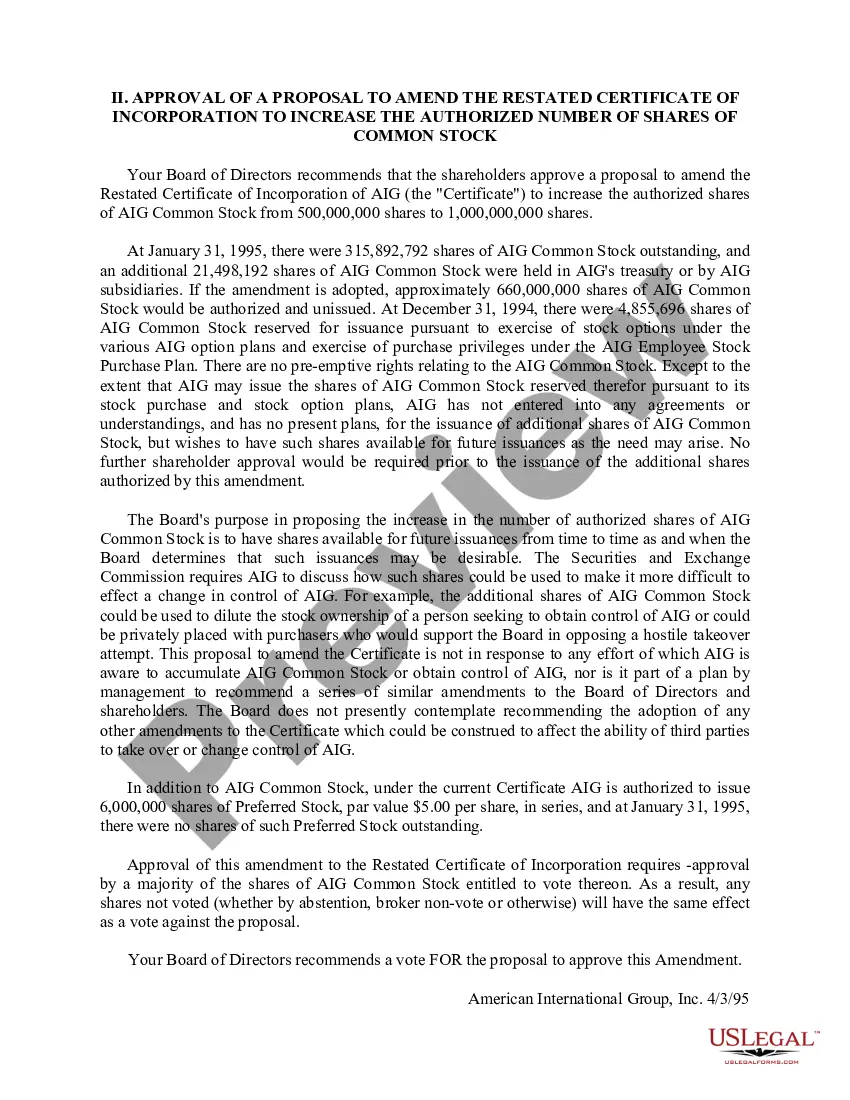
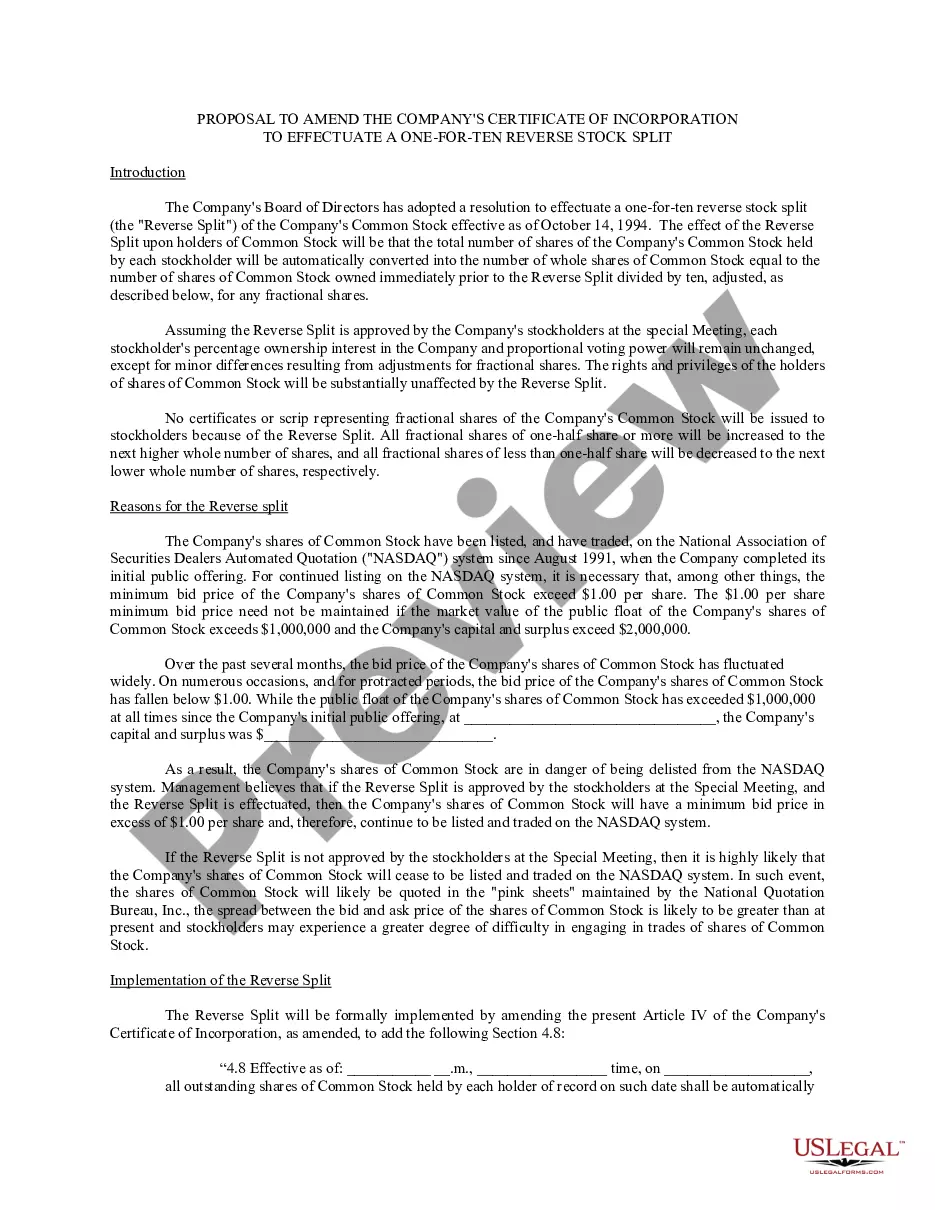
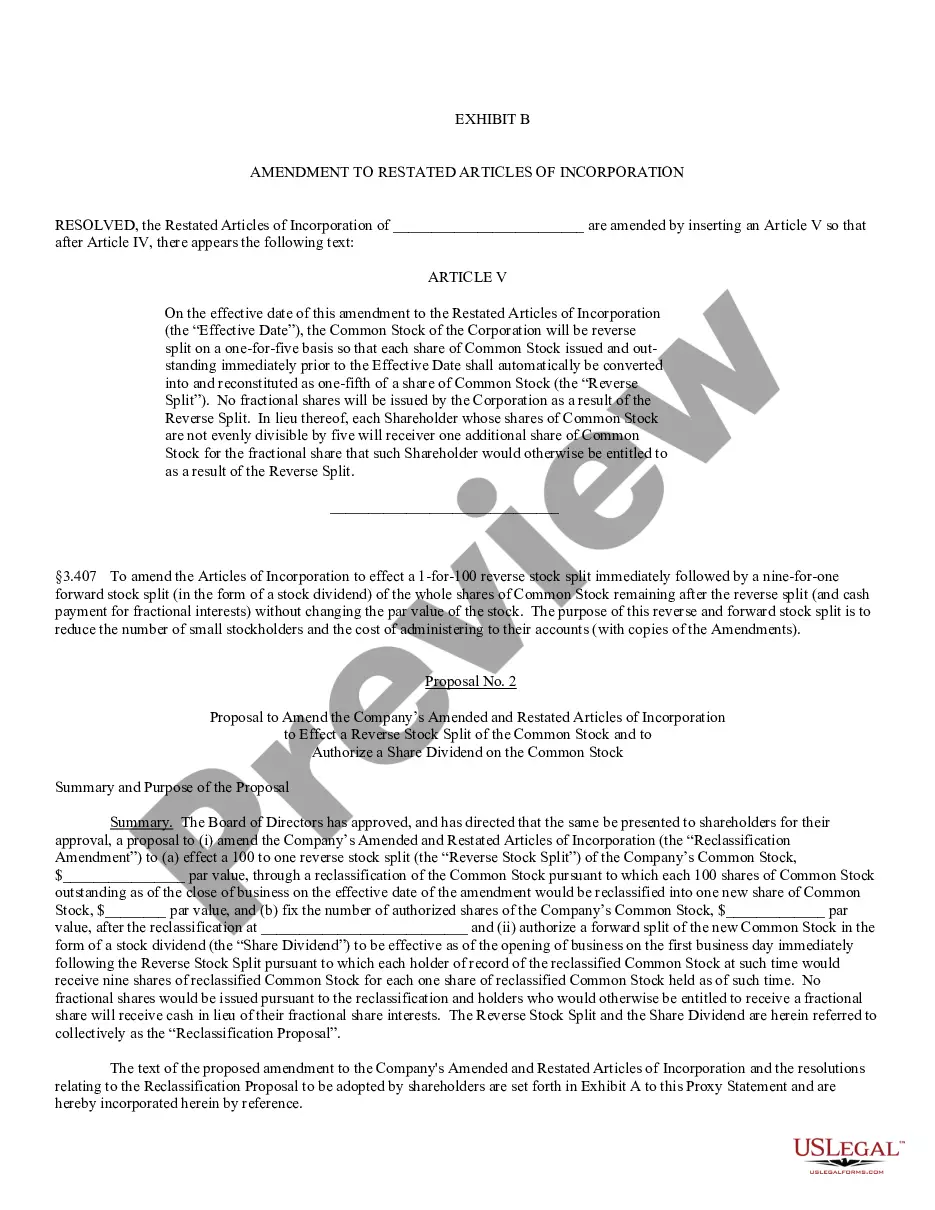
How to fill out Proposal To Amend Certificate To Reduce Par Value, Increase Authorized Common Stock And Reverse Stock Split With Exhibit?
The Face Value For Bonds displayed on this page is a reusable formal format created by qualified attorneys adhering to federal and state statutes and guidelines.
For over 25 years, US Legal Forms has offered individuals, enterprises, and legal experts more than 85,000 validated, state-specific forms for any business and personal needs. It is the quickest, simplest, and most dependable method to acquire the documents you require, as the service ensures bank-level data privacy and anti-malware safeguards.
Choose the format you desire for your Face Value For Bonds (PDF, Word, RTF) and save the template on your device.
- Search for the document you require and evaluate it.
- Browse through the file you searched and preview it or examine the form description to confirm it meets your specifications. If it does not, utilize the search function to discover the correct one. Click Buy Now when you have found the template you need.
- Select and Log In to your account.
- Choose the pricing option that fits you and register for an account. Use PayPal or a credit card to make an immediate payment. If you already possess an account, Log In and review your subscription to continue.
- Obtain the editable template.
Form popularity
FAQ
The bond par value can be either 100 or 1,000, depending on the specific bond issued. While many corporate bonds use a par value of 1,000, some municipal or government bonds may use 100 as their par value. Always verify the par value for bonds upon purchasing to ensure you understand your investment.
The meaning of par value refers to the nominal or face value set for a bond or stock, as determined by the issuer. For bonds, it represents the repayment amount due to investors when the bond matures. Familiarity with the concept of par value for bonds can enhance your investment knowledge and decision-making.
No, the par value of a bond is not always $1,000. While many bonds do use this standard amount, some bonds come with different par values, such as $5,000 or $10,000. It’s important to check each bond’s documentation to confirm its specific par value.
When we say 95% of par, we refer to a bond that is trading at 95% of its par value. Essentially, if the par value for bonds is $1,000, a bond trading at 95% would be valued at $950. This indicates that the bond is currently selling below its par value, often due to market conditions or changes in interest rates.
Finding the par value for bonds typically involves consulting the bond's documentation or issuer's website. In most cases, this value appears prominently, often set at $1,000 for many bonds. If you require assistance or more detailed information, platforms like US Legal Forms provide resources that can help clarify bond specifics. This approach ensures a better understanding of your investment's fundamental value.
To find the par value for bonds, you can check the bond's certificate or official documentation. The par value, often called face value, is typically set at $1,000 for corporate bonds. Additionally, financial websites and broker platforms provide this information in the bond's detailed description. Always verify the par value before making investment decisions.
You can find the par value for bonds in several sections of a company’s financial statements. Typically, the details are present in the equity section of the balance sheet or the notes accompanying the financial statements. If the bonds are publicly traded, financial websites or the company’s investor relations page often provide this information as well, making it accessible to investors.