Remuneration For Committee Members
Description
Get your form ready online
Our built-in tools help you complete, sign, share, and store your documents in one place.
Make edits, fill in missing information, and update formatting in US Legal Forms—just like you would in MS Word.
Download a copy, print it, send it by email, or mail it via USPS—whatever works best for your next step.
Sign and collect signatures with our SignNow integration. Send to multiple recipients, set reminders, and more. Go Premium to unlock E-Sign.
If this form requires notarization, complete it online through a secure video call—no need to meet a notary in person or wait for an appointment.
We protect your documents and personal data by following strict security and privacy standards.

Make edits, fill in missing information, and update formatting in US Legal Forms—just like you would in MS Word.

Download a copy, print it, send it by email, or mail it via USPS—whatever works best for your next step.

Sign and collect signatures with our SignNow integration. Send to multiple recipients, set reminders, and more. Go Premium to unlock E-Sign.

If this form requires notarization, complete it online through a secure video call—no need to meet a notary in person or wait for an appointment.

We protect your documents and personal data by following strict security and privacy standards.
Looking for another form?

How to fill out Compensation Committee?
- If you already have a US Legal Forms account, log in to access your subscription and download the required form. Ensure your subscription remains active; renew it if necessary.
- For first-time users, start by reviewing the Preview mode and form descriptions to confirm you select the appropriate document that matches both your needs and local jurisdiction.
- If inconsistencies arise, utilize the Search feature to locate alternative templates that may better suit your requirements.
- Once you have identified the correct document, click the Buy Now button and select your desired subscription plan. You will need to create an account to unlock the full range of legal resources.
- Enter your payment information via credit card or PayPal to finalize your purchase.
- Now, download your completed form and save it on your device for easy access in the My Forms section of your profile.
US Legal Forms offers a robust collection of over 85,000 editable legal documents, significantly more than many competitors at similar costs. Furthermore, users can tap into expert advice for completing forms accurately.
By following these steps, obtaining the necessary forms for remuneration for committee members becomes a straightforward process. Start leveraging US Legal Forms today for your legal documentation needs!
Form popularity
FAQ
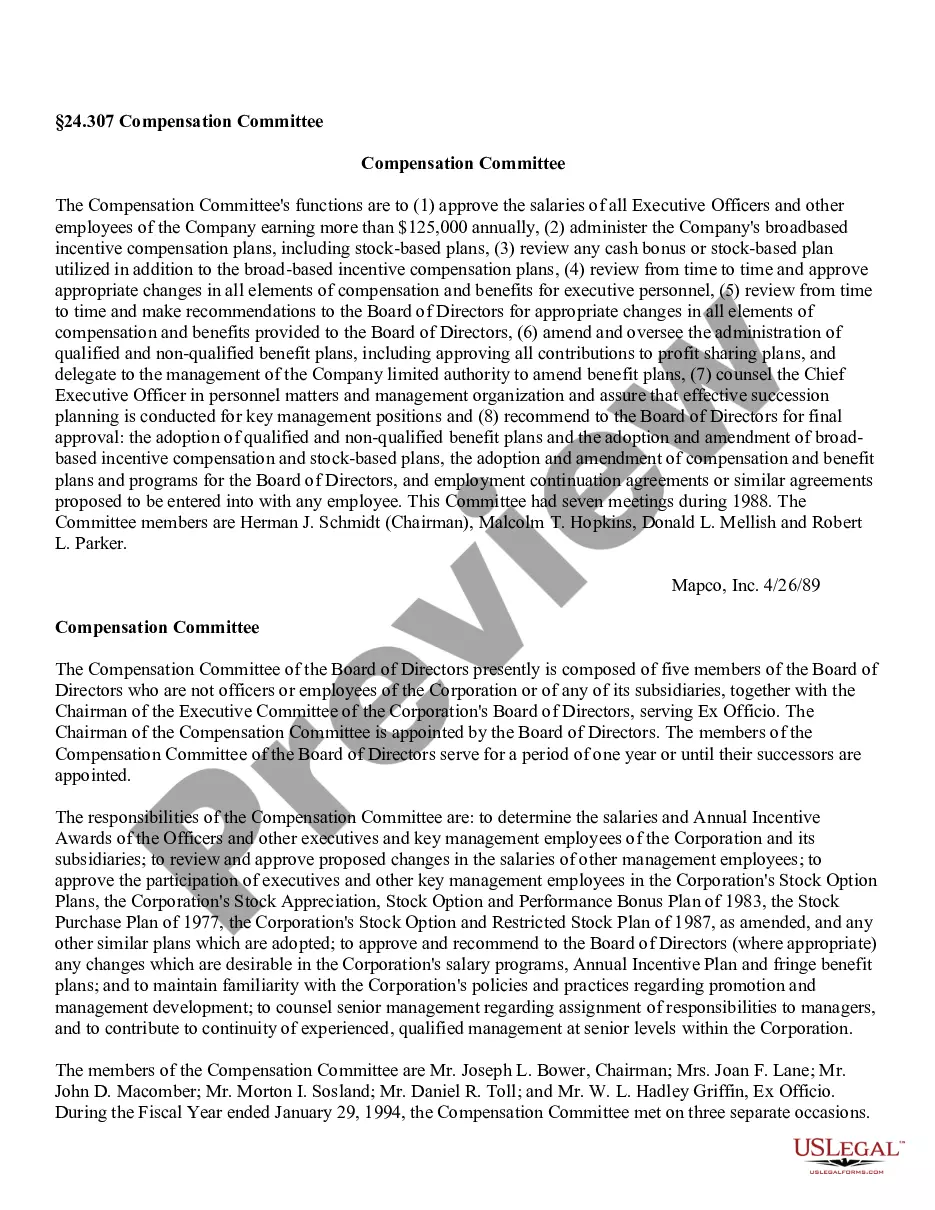
Yes, it is generally required for the compensation committee to be composed entirely of independent board members. This independence helps prevent conflicts of interest when deciding remuneration for committee members. Additionally, cultivating an independent committee fosters trust among shareholders regarding the objectivity of compensation decisions.
The primary responsibility of the compensation committee is to set and oversee compensation policies for executives and other key employees. It plays a critical role in determining remuneration for committee members as well. The committee must ensure that these policies align with the overall goals of the organization and shareholder expectations.
Best practices for a compensation committee involve maintaining transparency in decision-making and staying informed about current market trends. The committee should regularly review remuneration for committee members to ensure it remains competitive. Additionally, engaging external advisors can provide valuable insights into compensation structures and practices.
A compensation committee should include directors who possess expertise in governance and compensation practices. It is essential to select members who can provide unbiased perspectives on remuneration for committee members. Ideally, the committee should also have a chairperson with significant experience in human resources or executive compensation.
The compensation committee typically consists of independent members of the board of directors. This ensures that decisions about remuneration for committee members are objective and aligned with shareholder interests. It's common for the committee to include experienced individuals with a background in compensation practices.
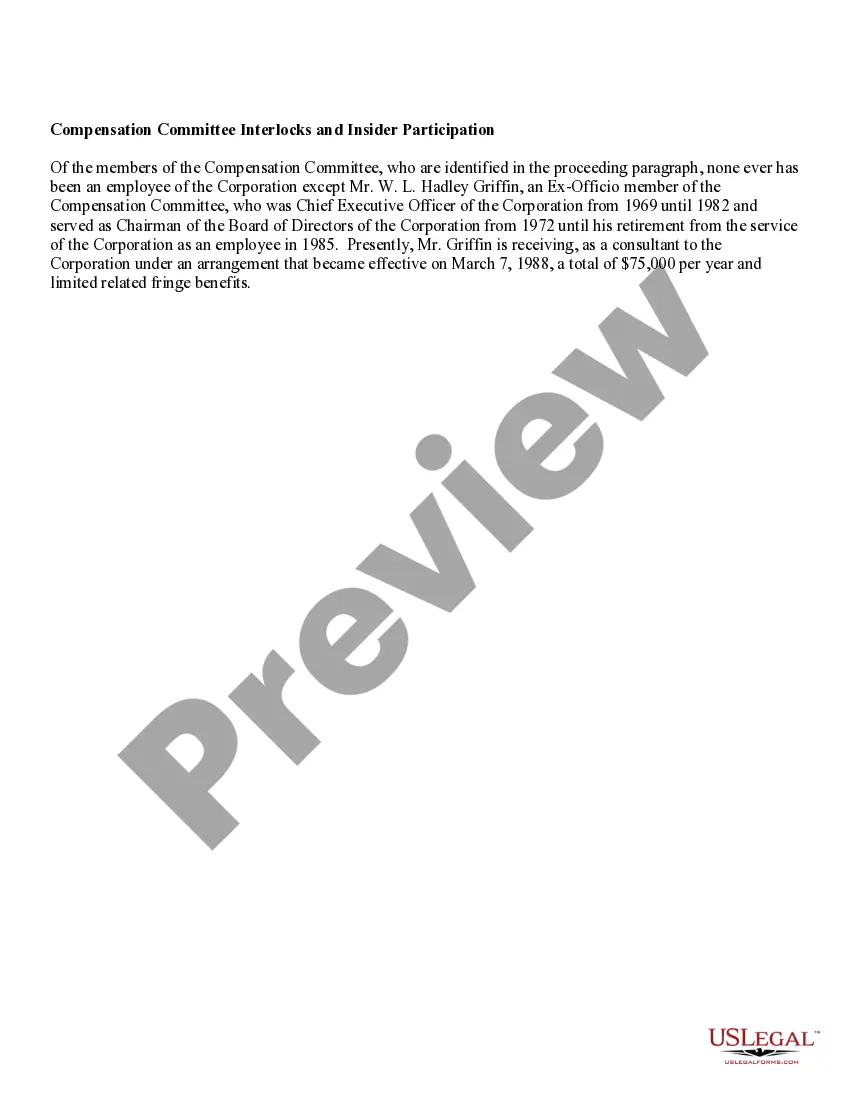
The remuneration committee policy outlines how a company's remuneration committee will structure and determine compensation for its members. This policy includes guidelines for evaluating performance, setting salary levels, and ensuring transparency. Having a clear policy is essential for fostering trust and cooperation among board members. To create or refine a remuneration committee policy, US Legal Forms offers resources and templates tailored to your needs.
The average compensation for a private company board varies based on factors such as the company's size and industry. Typically, private board members earn between $30,000 to $80,000 annually, with variations in stock options and bonuses. These compensations reflect the responsibilities and expertise required of board members. To get the best insights on remuneration for committee members, consider analyzing industry standards and engaging expert resources.
The remuneration committee, sometimes known as the compensation committee, is a group responsible for overseeing the compensation and benefits for executive and board members. This committee evaluates performance and recommends salary levels, bonuses, and other forms of remuneration for committee members. Understanding how this committee operates is crucial to ensure proper governance and alignment with company goals. Engaging with platforms like US Legal Forms can help you navigate the complexities of remuneration for committee members.
Being on a committee offers numerous advantages, including the opportunity to influence decision-making processes. You can gain valuable experience in governance and leadership, which can enhance your professional skills. Additionally, remuneration for committee members can provide a financial incentive, acknowledging the time and effort you invest. Engaging in a committee also allows you to network with other professionals, broadening your personal and professional connections.
The salary of a congressional member in the U.S. is currently around $174,000 annually. This figure may vary based on seniority and position within the Congress. Understanding compensation at this level can offer valuable insights into remuneration for committee members within various governance structures.