Compensation For Board Members
Description
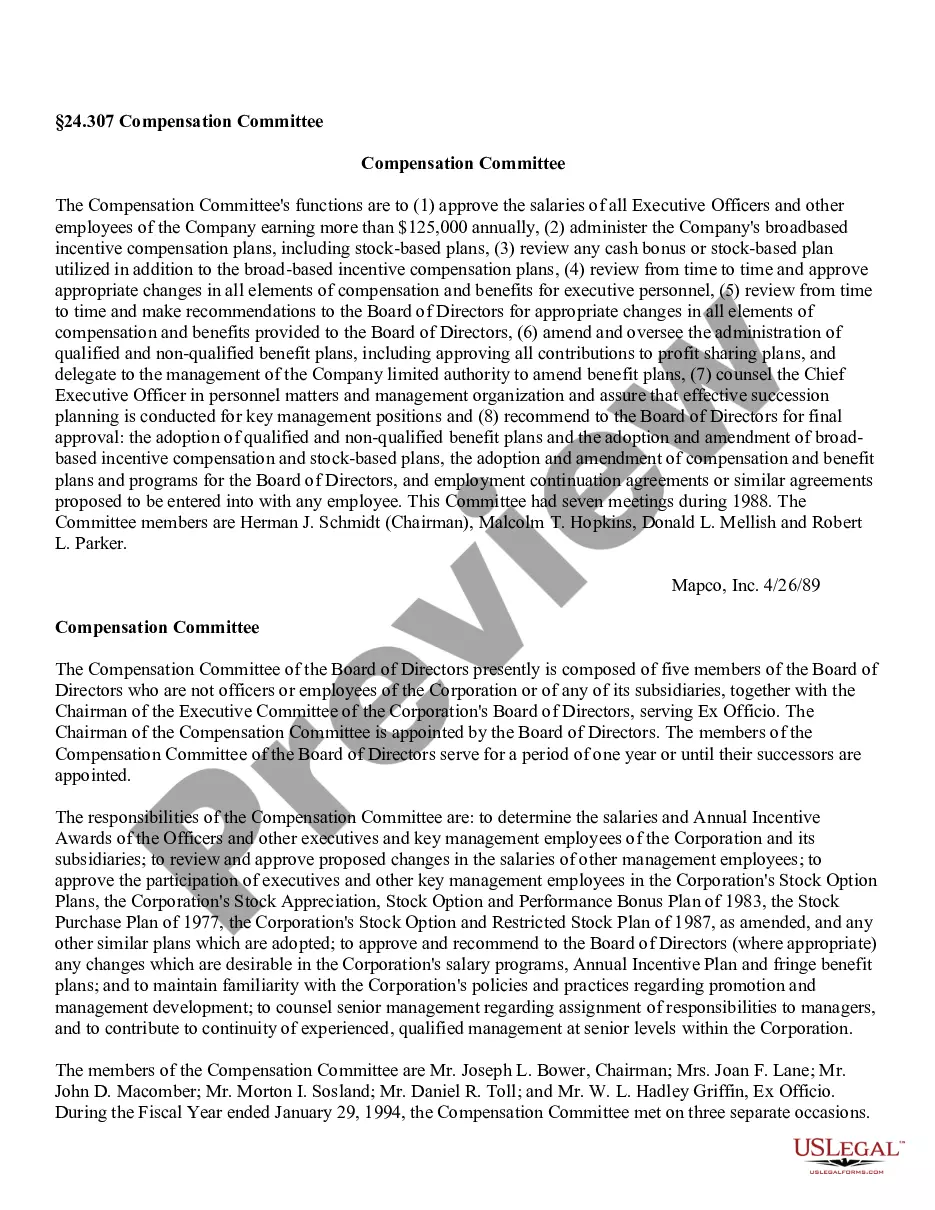
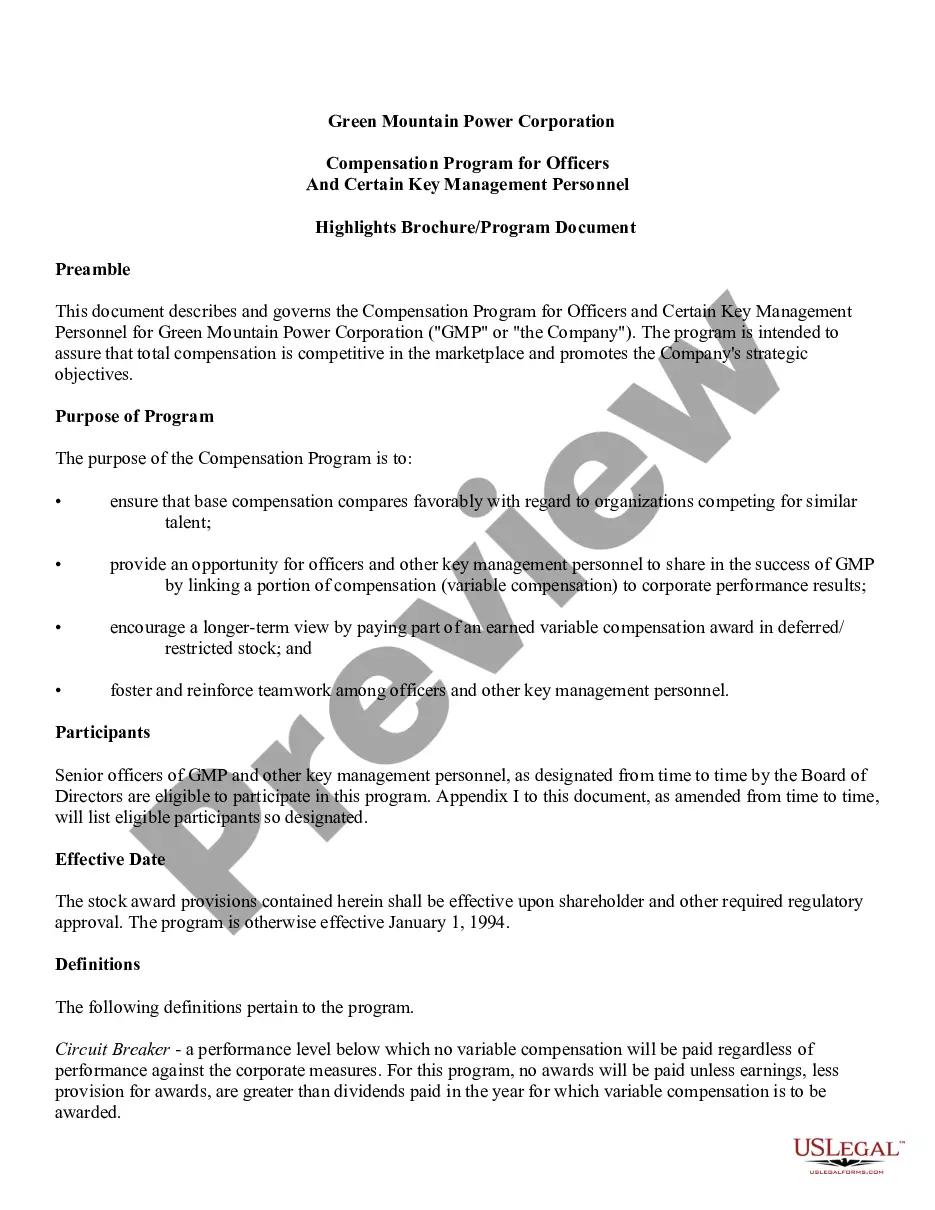
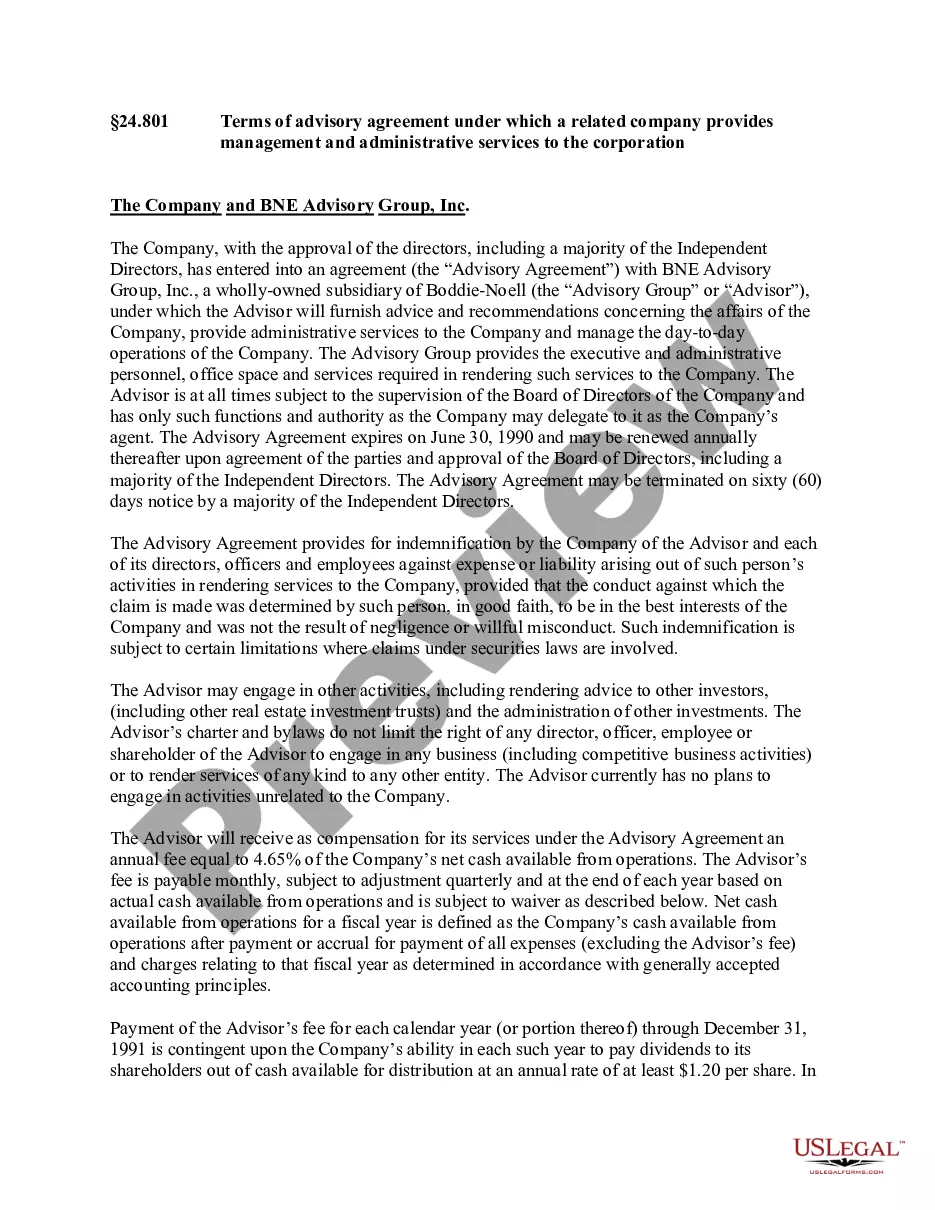
Get your form ready online
Our built-in tools help you complete, sign, share, and store your documents in one place.
Make edits, fill in missing information, and update formatting in US Legal Forms—just like you would in MS Word.
Download a copy, print it, send it by email, or mail it via USPS—whatever works best for your next step.
Sign and collect signatures with our SignNow integration. Send to multiple recipients, set reminders, and more. Go Premium to unlock E-Sign.
If this form requires notarization, complete it online through a secure video call—no need to meet a notary in person or wait for an appointment.
We protect your documents and personal data by following strict security and privacy standards.

Make edits, fill in missing information, and update formatting in US Legal Forms—just like you would in MS Word.

Download a copy, print it, send it by email, or mail it via USPS—whatever works best for your next step.

Sign and collect signatures with our SignNow integration. Send to multiple recipients, set reminders, and more. Go Premium to unlock E-Sign.

If this form requires notarization, complete it online through a secure video call—no need to meet a notary in person or wait for an appointment.

We protect your documents and personal data by following strict security and privacy standards.
Looking for another form?
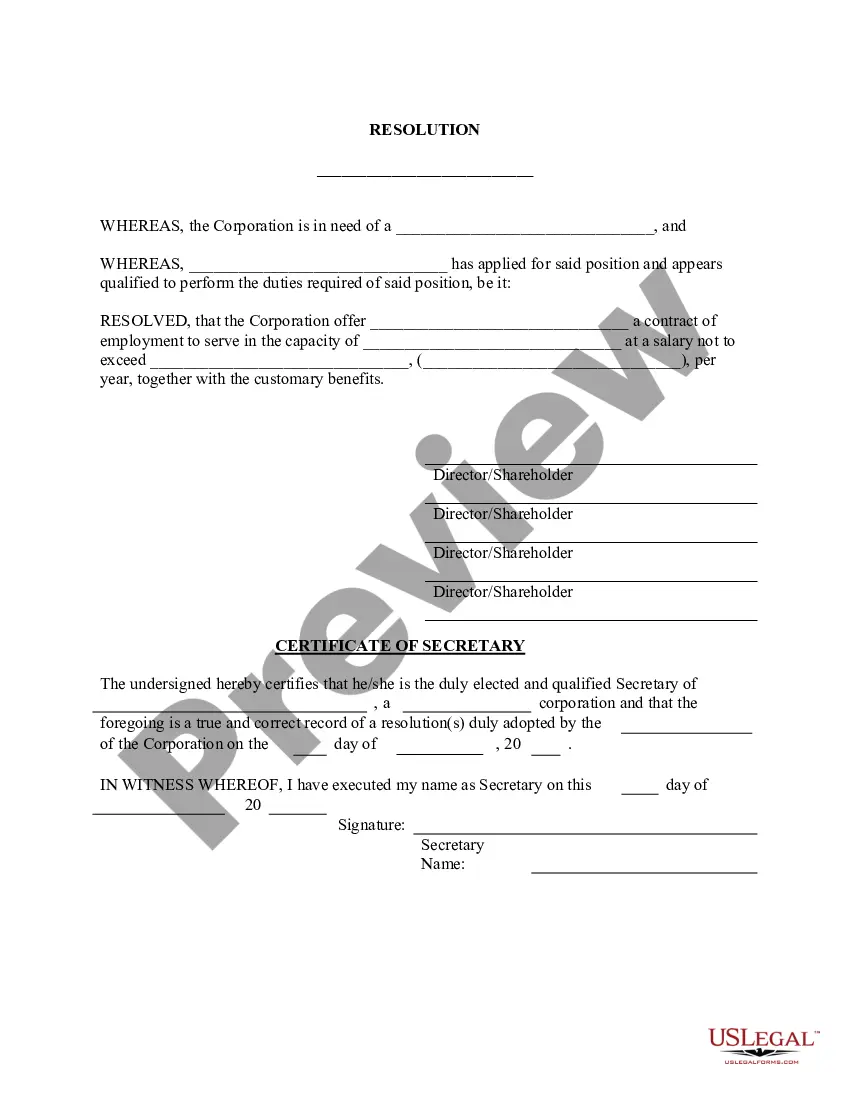
How to fill out Compensation Committee?
Securing a reliable resource to obtain the most updated and pertinent legal templates constitutes half the battle of navigating bureaucracy.
Locating the appropriate legal documents demands accuracy and meticulousness, which highlights the importance of sourcing Compensation For Board Members exclusively from credible providers, such as US Legal Forms. An incorrect template could squander your time and delay your current situation.
Avoid the complications related to your legal documents. Explore the extensive US Legal Forms collection to discover legal templates, assess their applicability to your situation, and download them immediately.
- Employ the library navigation or search tool to locate your template.
- Examine the details of the form to confirm it meets the needs of your state and county.
- View the form's preview, if available, to verify the form matches your requirements.
- Continue your search and find the suitable template if the Compensation For Board Members does not fulfill your needs.
- If you are confident about the document's applicability, download it.
- When you are a registered user, click Log in to verify and access your chosen forms in My documents.
- If you haven't created an account yet, click Buy now to acquire the form.
- Select the pricing option that fits your preferences.
- Proceed to the registration to complete your order.
- Finalize your purchase by choosing a payment method (credit card or PayPal).
- Choose the document format for downloading Compensation For Board Members.
- After acquiring the form on your device, you may edit it using the editor or print it out and fill it in manually.
Form popularity
FAQ
Determining how much equity a board member should receive depends on several factors, including the company’s stage, industry standards, and individual contributions. A thoughtful approach might suggest equity ranging from 0.5% to 2%, depending on the unique situation. Reviewing compensation for board members regularly ensures that equity distributions remain competitive and equitable.
The amount of equity a board member receives usually depends on the company's valuation and the roles of the individuals involved. Often, a board member may receive around 1% equity, but this can increase in startups where high risks and potential rewards exist. Keeping equity discussions transparent is crucial in the overall compensation for board members.
Equity compensation for directors typically varies, but many receive between 1% and 2% of the company's shares. This equity provides directors with a vested interest in the company’s success, aligning their goals with those of shareholders. When considering compensation for board members, such equity stakes motivate directors to work diligently towards growth and profitability.
The average compensation for a board of directors can range significantly, often between $20,000 and over $250,000 per year depending on the organization's size and scope. Many companies also offer stock options as part of their compensation for board members, enhancing overall earnings potential. This average helps set a baseline for evaluating individual compensation packages.
Receiving 1% equity in a startup can be a strategic move, especially if you believe in the company's growth potential. While it may seem small, this percentage can amount to significant value if the startup succeeds. Therefore, consider the overall compensation for board members, including your equity share, and assess how this aligns with your expectations and the company’s future.
There is no universally mandated maximum limit for the salary of a board of directors. Instead, the compensation structure should reflect the organization's needs and financial health. Board compensation varies significantly based on the size of the company and its governance policies. To determine a fair salary, organizations can refer to market comparisons and consult resources like USLegalForms for guidance on establishing a compliant compensation plan.
Yes, board members can often be reimbursed for reasonable expenses incurred while performing their duties. This may include travel costs, conference fees, and other expenses related to board activities. Each organization should establish a clear policy for expense reimbursement to prevent misunderstandings. By clarifying compensation for board members, organizations can foster a supportive environment for their directors.
To find information on board member compensation, various resources are available online. Websites like industry associations and nonprofit organizations frequently publish salary surveys that detail compensation for board members. Furthermore, USLegalForms offers resources and templates to help organizations outline their compensation strategies accurately. Utilizing these tools can simplify the process of discovering appropriate compensation benchmarks.
The average compensation for board members varies based on factors such as the organization's size and industry. Typically, compensation for board members in nonprofit organizations tends to be lower than in corporate settings. On average, board members can expect compensation ranging from a few thousand to several hundred thousand dollars annually. Understanding these nuances helps potential board members gauge their worth in the marketplace.
The average board compensation in the United States often falls between $15,000 and $60,000 annually, depending on the company's scale and type. This figure may fluctuate based on the duties expected of board members and performance metrics. Organizations that offer higher compensation typically aim to engage more experienced professionals or improve governance. To analyze compensation trends effectively, refer to resources like US Legal Forms for accurate legal documentation.