Director Loan Forgiveness
Description
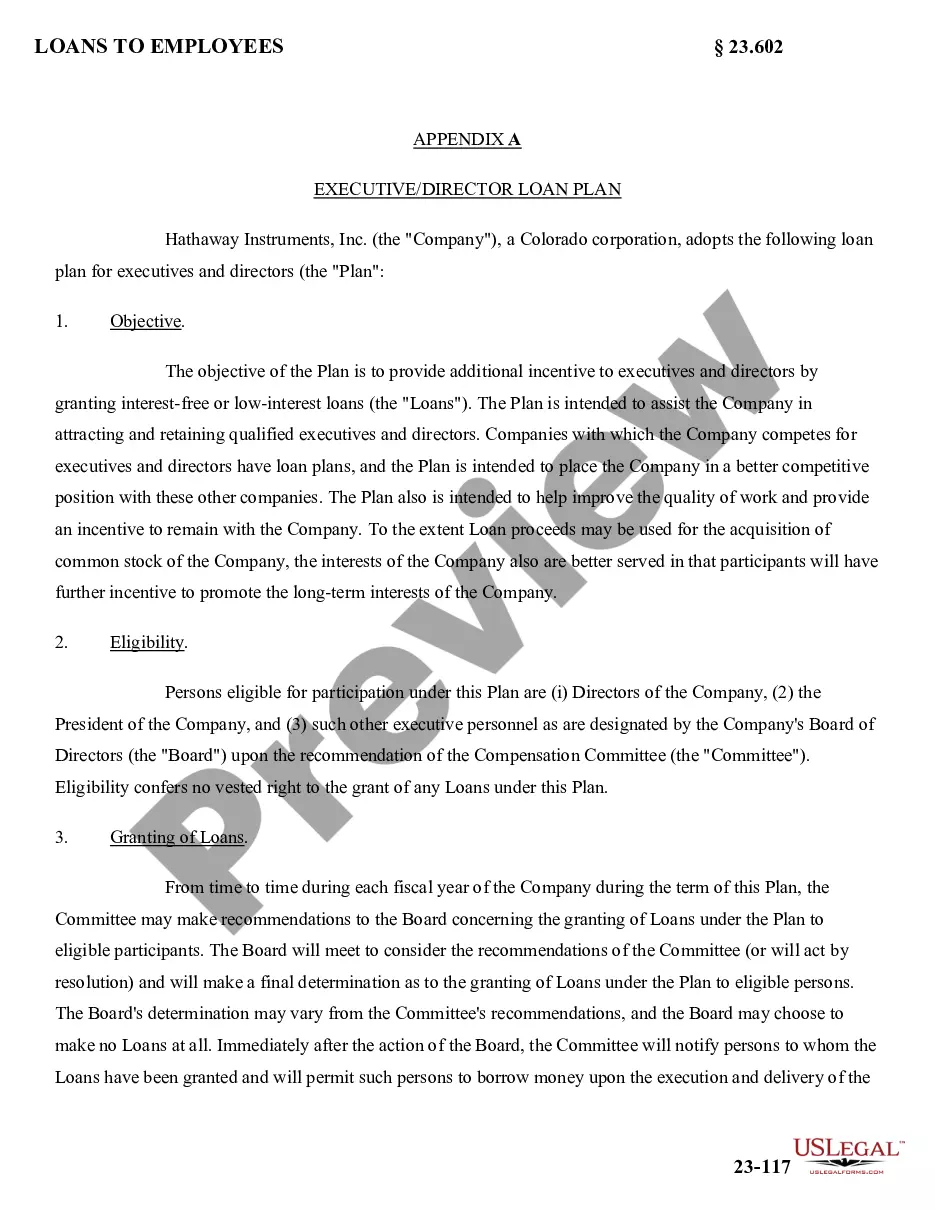
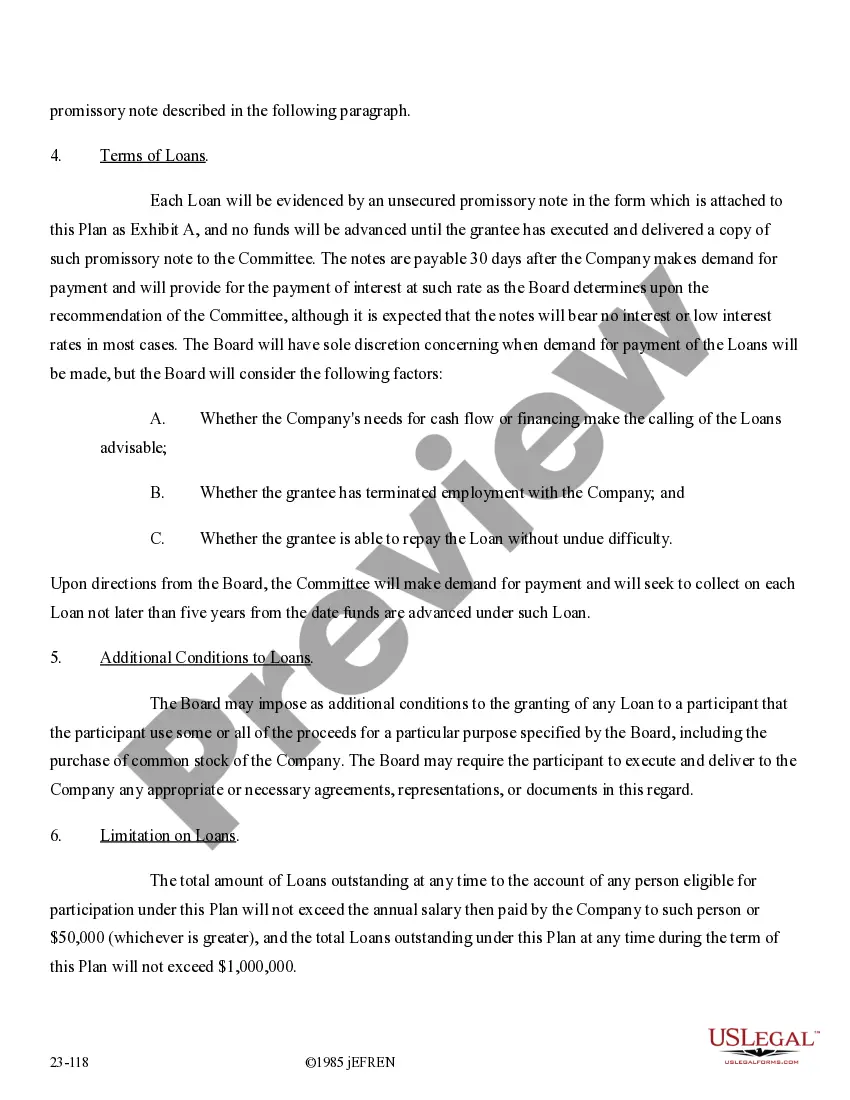
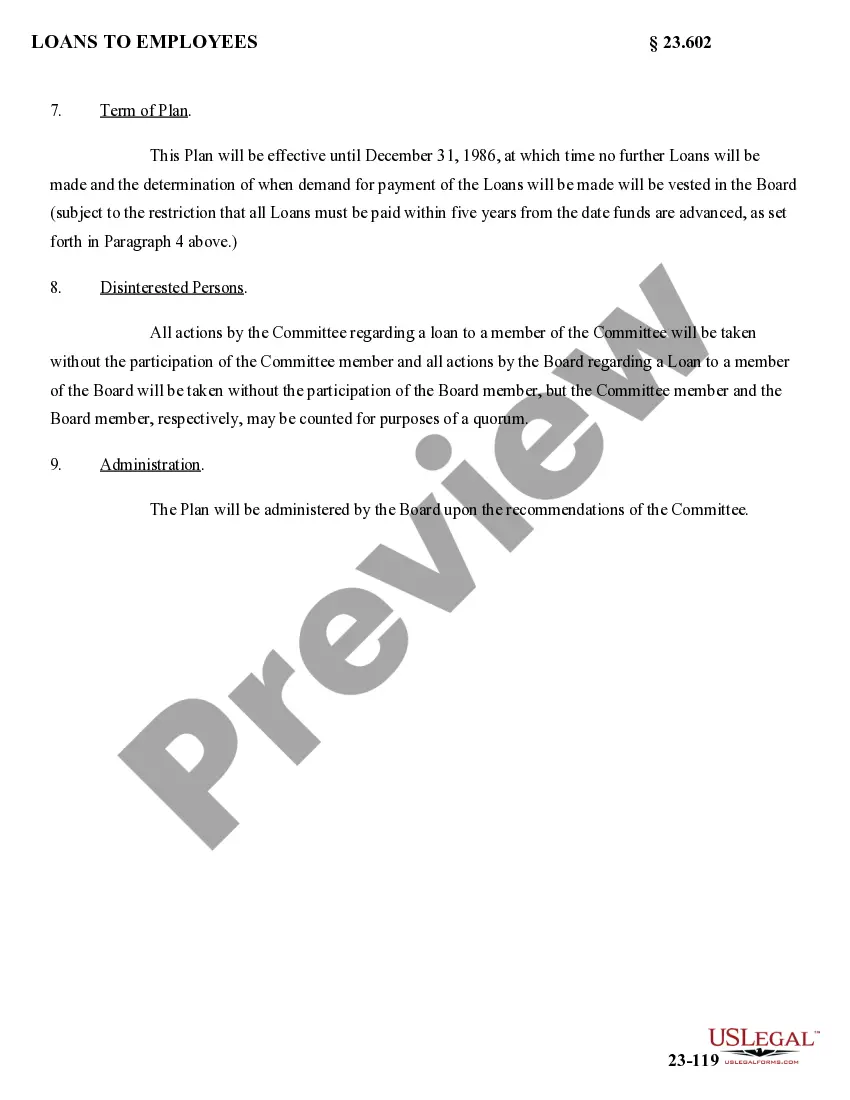
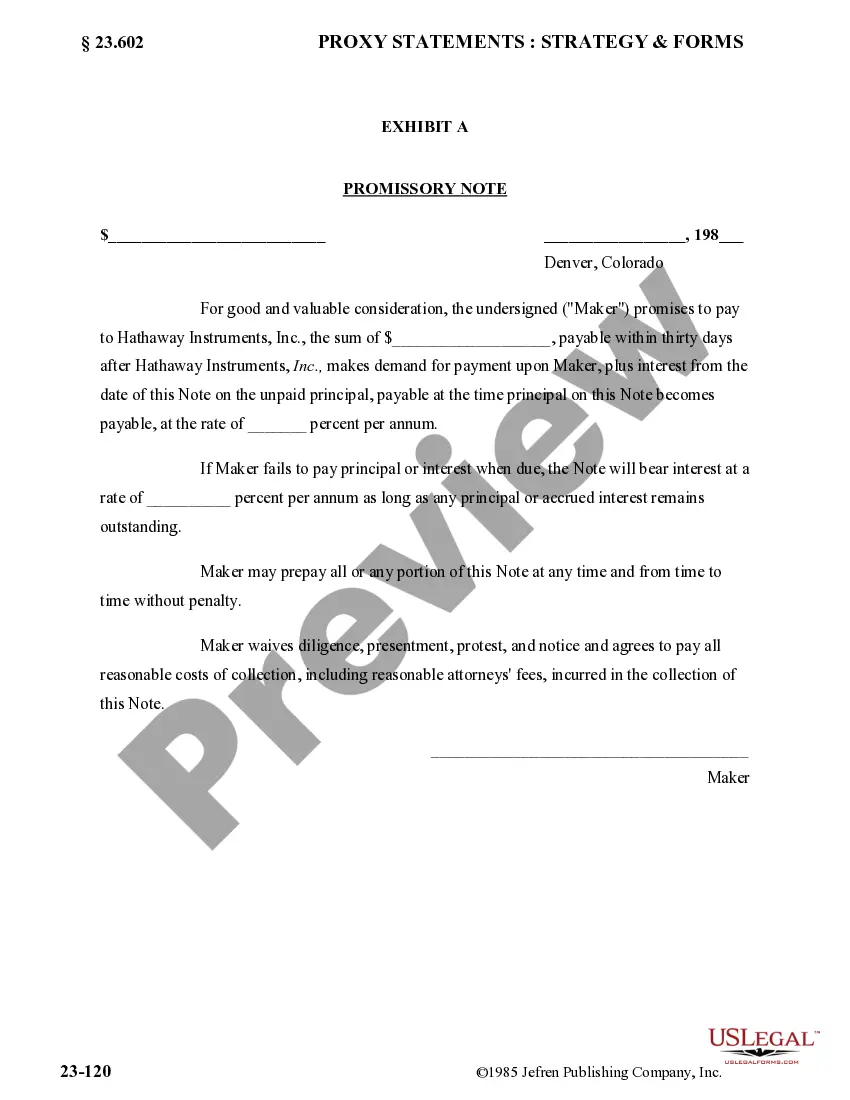
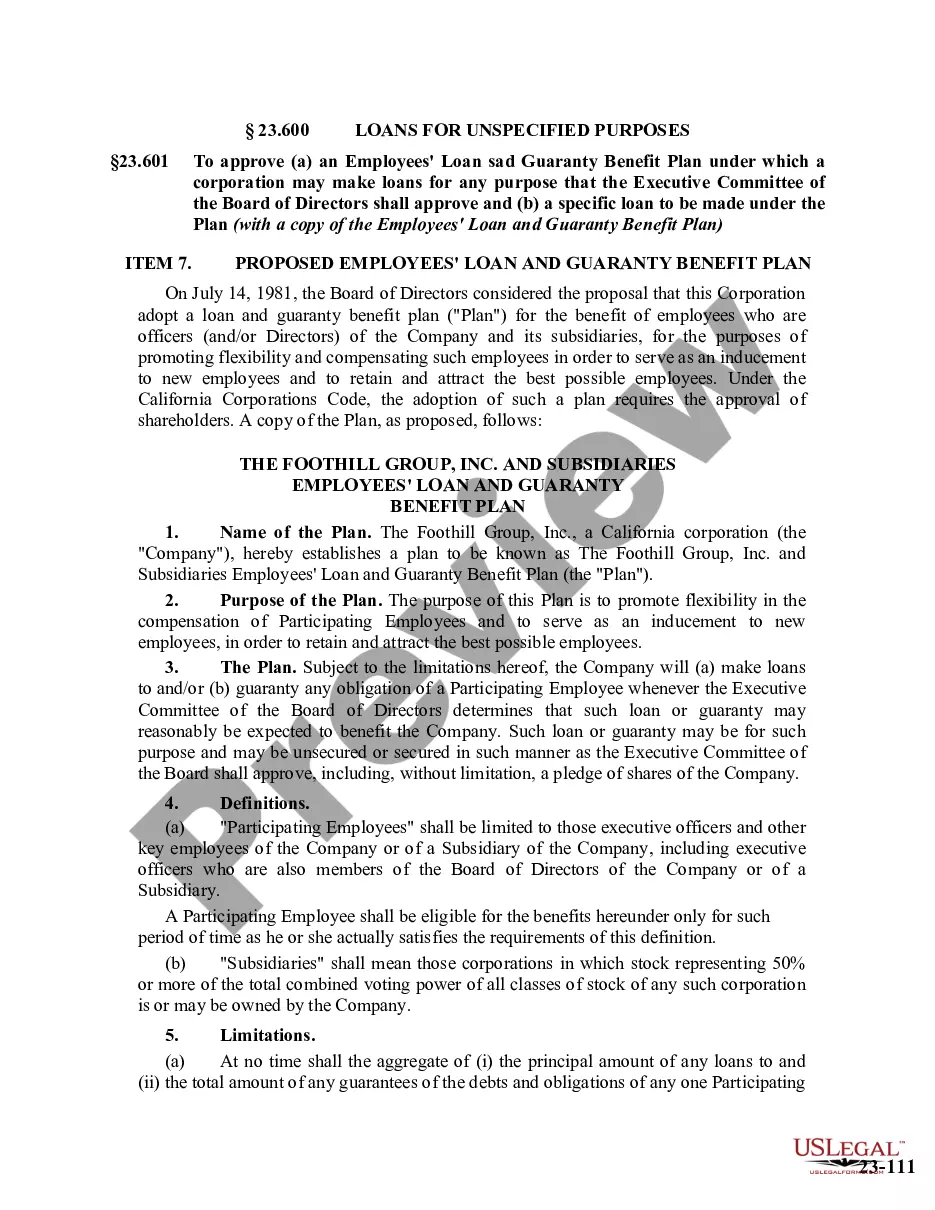
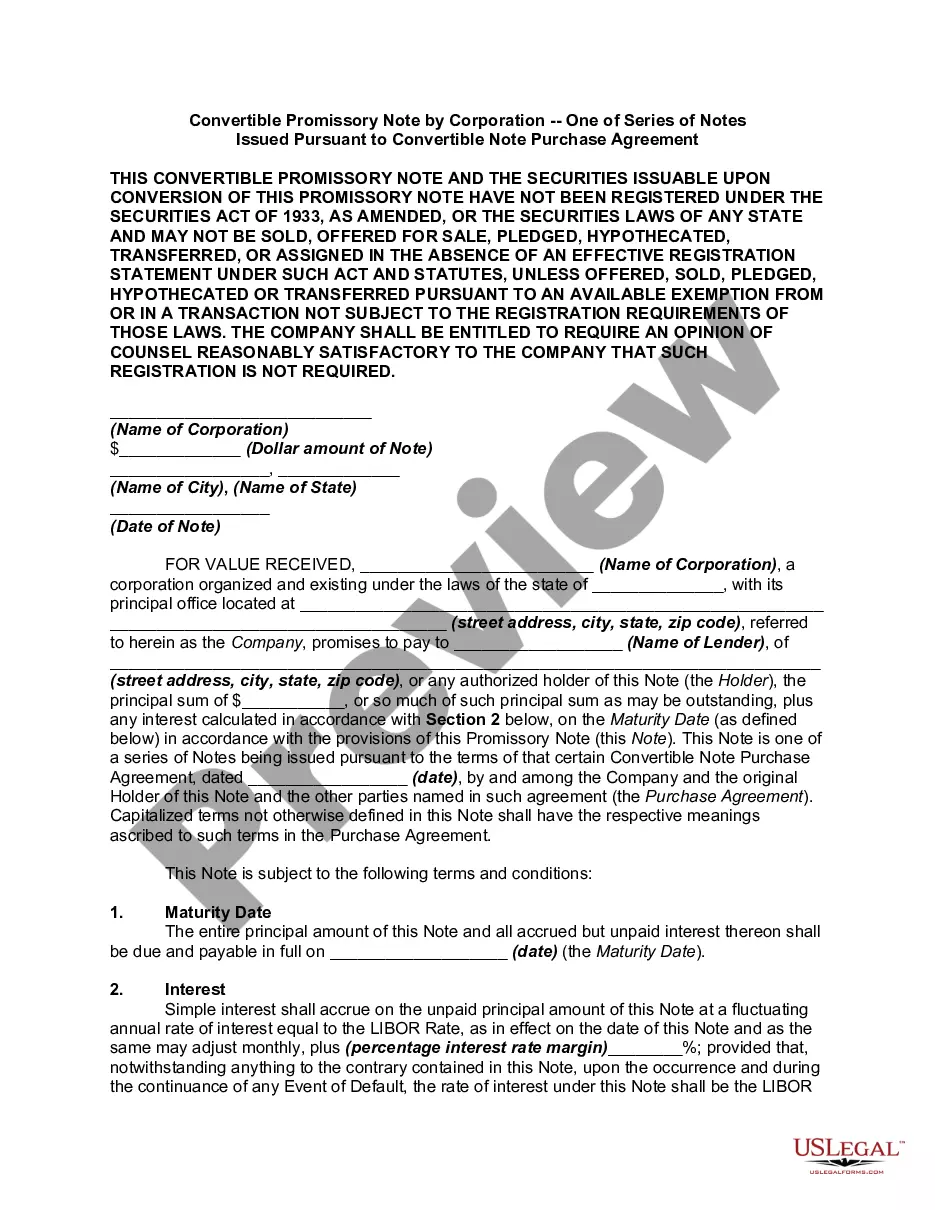
How to fill out Executive Director Loan Plan With Copy Of Promissory Note By Hathaway Instruments, Inc.?
It’s clear that you can’t immediately become a legal authority, nor can you swiftly master the preparation of Director Loan Forgiveness without possessing a particular set of abilities.
Drafting legal documents is an extensive process necessitating a specific education and expertise. Therefore, why not entrust the drafting of the Director Loan Forgiveness to the experts.
With US Legal Forms, one of the most comprehensive libraries of legal templates, you can discover everything from court documents to templates for internal communication.
If additional forms are required, restart your search.
Establish a complimentary account and select a subscription plan to purchase the template. Click Buy now. After the payment is processed, you can download the Director Loan Forgiveness, complete it, print it, and send it by mail to the appropriate individuals or organizations.
- We understand the significance of compliance and adherence to federal and state regulations.
- That’s why, on our platform, all forms are location-specific and always updated.
- Begin your journey on our website and secure the document you require in just a few minutes.
- Locate the necessary document using the search feature at the top of the site.
- If available, preview it and review the accompanying description to ascertain whether the Director Loan Forgiveness is what you need.
Form popularity
FAQ
The 30-day rule for director loans refers to a time limit in which a director must repay a loan to their company to avoid tax implications. If the loan remains unpaid beyond 30 days, it may lead to potential tax liabilities for both the director and the company. Director loan forgiveness might help alleviate some of these liabilities, provided you comply with relevant regulations. Understanding this rule can ensure that you make informed decisions regarding director loan repayment and forgiveness.
Wills and Trusts Wills ensure property is distributed ing to an individual's wishes (if drafted ing to state laws). Some trusts help limit estate taxes or legal challenges. However, simply having a will or trust isn't enough. The wording of the document is critically important.
A will in your own handwriting must be witnessed by two disinterested persons (persons who are not named in the written will). Your will should be signed and dated. If you type your own will or use a computer software program to print your will you must also have two disinterested witnesses sign it.
Under Montana's probate laws, you can distribute certain types of property and assets without a probate court's approval. They include: Accounts with a named beneficiary, such as life insurance policies and retirement funds. Assets and property that is held in a living trust.
4 essential estate planning documents A will distributes assets upon death. A power of attorney manages finances. Advance care directives manage your health. A living trust is an alternative to a last will.
10 tips to avoid probate Give away property. Establish joint ownership for real estate. Joint ownership for other property. Pay-on-death financial accounts. Transfer-on-death securities. Transfer on death for motor vehicles. Transfer on death for real estate. Living trusts.
An estate skips probate in Montana if it's less than $50,000. Avoiding the probate process could be beneficial for an estate's heirs, as the probate process in Montana can be long and expensive.
In Montana, the following assets are subject to probate: Solely-owned property: Any asset that was solely owned by the deceased person with no designated beneficiary is subject to probate. This could include bank accounts, cars, houses, personal belongings, and business interests.
One of the most common ways to avoid probate is to create a living trust. Through a living trust, the person writing the trust (grantor) must "fund the trust" by putting the assets they choose into it. The grantor retains control over the trust's property until their death or incapacitation.