Employee Incentive Program Examples
Description
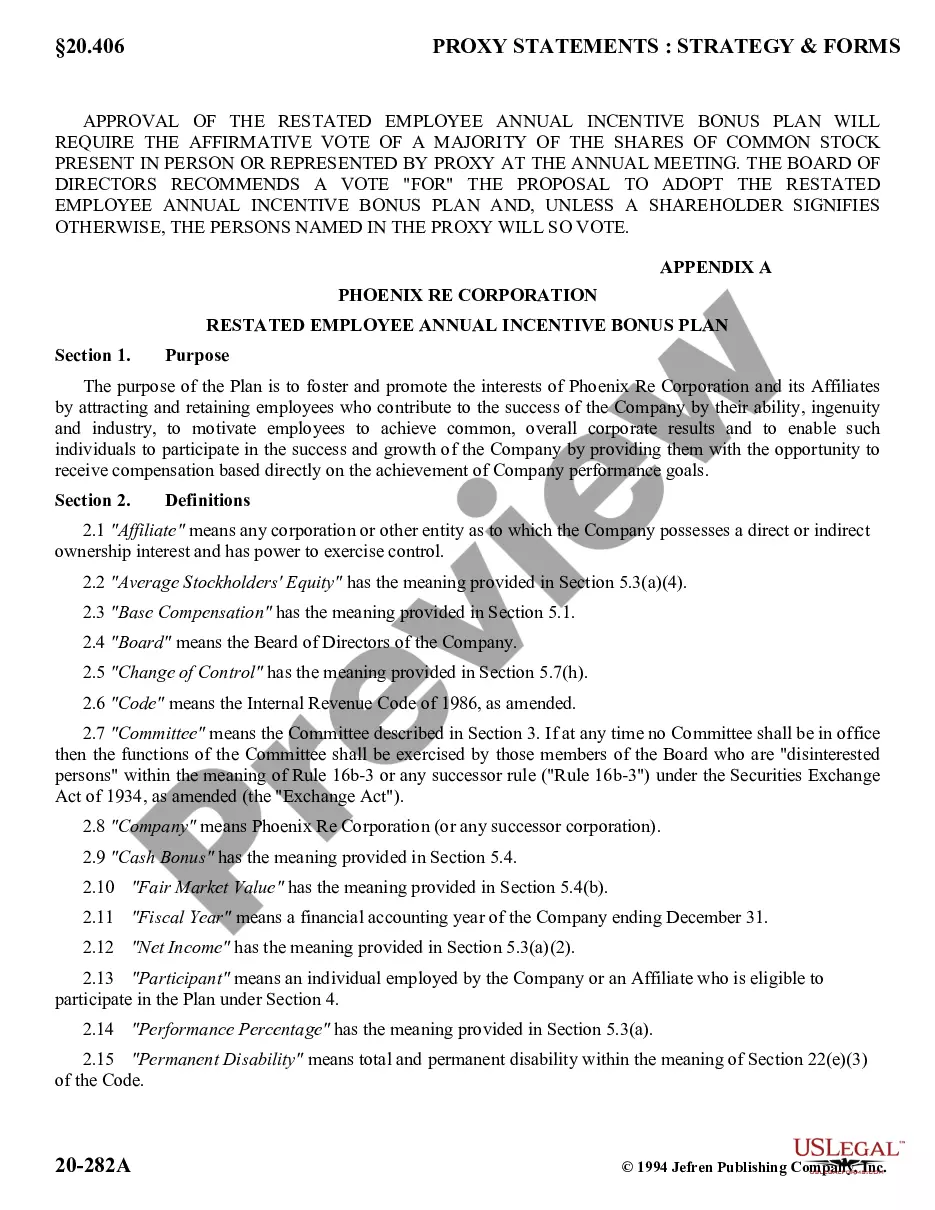
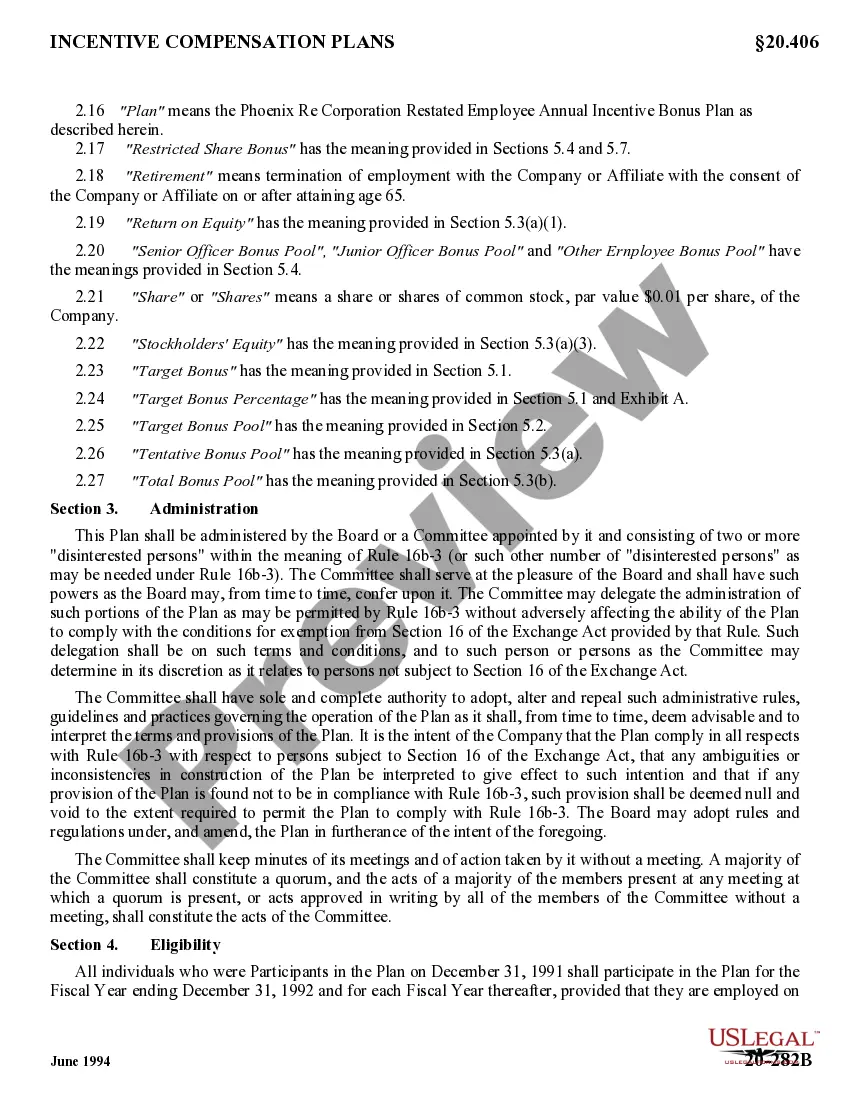
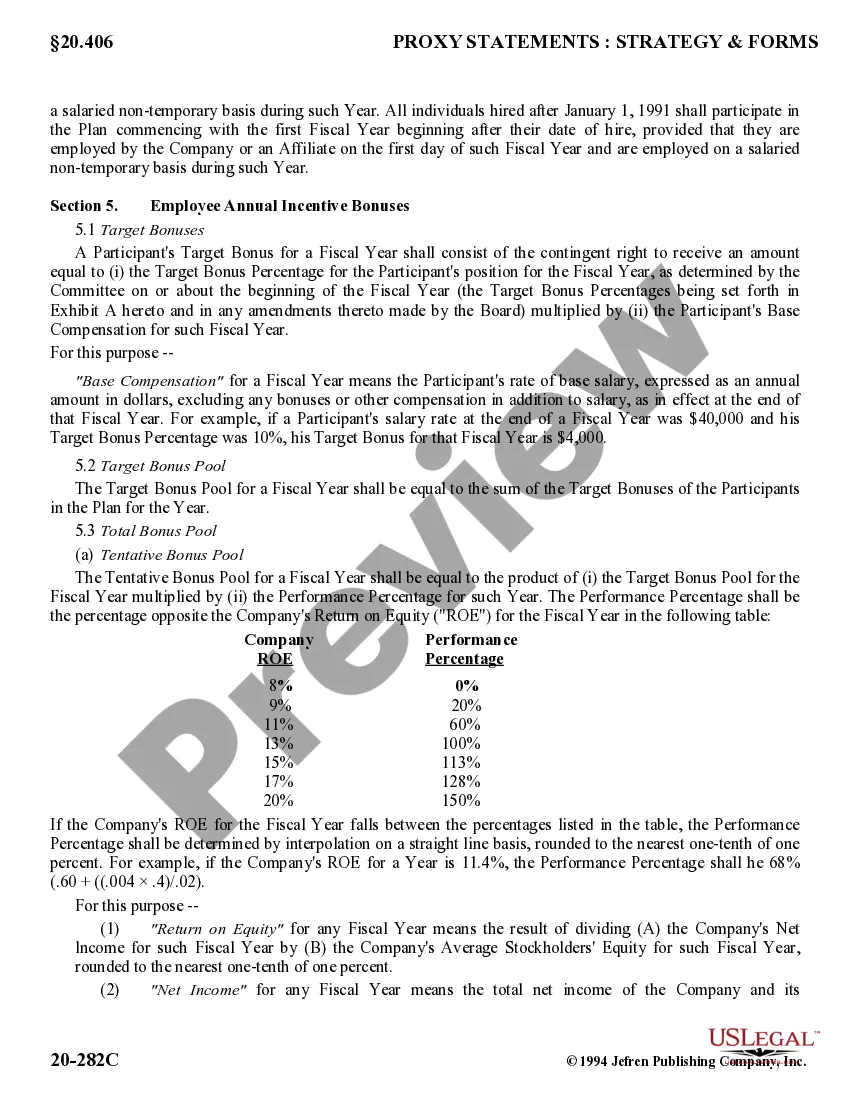
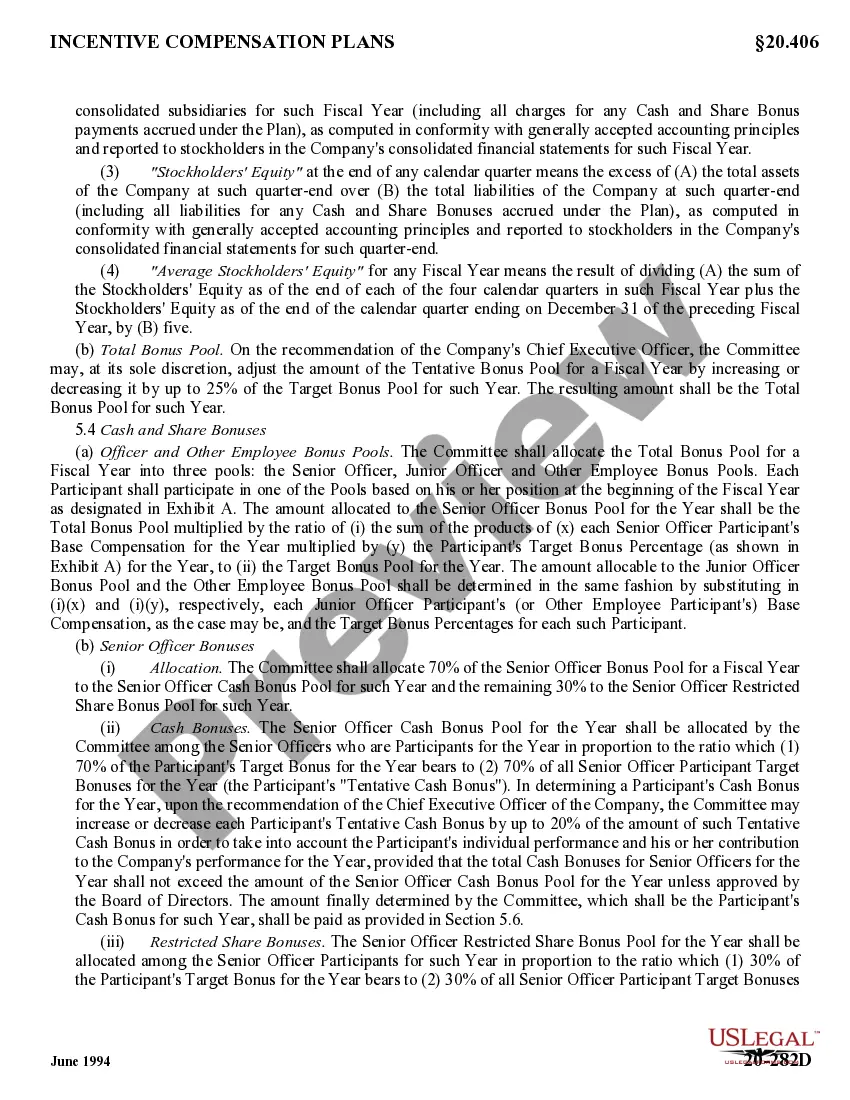

Get your form ready online
Our built-in tools help you complete, sign, share, and store your documents in one place.
Make edits, fill in missing information, and update formatting in US Legal Forms—just like you would in MS Word.
Download a copy, print it, send it by email, or mail it via USPS—whatever works best for your next step.
Sign and collect signatures with our SignNow integration. Send to multiple recipients, set reminders, and more. Go Premium to unlock E-Sign.
If this form requires notarization, complete it online through a secure video call—no need to meet a notary in person or wait for an appointment.
We protect your documents and personal data by following strict security and privacy standards.

Make edits, fill in missing information, and update formatting in US Legal Forms—just like you would in MS Word.

Download a copy, print it, send it by email, or mail it via USPS—whatever works best for your next step.

Sign and collect signatures with our SignNow integration. Send to multiple recipients, set reminders, and more. Go Premium to unlock E-Sign.

If this form requires notarization, complete it online through a secure video call—no need to meet a notary in person or wait for an appointment.

We protect your documents and personal data by following strict security and privacy standards.
Looking for another form?
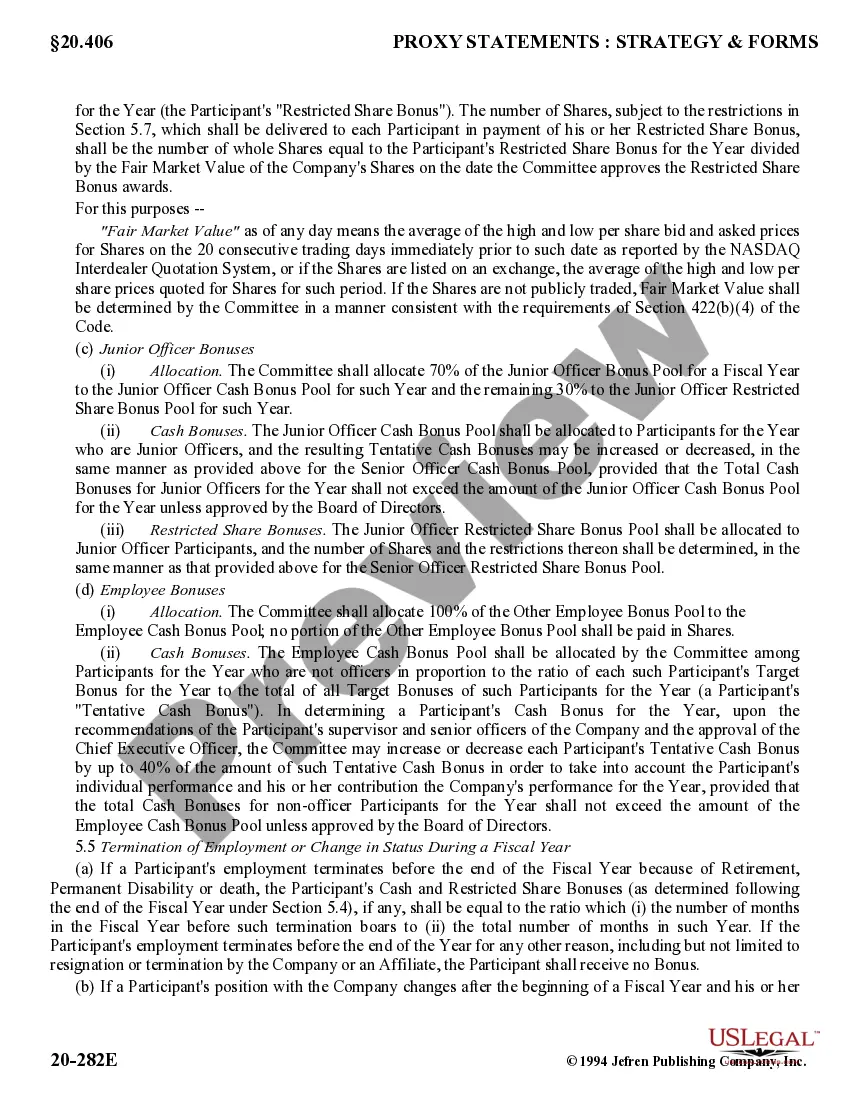
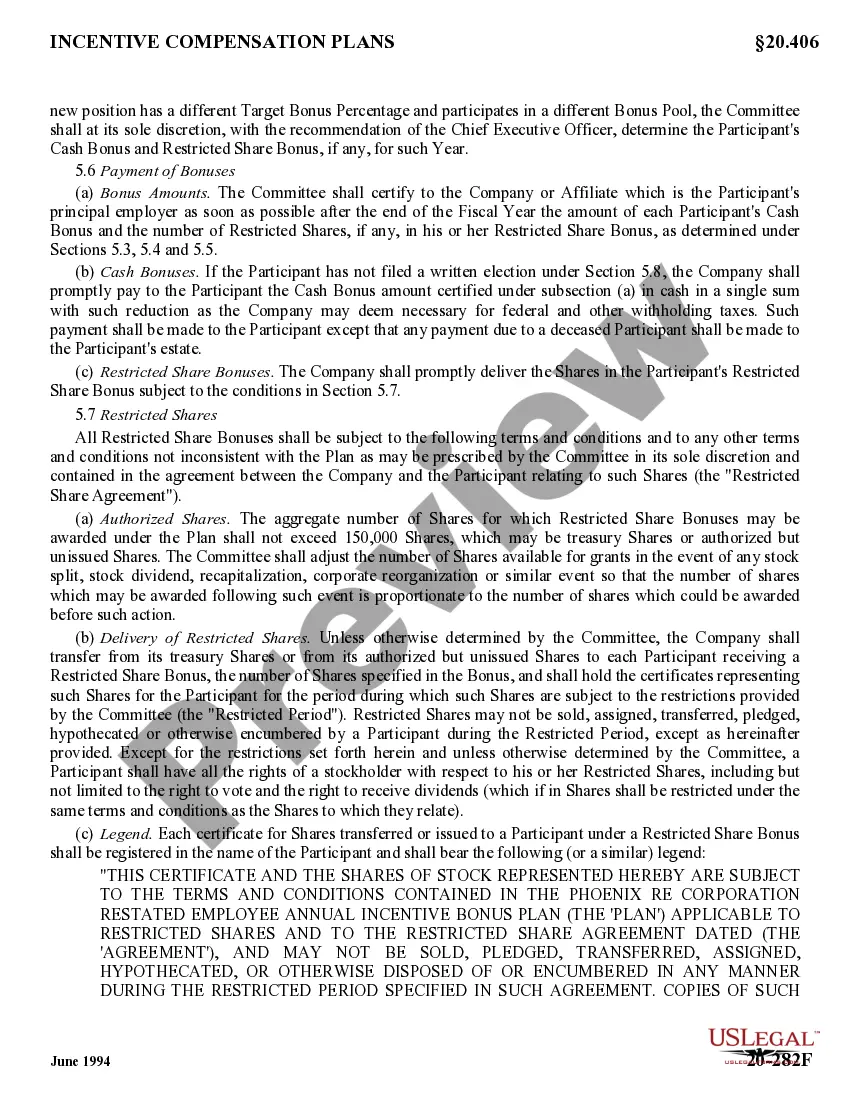
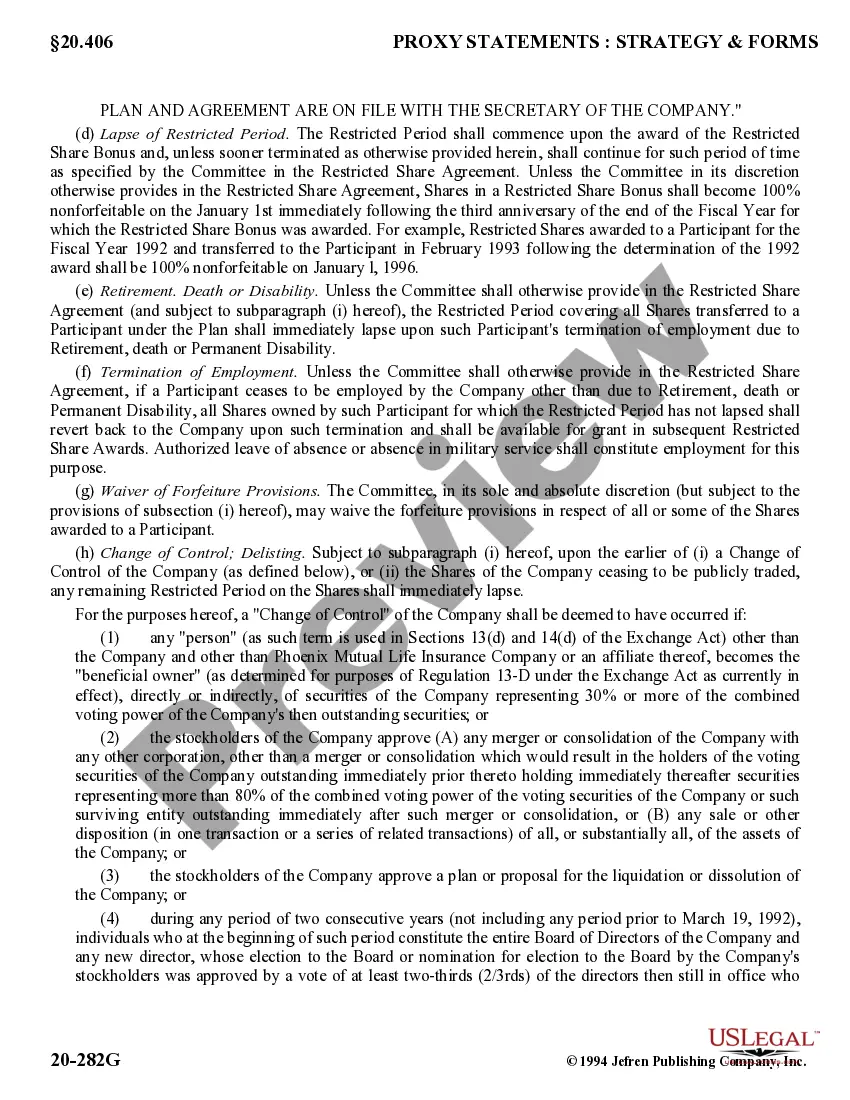
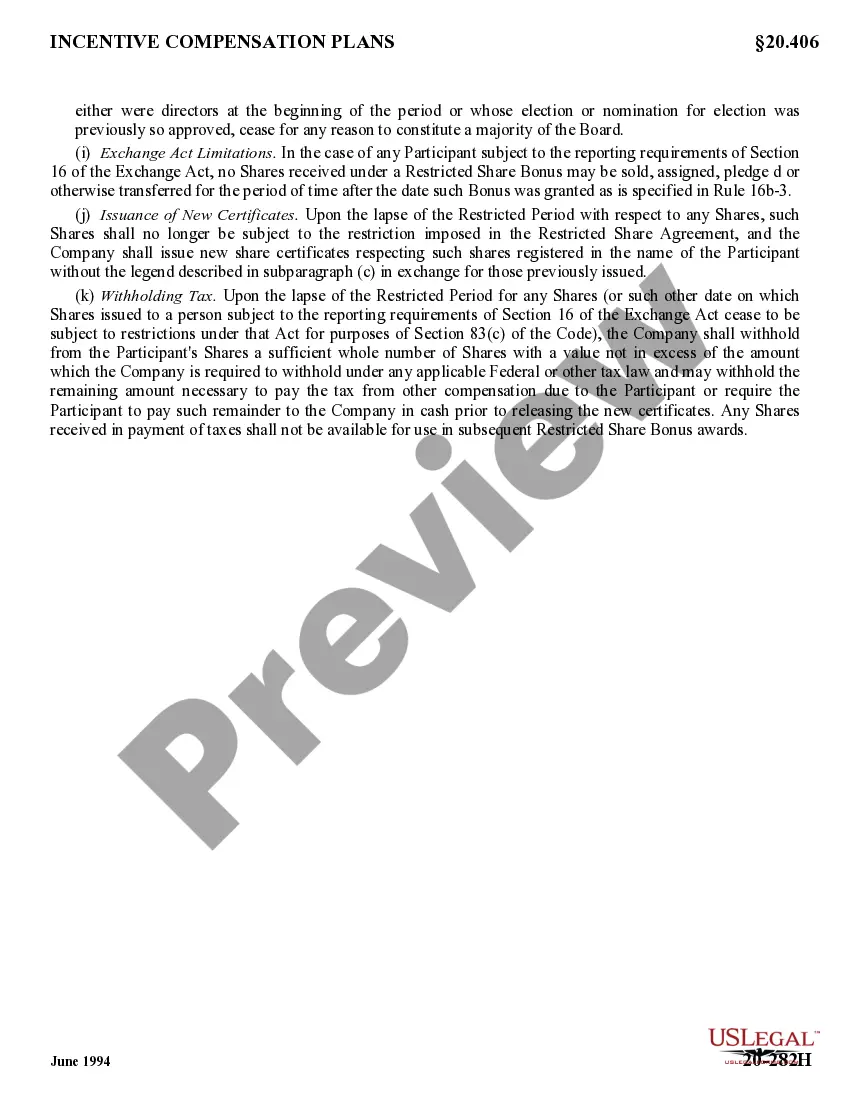
How to fill out Restated Employee Annual Incentive Bonus Plan With Attachments?
Regardless of whether for corporate endeavors or personal issues, everyone must confront legal circumstances at some stage in their lives.
Fulfilling legal paperwork necessitates meticulous focus, starting from choosing the correct form template.
With an extensive US Legal Forms catalog available, you do not have to waste time searching for the appropriate template across the web. Utilize the library’s straightforward navigation to locate the right form for any circumstance.
- Acquire the template you require by leveraging the search bar or catalog browsing.
- Review the form’s description to confirm it aligns with your situation, state, and county.
- Click on the form’s preview to inspect it.
- If it is the incorrect document, return to the search feature to find the Employee Incentive Program Examples template you require.
- Download the template if it corresponds to your requirements.
- If you have a US Legal Forms account, click Log in to access previously stored templates in My documents.
- In case you do not have an account yet, you can acquire the form by clicking Buy now.
- Select the suitable pricing option.
- Complete the account registration form.
- Choose your payment method: use a credit card or PayPal account.
- Select the document format you desire and download the Employee Incentive Program Examples.
- Once it is downloaded, you can fill out the form using editing software or print it and complete it manually.
Form popularity
FAQ
An individual incentive plan is tailored to recognize and reward a specific employee's performance. For example, an organization might offer a financial bonus for achieving sales targets within a quarter. This personalization helps to align employee efforts with business goals. Reviewing various employee incentive program examples can help you craft effective individual plans.
Writing an incentive program requires a clear understanding of your goals and the behaviors you wish to encourage. Begin by establishing your program's objectives, naming specific incentives, and outlining criteria for participation. Make sure to communicate the program’s rules, duration, and how success will be measured. For comprehensive guides, refer to employee incentive program examples.
Making an incentive chart involves several steps. First, determine the specific objectives you want to achieve through the program. Then, design a layout that is easy to understand and visually appealing. After that, fill in the necessary details such as the goals, milestones, and incentives. Utilize employee incentive program examples to enhance your design and effectiveness.
To draw a reward chart, begin by sketching a grid layout with columns for names, goals, and reward levels. Use clear labels to define each section. Incorporate visual elements, such as colors or symbols, that represent different rewards. For more detailed designs, explore employee incentive program examples to see how others create engaging charts.
On a reward chart, write down the specific achievements that will earn recognition or rewards. Clearly outline the criteria and the rewards associated with each level of achievement. Make sure to keep the language positive and motivating. For inspiration, consider reviewing various employee incentive program examples that highlight effective reward chart strategies.
An incentive chart is a visual tool used to motivate individuals or teams by outlining specific goals and corresponding rewards. It helps to clarify expectations and track achievements over time. By utilizing incentive charts, businesses can foster a culture of recognition and appreciation. Looking into employee incentive program examples can provide insights into creating effective charts.
To fill out an incentive chart, start by identifying the behaviors or goals you want to encourage. Next, list the specific incentives that correspond to each goal. It's important to define clear criteria for earning these incentives. For more examples, explore employee incentive program examples to see how organizations track progress and rewards effectively.
Employee incentive program examples can include bonuses, profit-sharing plans, stock options, and additional vacation days. These rewards motivate employees to increase their productivity and improve their performance. By implementing such incentives, businesses can create a more engaged workforce. Furthermore, these examples not only boost morale but also align employee goals with company objectives.
Generally, $25 gift cards given to employees are considered taxable income. Employers must report the value of the gift card on their tax returns, and employees must include it in their taxable income. However, there are exceptions for certain de minimis fringe benefits. Always check with a tax advisor to ensure compliance with tax regulations surrounding employee incentive program examples.
Writing an incentive proposal involves outlining the goals of your incentive program and presenting potential employee incentive program examples. Begin with a brief introduction that highlights the purpose, then explain the benefits of the program for both the company and employees. Include details on eligibility, structure, and how the program aligns with company values. Be sure to conclude with a compelling call to action that encourages stakeholders to support the initiative.