Restricted Stock Between With Rsus
Description
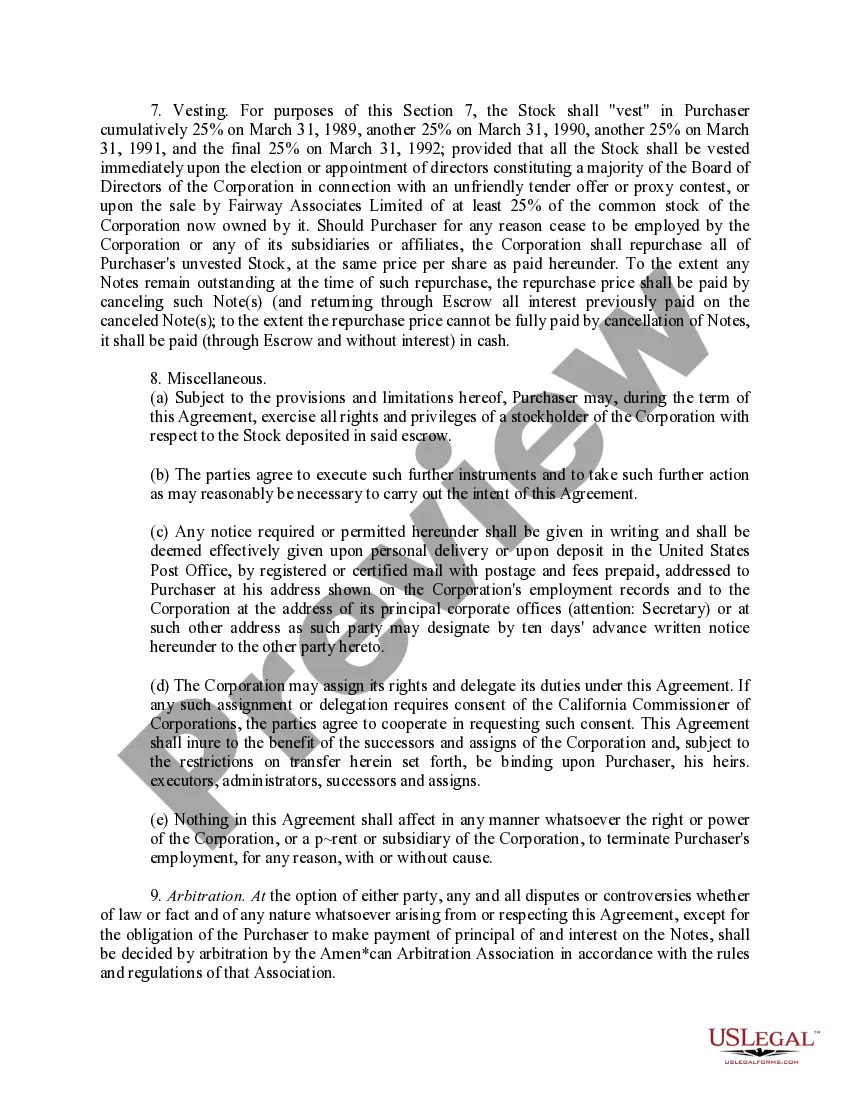
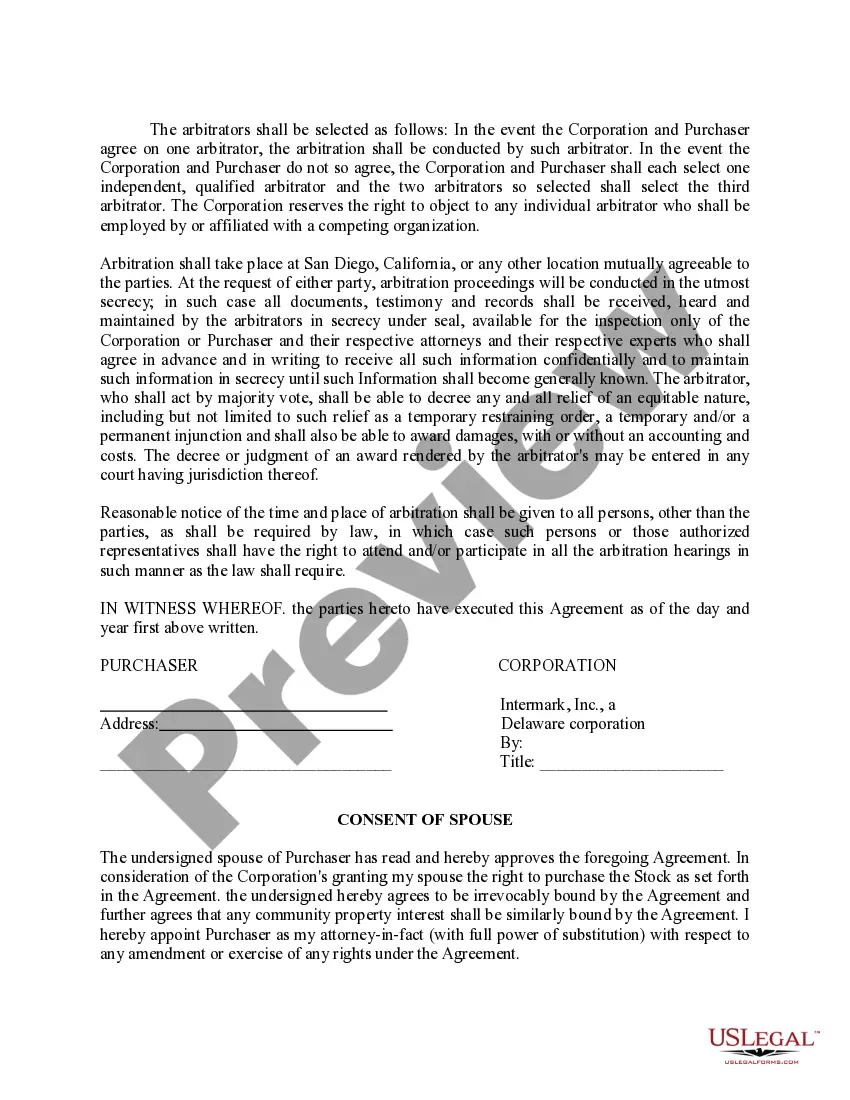

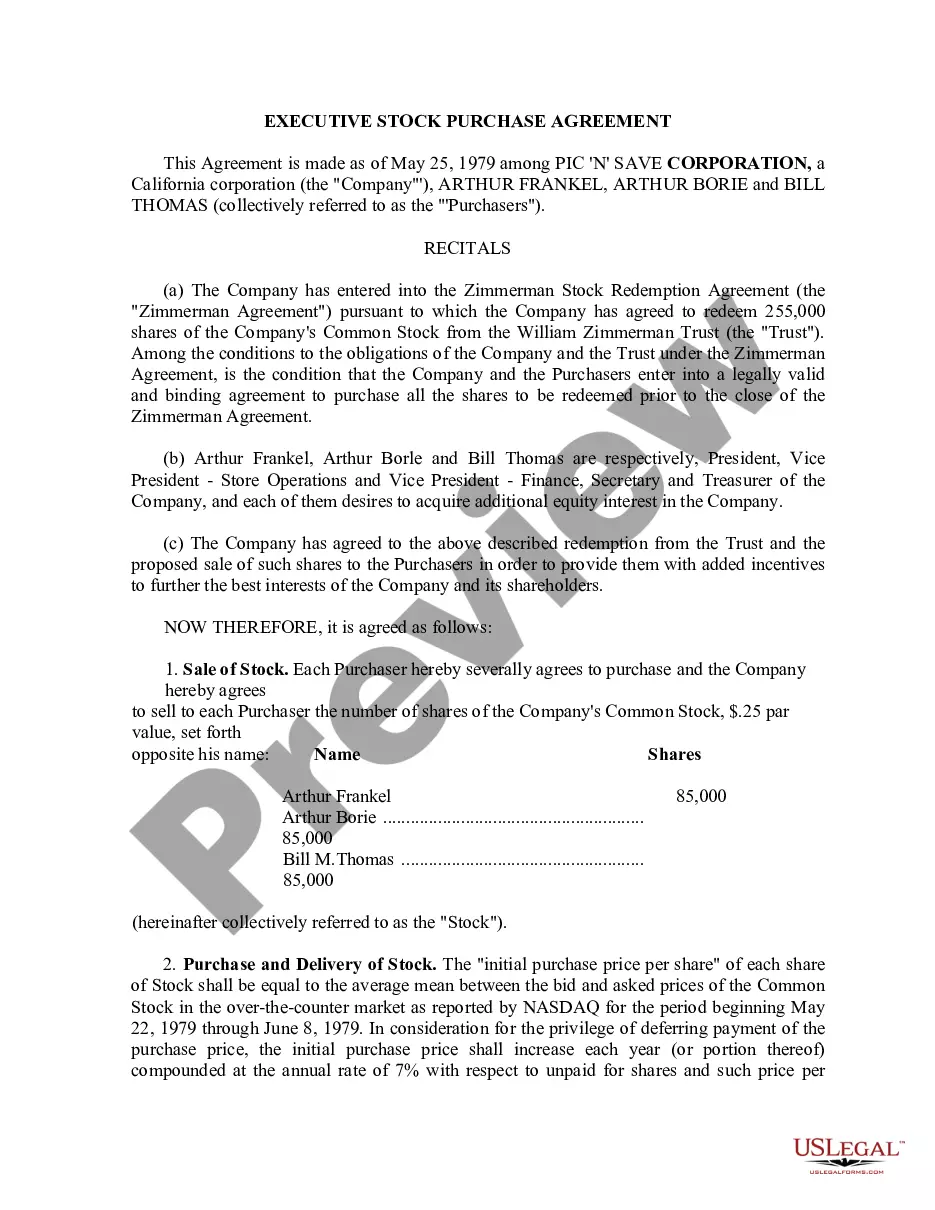
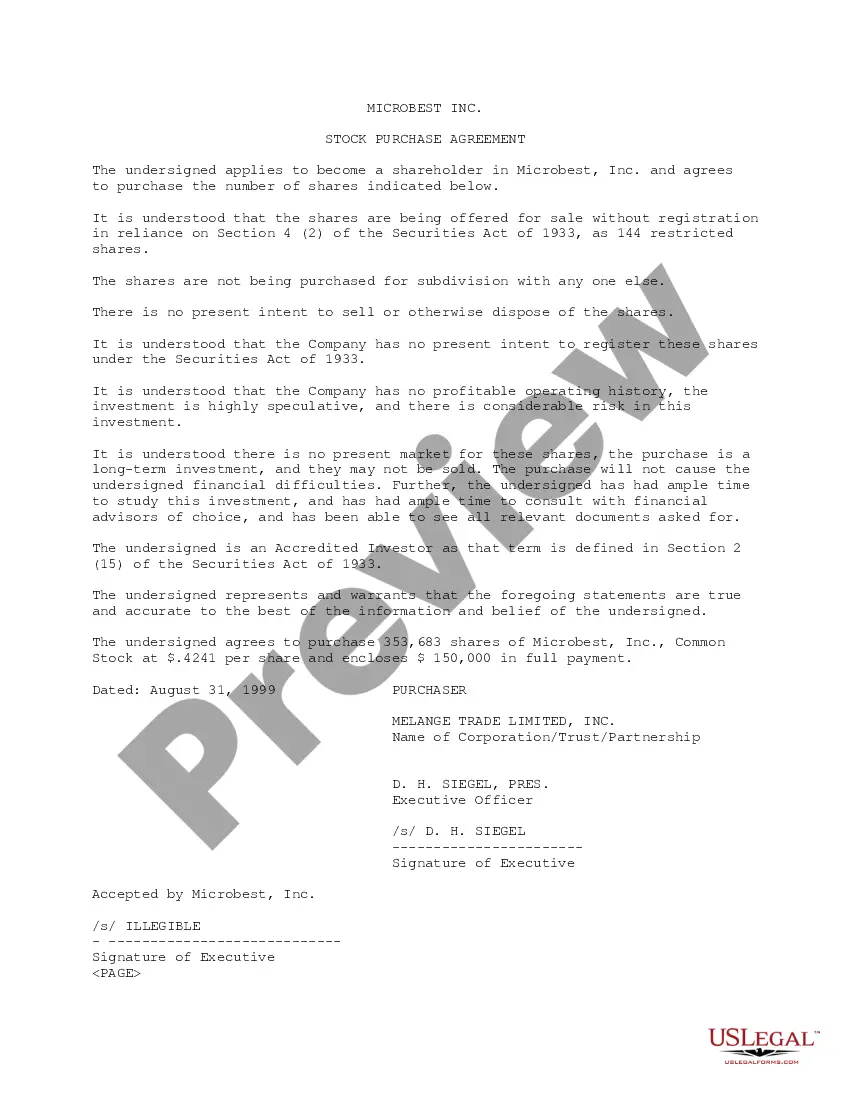
Get your form ready online
Our built-in tools help you complete, sign, share, and store your documents in one place.
Make edits, fill in missing information, and update formatting in US Legal Forms—just like you would in MS Word.
Download a copy, print it, send it by email, or mail it via USPS—whatever works best for your next step.
Sign and collect signatures with our SignNow integration. Send to multiple recipients, set reminders, and more. Go Premium to unlock E-Sign.
If this form requires notarization, complete it online through a secure video call—no need to meet a notary in person or wait for an appointment.
We protect your documents and personal data by following strict security and privacy standards.

Make edits, fill in missing information, and update formatting in US Legal Forms—just like you would in MS Word.

Download a copy, print it, send it by email, or mail it via USPS—whatever works best for your next step.

Sign and collect signatures with our SignNow integration. Send to multiple recipients, set reminders, and more. Go Premium to unlock E-Sign.

If this form requires notarization, complete it online through a secure video call—no need to meet a notary in person or wait for an appointment.

We protect your documents and personal data by following strict security and privacy standards.
Looking for another form?

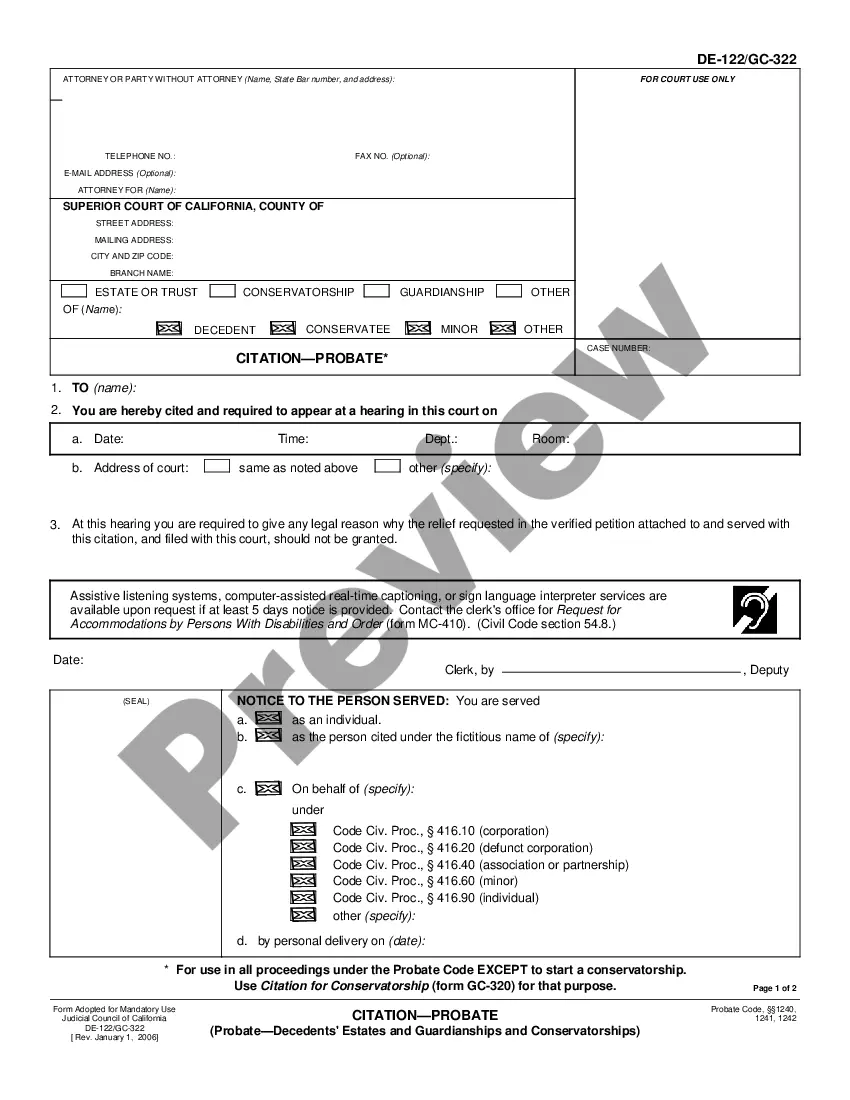







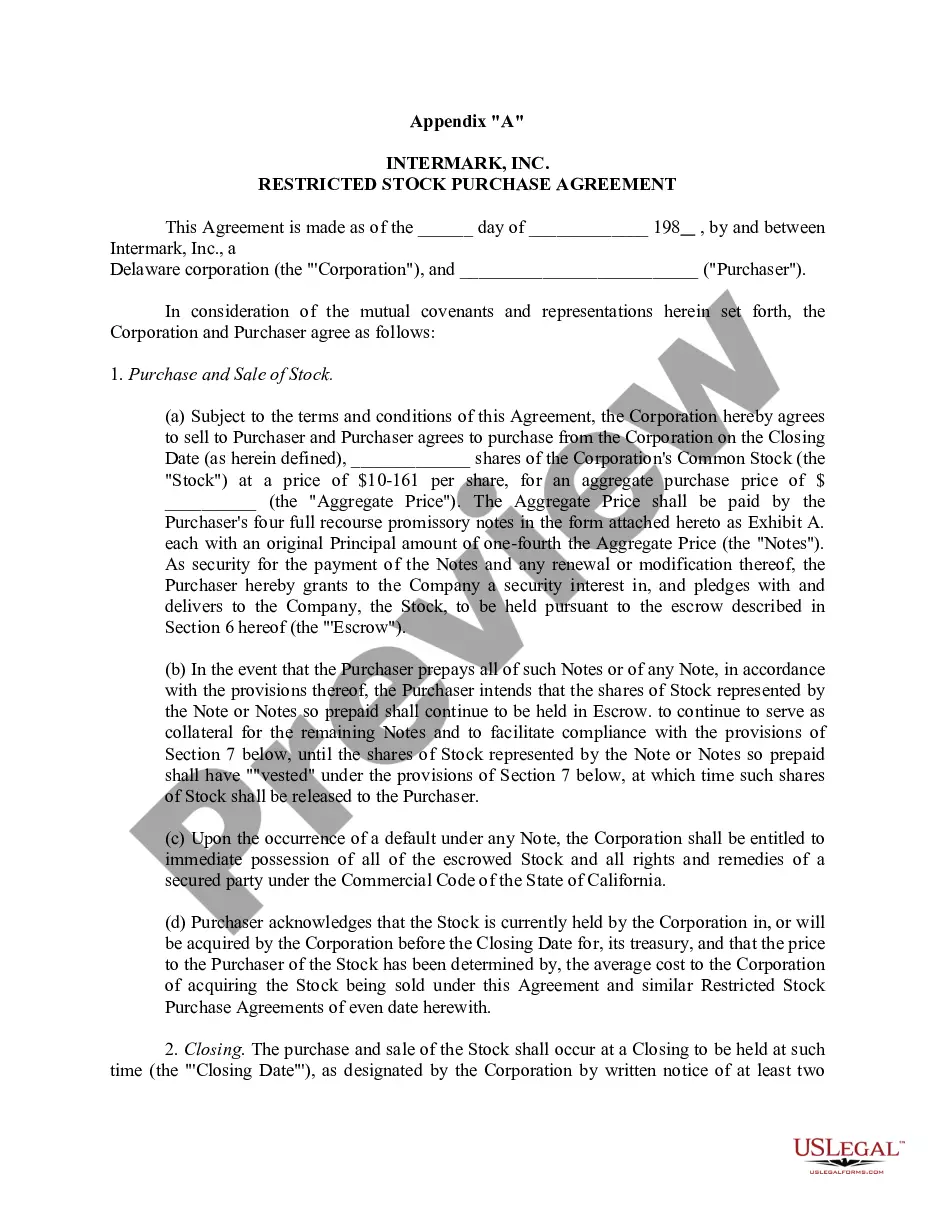
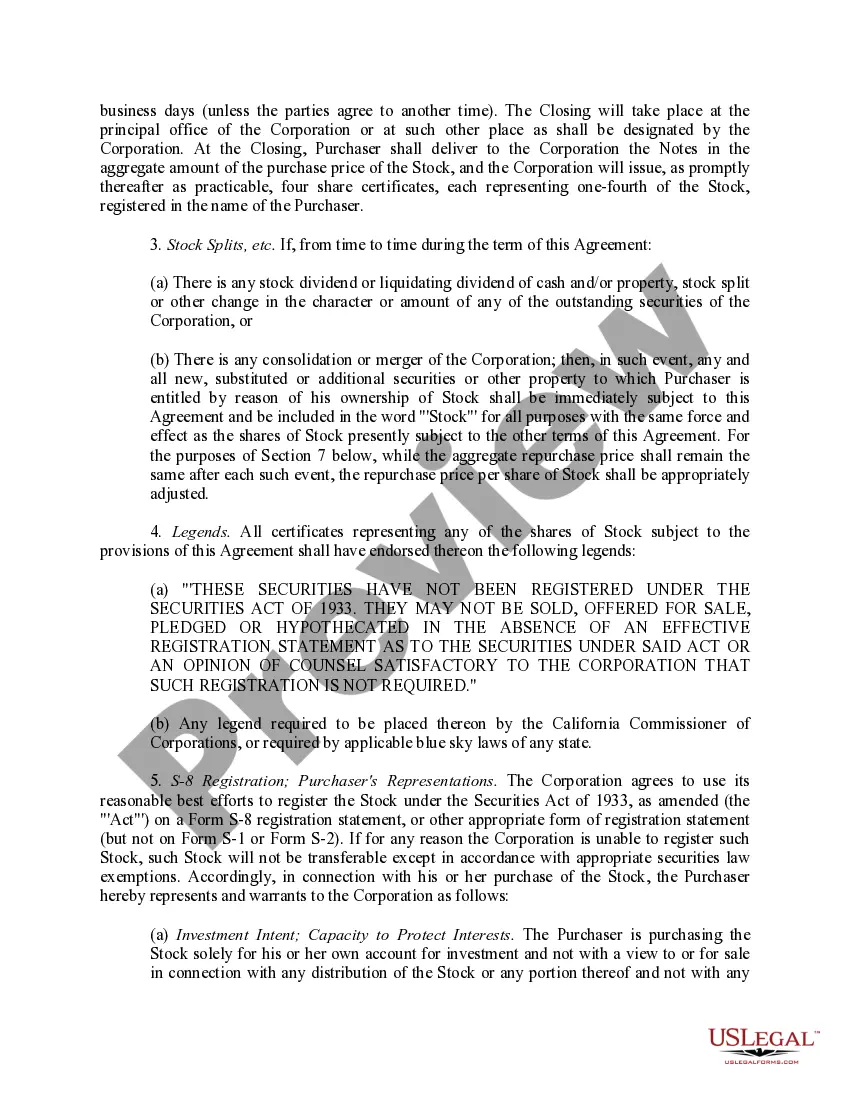
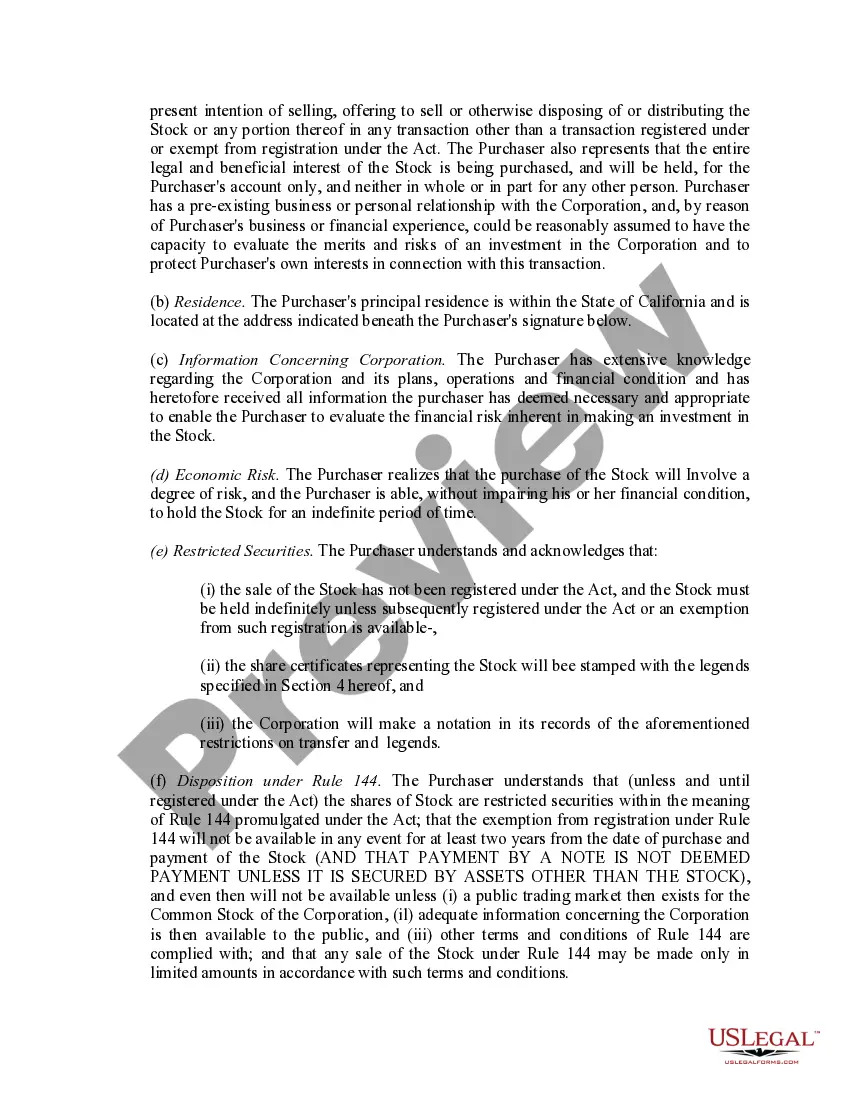
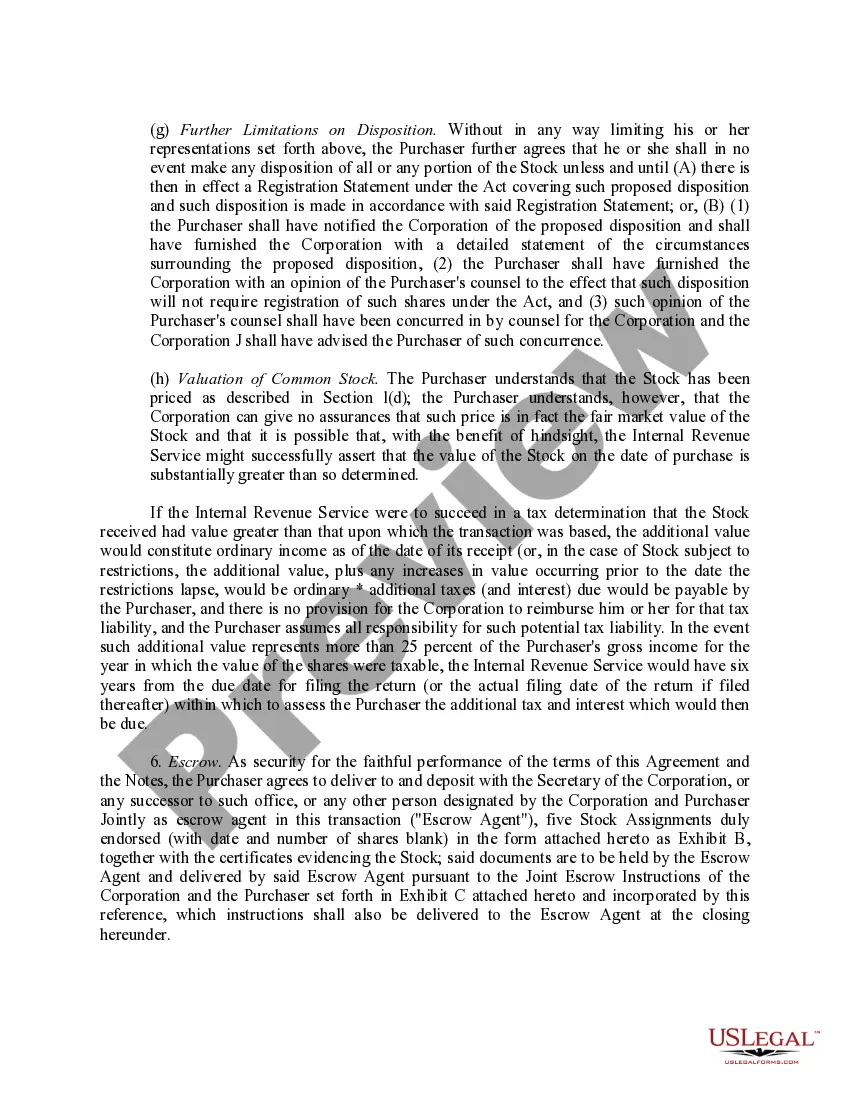
How to fill out Sample Restricted Stock Purchase Agreement Between Intermark, Inc. And Purchasers?
The Limited Stock Agreement With Rsus you observe on this site is a versatile formal document crafted by expert attorneys in accordance with federal and local regulations.
For over 25 years, US Legal Forms has offered individuals, businesses, and legal practitioners access to more than 85,000 verified, state-specific documents for any commercial and personal occasion. It’s the fastest, easiest, and most reliable method to acquire the forms you require, as the service ensures bank-level data protection and anti-malware security.
Enroll in US Legal Forms to access validated legal templates for all of life’s scenarios readily available.
- Search for the template you need and review it.
- Browse through the sample you searched and view it or examine the document description to verify it meets your needs. If it doesn’t, utilize the search function to find the fitting one. Click Buy Now once you have identified the template you require.
- Register and sign in.
- Choose the subscription plan that works for you and create an account. Make a quick payment using PayPal or a credit card. If you already possess an account, Log In and check your subscription to continue.
- Obtain the editable template.
- Select the format you desire for your Limited Stock Agreement With Rsus (PDF, Word, RTF) and save the document to your device.
- Complete and sign the documents.
- Print the template to fill it out manually. Alternatively, use an online multifunctional PDF editor to swiftly and accurately complete and sign your form with an electronic signature.
- Download your documents once again.
- Reaccess the same document whenever necessary. Visit the My documents section in your account to redownload any previously acquired documents.
Form popularity
FAQ
When compared to ISOs, RSUs are less risky and not dependant on the stock price at any given time. They offer a more predictable revenue stream and guarantee at least some money as long as the company's stock has value by the vesting date.
Choosing stock options vs. RSUs is a tough decision, as there are positives and negatives to both. Generally, it boils down to the fact that RSUs are less risky, as they don't involve spending any money to get the stock. However, keep in mind that as an employee receiving either you likely won't have a choice.
Restricted stock units are a form of stock-based employee compensation. RSUs are restricted during a vesting period that may last several years, during which time they cannot be sold. Once they are vested, RSUs can be sold or kept like any other shares of company stock.
Like RSUs, NSOs can be granted to both employees and non-employees, whereas ISOs can only be granted to employees. With NSOs, employees must pay income tax on the difference between the fixed price and the current fair market value of the shares when they exercise their options.
RSUs do not give shareholders any dividend benefits. ESOPs give employees an option to purchase the shares after the vesting period. RSUs are directly allotted to the employees as shares once the restrictions are met. ESOPs typically come with a vesting period, after which employees can purchase the shares.