Restricted Stock Between For Dummies
Description
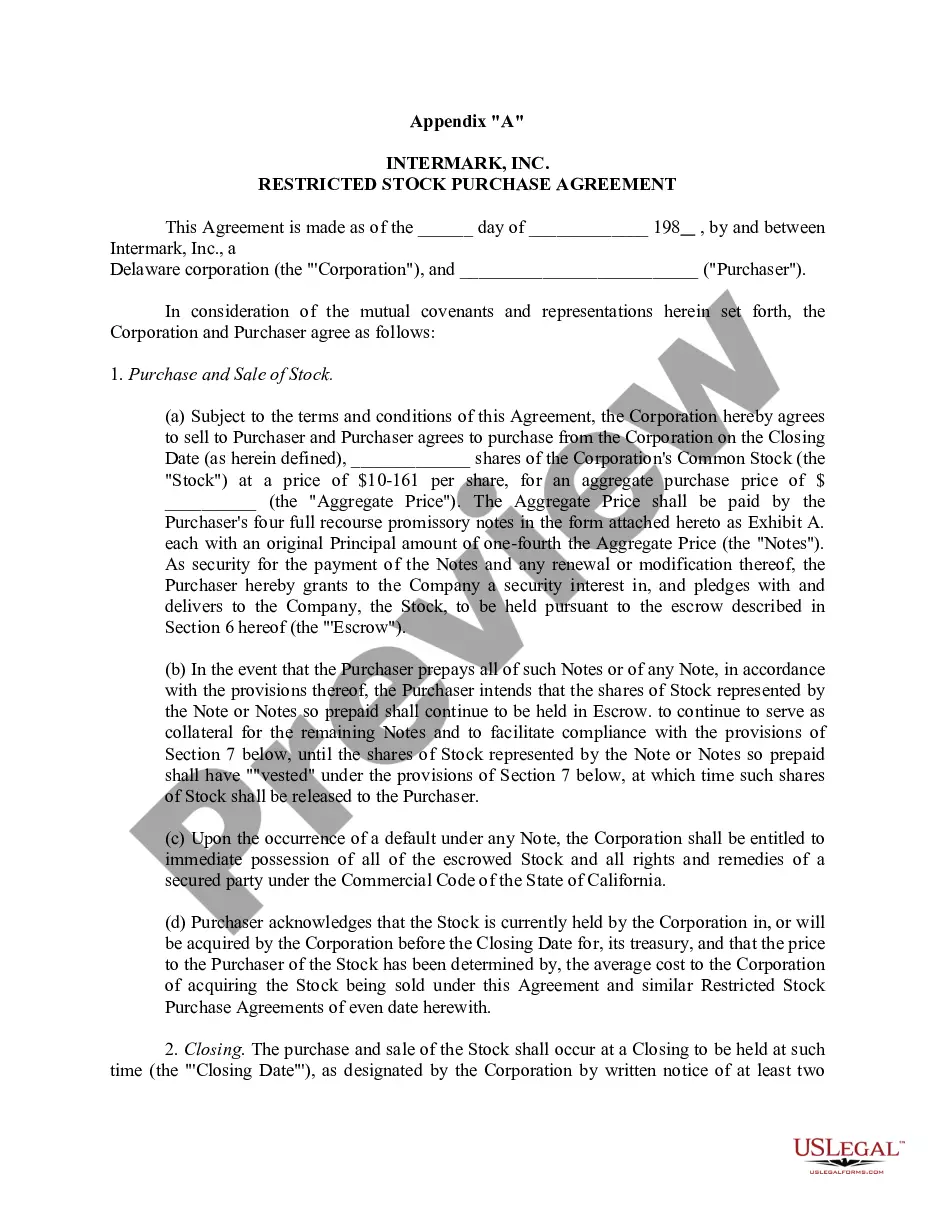
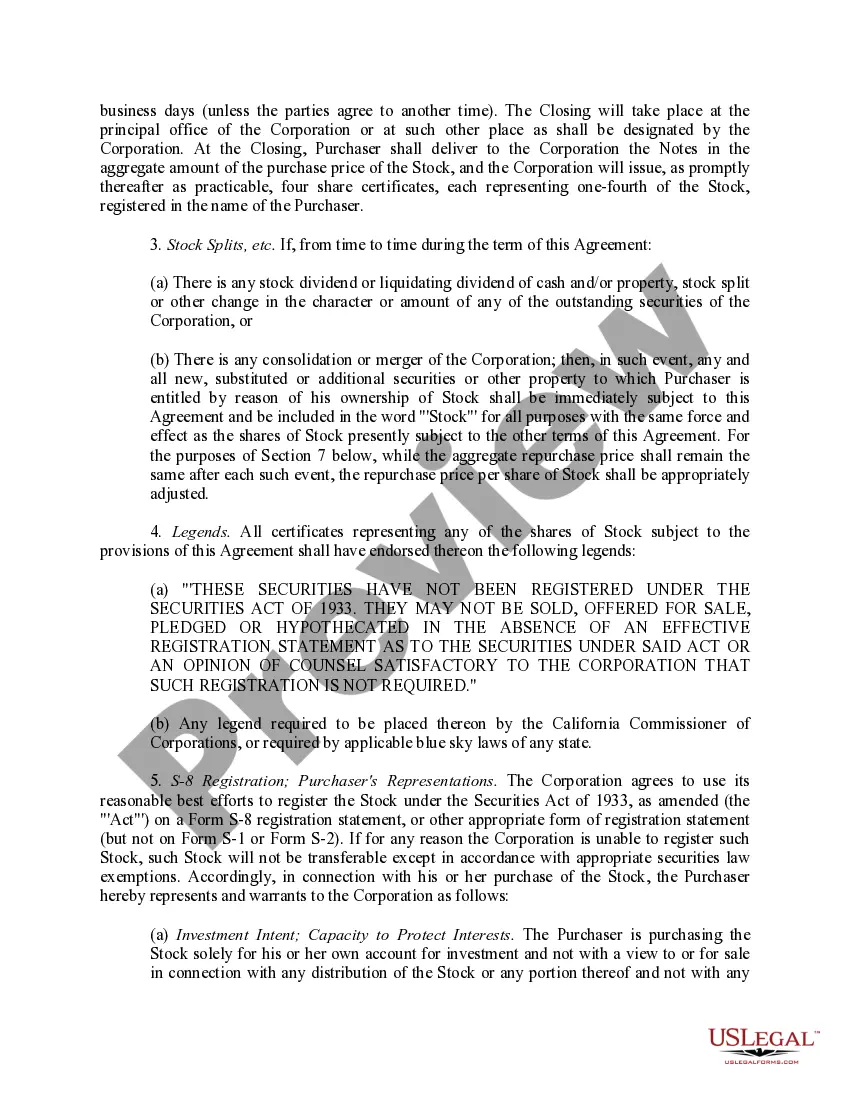
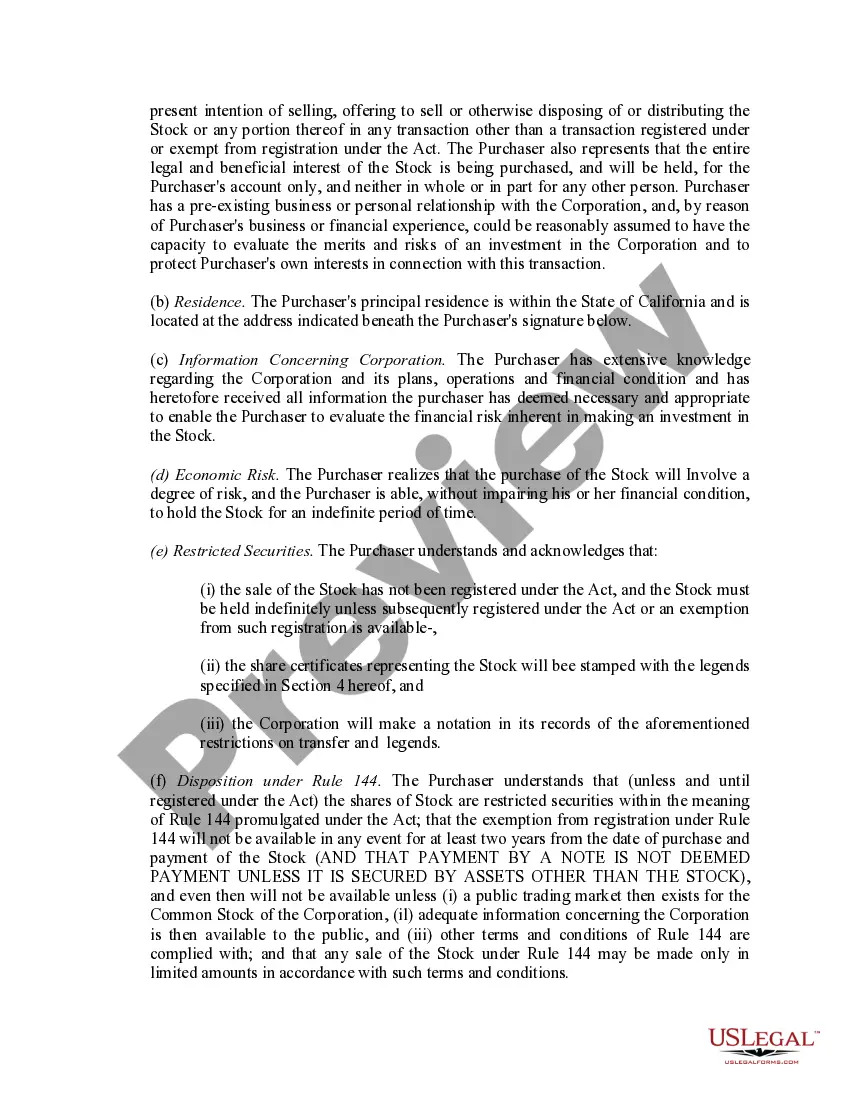
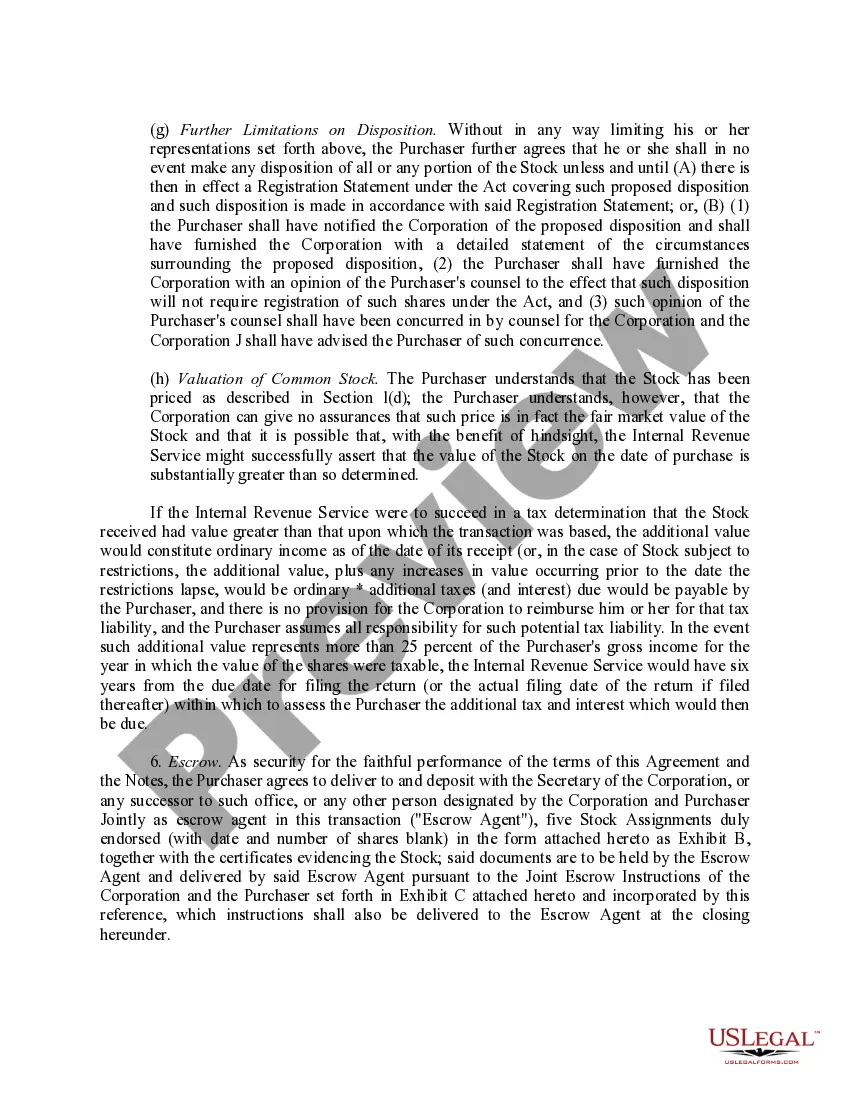

Get your form ready online
Our built-in tools help you complete, sign, share, and store your documents in one place.
Make edits, fill in missing information, and update formatting in US Legal Forms—just like you would in MS Word.
Download a copy, print it, send it by email, or mail it via USPS—whatever works best for your next step.
Sign and collect signatures with our SignNow integration. Send to multiple recipients, set reminders, and more. Go Premium to unlock E-Sign.
If this form requires notarization, complete it online through a secure video call—no need to meet a notary in person or wait for an appointment.
We protect your documents and personal data by following strict security and privacy standards.

Make edits, fill in missing information, and update formatting in US Legal Forms—just like you would in MS Word.

Download a copy, print it, send it by email, or mail it via USPS—whatever works best for your next step.

Sign and collect signatures with our SignNow integration. Send to multiple recipients, set reminders, and more. Go Premium to unlock E-Sign.

If this form requires notarization, complete it online through a secure video call—no need to meet a notary in person or wait for an appointment.

We protect your documents and personal data by following strict security and privacy standards.
Looking for another form?

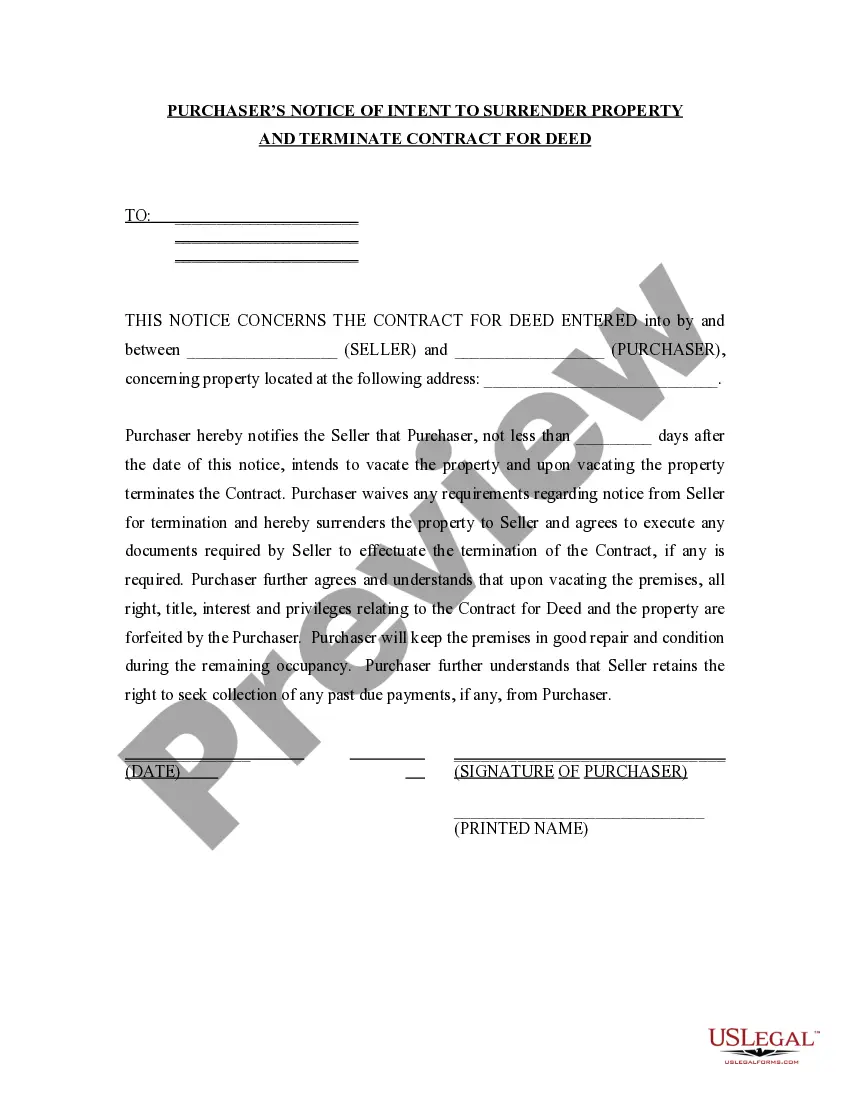






How to fill out Sample Restricted Stock Purchase Agreement Between Intermark, Inc. And Purchasers?
Whether for commercial reasons or personal matters, everyone has to handle legal issues eventually in their lifetime.
Filling out legal papers requires meticulous care, starting from choosing the appropriate form model.
With a vast US Legal Forms catalog available, you do not need to waste time searching for the correct sample online. Utilize the library’s straightforward navigation to locate the suitable template for any scenario.
- Obtain the necessary sample by utilizing the search box or catalog navigation.
- Review the form’s description to ensure it corresponds with your situation, state, and area.
- Click on the form’s preview to view it.
- If it is the wrong form, return to the search function to find the Restricted Stock Between For Dummies sample you require.
- Acquire the template when it aligns with your needs.
- If you already possess a US Legal Forms account, just click Log in to access previously stored templates in My documents.
- If you do not have an account yet, you can obtain the form by clicking Buy now.
- Select the appropriate pricing option.
- Complete the account registration form.
- Choose your payment method: use a credit card or PayPal account.
- Select the document format you wish and download the Restricted Stock Between For Dummies.
- Once it is downloaded, you can fill out the form using editing software or print it and complete it manually.
Form popularity
FAQ
RSUs are restricted during a vesting period that may last several years, during which time they cannot be sold. Once they are vested, RSUs can be sold or kept like any other shares of company stock. Unlike stock options or warrants, RSUs always have some value based on the underlying shares.
The value recognized for each restricted share is the same as its current share price (for non-dividend paying stock). Restricted stock is recognized on the income statement over the service period.
Restricted shares are unregistered, non-transferable shares issued to a company's employees. They give employees incentives to help companies attain success. They are most common in established companies that want to motivate people with an equity stake.
Here's an example. Say you've been granted 1,500 RSUs and the vesting schedule is 20% after one year of service, and then equal quarterly installments thereafter for the next three years. This would mean that after staying with your company for a year, 300 shares would vest and become yours.
Restricted stock units (RSUs) are a way your employer can grant you company shares. RSUs are nearly always worth something, even if the stock price drops dramatically. RSUs must vest before you can receive the underlying shares. Job termination usually stops vesting.