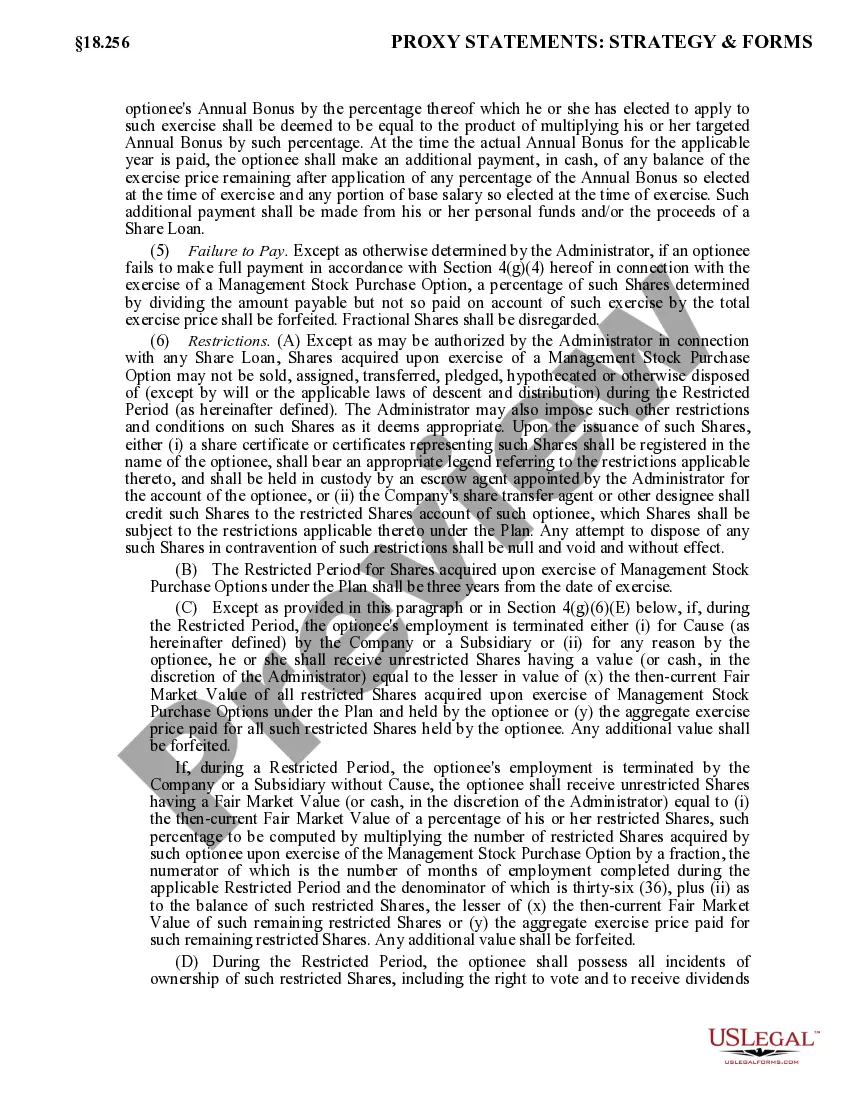
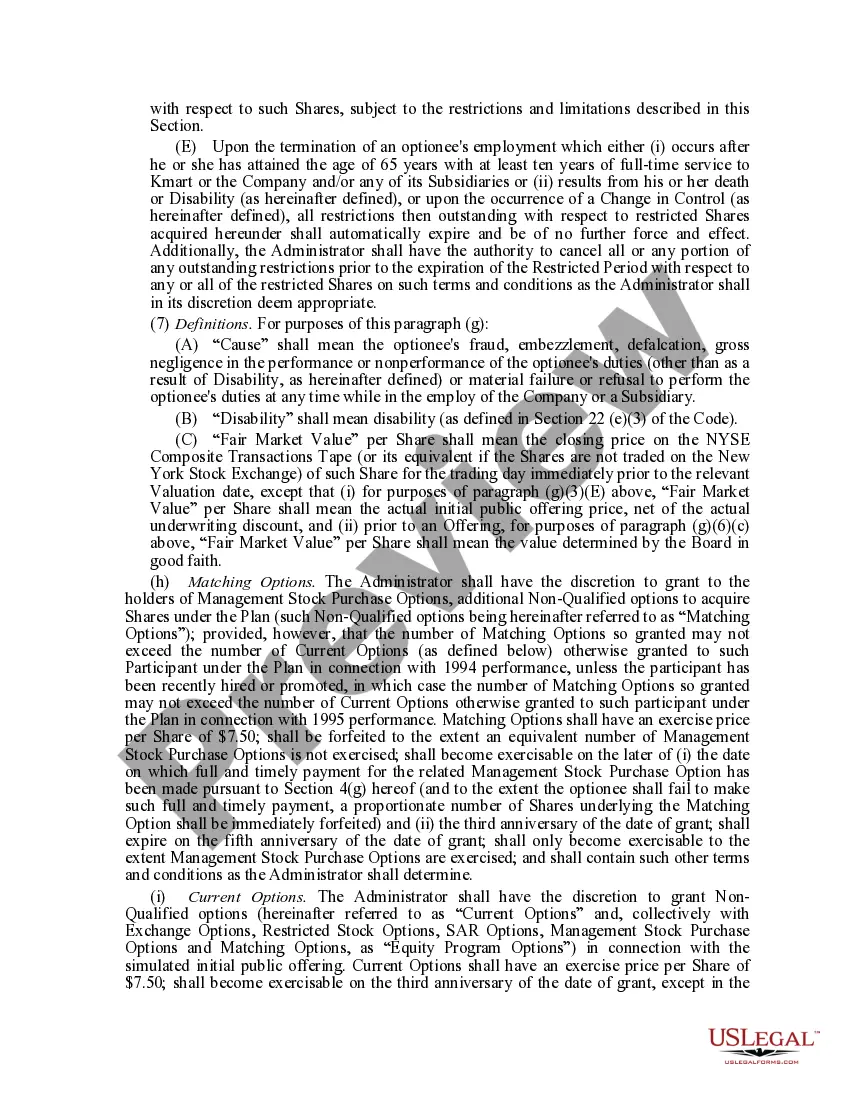
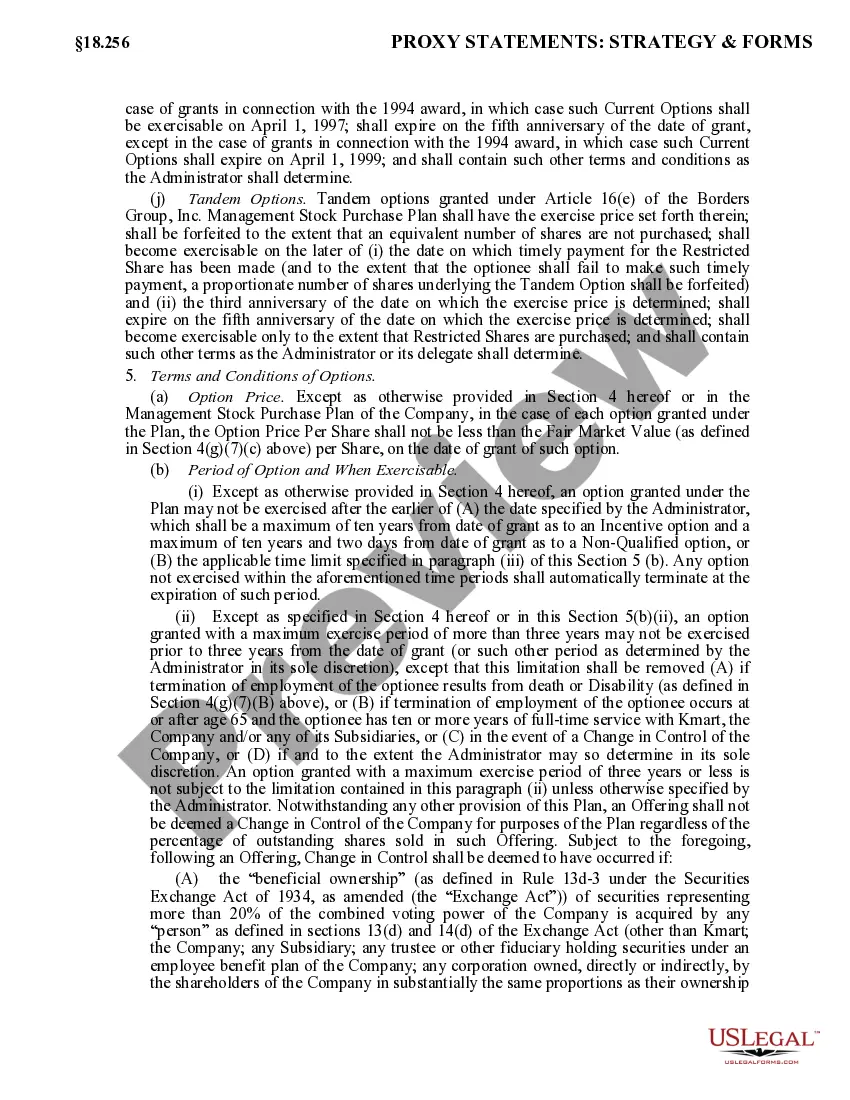
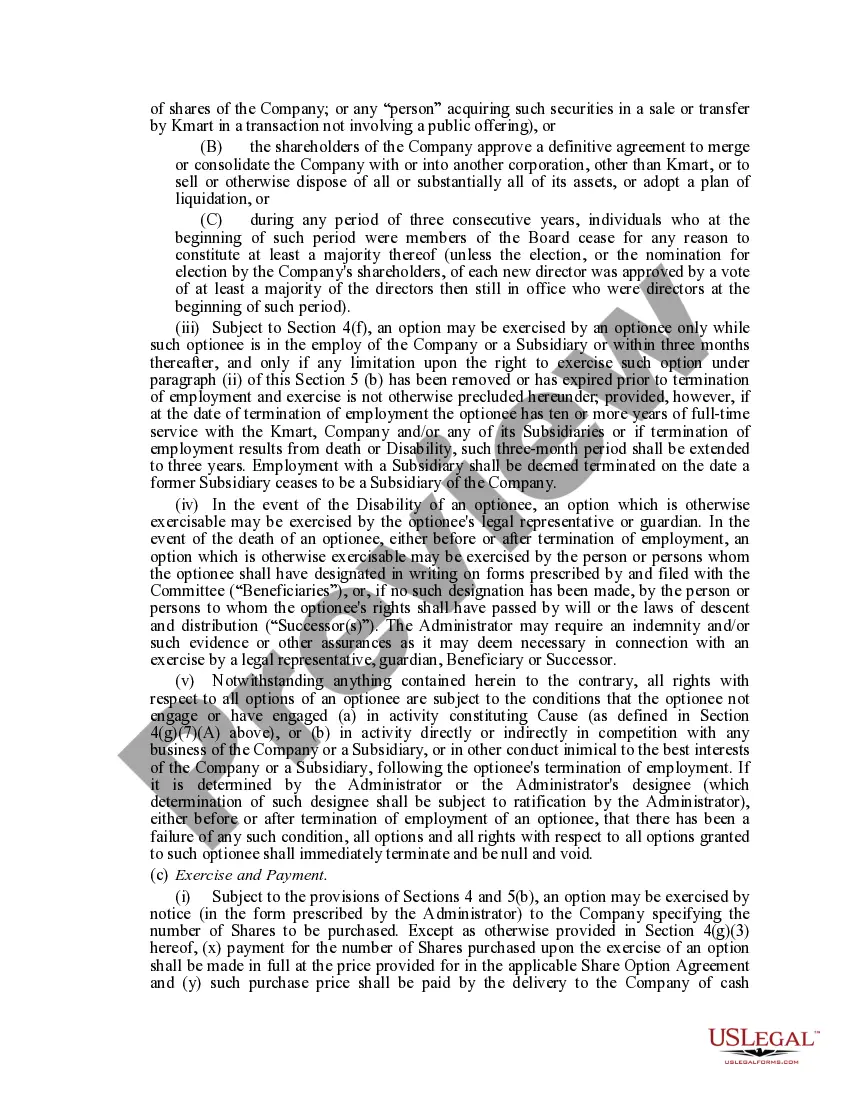
Stock Option E Vesting
Description

Get your form ready online
Our built-in tools help you complete, sign, share, and store your documents in one place.
Make edits, fill in missing information, and update formatting in US Legal Forms—just like you would in MS Word.
Download a copy, print it, send it by email, or mail it via USPS—whatever works best for your next step.
Sign and collect signatures with our SignNow integration. Send to multiple recipients, set reminders, and more. Go Premium to unlock E-Sign.
If this form requires notarization, complete it online through a secure video call—no need to meet a notary in person or wait for an appointment.
We protect your documents and personal data by following strict security and privacy standards.

Make edits, fill in missing information, and update formatting in US Legal Forms—just like you would in MS Word.

Download a copy, print it, send it by email, or mail it via USPS—whatever works best for your next step.

Sign and collect signatures with our SignNow integration. Send to multiple recipients, set reminders, and more. Go Premium to unlock E-Sign.

If this form requires notarization, complete it online through a secure video call—no need to meet a notary in person or wait for an appointment.

We protect your documents and personal data by following strict security and privacy standards.
Looking for another form?







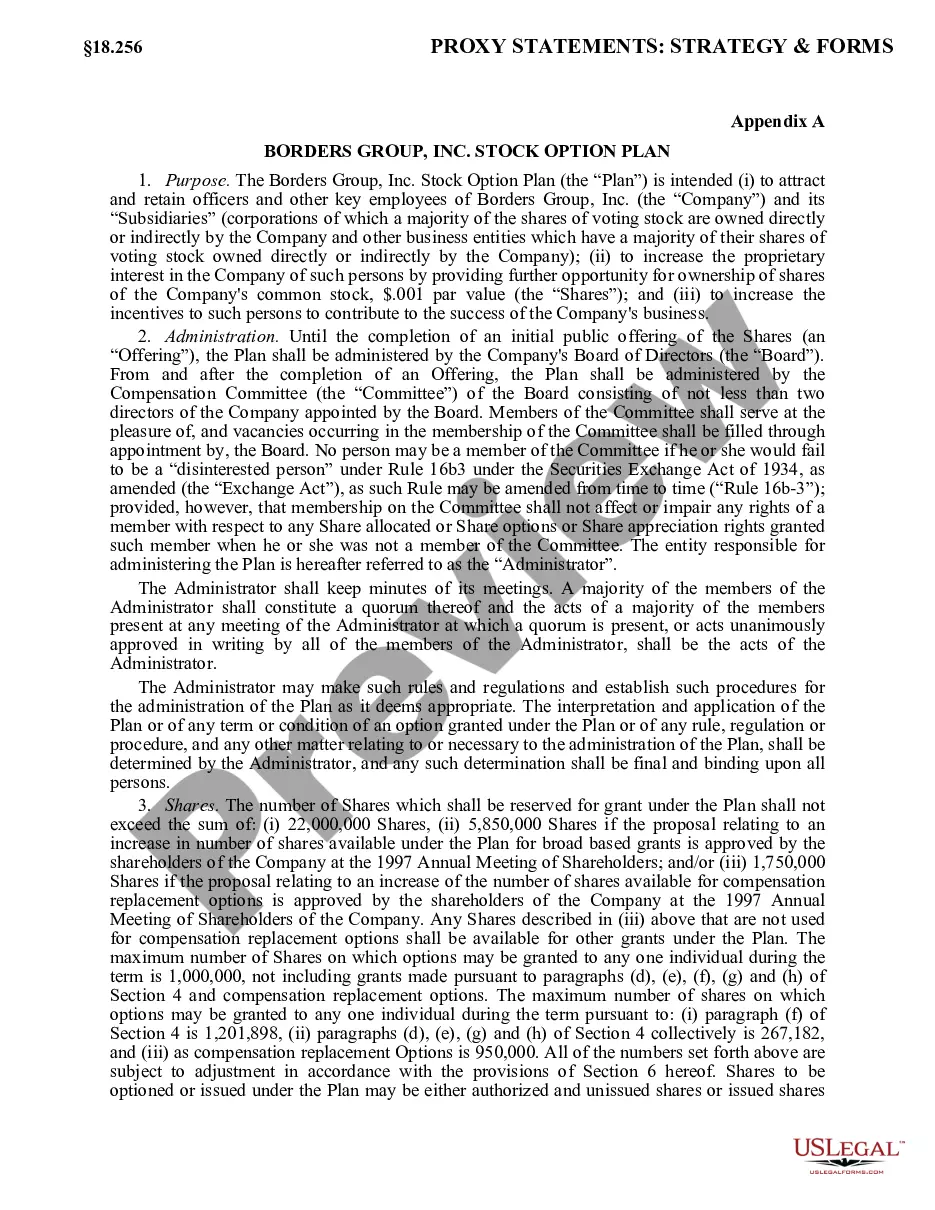
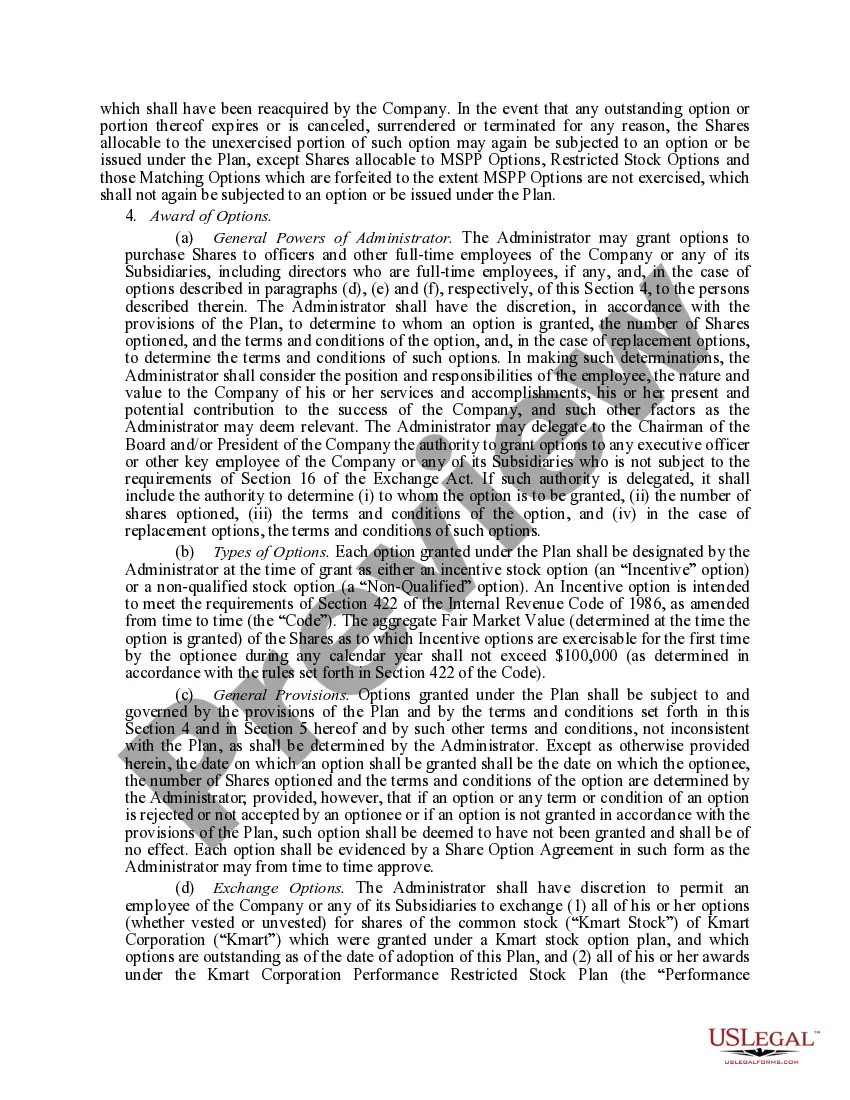
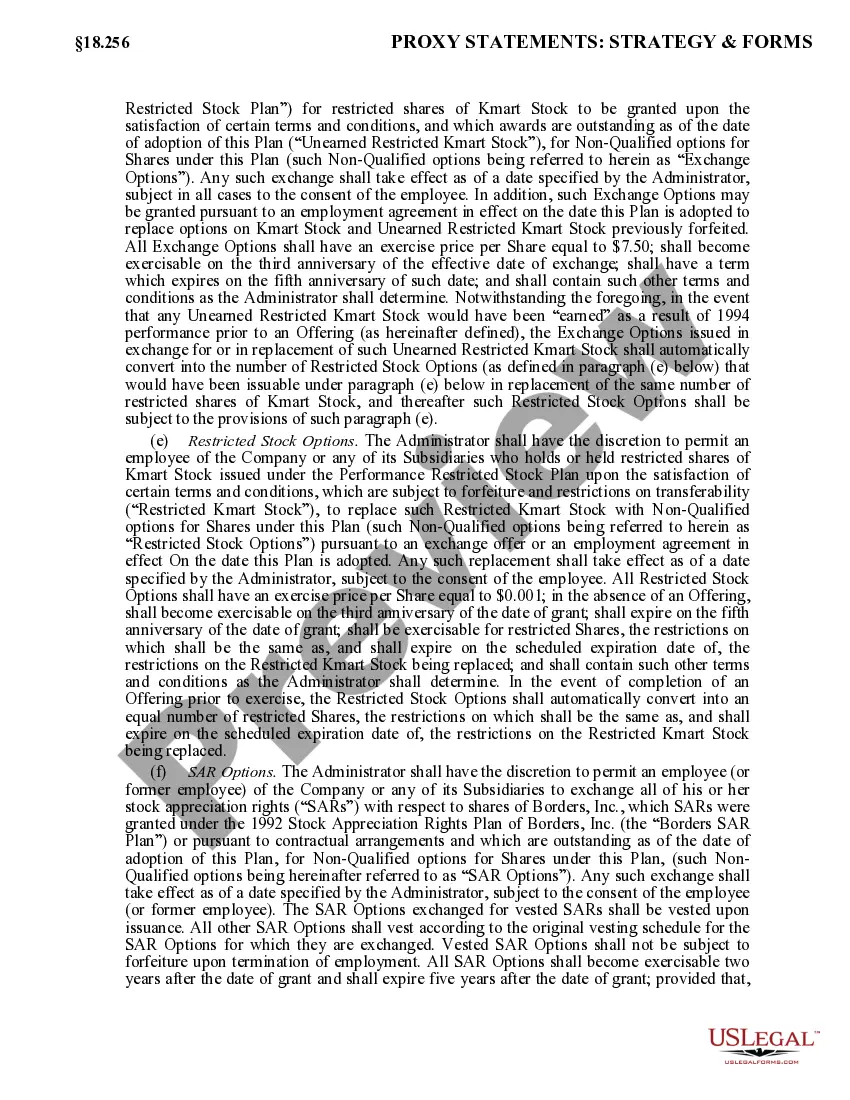
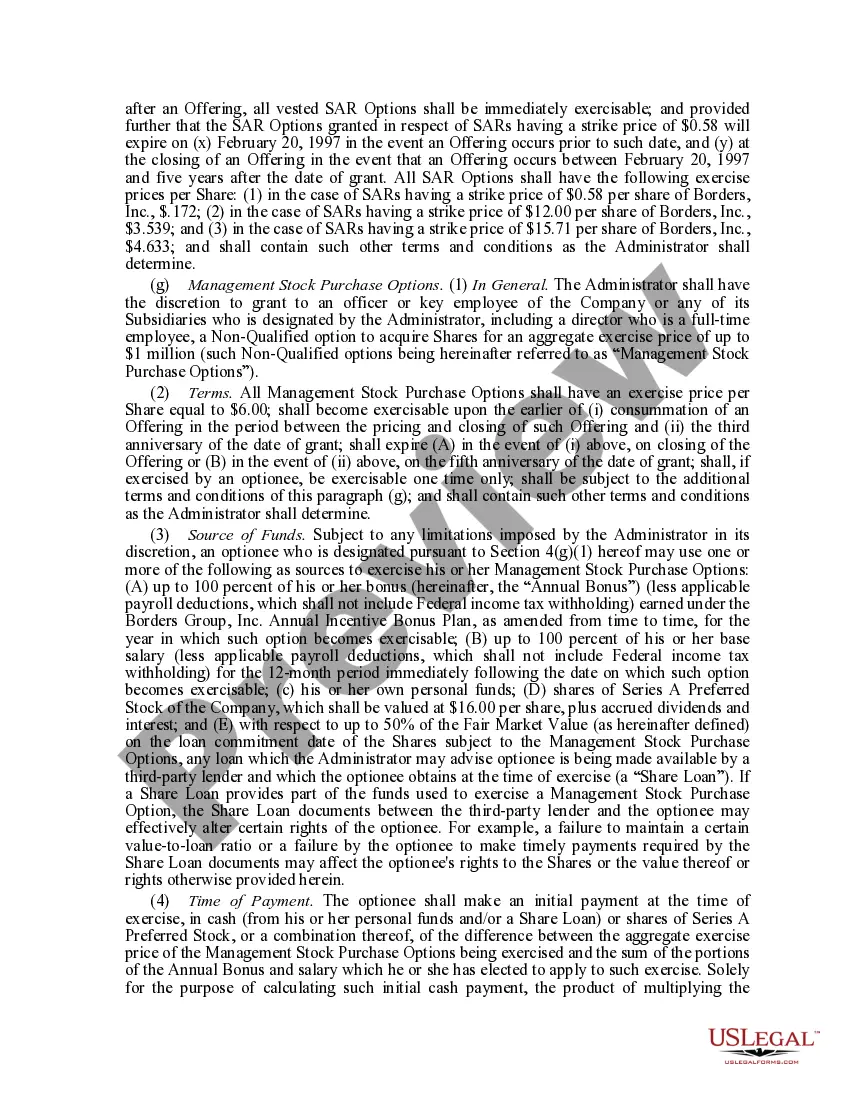
How to fill out Stock Option Plan Stock Option Plan Which Provides For Grant Of Incentive Stock Options, Nonqualified Stock Options, And Exchange Options?
- Sign in to your US Legal Forms account. If you are a new user, create an account to gain access.
- Utilize the Preview mode to review the form details to ensure it fits your specific requirements and complies with local laws.
- If the current template does not meet your needs, use the Search feature at the top of the page to locate a suitable alternative.
- Once you find the appropriate document, click the "Buy Now" button to select your desired subscription plan.
- Complete your purchase by entering your payment details, either through credit card or PayPal.
- After the transaction, download your chosen form directly to your device for immediate use and access it anytime in the "My Forms" section of your profile.
Obtaining the right documentation for stock option e vesting is critical for compliance and ensuring your legal rights are protected. With US Legal Forms, you can benefit from a vast library and access to expert help when you need assistance.
Start your experience today and empower yourself with the essential legal documents you need for effective stock option management.
Form popularity
FAQ
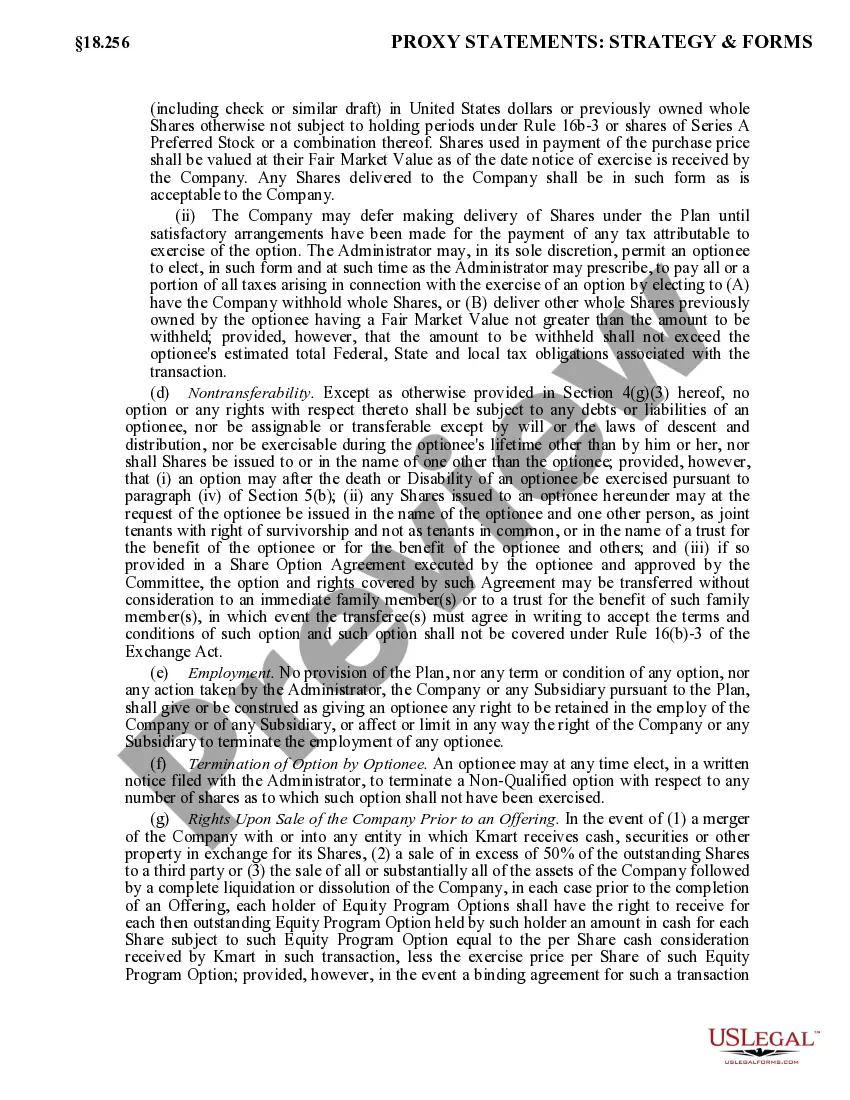
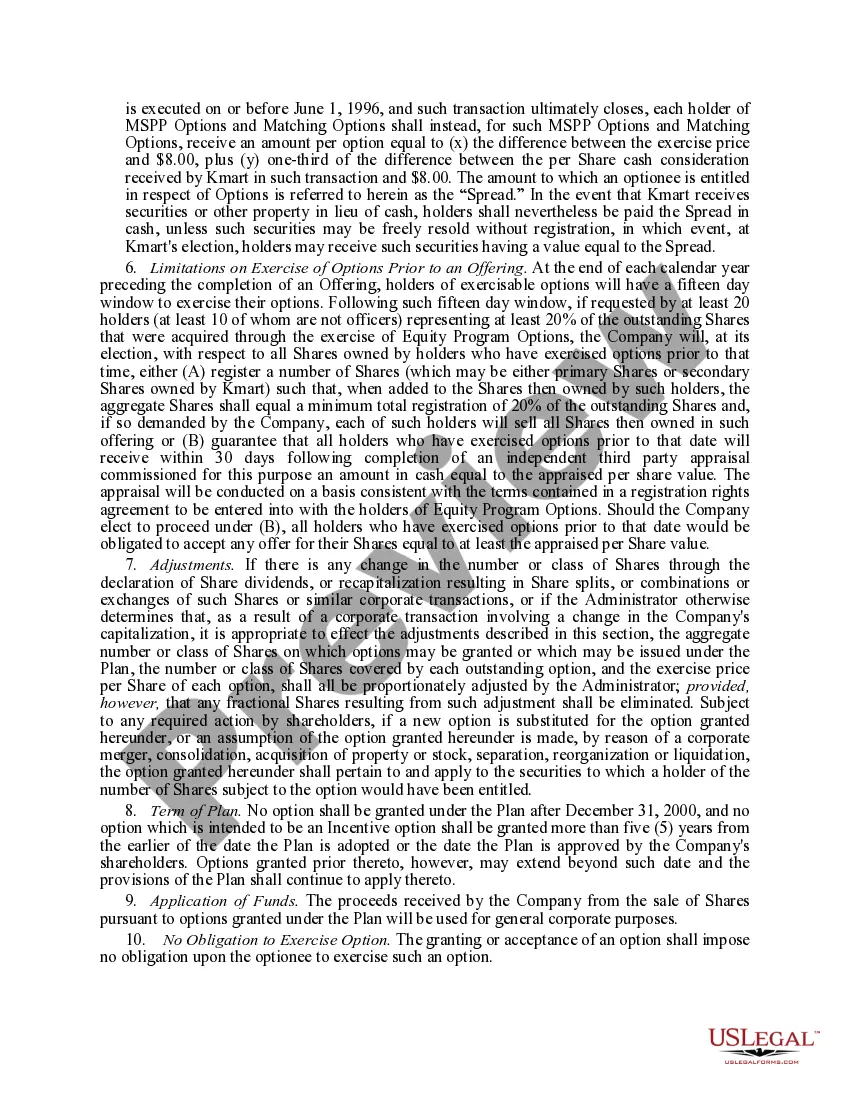
A vesting plan typically stipulates the timeline and conditions under which stock options become accessible to employees. An example is a plan that vests 20% of options each year over five years. This structured approach incentivizes employees to contribute to the company's long-term success, making stock option e vesting a valuable component of employee compensation.
A vesting condition might require an employee to remain with the company for a certain number of years before their stock options become accessible. For instance, an employee may need to work for three years to fully vest in their options. Knowing the vesting conditions is crucial in the context of stock option e vesting to maximize the benefits offered by your employer.
An example of vesting stock options occurs when an employee at a tech company receives options that vest quarterly over a four-year period. Each quarter, a portion of the options becomes available for the employee to exercise. Tracking these vesting milestones is essential for managing your investments effectively, especially in relation to stock option e vesting.
An example of a stock option vesting is when an employee is granted 1,000 stock options with a four-year vesting schedule. After the first year, 25% of the options, or 250 options, will vest. This pattern continues until the employee is fully vested at the end of year four. Familiarizing yourself with stock option e vesting can give you insights into your potential earnings.
The vesting formula for stock options determines how and when an employee can exercise their stock options. Typically, the formula includes a specific period, known as the vesting period, during which the employee must remain with the company. This period can range from a few months to several years. Understanding stock option e vesting can help you plan your financial future effectively.
Generally, you cannot buy unvested stock options as these options are not yet available to you. They typically become available to exercise only after meeting certain vesting requirements. Knowing the terms of your stock option e vesting can help you plan strategically to maximize your financial benefits.
When you leave your job, your vested Employee Stock Ownership Plan (ESOP) shares typically remain with you. The specifics can vary based on the plan, but you often retain ownership and rights to those shares. Being aware of your stock option e vesting policies can guide you in managing your investments effectively.
Vested Restricted Stock Units (RSUs) generally remain with you when you leave your company. Once vested, these shares belong to you, and you can sell them at your discretion. This is different from options, so understanding your stock option e vesting conditions can help clarify your rights.
If you quit your job, your vested stock options typically remain yours. However, you often have a limited time to exercise these options before they expire. Understanding your stock option e vesting terms helps you determine the best course of action after leaving a company.
Deciding whether to sell stock options upon vesting depends on your financial strategy and the market situation at that time. Selling immediately can provide liquidity, but holding onto them may yield a higher value later. Weigh your short-term needs against long-term investment goals to make the best choice. Resources from US Legal Forms can support your understanding of stock option e vesting to make confident decisions.