Indemnification Clause For Rental Property
Description
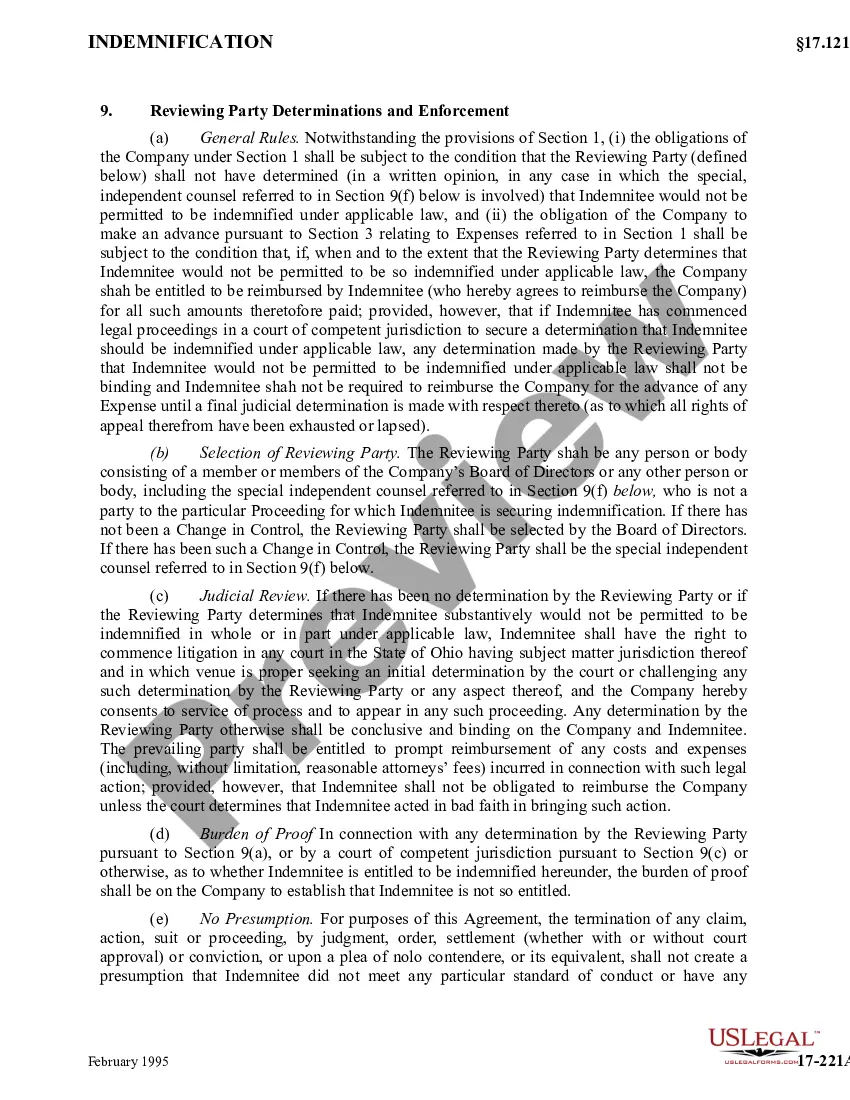
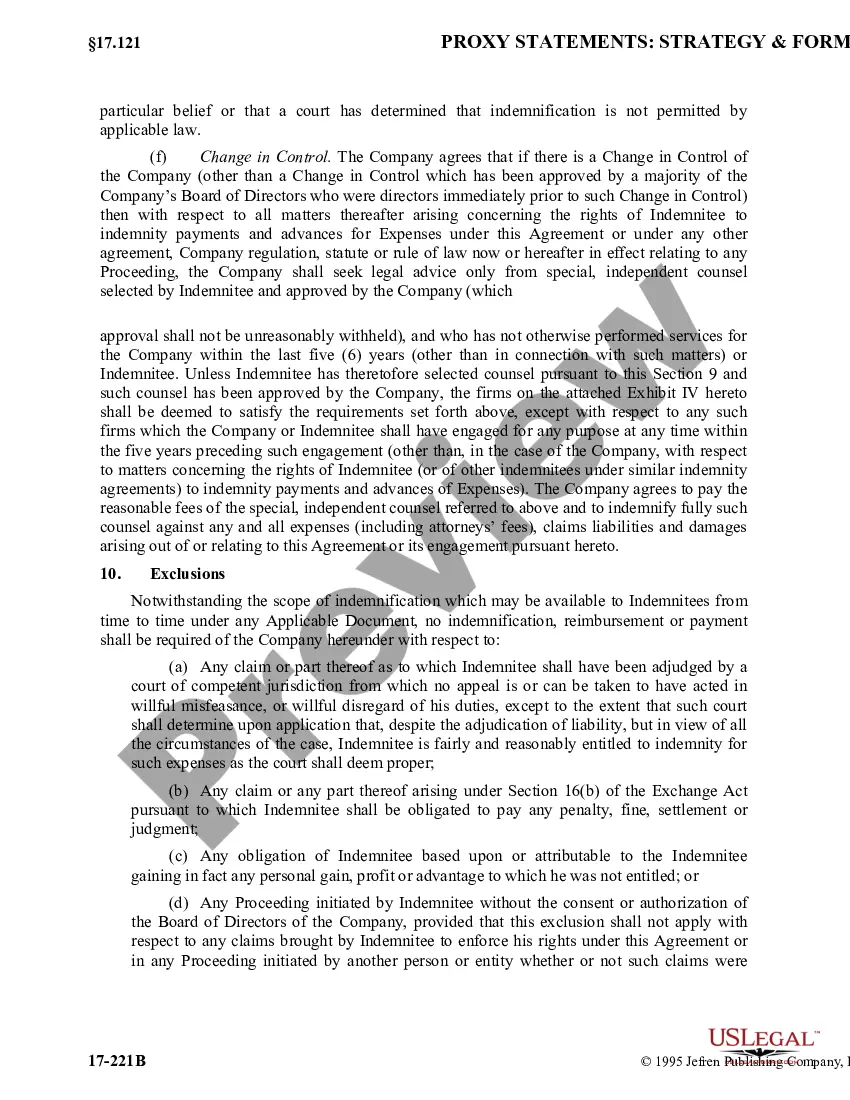

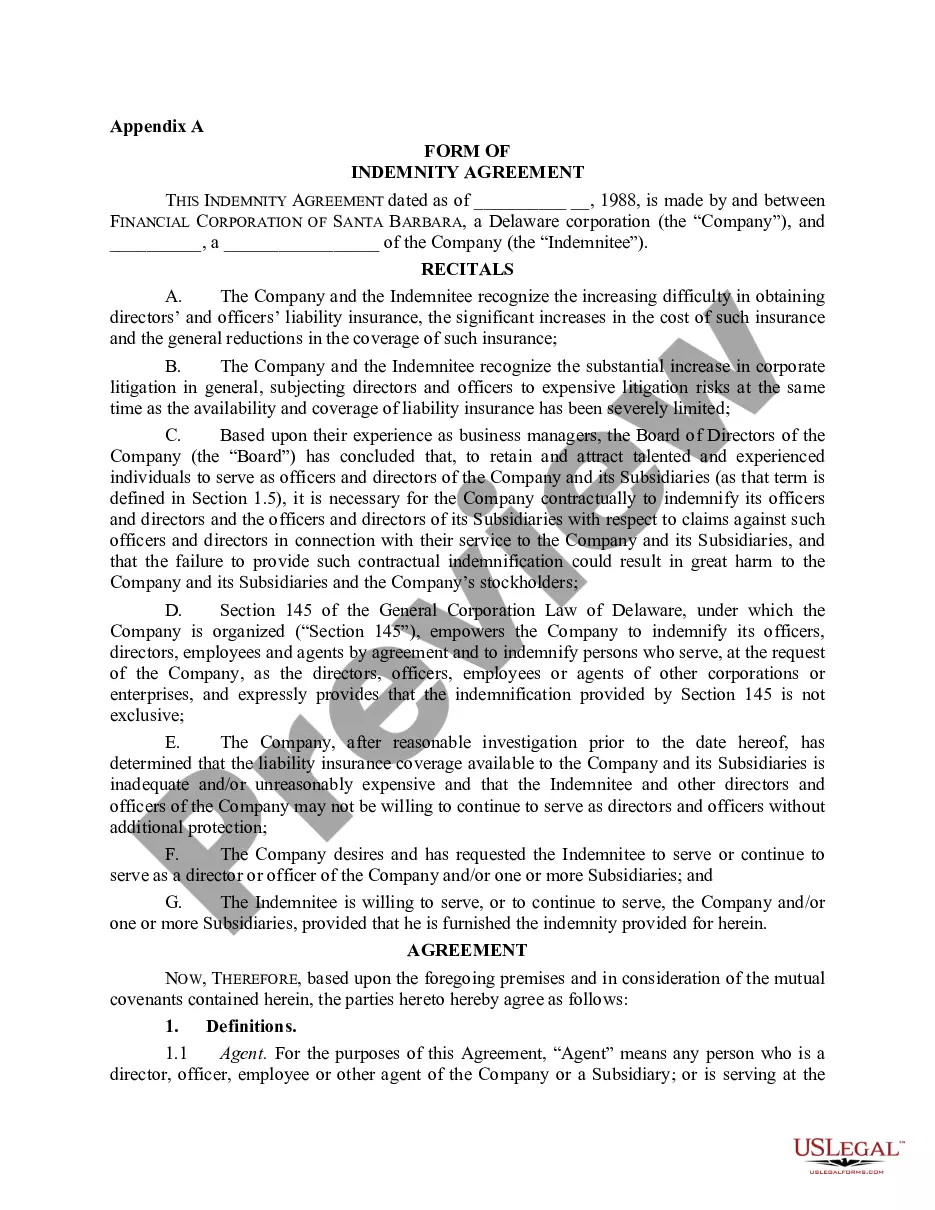
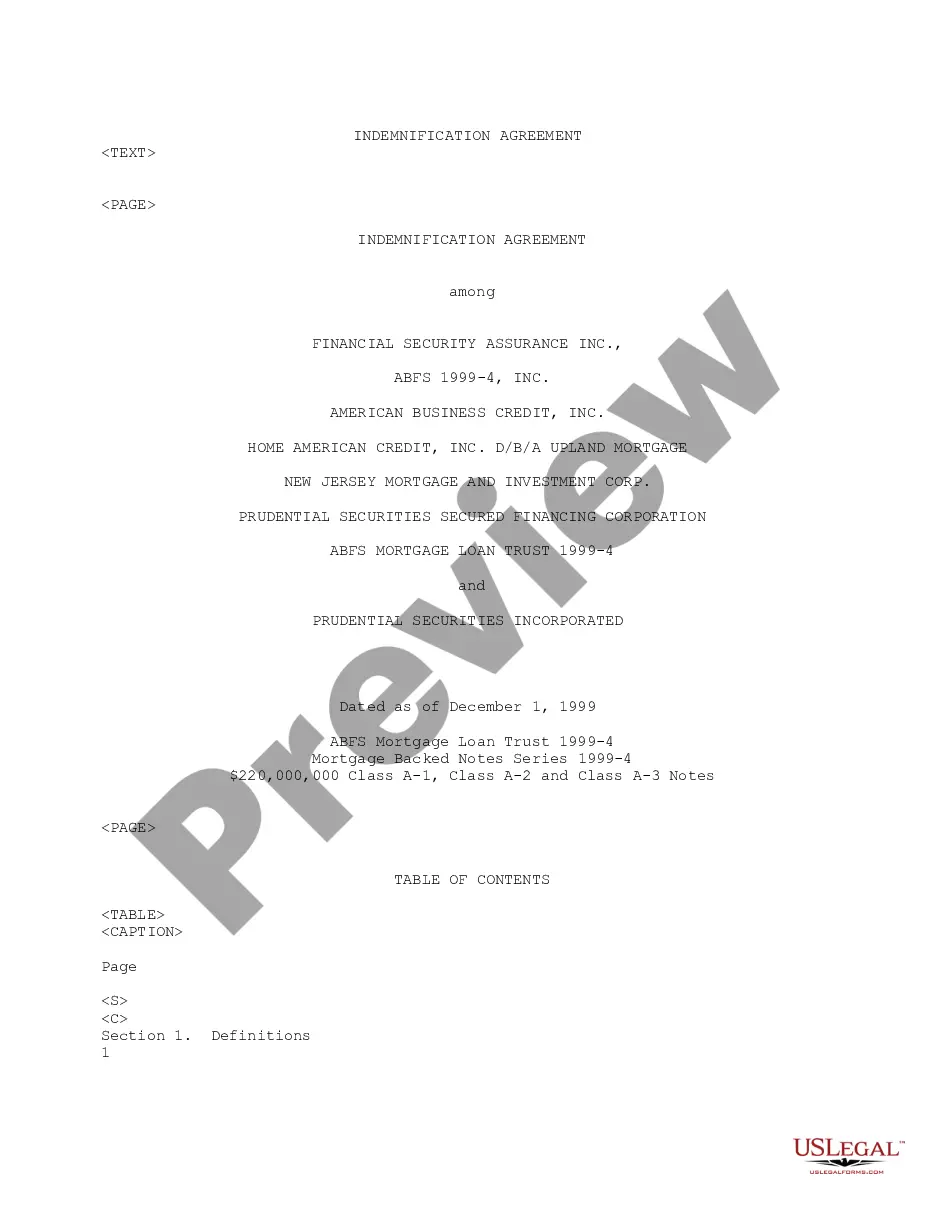
Get your form ready online
Our built-in tools help you complete, sign, share, and store your documents in one place.
Make edits, fill in missing information, and update formatting in US Legal Forms—just like you would in MS Word.
Download a copy, print it, send it by email, or mail it via USPS—whatever works best for your next step.
Sign and collect signatures with our SignNow integration. Send to multiple recipients, set reminders, and more. Go Premium to unlock E-Sign.
If this form requires notarization, complete it online through a secure video call—no need to meet a notary in person or wait for an appointment.
We protect your documents and personal data by following strict security and privacy standards.

Make edits, fill in missing information, and update formatting in US Legal Forms—just like you would in MS Word.

Download a copy, print it, send it by email, or mail it via USPS—whatever works best for your next step.

Sign and collect signatures with our SignNow integration. Send to multiple recipients, set reminders, and more. Go Premium to unlock E-Sign.

If this form requires notarization, complete it online through a secure video call—no need to meet a notary in person or wait for an appointment.

We protect your documents and personal data by following strict security and privacy standards.
Looking for another form?
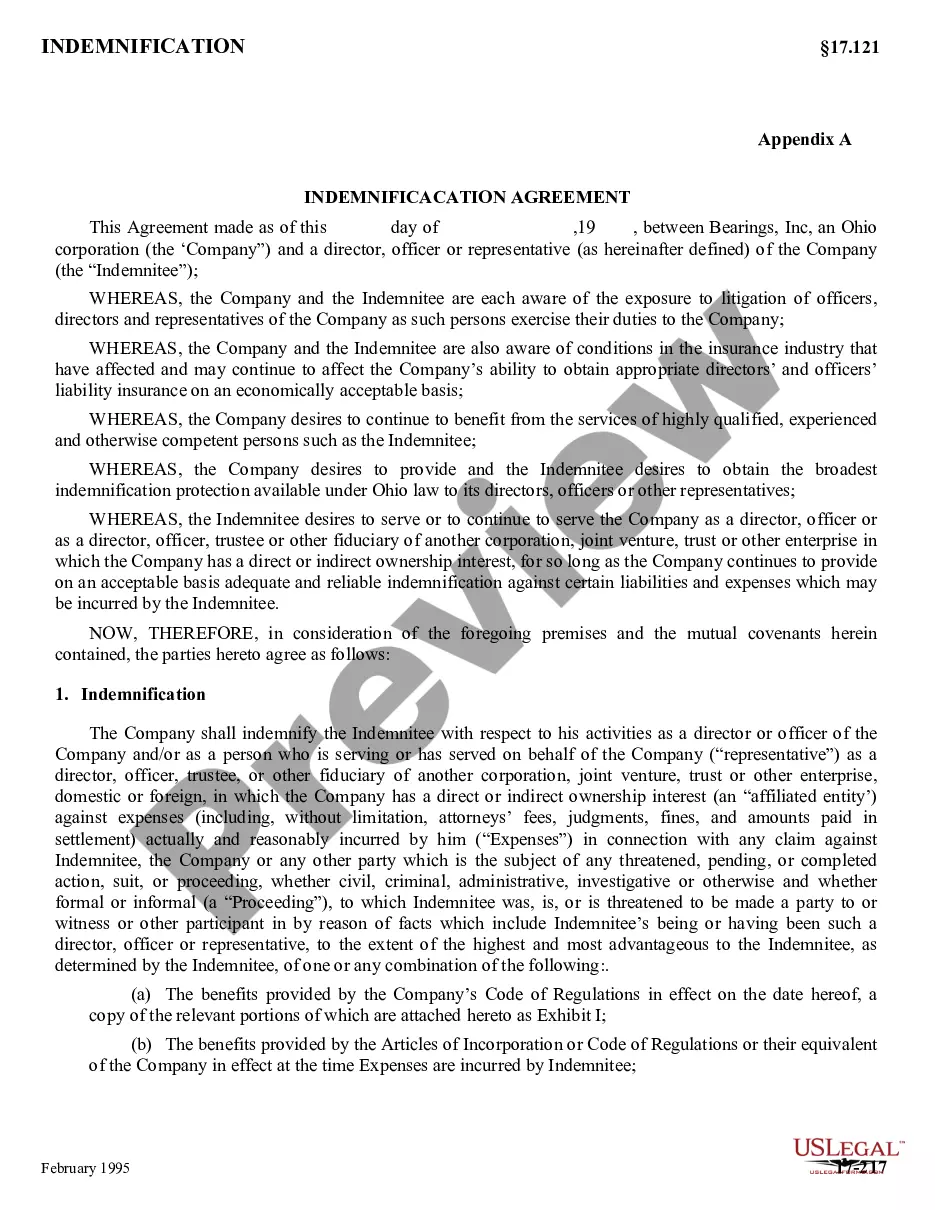
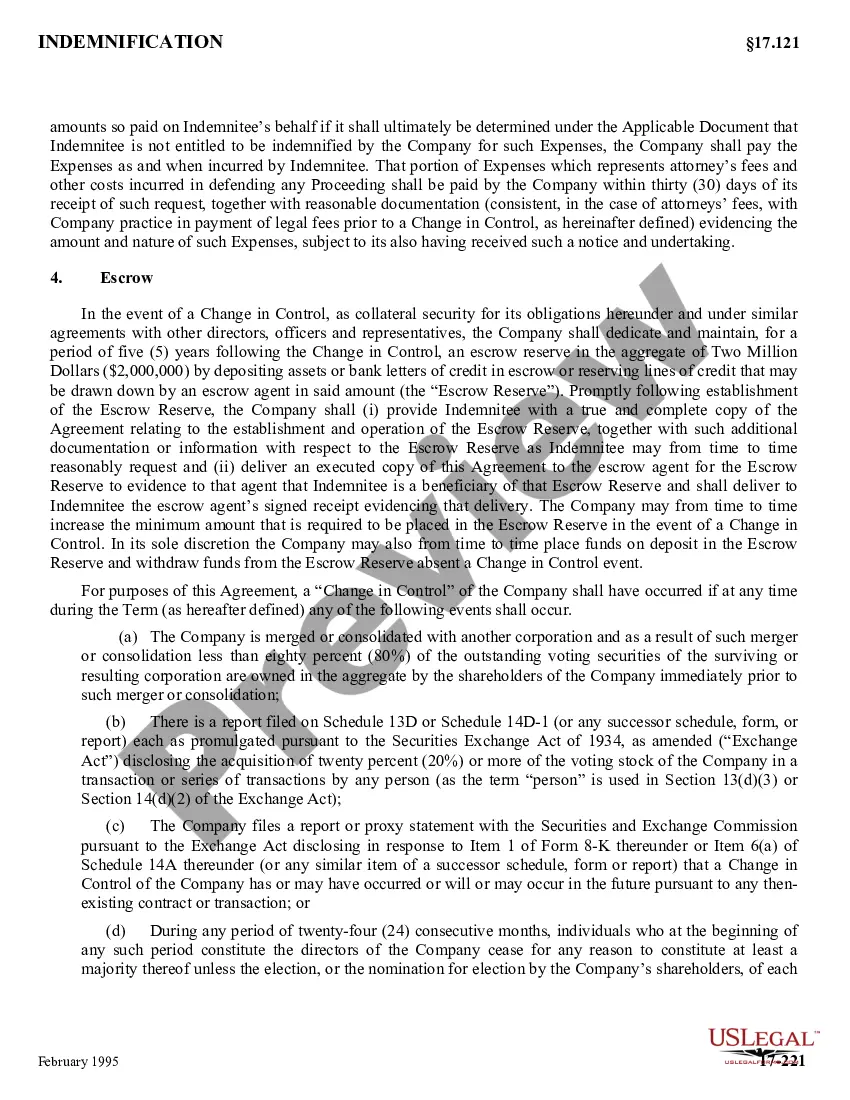
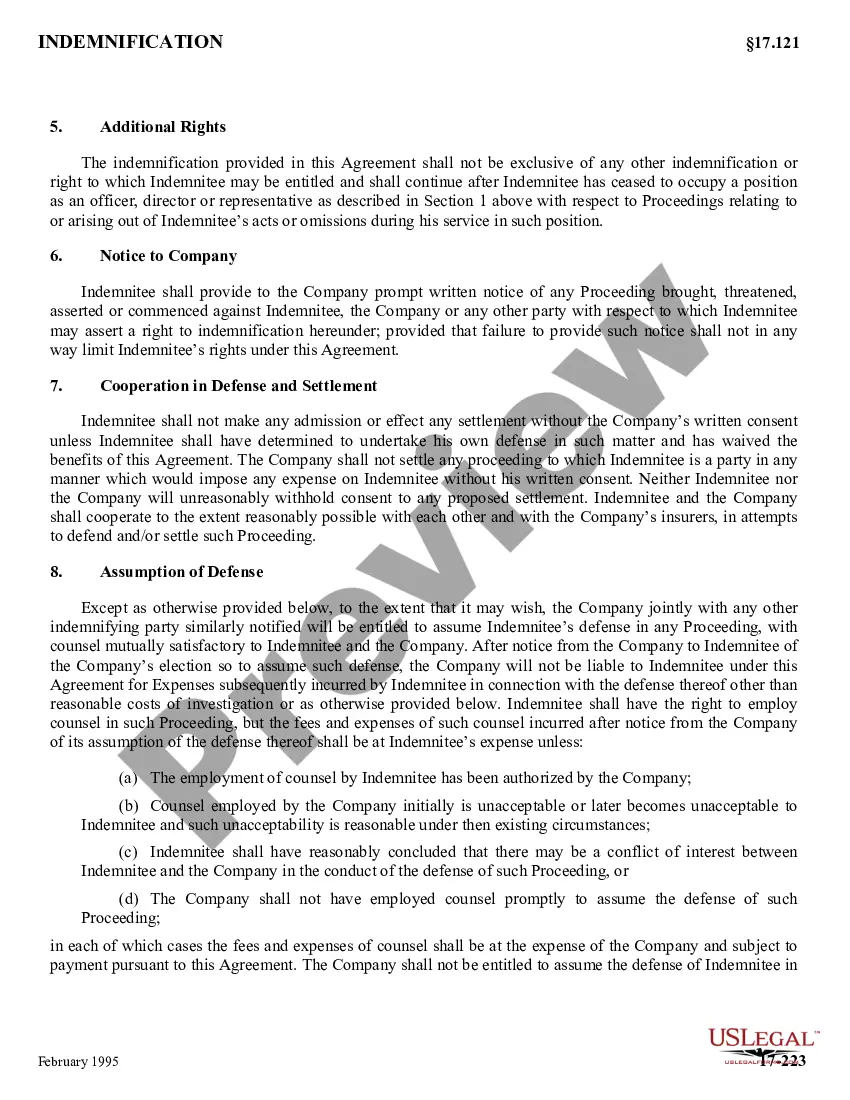
How to fill out Indemnification Agreement Establishing Escrow Reserve?
Finding a reliable source for the most up-to-date and pertinent legal templates is a significant part of navigating bureaucracy.
Identifying the correct legal document requirements demands precision and thoroughness, which is why it is essential to obtain samples of Indemnification Clause For Rental Property exclusively from trustworthy providers, such as US Legal Forms. A faulty template could squander your time and delay your current situation.
Eliminate the complications associated with your legal documentation. Explore the vast US Legal Forms library where you can locate legal templates, verify their suitability for your situation, and download them instantly.
- Utilize the library navigation or search feature to find your template.
- Examine the document’s details to ensure it aligns with your state and local requirements.
- View the form preview, if accessible, to confirm it is the template you desire.
- Return to the search to find the appropriate document if the Indemnification Clause For Rental Property does not satisfy your needs.
- If you are confident about the document’s suitability, download it.
- As a registered user, click Log in to verify your identity and gain access to your chosen templates in My documents.
- If you do not possess an account yet, click Buy now to acquire the template.
- Select the subscription plan that meets your requirements.
- Proceed with registration to finalize your order.
- Complete your purchase by selecting a payment method (credit card or PayPal).
- Choose the file format for downloading Indemnification Clause For Rental Property.
- Once the form is saved to your device, you can alter it using the editor or print and fill it out manually.
Form popularity
FAQ
Yes, an indemnification clause for rental property is often necessary for safeguarding both parties involved in a rental agreement. It outlines liabilities and offers protection against a number of potential risks. Utilizing resources like uslegalforms can help you create robust indemnity clauses that meet your specific needs, ensuring you have appropriate safeguards in place.
If there is no indemnification clause in your rental property agreement, you risk being held accountable for damages without recourse. This can lead to substantial legal complications and financial loss. Using a well-defined indemnification clause for rental property can help clarify responsibilities and protect you from potential disputes.
Without an indemnity clause for rental property, you may find yourself exposed to various liabilities. This can expose you to significant costs if a dispute arises or if damages occur. Landlords and tenants alike should ensure they have proper protections, such as an indemnity clause, to avoid unexpected financial burdens.
A non indemnity clause refers to an agreement that does not provide protection against loss or damage. In the context of an indemnification clause for rental property, it means the party could be held responsible for certain risks without a backup from the other party. Therefore, it is critical to understand the implications of such a clause to ensure there is adequate protection in place.
To fill out an indemnity agreement, first identify all parties involved and clearly outline the obligations each party has. Clearly list the risks and liabilities being addressed and ensure all terms are mutually agreeable. When in doubt, consulting resources like US Legal Forms can provide clarity and ensure your agreement is comprehensive and legally sound.
To write an indemnification clause, start by clearly defining the parties involved—typically the landlord and tenant. Specify the scope of indemnification, including which liabilities or damages are covered, and detail any exclusions. You can also refer to templates available on platforms like US Legal Forms for guidance, ensuring your clause meets legal standards.
A reasonable indemnity clause in an indemnification clause for rental property should be fair and proportional to the risks involved. It should clearly specify the types of liabilities covered and the extent of the tenant's responsibility, while avoiding overly broad or vague language that could create disputes.
An example of indemnification of a landlord clause could state that the tenant will indemnify the landlord against any claims arising from accidents that occur on the property due to the tenant's negligence. This means that if someone gets injured because of the tenant's actions, the tenant would be responsible for any costs or legal fees the landlord incurs as a result.
The indemnification of a landlord clause is a provision that protects landlords from financial losses due to tenant actions. This clause often ensures that if a tenant causes damage or legal trouble, the tenant will cover the costs associated with that situation, thereby shielding the landlord from liability.
An indemnification clause for rental property typically outlines that the tenant agrees to protect the landlord against certain liabilities. For example, if a tenant accidentally damages another tenant's property, the indemnification clause may require the tenant to cover legal fees or any costs incurred by the landlord in resolving such disputes.