Job Satisfaction Survey For Teachers
Description
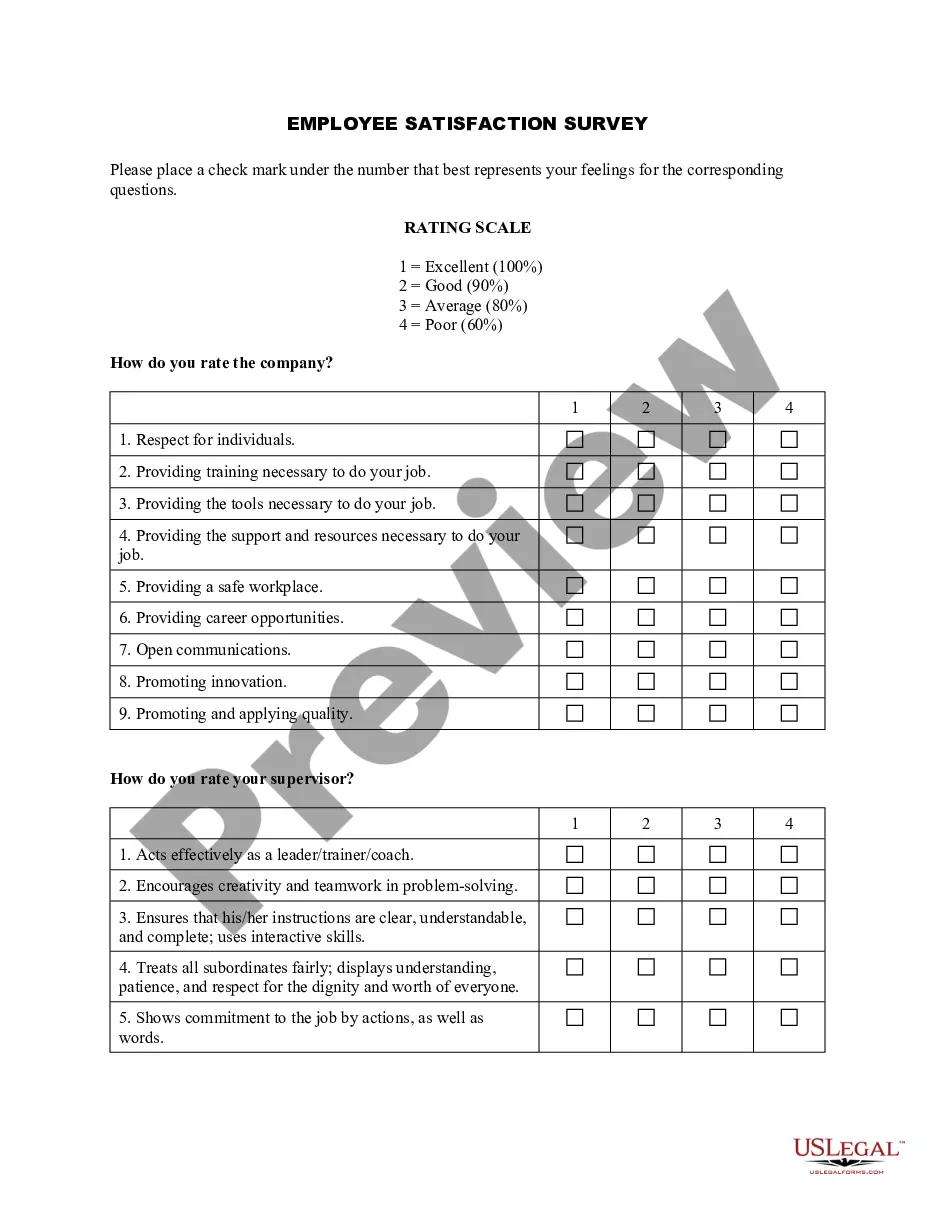
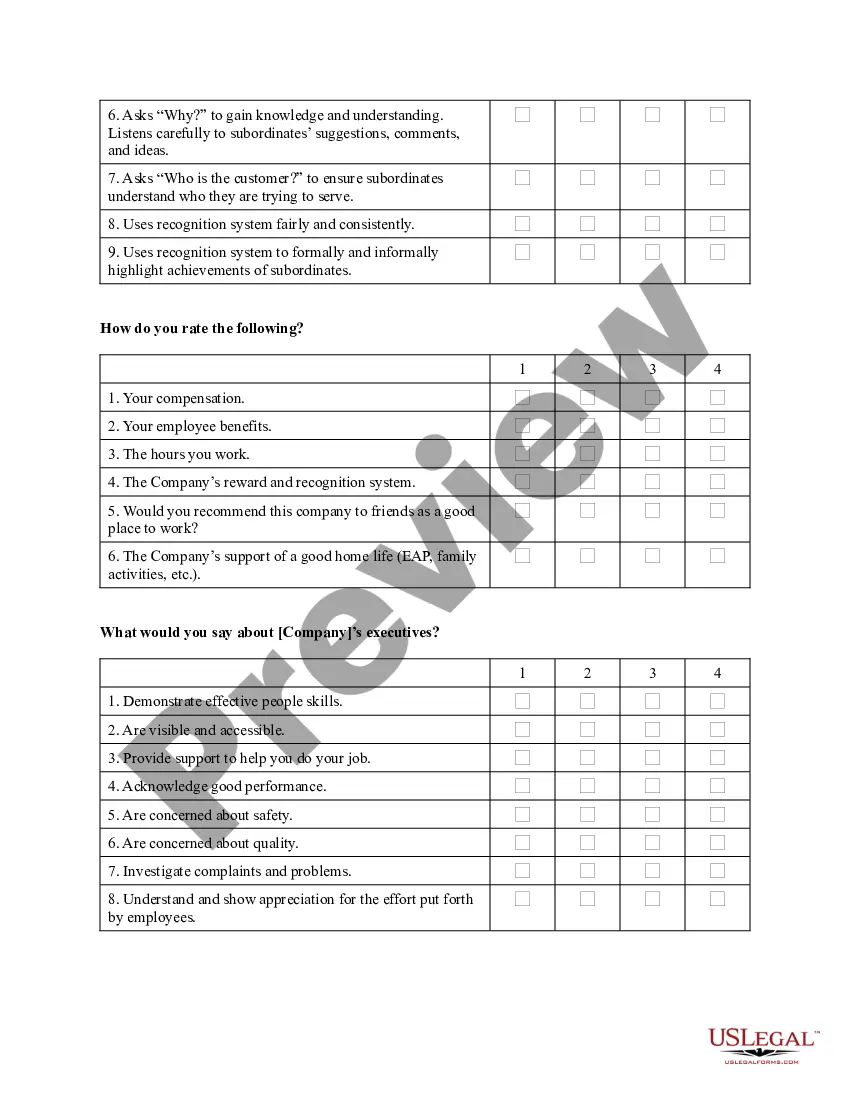
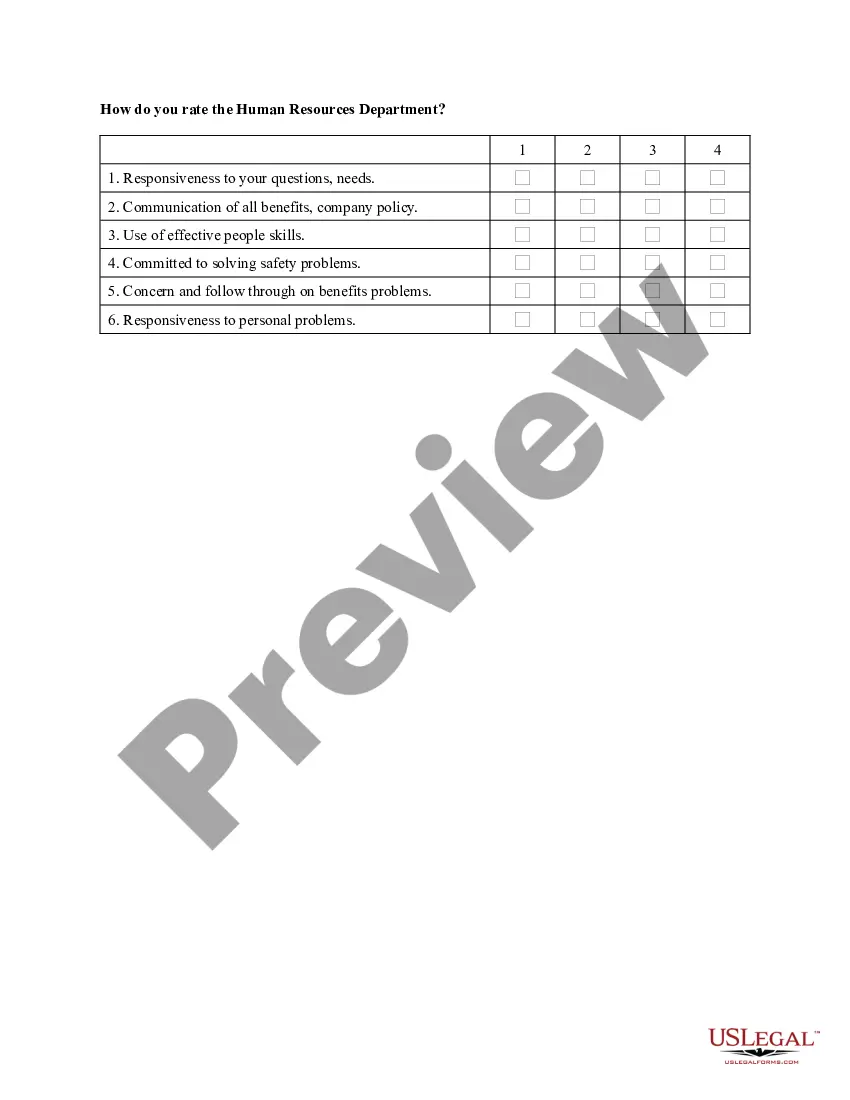
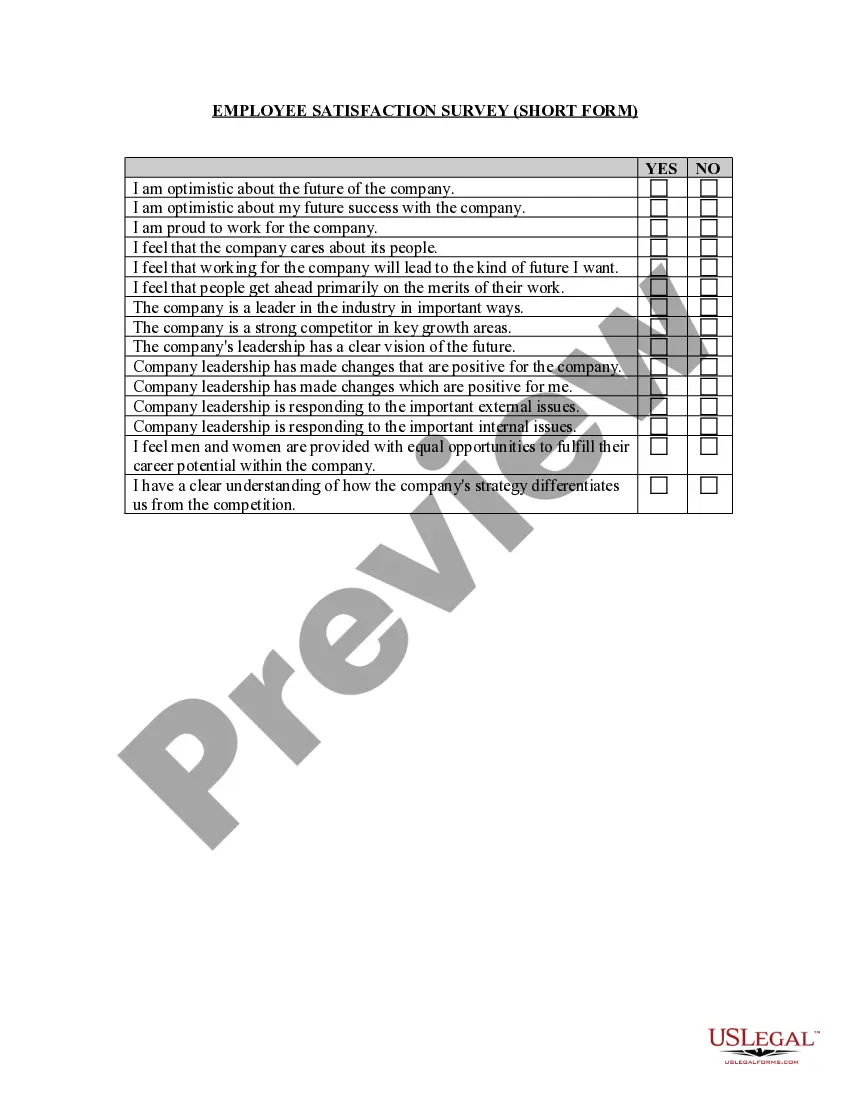
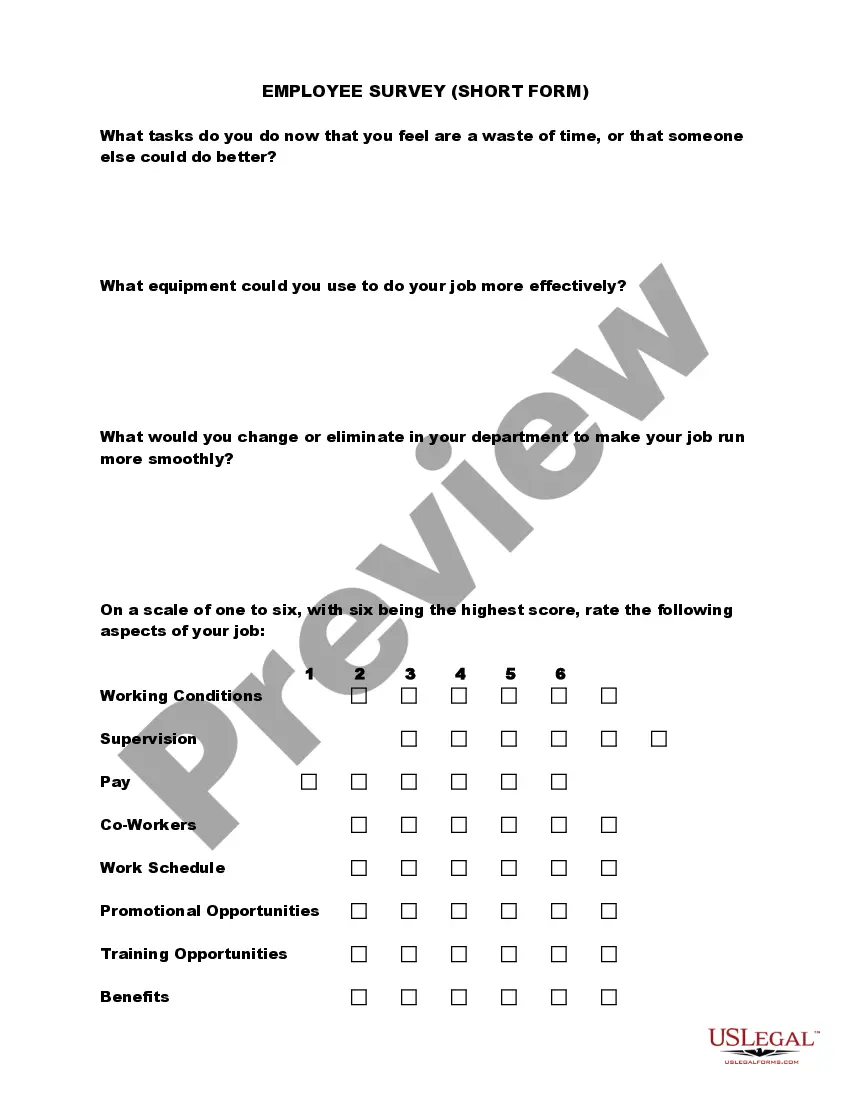
How to fill out Employee Satisfaction Survey - Long Form?
The Teacher Job Satisfaction Questionnaire you find on this website is a re-usable legal template crafted by expert attorneys following federal and state regulations.
For over 25 years, US Legal Forms has offered individuals, businesses, and legal experts access to more than 85,000 validated, state-specific documents for any professional and personal needs.
Select the format you prefer for your Teacher Job Satisfaction Questionnaire (PDF, Word, RTF) and download the document to your device.
- Search for the document you require and examine it.
- Browse the sample you found and preview it or review the form description to confirm it meets your requirements. If it doesn’t, use the search bar to find the correct document. Click Buy Now when you have discovered the template you want.
- Register and Log In to your account.
- Select the pricing option that best fits you and create an account. Use PayPal or a credit card for swift payment. If you already possess an account, Log In and review your subscription to proceed.
- Acquire the editable template.
Form popularity
FAQ
Five good survey questions that can enhance your job satisfaction survey for teachers include: 'How do you feel about the support you receive from your administration?', 'What professional development topics interest you most?', 'Do you feel your workload is manageable?', 'How satisfied are you with classroom resources?', and 'How often do you collaborate with colleagues?'. These questions touch on diverse aspects of teaching and help pinpoint areas of improvement.
Inquiry questions for teachers should encourage reflection on their experiences and perspectives. For example, ask them to describe the challenges they face in the classroom or identify areas where they seek additional support. Such inquiries can enrich your job satisfaction survey for teachers and reveal significant insights into their needs.
Good survey questions for teachers include inquiries about their workload, the level of support they receive, and their professional goals. You might also ask about their opinion on curriculum development and student performance. These questions deliver a clear picture of factors influencing job satisfaction and help shape effective solutions.
The teacher job satisfaction theory posits that educators' contentment stems from several factors, including autonomy, workload, and recognition. This theory suggests that when teachers feel valued and supported, their overall job satisfaction increases. Conducting a job satisfaction survey for teachers can provide valuable insights into these factors.
Positive feedback for teachers can include specific comments that recognize their dedication and effectiveness. For instance, saying, 'Your ability to engage students has created a lively classroom environment' highlights their skill set. Incorporating feedback from a job satisfaction survey for teachers can help educators feel appreciated and motivated to continue their efforts.
When conducting a job satisfaction survey for teachers, consider asking about their workspace, access to resources, and support from administration. You might also inquire about their feelings towards student engagement, professional development opportunities, and collaboration with peers. These questions can help you understand the key areas influencing their job satisfaction.
A job satisfaction survey for teachers can benefit from questions like: 'Do you feel valued at work?', 'How would you rate communication within your team?', 'What aspects of your job do you find most satisfying?', 'Do you have the resources needed to perform your job effectively?', and 'What improvements would you suggest to enhance job satisfaction?'. These questions provide insights into the teachers' experiences and areas for potential growth.
Creating a job satisfaction survey for teachers involves a few key steps. Start by identifying the specific areas you wish to assess, like job security, recognition, and communication efficiency. Utilize platforms like US Legal Forms to easily create and distribute your survey. Ensure that your questions are clear and easy to understand, allowing for meaningful feedback from respondents.
Effective job satisfaction survey questions for teachers often explore topics such as job role clarity, responsibilities, and resources available for teaching. Ask about their level of support from colleagues and administration. Incorporating questions about professional growth opportunities is also vital. By including a mix of quantitative and qualitative questions, you can gain a comprehensive view of overall satisfaction.
To conduct a job satisfaction survey for teachers, start by defining your objectives. Create a set of well-structured questions that cover various aspects of job satisfaction, such as workload, support from management, and professional development opportunities. Distribute the surveys through convenient platforms, like online tools, for ease of access. Analyze the results to gain valuable insights that can help improve the work environment for teachers.