Sexual Harassment With
Description
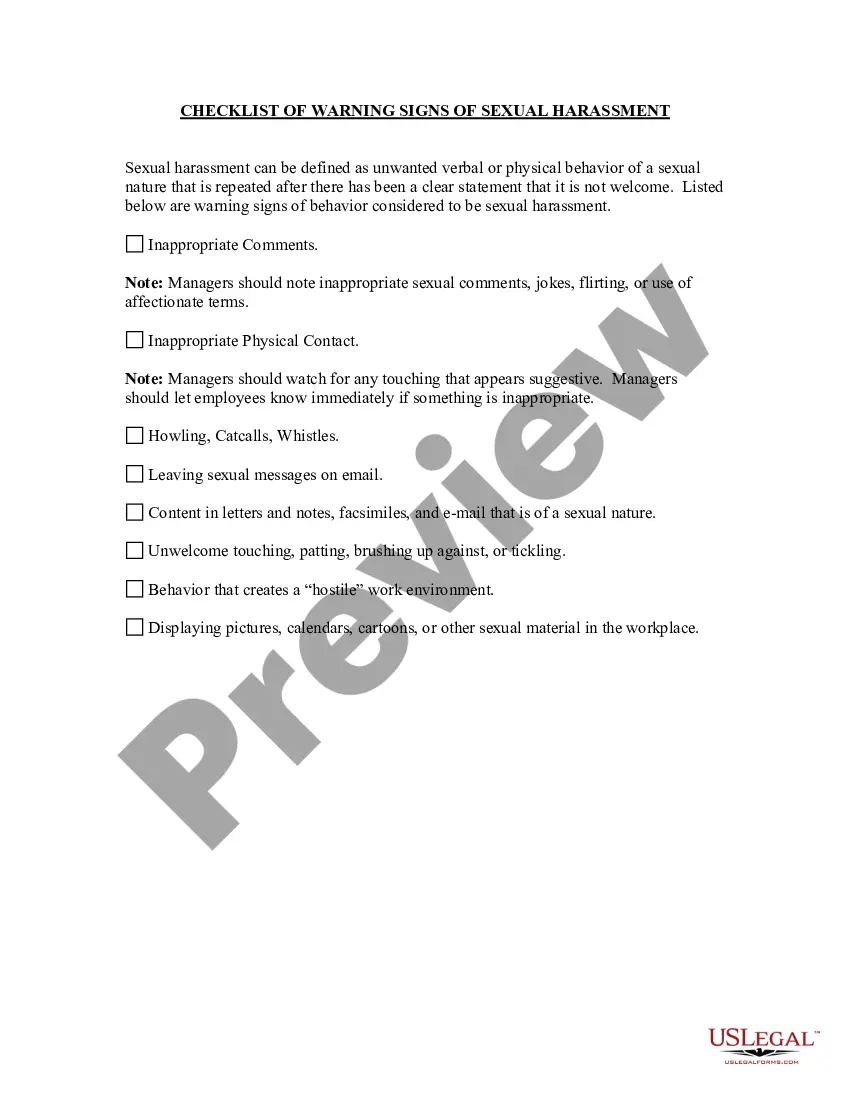
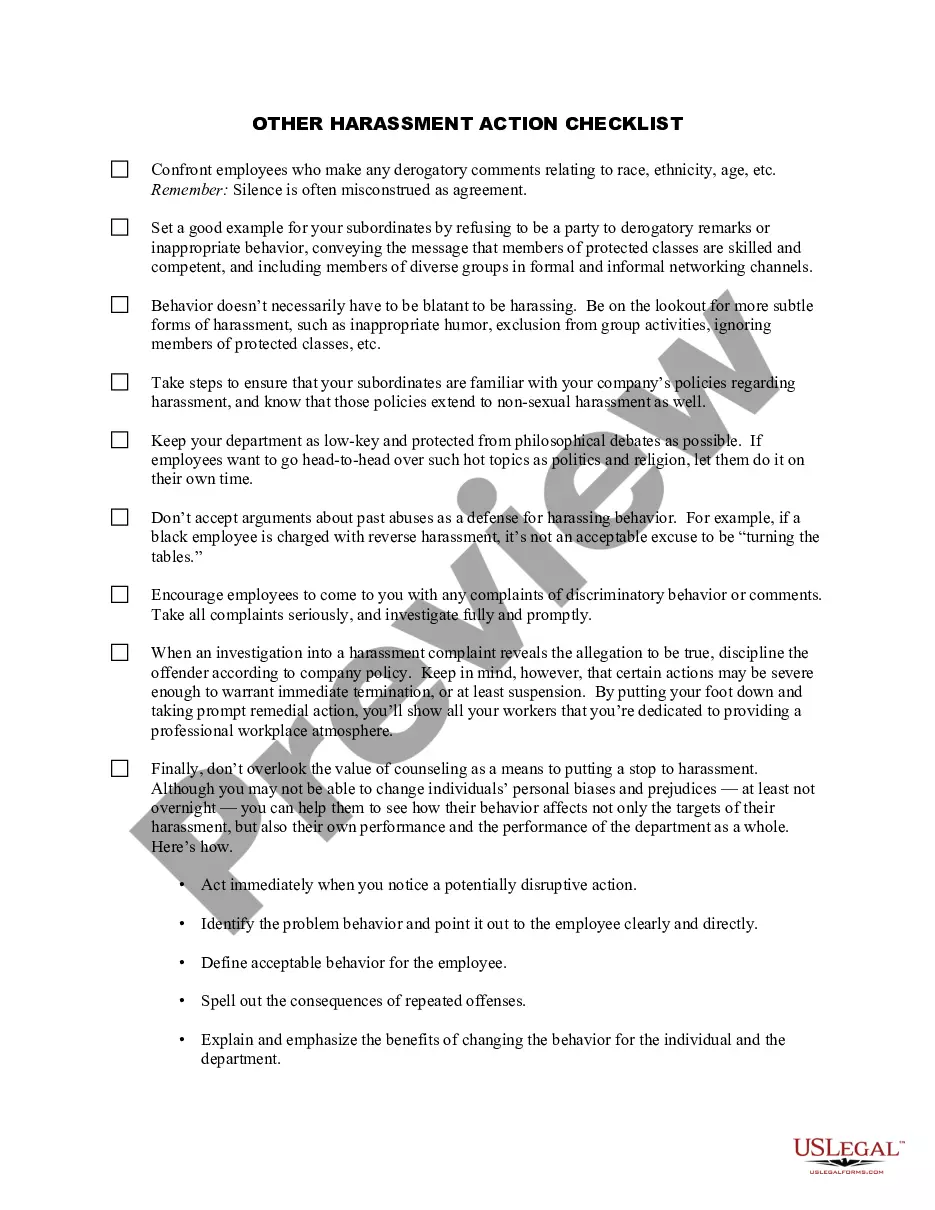
Get your form ready online
Our built-in tools help you complete, sign, share, and store your documents in one place.
Make edits, fill in missing information, and update formatting in US Legal Forms—just like you would in MS Word.
Download a copy, print it, send it by email, or mail it via USPS—whatever works best for your next step.
Sign and collect signatures with our SignNow integration. Send to multiple recipients, set reminders, and more. Go Premium to unlock E-Sign.
If this form requires notarization, complete it online through a secure video call—no need to meet a notary in person or wait for an appointment.
We protect your documents and personal data by following strict security and privacy standards.

Make edits, fill in missing information, and update formatting in US Legal Forms—just like you would in MS Word.

Download a copy, print it, send it by email, or mail it via USPS—whatever works best for your next step.

Sign and collect signatures with our SignNow integration. Send to multiple recipients, set reminders, and more. Go Premium to unlock E-Sign.

If this form requires notarization, complete it online through a secure video call—no need to meet a notary in person or wait for an appointment.

We protect your documents and personal data by following strict security and privacy standards.
Looking for another form?




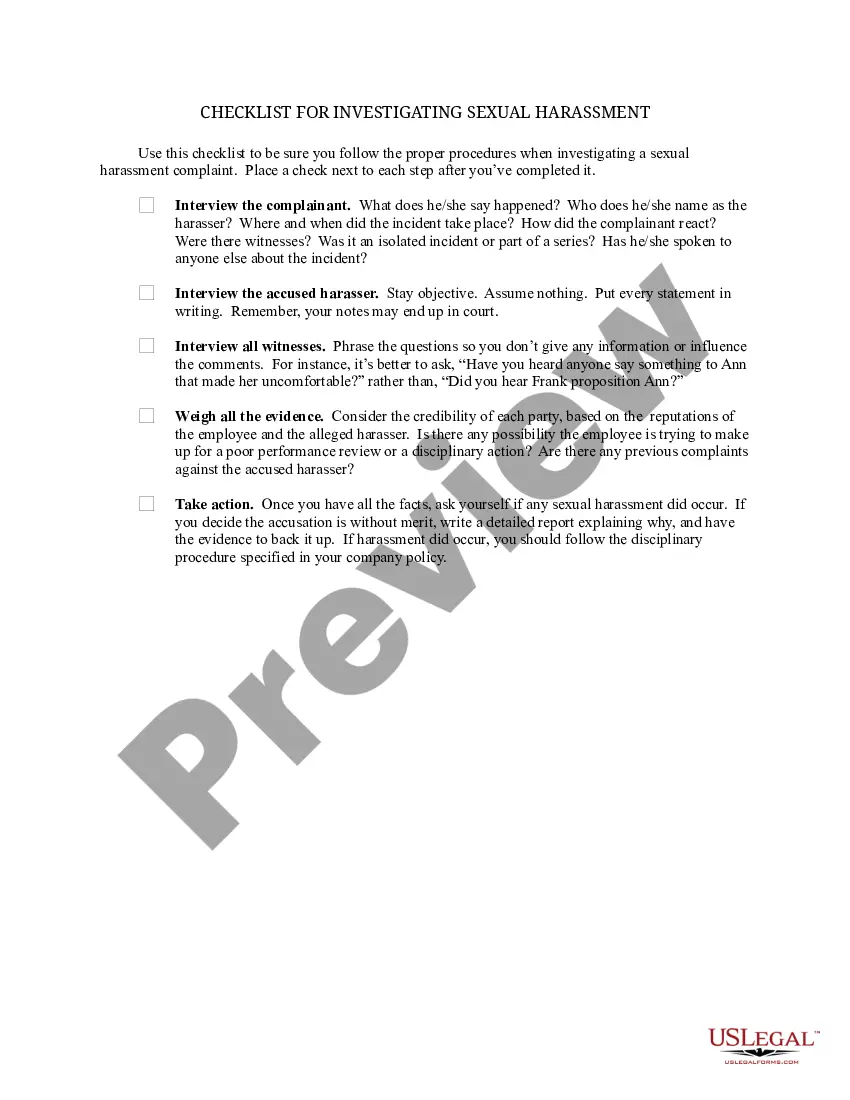
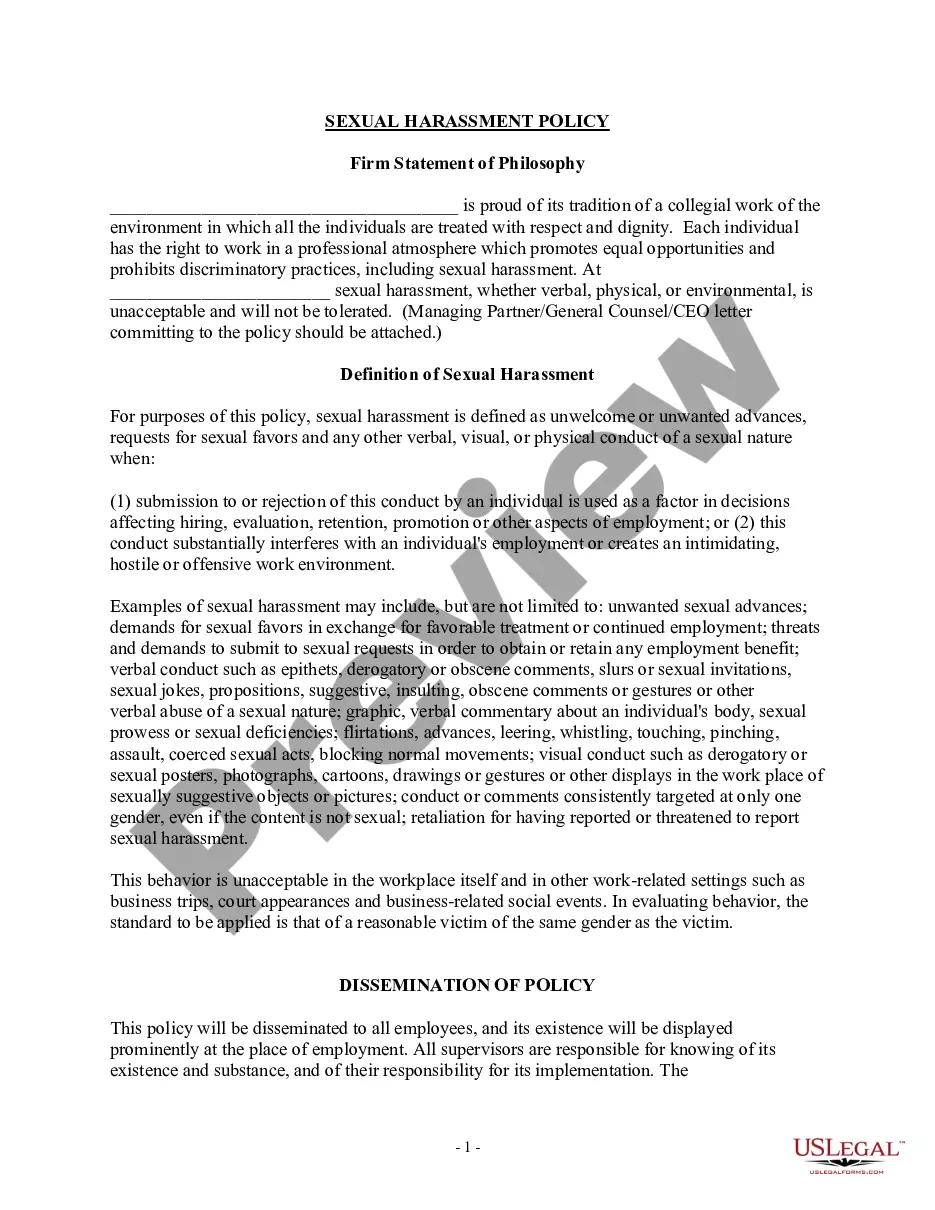
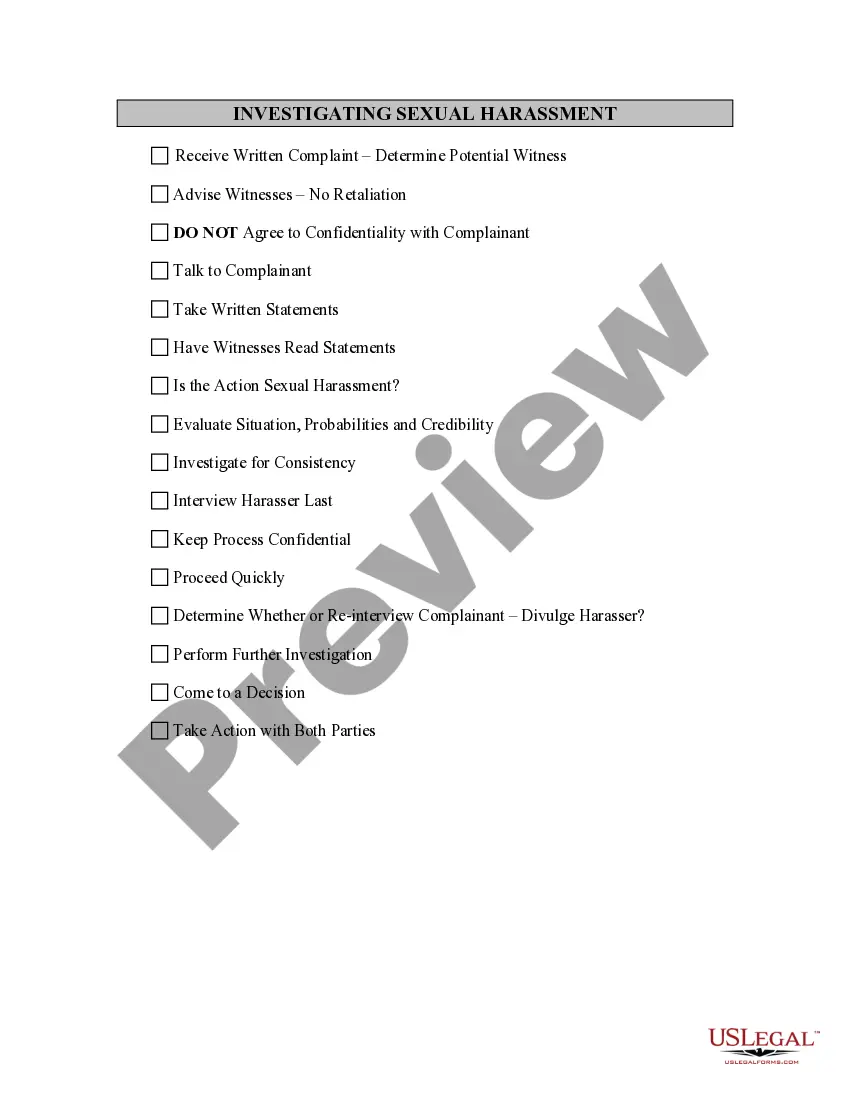
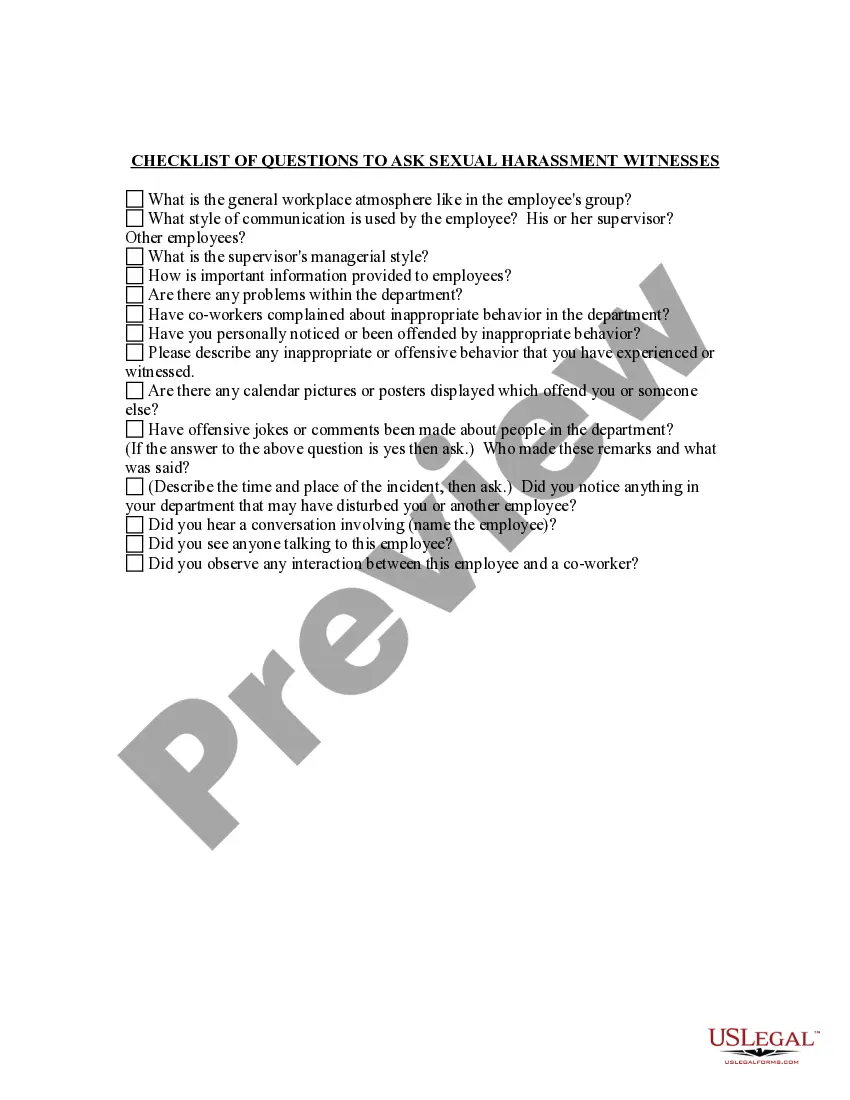
How to fill out Checklist For Investigation Sexual Harassment - Workplace?
- If you are a returning user, log in to your account to download the required form. Ensure your subscription is active; renew if necessary.
- If you're a new user, start by browsing the Preview mode and reading the description of forms related to sexual harassment. Confirm that the form meets your specific legal requirements.
- Search for alternative templates if the first option does not suit your needs. Utilize the Search tab for better options.
- Proceed to purchase the selected document by clicking the Buy Now button and choosing a subscription plan that works for you. Create an account for full access to all resources.
- Complete the payment using your credit card or PayPal, then download the form to your device. You can access it later in the My Forms section.
With US Legal Forms, you can confidently navigate your legal document needs, especially concerning sensitive issues like sexual harassment. Their service empowers both individuals and legal professionals by providing a vast array of forms and expert assistance.
Don’t wait any longer—start your journey with US Legal Forms today and ensure your legal documents are precise and compliant.
Form popularity
FAQ
Starting a harassment statement focused on sexual harassment with begins with a clear introduction of the incident. You might want to specify who was involved, when it happened, and the context. Establishing this groundwork helps frame the situation for your reader. Be factual and straightforward to maintain clarity and professionalism.
Writing a formal complaint about sexual harassment with requires attention to detail and structure. Start by including your contact information, and clearly state the purpose of the complaint. Document each incident with dates, times, and witnesses if possible. Conclude by stating what steps you expect to be taken to resolve the issue.
To write a harassment statement regarding sexual harassment with, start by detailing the time, place, and nature of the incidents. Use specific examples and avoid vague language to paint a clear picture. It’s essential to express how this behavior has affected your experience in a professional and straightforward manner. Consider using the resources at uslegalforms to guide your writing process.
When writing about sexual harassment with, it’s important to be clear and direct. Begin by outlining the specific incidents you wish to address, describing them factually without embellishment. Ensure that your language is respectful and professional, focusing on the impact of the behavior on you or others. This approach promotes understanding and encourages effective communication.
Sexual harassment with can include various statements that create a hostile work environment. For instance, comments about someone's appearance or unsolicited sexual advances fall into this category. Other examples might include inappropriate jokes or suggestive remarks during professional settings. Understanding these examples can help you identify and address any misconduct.
The consequences of harassing someone with persistent, unwelcome behavior can be severe. Victims may take legal action, which can result in fines or other judicial penalties for the harasser. Moreover, harassment can lead to strained relationships and significant reputational damage. It's crucial to address any patterns of harassment promptly to prevent further harm.
When addressing someone who is sexually harassing you, it’s vital to express your discomfort clearly and firmly. You can say something like, "I find your comments inappropriate and want them to stop." Keeping a record of these conversations may help if you later decide to report the incident. Additionally, seeking support from platforms like US Legal Forms can guide you on the next steps to take.
Consequences of sexual harassment with repercussions can vary widely. Victims may choose to file civil lawsuits, which can result in financial penalties for the offender. Employers often take such allegations seriously, leading to disciplinary actions, job termination, or mandatory training. It’s essential to understand that sexual harassment can have lasting effects not just on the victim, but also on the harasser.
Sexual harassment with intent can lead to serious legal consequences, including possible jail time. While civil cases are more common, criminal charges can arise in severe situations. If the harassment escalates to threats of violence or physical harm, law enforcement can intervene, and prosecution may occur. It's important to document incidents of sexual harassment with detailed records to support your case.