Disciplinary Action For Police Misconduct
Description
Get your form ready online
Our built-in tools help you complete, sign, share, and store your documents in one place.
Make edits, fill in missing information, and update formatting in US Legal Forms—just like you would in MS Word.
Download a copy, print it, send it by email, or mail it via USPS—whatever works best for your next step.
Sign and collect signatures with our SignNow integration. Send to multiple recipients, set reminders, and more. Go Premium to unlock E-Sign.
If this form requires notarization, complete it online through a secure video call—no need to meet a notary in person or wait for an appointment.
We protect your documents and personal data by following strict security and privacy standards.

Make edits, fill in missing information, and update formatting in US Legal Forms—just like you would in MS Word.

Download a copy, print it, send it by email, or mail it via USPS—whatever works best for your next step.

Sign and collect signatures with our SignNow integration. Send to multiple recipients, set reminders, and more. Go Premium to unlock E-Sign.

If this form requires notarization, complete it online through a secure video call—no need to meet a notary in person or wait for an appointment.

We protect your documents and personal data by following strict security and privacy standards.
Looking for another form?
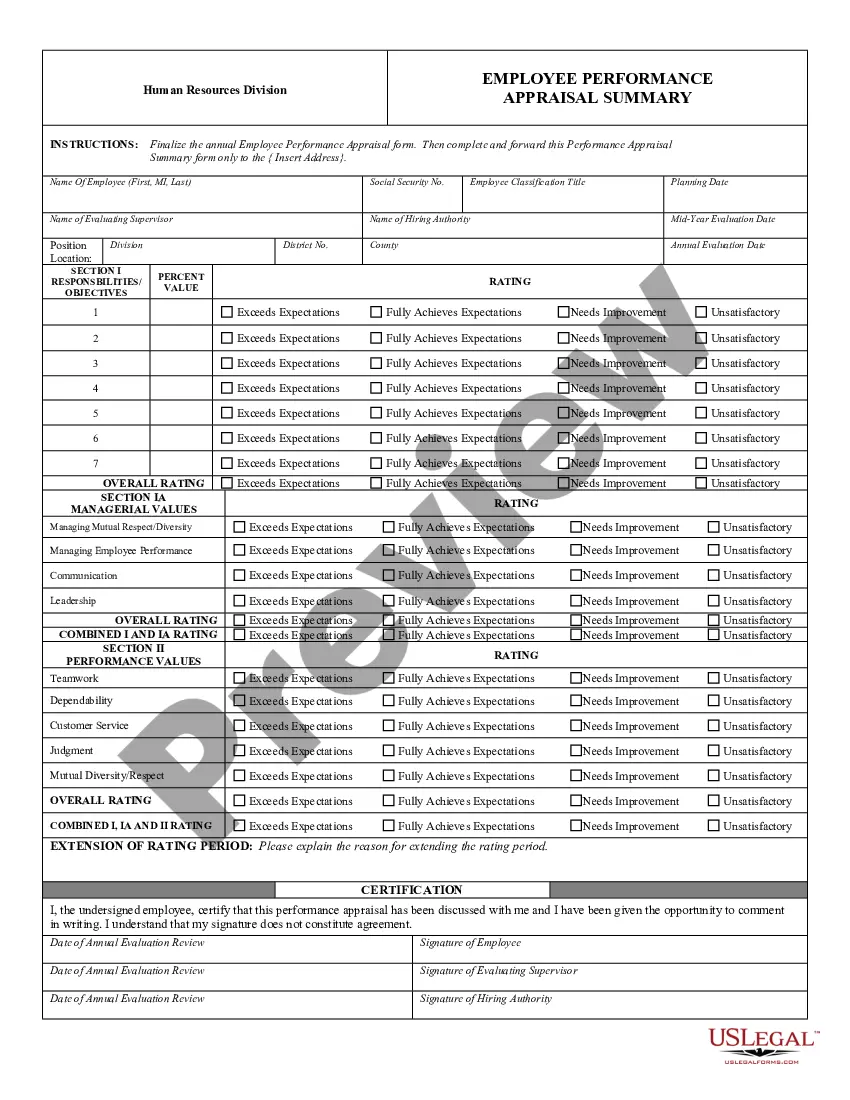
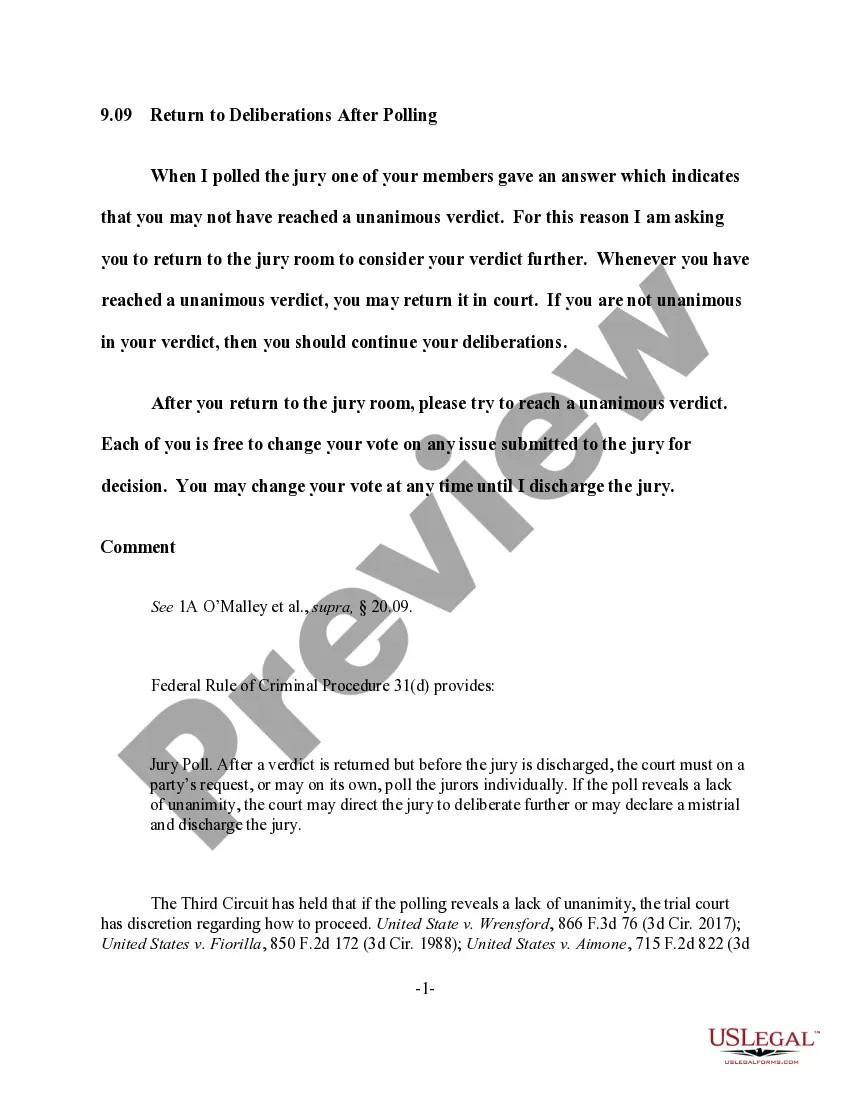
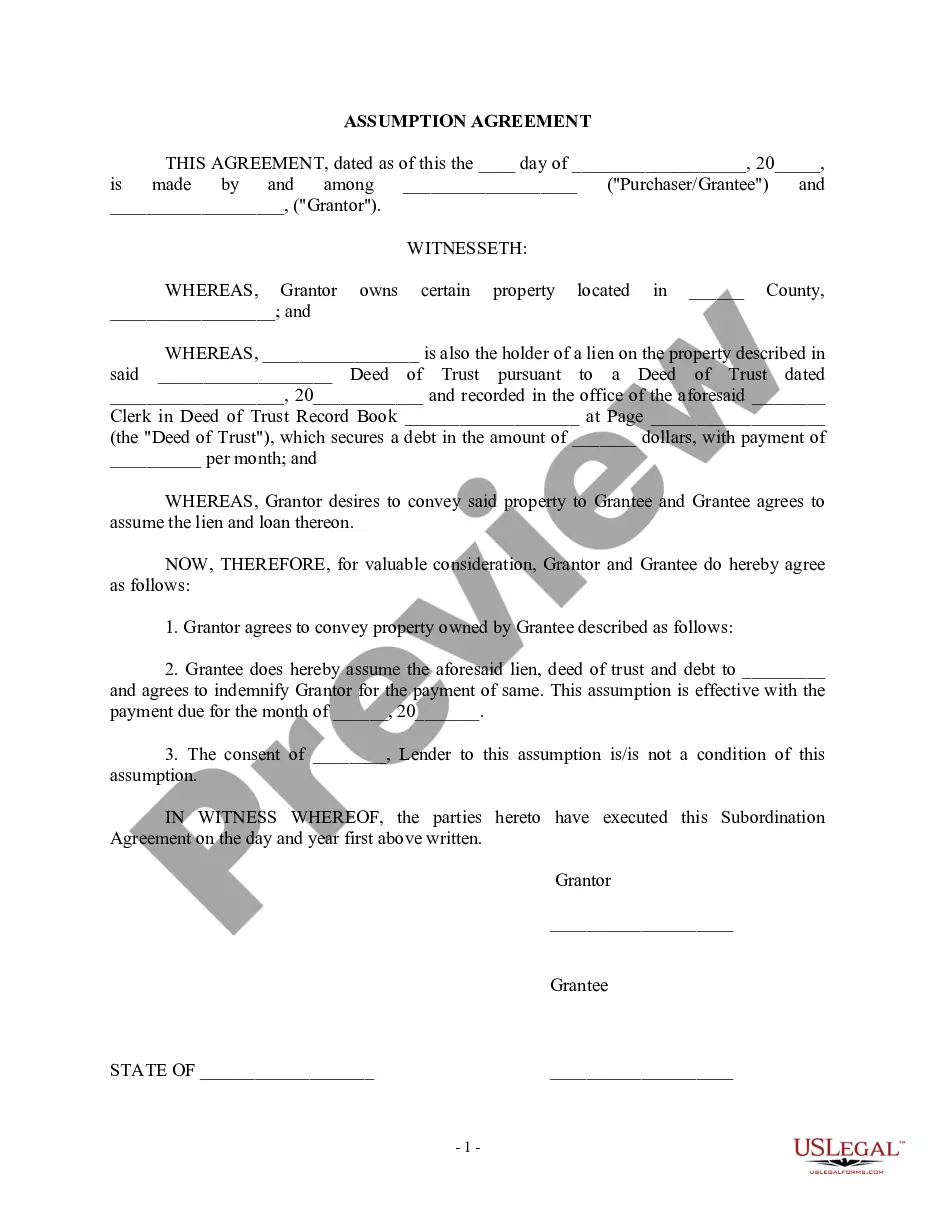
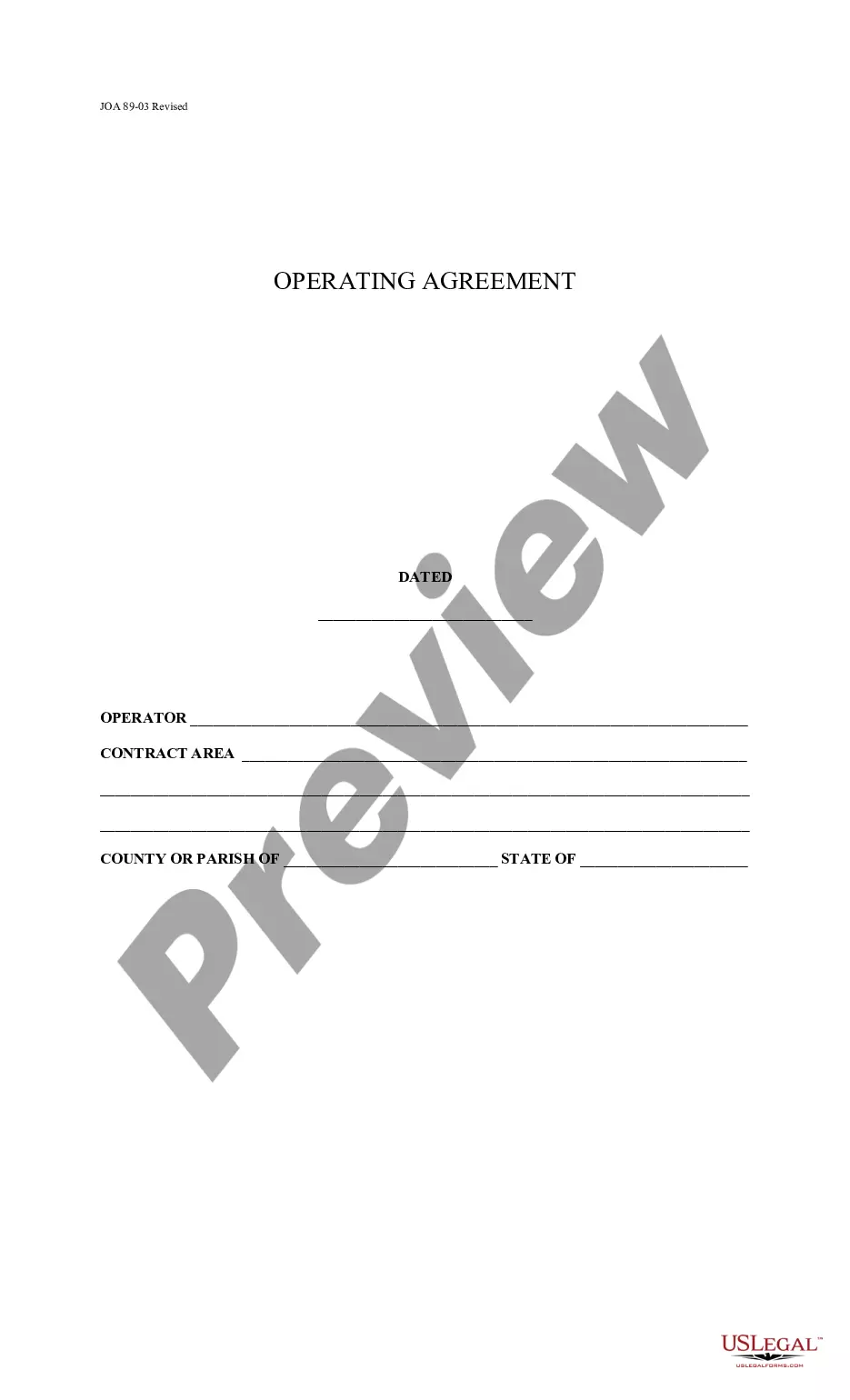
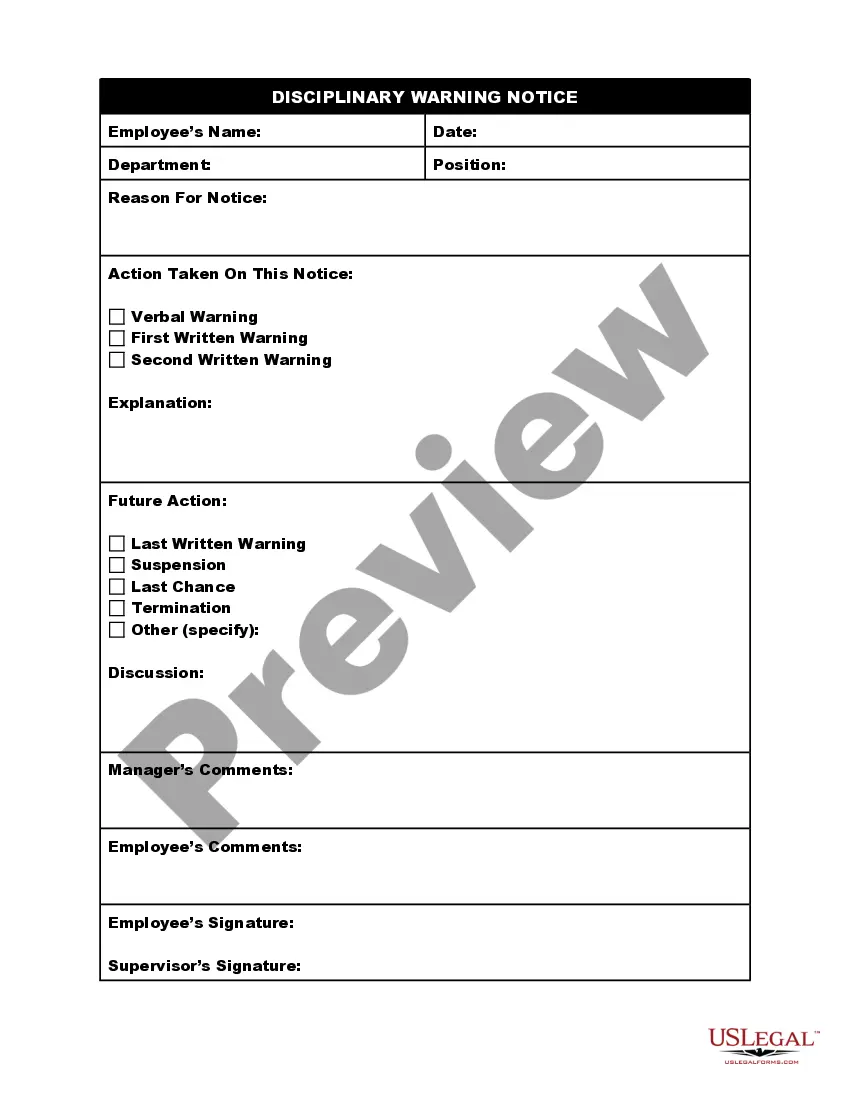
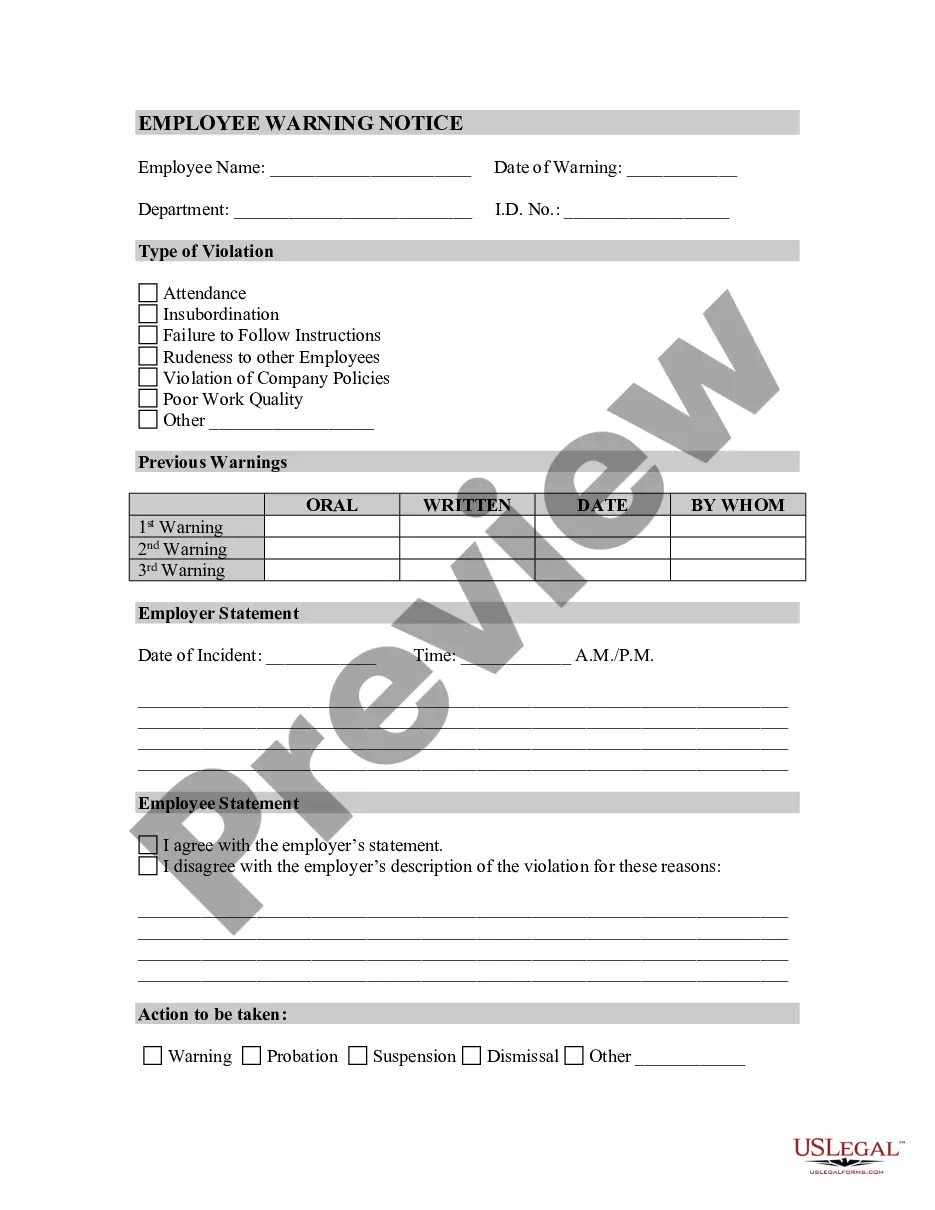
How to fill out Disciplinary Warning Notice?
Regardless of whether it’s for professional reasons or personal matters, everyone eventually must navigate legal situations in their life. Completing legal documents demands meticulous attention, starting with selecting the right form template.
For example, if you select an incorrect version of the Disciplinary Action For Police Misconduct, it will be rejected once you submit it. Therefore, it is crucial to have a trustworthy source for legal documents such as US Legal Forms.
- Obtain the template you require by utilizing the search bar or catalog exploration.
- Examine the form’s description to ensure it corresponds with your specific situation, state, and locality.
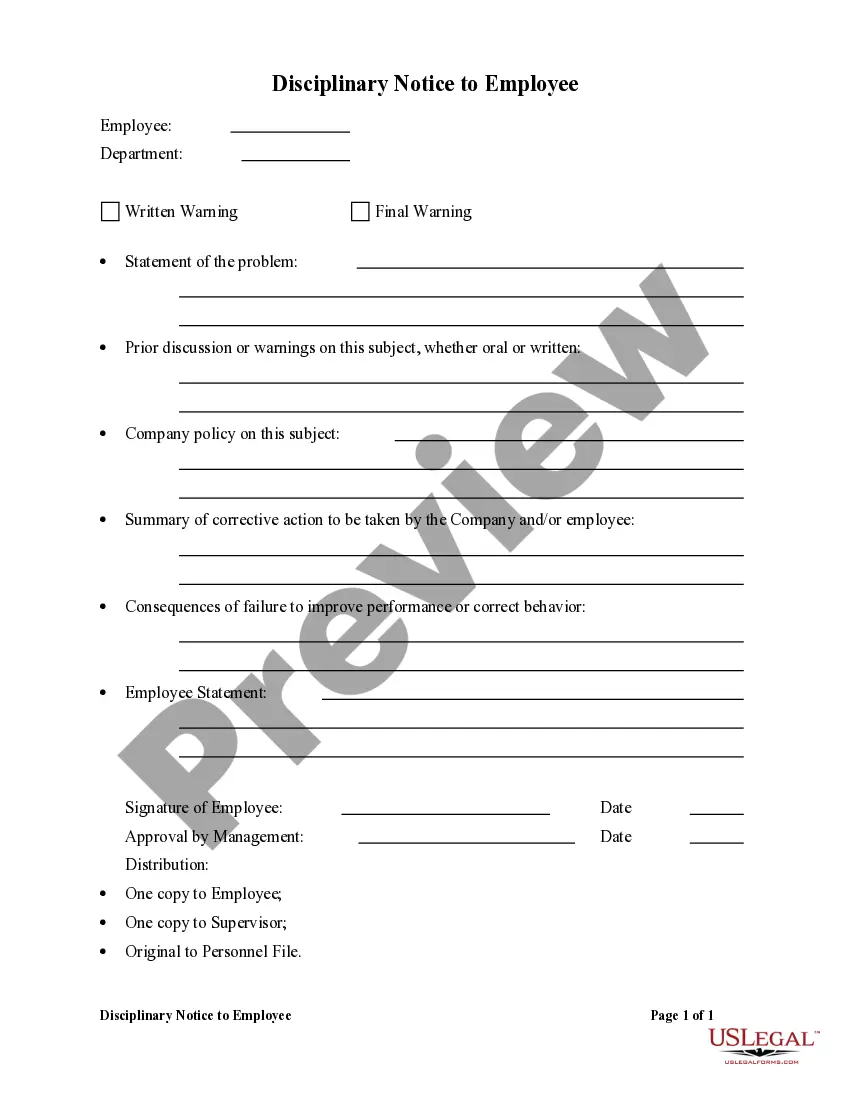
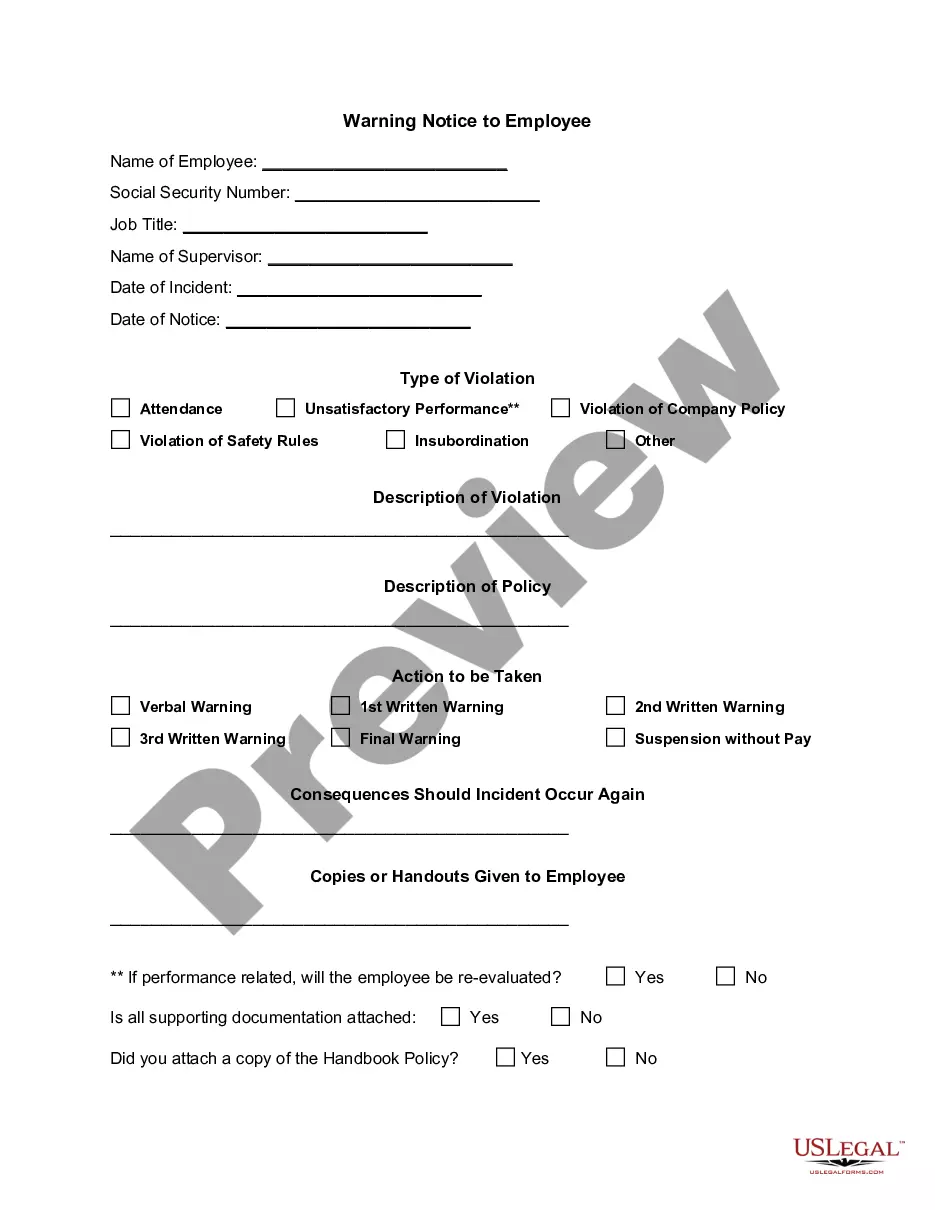
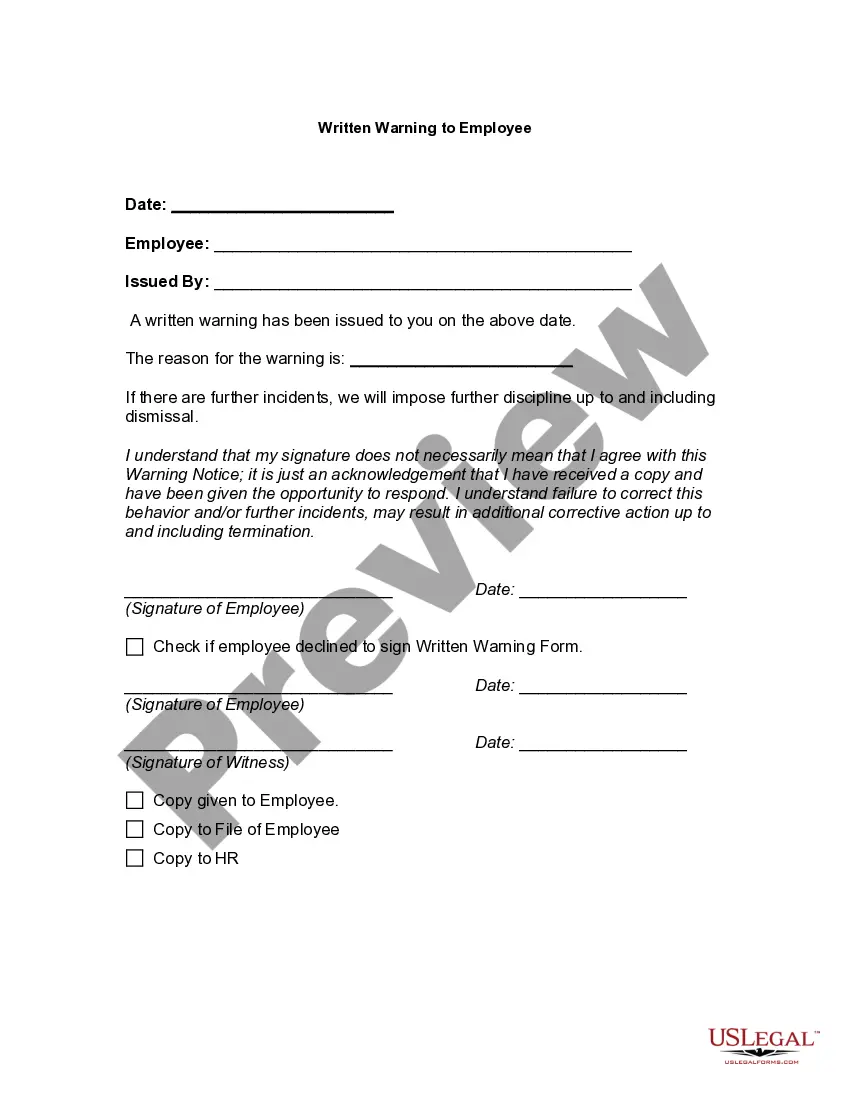
- Click on the form’s preview to review it.
- If it is not the correct document, return to the search feature to find the Disciplinary Action For Police Misconduct example you require.
- Download the file if it satisfies your requirements.
- If you possess a US Legal Forms account, simply click Log in to access your previously saved documents in My documents.
- If you don’t have an account yet, you can download the form by pressing Buy now.
- Choose the appropriate pricing option.
- Complete the account registration form.
- Select your payment method: utilize a credit card or PayPal account.
- Choose the document format you prefer and download the Disciplinary Action For Police Misconduct.
- Once it is downloaded, you can fill out the form using editing software or print it and complete it manually.
- With an extensive US Legal Forms catalog available, you don’t need to waste time searching for the correct template online. Utilize the library’s easy navigation to identify the suitable form for any circumstance.
Form popularity
FAQ
The biggest issue in law enforcement often revolves around police misconduct, which can undermine public trust. Disciplinary action for police misconduct is crucial for holding accountable those who violate ethical standards. Communities deserve transparency and justice when facing misconduct allegations. Implementing effective disciplinary procedures helps enhance officer accountability and strengthens community relations.
The most common citizen complaint against officers involves issues related to excessive use of force. Many citizens report feeling threatened or unsafe during encounters with law enforcement. These complaints often lead to disciplinary action for police misconduct, as they highlight significant concerns regarding officer behavior. It is crucial for community members to understand their rights and seek appropriate channels for addressing these grievances.
In the new changes to Regulation F, the frequency at which a collections agency can contact a consumer has changed. This change, presented in Section 1006.14B21A, addresses telephone call frequency and restricts agencies to contacting a consumer seven times within seven consecutive days.
Under this Act (Title VIII of the Consumer Credit Protection Act), third-party debt collectors are prohibited from using deceptive or abusive conduct in the collection of consumer debts incurred for personal, family, or household purposes.
Harassment of the debtor by the creditor ? More than 40 percent of all reported FDCPA violations involved incessant phone calls in an attempt to harass the debtor.
The Fair Debt Collection Practices Act (FDCPA) is the main federal law that governs debt collection practices. The FDCPA prohibits debt collection companies from using abusive, unfair, or deceptive practices to collect debts from you.
Effective January 1, the small loan act applies to loans under $10,000 and not just $5,000 and certain other restrictions on scope are loosened. The anti-evasion provisions are also expanded. § 58-15-3(D). As of January 1, 2023, a fee of 5% of the principal may be charged for a loan of $500 or less.
If you are struggling with debt and debt collectors, Farmer & Morris Law, PLLC can help. As soon as you use the 11-word phrase ?please cease and desist all calls and contact with me immediately? to stop the harassment, call us for a free consultation about what you can do to resolve your debt problems for good.
The Fair Debt Collection Practices Act (FDCPA) prohibits debt collectors from using abusive, unfair, or deceptive practices to collect debts from you, including: Misrepresenting the nature of the debt, including the amount owed. Falsely claiming that the person contacting you is an attorney.