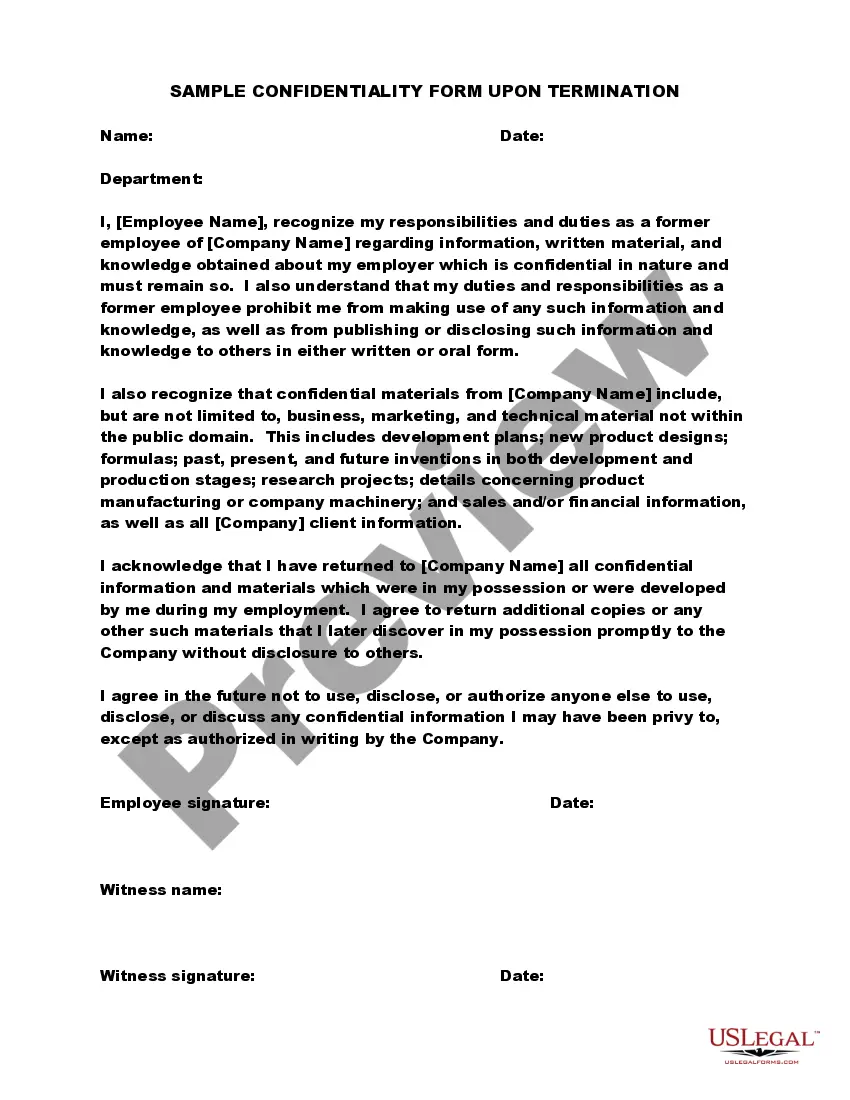
Sample Confidentiality Agreement For Board Members
Description
Get your form ready online
Our built-in tools help you complete, sign, share, and store your documents in one place.
Make edits, fill in missing information, and update formatting in US Legal Forms—just like you would in MS Word.
Download a copy, print it, send it by email, or mail it via USPS—whatever works best for your next step.
Sign and collect signatures with our SignNow integration. Send to multiple recipients, set reminders, and more. Go Premium to unlock E-Sign.
If this form requires notarization, complete it online through a secure video call—no need to meet a notary in person or wait for an appointment.
We protect your documents and personal data by following strict security and privacy standards.

Make edits, fill in missing information, and update formatting in US Legal Forms—just like you would in MS Word.

Download a copy, print it, send it by email, or mail it via USPS—whatever works best for your next step.

Sign and collect signatures with our SignNow integration. Send to multiple recipients, set reminders, and more. Go Premium to unlock E-Sign.

If this form requires notarization, complete it online through a secure video call—no need to meet a notary in person or wait for an appointment.

We protect your documents and personal data by following strict security and privacy standards.
Looking for another form?
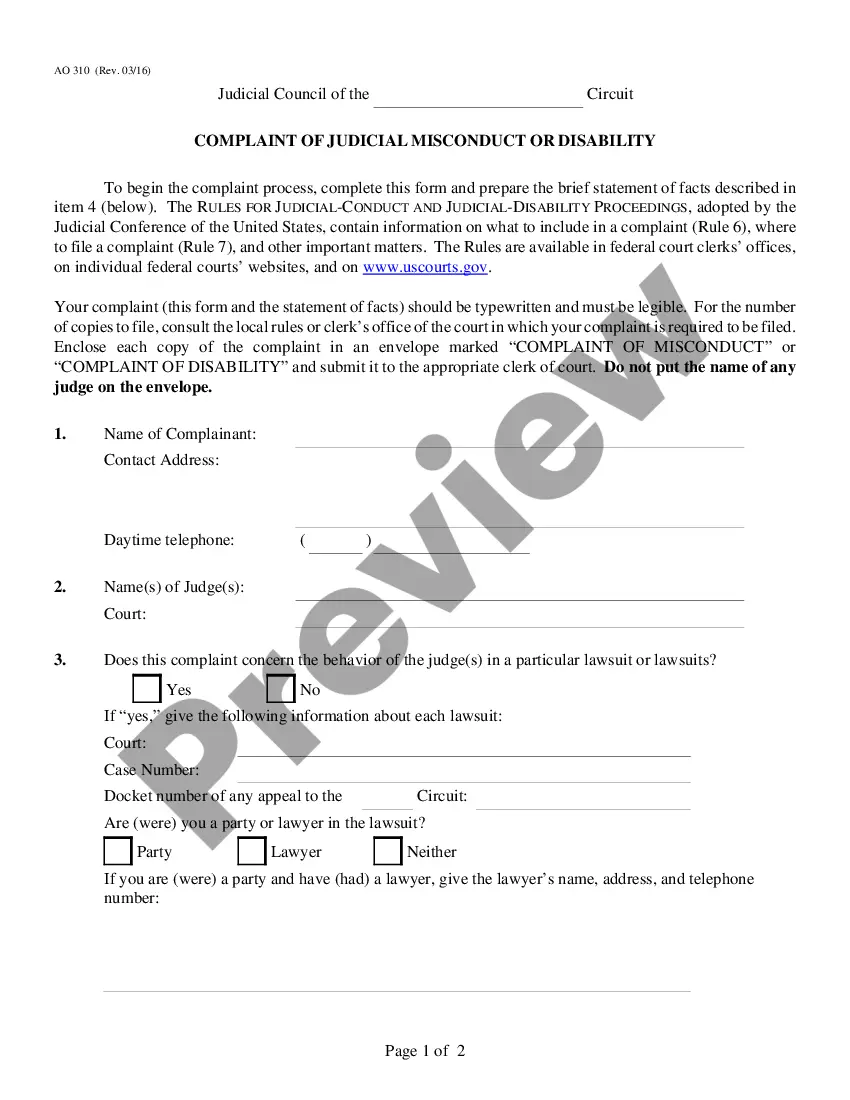



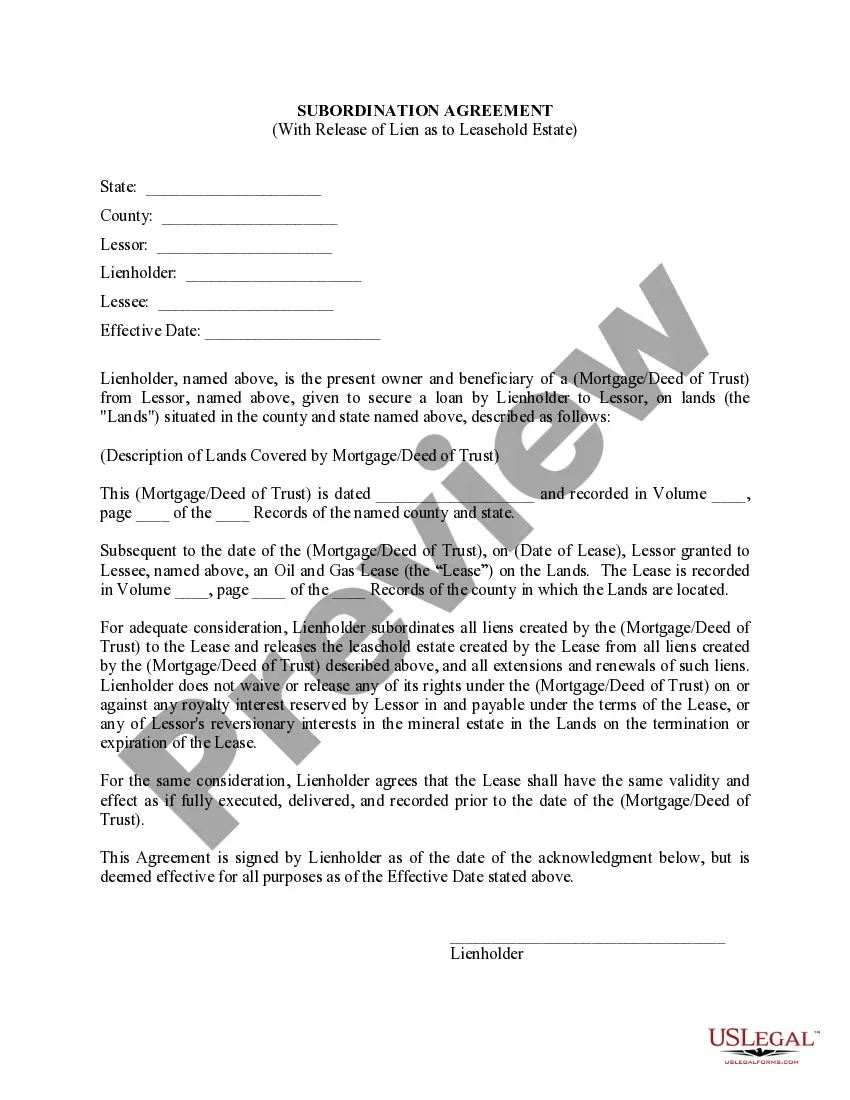

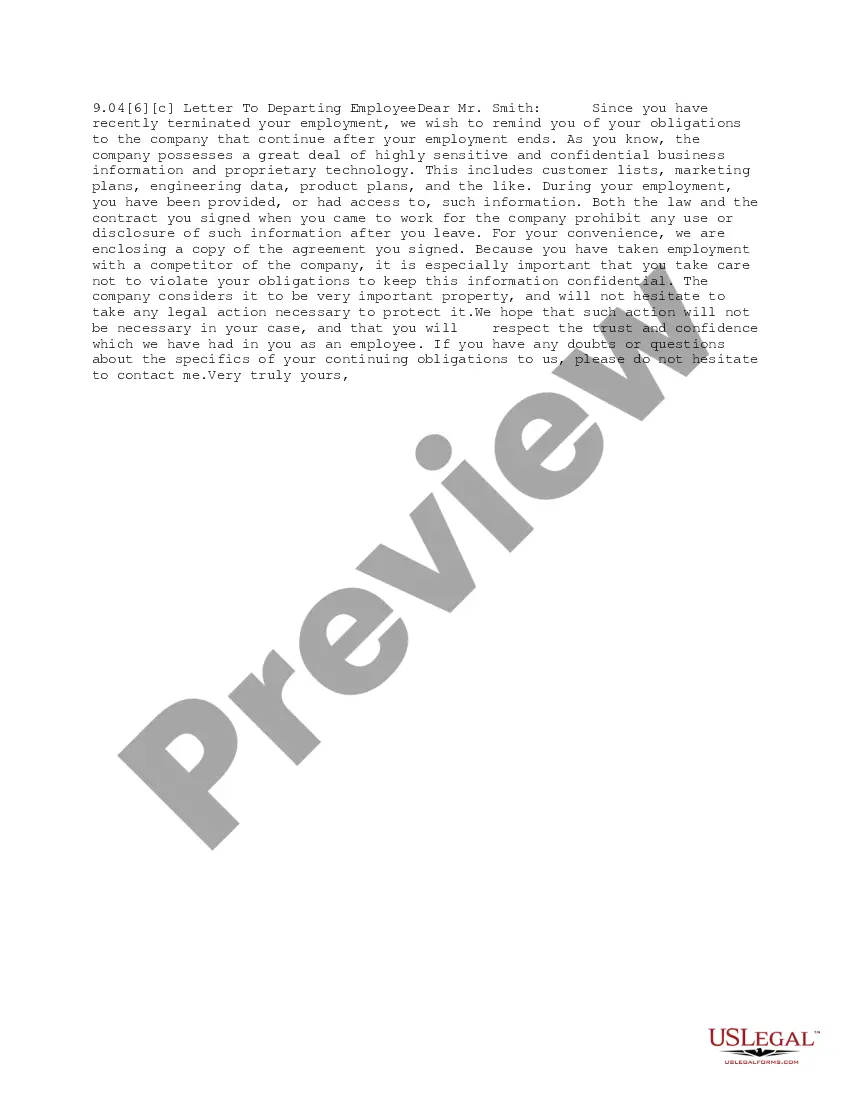
How to fill out Sample Confidentiality Form Upon Termination?
Managing legal documents can be daunting, even for experienced professionals.
When you're seeking a Sample Confidentiality Agreement For Board Members but lack the time to search for the correct and updated version, the experience can be stressful.
US Legal Forms caters to every requirement you may have, from personal to business documents, all conveniently located in one place.
Leverage advanced tools to complete and manage your Sample Confidentiality Agreement For Board Members.
Here are the steps to follow after locating the form you need: Verify that it is the correct form by previewing it and checking its description.
- Access a wealth of articles, guides, handbooks, and resources tailored to your situation and requirements.
- Save time and effort searching for the documents you need, and utilize US Legal Forms' innovative search and Preview feature to find the Sample Confidentiality Agreement For Board Members and obtain it.
- If you have a monthly subscription, Log In to your US Legal Forms account, search for the form, and get it.
- Check your My documents tab to review the documents you've previously downloaded and manage your folders as desired.
- If it's your first experience with US Legal Forms, create an account and gain unrestricted access to all platform benefits.
- A comprehensive online form library could significantly improve the efficiency for individuals dealing with such scenarios.
- US Legal Forms is a leading provider in the digital legal document sector, with over 85,000 state-specific legal forms available at any time.
- With US Legal Forms, you can access various state or county-specific legal and organizational documents.
Form popularity
FAQ
Yes, you can create your own confidentiality agreement tailored to the specific needs of your board members. However, drafting a comprehensive and legally binding document requires careful consideration of various legal terms and conditions. Using a Sample confidentiality agreement for board members from US Legal Forms can streamline this process, ensuring your agreement is both effective and compliant with applicable laws. By utilizing professional templates, you can save time and reduce the risk of overlooking critical elements.
To write a simple confidentiality agreement, start by identifying the parties involved and clearly defining the confidential information. Next, outline the obligations of each party regarding how they should handle this information. Including a sample confidentiality agreement for board members as a template can help streamline this process, ensuring essential terms are included. Finally, specify the duration of the confidentiality obligations to protect your organization's interests.
Examples of confidentiality include safeguarding proprietary business information, protecting client data, maintaining trade secrets, ensuring financial records remain secure, and keeping board meeting discussions private. These examples highlight the importance of trust and security in any organization. By utilizing a sample confidentiality agreement for board members, you can outline these protections clearly and effectively. This clarity helps prevent misunderstandings and enhances your organization's integrity.
Yes, board members have a legal and ethical duty of confidentiality. This duty ensures that sensitive information discussed during meetings remains protected. A well-crafted sample confidentiality agreement for board members reinforces this responsibility, promoting trust among members and safeguarding the organization’s interests. Ensuring each board member understands and adheres to this duty is crucial for effective governance.
Example: Confidentiality Clause None of the parties shall disclose to any person or use for any purpose any confidential information of the other as a result of entering into this Agreement. This restriction shall continue to apply after the expiration or termination of this agreement without limit of time.
A typical confidentiality clause might say, "The phrases and circumstances of this Agreement are completely confidential between the parties and shall not be disclosed to anybody else. Any disclosure in violation shall be deemed a breach of this Agreement."
It is the policy of [Name of Nonprofit] that board and committee members (trustees and committee members) of [Name of Nonprofit] will not disclose confidential information belonging to, or obtained through their affiliation with, [Name of Nonprofit] to any person, including their relatives, friends, and business and ...
The policy should include a statement of the directors' duty of confidentiality and explain that they are not to disclose or discuss confidential information about the organization's matters with another person or entity, or use it for their own purposes, unless the board authorizes them to do so.