Lease House
Description
Get your form ready online
Our built-in tools help you complete, sign, share, and store your documents in one place.
Make edits, fill in missing information, and update formatting in US Legal Forms—just like you would in MS Word.
Download a copy, print it, send it by email, or mail it via USPS—whatever works best for your next step.
Sign and collect signatures with our SignNow integration. Send to multiple recipients, set reminders, and more. Go Premium to unlock E-Sign.
If this form requires notarization, complete it online through a secure video call—no need to meet a notary in person or wait for an appointment.
We protect your documents and personal data by following strict security and privacy standards.

Make edits, fill in missing information, and update formatting in US Legal Forms—just like you would in MS Word.

Download a copy, print it, send it by email, or mail it via USPS—whatever works best for your next step.

Sign and collect signatures with our SignNow integration. Send to multiple recipients, set reminders, and more. Go Premium to unlock E-Sign.

If this form requires notarization, complete it online through a secure video call—no need to meet a notary in person or wait for an appointment.

We protect your documents and personal data by following strict security and privacy standards.
Looking for another form?
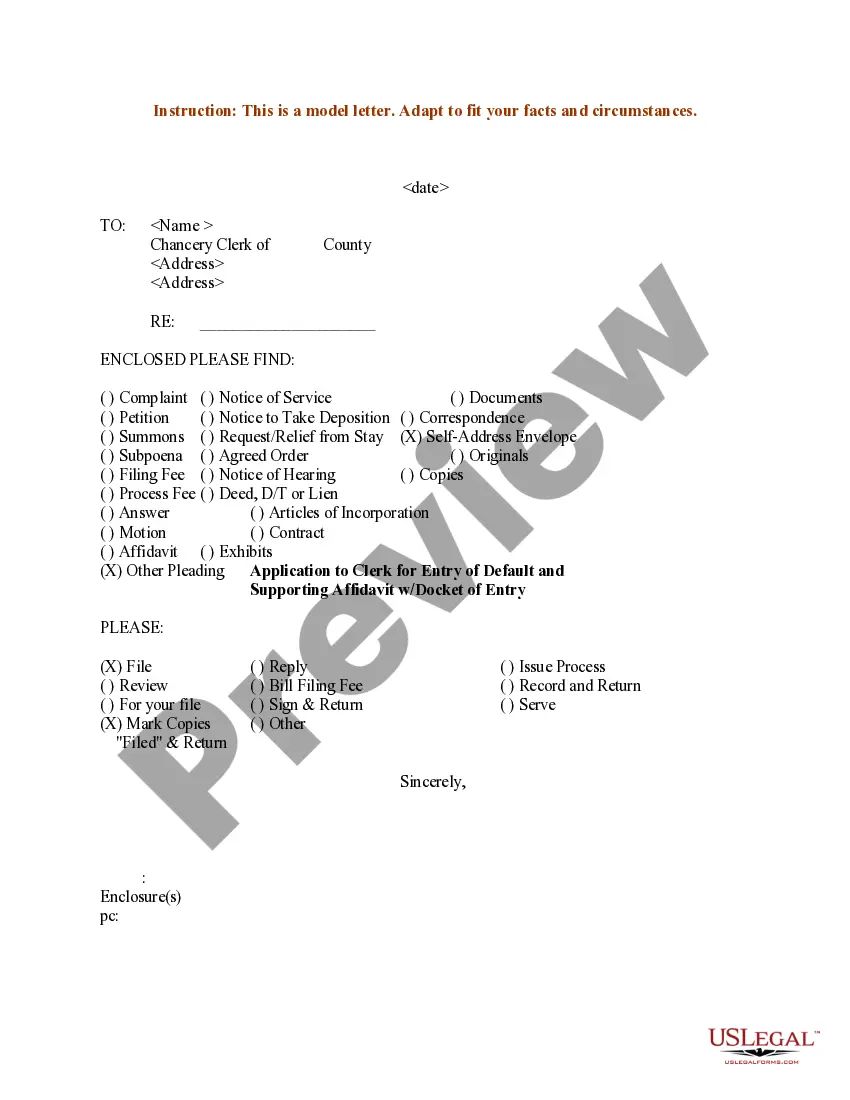




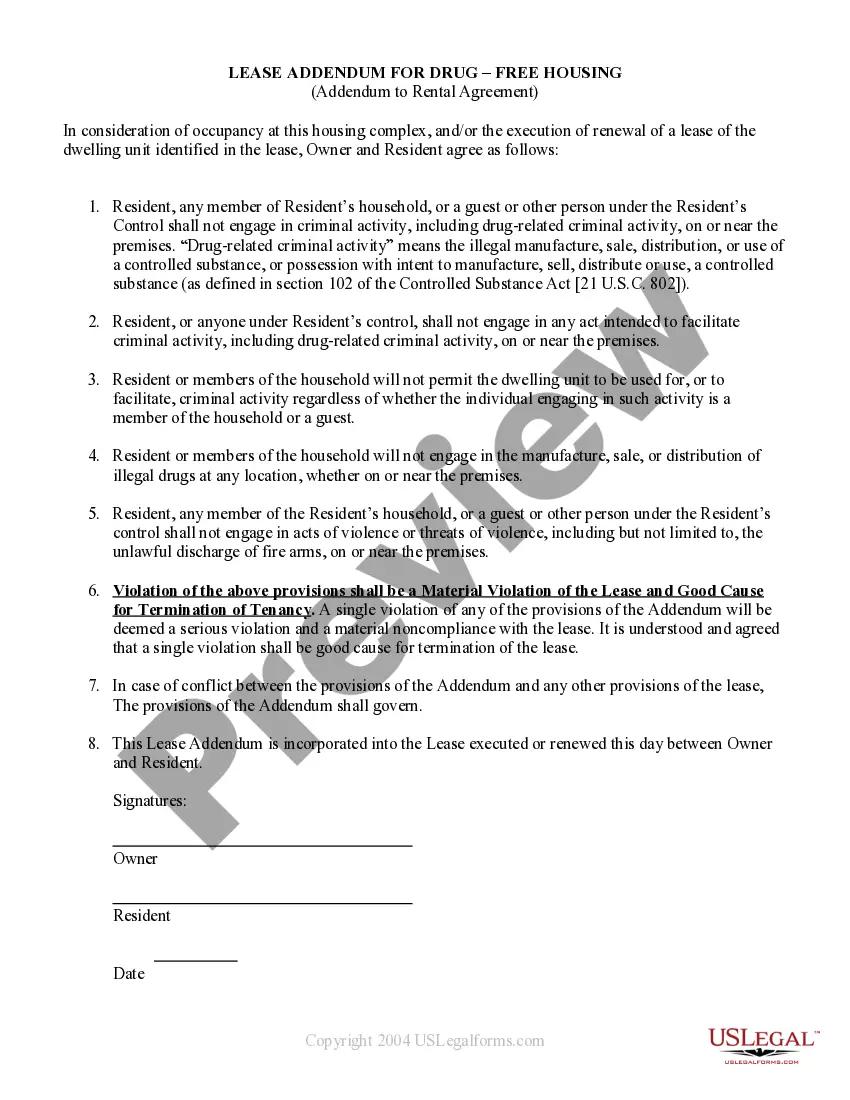
How to fill out Addendum To Apartment Lease Regarding Drug Free Housing?
- Begin by logging into your US Legal Forms account, ensuring your subscription is current. If not, renew it based on your chosen plan.
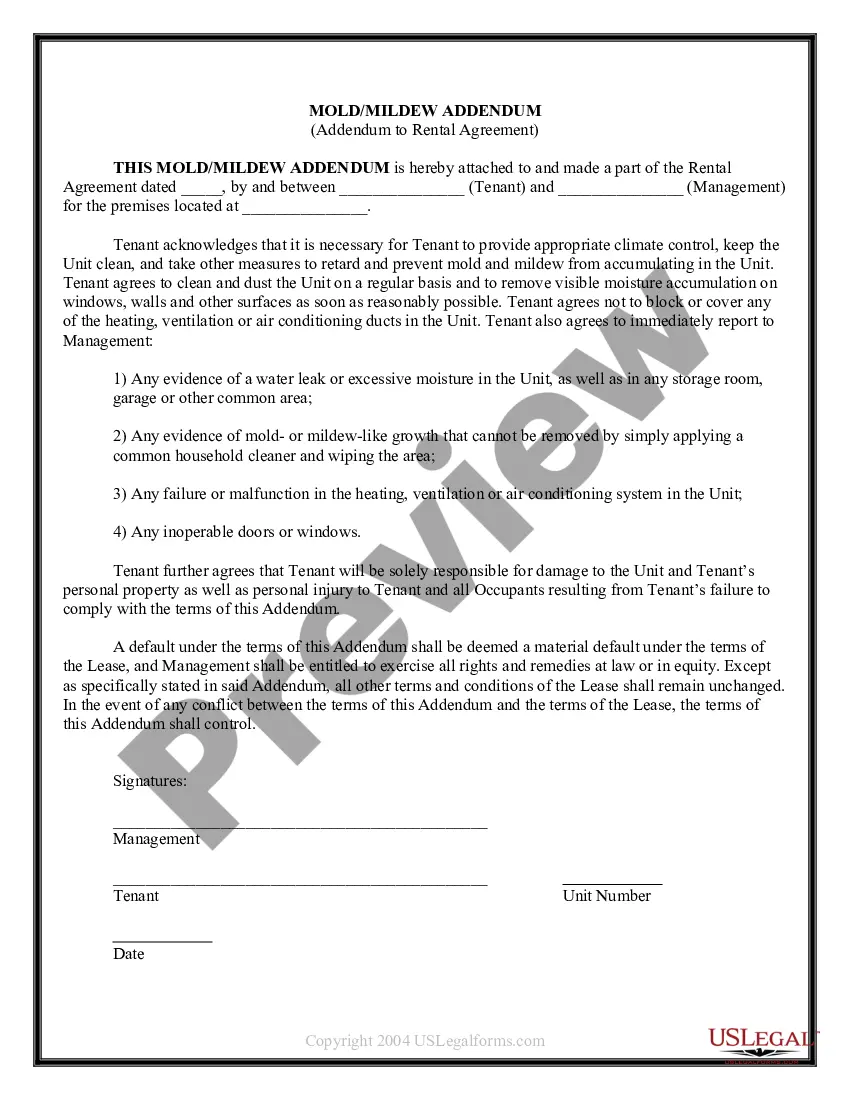
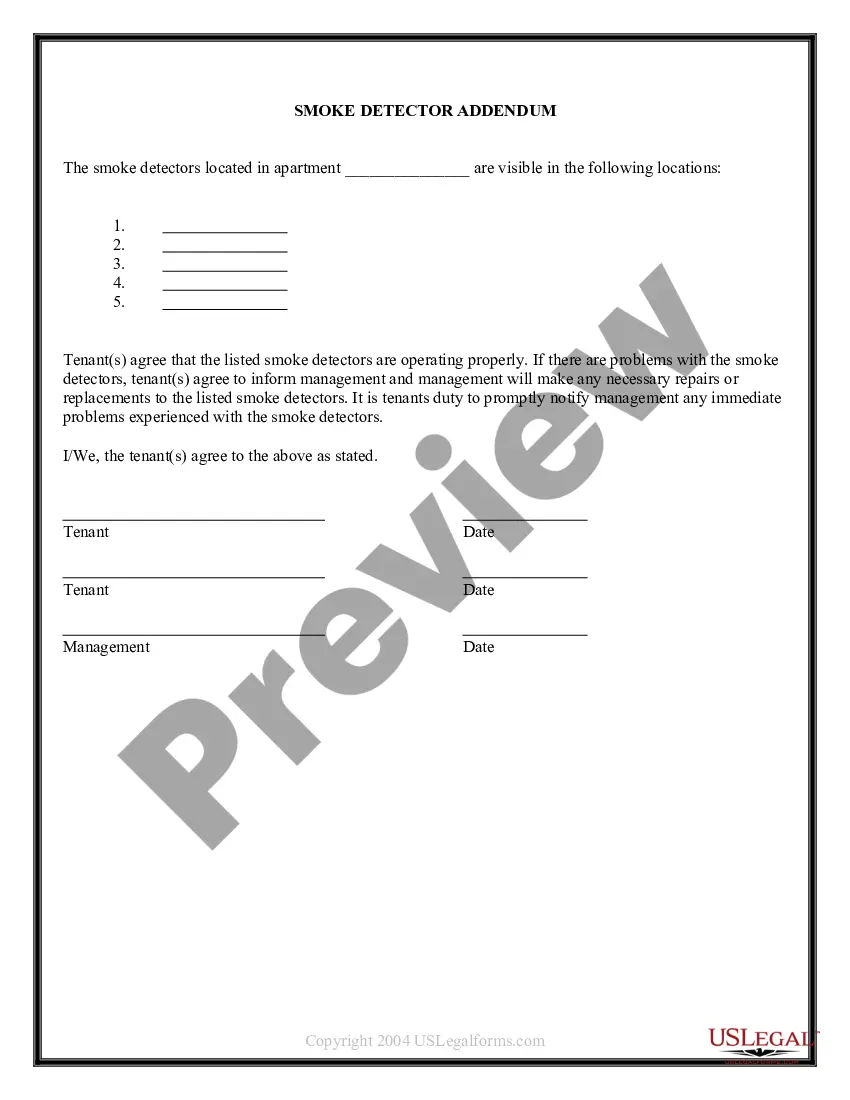
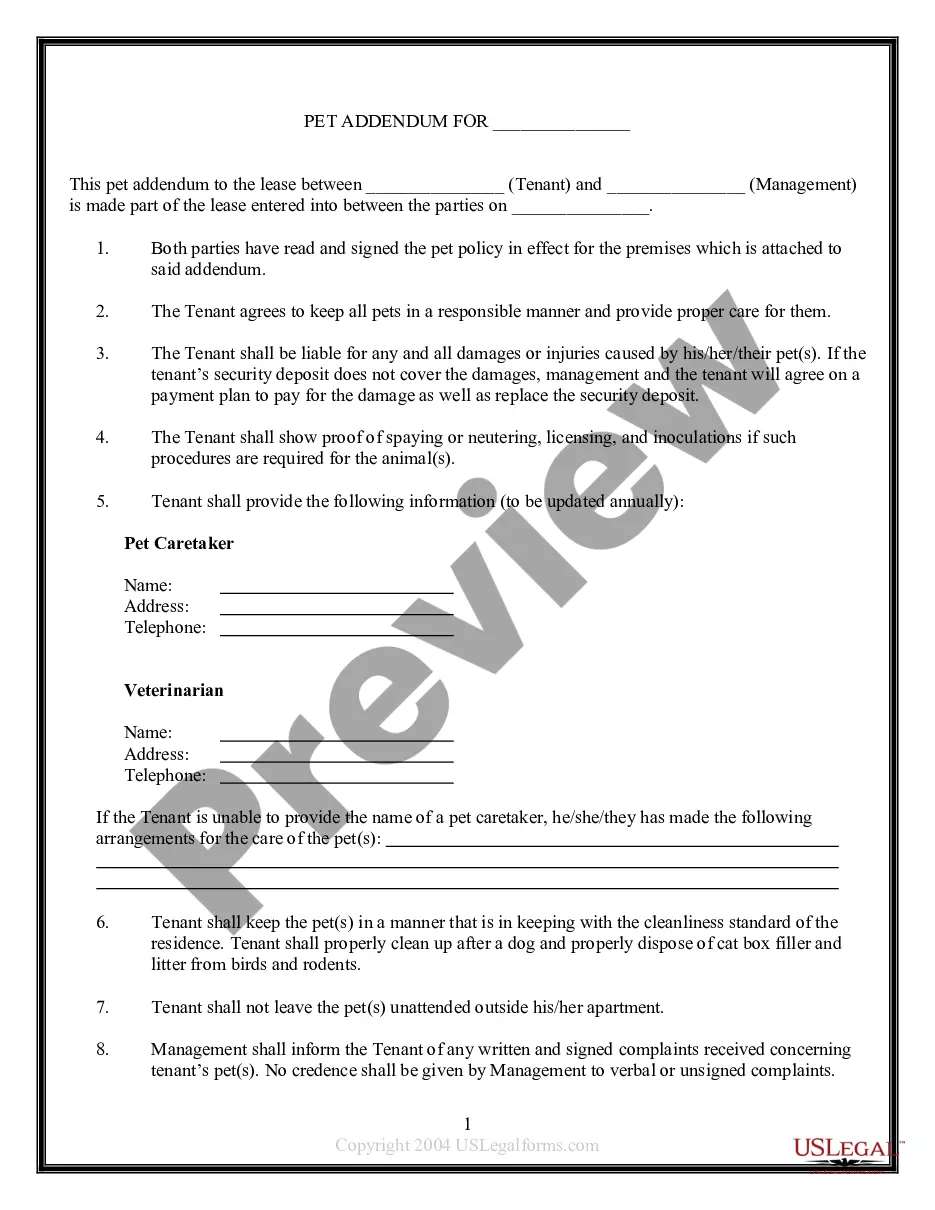
- In the Preview mode, explore the available lease templates. Check the description to confirm it matches your leasing requirements and complies with local laws.
- If you find discrepancies or if no template suits your needs, use the Search feature to find a more appropriate form.
- Once you've selected the correct document, click on the Buy Now button. Choose a subscription plan that fits your needs, and register an account if you haven’t done so.
- Complete your purchase by entering your payment details through credit card or PayPal.
- Finally, download your lease document and save it to your device. You can access it anytime in the My Forms section of your profile.
Following these straightforward steps will ensure a seamless experience in leasing a house. With US Legal Forms, you not only gain access to a plethora of customizable templates but also receive support from premium experts to assist with form completion.
Start your leasing process today with US Legal Forms and secure your ideal lease agreement quickly.
Form popularity
FAQ
Yes, becoming a landlord requires certain preparations, including legal knowledge, appropriate paperwork, and financial resources. It’s crucial to familiarize yourself with lease agreements and tenant laws. Platforms like US Legal Forms can assist you in creating compliant lease documents, simplifying your path to successfully leasing a house.
Leasing a property often offers more stability and financial benefits compared to renting. With a lease, you can set terms for a longer duration, ensuring consistent income. Additionally, leasing can provide opportunities for property value appreciation over time.
Yes, obtaining a license is essential to legally operate as a landlord in Pennsylvania. The state mandates that landlords follow specific regulations to enhance tenant safety and protect their rights. Gaining a license demonstrates your commitment to providing a reliable leasing experience.
Leasing a house can be a beneficial investment, especially if you are prepared to manage your property effectively. It provides a steady income stream and potential long-term appreciation. However, it requires time and effort to maintain the property and manage tenant relationships.
Yes, you need a license to rent your house in Philadelphia. The city has strict regulations regarding property rentals to ensure tenant safety and rights are protected. Obtaining a rental license not only ensures compliance but also builds credibility with potential tenants.
No, a landlord cannot legally lease a house in Pennsylvania without the appropriate license. Operating without a license can lead to fines, eviction issues, and other legal complications. It is important to ensure you meet all legal requirements before attempting to lease a house.
To be a landlord in Pennsylvania, you need to understand local housing laws and obtain necessary licenses. You should also have lease agreements that comply with state regulations. Additionally, setting up a system for managing your properties will streamline your leasing process and improve relations with tenants.
In many states, including Pennsylvania, landlords are required to have licenses to legally lease a house. These licenses help ensure that landlords meet certain safety and health regulations. Always check local laws, as licensing requirements can vary significantly. Ensuring compliance protects both you and your tenants.
Leasing to own a home can be an attractive option for many, as it allows you to occupy the property while working towards purchasing it. This arrangement often benefits those who may not have immediate access to a mortgage. However, it's essential to review the terms carefully, as not all lease agreements are created equal. US Legal Forms offers resources to guide you through the process, ensuring you make an informed decision about leasing a house.
When you lease a house, you enter into a legal agreement with the landlord, allowing you to live in the property for a specified period, usually in exchange for rent. This agreement outlines your rights and responsibilities, as well as those of the landlord. Essentially, leasing a house gives you the right to use the property without owning it outright. If you're considering leasing, platforms like US Legal Forms can help you understand your lease agreement better.