Notice Pay For Retrenchment
Description
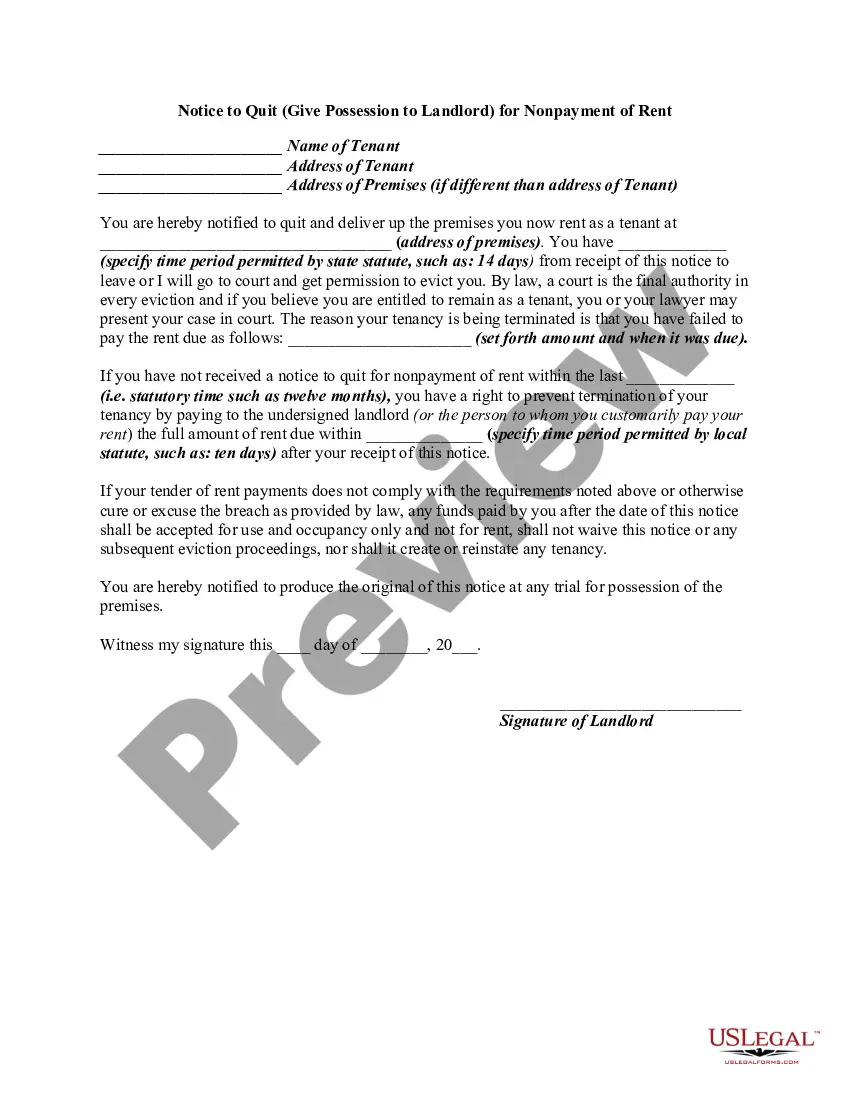
Get your form ready online
Our built-in tools help you complete, sign, share, and store your documents in one place.
Make edits, fill in missing information, and update formatting in US Legal Forms—just like you would in MS Word.
Download a copy, print it, send it by email, or mail it via USPS—whatever works best for your next step.
Sign and collect signatures with our SignNow integration. Send to multiple recipients, set reminders, and more. Go Premium to unlock E-Sign.
If this form requires notarization, complete it online through a secure video call—no need to meet a notary in person or wait for an appointment.
We protect your documents and personal data by following strict security and privacy standards.

Make edits, fill in missing information, and update formatting in US Legal Forms—just like you would in MS Word.

Download a copy, print it, send it by email, or mail it via USPS—whatever works best for your next step.

Sign and collect signatures with our SignNow integration. Send to multiple recipients, set reminders, and more. Go Premium to unlock E-Sign.

If this form requires notarization, complete it online through a secure video call—no need to meet a notary in person or wait for an appointment.

We protect your documents and personal data by following strict security and privacy standards.
Looking for another form?
How to fill out Notice To Pay Rent?
Acquiring legal templates that adhere to federal and state regulations is crucial, and the internet provides numerous options to select from.
However, what is the use of squandering time seeking the correct Notice Pay For Retrenchment template online if the US Legal Forms digital library already houses such resources in one location.
US Legal Forms is the largest online legal repository with more than 85,000 editable templates designed by lawyers for any business and personal needs.
Review the template using the Preview option or through the text description to verify it meets your requirements.
- They are easy to navigate with all documents organized by state and intended use.
- Our experts stay informed on legislative changes, ensuring that your documents are current and compliant when acquiring a Notice Pay For Retrenchment from our site.
- Obtaining a Notice Pay For Retrenchment is straightforward and fast for both existing and new users.
- If you have an account with an active subscription, sign in and save the document template you require in the appropriate format.
- If you are new to our platform, follow the steps outlined below.
Form popularity
FAQ
A retrenchment notice is a document provided by an employer to inform employees about the decision to reduce the workforce. It typically includes details about the retrenchment process, reasons for the decision, and any compensation, such as notice pay for retrenchment. Utilizing platforms like uslegalforms can help employers create clear and compliant retrenchment notices, ensuring transparency and adherence to employment laws.
A retrenchment notice is a formal communication from an employer indicating the intention to reduce staff. This notice informs employees about the impending changes and outlines their rights, including any entitlements related to notice pay for retrenchment. Understanding this notice is crucial as it helps employees prepare for their next steps after retrenchment.
The primary purpose of retrenchment is to improve an organization's financial health by reducing operational costs. Companies often resort to this strategy during economic downturns or when facing financial challenges. By offering notice pay for retrenchment, businesses can provide support to affected employees while managing their workforce effectively.
Retrenchment and termination are not identical concepts. Retrenchment refers specifically to a reduction of staff to cut costs, often due to economic factors. In contrast, termination can happen for various reasons, including performance issues or misconduct. Notice pay for retrenchment may differ from regular termination, offering employees financial support during the transition.
The decision to resign or be laid off should be made based on your current circumstances and future plans. Being laid off typically allows you to collect notice pay for retrenchment and potentially qualify for unemployment benefits. Resigning, however, may limit your access to these financial safety nets. Carefully evaluating how each choice impacts your career and finances can lead you to the best outcome.
When considering resignation versus redundancy, it is essential to evaluate the associated benefits. Choosing redundancy typically allows you to receive notice pay for retrenchment and sometimes additional severance. Conversely, resigning can limit your financial support during this challenging time. Always assess your long-term career goals and present situation when making this choice.
The notice period for retrenchment varies by company policy and local labor laws. Typically, employers will provide a set timeframe, during which you will receive your notice pay for retrenchment. Familiarizing yourself with these details can help you prepare for this transition effectively. Always check your employment contract for specific provisions related to your situation.
How you frame your job loss matters in future job applications and interviews. Saying you got laid off can signal to employers that your position was affected by external factors, potentially keeping your prospects brighter. In contrast, indicating that you quit might lead to questions about your commitment. Remember, notice pay for retrenchment is a key factor that comes into play with layoffs, so understanding these distinctions can shape your narrative.
When faced with the option of losing your job or resigning, consider the potential consequences of each choice. Resigning might remove you from future eligibility for notice pay for retrenchment or other benefits like unemployment support. Losing your job involuntarily often grants you certain protections and entitlements. Assess your options carefully to determine which path aligns with your goals.
Choosing between resignation and retrenchment depends on your circumstances. If you resign, you may forfeit notice pay for retrenchment and other severance benefits. Conversely, being retrenched might provide you with financial security and additional support. Weighing these factors can help you make the best decision for your future.