Building For Leasing
Description
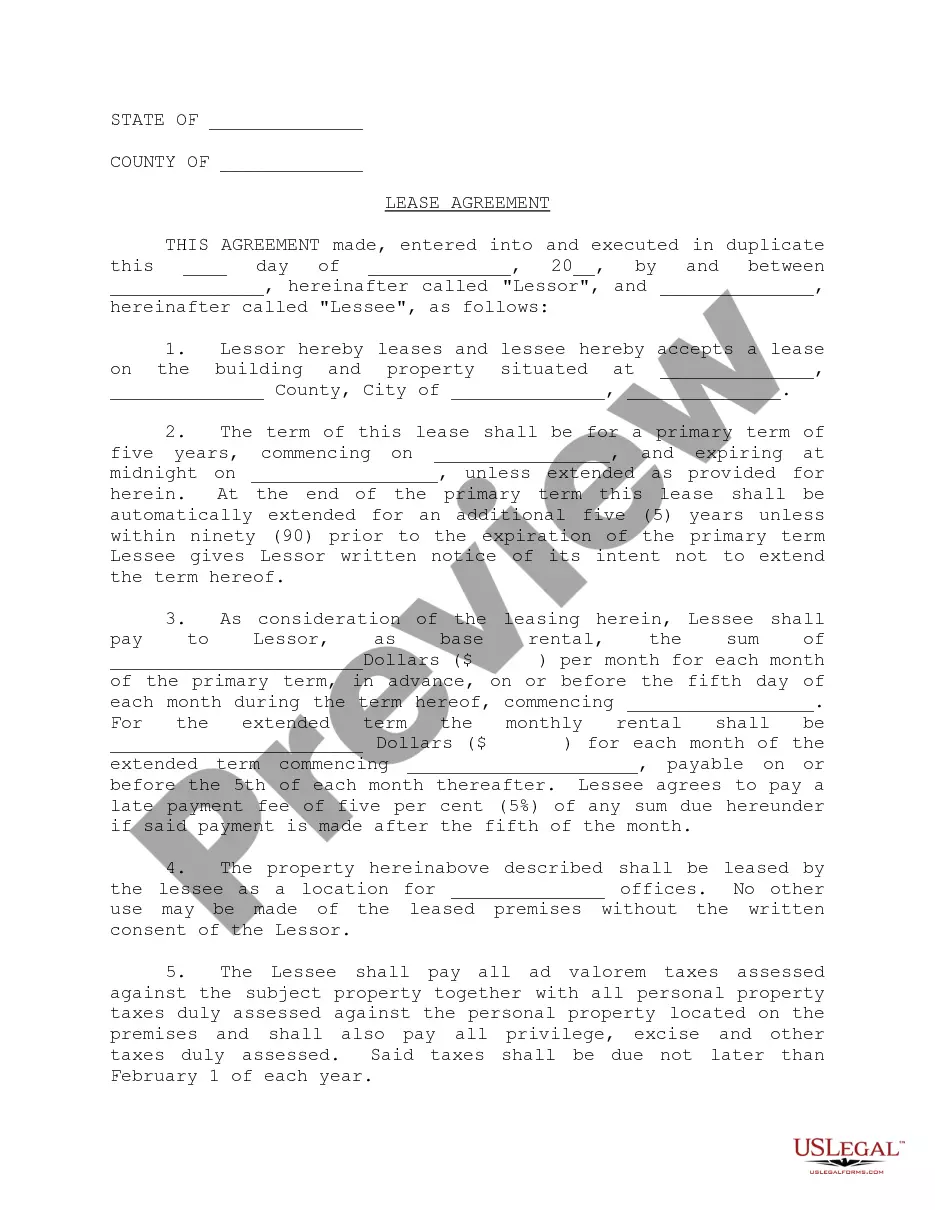
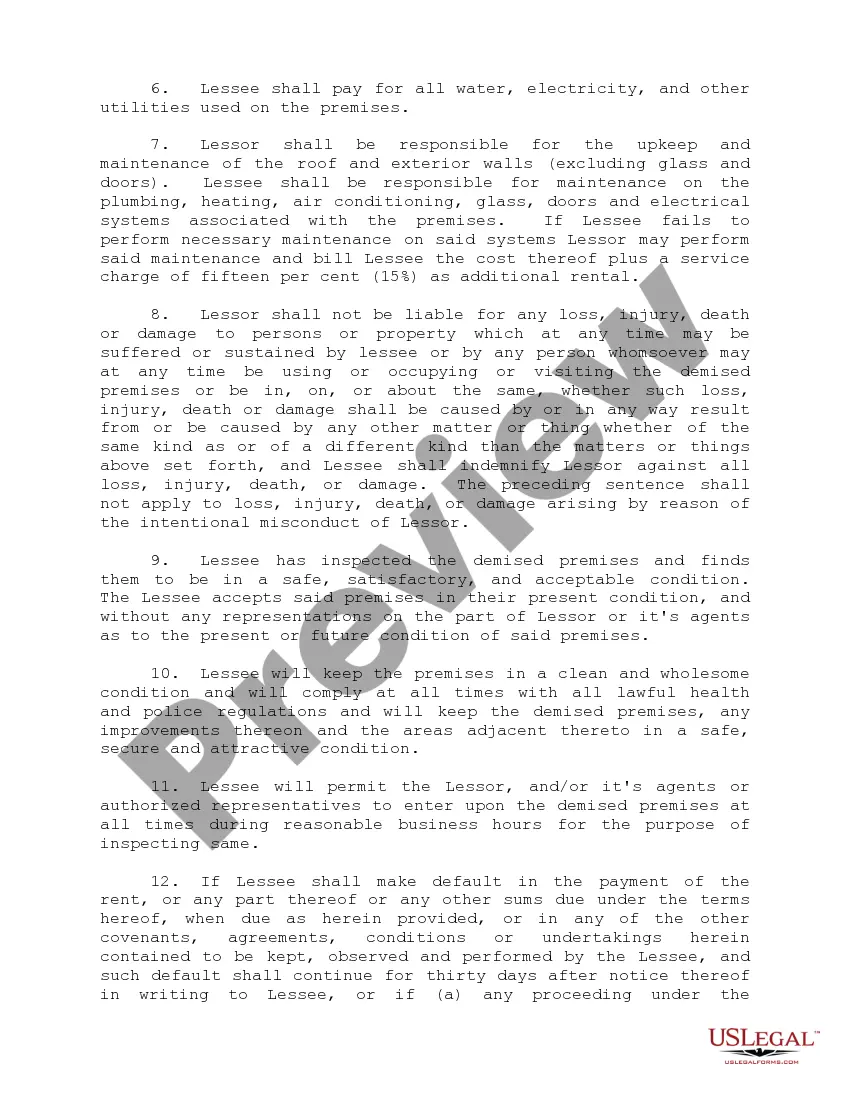
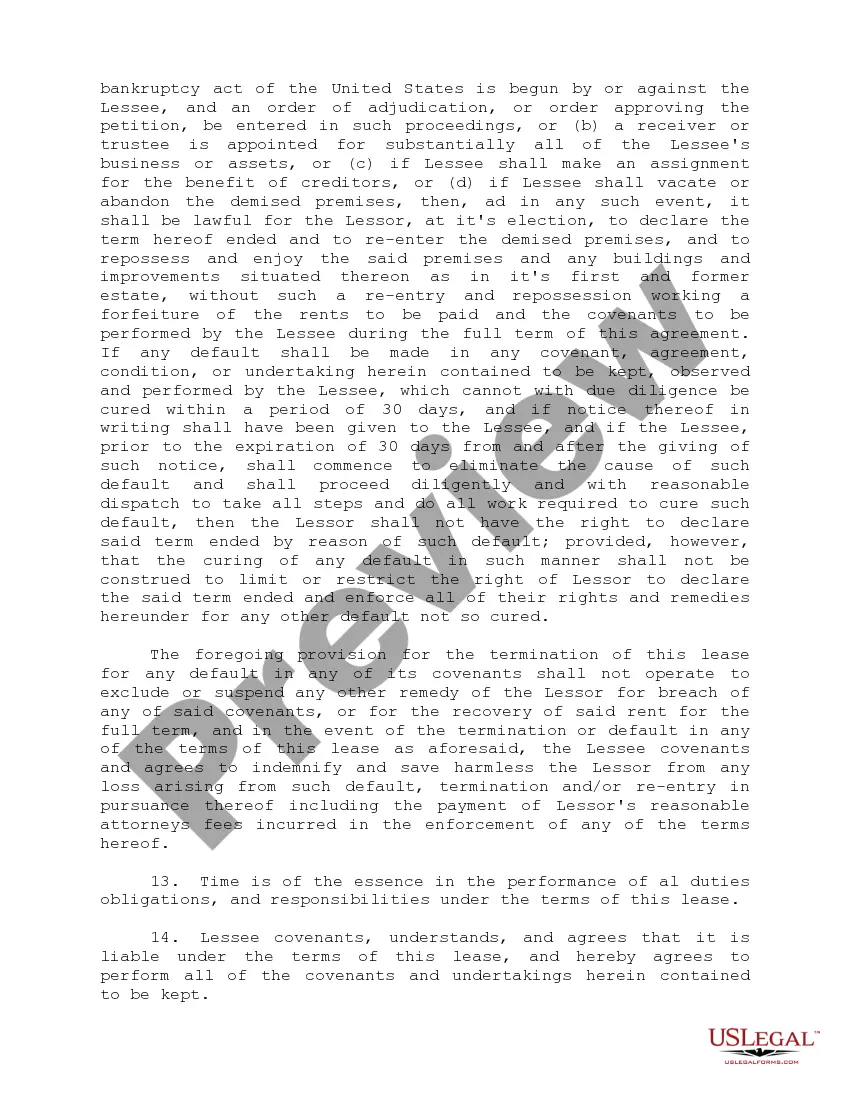
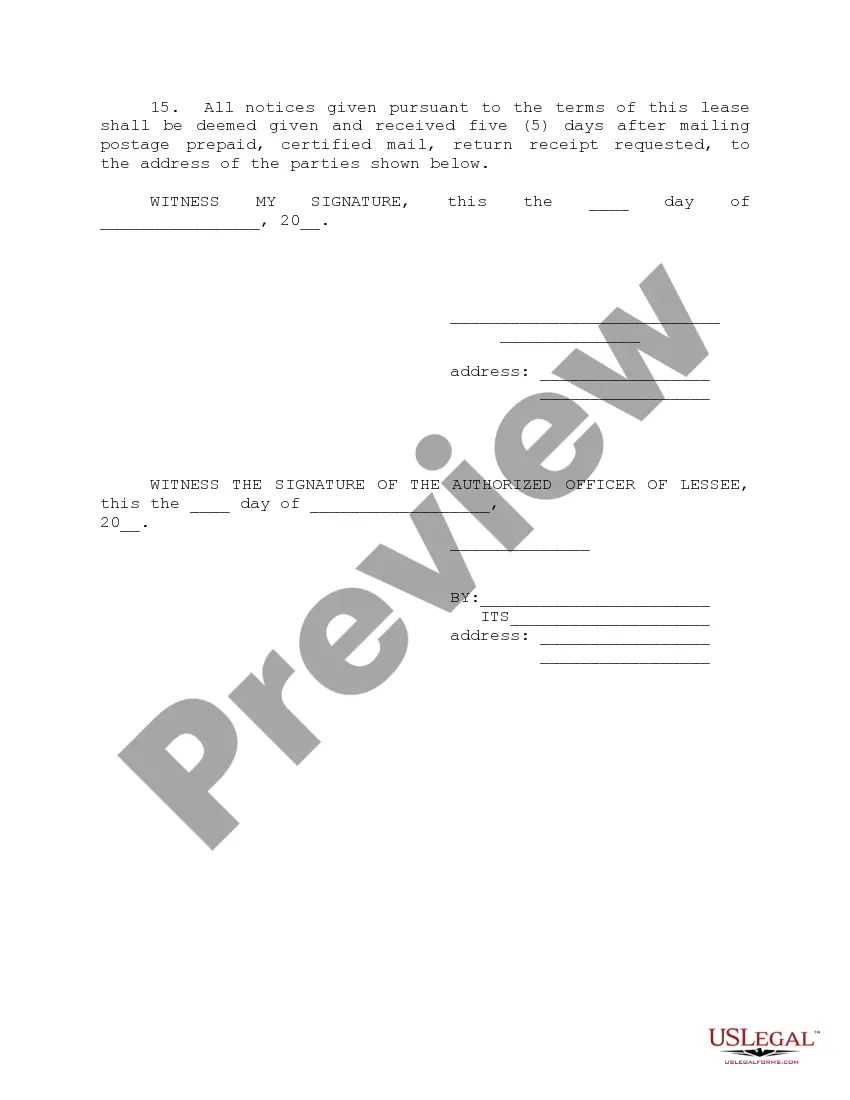
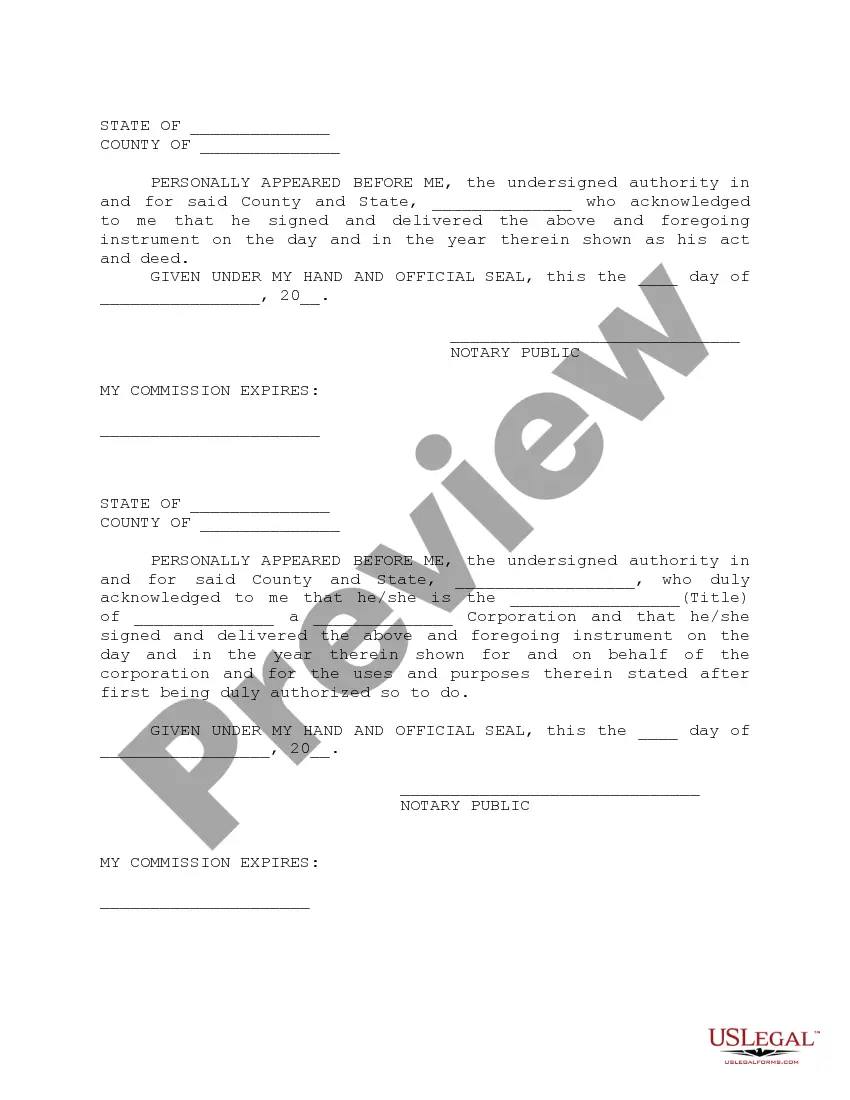
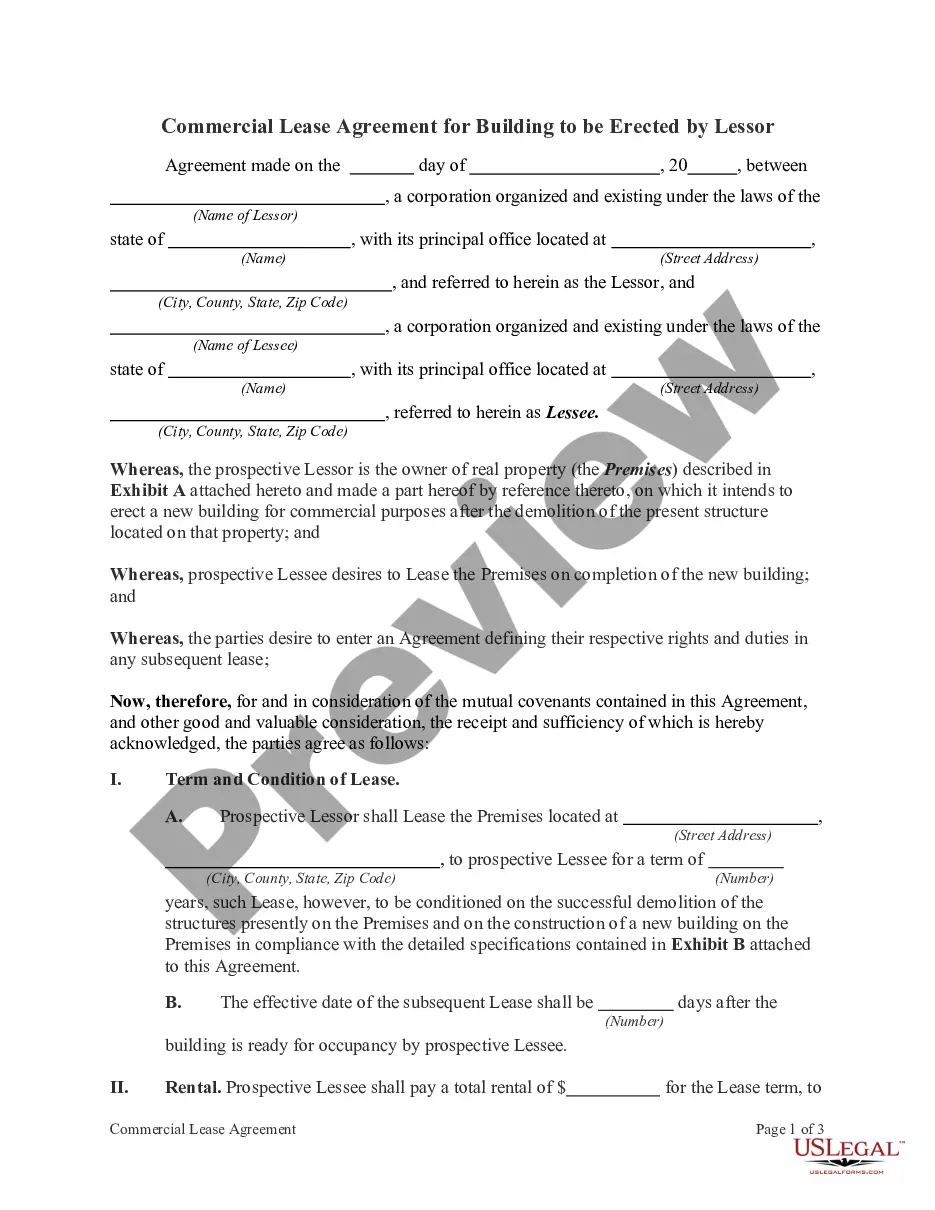
Get your form ready online
Our built-in tools help you complete, sign, share, and store your documents in one place.
Make edits, fill in missing information, and update formatting in US Legal Forms—just like you would in MS Word.
Download a copy, print it, send it by email, or mail it via USPS—whatever works best for your next step.
Sign and collect signatures with our SignNow integration. Send to multiple recipients, set reminders, and more. Go Premium to unlock E-Sign.
If this form requires notarization, complete it online through a secure video call—no need to meet a notary in person or wait for an appointment.
We protect your documents and personal data by following strict security and privacy standards.

Make edits, fill in missing information, and update formatting in US Legal Forms—just like you would in MS Word.

Download a copy, print it, send it by email, or mail it via USPS—whatever works best for your next step.

Sign and collect signatures with our SignNow integration. Send to multiple recipients, set reminders, and more. Go Premium to unlock E-Sign.

If this form requires notarization, complete it online through a secure video call—no need to meet a notary in person or wait for an appointment.

We protect your documents and personal data by following strict security and privacy standards.
Looking for another form?
How to fill out Five-Year Building Lease Agreement?
- If you're an existing user, log in to your account and download your desired form template by clicking the Download button. Ensure your subscription remains active, and renew if necessary.
- For new users, start by exploring the Preview mode and reading the form descriptions. Confirm that the document aligns with your specific needs and complies with local jurisdiction requirements.
- If you require a different template, utilize the Search tab to find accurate forms, and ensure it meets your criteria before proceeding.
- To secure your document, select the Buy Now option and choose your preferred subscription plan. This step will require you to register for an account to access the document library.
- Complete your purchase by entering your credit card details or using PayPal to finalize your subscription.
- Download your form to your device, allowing for easy completion and future access through the My Forms menu in your profile.
US Legal Forms stands out with its extensive collection of over 85,000 editable and fillable legal forms, providing more resources for a similar cost than competitors. Users also benefit from access to premium experts for assistance, ensuring that documents are both precise and legally sound.
In conclusion, building for leasing has never been easier with the comprehensive resources available through US Legal Forms. Start your journey today by visiting their website and accessing the templates that meet your leasing needs!
Form popularity
FAQ
Leasing a building and renting it represent different approaches to property usage. Leasing usually involves a formal agreement with set terms, allowing for the possibility of improvements to the space. Conversely, renting might offer more flexibility but often lacks the security of a lease. If you are considering business needs, think strategically about whether you want the commitment associated with a building for leasing.
Renting and leasing are not the same, though they are often confused. Renting typically refers to short-term agreements, while leasing involves longer commitments, usually spanning several months to years. For instance, when you seek a building for leasing, you're often agreeing to terms that extend well beyond a month. Understanding this distinction can help you make more informed decisions based on your business strategy.
Leasing and renting both offer unique benefits, but choosing the right option depends on your needs. Leasing often involves longer commitments, which can provide stability and the opportunity for customization. On the other hand, renting typically offers more flexibility if you anticipate changes. When considering building for leasing, think about the long-term benefits versus the desire for short-term freedom.
To get a lease for your new business, start by defining your needs and budget. After this, research locations that suit your target market and search platforms focused on building for leasing. Ensure you gather all necessary documentation, such as financial statements, to present to potential landlords. This preparation will position you favorably when securing a lease.
Finding a business to lease involves extensive online research and networking. Utilize platforms that focus on building for leasing to browse available listings. Attend local business networking events to meet potential landlords or franchise options. This combined approach can open doors to leasing opportunities that might not be easily visible on traditional listing sites.
To find a lease to own, start by researching online listings that focus on real estate opportunities. Websites that specialize in building for leasing often provide valuable resources and listings for lease-to-own options. Additionally, consider reaching out to local real estate agents who can help you navigate offers in your area. This proactive approach will help you find the best opportunities that align with your goals.
Filling a lease agreement involves a few straightforward steps that ensure clarity and legality for building for leasing. Begin by entering both parties' information, followed by the property details and specific terms of the lease, such as duration and payment amounts. It's imperative to review the document thoroughly for any clauses that may impact your rights. You can also use resources from uslegalforms to access templates and guidance for preparing your lease agreement effectively.
In a ground lease situation, you typically own the building that you construct on the leased land, while the land remains owned by the lessor. This arrangement allows for building for leasing, but it's essential to verify the lease terms that outline ownership rights. Often, upon lease termination, the ownership of the building may shift depending on the agreement stipulated in the contract, so understanding these nuances is critical for your investment.
Yes, you can build a building on leased land, especially when engaging in building for leasing. However, it is crucial to understand the terms of the ground lease before proceeding. Often, the agreement will specify what types of structures are allowed and may require approval before construction begins. Ensure that you adhere to local regulations and the lease terms for a smooth process.
To lease a building, you generally need proof of income, personal identification, and references. Additionally, being prepared to negotiate terms can strengthen your position. Resources like UsLegalForms can assist you in gathering the required documents and understanding lease contracts in the realm of building for leasing.