Leases
Description
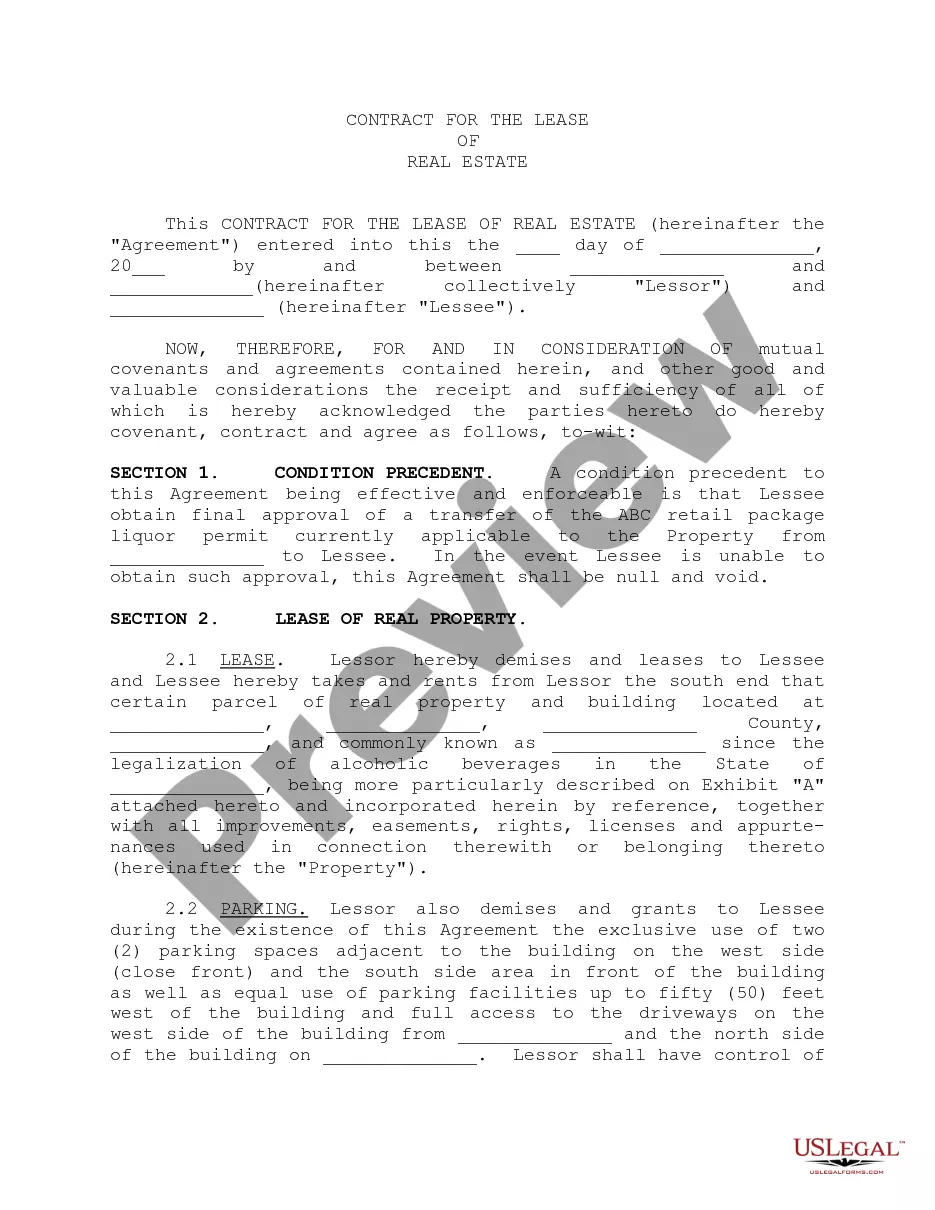
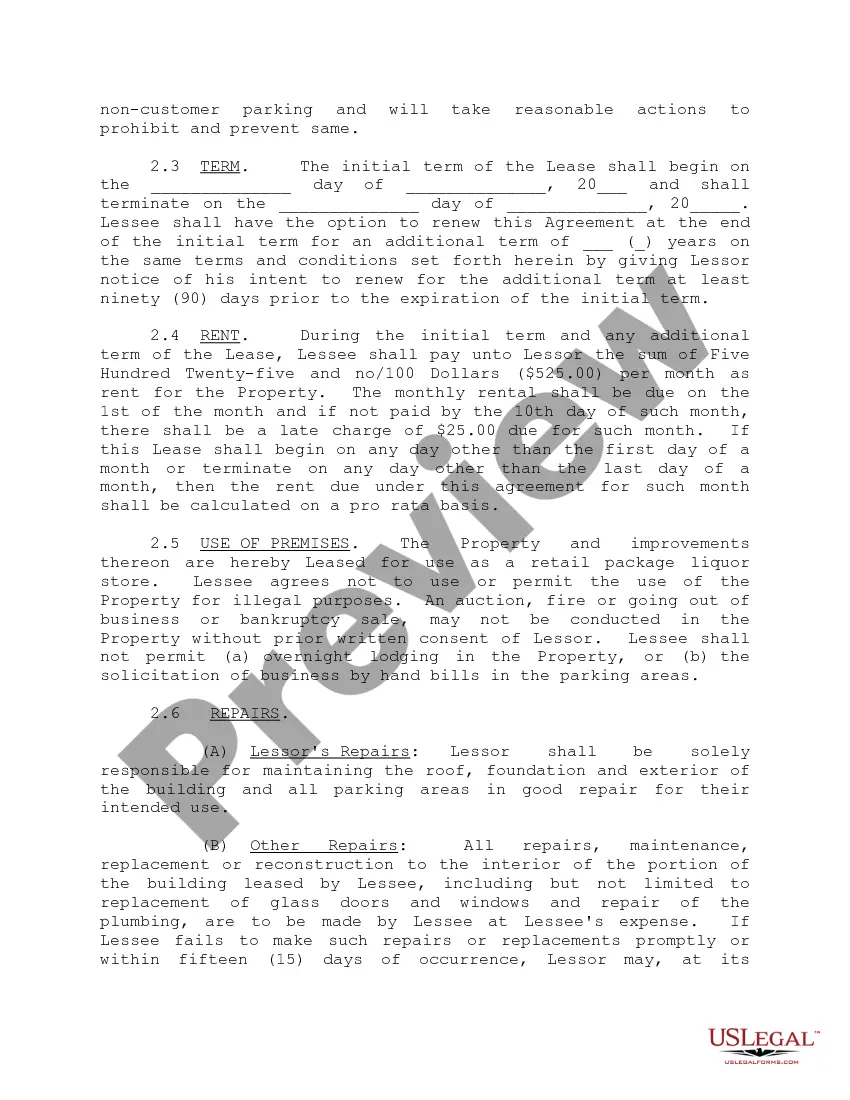
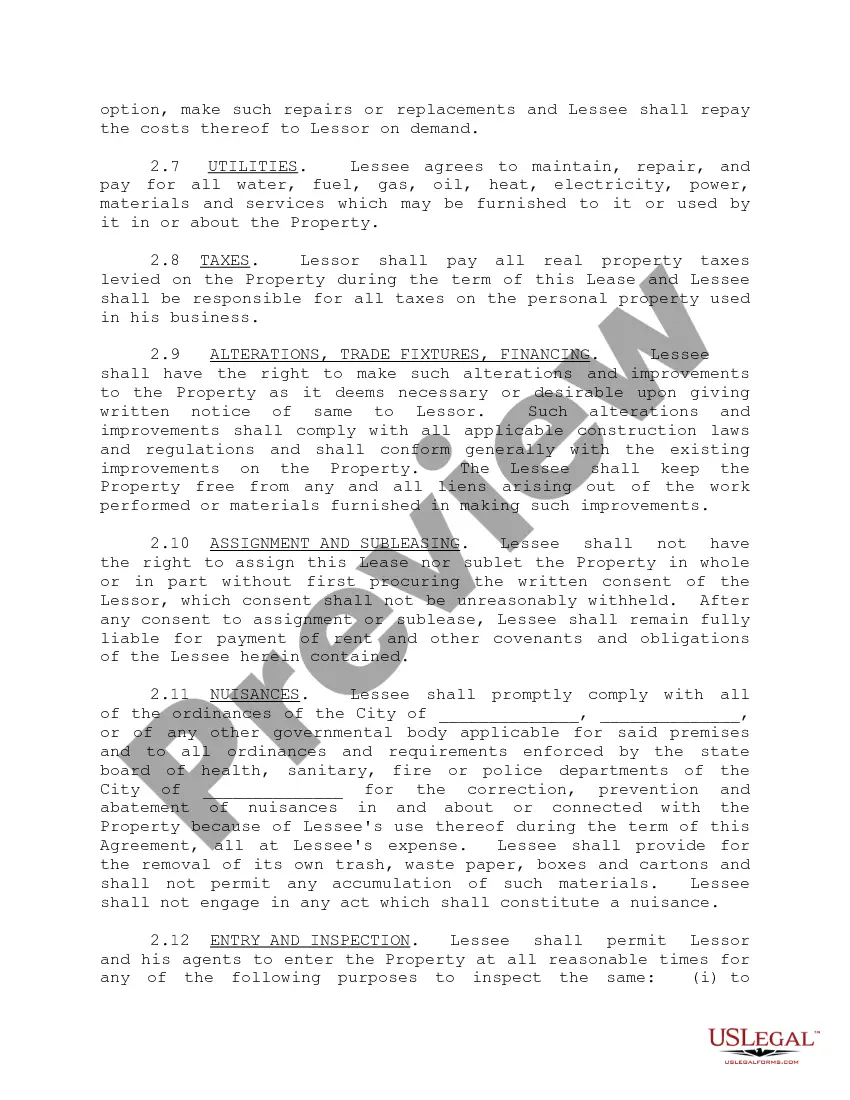
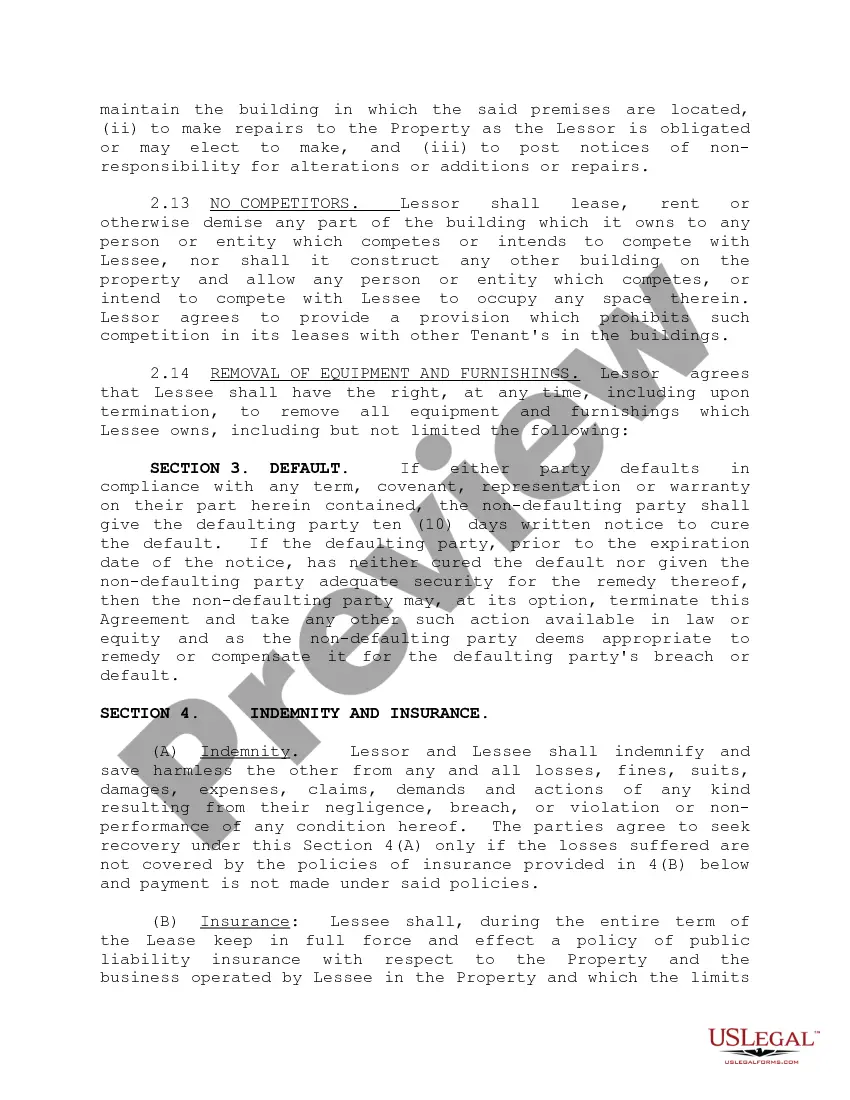
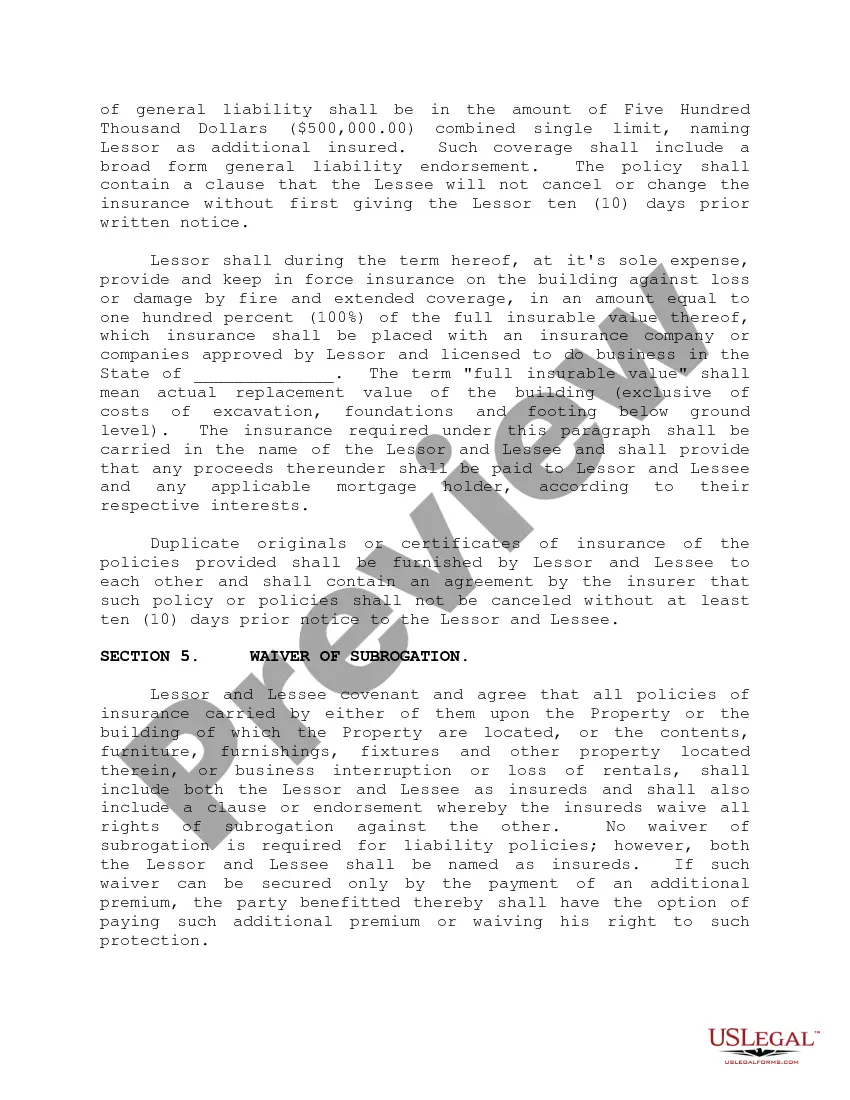
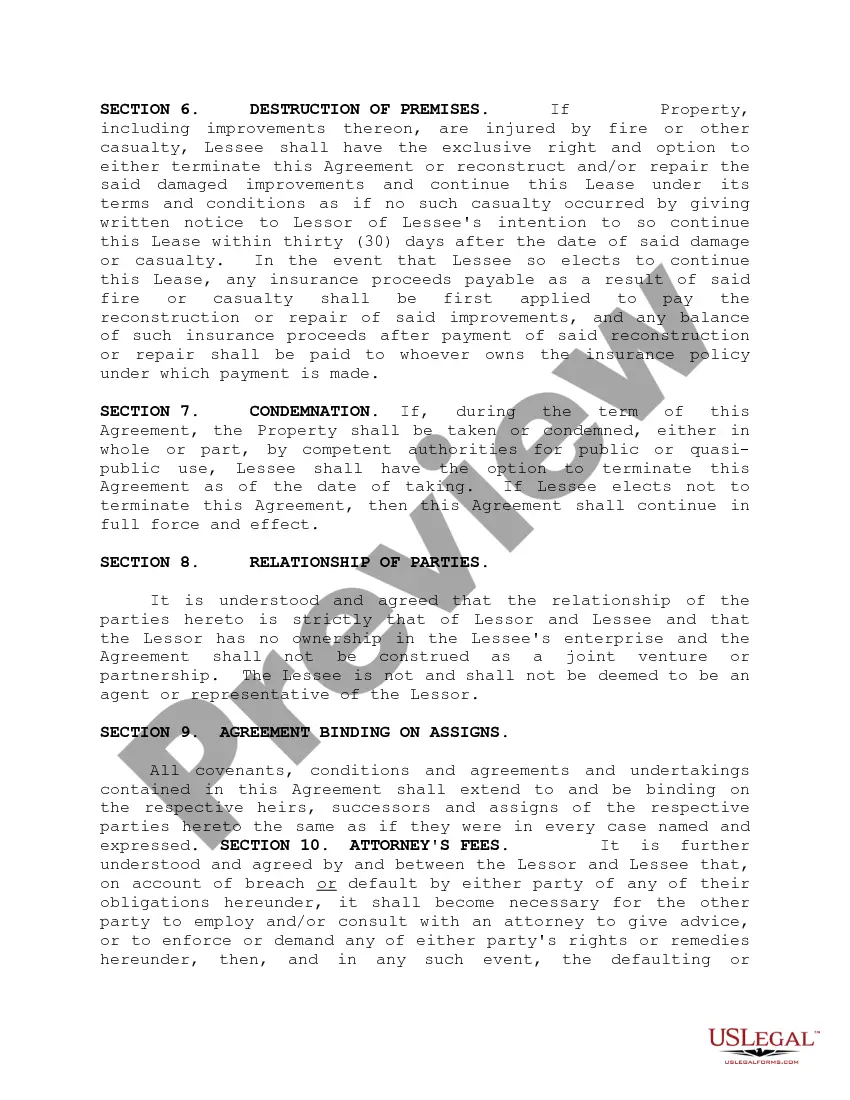
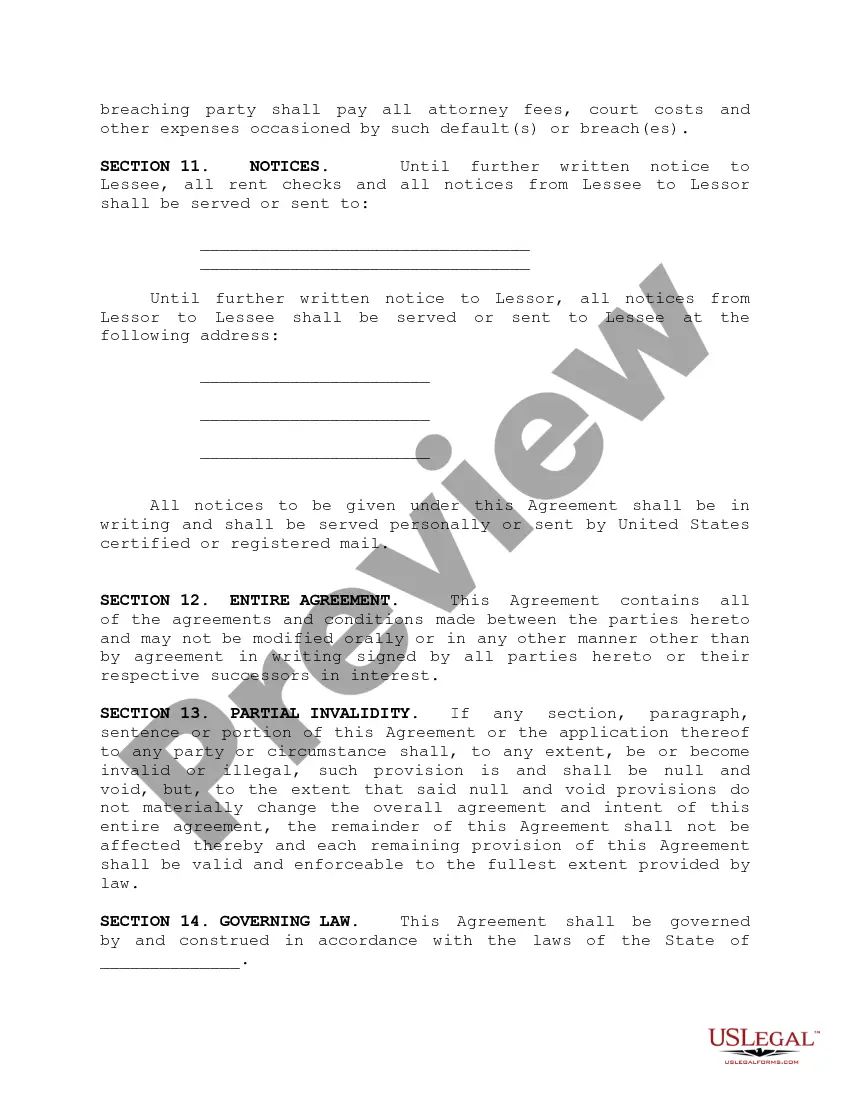
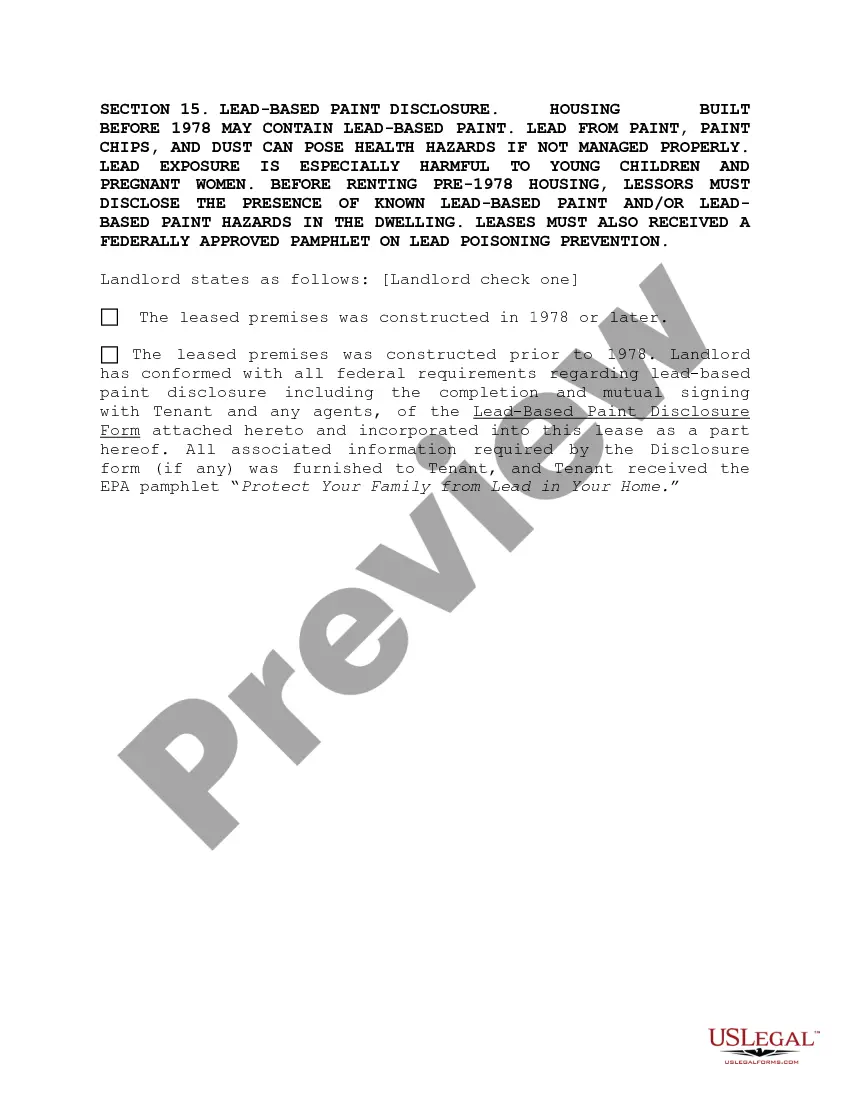
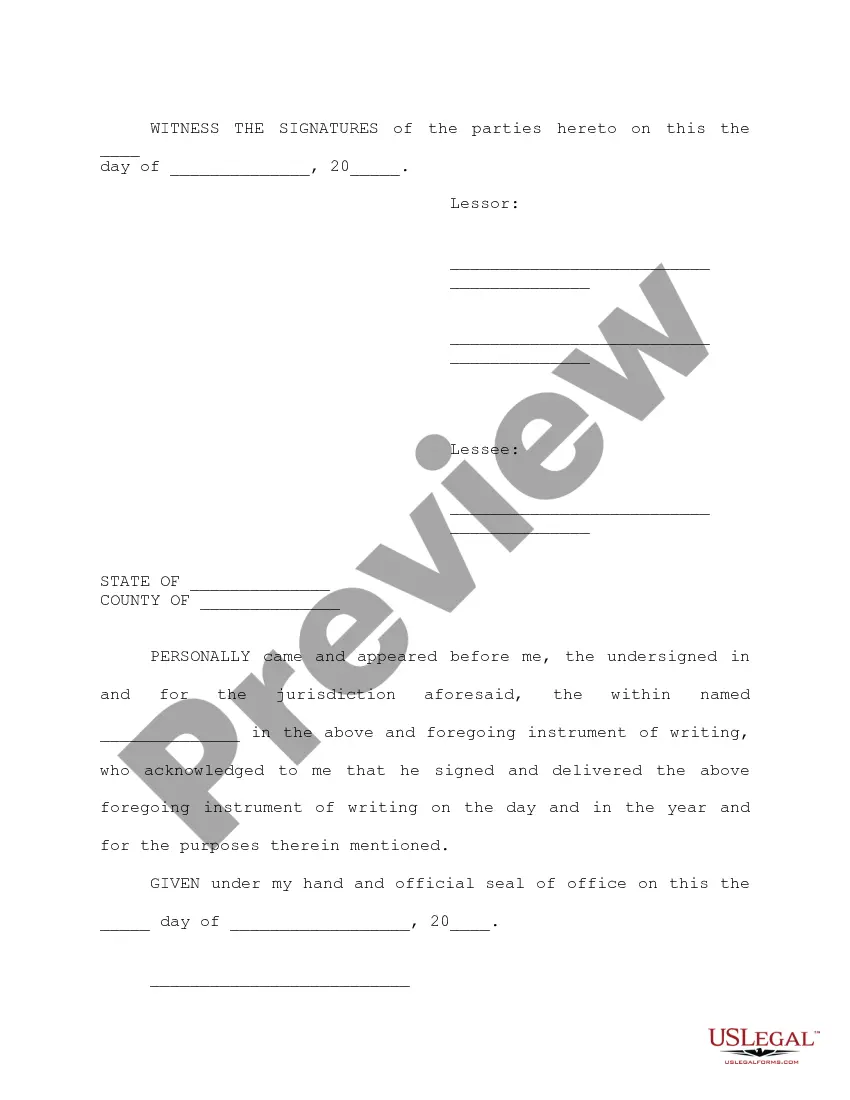
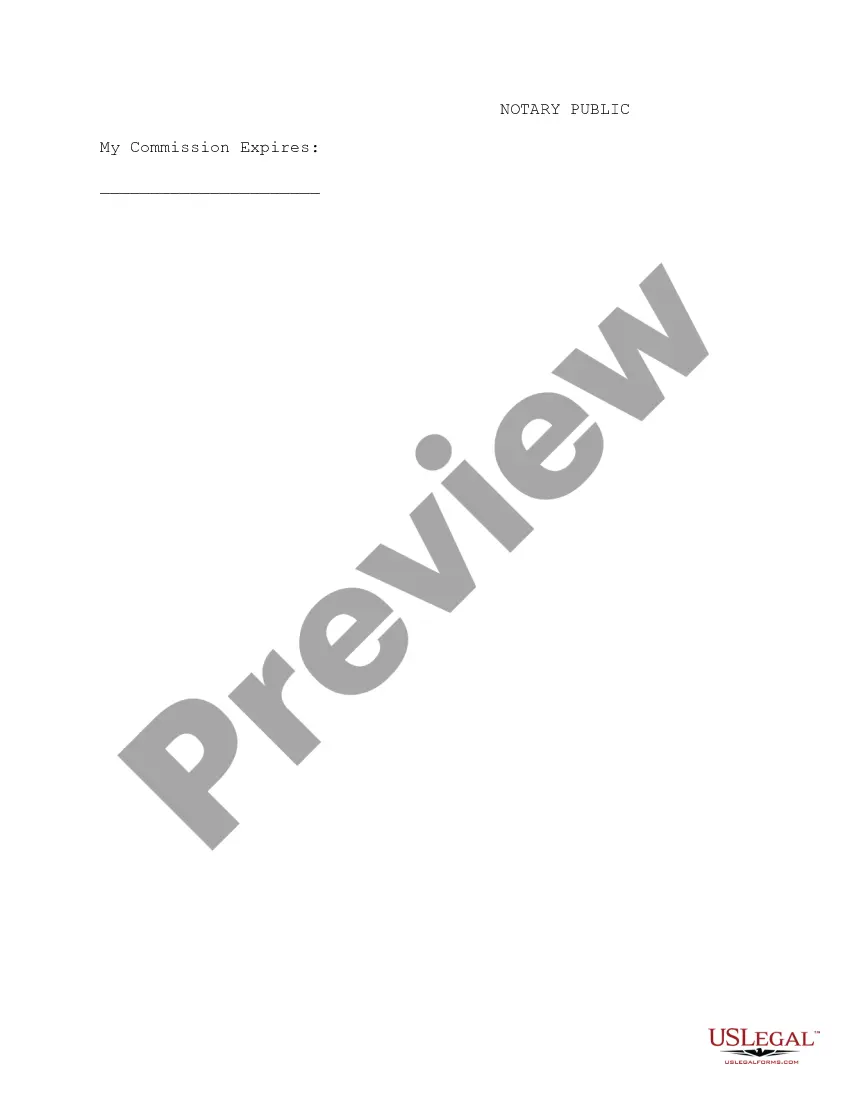

Get your form ready online
Our built-in tools help you complete, sign, share, and store your documents in one place.
Make edits, fill in missing information, and update formatting in US Legal Forms—just like you would in MS Word.
Download a copy, print it, send it by email, or mail it via USPS—whatever works best for your next step.
Sign and collect signatures with our SignNow integration. Send to multiple recipients, set reminders, and more. Go Premium to unlock E-Sign.
If this form requires notarization, complete it online through a secure video call—no need to meet a notary in person or wait for an appointment.
We protect your documents and personal data by following strict security and privacy standards.

Make edits, fill in missing information, and update formatting in US Legal Forms—just like you would in MS Word.

Download a copy, print it, send it by email, or mail it via USPS—whatever works best for your next step.

Sign and collect signatures with our SignNow integration. Send to multiple recipients, set reminders, and more. Go Premium to unlock E-Sign.

If this form requires notarization, complete it online through a secure video call—no need to meet a notary in person or wait for an appointment.

We protect your documents and personal data by following strict security and privacy standards.
Looking for another form?
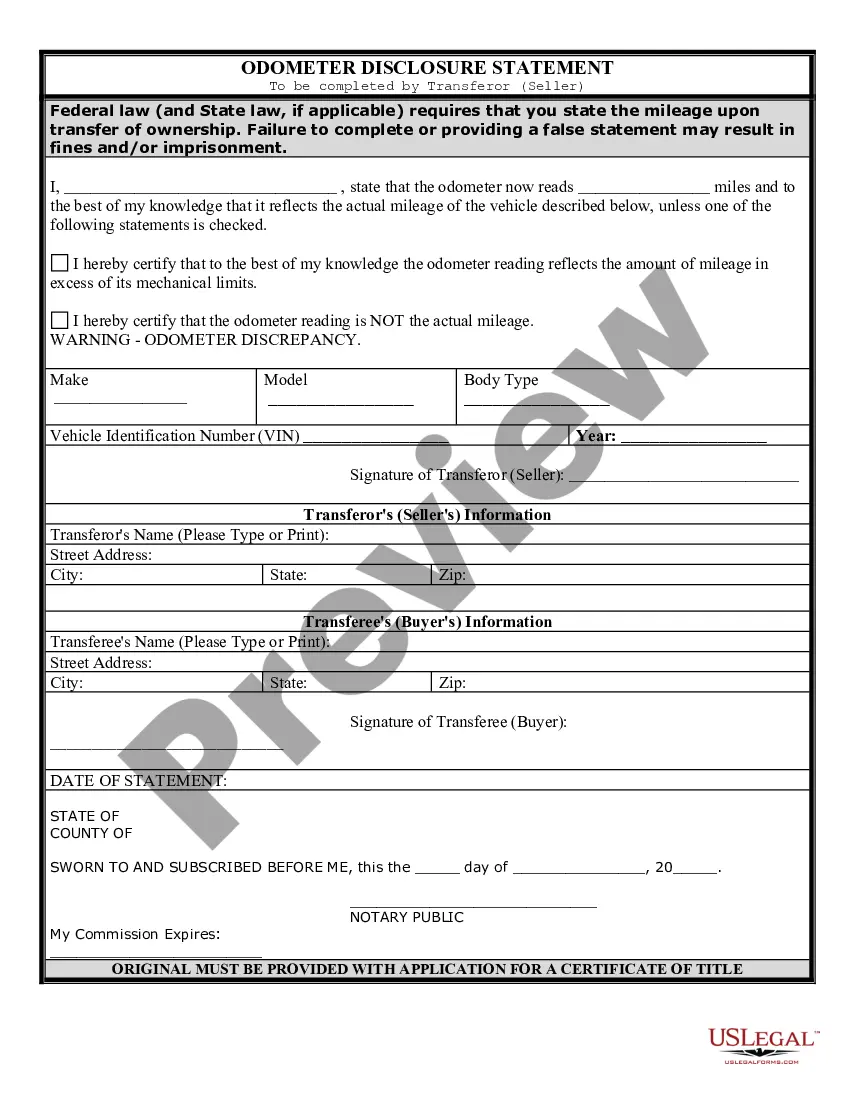
How to fill out Contract For The Lease Of Real Estate?
- If you're a returning user, log into your account and verify your subscription status. Then, locate your desired lease form in the library.
- For first-time users, start by previewing the lease forms available. Check the description to ensure it fits your needs and complies with local regulations.
- If adjustments are needed, utilize the search function to find an alternative lease template.
- Once you've selected the appropriate form, click the 'Buy Now' button and choose your preferred subscription plan.
- Complete your purchase by entering your payment information, whether via credit card or PayPal.
- After the transaction is processed, download your lease form directly to your device. You can always find it again in the 'My Forms' section of your profile.
By following these steps, you can easily navigate the vast resources offered by US Legal Forms, ensuring you have access to robust, legally sound documents tailored to your needs.
Don't hesitate to explore the extensive library today and empower yourself with the legal documents necessary for your success!
Form popularity
FAQ
Yes, you can write up your own lease agreement as long as you include all required legal elements and make it clear and understandable. Ensure it covers essential information like payment terms, property details, and responsibilities. To simplify your work and ensure compliance, check out the lease templates available on US Legal Forms, which can guide you through the drafting process.
While it's not always necessary to hire a lawyer to write up a lease, consulting one can provide significant advantages, especially in complex situations. A legal professional can ensure your lease complies with state laws and protects your rights. However, for straightforward leases, consider using ready-made templates from US Legal Forms for ease and efficiency.
The best type of lease for a landlord often depends on individual circumstances and preferences. For example, a fixed-term lease provides stability for longer rentals, while a month-to-month lease offers flexibility. Ultimately, selecting the ideal lease type can help protect your interests, and you can find resources on US Legal Forms to guide your decision.
Absolutely, you can draft a lease yourself. However, it's essential to understand local rental laws to ensure your lease complies with legal requirements. For ease and peace of mind, consider using US Legal Forms, which offers straightforward templates that simplify the process.
Yes, landlords can create their own leases, but they must include all necessary legal components, such as the rental amount, duration, and responsibilities of both parties. Creating a custom lease can allow the landlord to tailor the agreement to specific needs. Utilizing tools from US Legal Forms can provide templates and guidance to ensure compliance with local laws.
Yes, a handwritten lease agreement can be legally binding, provided it includes essential elements such as names, terms, and signatures. However, it’s crucial to ensure that both parties understand and agree to the terms outlined in the lease. To avoid confusion and potential disputes, using standardized lease templates from reliable sources, like US Legal Forms, is often recommended.
The best type of lease for a tenant depends on their financial situation and long-term goals. A fixed-term lease offers stability and predictable expenses, while a month-to-month lease provides flexibility. Evaluating individual needs can lead you to the most suitable lease type, making your renting experience more favorable.
While the terms leased and rent are often used interchangeably, they have distinct meanings. Leasing refers to the overall agreement granting use of property for an agreed period, while rent specifically mentions the payment made under that agreement. Recognizing this distinction allows for better communication about leases and rental terms.
Leases are binding agreements that define the terms under which one party can use or occupy property owned by another party. They outline responsibilities, payment terms, and duration, providing clarity and security for both landlords and tenants. Understanding leases is crucial for protecting your interests and ensuring a smooth rental experience.
Residential and commercial leases are the most common types in the real estate sector. Within residential leases, fixed-term agreements and month-to-month options are frequently used. For commercial properties, gross and net leases are popular, depending on the financial arrangement between tenants and landlords, showcasing the versatility of leases in various settings.