Self Employed Employment Form For Medicaid
Description
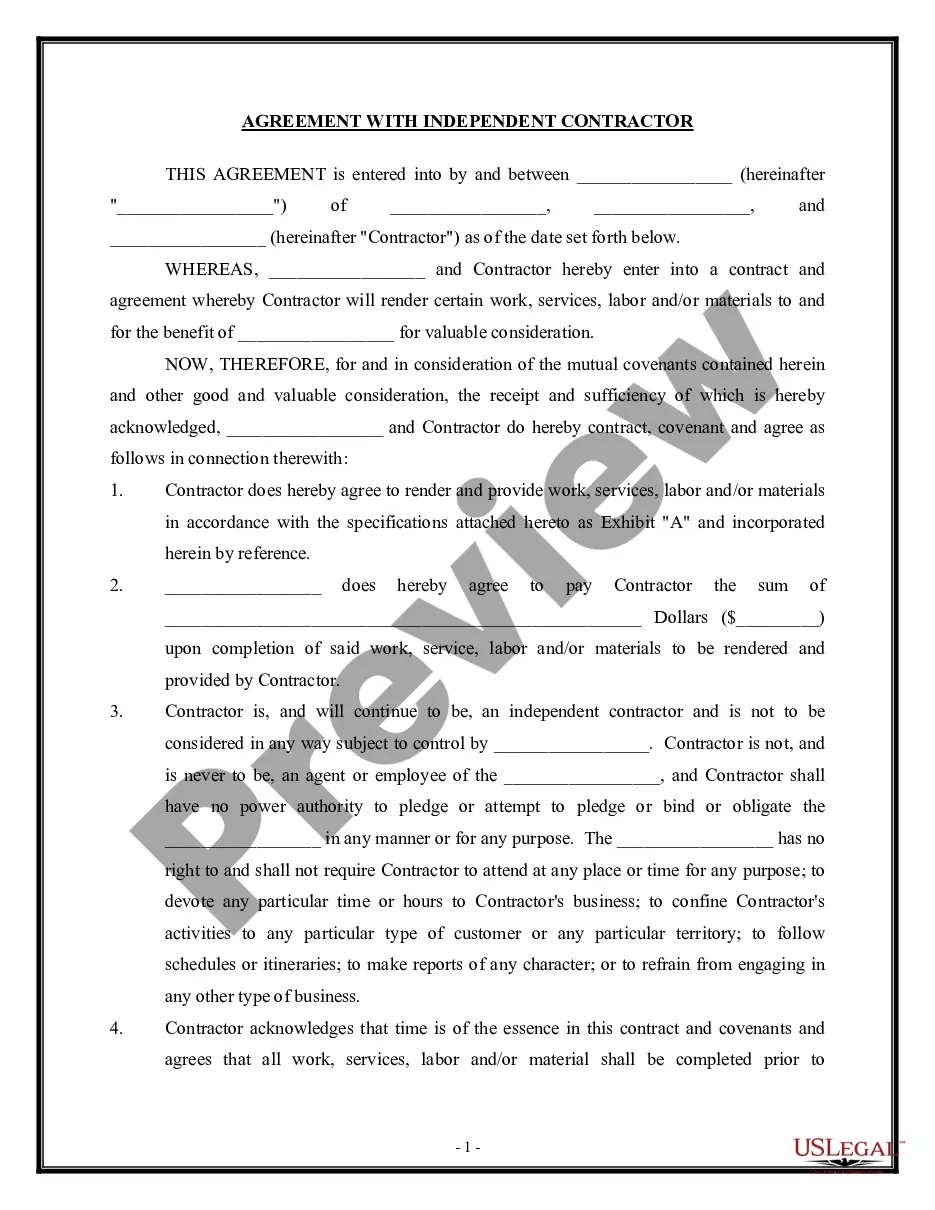
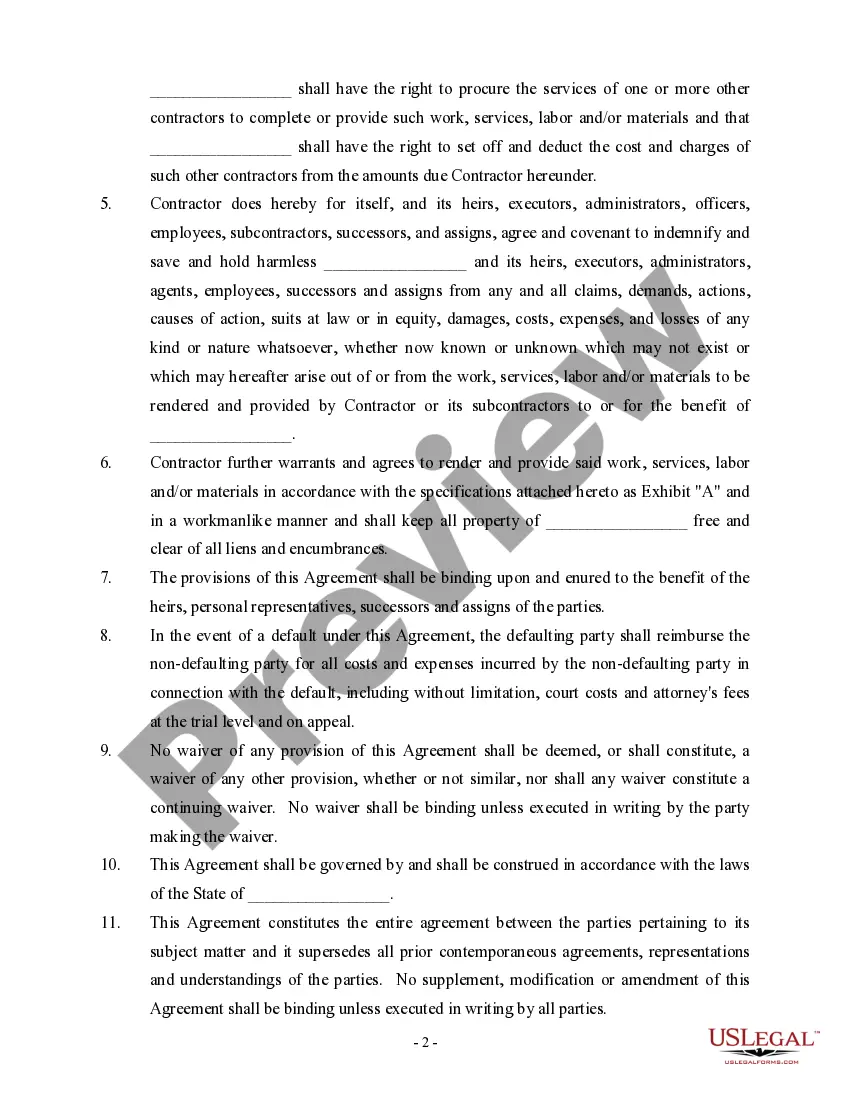

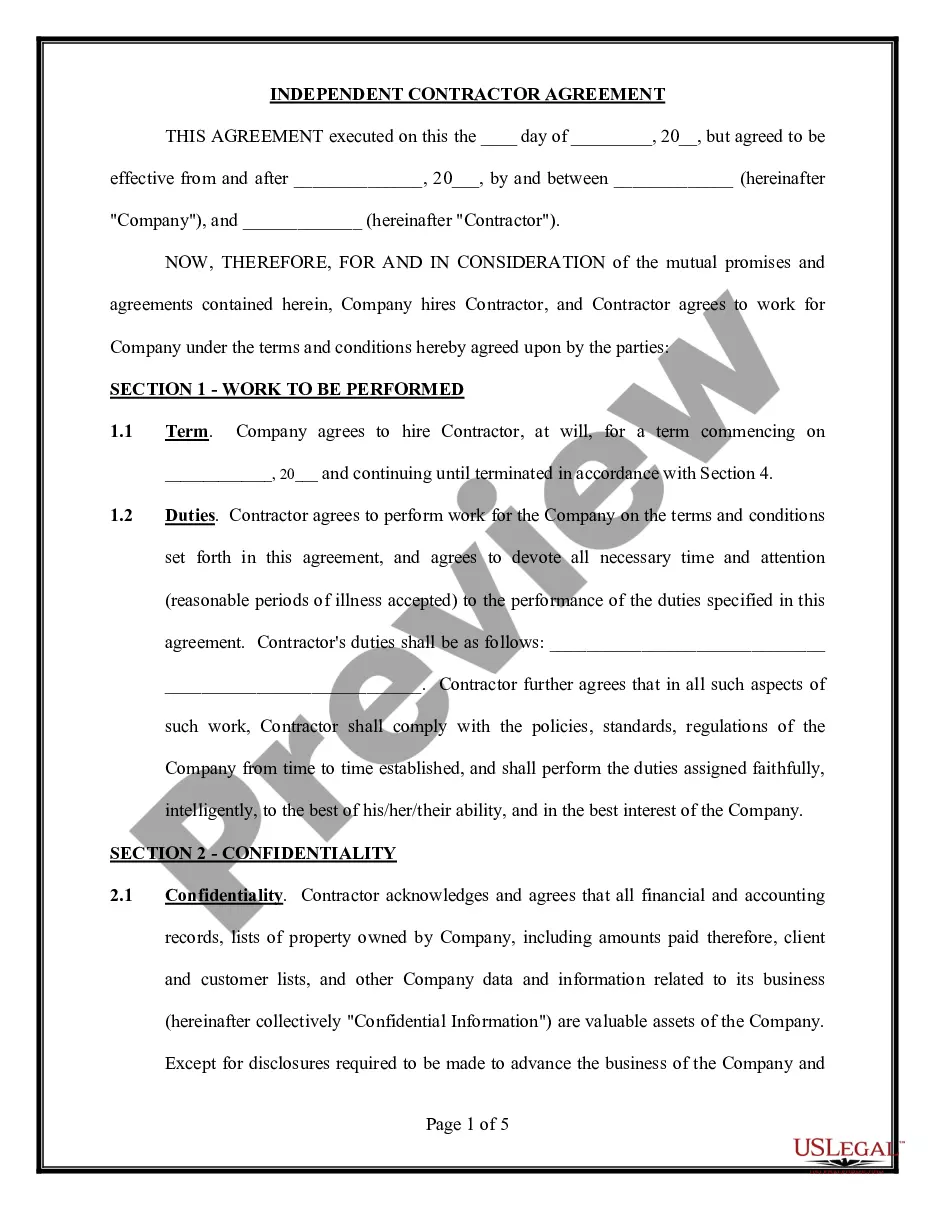
Get your form ready online
Our built-in tools help you complete, sign, share, and store your documents in one place.
Make edits, fill in missing information, and update formatting in US Legal Forms—just like you would in MS Word.
Download a copy, print it, send it by email, or mail it via USPS—whatever works best for your next step.
Sign and collect signatures with our SignNow integration. Send to multiple recipients, set reminders, and more. Go Premium to unlock E-Sign.
If this form requires notarization, complete it online through a secure video call—no need to meet a notary in person or wait for an appointment.
We protect your documents and personal data by following strict security and privacy standards.

Make edits, fill in missing information, and update formatting in US Legal Forms—just like you would in MS Word.

Download a copy, print it, send it by email, or mail it via USPS—whatever works best for your next step.

Sign and collect signatures with our SignNow integration. Send to multiple recipients, set reminders, and more. Go Premium to unlock E-Sign.

If this form requires notarization, complete it online through a secure video call—no need to meet a notary in person or wait for an appointment.

We protect your documents and personal data by following strict security and privacy standards.
Looking for another form?
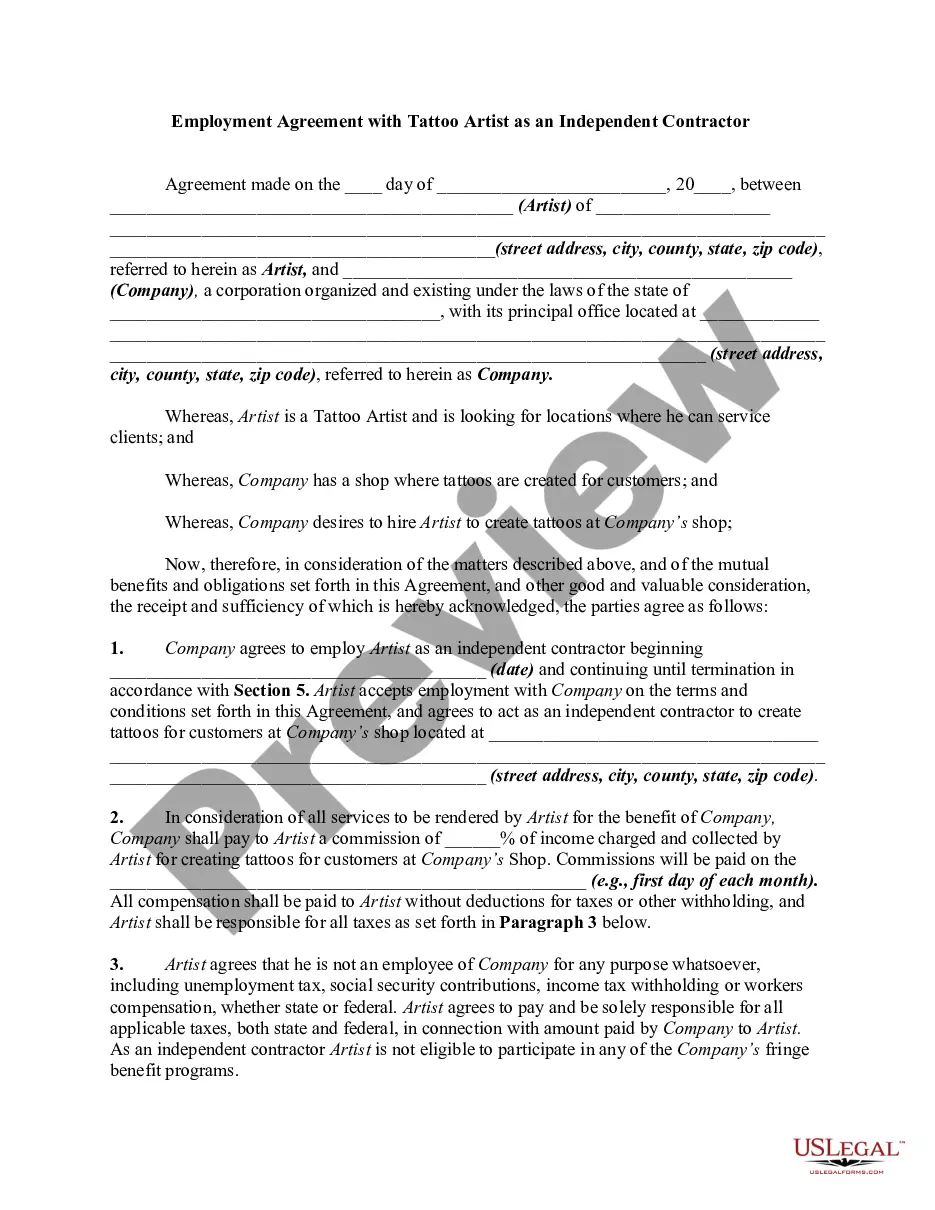


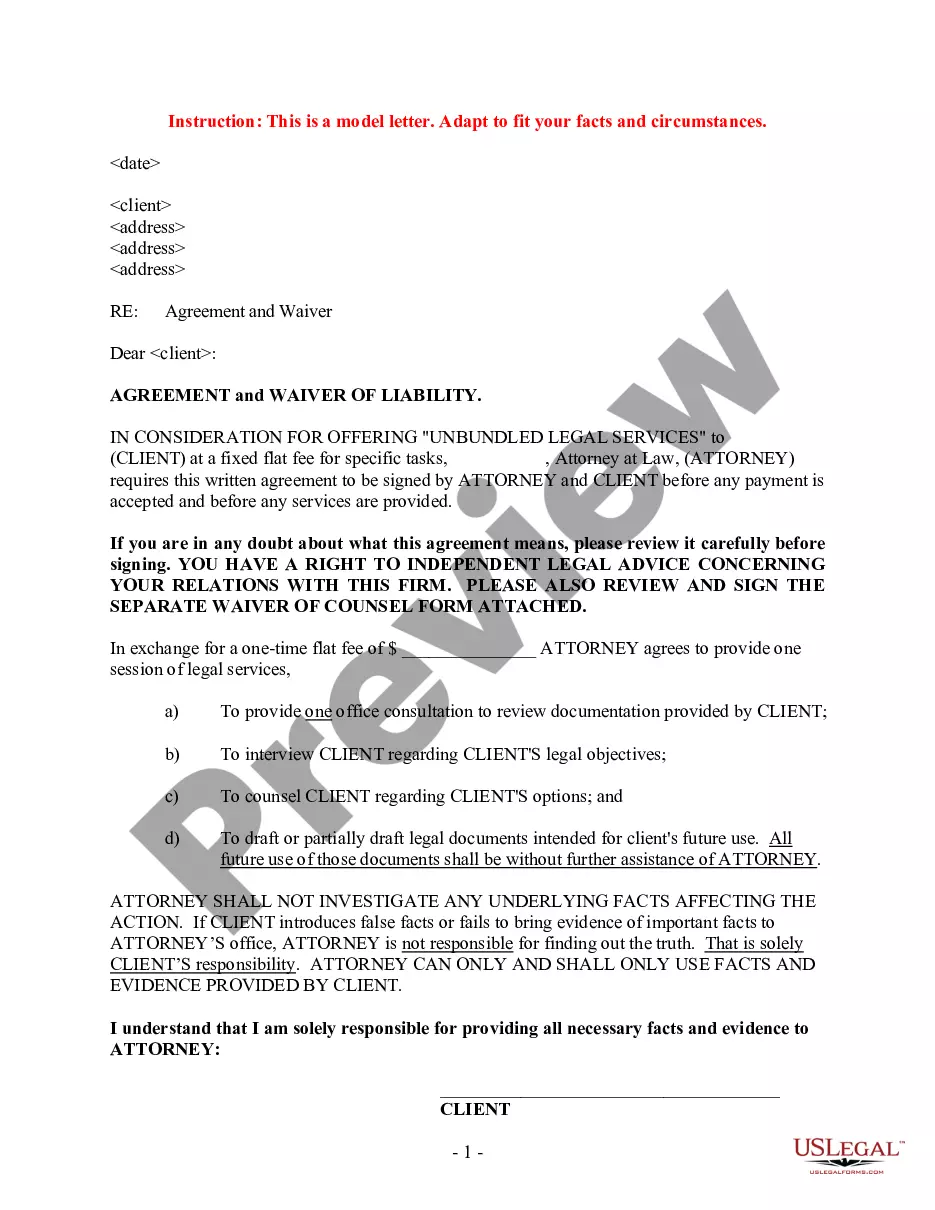
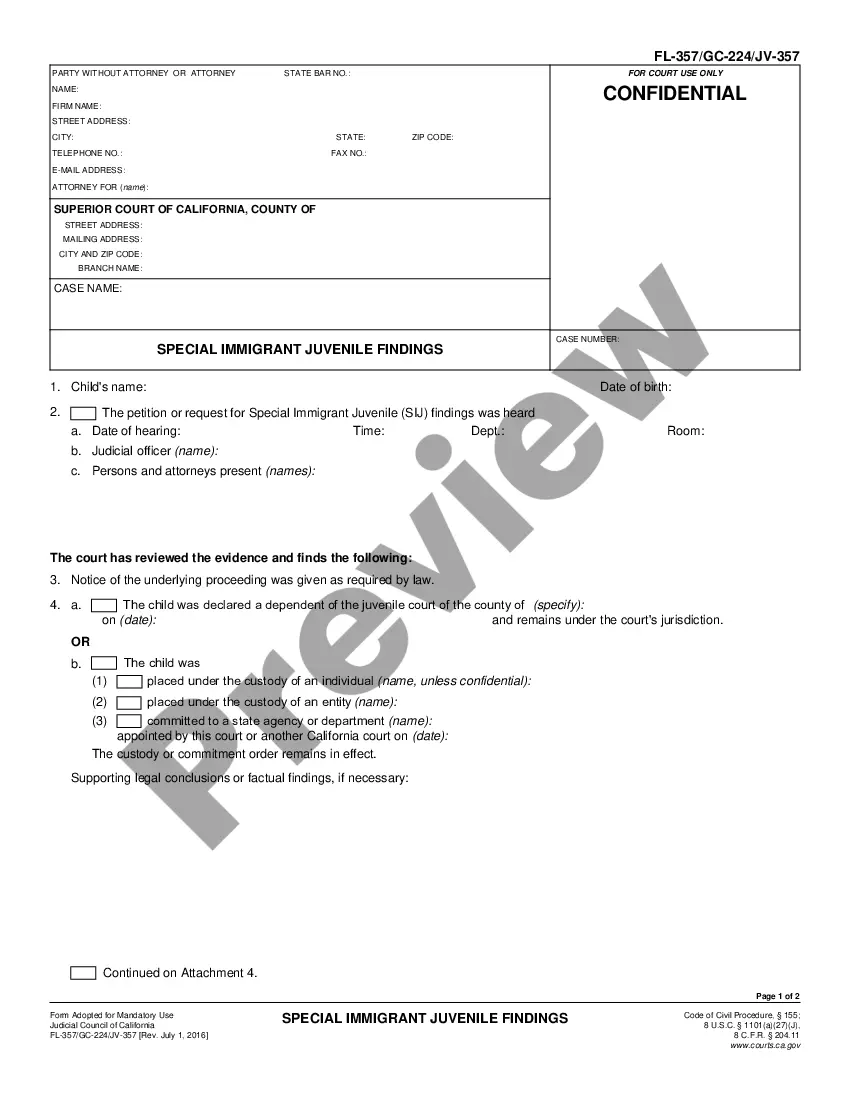
How to fill out Self-Employed Independent Contractor Employment Agreement - Work, Services And / Or Materials?
Identifying a reliable source to obtain the latest and suitable legal templates is a significant challenge when dealing with bureaucracy.
Finding the appropriate legal documents requires precision and meticulousness, which is why it is crucial to obtain samples of the Self Employed Employment Form For Medicaid solely from trustworthy sources like US Legal Forms. An incorrect template can waste your time and delay your current situation.
Eliminate the hassle associated with your legal documentation. Browse the extensive US Legal Forms catalog where you can discover legal templates, verify their relevance to your situation, and download them instantly.
- Employ the library navigation or search tool to find your template.
- Review the form’s description to ensure it meets the criteria of your state and county.
- Examine the form preview, if available, to confirm it is indeed the document you need.
- Return to the search to locate the right document if the Self Employed Employment Form For Medicaid does not fit your needs.
- If you are confident about the form’s relevance, download it.
- If you are a registered user, click Log in to verify and access your chosen forms in My documents.
- If you haven't created an account yet, click Buy now to purchase the template.
- Select the pricing plan that accommodates your needs.
- Proceed with the registration to complete your purchase.
- Finalize your purchase by selecting a payment method (credit card or PayPal).
- Choose the file format for downloading the Self Employed Employment Form For Medicaid.
- Once you have the form on your device, you may modify it using the editor or print it and complete it manually.
Form popularity
FAQ
Starting a job does not automatically mean you will lose your Medicaid coverage. Your eligibility is based on your income and family size, which may change when you begin working. It's important to report your new income and fill out the self employed employment form for Medicaid to evaluate your continued eligibility for coverage.
Yes, you can be on Medicaid if you are self-employed, provided you meet the income requirements. Your self-employment income will be assessed, and it's essential to fill out the self employed employment form for Medicaid correctly. This form will help determine your eligibility for various Medicaid programs while helping you maintain your business.
To record self-employment health insurance, keep track of your premium payments as they can be tax-deductible. Use tax software or consult a tax professional to ensure you complete the necessary forms accurately. This deduction not only reduces your taxable income, but can also assist in filling out the self employed employment form for Medicaid.
Proving self-employment income typically involves providing tax returns, profit and loss statements, and bank statements. These documents demonstrate your earnings and expenses, making them vital for the self employed employment form for Medicaid. Keep organized financial records to make this process easier when applying for benefits.
To declare self-employment income, you need to track your earnings and expenses throughout the year. Use accounting software or a simple spreadsheet to organize your financial records. When filing taxes, report your self-employment income on Schedule C with your individual tax return. This step is crucial for completing your self employed employment form for Medicaid accurately.
When reporting income from self-employment, it's vital to accurately calculate your earnings and expenses on the self-employed employment form for Medicaid. Start by totaling all your income sources and subtracting allowable business expenses to determine your net profit. You can support your claim with documentation such as tax returns and receipts. By presenting clear and precise information, you enhance your chances of a successful Medicaid application.
To prove your income as a self-employed individual, you should provide various documents along with the self-employed employment form for Medicaid. You'll need your tax returns from the previous year, bank statements, and possibly invoices or contracts that detail your earnings. Having a well-organized documentation package will help clarify your financial situation to Medicaid and streamline the approval process.
To fill out the self-employed employment form for Medicaid, you first need to gather your income documents, including your profit and loss statements. Next, clearly list your total income for the year, subtract your business expenses to calculate your net income, and present this figure on the form. If you have multiple sources of income, ensure you include each one. Accurate reporting is essential to avoid complications in your Medicaid application.
Medicaid verifies employment by requesting information from applicants about their work history. This includes reviewing the self employed employment form for medicaid that you submit. They may also contact your listed employers or verify income through tax documents. It is important to provide accurate and complete information to ensure a smooth verification process.
To file taxes as a self-employed person, start by gathering your income and expenses. You will typically file a 1040 form, along with Schedule C and Schedule SE. Additionally, it's important to consider how the self employed employment form for Medicaid may impact your overall tax situation and potential benefits.