Work With Hair Transplant
Description
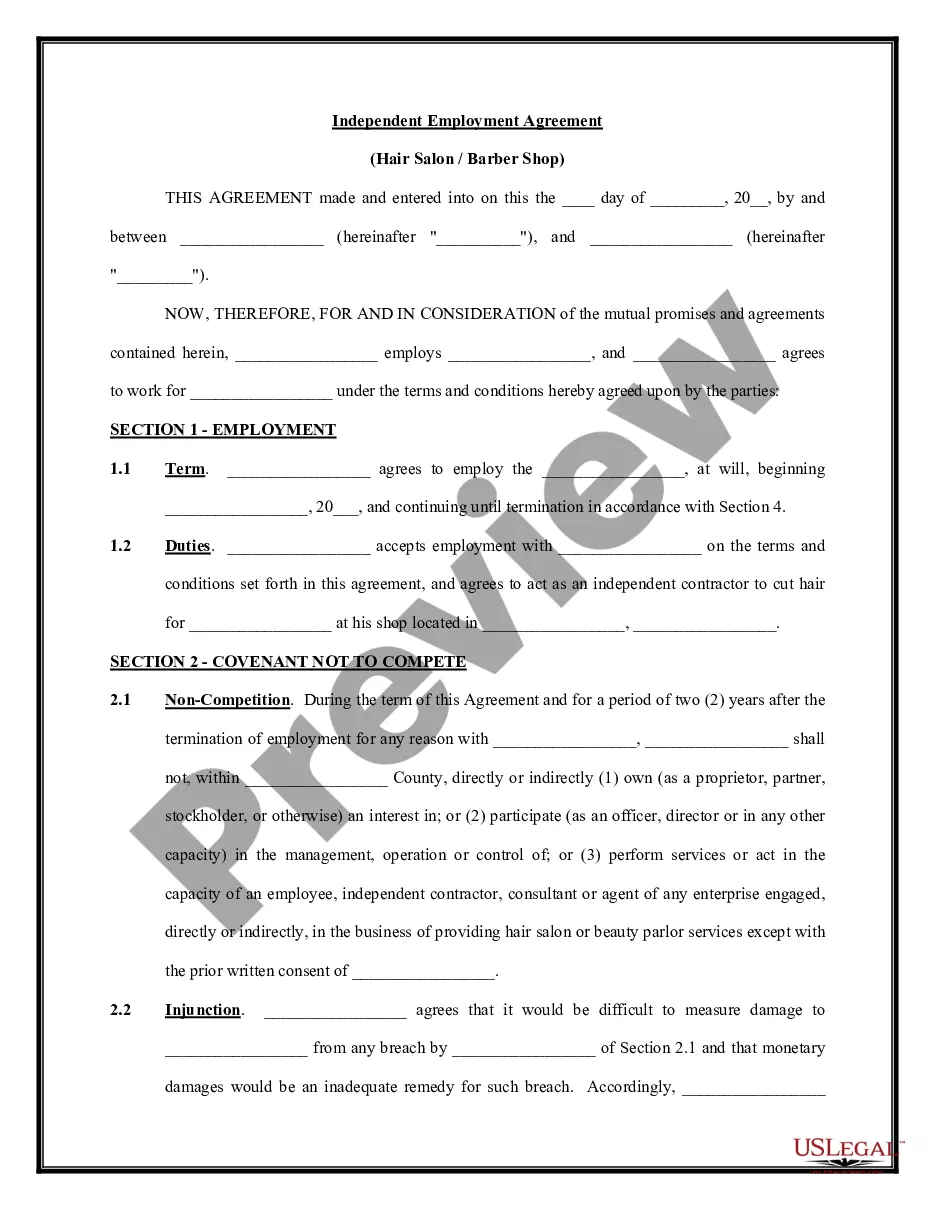
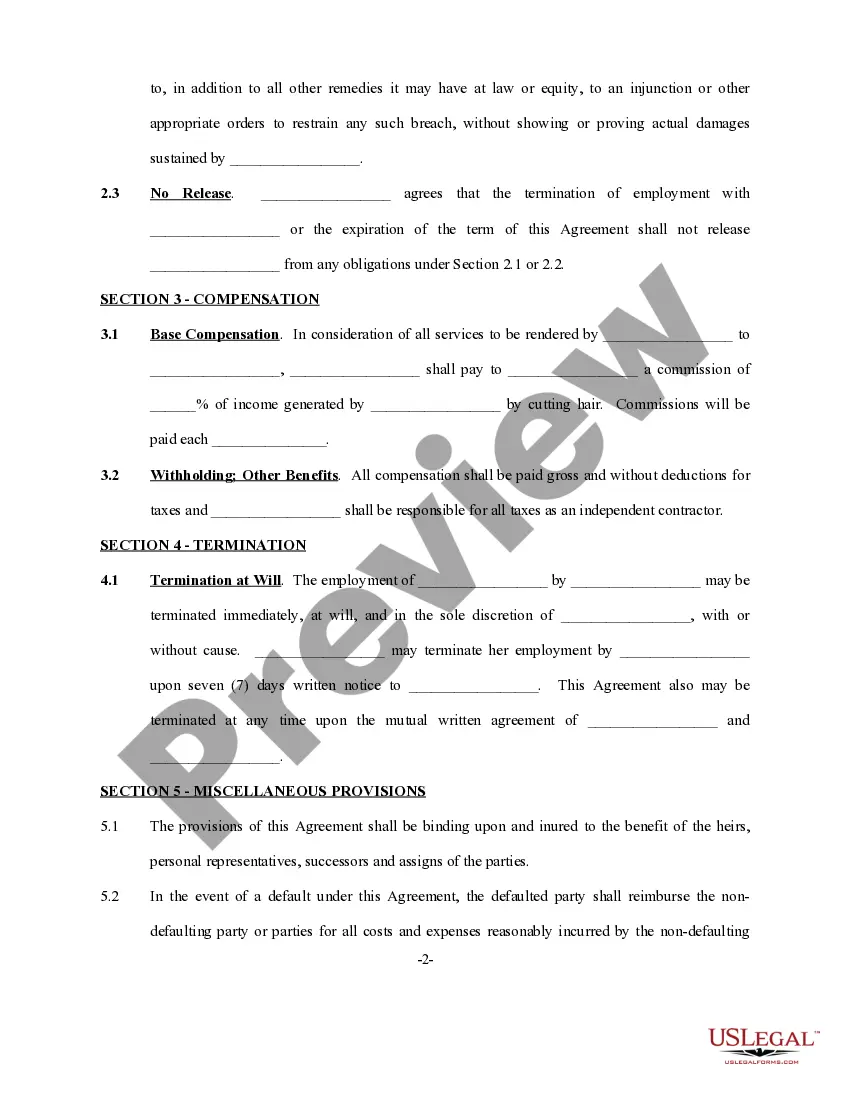
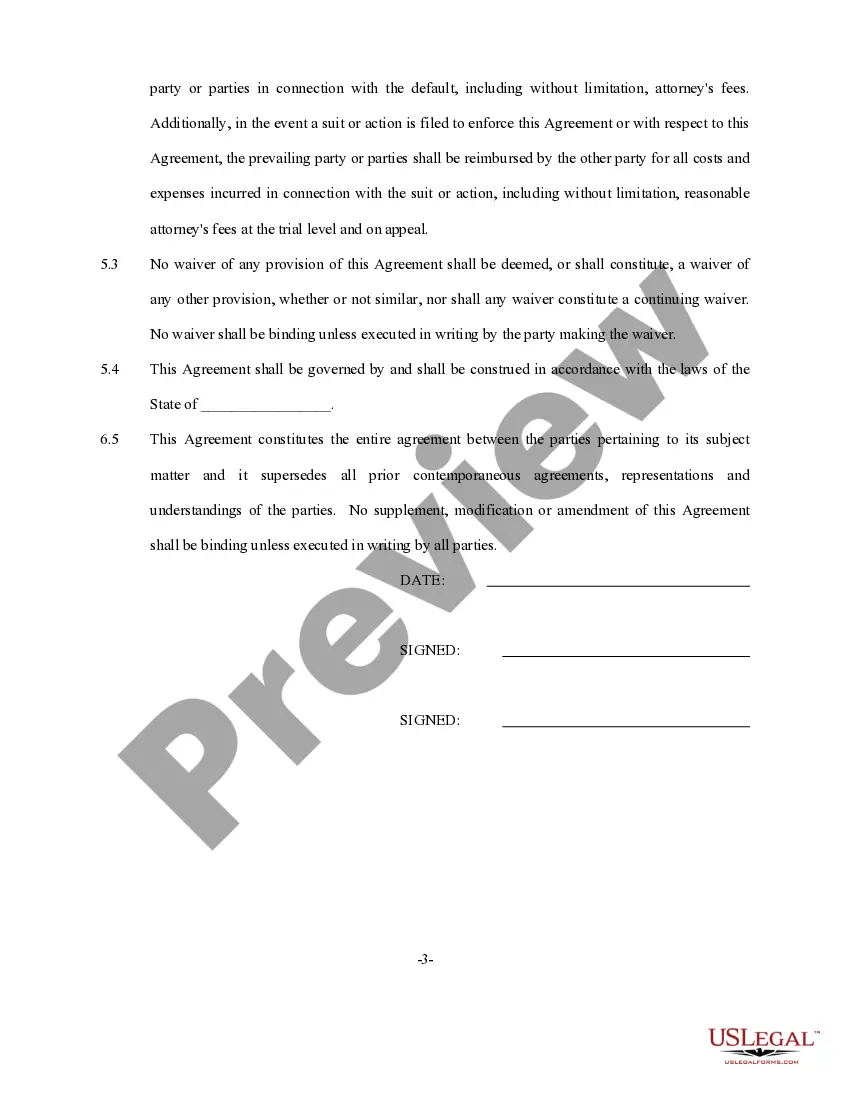
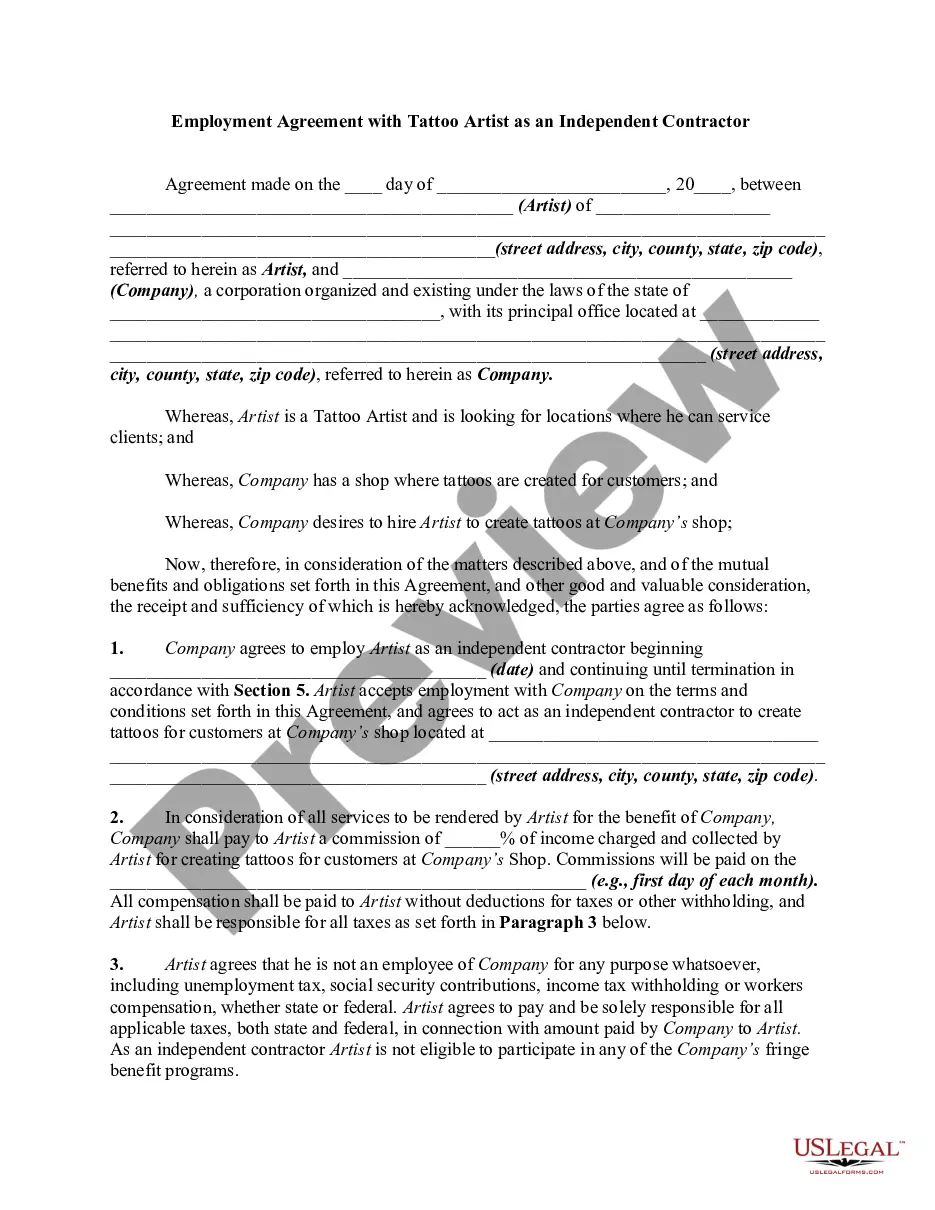
Get your form ready online
Our built-in tools help you complete, sign, share, and store your documents in one place.
Make edits, fill in missing information, and update formatting in US Legal Forms—just like you would in MS Word.
Download a copy, print it, send it by email, or mail it via USPS—whatever works best for your next step.
Sign and collect signatures with our SignNow integration. Send to multiple recipients, set reminders, and more. Go Premium to unlock E-Sign.
If this form requires notarization, complete it online through a secure video call—no need to meet a notary in person or wait for an appointment.
We protect your documents and personal data by following strict security and privacy standards.

Make edits, fill in missing information, and update formatting in US Legal Forms—just like you would in MS Word.

Download a copy, print it, send it by email, or mail it via USPS—whatever works best for your next step.

Sign and collect signatures with our SignNow integration. Send to multiple recipients, set reminders, and more. Go Premium to unlock E-Sign.

If this form requires notarization, complete it online through a secure video call—no need to meet a notary in person or wait for an appointment.

We protect your documents and personal data by following strict security and privacy standards.
Looking for another form?









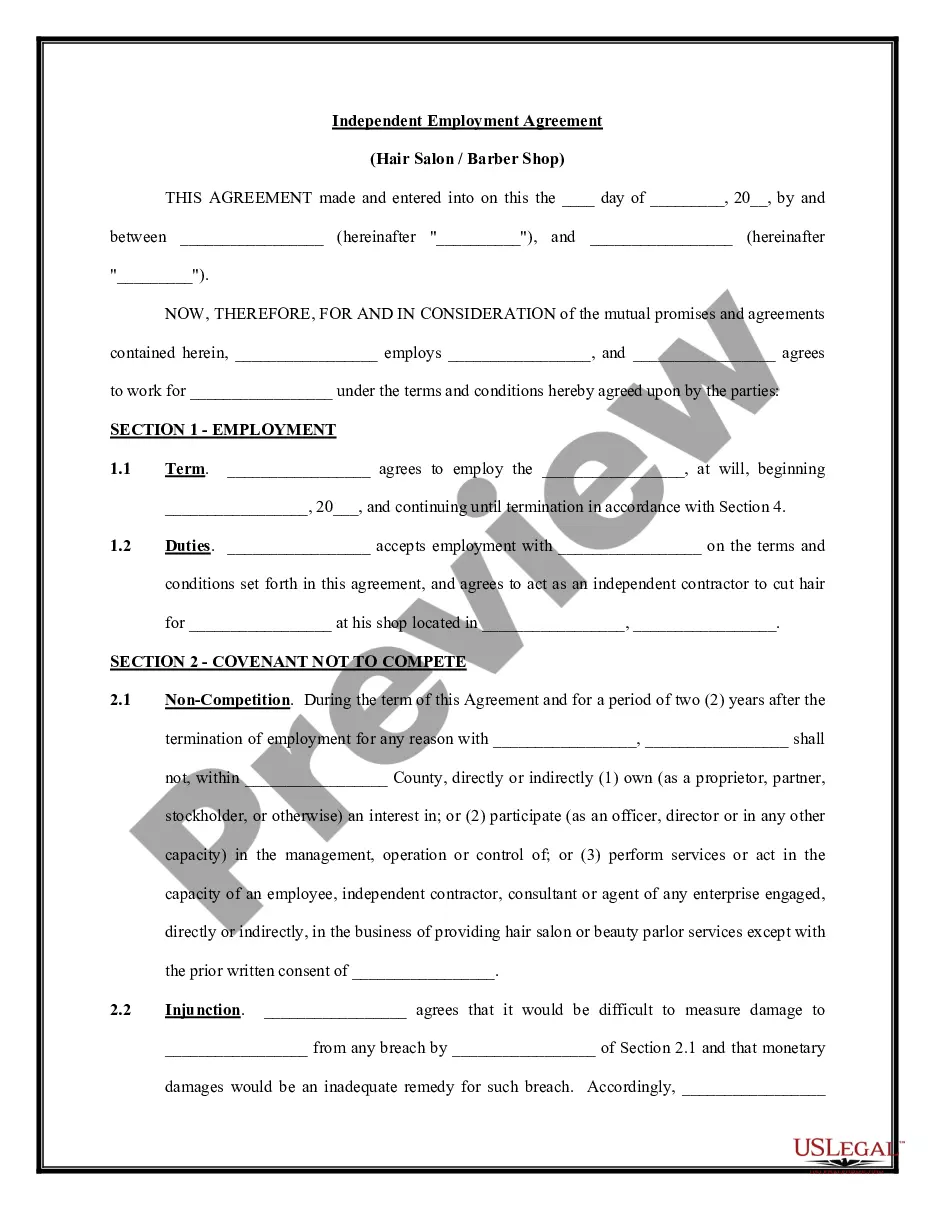
How to fill out Self-Employed Independent Contractor Employment Agreement - Hair Salon Or Barber Shop?
Securing a reliable source for obtaining the most up-to-date and pertinent legal samples constitutes a major portion of the challenge involved in navigating bureaucracy. Identifying the appropriate legal documents requires accuracy and careful consideration, which is why it is essential to source Work With Hair Transplant samples exclusively from trustworthy providers, such as US Legal Forms. An incorrect template could squander your time and delay your situation. With US Legal Forms, worries are minimal. You can review and verify all details regarding the document's applicability and significance for your needs and jurisdiction.
Follow these steps to complete your Work With Hair Transplant.
Eliminate the stress associated with your legal documents. Explore the vast US Legal Forms collection to discover legal samples, assess their applicability to your situation, and download them instantly.
- Utilize the catalog navigation or search bar to locate your sample.
- Examine the form's description to confirm its compliance with your state and county requirements.
- Review the form preview, if available, to ensure that the template is indeed the one you seek.
- If the Work With Hair Transplant does not align with your needs, continue your search for the correct document.
- If you are certain about the form's applicability, proceed to download it.
- For authorized users, click Log in to verify your identity and access your selected forms in My documents.
- If you haven't created an account yet, click Buy now to purchase the template.
- Select the pricing plan that fits your needs.
- Proceed to the registration to complete your order.
- Finalize your purchase by choosing a payment method (credit card or PayPal).
- Choose the document format for downloading Work With Hair Transplant.
- Once the form is saved on your device, you can modify it with the editor or print it for manual completion.
Form popularity
FAQ
To work with hair transplant as a technician, you'll want to pursue specific training and certification in the field. Look for accredited programs that offer hands-on experience alongside theoretical knowledge. Gaining skills in patient consultation, the latest technology, and ethical practices will equip you to excel in this exciting aspect of cosmetic medicine.
When you are ready to go back to work with a hair transplant, it’s important to follow some guidelines. First, avoid strenuous activities in the workplace that can increase sweating, as this may affect healing. Moreover, wearing a loose-fitting hat or using a gentle hair product can help maintain comfort and protect your scalp while adjusting back to your routine.
If you're concerned about how to cover a hair transplant at work, options are available to help you feel comfortable. Lightweight hats, scarves, or headbands can provide discreet coverage during the early healing stages. Additionally, you might consider hairstyles that can help hide any noticeable areas, ensuring you present yourself confidently at your job.
Working with hair transplant procedures can feel challenging, but there are simple ways to manage this. First, plan your work schedule around any initial recovery periods, allowing ample time for healing. Communicating with your employer and colleagues about your procedure can create understanding, which eases your return to the workplace.
When you work with a hair transplant, 3,000 grafts can cover a significant area depending on your specific hair loss pattern. Typically, this number of grafts can effectively restore hair in areas that have thinning, providing a natural look. It’s important to consult with your specialist to understand how these grafts can be distributed to achieve your desired density and coverage. With the right planning, 3,000 grafts can make a noticeable difference in your hair’s appearance.
When planning to work with a hair transplant, it’s generally recommended to take about 5 to 7 days off work. This allows ample time for your initial recovery, as swelling and discomfort often peak shortly after the procedure. After this period, many individuals feel comfortable returning to their normal activities, although it’s wise to avoid strenuous tasks for a couple of weeks. Remember, taking this time off ensures that you can focus fully on your healing process.
After your hair transplant, it is generally recommended that you take a break from work for about 7 to 10 days. This recovery period allows your scalp to heal and minimizes any visible signs of surgery. Depending on your job's demands, you may be able to work from home or engage in light activities sooner. Ultimately, it's crucial to consult with your surgeon to ensure a safe return to work, especially if you plan to work with hair transplant-related tasks.
Getting a hair transplant covered by insurance can be challenging, but it's not impossible. Begin by checking your insurance policy details to see if hair restoration is included. If deemed medically necessary, gather documentation from your healthcare provider to support your claim. You may also want to consider consulting platforms like US Legal Forms to help streamline the paperwork and improve your chances of a successful coverage application while you work with a hair transplant.
Working in construction after a hair transplant requires careful consideration. It's advisable to wait at least a week before returning to a physically demanding job, as heavy lifting and exposure to dust can harm the healing process. Communicate with your employer about your situation, and if possible, seek light duties until you're fully recovered. This way, you can safely resume your responsibilities while ensuring you work with a hair transplant effectively.
Going back to work after a hair transplant can be straightforward with some planning. Most people can return within a few days, but it's wise to avoid strenuous activities for at least a week. Inform your employer about your procedure to manage any necessary adjustments in your routine. Remember to follow your doctor's aftercare instructions to ensure a smooth recovery while you work with a hair transplant.