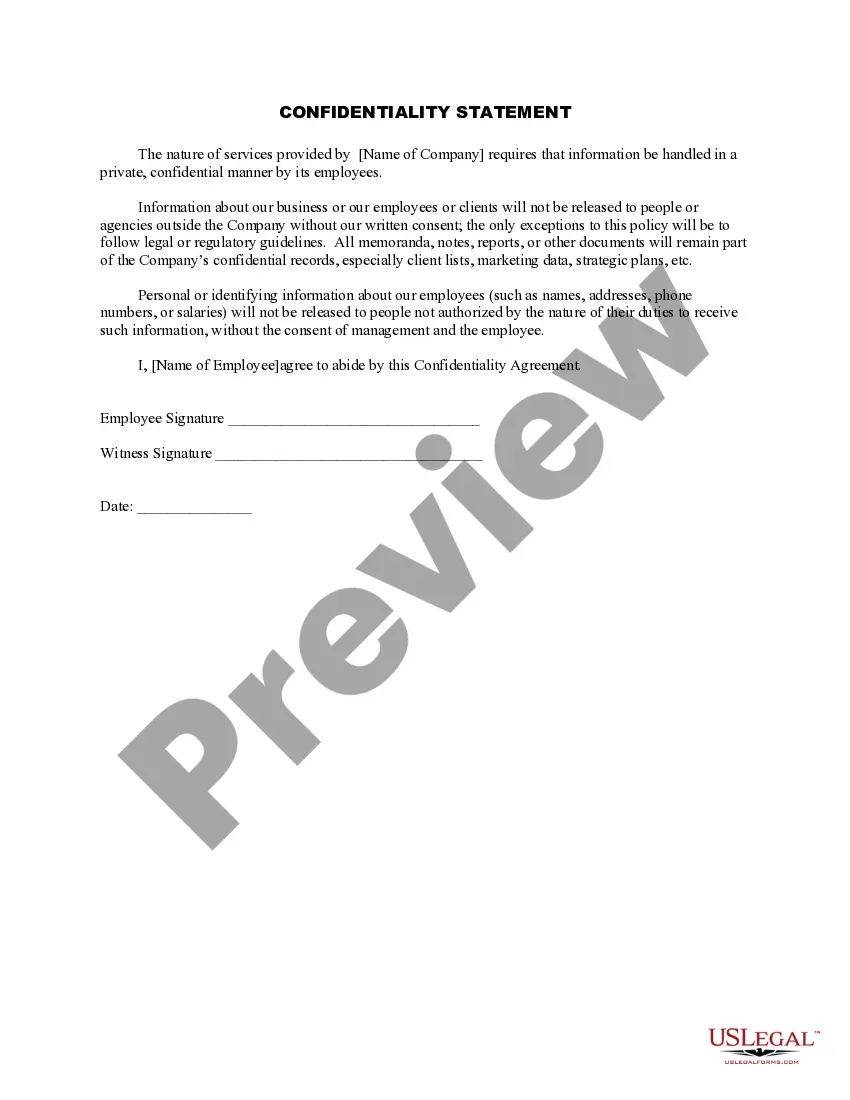
Confidentiality Statement For Employee Handbook
Description
Get your form ready online
Our built-in tools help you complete, sign, share, and store your documents in one place.
Make edits, fill in missing information, and update formatting in US Legal Forms—just like you would in MS Word.
Download a copy, print it, send it by email, or mail it via USPS—whatever works best for your next step.
Sign and collect signatures with our SignNow integration. Send to multiple recipients, set reminders, and more. Go Premium to unlock E-Sign.
If this form requires notarization, complete it online through a secure video call—no need to meet a notary in person or wait for an appointment.
We protect your documents and personal data by following strict security and privacy standards.

Make edits, fill in missing information, and update formatting in US Legal Forms—just like you would in MS Word.

Download a copy, print it, send it by email, or mail it via USPS—whatever works best for your next step.

Sign and collect signatures with our SignNow integration. Send to multiple recipients, set reminders, and more. Go Premium to unlock E-Sign.

If this form requires notarization, complete it online through a secure video call—no need to meet a notary in person or wait for an appointment.

We protect your documents and personal data by following strict security and privacy standards.
Looking for another form?
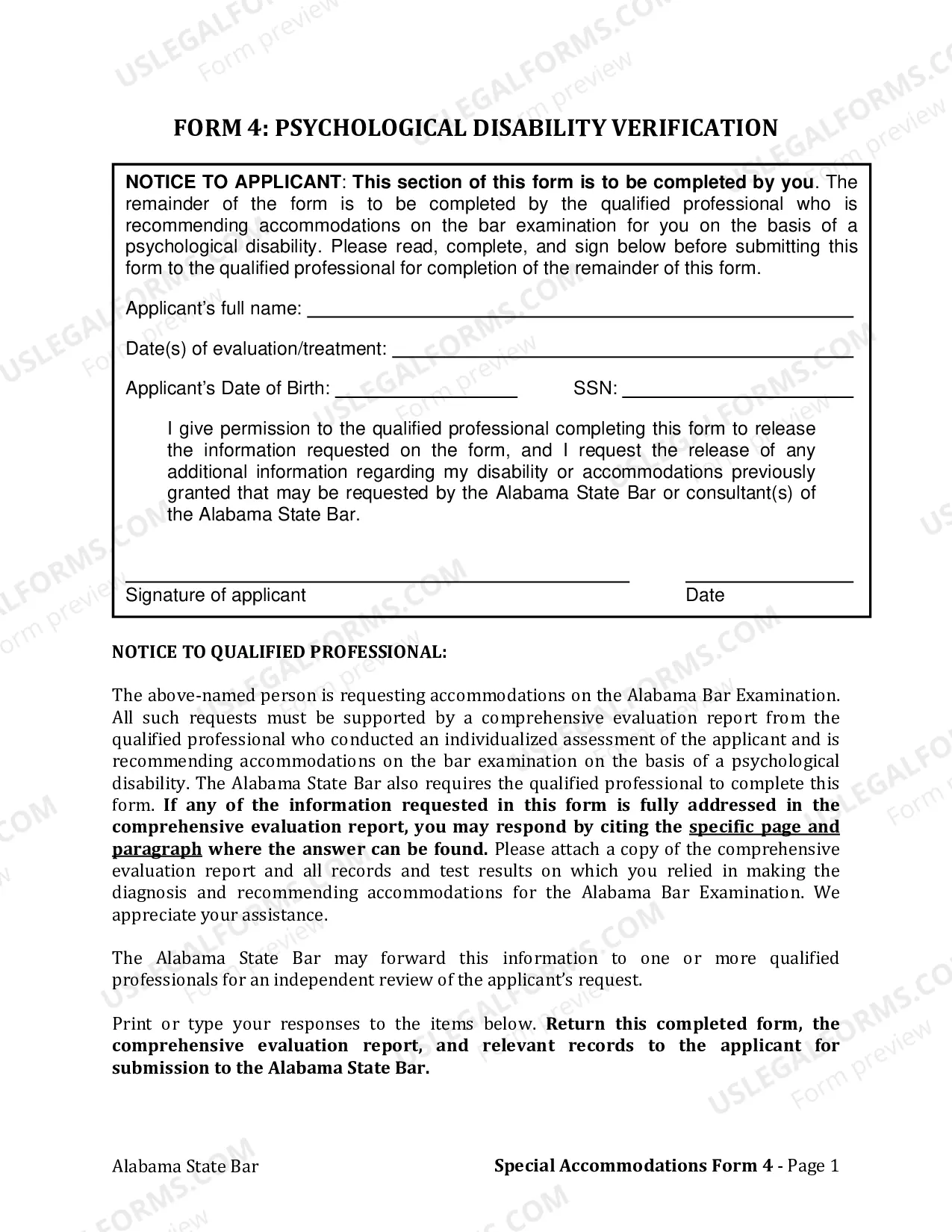
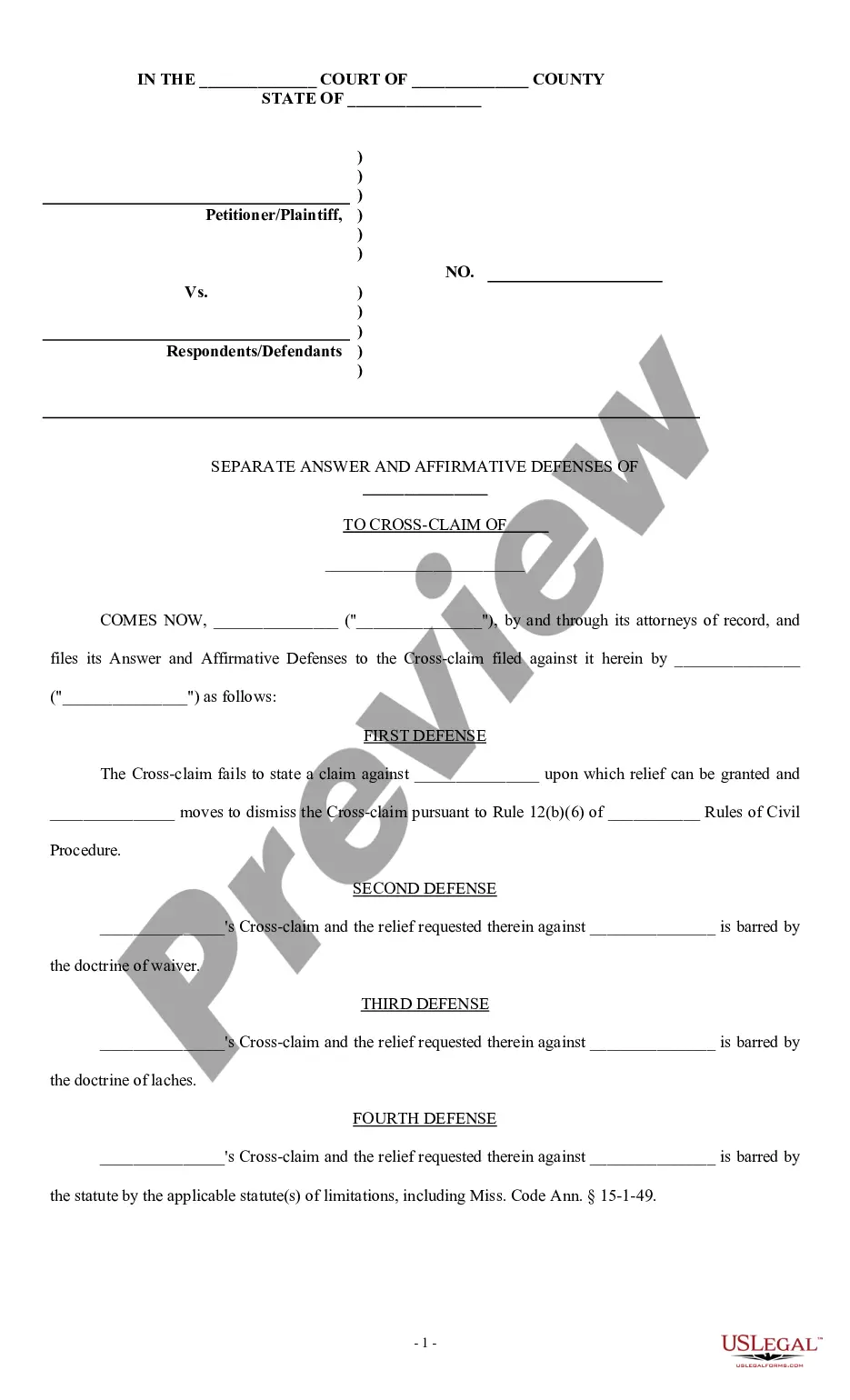
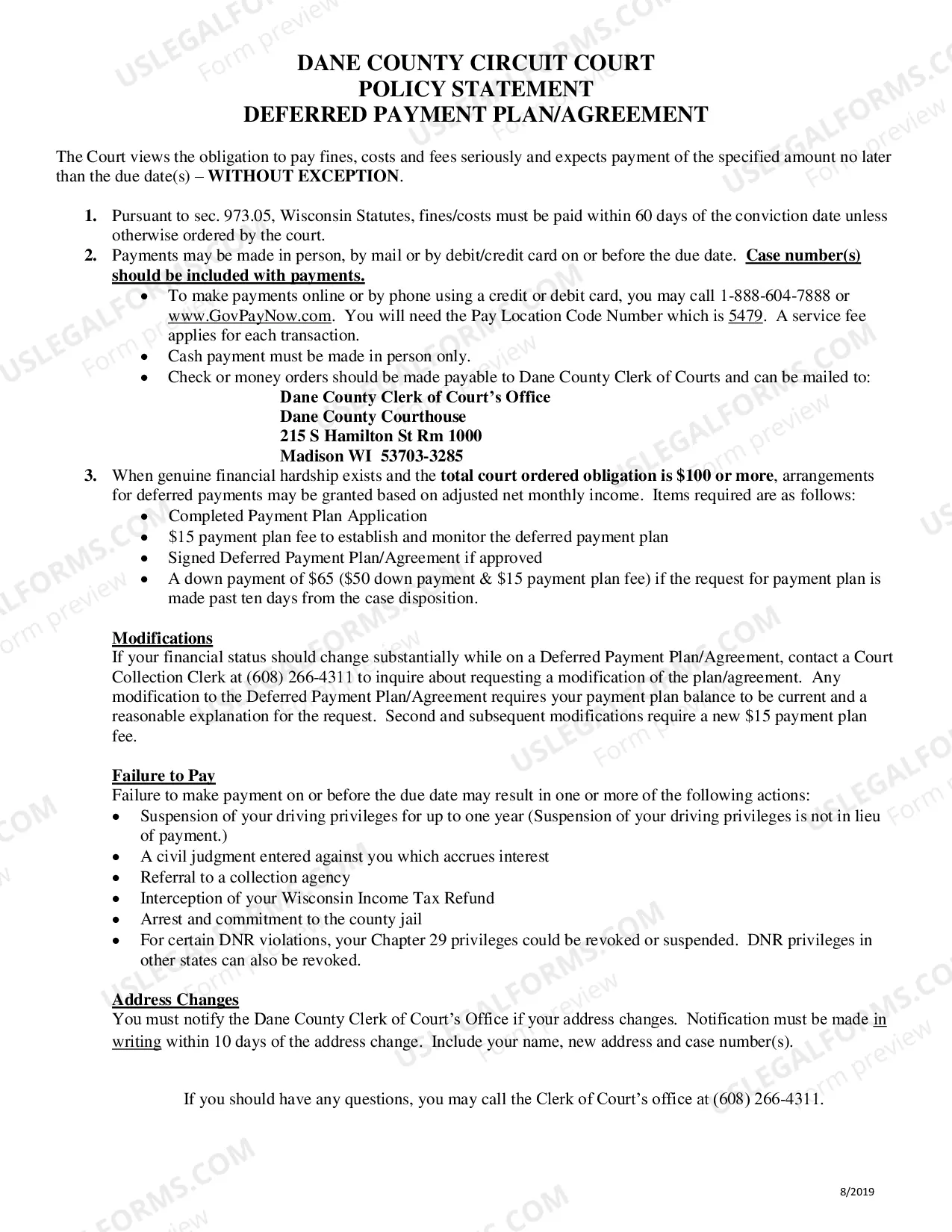


How to fill out Confidentiality Statement And Agreement For An Employee?
Creating legal documents from the ground up can occasionally feel quite daunting.
Some situations may require extensive research and a significant financial investment.
If you’re seeking a more straightforward and budget-friendly method of constructing a Confidentiality Statement for Employee Handbook or any other documents without unnecessary complications, US Legal Forms is always accessible to you.
Our online library of over 85,000 current legal documents covers almost every aspect of your financial, legal, and personal matters.
However, before proceeding to download the Confidentiality Statement for Employee Handbook, follow these recommendations: Check the document preview and descriptions to confirm that you are viewing the form you need. Ensure that the template you select adheres to the rules and regulations of your state and county. Choose the most appropriate subscription plan to purchase the Confidentiality Statement for Employee Handbook. Download the file, then complete, verify, and print it. US Legal Forms has an impeccable track record and over 25 years of expertise. Join us today and make document preparation a simple and efficient process!
- With just a few clicks, you can promptly obtain state- and county-specific forms meticulously prepared for you by our legal professionals.
- Utilize our platform whenever you require dependable and trustworthy services to effortlessly locate and download the Confidentiality Statement for Employee Handbook.
- If you’re familiar with our services and have previously set up an account, simply Log In to your account, choose the form, and download it, or re-download it anytime from the My documents section.
- Not yet registered? No worries. It takes negligible time to sign up and browse the catalog.
Form popularity
FAQ
An example of a confidentiality statement for an employee handbook could be, 'All employees are required to maintain the confidentiality of proprietary information, including but not limited to trade secrets, client lists, and internal policies.' This statement reinforces the importance of protecting sensitive information and sets clear expectations for behavior. Utilizing templates from USLegalForms can help you craft an effective confidentiality statement tailored to your organization.
The confidentiality clause for the employee handbook outlines the expectations for employees regarding the handling of sensitive company information. It generally covers the types of information that are confidential and the consequences of unauthorized disclosures. Including a clear confidentiality clause helps protect your organization's interests and fosters a culture of trust. Consider using resources like USLegalForms to create a robust clause that fits your organizational needs.
Yes, an employee handbook can be treated as a confidential document, particularly if it contains sensitive company policies, trade secrets, or proprietary information. When developing a confidentiality statement for an employee handbook, it is essential to specify which parts of the handbook are confidential and the reasons for this confidentiality. This helps ensure that employees understand their responsibilities regarding the handbook's content.
An example of a confidentiality clause in an employee handbook might state, 'Employees must not disclose any confidential information obtained during their employment to any third party without prior authorization.' This clause emphasizes the importance of protecting sensitive information and clearly outlines the expectation for employees. By including such clauses, you reinforce the significance of confidentiality in your workplace.
The confidentiality clause for employees is a provision in the employee handbook that outlines an employee's obligation to protect sensitive company information. This clause ensures that employees understand the importance of confidentiality and the types of information that require protection. It also typically includes penalties for employees who violate these confidentiality requirements. Having a clear clause helps maintain trust and integrity within the organization.
To create a confidentiality statement for an employee handbook, start by defining the scope of confidentiality. Clearly outline what information is considered confidential, such as trade secrets, client lists, and proprietary processes. Next, specify the obligations of employees regarding this information, including how it should be handled and the consequences of breaches. Utilizing platforms like USLegalForms can help you draft a comprehensive statement tailored to your organization's needs.
To write an effective confidentiality statement for employee handbook, start by outlining what information is considered confidential. Include a clear definition of confidentiality, and specify the consequences of unauthorized sharing. Additionally, you can mention the importance of maintaining privacy to foster a trusting work environment. If you need assistance, consider using US Legal Forms to access templates that simplify this process.
A confidentiality disclaimer should clearly state that company information is confidential and should not be shared without permission. For instance, you might say, 'All information contained in this employee handbook is confidential and intended solely for the use of employees. Unauthorized disclosure is prohibited.' This type of confidentiality statement for employee handbook helps protect sensitive information and maintains trust within your organization.
An example of a confidentiality statement for an employee handbook could read, 'All employees must treat proprietary information, including trade secrets, client lists, and financial data, as confidential. Sharing this information without proper authorization is prohibited and may lead to disciplinary action.' This statement emphasizes the importance of confidentiality while outlining the obligations of employees. For more examples and templates, check out US Legal Forms, which offers comprehensive resources for crafting effective statements.
To write a simple confidentiality statement for an employee handbook, start by clearly defining what information is considered confidential. Include a commitment from employees to protect this information and explain the consequences of unauthorized disclosure. It's essential to be direct, yet comprehensive, ensuring every employee understands their responsibility. Utilizing resources like US Legal Forms can help you create a robust confidentiality statement tailored to your organization's needs.