Discrimination Example
Description
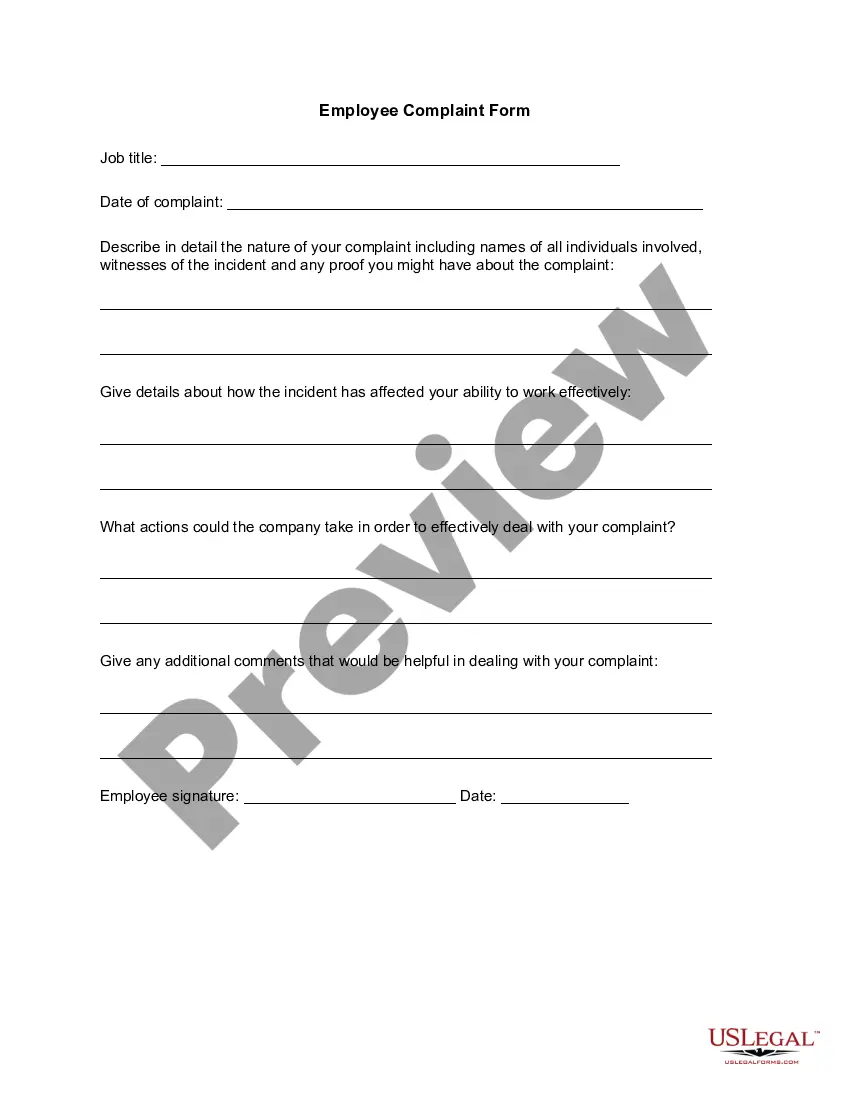
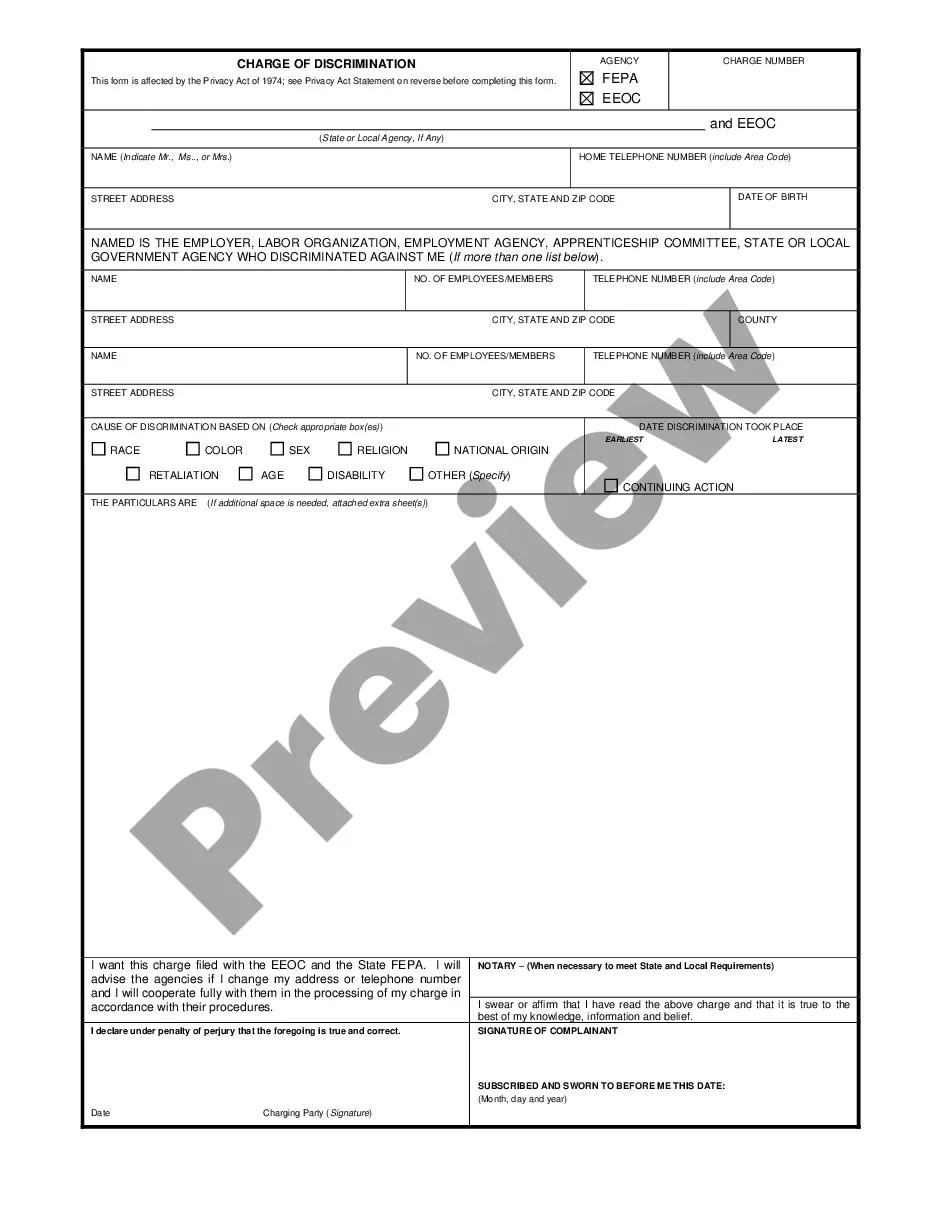
Get your form ready online
Our built-in tools help you complete, sign, share, and store your documents in one place.
Make edits, fill in missing information, and update formatting in US Legal Forms—just like you would in MS Word.
Download a copy, print it, send it by email, or mail it via USPS—whatever works best for your next step.
Sign and collect signatures with our SignNow integration. Send to multiple recipients, set reminders, and more. Go Premium to unlock E-Sign.
If this form requires notarization, complete it online through a secure video call—no need to meet a notary in person or wait for an appointment.
We protect your documents and personal data by following strict security and privacy standards.

Make edits, fill in missing information, and update formatting in US Legal Forms—just like you would in MS Word.

Download a copy, print it, send it by email, or mail it via USPS—whatever works best for your next step.

Sign and collect signatures with our SignNow integration. Send to multiple recipients, set reminders, and more. Go Premium to unlock E-Sign.

If this form requires notarization, complete it online through a secure video call—no need to meet a notary in person or wait for an appointment.

We protect your documents and personal data by following strict security and privacy standards.
Looking for another form?
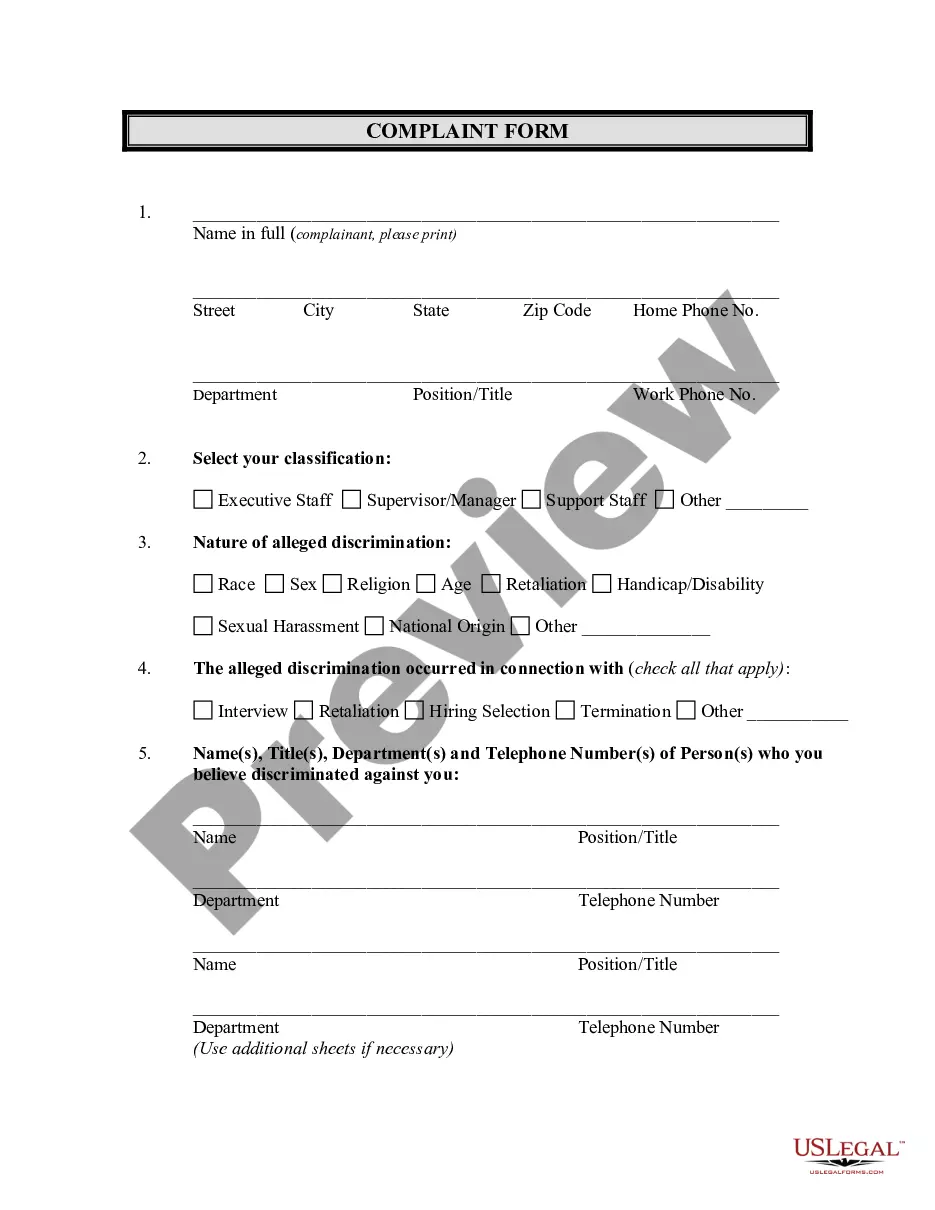
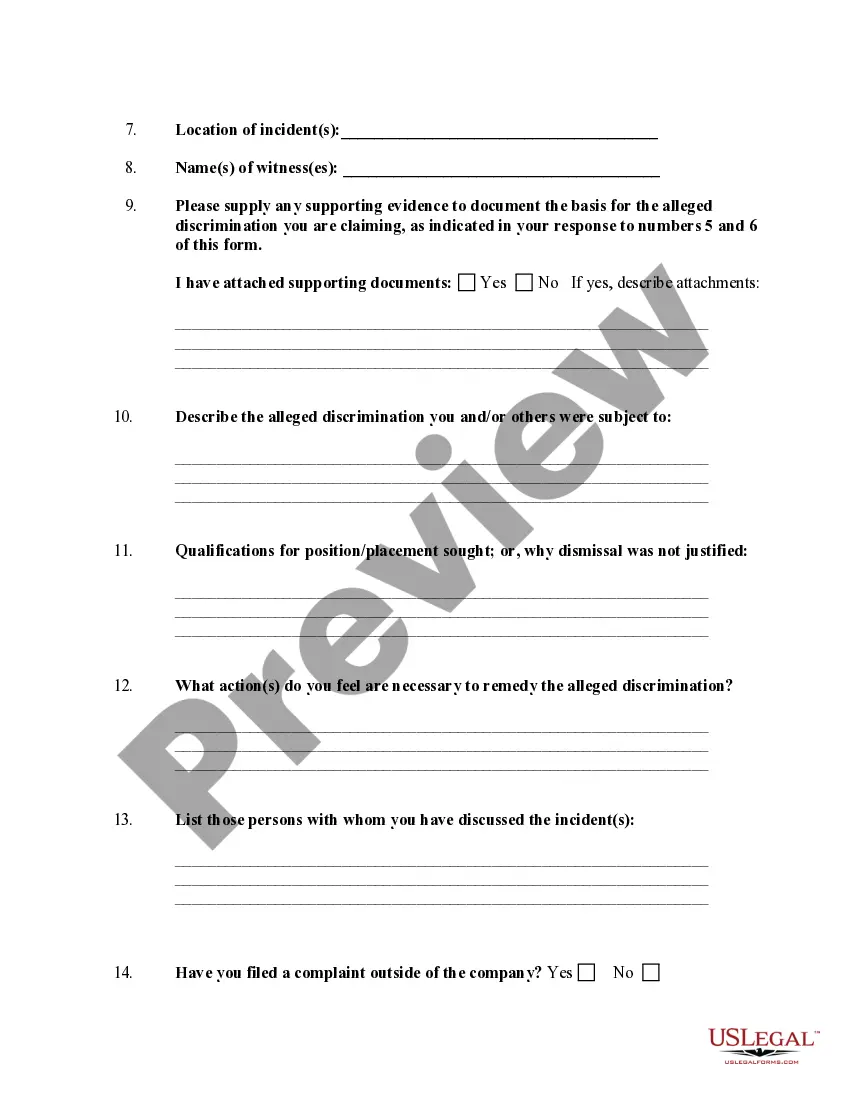
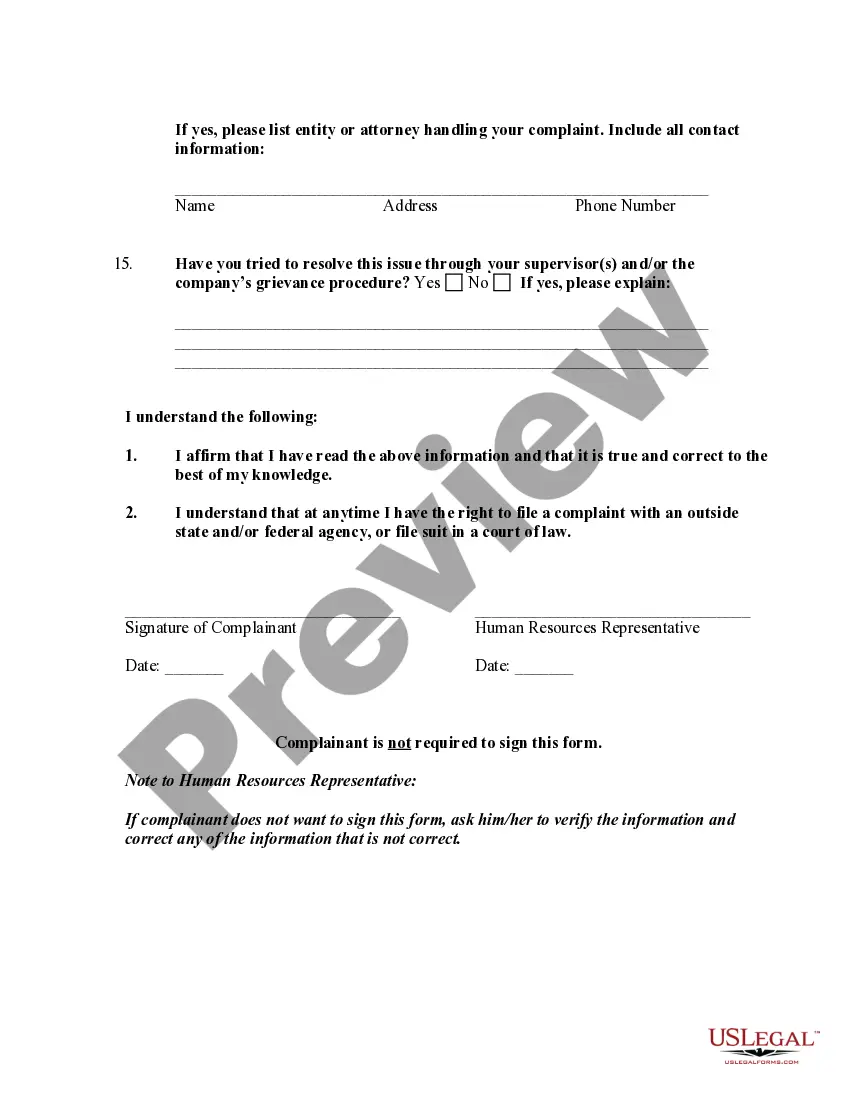
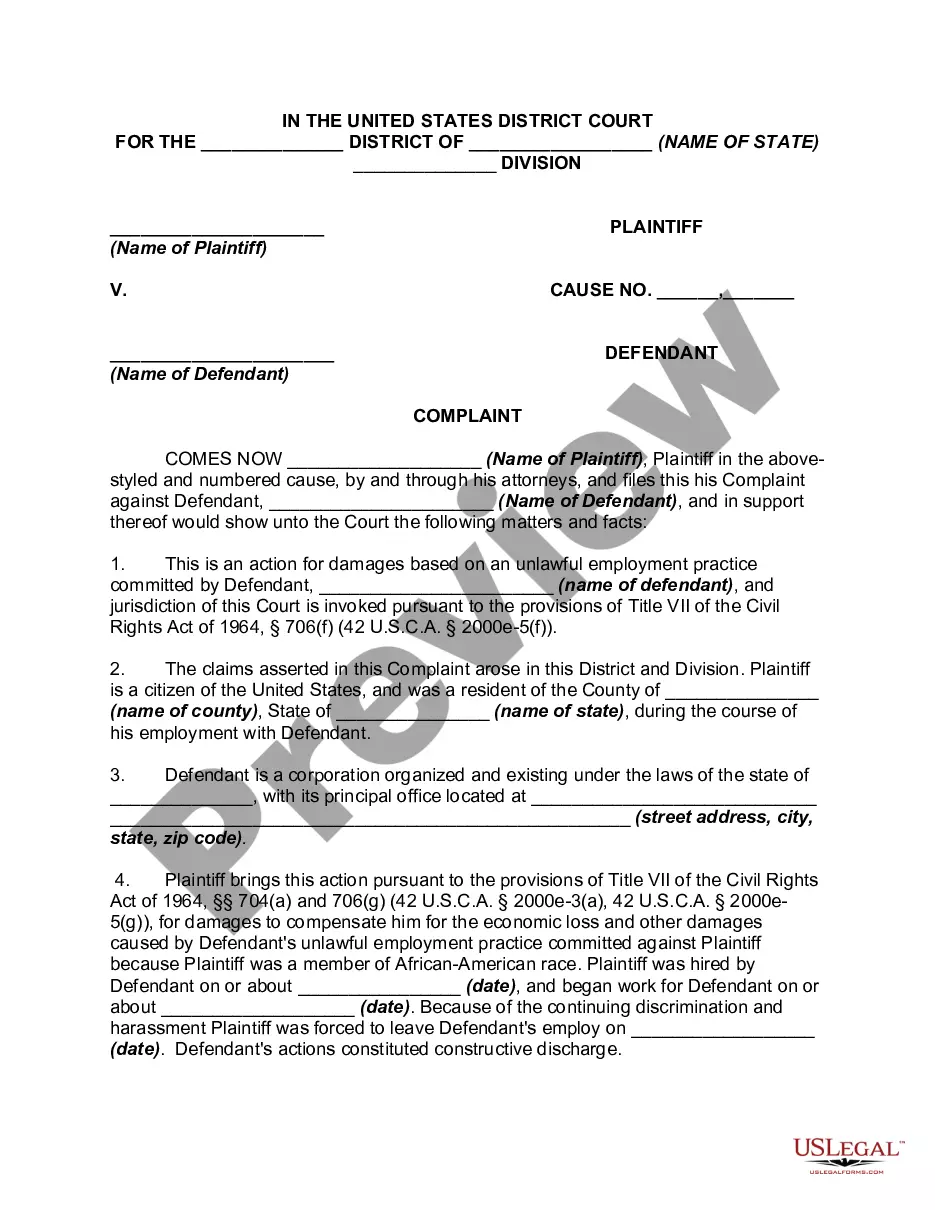
How to fill out Discrimination Complaint Form For Employee To Employer Company?
- Log in to your existing account or create a new one on US Legal Forms.
- Review the preview mode and descriptions of the documents to ensure they suit your local jurisdiction and meet your needs.
- Utilize the search function to find additional templates if necessary. Make sure they align perfectly with your requirements.
- Select your desired form by clicking the 'Buy Now' button and choose a suitable subscription plan.
- Complete your purchase using credit card details or PayPal for secure payment.
- Download your form to your device and access it anytime through the 'My Forms' section in your profile.
By following these steps, you ensure that you can easily navigate the legal landscape regarding discrimination issues. US Legal Forms simplifies the process, making it accessible for both individuals and attorneys alike.
Don't hesitate! Start using US Legal Forms today to create and manage your legal documents with confidence.
Form popularity
FAQ
Eight common types of discriminatory practices include racial discrimination, gender discrimination, age discrimination, disability discrimination, sexual orientation discrimination, religious discrimination, national origin discrimination, and wage discrimination. Each type targets specific groups and can manifest in various environments. Understanding these practices enables individuals and institutions to work toward more inclusive and equitable frameworks.
An example of discrimination for students occurs when a school disciplines a student more harshly due to their ethnicity, despite similar behavior from others receiving lighter consequences. This unequal treatment can hinder psychological and academic development, leading to long-term effects. It is important for schools to implement policies that ensure equitable treatment across all student demographics.
Several discriminatory actions can occur in various settings, such as refusal to promote a qualified employee based on their age or denying someone access to housing because of their sexual orientation. These actions can create division and dissatisfaction within communities. It is vital to challenge and confront these actions to support fairness and equality.
Discriminatory behavior can be seen when a teacher gives lower grades to students from a specific background, regardless of their performance. This behavior undermines the educational foundation and sets a dangerous precedent. Addressing such behaviors is essential for fostering an equitable learning environment for all students.
A straightforward discrimination example might involve a restaurant that denies service to individuals based on their nationality. This type of discrimination highlights the fundamental issue of treating people differently without justification. Recognizing these simple yet impactful instances helps raise awareness and create a more inclusive society.
A discrimination example can include a situation where an employer refuses to hire a qualified candidate solely based on their race or gender. This act shows a lack of fairness and equal opportunity, leading to a hostile work environment. Understanding such acts helps us recognize the need for fair treatment and equality in workplaces and communities.
When writing a discrimination complaint, start by clearly stating the facts of the situation, including dates and the individuals involved. Outline how the actions you experienced constitute discrimination, providing specific examples. Use formal language and be succinct, focusing on the impact of the discrimination on you. Platforms like US Legal Forms can assist you in structuring your complaint effectively.
Three common examples of discrimination include being denied a promotion due to gender, receiving a lower salary than colleagues for the same job, and facing retaliation for reporting unfair treatment. These instances illustrate how discrimination can manifest in everyday situations. Recognizing these examples is crucial in understanding your rights and seeking justice. Use these scenarios as a foundation to identify your specific discrimination example.
To build a strong discrimination case, you need compelling evidence such as emails, text messages, witness statements, and performance reviews. Documenting any instances of discriminatory behavior can strengthen your claim. Collecting these materials can illustrate a pattern of discrimination, thus providing a solid discrimination example. Consider utilizing platforms like US Legal Forms to guide you in gathering the required documentation.
The most common type of discrimination often relates to race or ethnicity. In many workplaces, individuals from minority backgrounds frequently face challenges and biases based on their race, which can create a hostile environment. Other prevalent forms include gender and age discrimination. Identifying a specific discrimination example can better highlight these ongoing issues.