Reference
Description
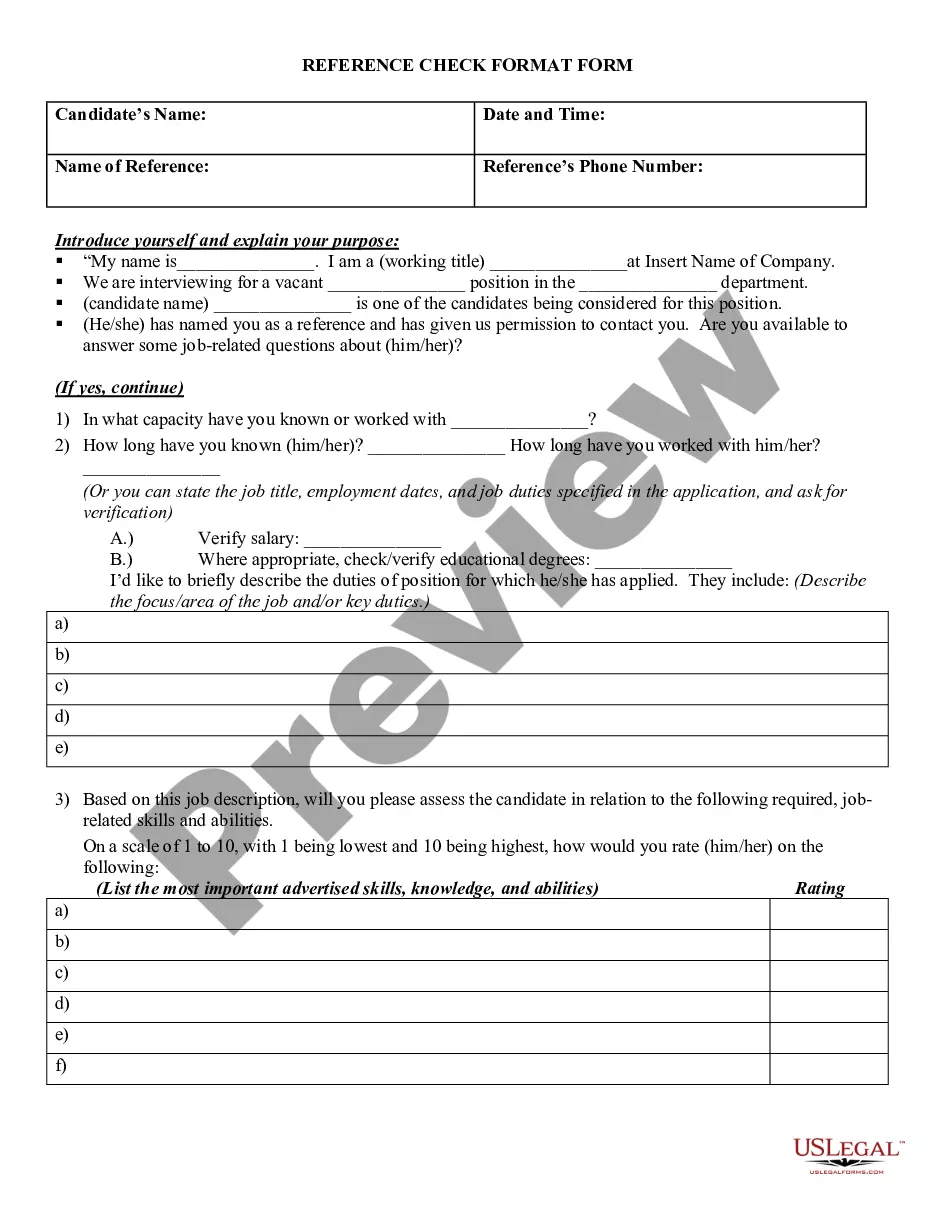
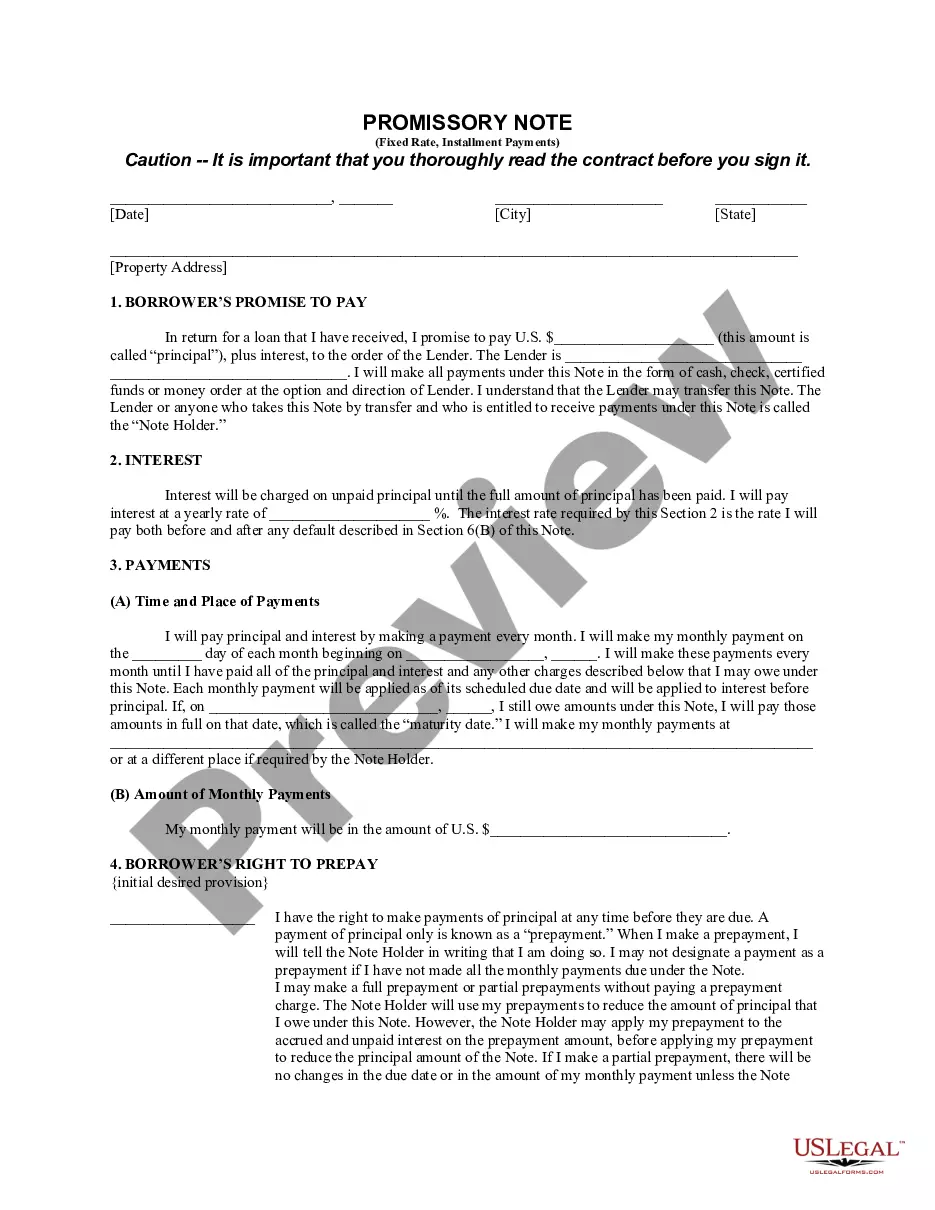
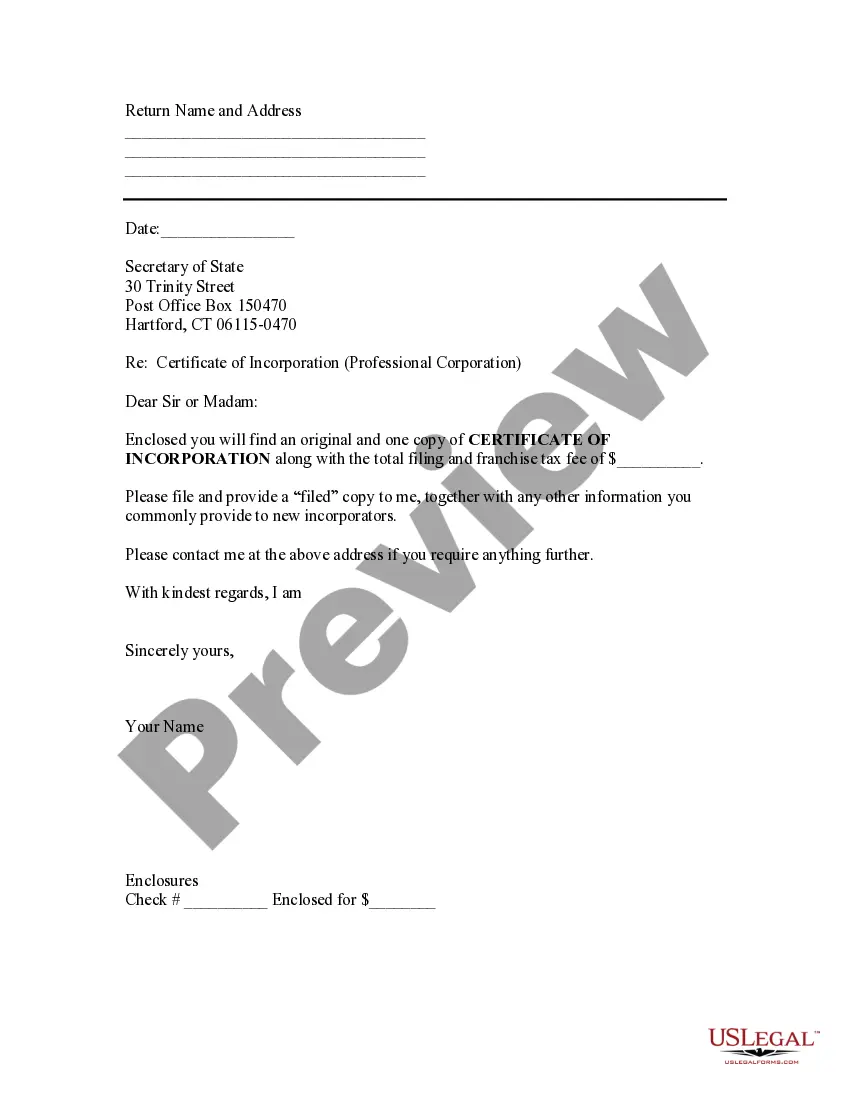
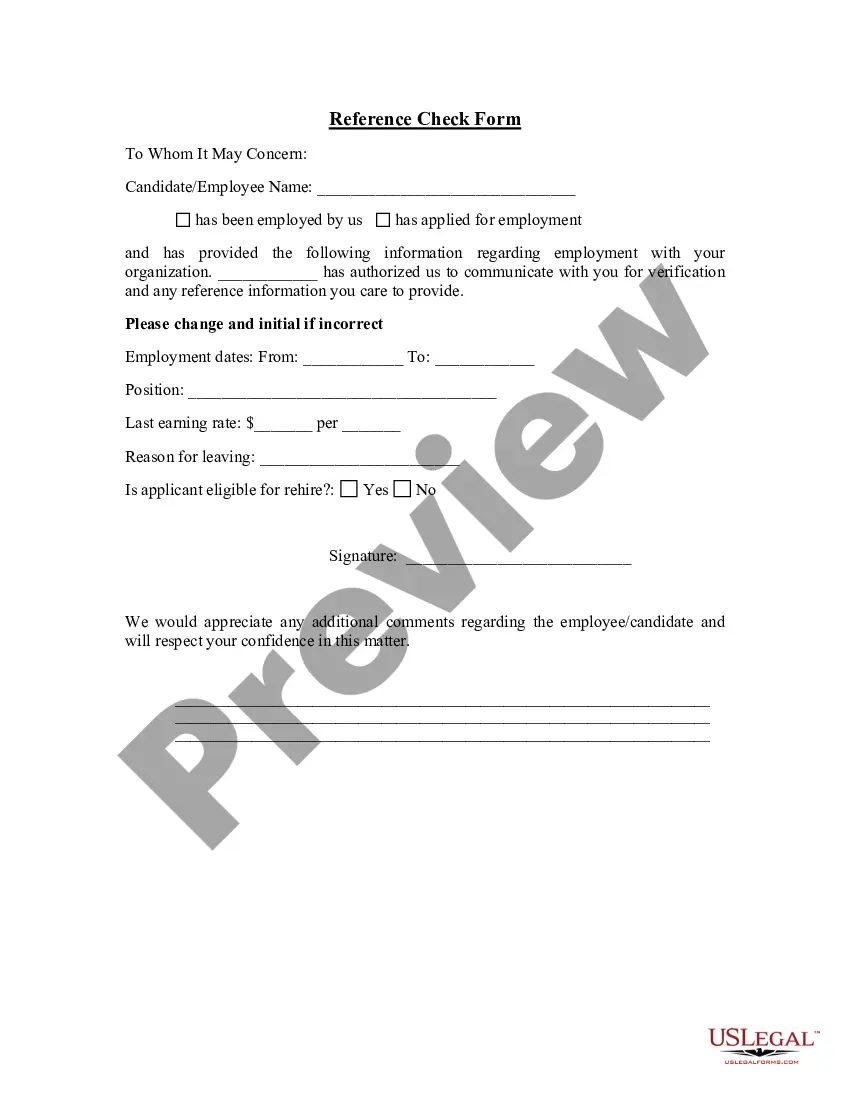
How to fill out Reference Check Form?
- If you are an existing user, log in to your account and navigate to the form library. Verify that your subscription is current; renew it if necessary.
- For first-time users, start by exploring the extensive form preview and description to ensure the template aligns with your local jurisdiction's requirements.
- If you need a different template, utilize the Search feature to locate the appropriate form. Once you find a suitable match, proceed to the next step.
- Select your desired document by clicking the Buy Now button. Choose a subscription plan that fits your needs and create an account to unlock our library's resources.
- Complete your purchase by entering your payment details using a credit card or your PayPal account.
- Download the form to your device, allowing for convenient access and editing. You can also find it later in the My Forms section of your profile.
By following these clear steps, you'll leverage the extensive resources US Legal Forms has to offer. With over 85,000 forms, users can rest assured they have access to the most comprehensive library on the market.
Join us today and experience the benefits of streamlined legal document preparation!
Form popularity
FAQ
To fill out a reference thoughtfully, take time to reflect on the person's qualifications and experiences. Begin by clearly identifying your connection with the individual, then provide details about their character and work performance. Providing concrete examples will help the organization understand the value they bring as a reference.
Filling out a reference typically involves completing a form or providing written feedback about the candidate. Start by stating your relationship with the individual, followed by observations about their work ethic and skills. Be specific; use examples that showcase their strengths and how they succeeded in their role.
To list someone as a reference, first, ask for their permission so they are prepared to speak on your behalf. When listing them, include their name, title, relationship to you, and contact information. Ensure that the reference is aware of the role you are applying for, so they can tailor their comments accordingly.
To fill out a reference check, you need to provide accurate information about the person you are recommending. Typically, you will input their contact details and your relationship with them. You should also include insights about their capabilities and contributions, emphasizing relevant skills that make them a strong reference.
A good reference is someone who can vouch for your skills and character, such as a former manager or colleague. They should be familiar with your work and able to discuss your contributions positively. When you choose a reference, ensure they can provide specific examples of your accomplishments and strengths.
To list references correctly, follow the designated citation style guidelines, ensuring all entries are formatted consistently. Include all necessary information such as author, title, publication date, and source. A well-organized reference list not only enhances professionalism but also facilitates easy access to the original sources, supporting your legal assertions.
Creating a file reference starts with organizing the relevant documents and information you want to cite. Clearly label each file with its reference, making it easy for others to locate the material. Using a platform like uslegalforms can streamline this process, providing essential templates to ensure accurate and efficient references in your legal documentation.
To fill in references, begin by collecting all required information related to the source material. Input the details accurately and in the prescribed format, ensuring consistency throughout your document. By thoroughly filling in references, you provide a clear trail for readers to follow, ultimately boosting the quality of your legal work.
Completing references involves gathering all necessary details and formatting them according to the required guidelines. Ensure you include essential components such as authors, titles, publication dates, and the source of the material. Effective references enhance clarity and authority in your legal arguments or documents, reinforcing your reliability.
To reference data on a file, start by identifying the source of the information. Clearly indicate where each piece of data originates, using the appropriate format or citation style. This not only helps others verify your work but also strengthens your document's reliability. Remember, accurate references contribute to the integrity of legal files.