Vacation Policy For Small Business
Description
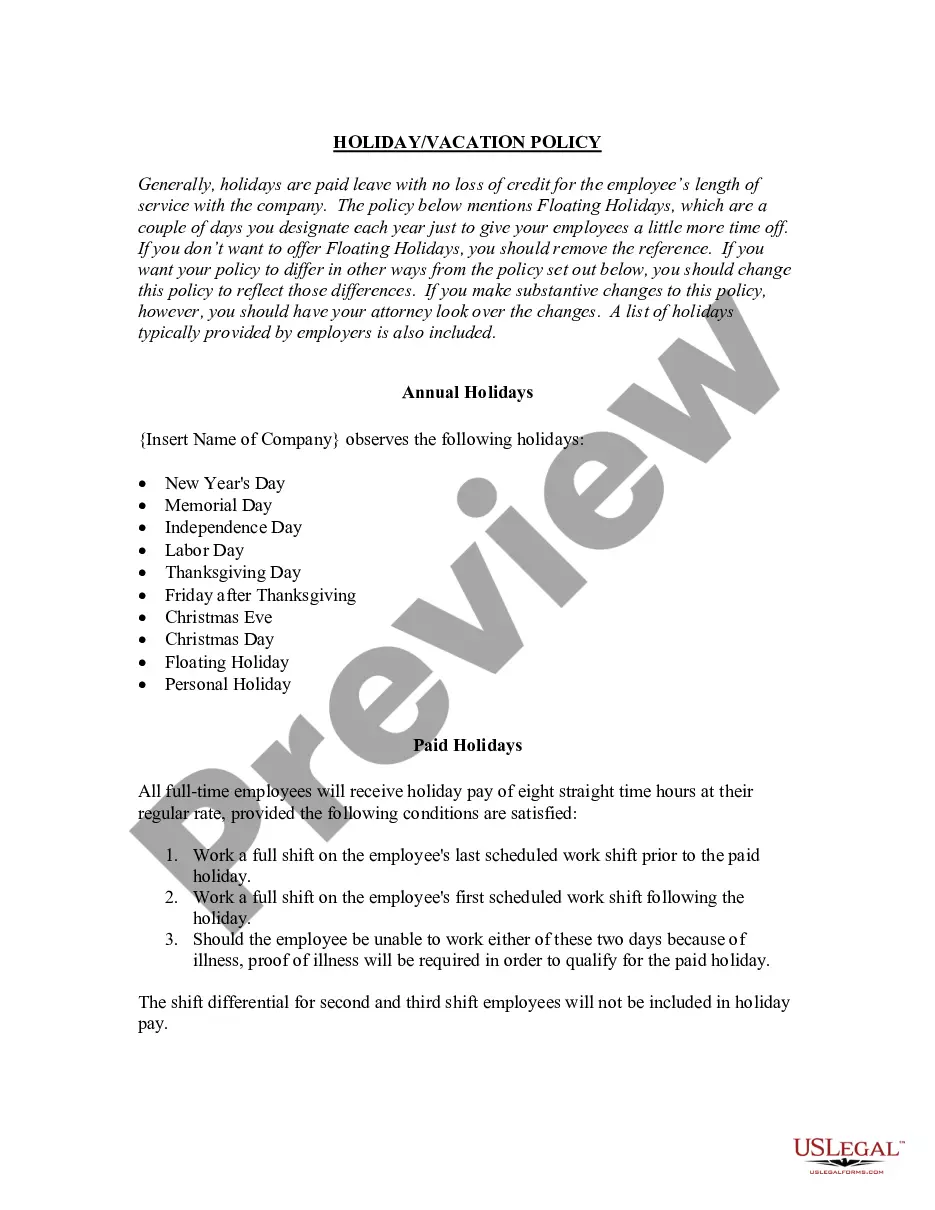
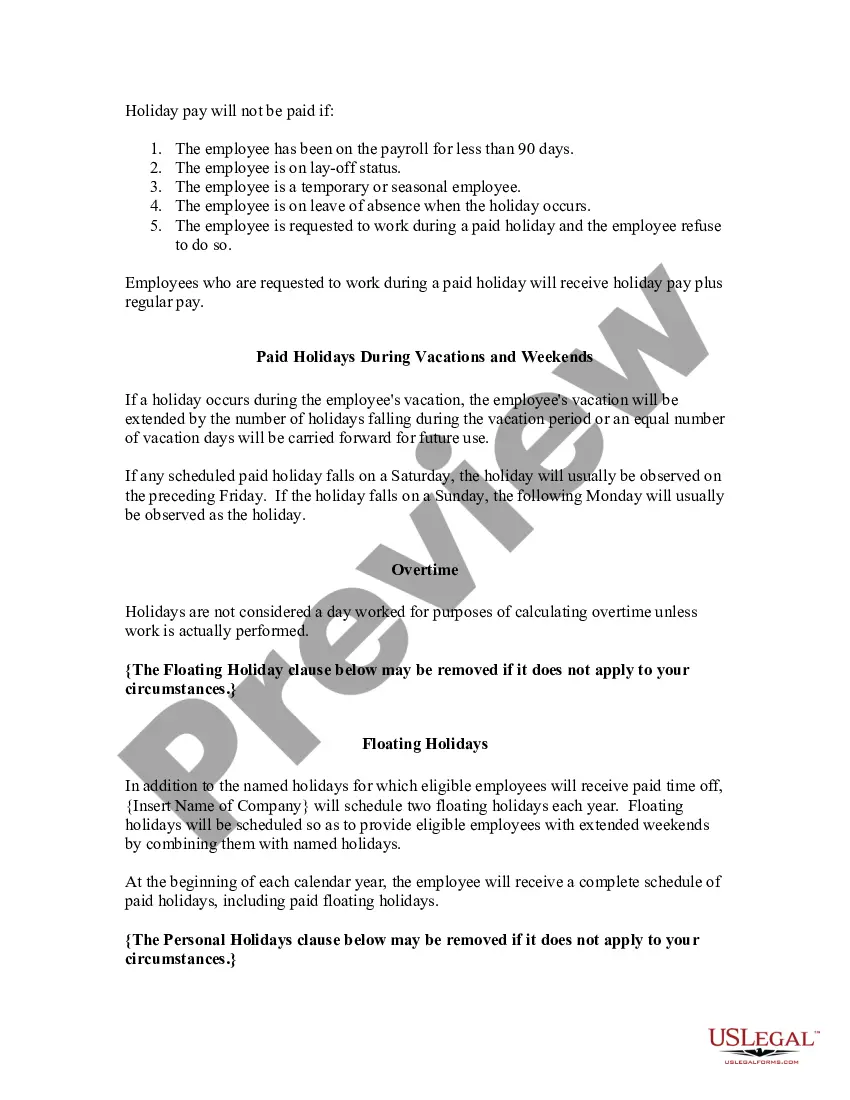
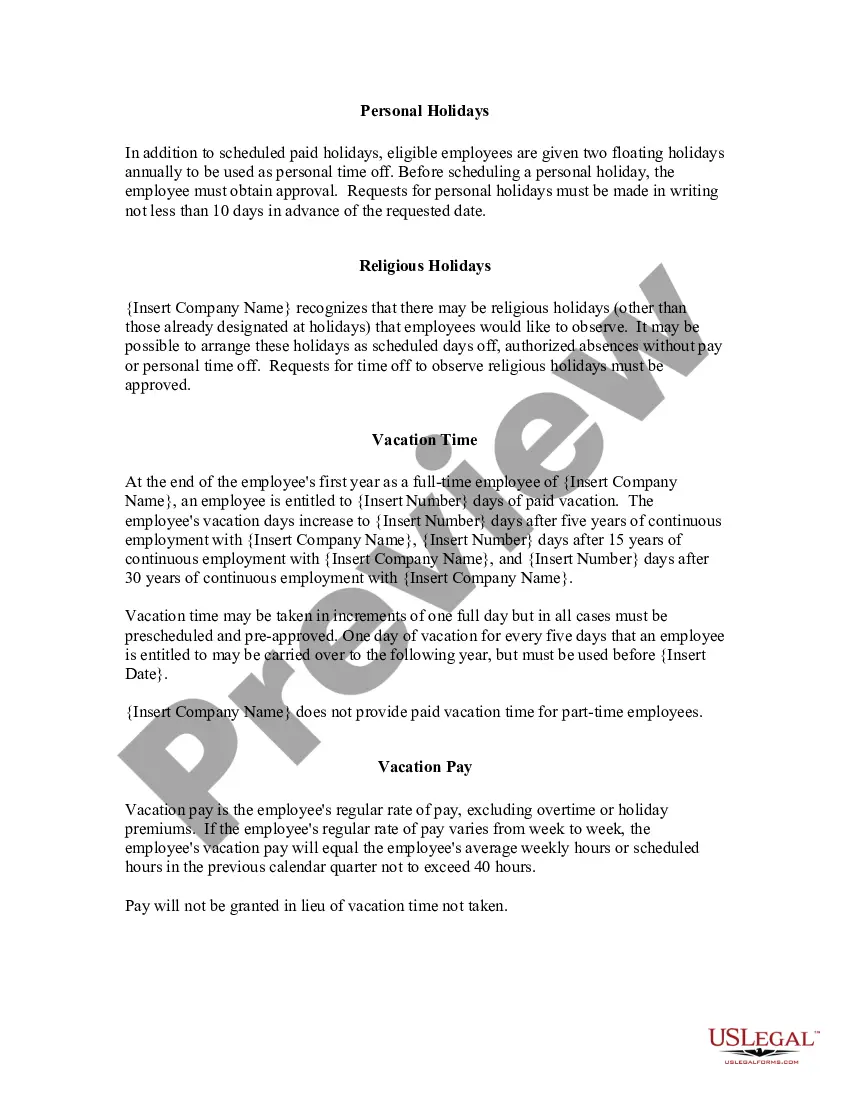
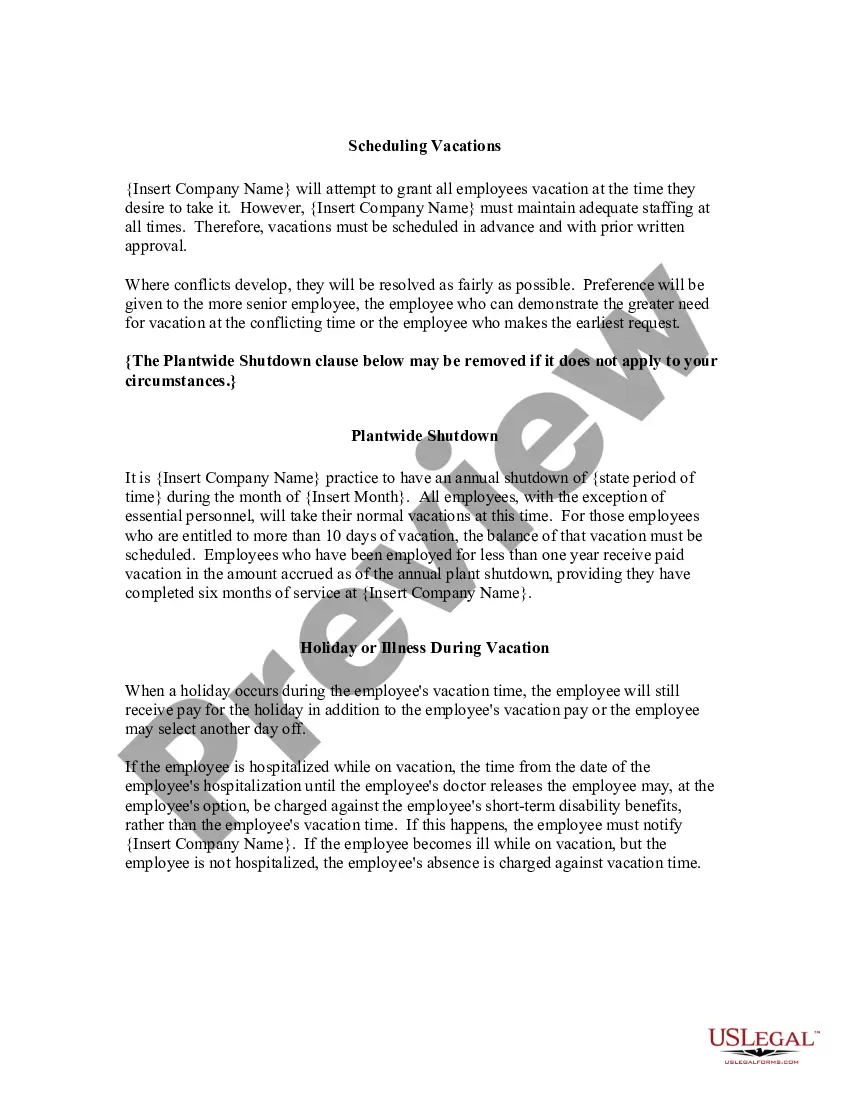
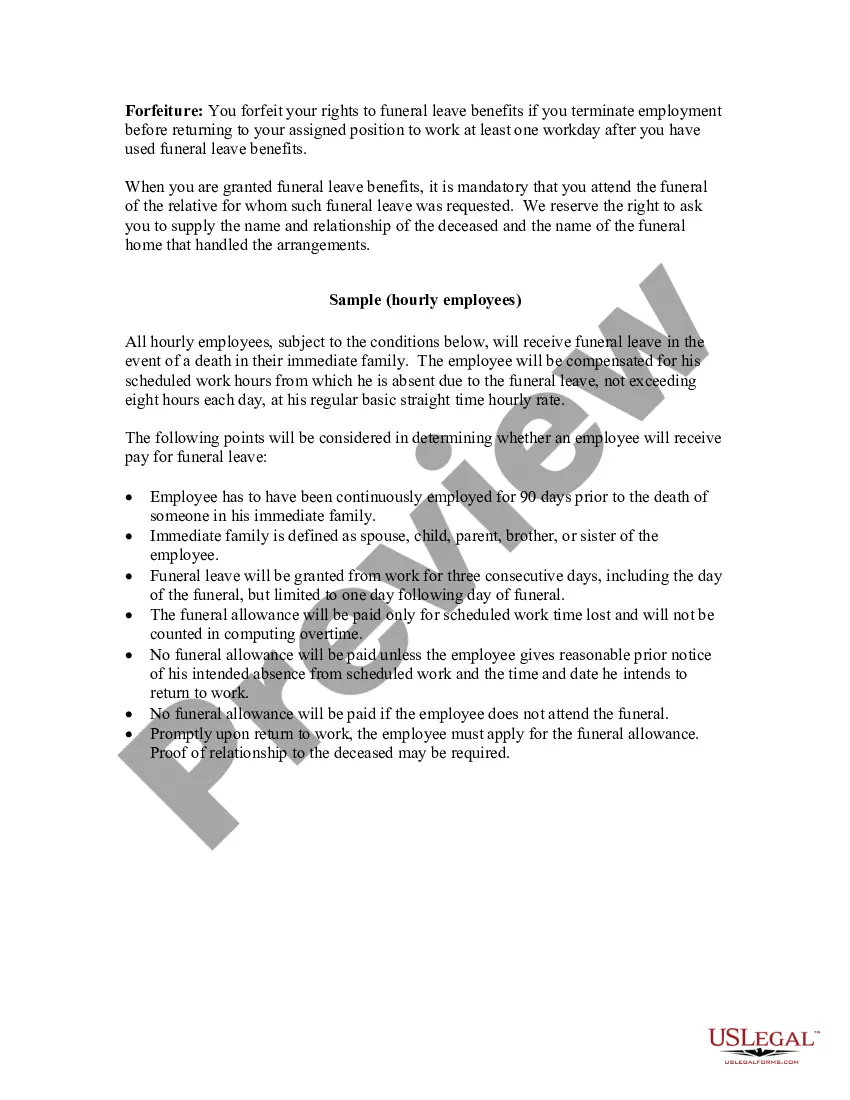
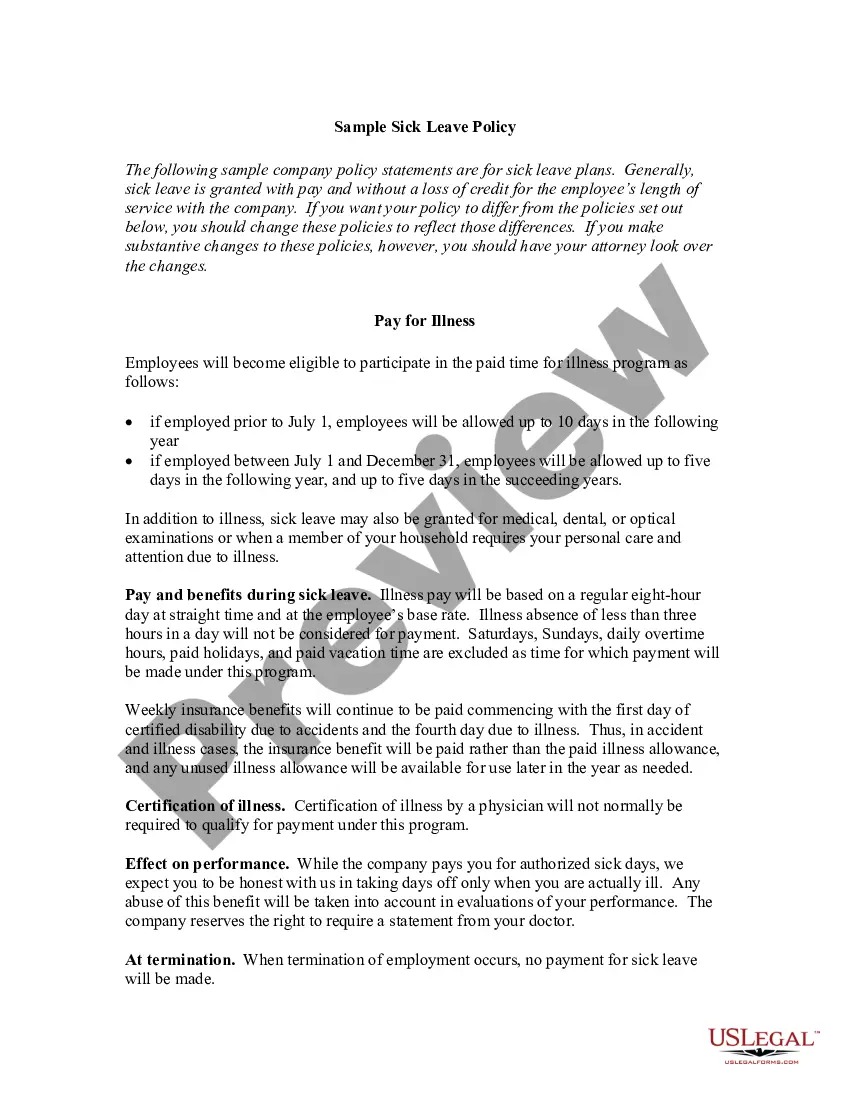


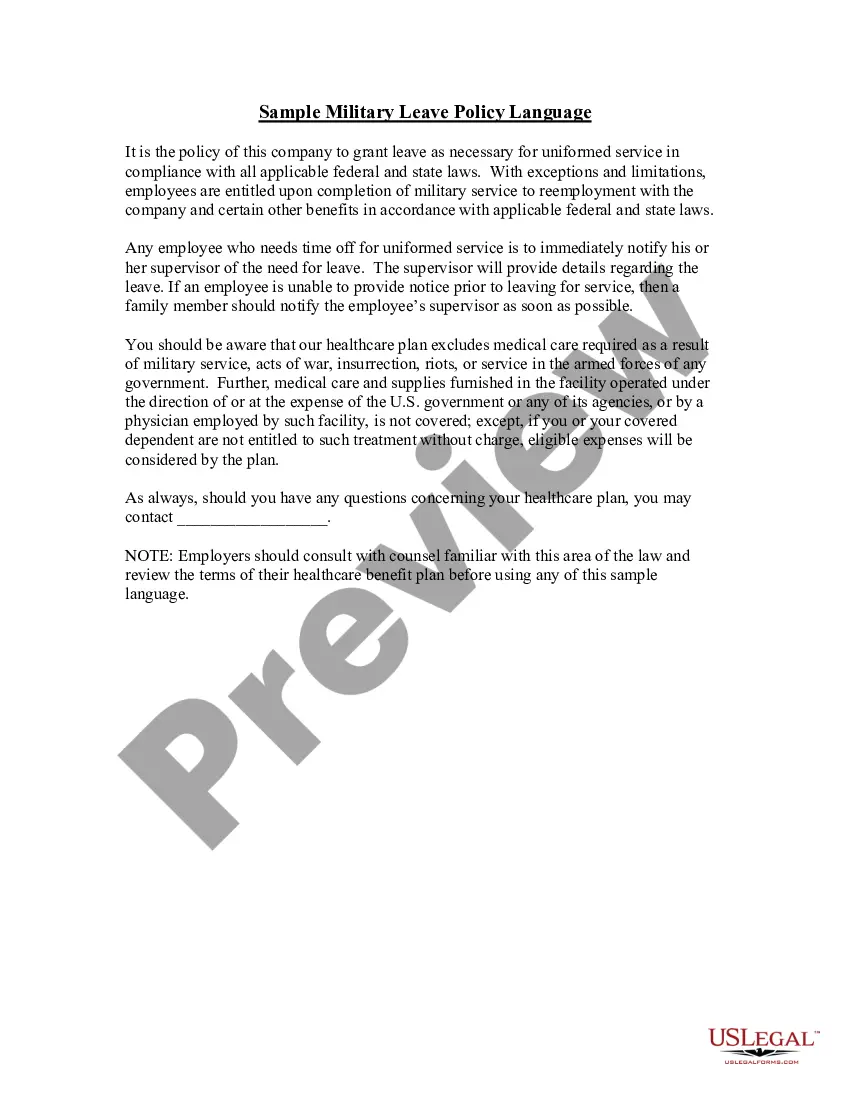
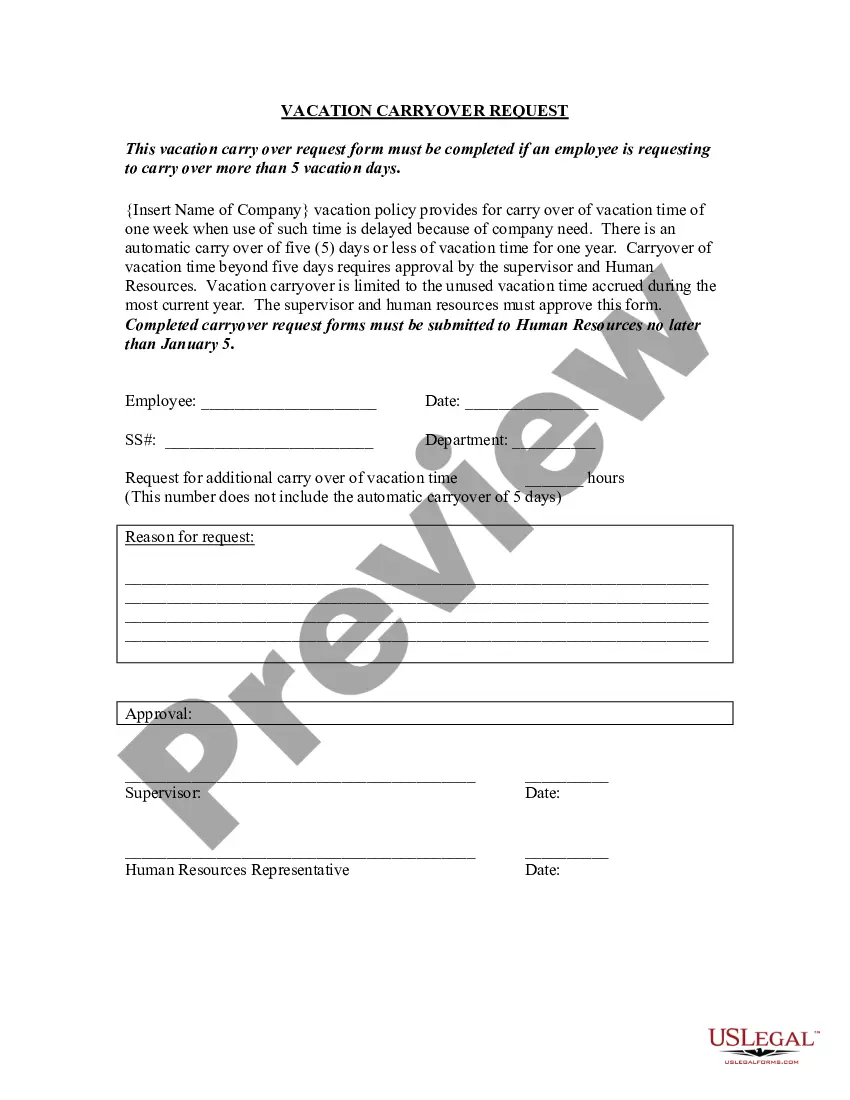
Get your form ready online
Our built-in tools help you complete, sign, share, and store your documents in one place.
Make edits, fill in missing information, and update formatting in US Legal Forms—just like you would in MS Word.
Download a copy, print it, send it by email, or mail it via USPS—whatever works best for your next step.
Sign and collect signatures with our SignNow integration. Send to multiple recipients, set reminders, and more. Go Premium to unlock E-Sign.
If this form requires notarization, complete it online through a secure video call—no need to meet a notary in person or wait for an appointment.
We protect your documents and personal data by following strict security and privacy standards.

Make edits, fill in missing information, and update formatting in US Legal Forms—just like you would in MS Word.

Download a copy, print it, send it by email, or mail it via USPS—whatever works best for your next step.

Sign and collect signatures with our SignNow integration. Send to multiple recipients, set reminders, and more. Go Premium to unlock E-Sign.

If this form requires notarization, complete it online through a secure video call—no need to meet a notary in person or wait for an appointment.

We protect your documents and personal data by following strict security and privacy standards.
Looking for another form?









How to fill out Holiday Vacation Policy?
The Leave Policy For Small Enterprise displayed on this page is a versatile formal template crafted by expert attorneys in accordance with federal and state statutes and regulations.
For over 25 years, US Legal Forms has offered individuals, organizations, and legal practitioners more than 85,000 confirmed, state-specific forms for any business and personal circumstances. It’s the fastest, clearest, and most dependable method to obtain the documentation you require, as the service promises bank-level data integrity and anti-malware safeguards.
Register with US Legal Forms to have validated legal templates for all life’s scenarios readily available.
- Explore the document you require and examine it.
- Review the sample you searched for and look through it or assess the form description to verify it meets your needs. If it doesn’t, utilize the search function to find the right one. Click Buy Now when you’ve located the template you need.
- Register and sign in.
- Select the pricing option that fits you and set up an account. Use PayPal or a credit card for a swift payment. If you already possess an account, Log In and verify your subscription to proceed.
- Obtain the editable template.
- Select the format you prefer for your Leave Policy For Small Enterprise (PDF, Word, RTF) and store the sample on your device.
- Complete and sign the document.
- Print the template to fill it out manually. Alternatively, use an online multifunctional PDF editor to swiftly and accurately complete and endorse your form with a valid signature.
- Redownload your documents as needed.
- Access the same document again whenever necessary. Go to the My documents section in your profile to re-download any previously acquired forms.
Form popularity
FAQ
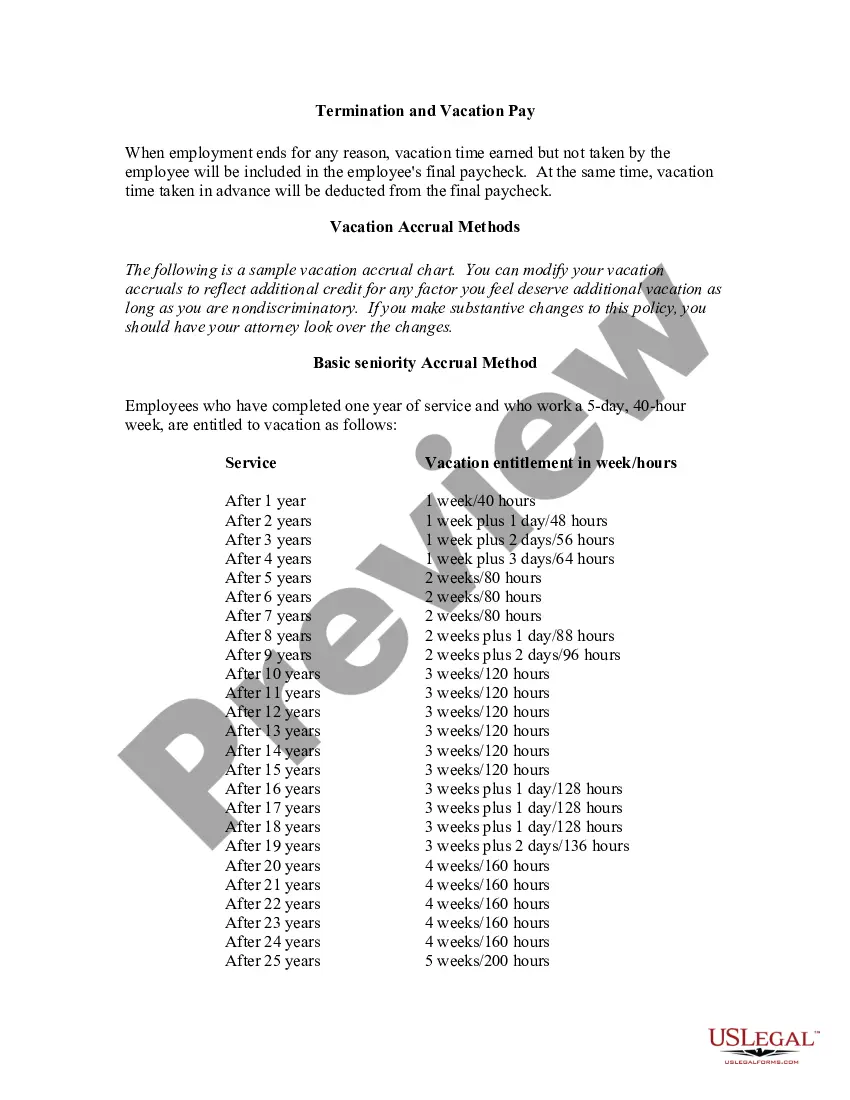
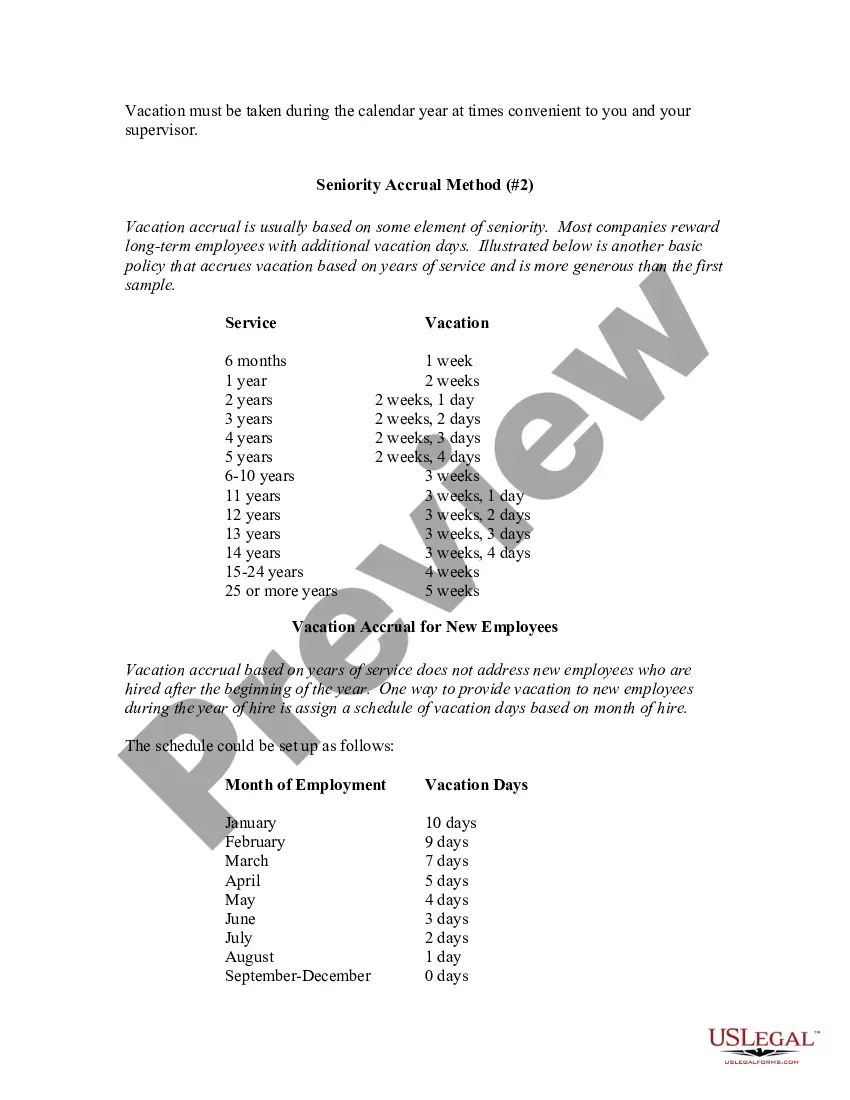
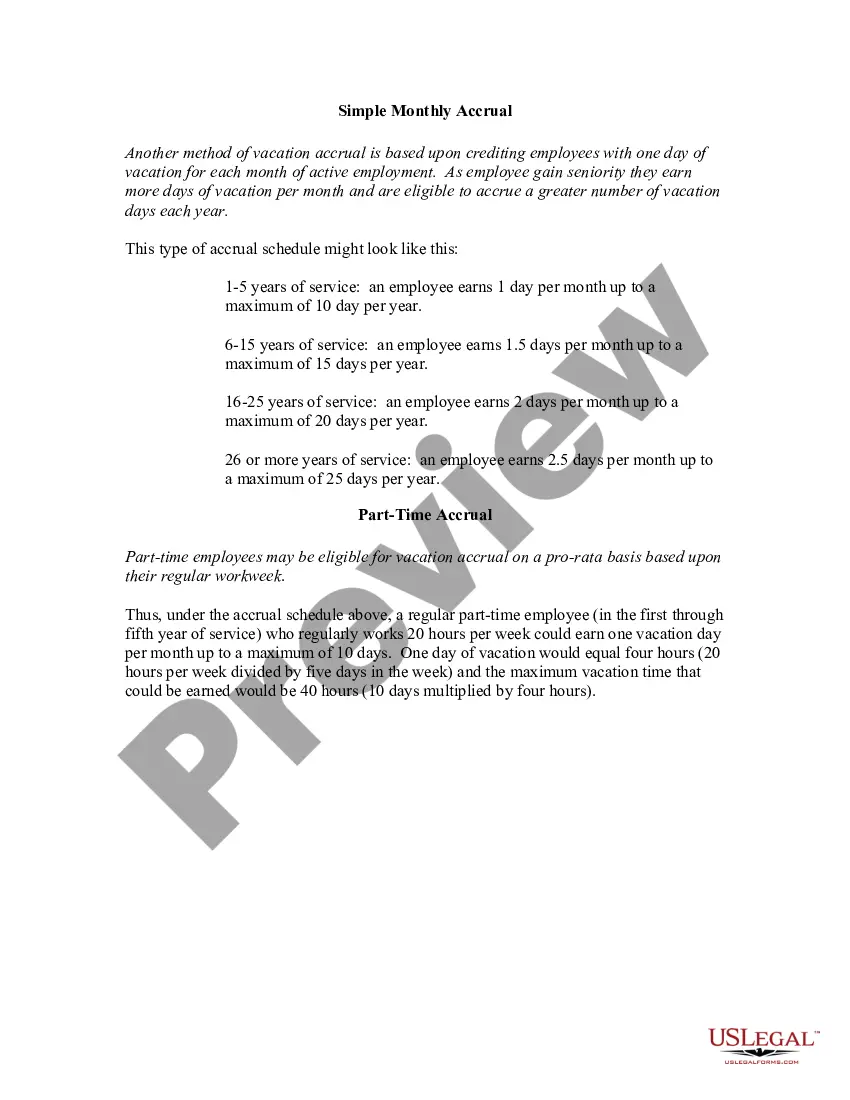
The average vacation policy for small businesses in the US typically allows employees to take between 10 to 15 days off each year. This varies based on factors such as the company size and location. Additionally, many businesses offer accrued vacation time, where employees earn days off based on their length of service. Understanding these dynamics can help you design a vacation policy for small business that supports employee well-being and encourages retention.
When adding in vacation accrual, you will debit your Vacation Expense account and credit your Vacation Payable account. Credit Vacation Payable because vacation accrual is considered a liability. Liabilities are increased by credits and decreased by debits. Record the opposite by debiting the Vacation Expense account.
For example, you might earn two vacation days per month, making 24 vacation days per year. Yearly leave time accrual means earning all of your vacation days at once at the beginning of the year. So, if you have two weeks (ten workdays) of vacation per year, you would get all ten days at the start of the year.
With an unlimited vacation policy, employees can take as many vacation days as they want, provided that they complete their tasks. The focus of an unlimited vacation policy is on deliverables and results, instead of hours worked.
Hear this out loud PauseThe vacation accrual period is the time frame in which an employee earns vacation days. This period usually corresponds with the calendar year or an employee's work anniversary date. For example, an employee with a December 31 vacation accrual date will earn vacation days from January 1-December 31.
Managing vacation requests Create a procedure and set deadlines. As mentioned, if you want to fairly manage requests, you need to create a vacation leave request procedure for your employees to follow. ... Communicate your policy. ... Prioritize requests. ... Plan ahead for busy and slow seasons. ... Track past requests.