Reasonable Accommodation Document With Students With Disabilities
Description
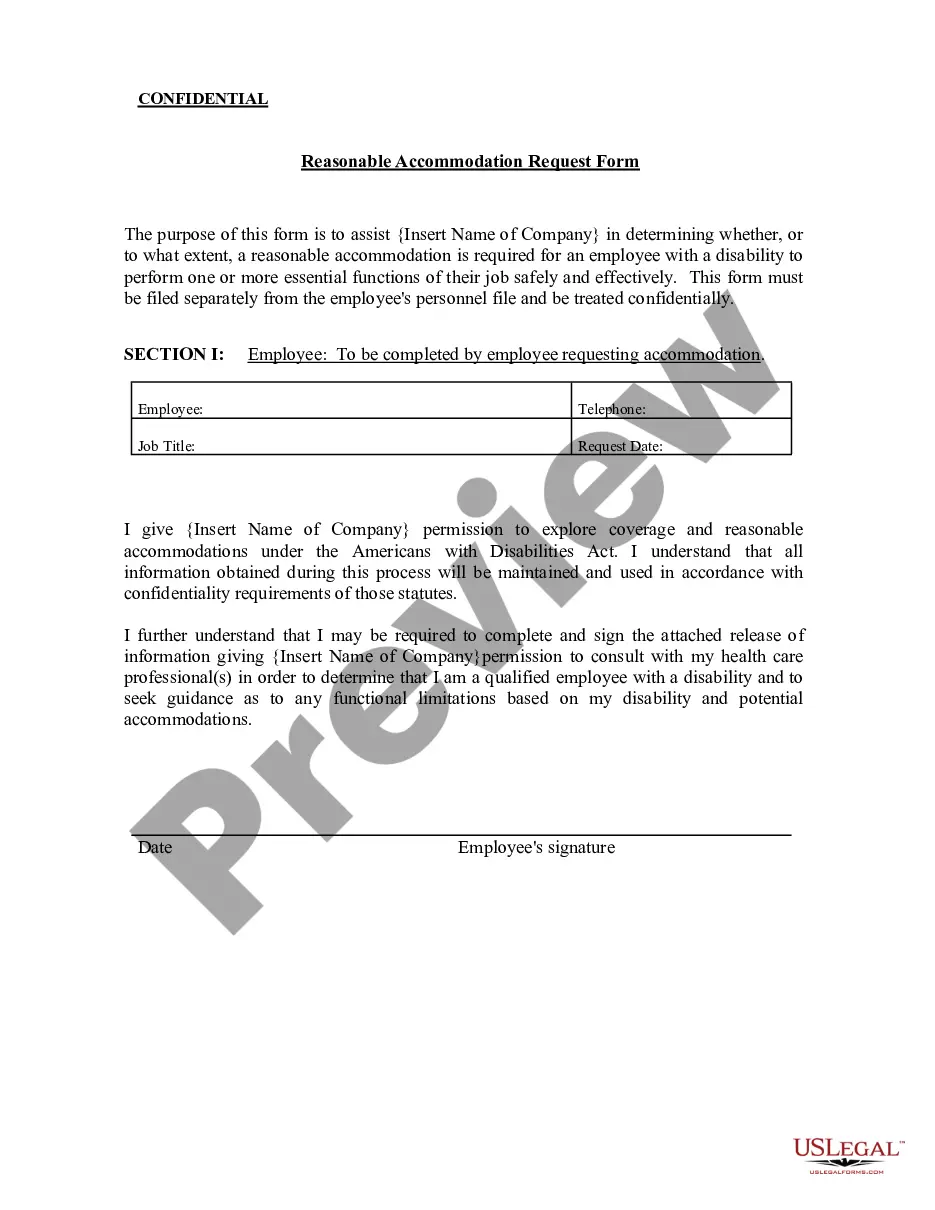
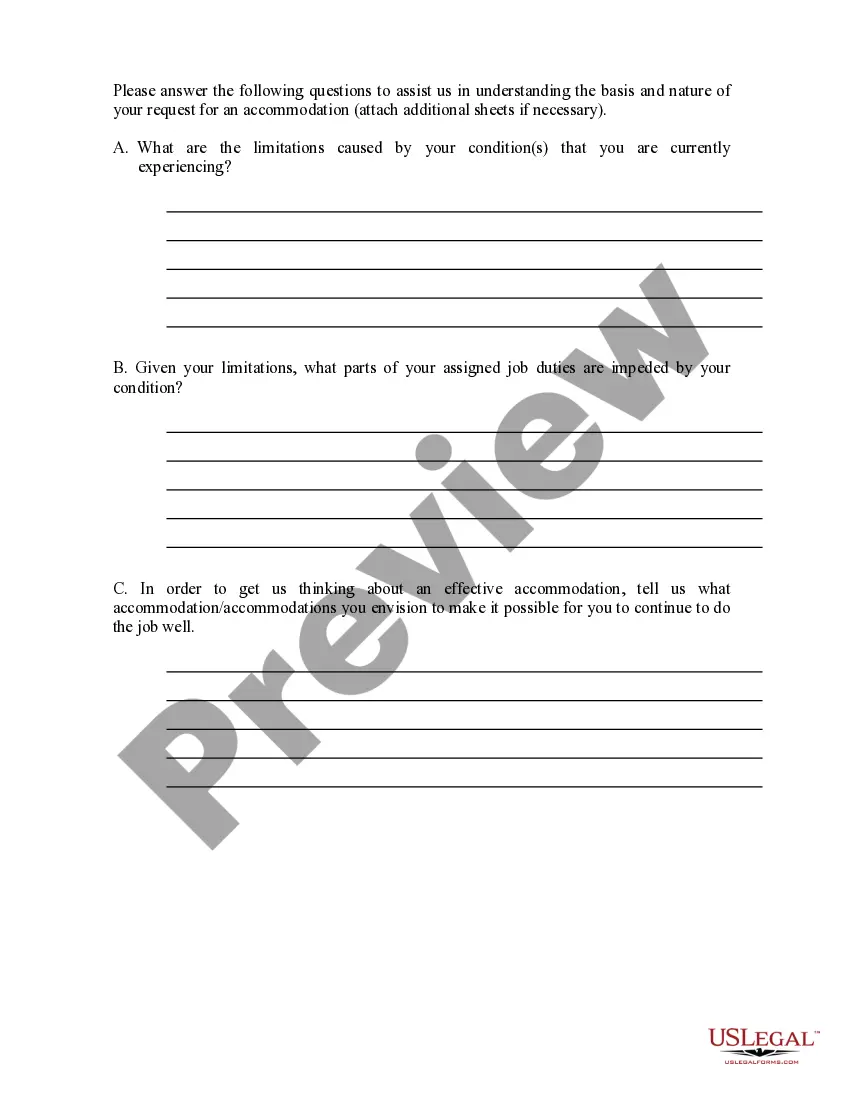
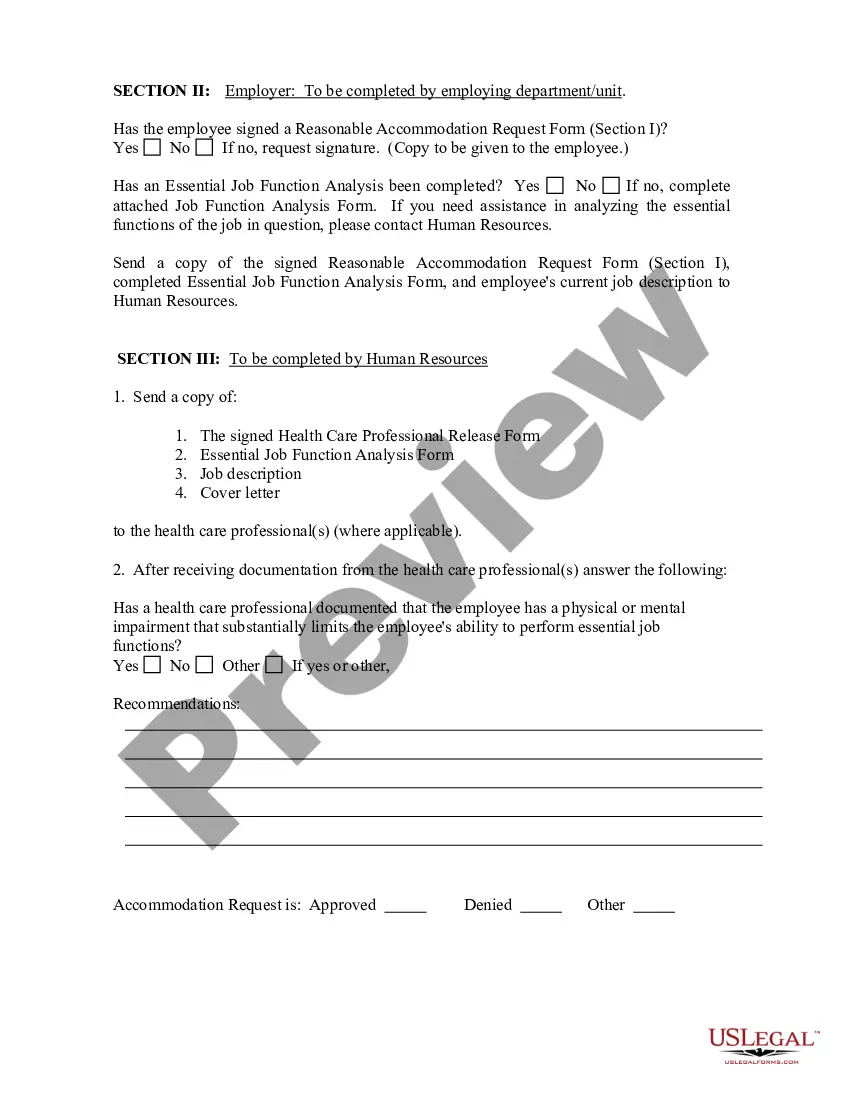
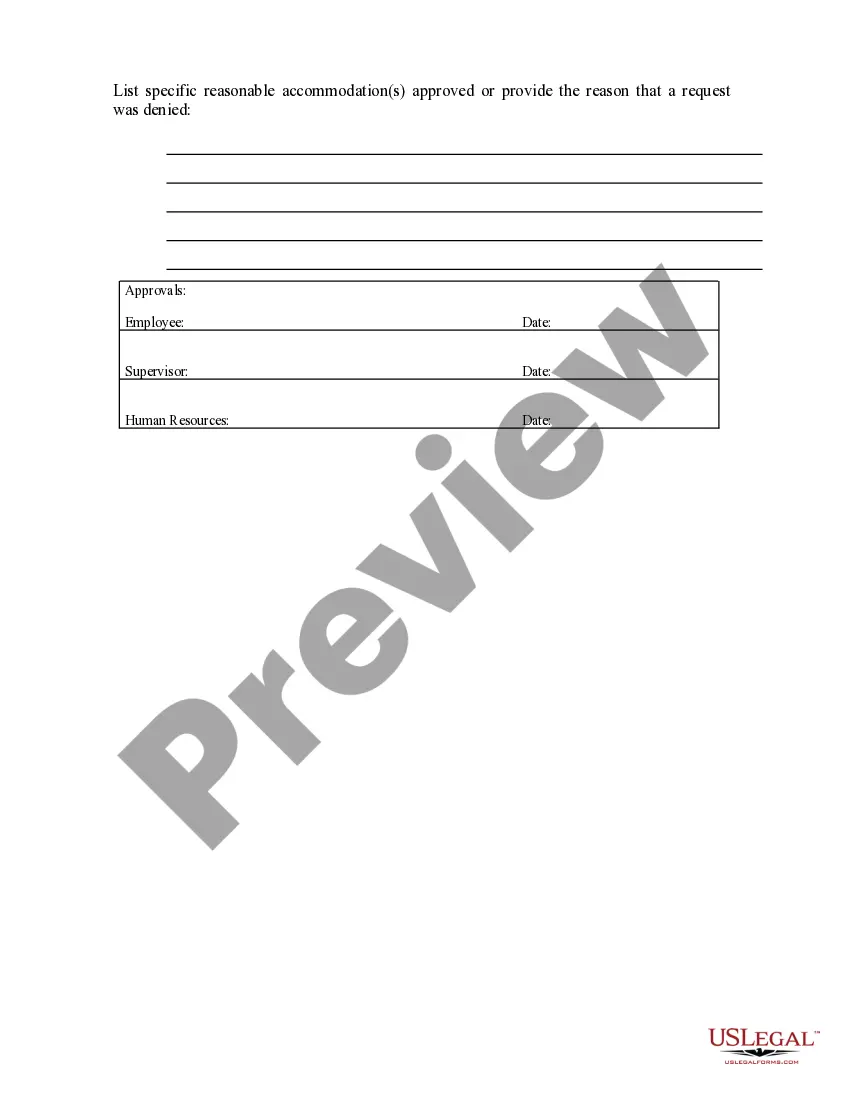
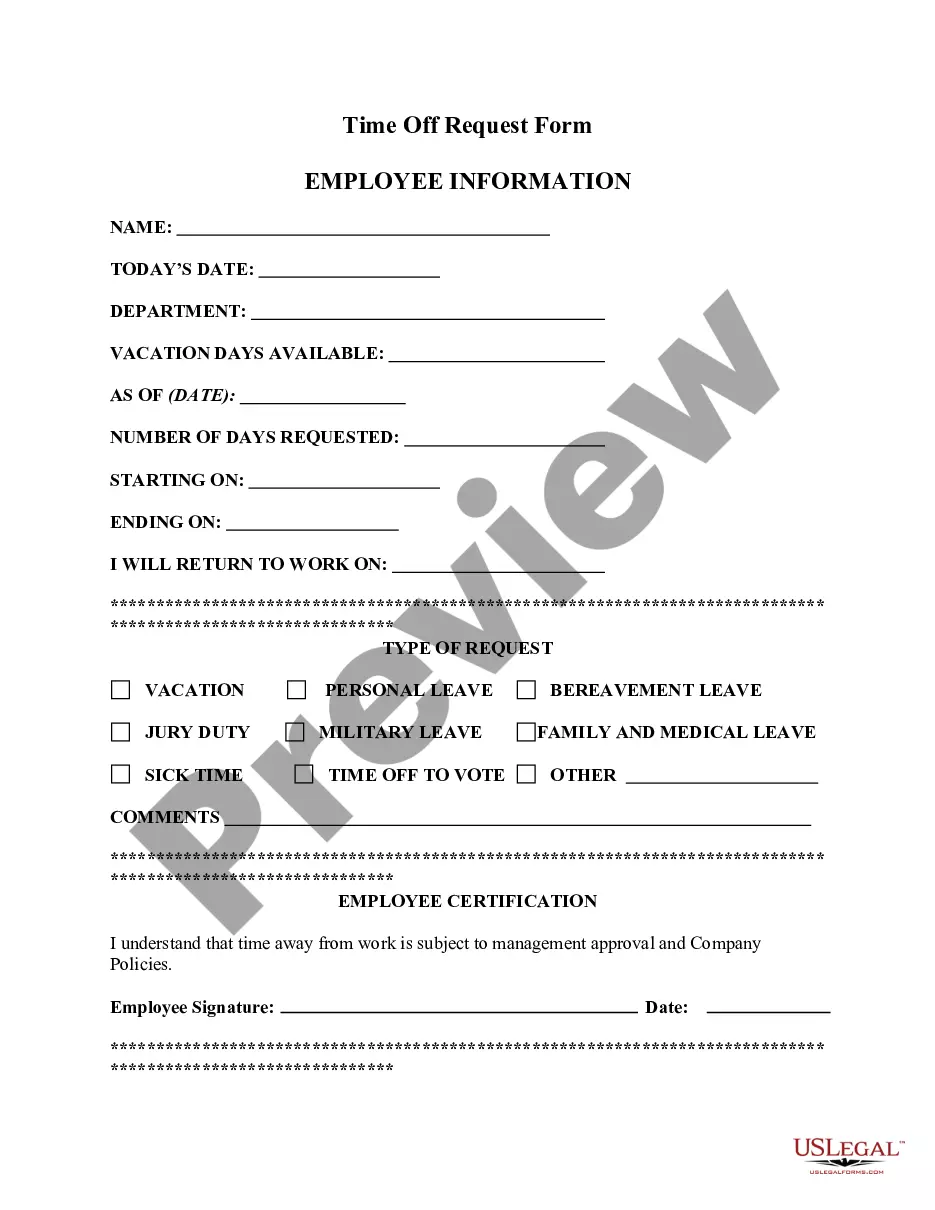
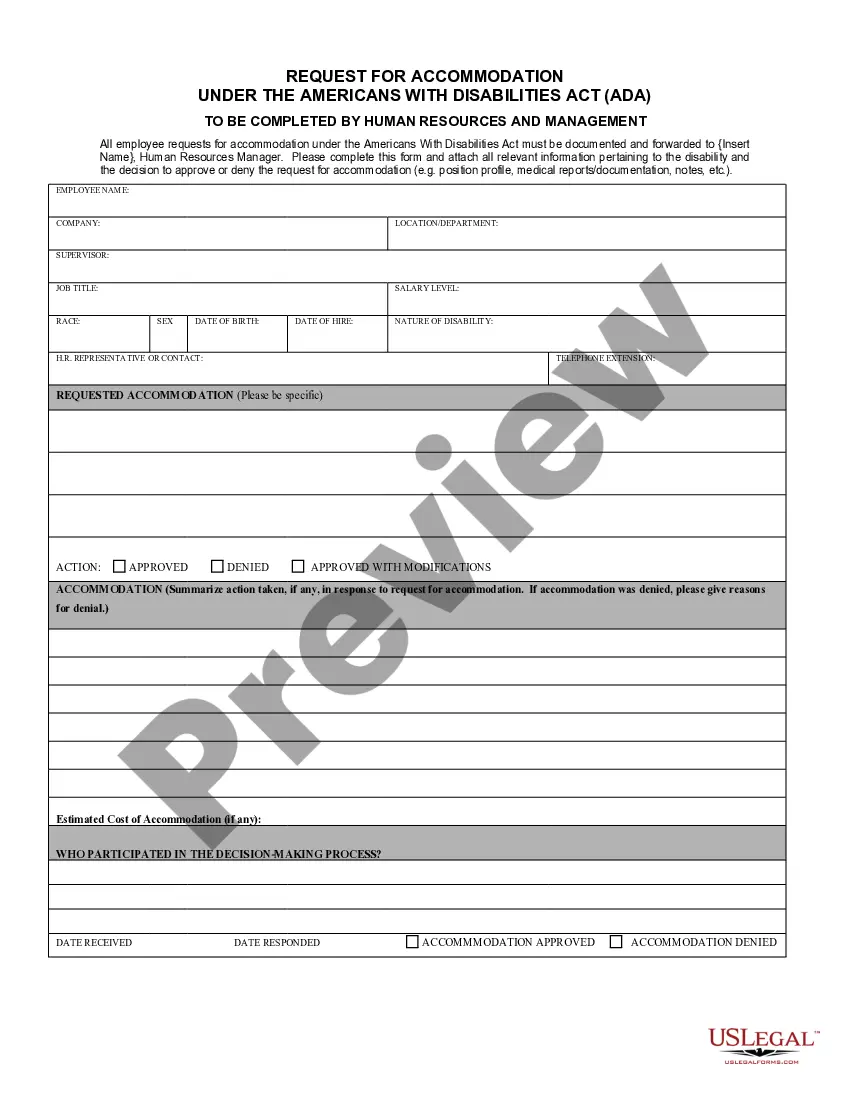
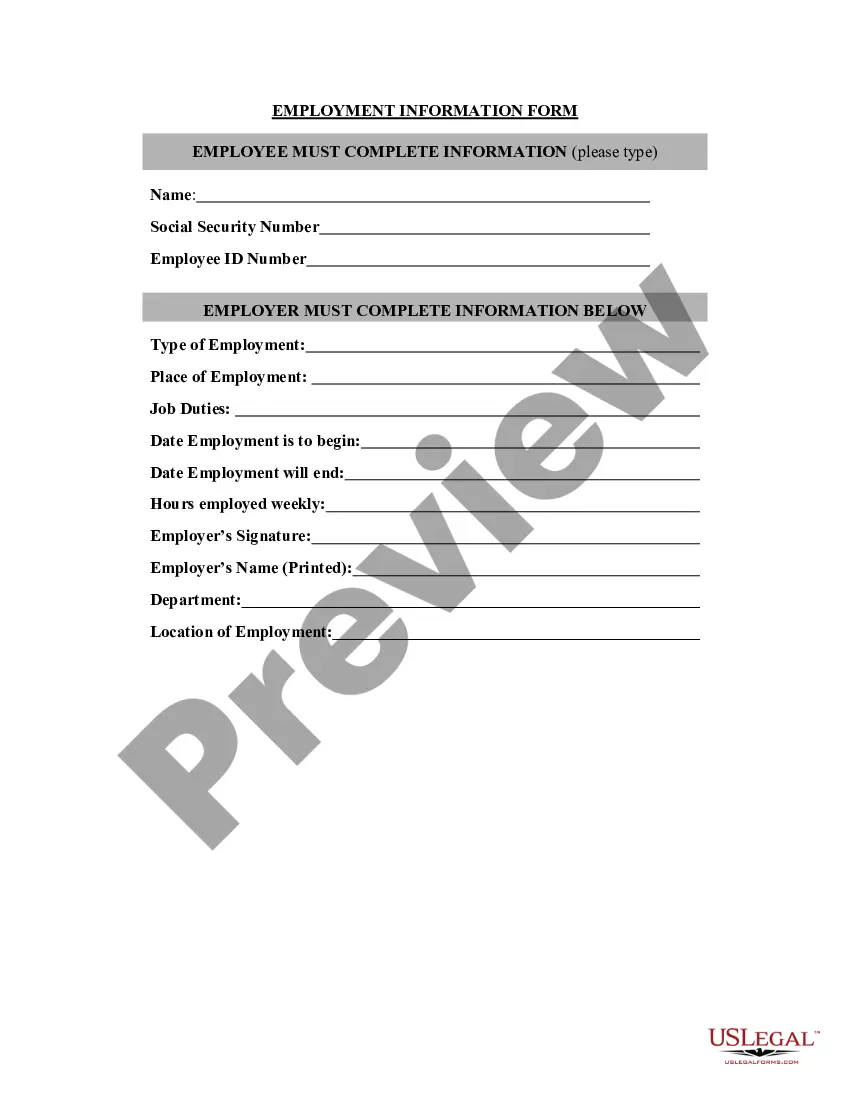
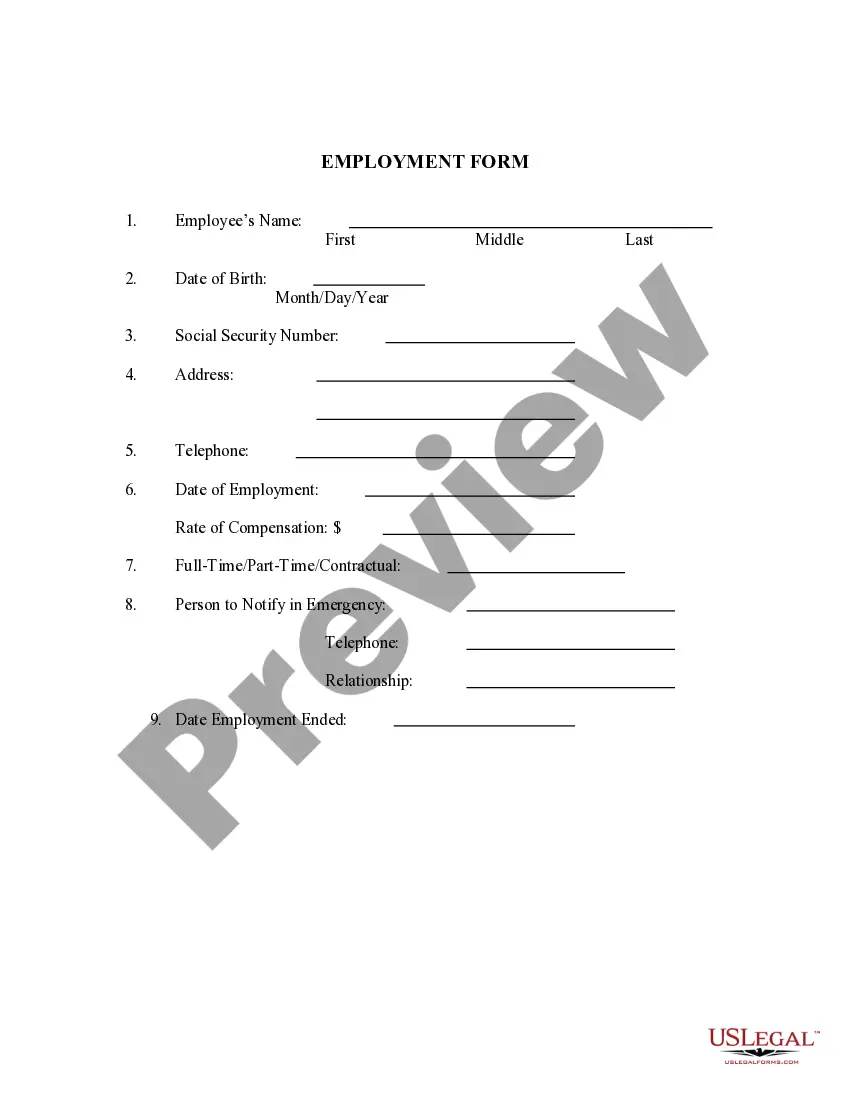
Get your form ready online
Our built-in tools help you complete, sign, share, and store your documents in one place.
Make edits, fill in missing information, and update formatting in US Legal Forms—just like you would in MS Word.
Download a copy, print it, send it by email, or mail it via USPS—whatever works best for your next step.
Sign and collect signatures with our SignNow integration. Send to multiple recipients, set reminders, and more. Go Premium to unlock E-Sign.
If this form requires notarization, complete it online through a secure video call—no need to meet a notary in person or wait for an appointment.
We protect your documents and personal data by following strict security and privacy standards.

Make edits, fill in missing information, and update formatting in US Legal Forms—just like you would in MS Word.

Download a copy, print it, send it by email, or mail it via USPS—whatever works best for your next step.

Sign and collect signatures with our SignNow integration. Send to multiple recipients, set reminders, and more. Go Premium to unlock E-Sign.

If this form requires notarization, complete it online through a secure video call—no need to meet a notary in person or wait for an appointment.

We protect your documents and personal data by following strict security and privacy standards.
Looking for another form?






How to fill out Reasonable Accommodation Request Form?
Whether for commercial reasons or for individual matters, everyone must confront legal circumstances at some point in their lifetime. Completing legal paperwork necessitates meticulous attention, starting from picking the appropriate form sample.
For example, if you select an incorrect version of a Reasonable Accommodation Document With Students With Disabilities, it will be rejected once you submit it. Thus, it is crucial to have a trustworthy source of legal documents like US Legal Forms.
With an extensive catalog from US Legal Forms at your disposal, you will never have to waste time searching for the suitable template online. Utilize the library's straightforward navigation to find the correct template for any situation.
- Locate the template you require by utilizing the search bar or catalog navigation.
- Review the form's description to ensure it aligns with your situation, state, and area.
- Click on the form's preview to view it.
- If it is the incorrect form, return to the search feature to find the Reasonable Accommodation Document With Students With Disabilities sample that you need.
- Download the document if it meets your specifications.
- If you already possess a US Legal Forms account, simply click Log in to access previously saved documents in My documents.
- In the case that you do not yet have an account, you can download the form by clicking Buy now.
- Choose the appropriate pricing option.
- Complete the account registration form.
- Select your payment method: use a credit card or PayPal account.
- Choose your desired document format and download the Reasonable Accommodation Document With Students With Disabilities.
- Once it is saved, you can fill out the form using editing software or print it and complete it manually.
Form popularity
FAQ
Writing a letter requesting accommodation requires a professional and straightforward approach. Begin by clearly stating your purpose and providing your contact information. Outline the details of your disability and the specific accommodations you need, and refer to a reasonable accommodation document with students with disabilities to support your request. Finish the letter with a thank you and an invitation for further discussion.
I am experiencing the following difficulties in performing my job because of my disability: _______________________. I am writing to request that you ______________________ (state requested accommodation) because it will___________________________ (how it will help you do your job) as a reasonable accommodation.
Content to consider in body of letter: Identify yourself as a person with a disability. State that you are requesting accommodations under the ADA (or the Rehabilitation Act of 1973 if you are a federal employee) Identify your specific problematic job tasks. Identify your accommodation ideas.
Examples of reasonable accommodations include providing interpreters, readers, or other personal assistance; modifying job duties; restructuring work sites; providing flexible work schedules or work sites (i.e. telework) and providing accessible technology or other workplace adaptive equipment.
As part of this commitment, [Employer] will ensure that persons with disabilities are provided reasonable accommodations for the hiring process. If reasonable accommodation is needed, please contact [include name and/or department, telephone, and e-mail address, etc.].
Setting accommodations Work or take a test in a different setting, such as a quiet room with few distractions. Sit where they learn best (for example, near the teacher) Use special lighting or acoustics. Take a test in a small group setting.