Criminal Record For Employment
Description
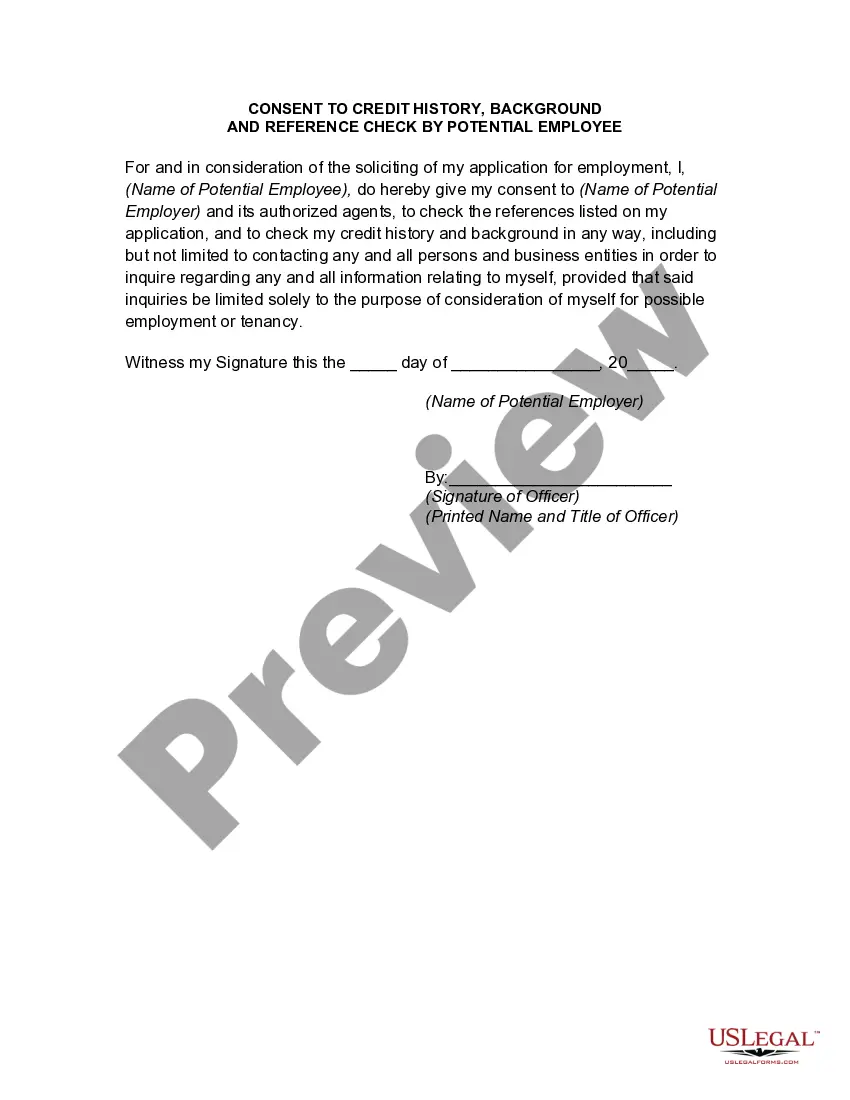
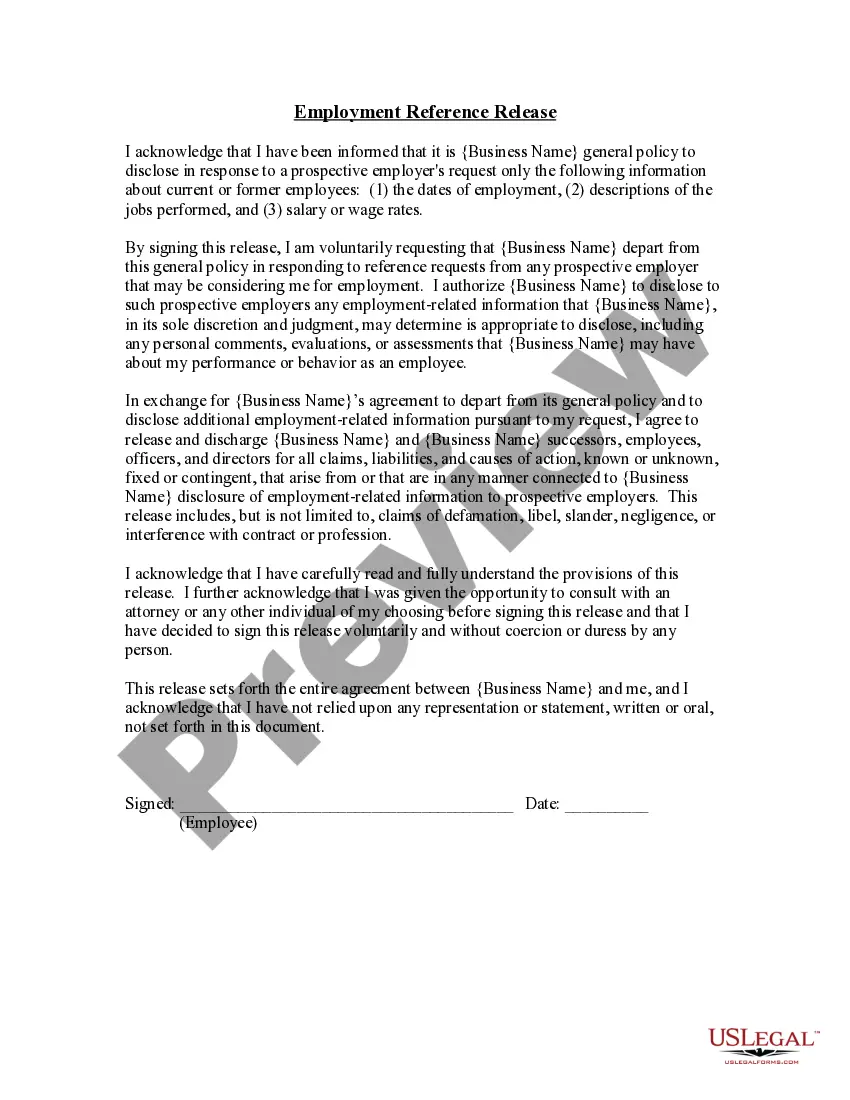
Get your form ready online
Our built-in tools help you complete, sign, share, and store your documents in one place.
Make edits, fill in missing information, and update formatting in US Legal Forms—just like you would in MS Word.
Download a copy, print it, send it by email, or mail it via USPS—whatever works best for your next step.
Sign and collect signatures with our SignNow integration. Send to multiple recipients, set reminders, and more. Go Premium to unlock E-Sign.
If this form requires notarization, complete it online through a secure video call—no need to meet a notary in person or wait for an appointment.
We protect your documents and personal data by following strict security and privacy standards.

Make edits, fill in missing information, and update formatting in US Legal Forms—just like you would in MS Word.

Download a copy, print it, send it by email, or mail it via USPS—whatever works best for your next step.

Sign and collect signatures with our SignNow integration. Send to multiple recipients, set reminders, and more. Go Premium to unlock E-Sign.

If this form requires notarization, complete it online through a secure video call—no need to meet a notary in person or wait for an appointment.

We protect your documents and personal data by following strict security and privacy standards.
Looking for another form?
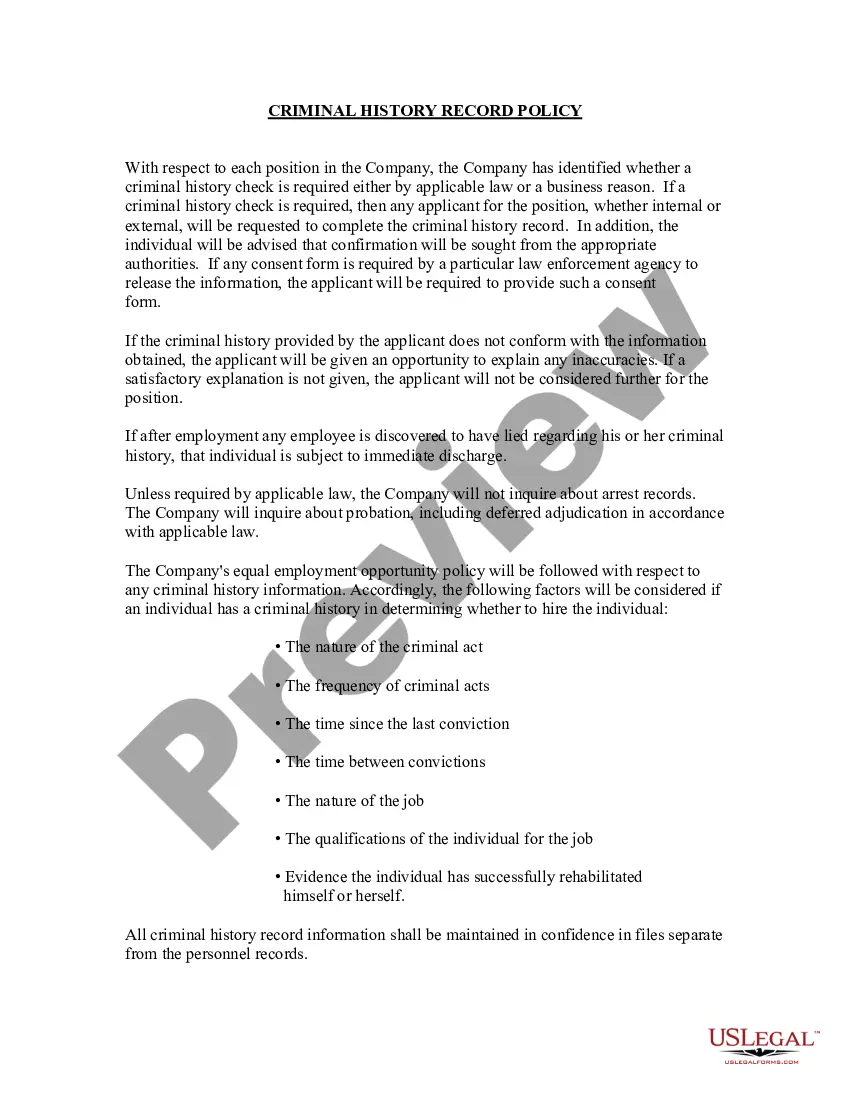
How to fill out Criminal History Record Policy?
Legal documentation administration can be daunting, even for seasoned professionals.
If you require a Criminal Record For Employment and lack the time to search for the suitable and current version, the process can be anxiety-inducing.
With a monthly subscription, Log Into your US Legal Forms account, find the form, and acquire it.
Visit the My documents tab to check the documents you have previously secured and manage your folders as necessary.
Leverage the US Legal Forms online library, supported by 25 years of experience and reliability. Transform your daily document management into a straightforward and user-friendly process today.
- Confirm this is the correct form by previewing it and reviewing its description.
- Make sure the template is accepted in your state or county.
- Select Buy Now when you are ready.
- Choose a subscription plan.
- Select your desired format, and Download, complete, sign, print, and send your document.
- Utilize advanced tools to complete and manage your Criminal Record For Employment.
- Access a database of articles, guides, and handbooks related to your circumstances and needs.
- Save time and effort searching for the forms you need, utilizing US Legal Forms’ sophisticated search and Review feature to find Criminal Record For Employment and obtain it.
Form popularity
FAQ
Yes, California permits employers to conduct criminal background checks for employment. However, there are specific laws in place that restrict the use of a criminal record for employment decisions. Employers must consider the nature of the offense, its relevance to the job, and any updates in the applicant's history. US Legal Forms provides resources to help you understand your rights regarding the criminal record for employment, ensuring that you can navigate these regulations confidently.
In Oregon, criminal background checks typically consider offenses occurring within seven years for most employment purposes. However, certain positions, especially those in healthcare or education, may review your entire history. Knowing how far back a criminal record for employment can be checked in Oregon enables you to prepare adequately and manage your disclosures. If you have specific concerns, uslegalforms can help you understand your rights and provide the assistance you need.
Several factors on your background check can disqualify you for employment, including felonies, certain misdemeanors, and pending criminal cases. Employers often assess the nature of the offense in relation to the job requirements, so simply having a record does not automatically disqualify you. It is important to be aware that different employers have varying policies and may consider other aspects of your profile. Thus, addressing any potential red flags can improve your chances.
Typically, most criminal background checks in the United States go back seven to ten years, although this can vary by state and the employer's specific policies. Employers might check for felonies and significant misdemeanors during this timeframe. However, older convictions may show up in certain instances, depending on the nature of the job and local regulations. Understanding how far back a criminal record for employment can be reviewed helps you prepare your application accordingly.
To pass a criminal background check for employment, start by obtaining a copy of your own criminal record. Review it for any errors or outdated information, then address these issues promptly. Presenting transparency during the hiring process can also help, as employers appreciate honesty. Additionally, highlighting your skills and qualifications can demonstrate your value, making your criminal record less of a focal point.
Hawaii's background check law requires employers to obtain written consent before reviewing your criminal record for employment. They must also follow the Fair Credit Reporting Act (FCRA) guidelines, which mandate that you are informed if a background check affects their hiring decision. If you believe something is inaccurate in your criminal record, you have the right to dispute it. Knowing your rights helps you manage the impact of your criminal record for employment.
In Alabama, employers must comply with federal and state laws when conducting background checks. This involves obtaining your consent before accessing your criminal record for employment purposes. Additionally, Alabama law allows individuals to request a copy of their criminal record and dispute any inaccuracies or errors found in it. Understanding these laws can help you navigate the implications of your criminal record for employment effectively.
The best way to check your criminal record is to request a copy from your state's law enforcement agency or court. You can also use services like USLegalForms, which offer comprehensive background check services. These resources help you understand what employers might see when conducting a background check for employment. Knowing your record allows you to address any potential issues proactively.
Most employers typically look back seven years when considering your criminal record for employment. However, certain industries may have different regulations and may check further. It is essential to understand what potential employers may see. This knowledge helps you prepare your narrative and approach when discussing your history.
When faced with the question, 'Do you have a criminal record?', respond honestly and succinctly. Clearly state your record, if applicable, but quickly pivot the conversation towards your qualifications and strengths. Express how your experiences have shaped you and the positive changes you have made. This approach helps mitigate concerns about your past.