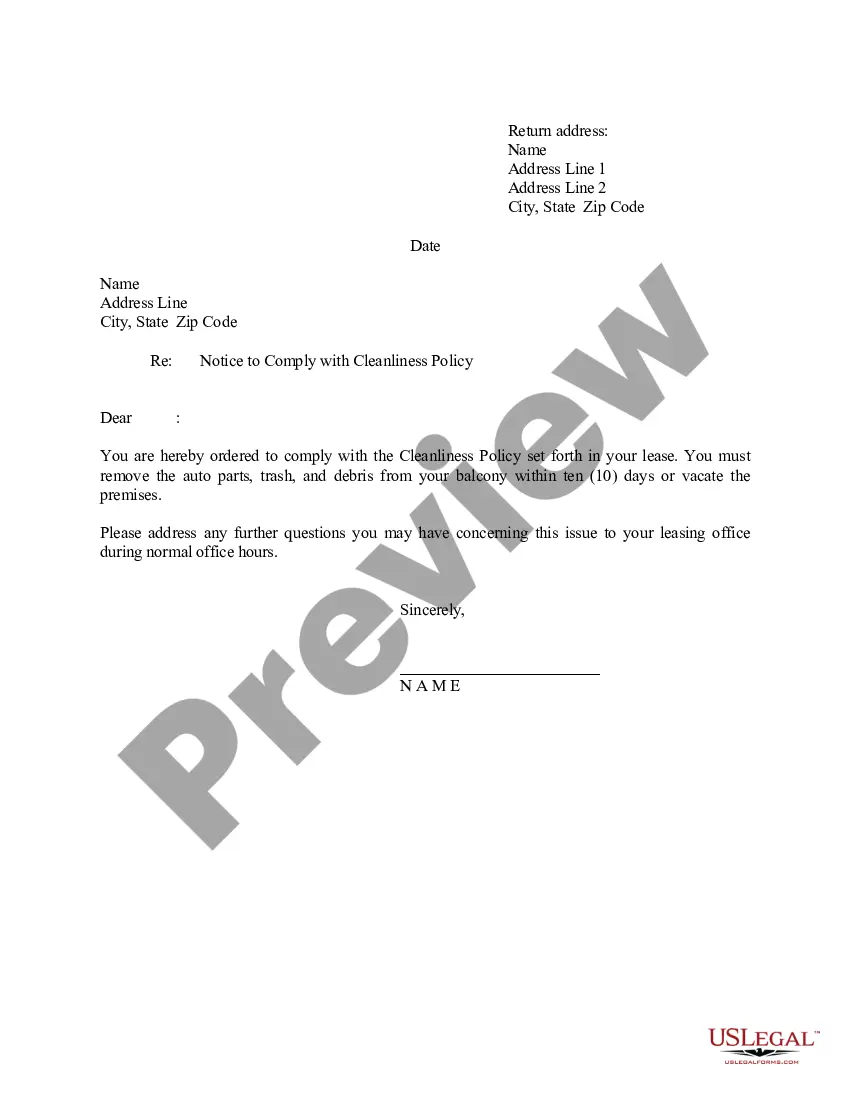
Letter Compliance Sample With Replacement
Description

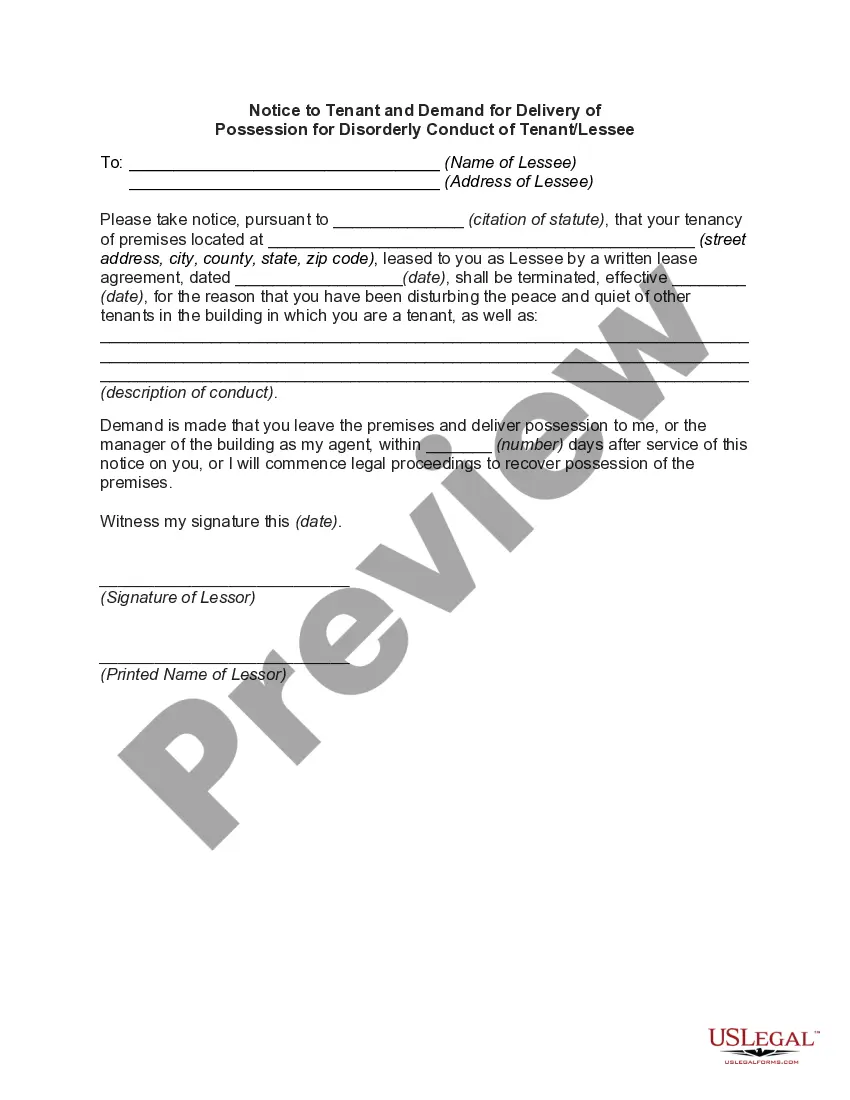
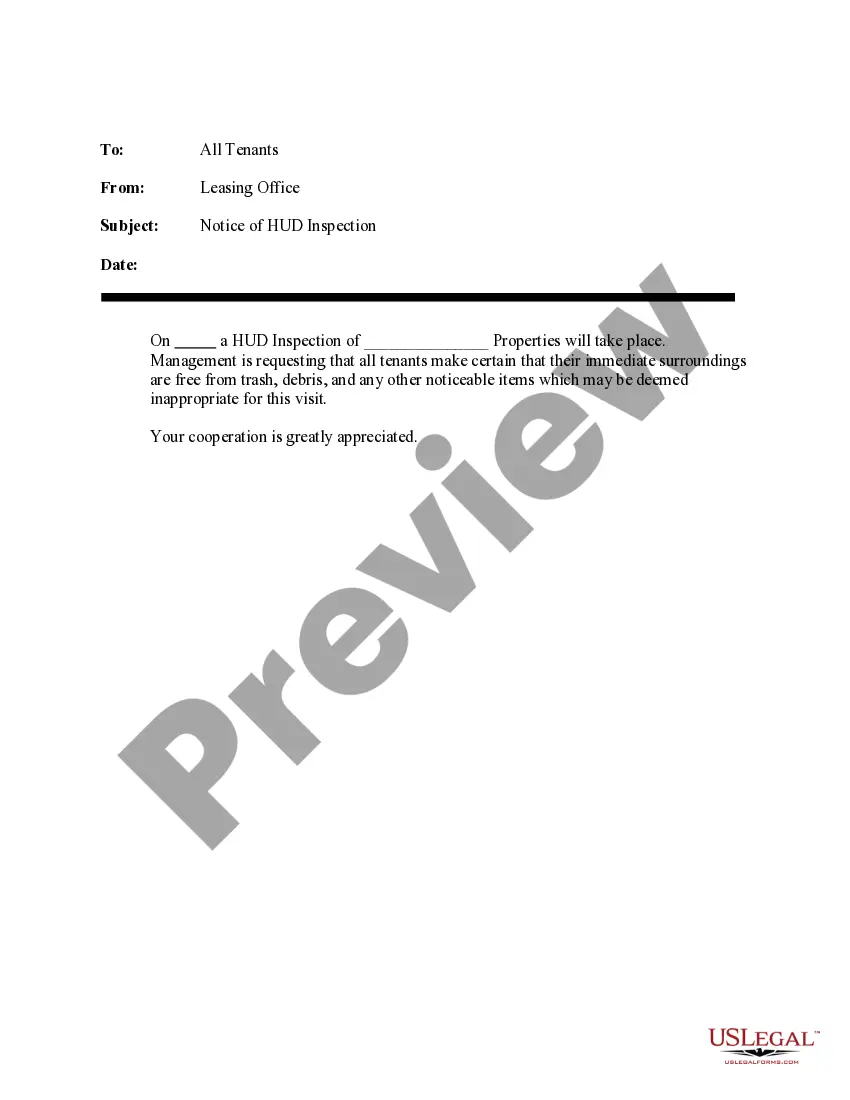




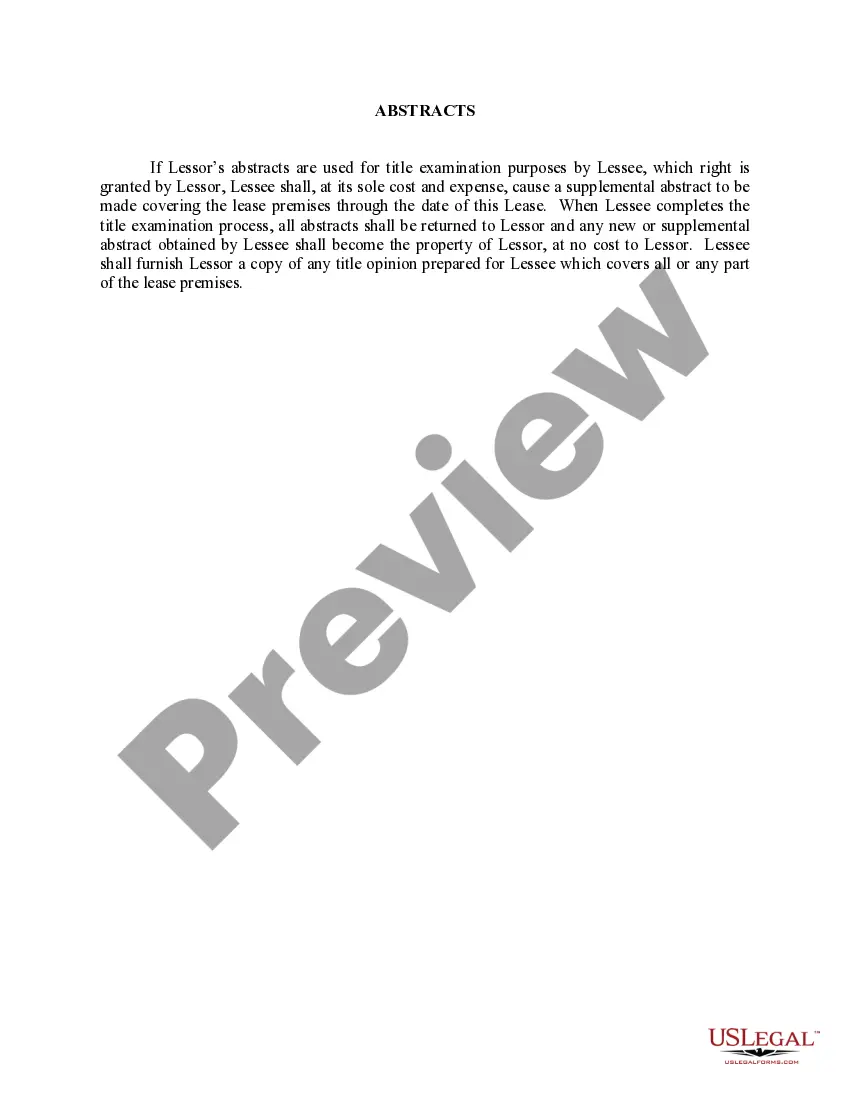

How to fill out Letter - Notice To Renter Ordering The Compliance With The Cleanliness Policy?
Regardless of whether it is for professional reasons or personal issues, everyone must confront legal circumstances at some point in their lives. Completing legal paperwork demands meticulous focus, starting with selecting the appropriate form template. For instance, if you choose an incorrect version of a Letter Compliance Sample With Replacement, it will be denied upon submission. Thus, it is crucial to have a reliable resource for legal documents like US Legal Forms.
If you need to obtain a Letter Compliance Sample With Replacement template, adhere to these straightforward steps.
Once it is downloaded, you can fill out the form using editing software or print it and complete it by hand. With an extensive US Legal Forms collection available, you will never have to waste time searching for the correct template online. Make use of the library’s user-friendly navigation to find the right document for any circumstance.
- Retrieve the template you require using the search bar or catalog browsing.
- Review the form’s description to ensure it aligns with your situation, state, and county.
- Click on the form’s preview to inspect it.
- If it is not the correct form, return to the search tool to find the Letter Compliance Sample With Replacement template you seek.
- Obtain the document when it fulfills your specifications.
- If you already possess a US Legal Forms account, simply click Log in to access previously stored templates in My documents.
- If you do not yet have an account, you can download the form by clicking Buy now.
- Select the appropriate pricing choice.
- Complete the profile registration form.
- Choose your payment method: you can utilize a credit card or PayPal account.
- Select the file format you wish and download the Letter Compliance Sample With Replacement.
Form popularity
FAQ
The letter should be well-written, using language that clearly communicates the writer's point(s). Your goal should be to rectify the situation in an amicable manner that is satisfactory to all parties, not to generate ill-will or damage the relationship.
I am writing to discuss a complaint I have with [the product/service] provided by your business. I have [describe the problem or issue you faced]. This has caused me significant inconvenience and has resulted in [explain the impact of the issue].
How to write an effective complaint letter Be clear and concise. ... State exactly what you want done and how long you're willing to wait for a response. ... Don't write an angry, sarcastic, or threatening letter. ... Include copies of relevant documents, like receipts, work orders, and warranties.
Information To Include in Your Letter Give the basics. Tell your story. Tell the company how you want to resolve the problem. Be reasonable. File your complaint. Your Address. Your City, State, Zip Code. [Your email address, if sending by email] Date.
A certificate of compliance is a document that certifies that a product or system meets the requirements of a safety regulation or standard. It is typically used in shipping and logistics to ensure that products are safe for transport and meet the destination country's requirements.