Rule 144 For Dummies
Description

Get your form ready online
Our built-in tools help you complete, sign, share, and store your documents in one place.
Make edits, fill in missing information, and update formatting in US Legal Forms—just like you would in MS Word.
Download a copy, print it, send it by email, or mail it via USPS—whatever works best for your next step.
Sign and collect signatures with our SignNow integration. Send to multiple recipients, set reminders, and more. Go Premium to unlock E-Sign.
If this form requires notarization, complete it online through a secure video call—no need to meet a notary in person or wait for an appointment.
We protect your documents and personal data by following strict security and privacy standards.
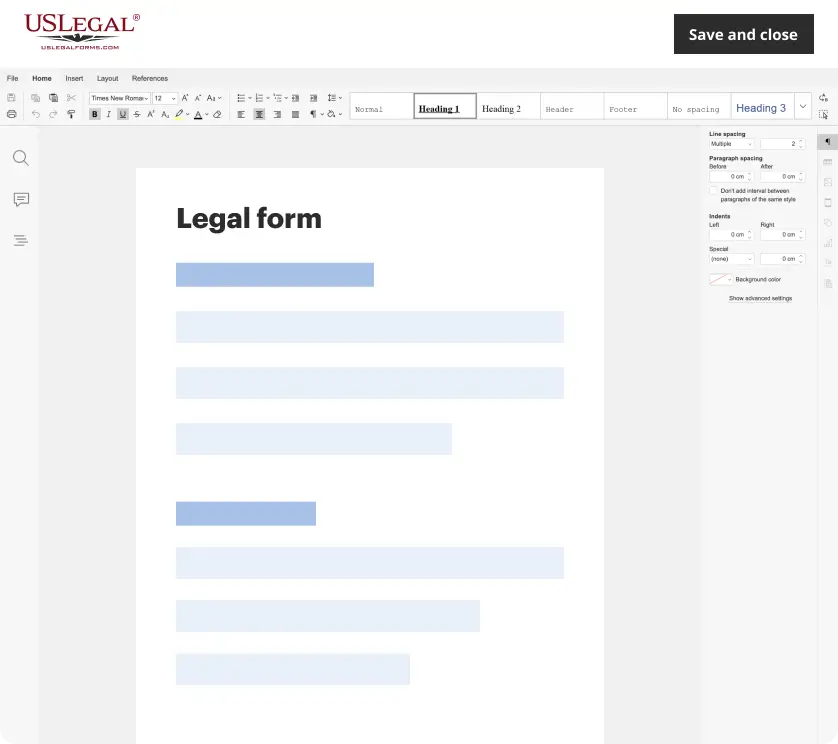
Make edits, fill in missing information, and update formatting in US Legal Forms—just like you would in MS Word.
Download a copy, print it, send it by email, or mail it via USPS—whatever works best for your next step.
Sign and collect signatures with our SignNow integration. Send to multiple recipients, set reminders, and more. Go Premium to unlock E-Sign.

If this form requires notarization, complete it online through a secure video call—no need to meet a notary in person or wait for an appointment.
We protect your documents and personal data by following strict security and privacy standards.
Looking for another form?






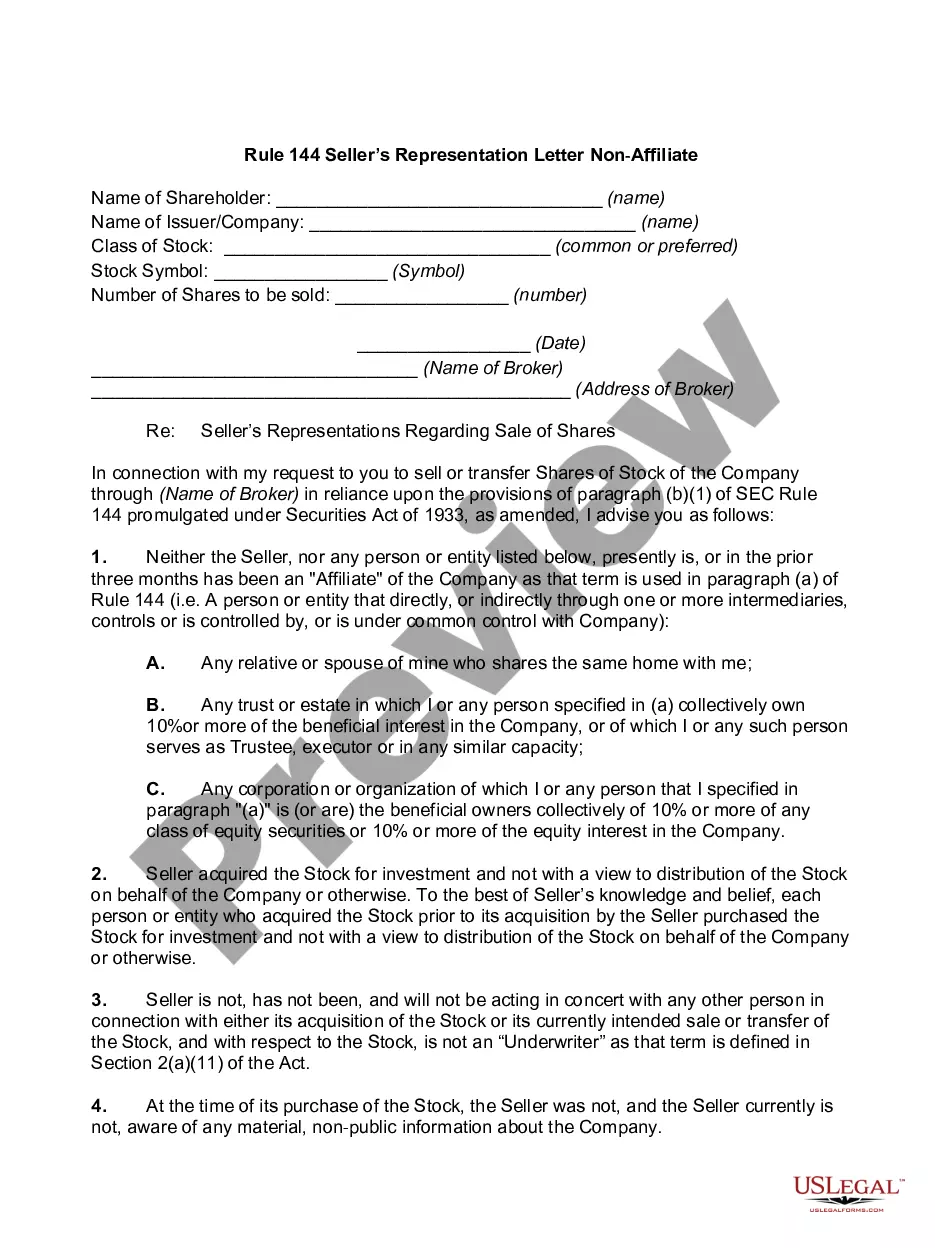
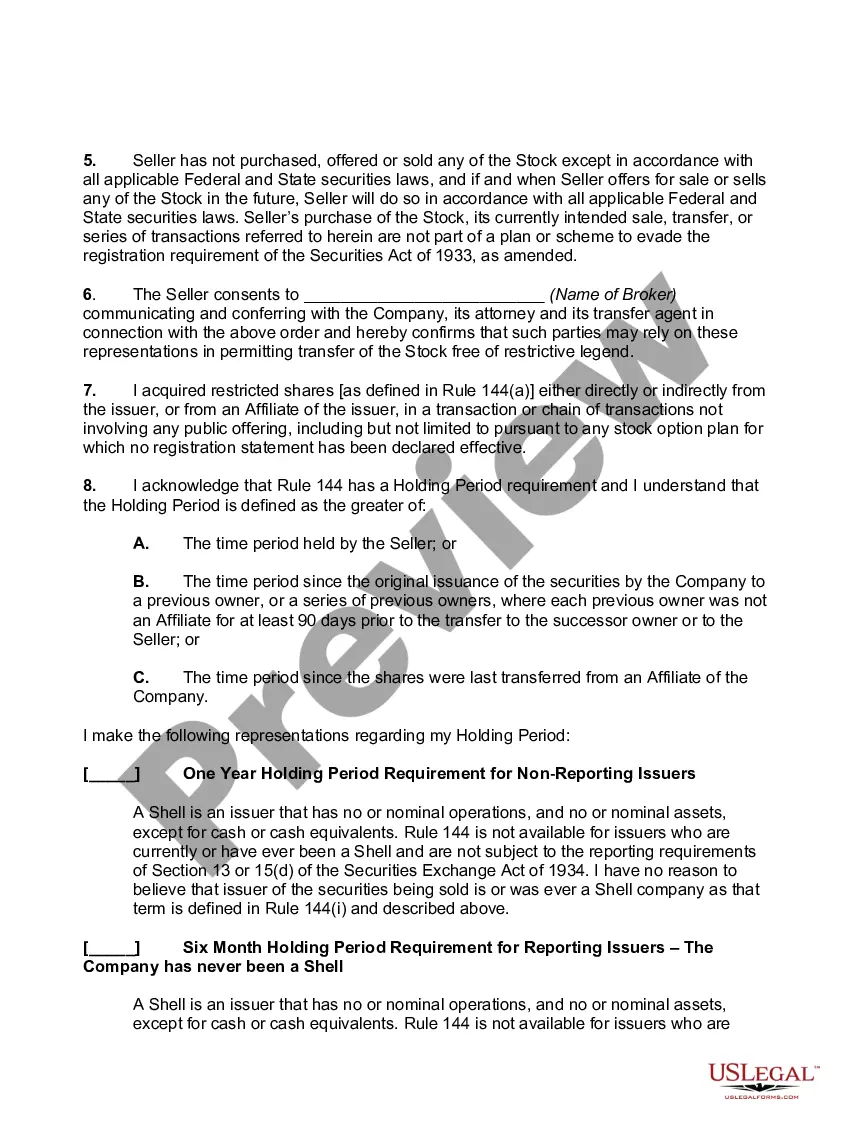
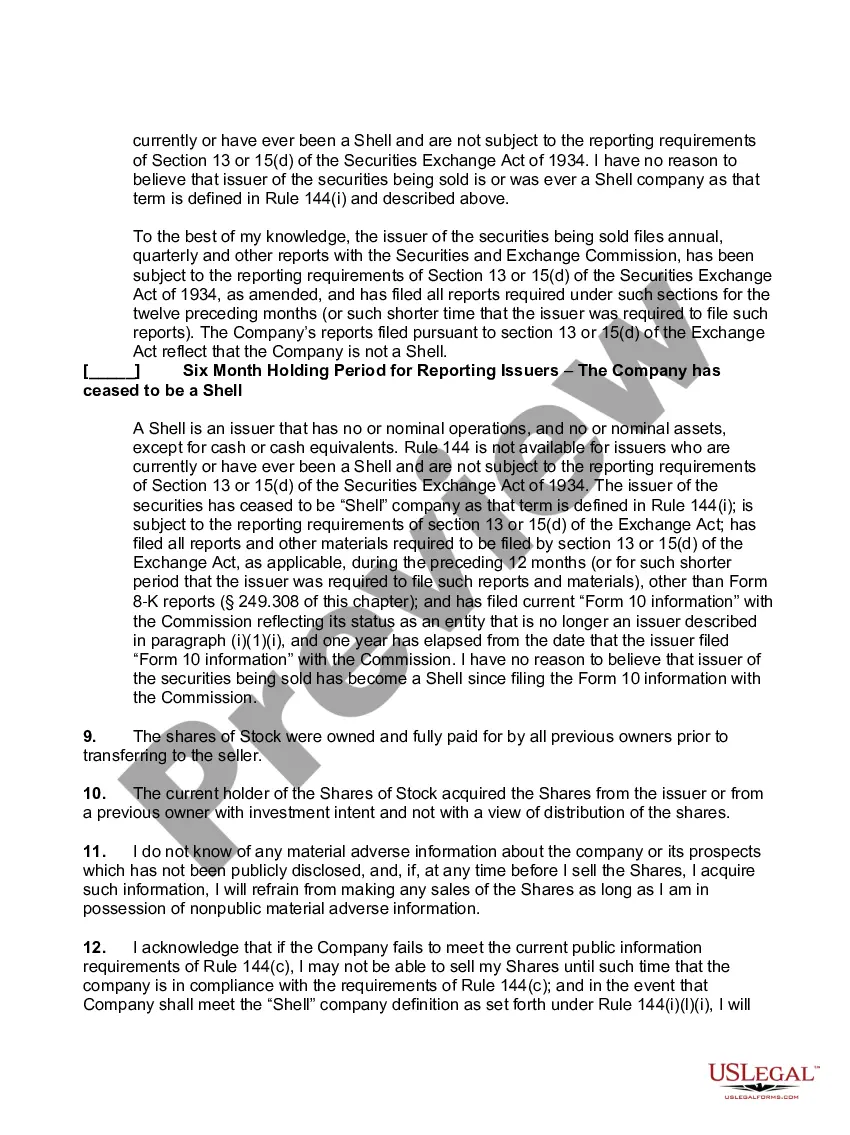
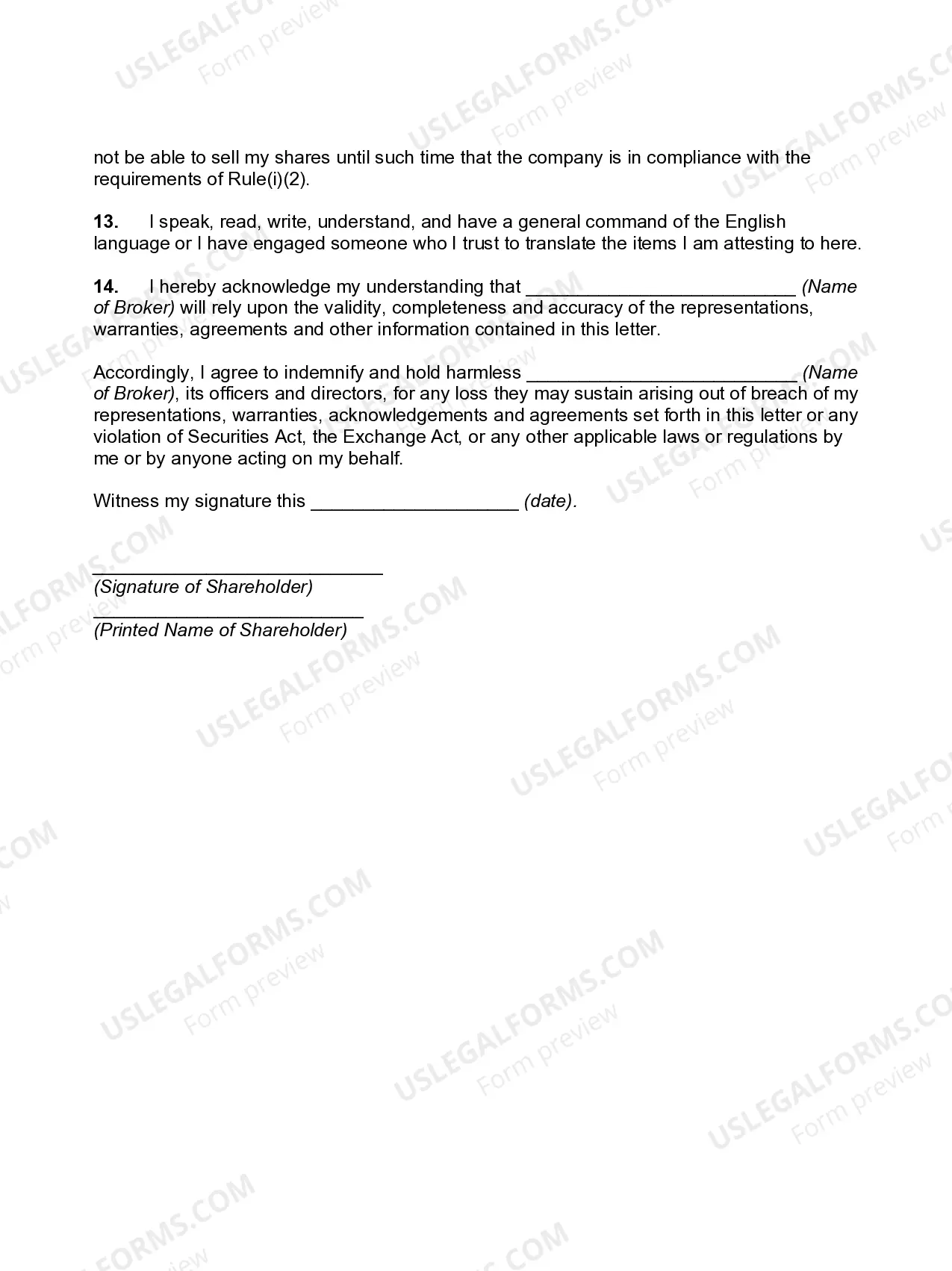
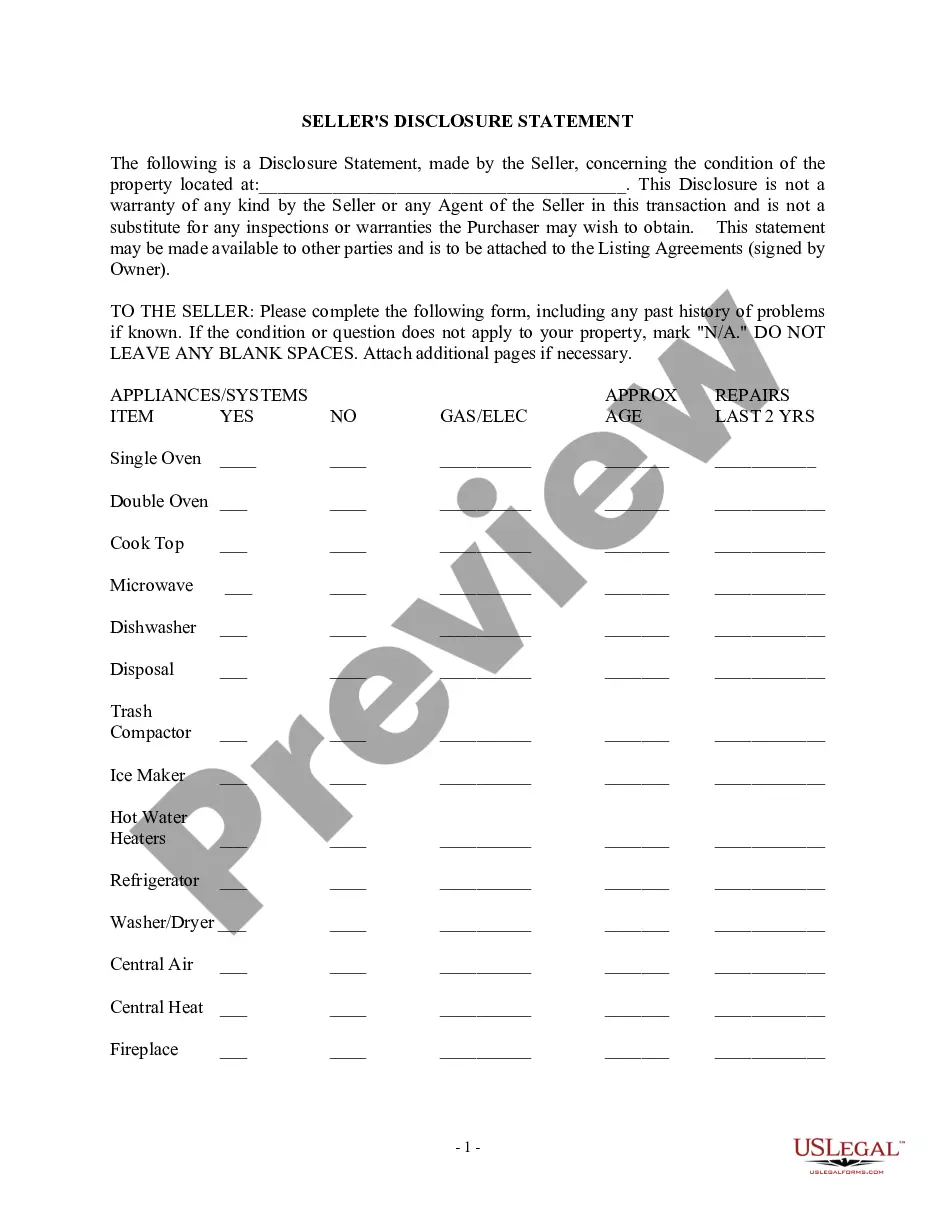
How to fill out Rule 144 Seller's Representation Letter Non-Affiliate?
Accessing legal documents that adhere to federal and regional regulations is essential, and the internet provides a plethora of choices to select from.
However, why squander time looking for the appropriately formulated Rule 144 For Dummies example online when the US Legal Forms digital library already compiles such documents in a single location.
US Legal Forms stands as the largest online legal repository with over 85,000 editable templates created by attorneys for various professional and personal circumstances. They are simple to navigate with all documents categorized by state and intended use. Our specialists stay updated with legal changes, ensuring that your form is always current and compliant when acquiring a Rule 144 For Dummies from our platform.
Click Buy Now once you've identified the correct document, and select a subscription plan. Create an account or sign in and process payment via PayPal or a credit card. Choose the most suitable format for your Rule 144 For Dummies and download it. All templates you find through US Legal Forms can be reused. To re-download and complete previously acquired forms, go to the My documents section in your profile. Enjoy the most extensive and user-friendly legal document service!
- Obtaining a Rule 144 For Dummies is straightforward and swift for both existing and new users.
- If you already possess an account with an active subscription, Log In and download the document template you need in your desired format.
- If you are a newcomer to our site, follow the instructions below.
- Examine the template utilizing the Preview feature or through the text description to ensure it meets your requirements.
- Search for an alternative sample using the search tool at the top of the page if needed.
Form popularity
FAQ
Form 144 must be filed by anyone who is an affiliate of a company and plans to sell restricted stock. Affiliates include executives, directors, and large shareholders, who hold a significant number of shares. This requirement ensures transparency and allows potential buyers to be aware of insider selling activity. To learn more about the responsibilities tied to this form, our resources on Rule 144 for dummies can simplify these obligations for you.
A Form 144 filing is typically triggered when an insider intends to sell shares of their company. This form serves as a notice to the market about the planned sale and helps maintain transparency. Key triggers include significant personal financial needs, diversifying investments, or even tax obligations. If you are new to this topic, our guide on Rule 144 for dummies provides simple explanations to help you understand the intricacies of these filings.
The meaning of Rule 144 centers on the regulation that governs the resale of restricted and controlled securities in the U.S. It establishes a safe harbor for the resale of these securities, ensuring protection against illegal trading practices. By clarifying when and how securities can be sold, Rule 144 promotes transparency in the market. For dummies looking to understand financial transactions, this rule serves as a foundational piece of knowledge.
The rules of 144 outline the conditions under which restricted and controlled securities can be sold publicly. This includes requirements like holding the securities for a specific period and offering them to the public in a limited manner. Understanding these rules can help you sell your securities legally and efficiently, avoiding potential pitfalls. For dummies, grasping the rules of 144 is essential for safe navigation in the stock market.
The Rule 144 opinion refers to a legal analysis about the compliance of securities sold under Rule 144. Investors often seek a Rule 144 opinion to ensure the sale of their restricted or control securities is lawful. This opinion confirms that the necessary conditions under Rule 144 have been satisfied, allowing for the public resale of securities. It’s a crucial step for anyone wanting to understand the flow of compliance regarding stocks and securities, especially for dummies navigating this complex area.
When people refer to Rule 144 for life, they often mean the application of this rule in various aspects of investment and asset management. It reflects the long-term implications of compliant securities trading, emphasizing the ongoing need for knowledge and adherence to regulations. By mastering Rule 144, you can significantly impact your investment strategy throughout your lifetime. Platforms like US Legal Forms offer valuable resources to stay updated on these vital legal requirements.
The rule of 144 provides a safe harbor for selling restricted and control securities under specific conditions. It's designed to protect the public interest and maintain transparency in securities trading. For those new to this area, Rule 144 for dummies serves as a helpful guide to understanding who can sell these securities and under what circumstances. Familiarizing yourself with this rule can help you make informed decisions in your investment journey.
Form 144 is filled out by individuals looking to sell restricted or control securities under Rule 144. This includes company insiders or affiliates who need to provide the SEC with information about their intended sale. If you’re someone who wants to navigate the complexities of securities sales, understanding how to properly fill out Form 144 is crucial. Tools like US Legal Forms can guide you through this process seamlessly.
To understand Rule 144 for dummies, it's essential to grasp the specific conditions that need to be met. First, the securities should be restricted or control securities, which means they are not registered with the SEC. Second, holding periods apply, typically lasting for six months if the issuer is compliant with SEC reporting requirements. Knowing these conditions helps ensure that you are following legal guidelines when selling your securities.
Rule 144 guidelines provide a clear framework for selling restricted and control securities in the U.S. These guidelines specify conditions such as the holding period, SEC filing, and volume limits that must be met before any sale. Understanding these guidelines minimizes risks and enhances compliance. With tools like uslegalforms, navigating the Rule 144 guidelines can become a seamless process for anyone, especially those new to the financial market.