Enclosures Letter
Description
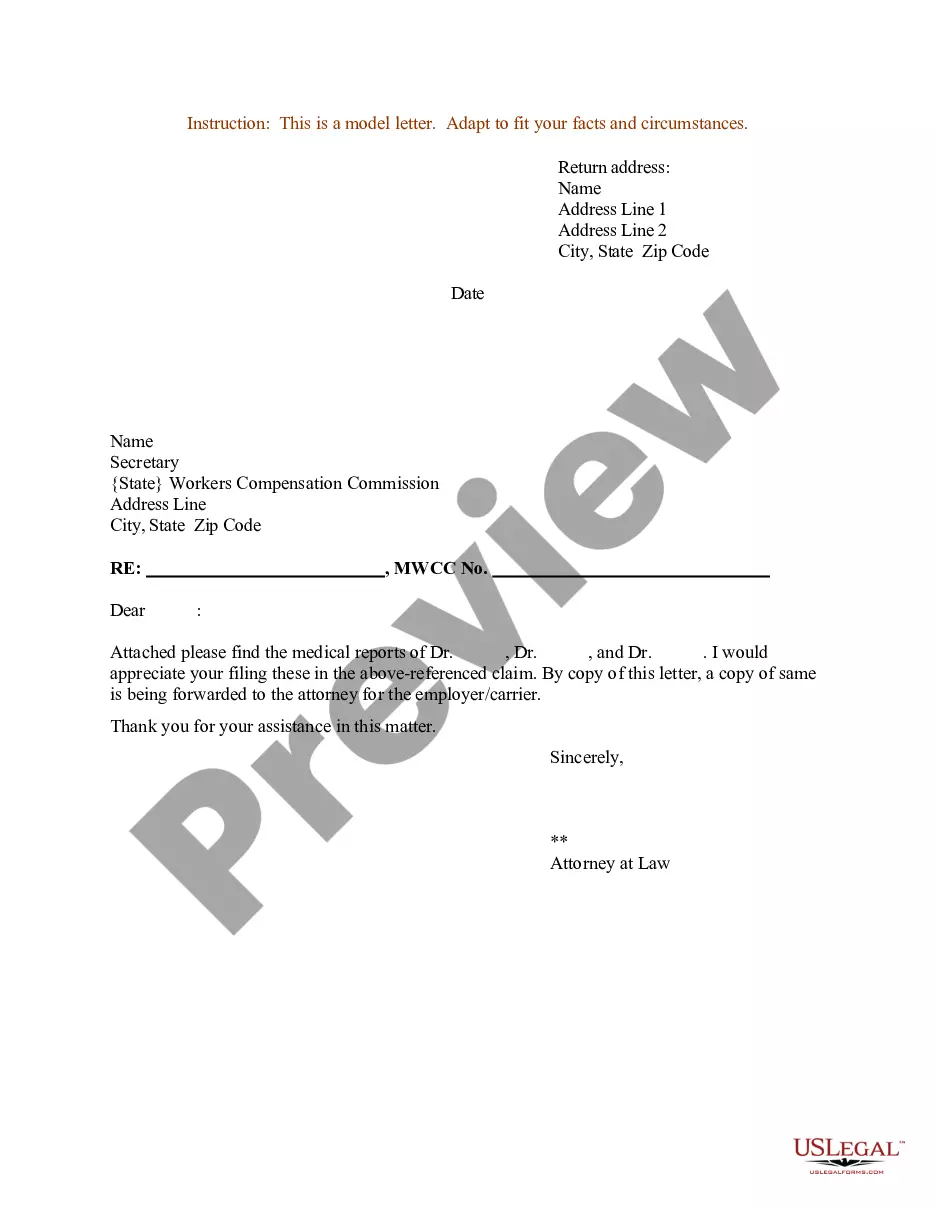
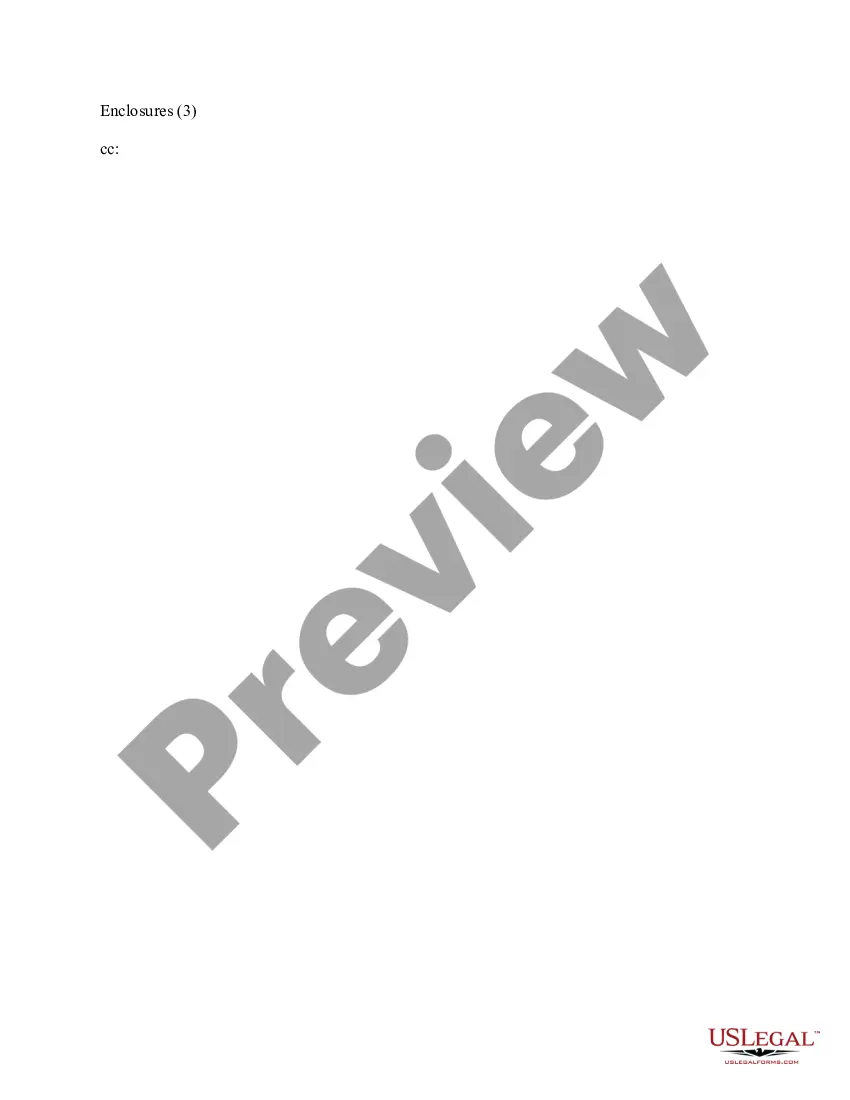
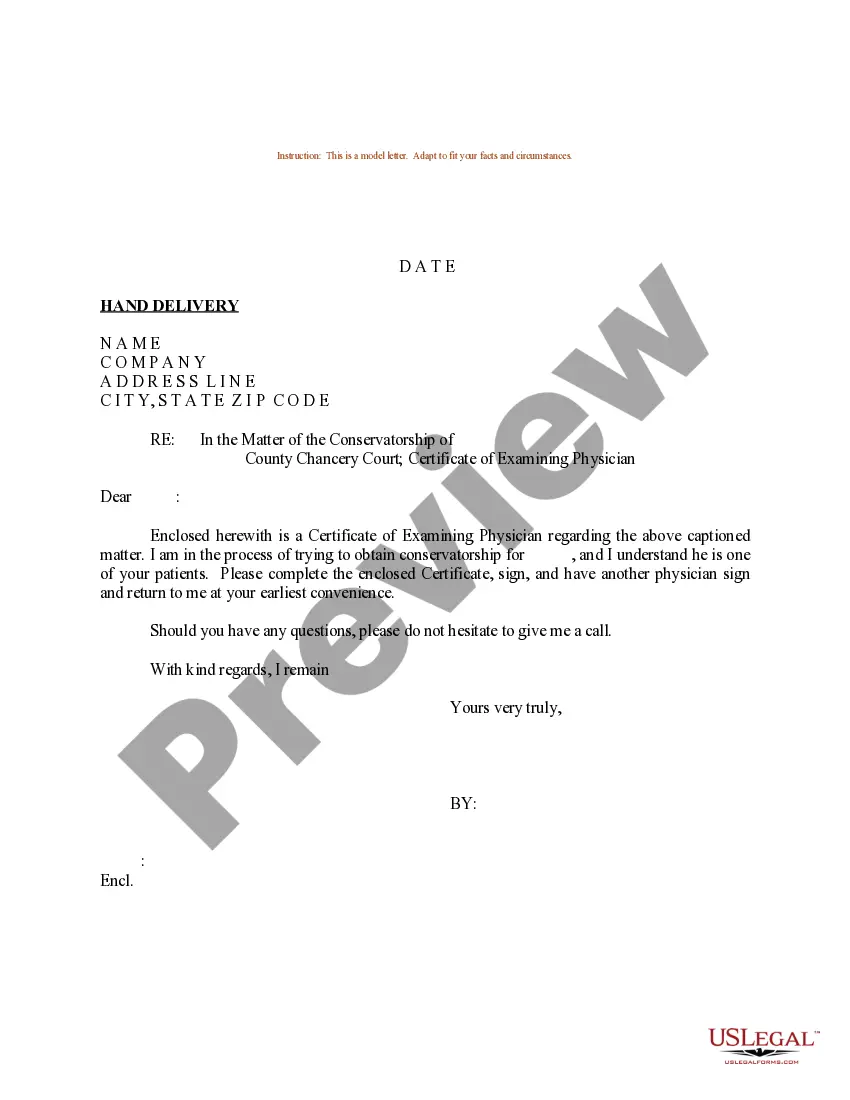
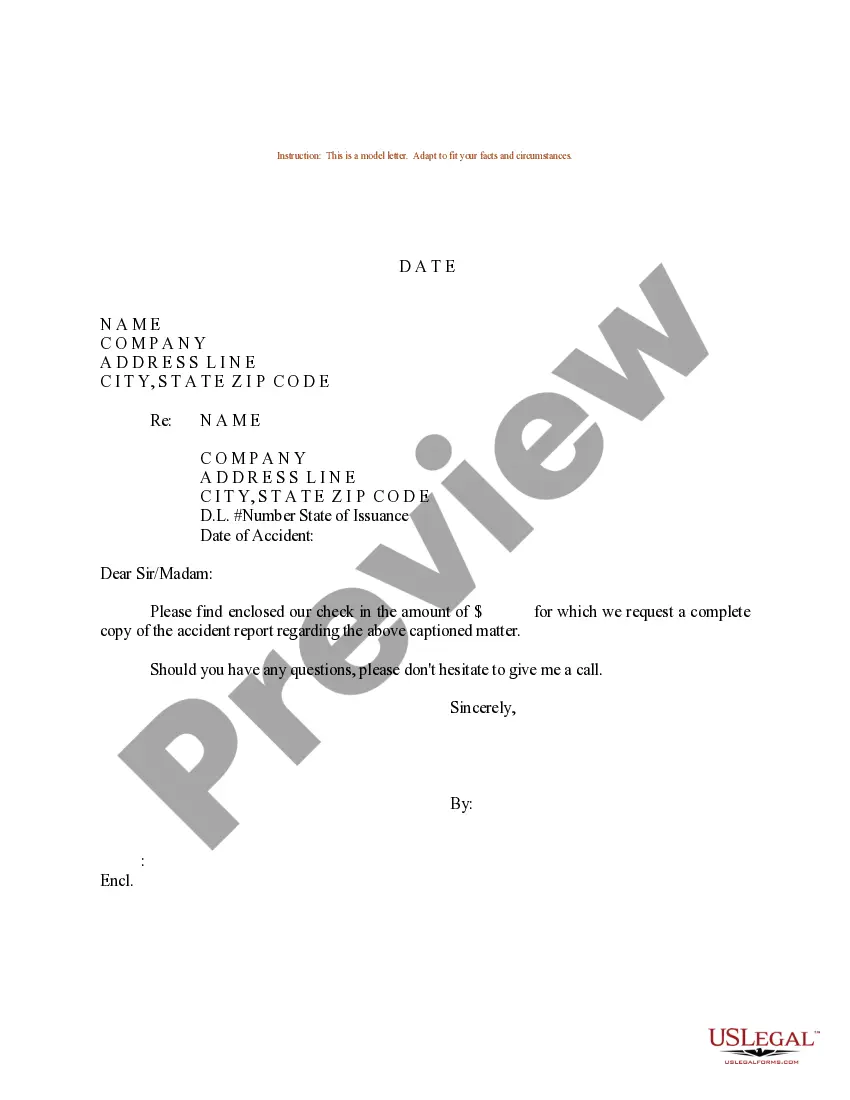
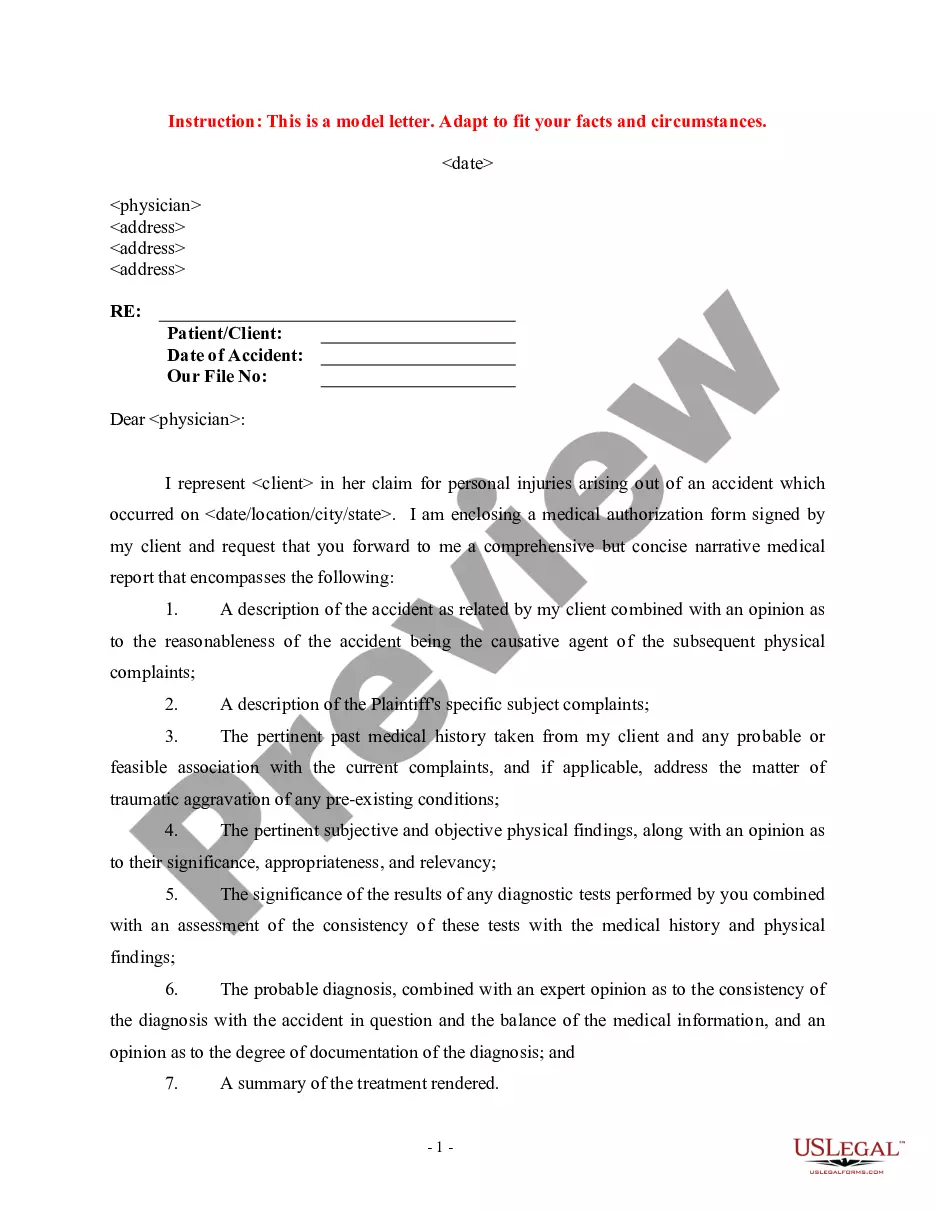
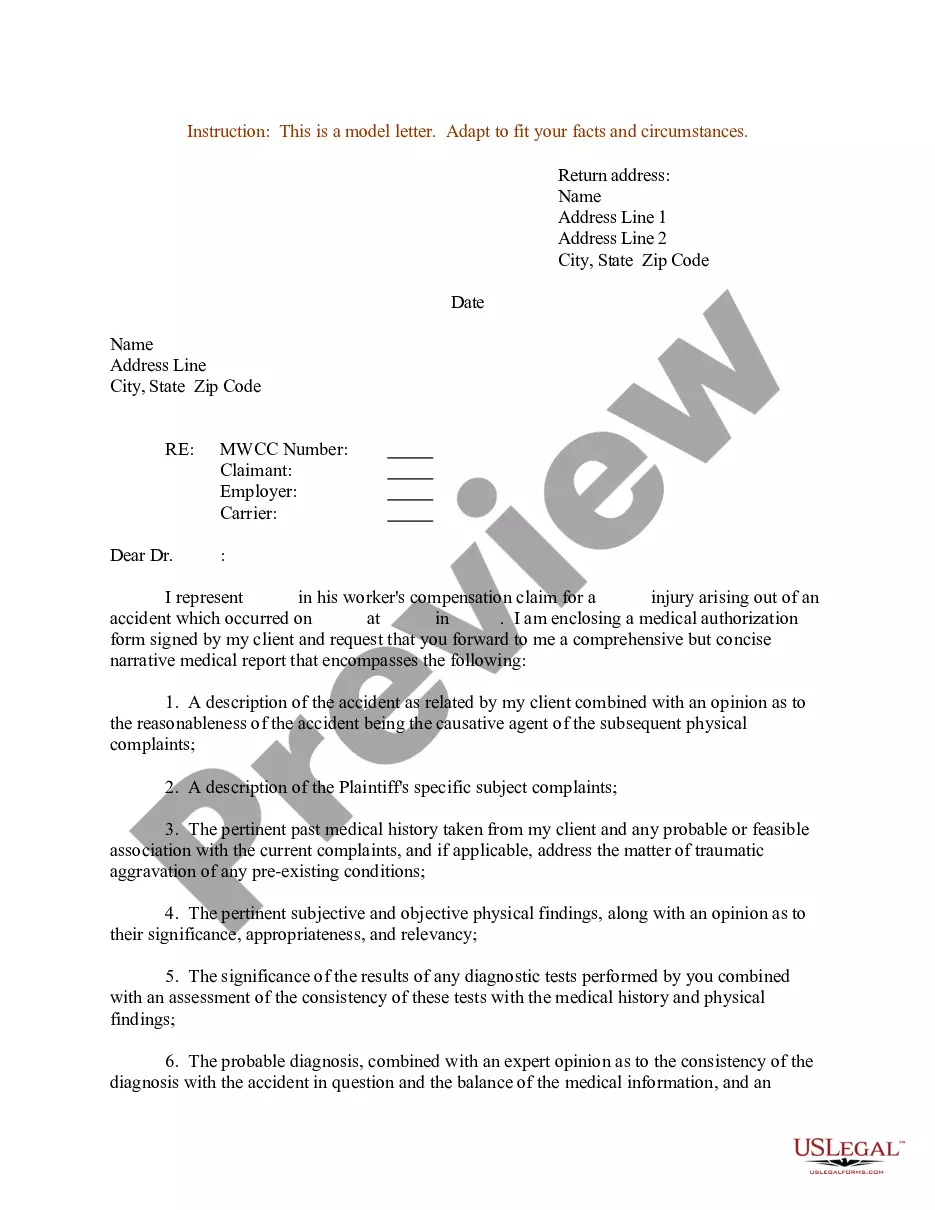
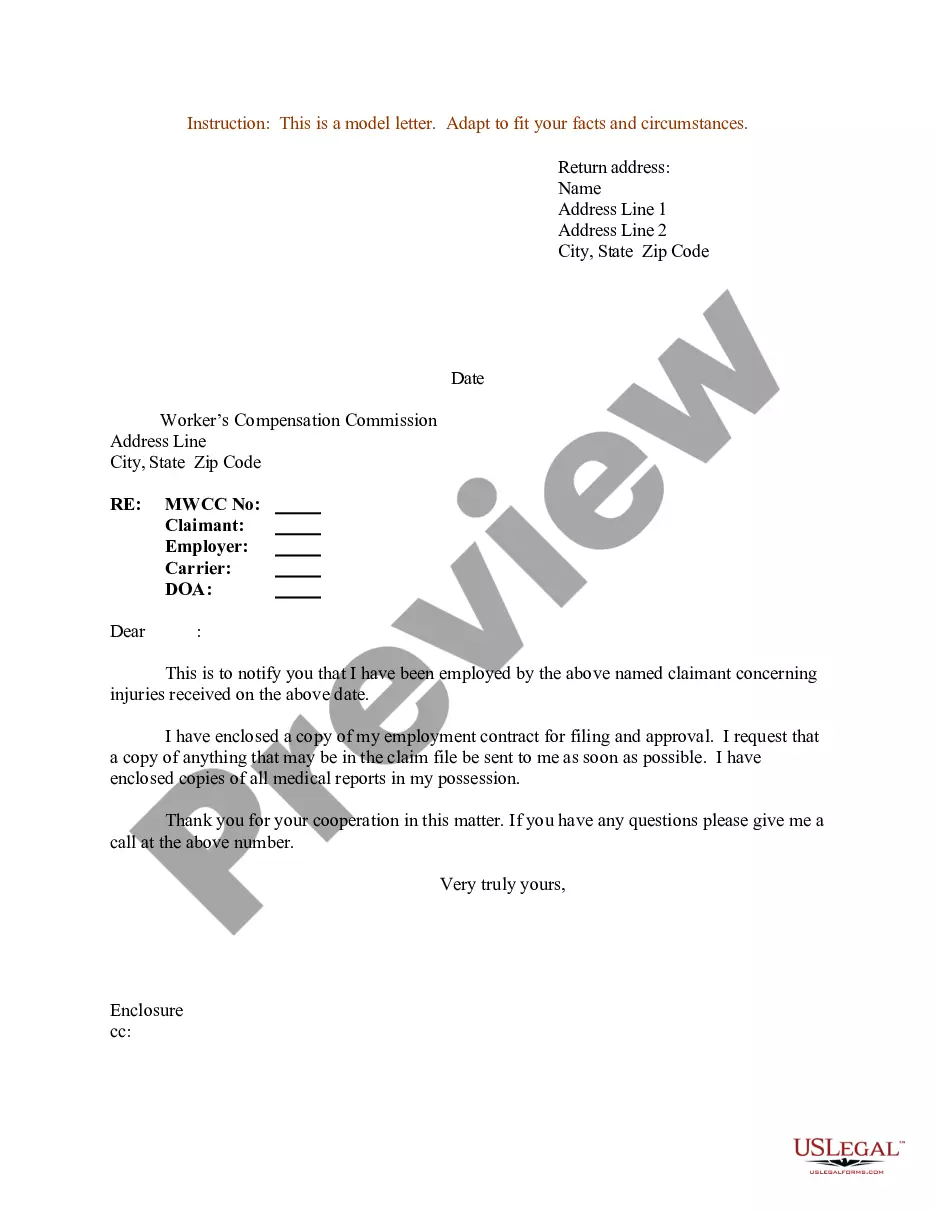
Get your form ready online
Our built-in tools help you complete, sign, share, and store your documents in one place.
Make edits, fill in missing information, and update formatting in US Legal Forms—just like you would in MS Word.
Download a copy, print it, send it by email, or mail it via USPS—whatever works best for your next step.
Sign and collect signatures with our SignNow integration. Send to multiple recipients, set reminders, and more. Go Premium to unlock E-Sign.
If this form requires notarization, complete it online through a secure video call—no need to meet a notary in person or wait for an appointment.
We protect your documents and personal data by following strict security and privacy standards.

Make edits, fill in missing information, and update formatting in US Legal Forms—just like you would in MS Word.

Download a copy, print it, send it by email, or mail it via USPS—whatever works best for your next step.

Sign and collect signatures with our SignNow integration. Send to multiple recipients, set reminders, and more. Go Premium to unlock E-Sign.

If this form requires notarization, complete it online through a secure video call—no need to meet a notary in person or wait for an appointment.

We protect your documents and personal data by following strict security and privacy standards.
Looking for another form?
How to fill out Sample Letter For Enclosure Of Medical Reports?
- Begin by logging into your existing US Legal Forms account. Ensure your subscription is active; if it's not, renew it per your payment plan.
- In the search bar, type 'enclosures letter' and review the available templates. Check the preview mode and descriptions to confirm the form matches your local jurisdiction requirements.
- If the sought template isn't suitable, utilize the Search tab to explore alternative options.
- Once you've selected the correct document, click the 'Buy Now' button and choose your preferred subscription plan. You will need to create an account if this is your first time.
- Proceed to payment by entering your credit card information or utilizing your PayPal account for secure transaction processing.
- After completing your purchase, download the enclosures letter to your device. Access it anytime through the 'My Forms' section in your profile.
By following these straightforward steps, you can easily navigate US Legal Forms to obtain a perfectly tailored enclosures letter. This platform not only streamlines your document preparation but also connects you with premium experts for additional assistance.
Start your legal documentation journey today with US Legal Forms and experience the ease of obtaining legally sound documents!
Form popularity
FAQ
Documenting enclosures in a letter involves clearly stating which documents are included at the end of your letter. After your signature, list the enclosed items under the heading 'Enclosures.' This practice creates an organized approach to your enclosures letter, reinforcing professionalism. Consider uslegalforms to help structure your letters efficiently.
Mention enclosed documents in the body of your letter by briefly referring to them within the content. For instance, you might say, 'Please find attached,' or 'Enclosed please find.' This not only alerts the reader to additional information but also promotes clarity in your enclosures letter. Tools provided by uslegalforms assist in easy document preparation.
To show that someone is copied on a letter, add the notation 'cc:' followed by the names of those receiving a copy. Place this notation at the end of your letter after the signature line. This ensures all parties are aware of who has received the enclosures letter. Properly documenting this improves transparency and fosters good relationships.
You can notate enclosures in a letter by adding 'Enclosures' before your signature at the bottom of the document. Following this, list each item included in the envelope, which helps the reader recognize what to expect. This clear indication fosters better communication in your enclosures letter. Using a platform like uslegalforms can streamline creating such documents.
To indicate enclosures in a cover letter, simply type the phrase 'Enclosures' or 'Enclosure' at the bottom of the letter. This informs the recipient that additional documents accompany your letter. Be sure to list the names of the enclosed items for clarity. This practice enhances professionalism in your enclosures letter.
To add enclosures to a letter, simply write your letter as usual and then mention the enclosures at the end of the document. Use the phrase ‘Enclosures’ or ‘Enclosures letter’ to inform the reader of additional items included. Listing the specific items helps ensure they are not overlooked. If you need templates or guidance, our ulegalforms platform offers reliable resources to assist you.
To enclose an application letter, start by writing your application letter clearly and concisely. Next, include a note at the bottom of your letter stating ‘Enclosure’ followed by a list of the documents you are including. This helps the recipient understand what to expect in the attachment. Using the term ‘enclosures letter’ is a useful reminder that these additional documents support your application.
An example of enclosure could be a contract or a plan that you send alongside your letter. When you write an enclosures letter, it's common to note the enclosed items at the bottom of your correspondence. This allows the reader to expect additional documents and better understand the details you provide. Enclosures add valuable context to your overall message.
An example of enclose is when you mention additional documents in your letter, such as financial statements or forms. For instance, you might write, 'Please find the enclosures letter with my recent report attached.' This informs the recipient that you have included relevant documents that support the main content of your communication. Utilizing enclosures in your letters strengthens your message.
Enclosures in a letter refer to any supplementary documents included with the primary correspondence. When you state that there are enclosures in a letter, it's important to specify what they are, ensuring the recipient understands what to look for. This practice adds professionalism to your communication. It also ensures that the recipient receives all relevant information in one package.