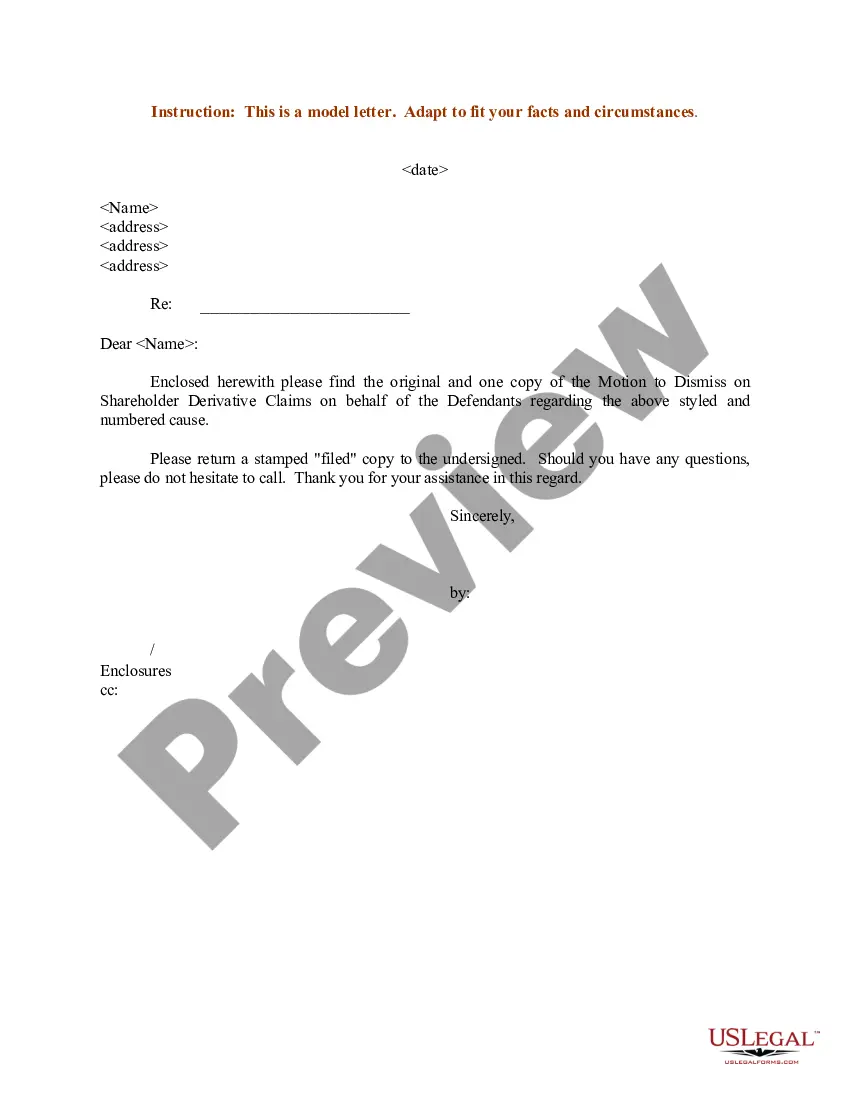
Derivative Claim Remedies
Description
Get your form ready online
Our built-in tools help you complete, sign, share, and store your documents in one place.
Make edits, fill in missing information, and update formatting in US Legal Forms—just like you would in MS Word.
Download a copy, print it, send it by email, or mail it via USPS—whatever works best for your next step.
Sign and collect signatures with our SignNow integration. Send to multiple recipients, set reminders, and more. Go Premium to unlock E-Sign.
If this form requires notarization, complete it online through a secure video call—no need to meet a notary in person or wait for an appointment.
We protect your documents and personal data by following strict security and privacy standards.

Make edits, fill in missing information, and update formatting in US Legal Forms—just like you would in MS Word.

Download a copy, print it, send it by email, or mail it via USPS—whatever works best for your next step.

Sign and collect signatures with our SignNow integration. Send to multiple recipients, set reminders, and more. Go Premium to unlock E-Sign.

If this form requires notarization, complete it online through a secure video call—no need to meet a notary in person or wait for an appointment.

We protect your documents and personal data by following strict security and privacy standards.
Looking for another form?







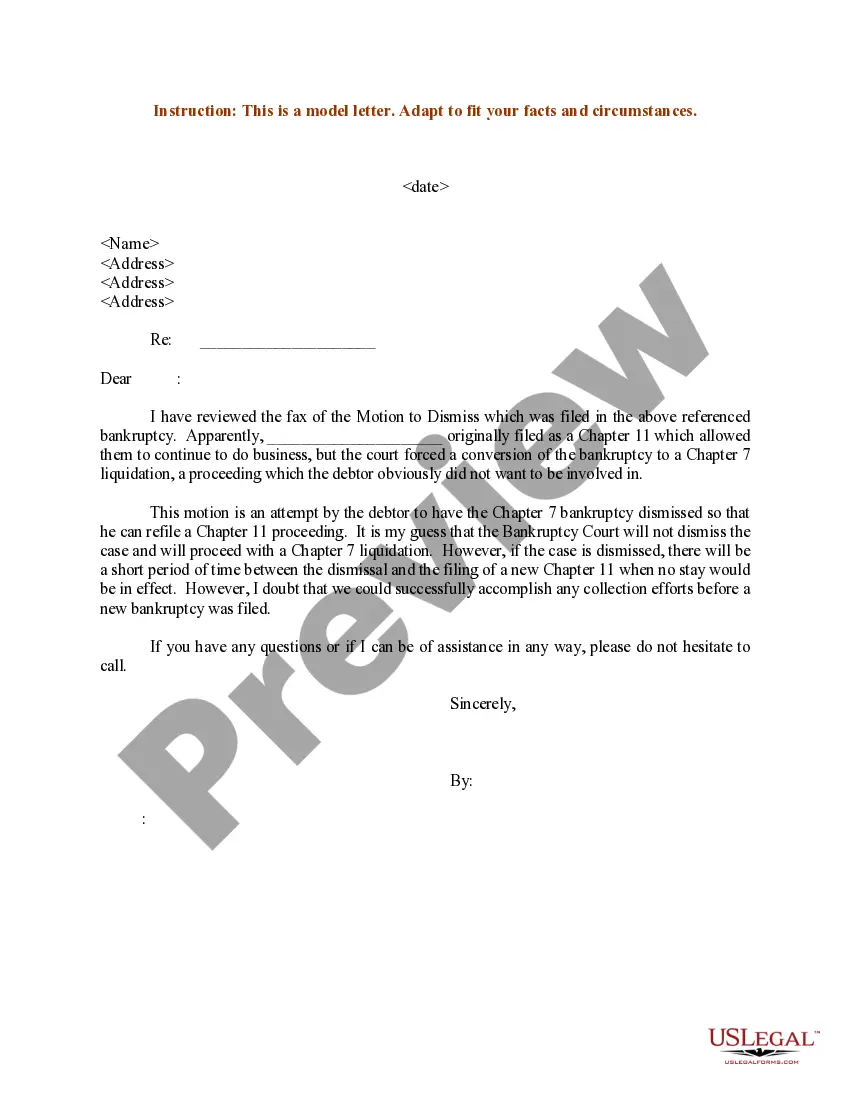
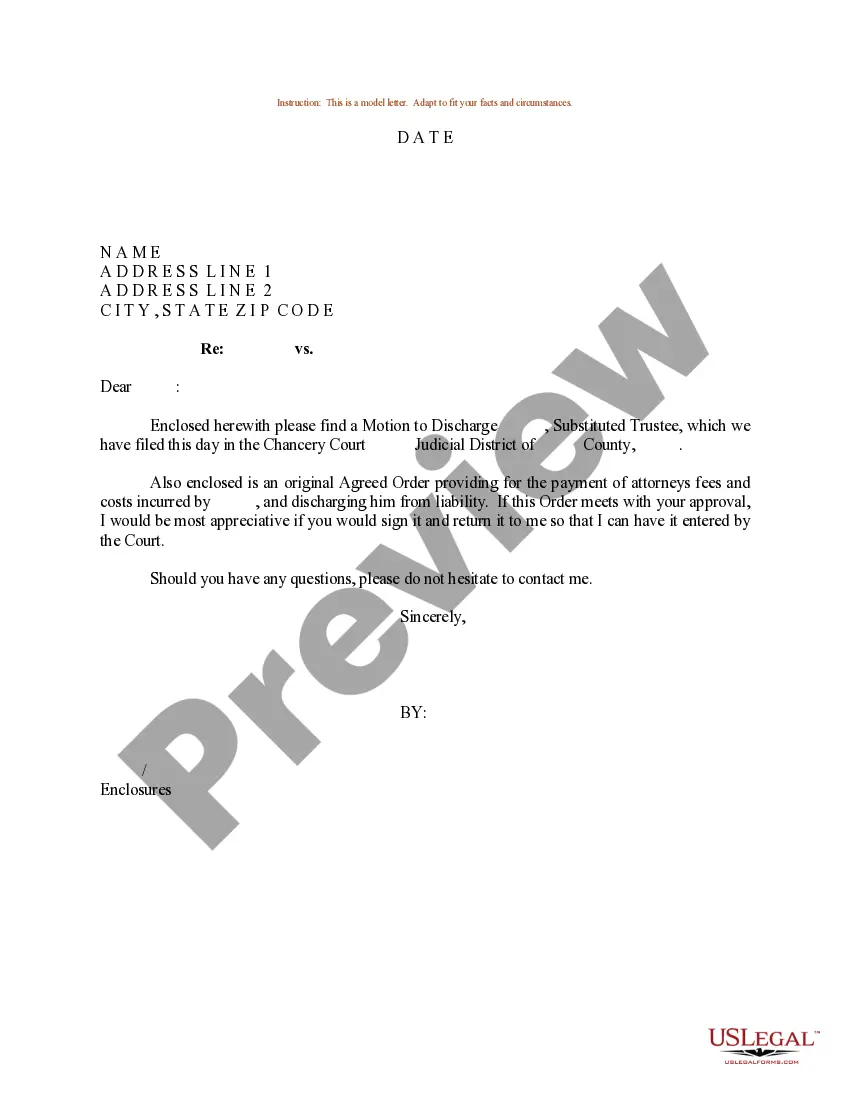
How to fill out Sample Letter Regarding Motion To Dismiss On Shareholder Derivative Claims?
It’s clear that you cannot transform into a legal expert in a day, nor can you quickly learn how to effectively prepare Derivative Claim Remedies without a specialized background.
Drafting legal documents is a labor-intensive process that demands specific training and expertise. So why not entrust the preparation of the Derivative Claim Remedies to the experts.
With US Legal Forms, one of the most extensive legal template collections, you can access everything from court documents to templates for workplace communication. We recognize how crucial compliance and adherence to federal and local regulations are.
Create a free account and select a subscription plan to purchase the template.
Click Buy now. Once the transaction is finalized, you can download the Derivative Claim Remedies, fill it out, print it, and send or mail it to the appropriate individuals or organizations.
- That’s why, on our site, all templates are location-specific and current.
- Begin with our website and obtain the form you need in just minutes.
- Find the form you seek by utilizing the search bar at the top of the page.
- Preview it (if this option is available) and read the accompanying description to determine if Derivative Claim Remedies is what you require.
- If you need a different template, restart your search.
Form popularity
FAQ
Derivative claims work by allowing shareholders to sue on behalf of the corporation for harm done to it, typically by directors or officers. When shareholders believe that the company has been wronged, they can step in to seek remedies that the board has ignored. Successful derivative claims can result in financial recovery for the corporation, benefiting all shareholders. Engaging with platforms like uslegalforms can simplify this process and enhance your understanding.
To file a derivative claim, you must meet specific requirements, including being a current shareholder and making a demand on the board of directors. Additionally, you must show that the board's refusal to act was unjustified. These requirements ensure that the action is in the best interest of the corporation. Reviewing these criteria with uslegalforms can help clarify your eligibility and strengthen your case.
The oppression remedy primarily addresses situations where a shareholder faces unfair treatment, such as exclusion from decision-making or receiving inadequate returns. In contrast, a derivative action focuses on wrongs committed against the corporation that impact all shareholders. While both remedies aim to protect shareholder rights, they serve different purposes. Understanding these distinctions can help you choose the right legal path.
To commence a derivative action, you must first establish your status as a shareholder and demonstrate that you have made a demand on the company's board of directors. If the board refuses to act, you can file a lawsuit on behalf of the corporation. It's important to follow specific legal procedures, as these can vary by jurisdiction. Using platforms like uslegalforms can help ensure you navigate this process correctly.
The remedy for a derivative claim typically involves seeking relief on behalf of the corporation. This may include recovering damages from those who harmed the company or enforcing a right that the company has neglected. Derivative claim remedies aim to restore the company’s health and protect shareholder interests. Understanding these remedies is crucial for any shareholder considering legal action.
A common example of a derivative action occurs when a shareholder believes that a company's management has acted against the interests of the company, possibly causing financial harm. For instance, if directors engage in self-dealing or waste company assets, shareholders may file a derivative action to seek remedies. These derivative claim remedies aim to hold the wrongdoers accountable and recover losses for the company. By pursuing these actions, shareholders help protect the entity's value and ensure responsible management.
The remedies for a derivative claim can vary based on the specific circumstances of each case, but they often include financial compensation and restitution. These remedies aim to restore the harmed party to their original position before the wrongdoing occurred. By exploring derivative claim remedies, you can identify the most suitable options for your situation. Utilizing US Legal Forms can guide you through the process of securing the appropriate remedies.
A derivative claim refers to a legal action taken by an individual on behalf of a corporation or another party, typically in cases where that party has suffered harm. This claim allows the individual to step into the shoes of the harmed party to seek justice and compensation. Understanding the implications of derivative claim remedies can empower you to take decisive action. US Legal Forms provides resources to help you understand and pursue these claims effectively.
A derivative claim in insurance arises when a policyholder seeks to recover losses caused by the actions of another party. This type of claim allows individuals to pursue compensation without directly holding the responsible party liable. By understanding derivative claim remedies, you can better navigate the complexities of insurance claims. Using a platform like US Legal Forms can simplify the process of filing these claims.