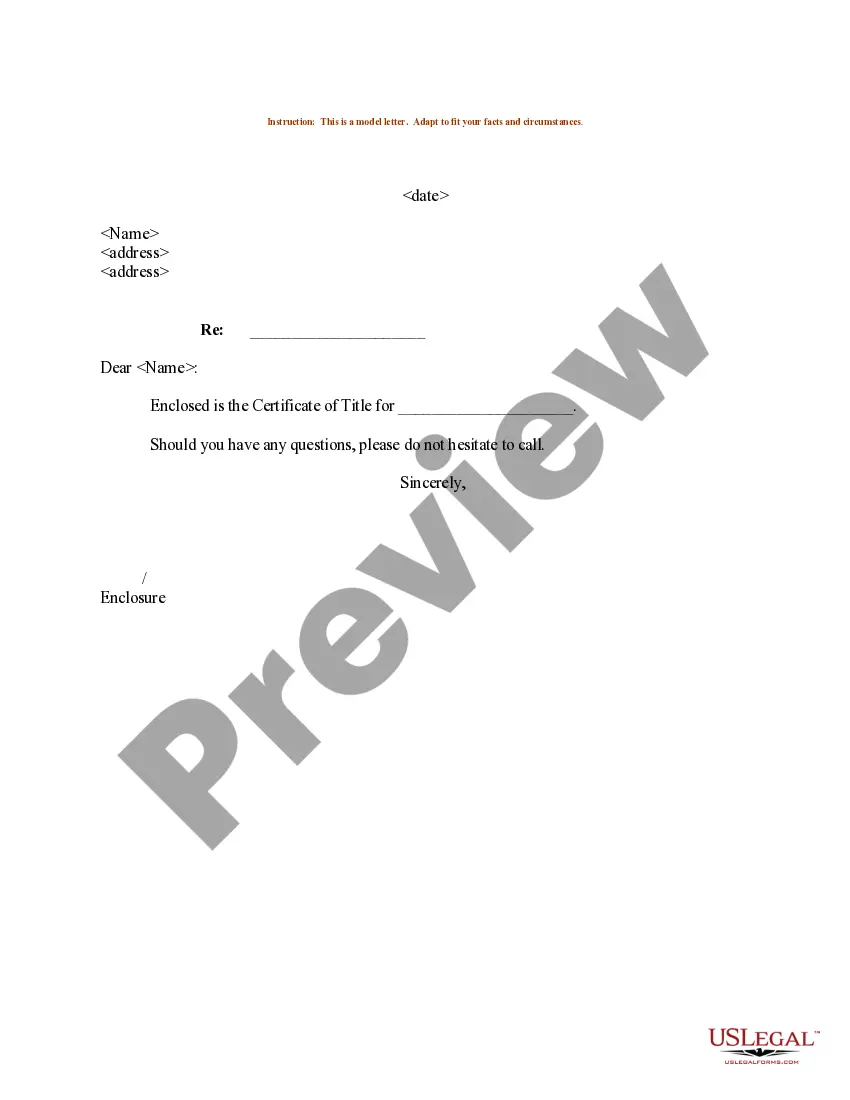
Title Request Letter For Approval
Description
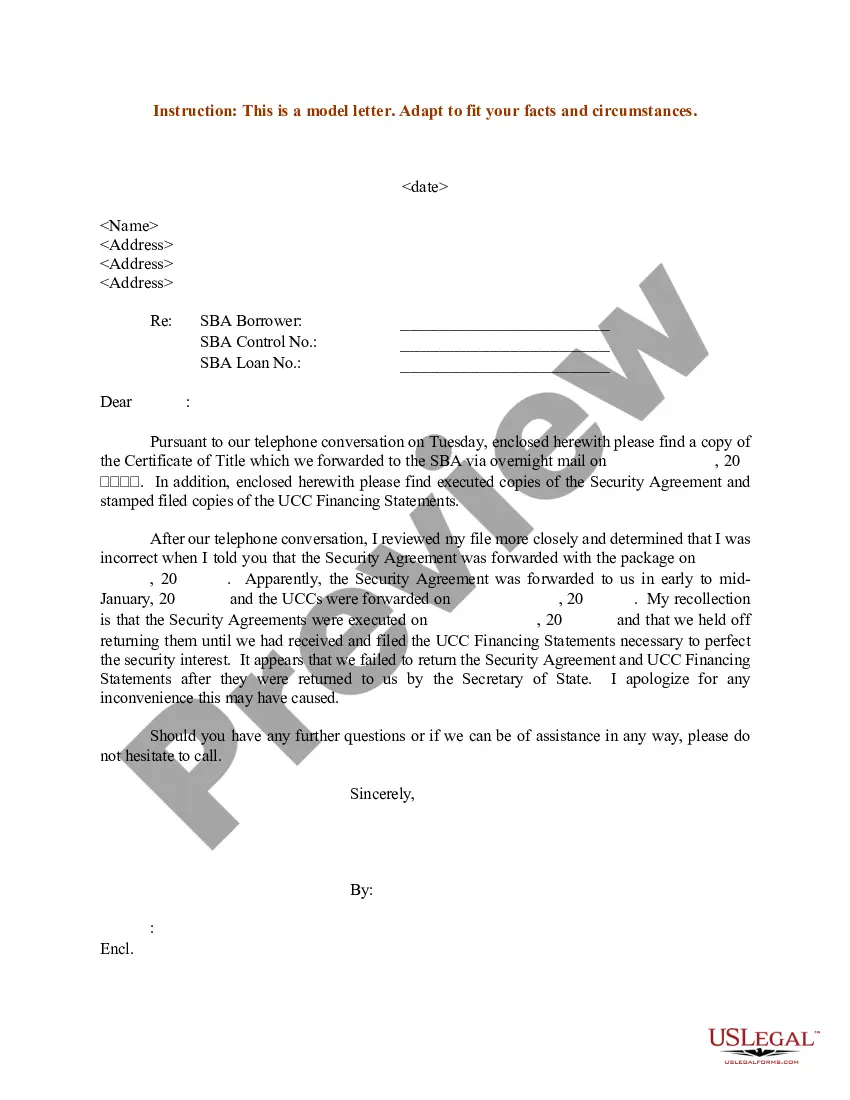
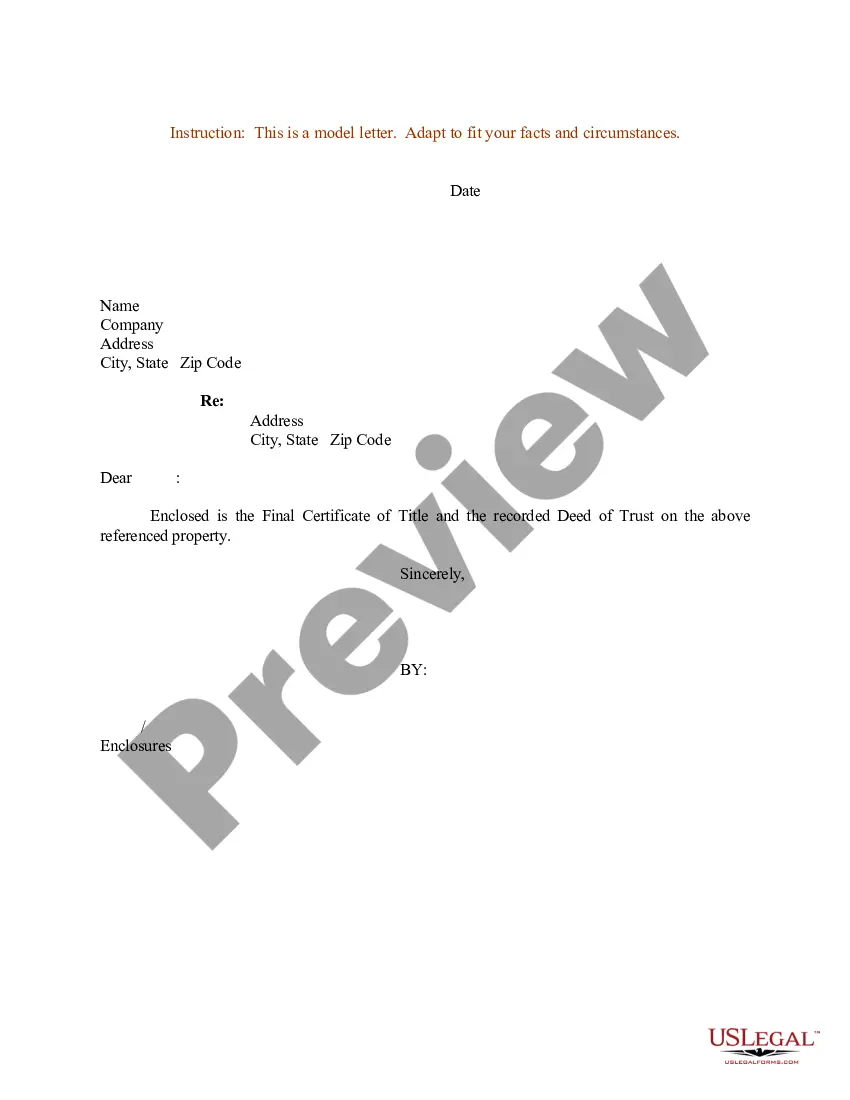
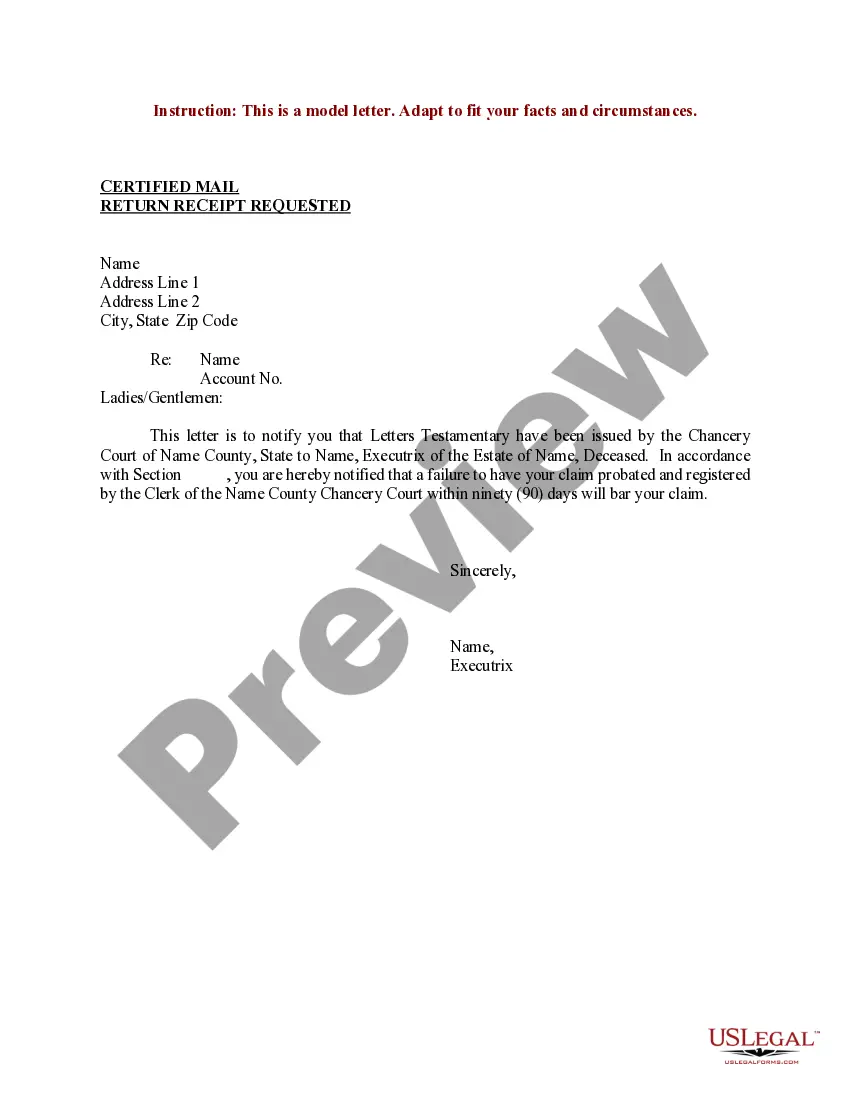
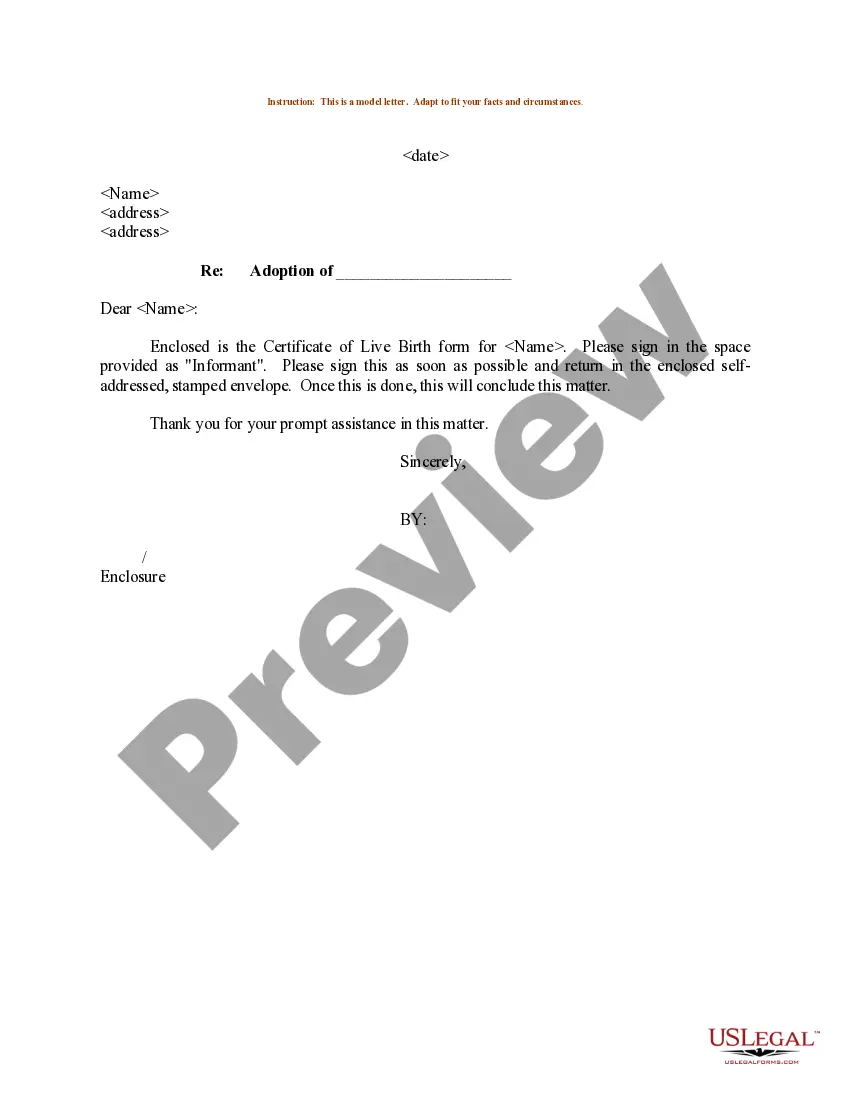



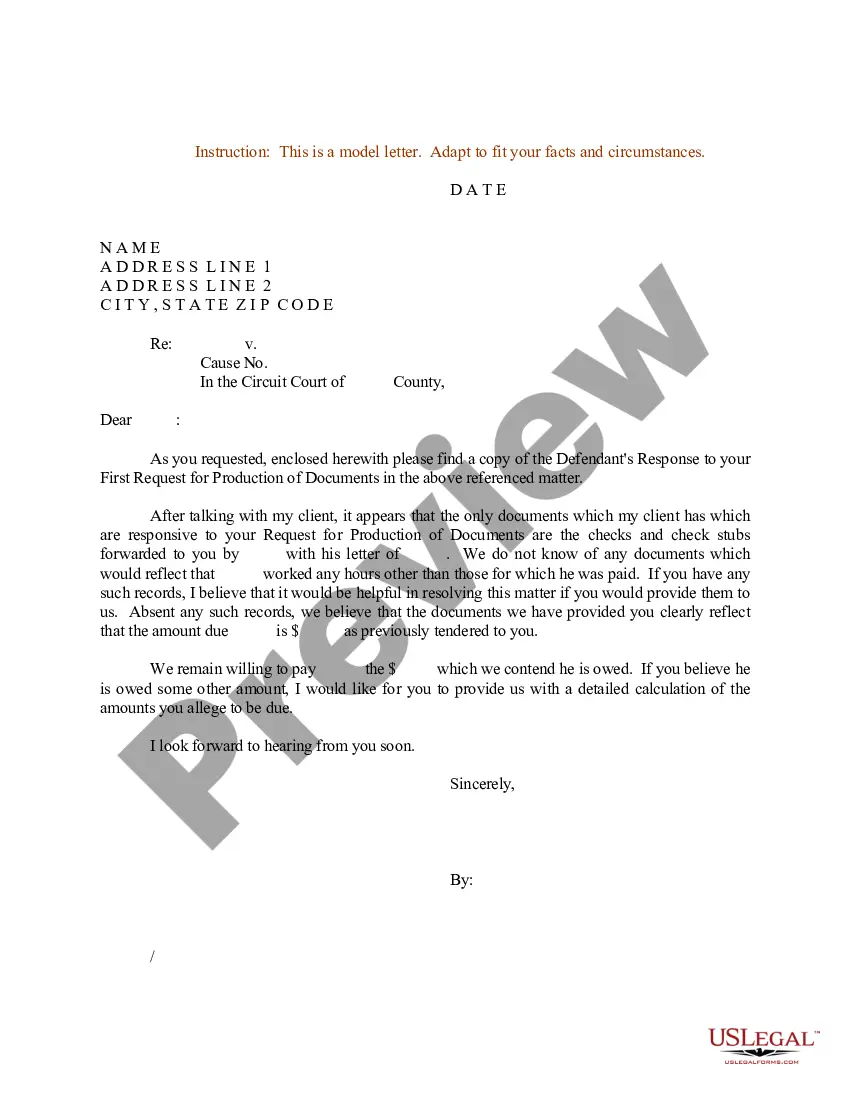
How to fill out Sample Letter For Certificate Of Title?
Locating a reliable source to obtain the most up-to-date and suitable legal templates is a significant part of dealing with bureaucracy. Identifying the correct legal documents requires accuracy and meticulousness, which is why it is essential to select samples of Title Request Letter For Approval solely from reputable sources, such as US Legal Forms. An incorrect template will squander your time and delay the issue you are facing. With US Legal Forms, you have minimal worries. You can access and verify all the details regarding the document’s applicability and significance for your situation and within your state or county.
Follow these steps to complete your Title Request Letter For Approval.
Eliminate the stress associated with your legal documentation. Explore the extensive US Legal Forms collection to find legal templates, assess their applicability to your situation, and download them instantly.
- Use the catalog navigation or search box to locate your template.
- Review the form’s description to determine if it meets the criteria of your state and locality.
- Check the form preview, if available, to confirm the template is the one you seek.
- Return to the search and find the appropriate template if the Title Request Letter For Approval does not meet your needs.
- If you are confident about the form’s applicability, download it.
- If you are a registered user, click Log in to verify and access your chosen templates in My documents.
- If you do not have an account yet, click Buy now to obtain the template.
- Select the pricing option that fits your requirements.
- Proceed to registration to complete your purchase.
- Finalize your purchase by selecting a payment method (credit card or PayPal).
- Choose the file format for downloading Title Request Letter For Approval.
- After obtaining the form on your device, you can modify it using the editor or print it out and complete it manually.
Form popularity
FAQ
For the right effect, the letter should be free of English grammar, spelling and punctuation errors. Open with the confirmation of the approval, and also give the reasons for the approval if it is appropriate for the context. If further actions are required by the person the letter is addressed to, state them clearly.
Use a professional heading that contains your contact information and the date. If you're submitting an email attachment, use a clear subject line, such as "Letter of Request for Endorsement." Also, ensure you write a professional greeting, such as "Dear [recipient name]" when starting the letter.
When writing a letter of request for permission, it is important to be polite, clear, and concise. Start by addressing the recipient respectfully, clearly stating the purpose of the request, providing necessary details and justifications, and conclude with a polite closing expressing gratitude for their consideration.
Open with a professional greeting Writing a professional greeting, followed by a comma, is a friendly way to start your request letter. The word 'Dear', followed by your recipient's title and surname suits most letters of request. If your recipient is someone you know well, you may address them by their first name.
A formal letter of request will typically follow the standard business letter format, which includes the following pieces in this order: Sender's name and contact details, unless shown on a letterhead. Date. The recipient's name and contact details. Greeting. Purpose of the letter. Body of the letter. Professional closing.