Neighborhood Petition Form With Two Points
Description
Get your form ready online
Our built-in tools help you complete, sign, share, and store your documents in one place.
Make edits, fill in missing information, and update formatting in US Legal Forms—just like you would in MS Word.
Download a copy, print it, send it by email, or mail it via USPS—whatever works best for your next step.
Sign and collect signatures with our SignNow integration. Send to multiple recipients, set reminders, and more. Go Premium to unlock E-Sign.
If this form requires notarization, complete it online through a secure video call—no need to meet a notary in person or wait for an appointment.
We protect your documents and personal data by following strict security and privacy standards.

Make edits, fill in missing information, and update formatting in US Legal Forms—just like you would in MS Word.

Download a copy, print it, send it by email, or mail it via USPS—whatever works best for your next step.

Sign and collect signatures with our SignNow integration. Send to multiple recipients, set reminders, and more. Go Premium to unlock E-Sign.

If this form requires notarization, complete it online through a secure video call—no need to meet a notary in person or wait for an appointment.

We protect your documents and personal data by following strict security and privacy standards.
Looking for another form?
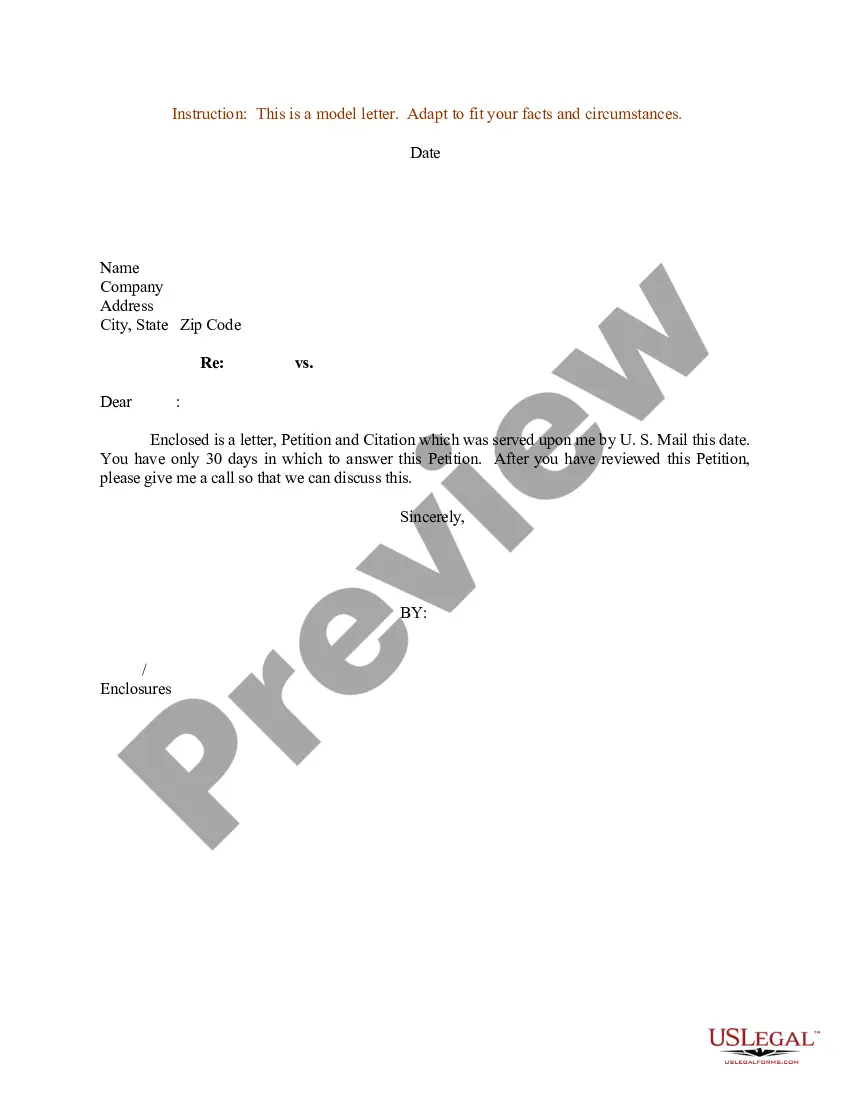
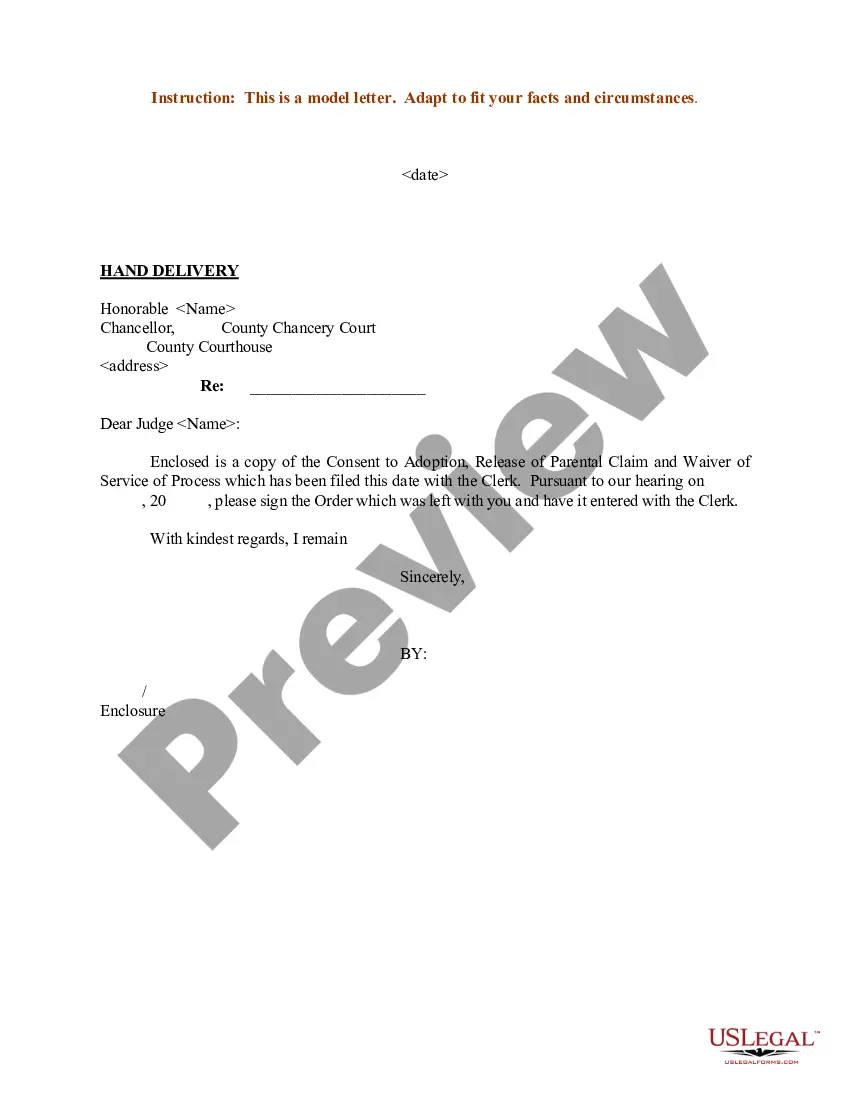
How to fill out Sample Letter Regarding Petition For Adoption?
Managing legal documents can be perplexing, even for experienced professionals.
If you're searching for a Neighborhood Petition Form With Two Points and lack the time to hunt for the appropriate and current version, the process can be challenging.
Utilize advanced tools to complete and manage your Neighborhood Petition Form With Two Points.
Tap into a repository of articles, guides, and relevant materials that align with your circumstances.
Ensure it is the accurate form by previewing it and reviewing its details.
- Save time and effort searching for the required documents by leveraging US Legal Forms' powerful search and Review tool to locate the Neighborhood Petition Form With Two Points.
- If you're a member, Log Into your US Legal Forms account, find the form, and download it.
- Check your My documents tab to review documents you have previously saved and organize your folders as needed.
- If it's your initial visit to US Legal Forms, register for a free account and gain unlimited access to the benefits of the library.
- Here are the steps to follow after downloading your desired form.
- A comprehensive online form directory can be a transformative resource for anyone looking to navigate these situations effectively.
- US Legal Forms stands as a leader in virtual legal documents, providing over 85,000 state-specific legal forms available at your convenience.
- With US Legal Forms, you can access forms tailored to specific states or counties, catering to both personal and business needs in one centralized location.
Form popularity
FAQ
A written petition typically includes the title 'Neighborhood Petition Form', followed by a clear statement of the purpose of the petition. It should outline the specific issue or request in a straightforward manner. Additionally, it should provide spaces for signatures, names, and addresses of the supporters. Using a structured format enhances clarity and makes it easy for residents to understand and engage with the neighborhood petition form.
To write a simple petition, begin by stating the purpose clearly and concisely. Use straightforward language in the neighborhood petition form to ensure everyone understands the issue. Include a space for signatures and provide clear instructions for signing. Finally, distribute the petition via community bulletin boards, local events, or neighborhood meeting to gather support easily.
An example of a petition statement might read: 'We, the residents of Neighborhood Name, are petitioning for the installation of speed bumps on Main Street to improve safety for pedestrians and cyclists. We believe that this measure will significantly reduce speeding and enhance the quality of life in our community.' This statement is clear and addresses specific community concerns, making it effective.
A strong petition statement clearly articulates your purpose and desired outcome. Start with a brief introduction of the issue, followed by a logical explanation of why it matters to the community. Use the neighborhood petition form to create a structured outline that guides readers through your argument. Conclude with a call to action, encouraging support from your neighbors.
To write a neighborhood petition, begin by clearly defining the issue at hand. Use the neighborhood petition form to outline the main points succinctly. Engage your neighbors by inviting them to participate in the conversation and express their views. After gathering enough support, submit the petition to the appropriate local authority for consideration.
When writing a petition, avoid using overly complex language that may confuse readers. Stay clear of emotional language that could alienate potential supporters. Avoid making broad claims without evidence; instead, stick to concrete facts. Lastly, ensure that the neighborhood petition form is focused and concise to maintain reader interest.
Writing a community petition starts with identifying the issue that concerns your neighborhood. Clearly state the problem and your proposed solution in the neighborhood petition form. Include a section for signatures to demonstrate community support, as this strengthens your case. Lastly, share the petition widely to gather as many signatures as possible.