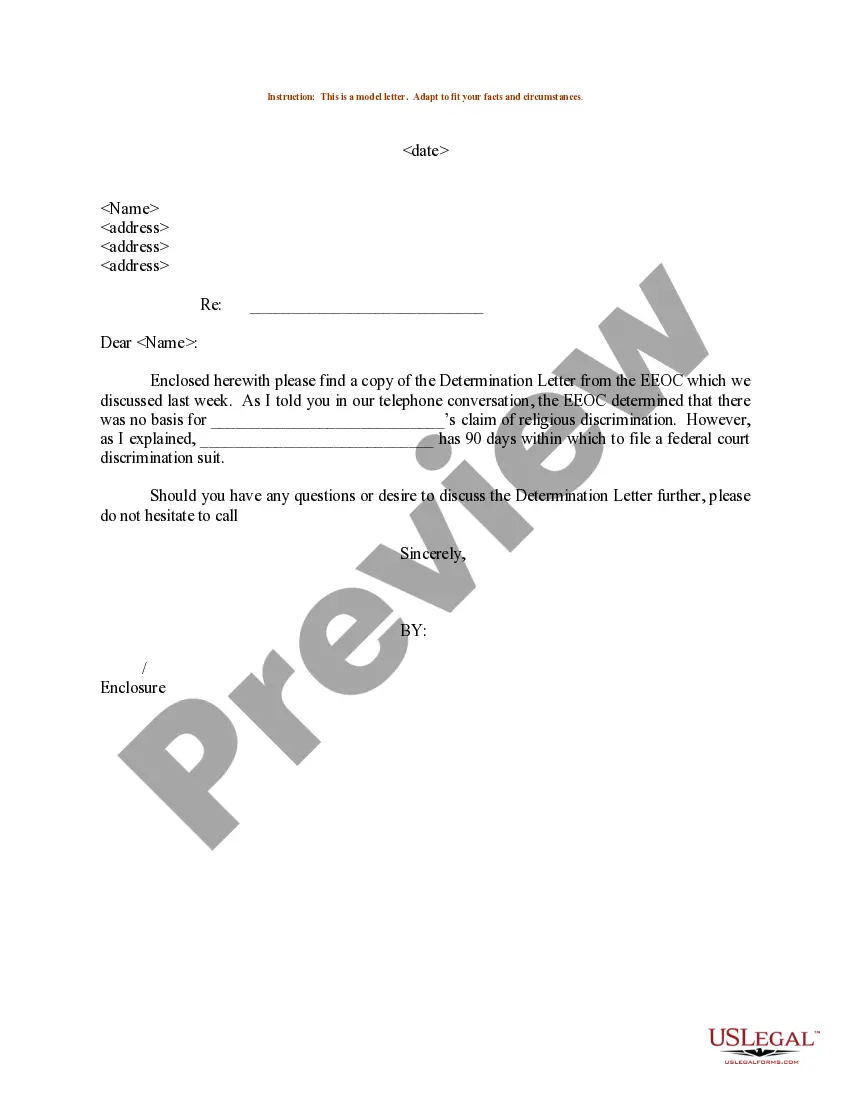
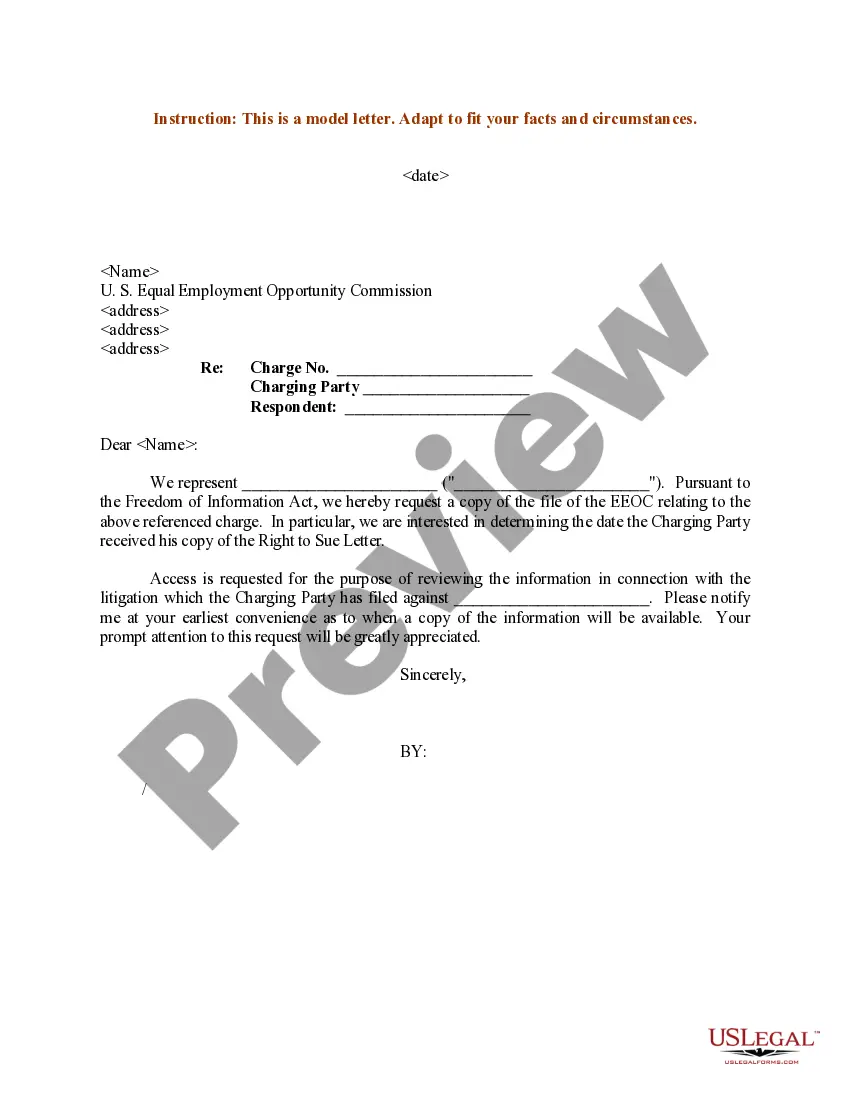
Eeoc Form 573
Description
Get your form ready online
Our built-in tools help you complete, sign, share, and store your documents in one place.
Make edits, fill in missing information, and update formatting in US Legal Forms—just like you would in MS Word.
Download a copy, print it, send it by email, or mail it via USPS—whatever works best for your next step.
Sign and collect signatures with our SignNow integration. Send to multiple recipients, set reminders, and more. Go Premium to unlock E-Sign.
If this form requires notarization, complete it online through a secure video call—no need to meet a notary in person or wait for an appointment.
We protect your documents and personal data by following strict security and privacy standards.

Make edits, fill in missing information, and update formatting in US Legal Forms—just like you would in MS Word.

Download a copy, print it, send it by email, or mail it via USPS—whatever works best for your next step.

Sign and collect signatures with our SignNow integration. Send to multiple recipients, set reminders, and more. Go Premium to unlock E-Sign.

If this form requires notarization, complete it online through a secure video call—no need to meet a notary in person or wait for an appointment.

We protect your documents and personal data by following strict security and privacy standards.
Looking for another form?
How to fill out Sample Letter For Determination Sample Letter From The EEOC?
Whether for commercial reasons or for personal matters, everyone must confront legal circumstances at some point in their lives.
Completing legal paperwork demands meticulous consideration, starting with selecting the appropriate form template.
With an extensive US Legal Forms catalog available, you don't need to waste time searching for the correct template online. Utilize the library’s intuitive navigation to find the right form for any situation.
- Obtain the template you require by using the search function or catalog navigation.
- Review the form’s description to ensure it aligns with your circumstances, state, and area.
- Click on the form’s preview to examine it.
- If it is the incorrect document, return to the search tool to find the Eeoc Form 573 template you need.
- Download the document when it meets your specifications.
- If you have a US Legal Forms account, simply click Log in to access previously stored documents in My documents.
- If you haven’t set up an account yet, you can acquire the form by clicking Buy now.
- Choose the right pricing option.
- Complete the profile registration form.
- Select your payment method: utilize a credit card or PayPal account.
- Choose the file format you prefer and download the Eeoc Form 573.
- Once it is downloaded, you can complete the form using editing software or print it and finalize it manually.
Form popularity
FAQ
You can request an EEOC file by completing the EEOC Form 573, which is specifically designed for ease of access to your records. Submit this form to the EEOC along with any necessary details that confirm your identity and case information. This process enables you to stay informed about your claim's status and understand the ongoing proceedings.
To request an EEOC file, you can begin by filling out the EEOC Form 573, which allows you to gain access to your case information. After submitting the form, you may provide identifying information, such as your name and contact details, to help the EEOC locate your file quickly. It's a crucial step in understanding your complaint progress, and you can also request this through the EEOC's online platform.
No, you do not need a lawyer to file an EEOC claim. However, having legal support can provide advantages, especially for complex cases. You can easily access the EEOC form 573 and other helpful resources through US Legal Forms, which can help streamline your filing process and ensure that you include all required information.
Yes, you can file an EEOC complaint without an attorney. It’s essential to understand the process, including the EEOC form 573. While legal representation can help, it is not required at this stage. You can find information and forms on the US Legal Forms platform, which is designed to simplify the filing process.
The chances of winning an EEOC case depend on various factors, including the strength of your evidence and the merits of your claim. Many cases settle before reaching a verdict, while some proceed further. Understanding the EEOC form 573 process can help you present a compelling case. For guidance, consider accessing resources through US Legal Forms.
Winning an EEOC claim can be challenging, as it typically requires substantial evidence of discrimination. Many cases involve intricate details that necessitate thorough documentation, including the relevant EEOC Form 573. While each situation is unique, having support and resources at your disposal can make a significant difference. Engaging with platforms such as uslegalforms can provide you with the guidance and forms needed to improve your chances of success.
When you appeal an EEOC decision, you must file an appeal in writing within the designated timeframe. The appeal process can be complex, and it often requires reviewing the original EEOC Form 573 to ensure your concerns are adequately addressed. During this stage, you may want to seek guidance to strengthen your case. Platforms like uslegalforms can provide the necessary forms and instructions to help you navigate this process confidently.
Writing a good EEOC complaint requires a detailed and logical presentation of your experiences. Clearly outline the facts surrounding your claim, specify the discrimination type, and include relevant dates and witness information. You should also thoroughly explain how the discrimination has impacted you personally and professionally. Using the Eeoc form 573 can simplify this process by helping you organize your thoughts and supporting details effectively.
The odds of winning an EEOC complaint are not very high, with only a small fraction of cases resulting in a successful verdict. However, the likelihood can improve significantly with well-prepared, documented complaints and a clear grasp of the laws involved. Strong evidence and a compelling narrative strengthen your case greatly. Utilize the Eeoc form 573, which can assist you in presenting your case with clarity and precision.
The success rate for EEOC cases varies, but recent statistics suggest that only about 3% to 5% of cases lead to a favorable outcome for complainants through formal hearings. However, many complaints are resolved through mediation or settlements prior to reaching that stage. It's essential to understand that every case is unique, and factors such as the strength of the evidence and legal representation can influence the results. The Eeoc form 573 can help you understand the process better as you prepare your case.