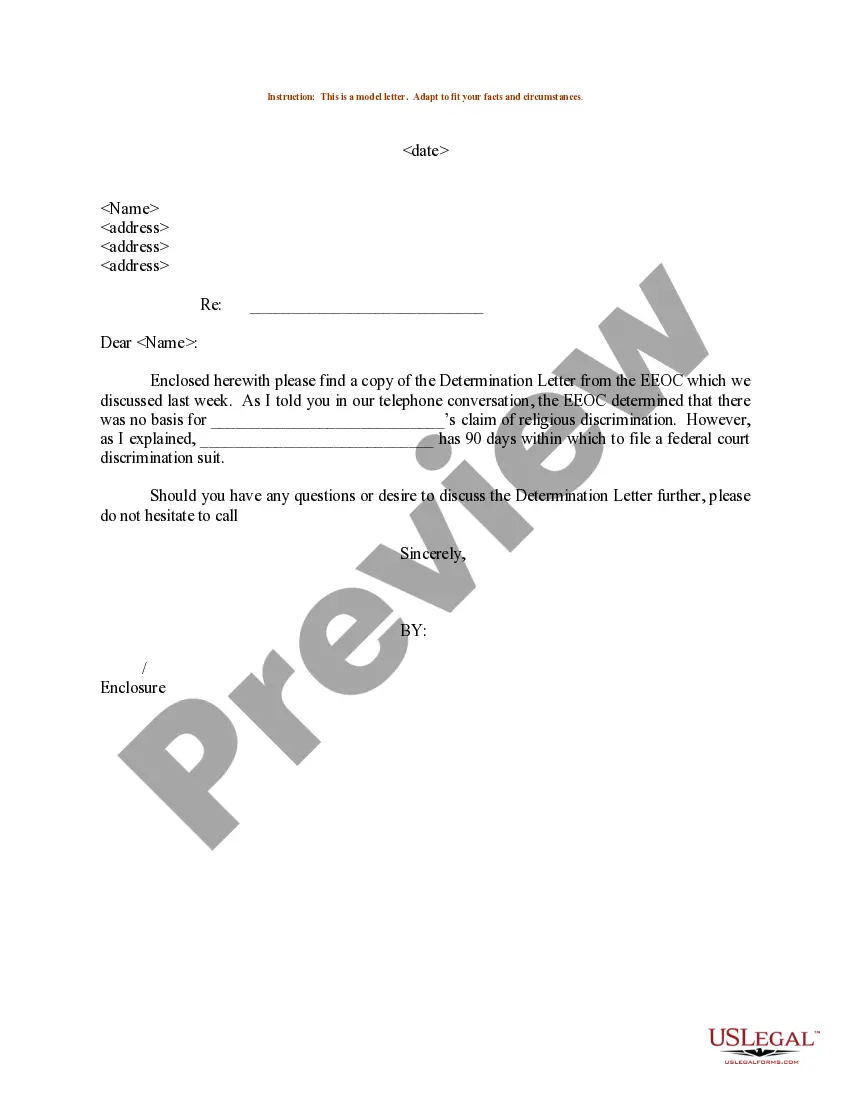
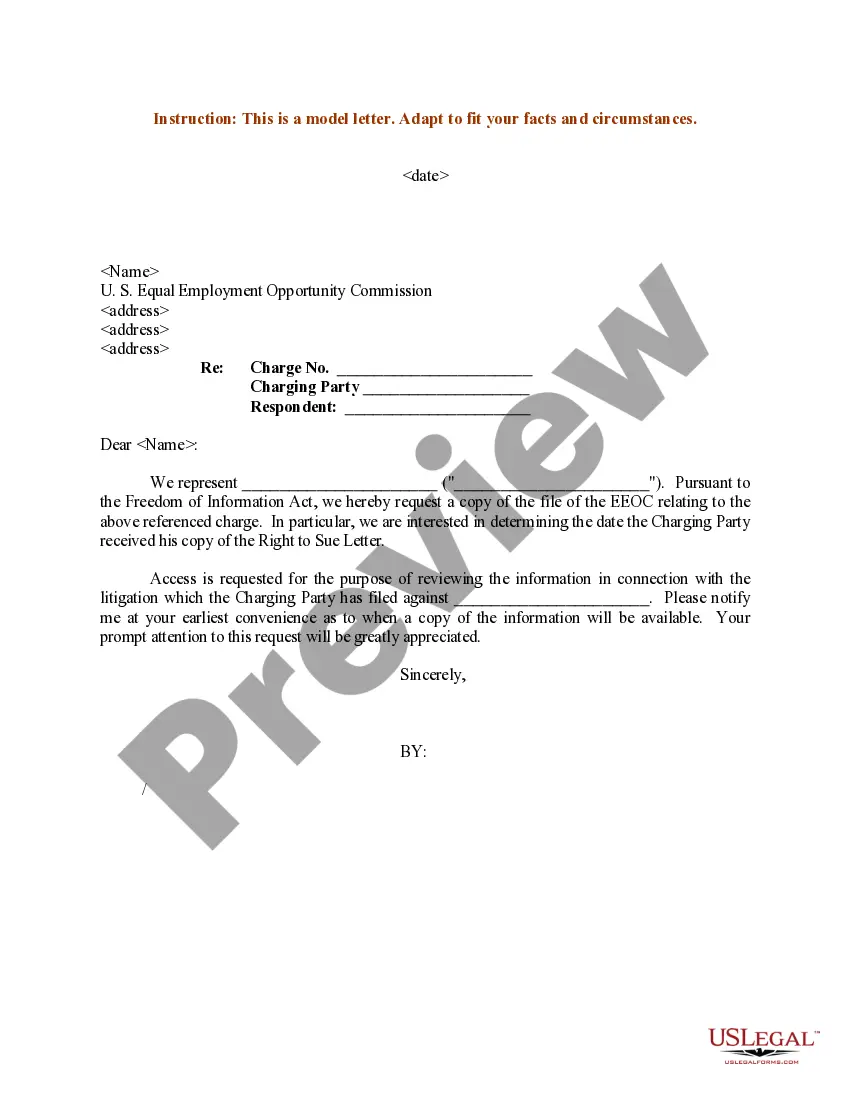
Eeoc Examples
Description
Get your form ready online
Our built-in tools help you complete, sign, share, and store your documents in one place.
Make edits, fill in missing information, and update formatting in US Legal Forms—just like you would in MS Word.
Download a copy, print it, send it by email, or mail it via USPS—whatever works best for your next step.
Sign and collect signatures with our SignNow integration. Send to multiple recipients, set reminders, and more. Go Premium to unlock E-Sign.
If this form requires notarization, complete it online through a secure video call—no need to meet a notary in person or wait for an appointment.
We protect your documents and personal data by following strict security and privacy standards.

Make edits, fill in missing information, and update formatting in US Legal Forms—just like you would in MS Word.

Download a copy, print it, send it by email, or mail it via USPS—whatever works best for your next step.

Sign and collect signatures with our SignNow integration. Send to multiple recipients, set reminders, and more. Go Premium to unlock E-Sign.

If this form requires notarization, complete it online through a secure video call—no need to meet a notary in person or wait for an appointment.

We protect your documents and personal data by following strict security and privacy standards.
Looking for another form?
How to fill out Sample Letter For Determination Sample Letter From The EEOC?
Whether for corporate reasons or personal matters, everyone must confront legal scenarios at some moment in their life.
Completing legal documents requires meticulous care, beginning with choosing the correct form template.
With an extensive US Legal Forms catalog available, you do not need to waste time searching for the right template online. Use the library’s straightforward navigation to locate the suitable template for any occasion.
- For instance, if you select an incorrect version of an Eeoc Examples, it will be rejected once you submit it.
- Therefore, it is vital to have a reliable source of legal documents such as US Legal Forms.
- If you need to acquire an Eeoc Examples template, adhere to these straightforward steps.
- Locate the template you require by employing the search bar or catalog navigation.
- Review the form’s description to confirm it aligns with your circumstances, state, and locality.
- Click on the form’s preview to scrutinize it.
- If it is the incorrect document, return to the search feature to find the Eeoc Examples template you require.
- Obtain the template when it meets your specifications.
- If you already possess a US Legal Forms account, click Log in to access previously saved templates in My documents.
- If you do not have an account yet, you can download the form by clicking Buy now.
- Choose the appropriate pricing option.
- Complete the profile registration form.
- Select your payment method: you can use a credit card or PayPal account.
- Choose the document format you desire and download the Eeoc Examples.
- Once it is downloaded, you can complete the form using editing software or print it and finish it by hand.
Form popularity
FAQ
An EEOC statement often serves as a formal declaration regarding workplace discrimination and harassment policies. For instance, a company might state its commitment to providing equal employment opportunities regardless of race, gender, age, or disability. This type of statement helps establish a culture of inclusivity and adherence to legal standards. Additionally, exploring various EEOC examples can guide businesses in crafting effective statements that resonate with their values and legal obligations.
The burden of proof in an EEOC case lies with the complainant to establish that discrimination occurred. This means you must provide sufficient evidence that supports your claims. A clear understanding of this burden can help you prepare more effectively, and tools available on the US Legal Forms platform can assist in compiling your evidence.
Typical EEOC settlements vary widely, often ranging from thousands to millions of dollars, depending on the severity of the case and the evidence presented. Factors such as lost wages, emotional distress, and punitive damages may influence the settlement amount. Reviewing EEOC examples of past settlements can provide insight into what you might expect in your case.
The chances of winning an EEOC case depend on various factors, such as the strength of your evidence and the nature of your complaint. Statistics show that many cases do not proceed beyond the investigation stage, but having strong EEOC examples can enhance your likelihood of success. Consulting with a legal professional can also improve your odds significantly.
A strong EEOC case hinges on solid documentation and a clear timeline of events that demonstrate discrimination. This includes specific examples of how you experienced inequality in the workplace. Additionally, having a thorough understanding of your rights and the EEOC process is crucial. Resources available on the US Legal Forms platform can guide you in building your case.
A strong EEO case features clear evidence of discrimination based on race, gender, age, or other protected characteristics. It should include well-documented incidents, witness testimonies, and a record of any complaints made. The more detailed the information, the better your chances of presenting a compelling case. Using US Legal Forms can help you organize your evidence effectively.
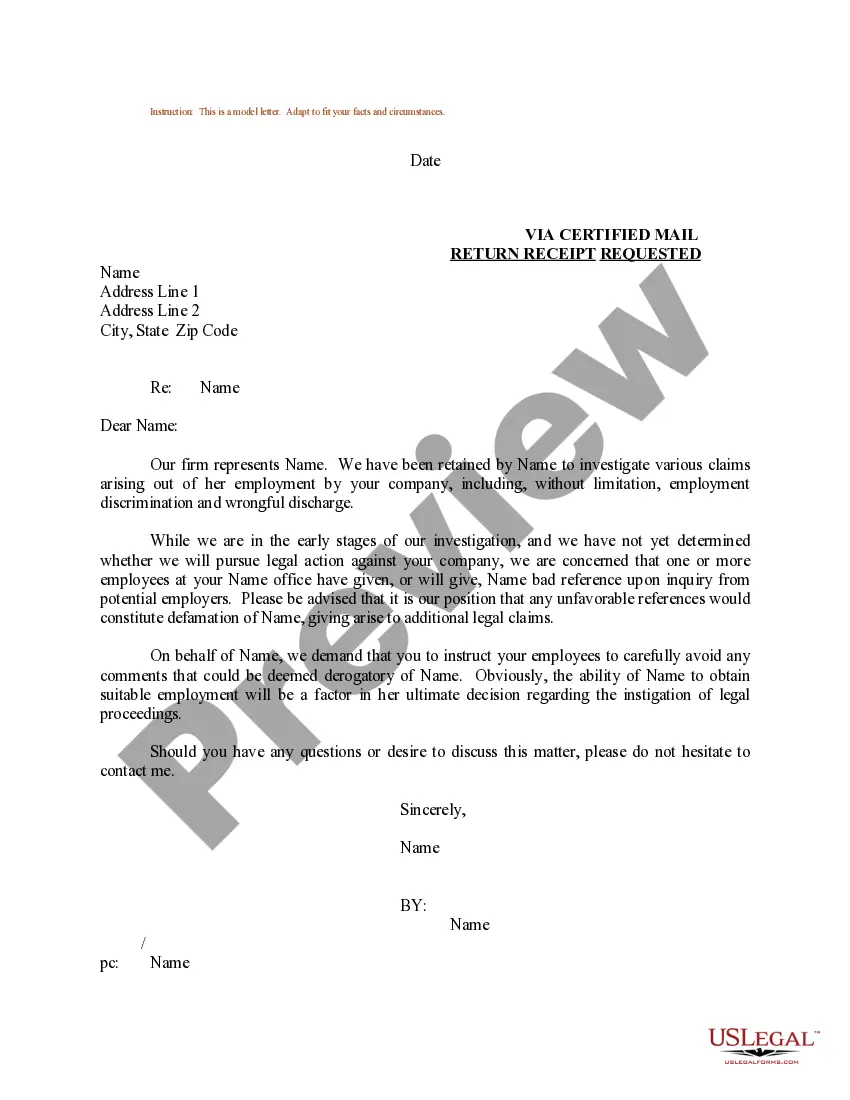
To write a good EEOC complaint, start by clearly stating the facts of your situation. Include specific details such as dates, locations, and the individuals involved. This context helps the EEOC understand your experience better. Additionally, provide EEOC examples of discrimination or harassment, as these can strengthen your case and illustrate the nature of your complaint. For guidance, consider using the resources available on US Legal Forms, which can help you draft a professional complaint.
Proving discrimination in an EEOC case requires gathering evidence that supports your claim. You should collect documentation, such as emails, performance reviews, and witness statements. Additionally, establishing a pattern of discriminatory behavior can strengthen your case. Resources like the US Legal Forms platform can assist you in organizing your evidence and understanding the process for filing a complaint.
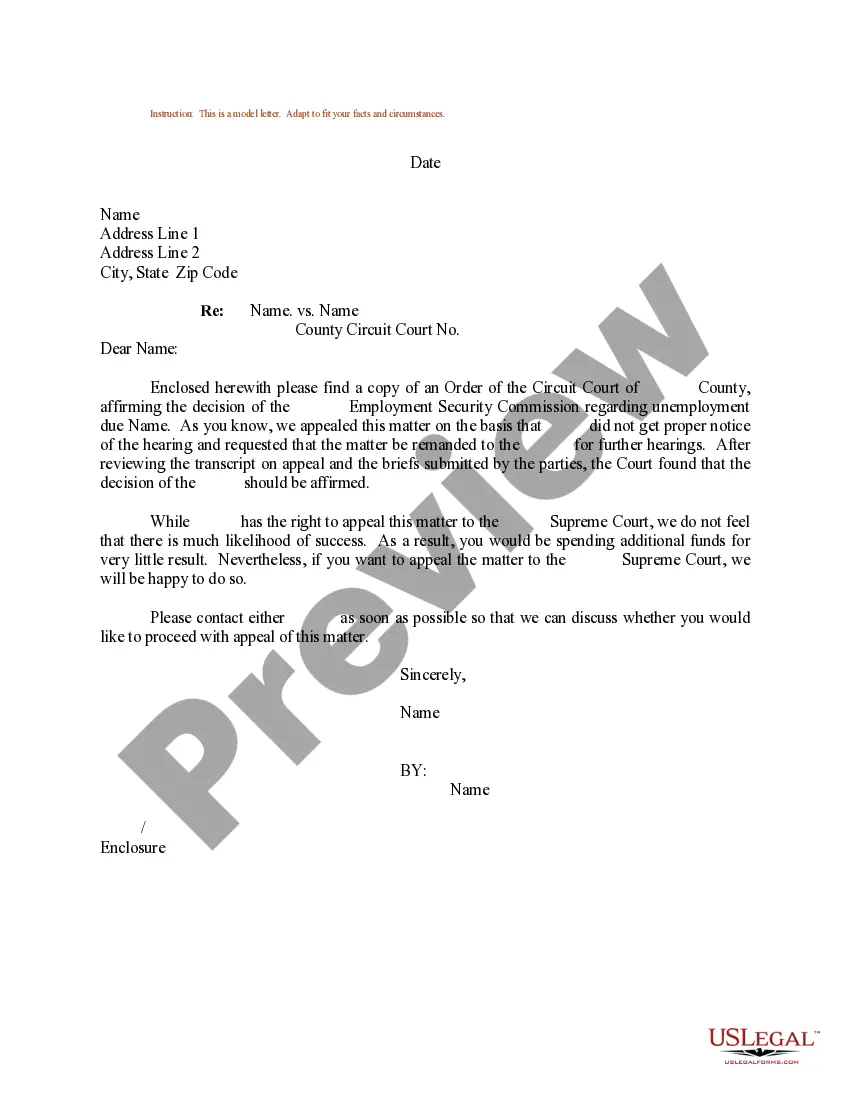
EEOC discrimination examples encompass a range of unfair practices. For example, an employer might refuse to accommodate an employee's religious beliefs, leading to a hostile work environment. Another example includes firing an employee after they file a complaint about harassment. Recognizing these EEOC examples is crucial for promoting a fair workplace and understanding your rights.
Unfair discrimination can take many forms. For instance, refusing to hire someone based on their race, gender, or age is a clear example. Another example is paying employees differently for the same work due to their ethnicity or disability. Additionally, promoting one employee over another solely based on personal relationships rather than performance is also an unfair practice. These situations often fall under the EEOC examples of discriminatory behavior.