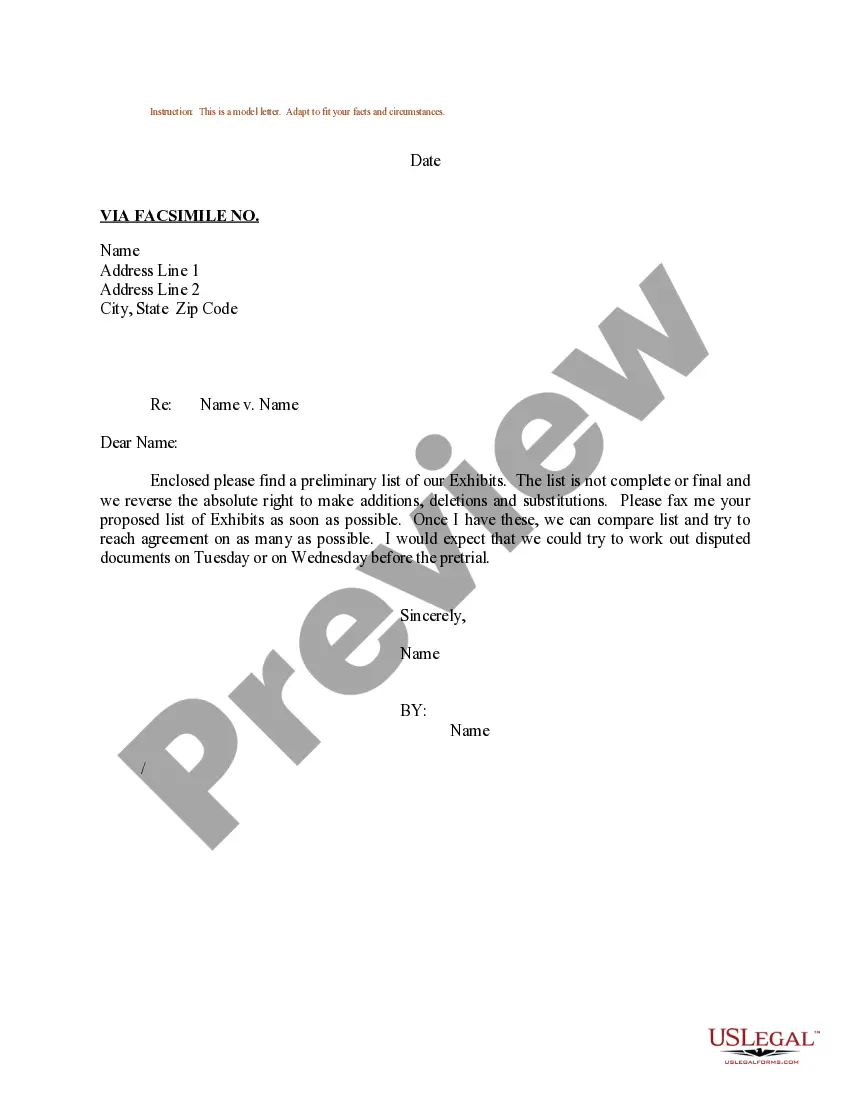
List Exhibit Form For Family Court
Description
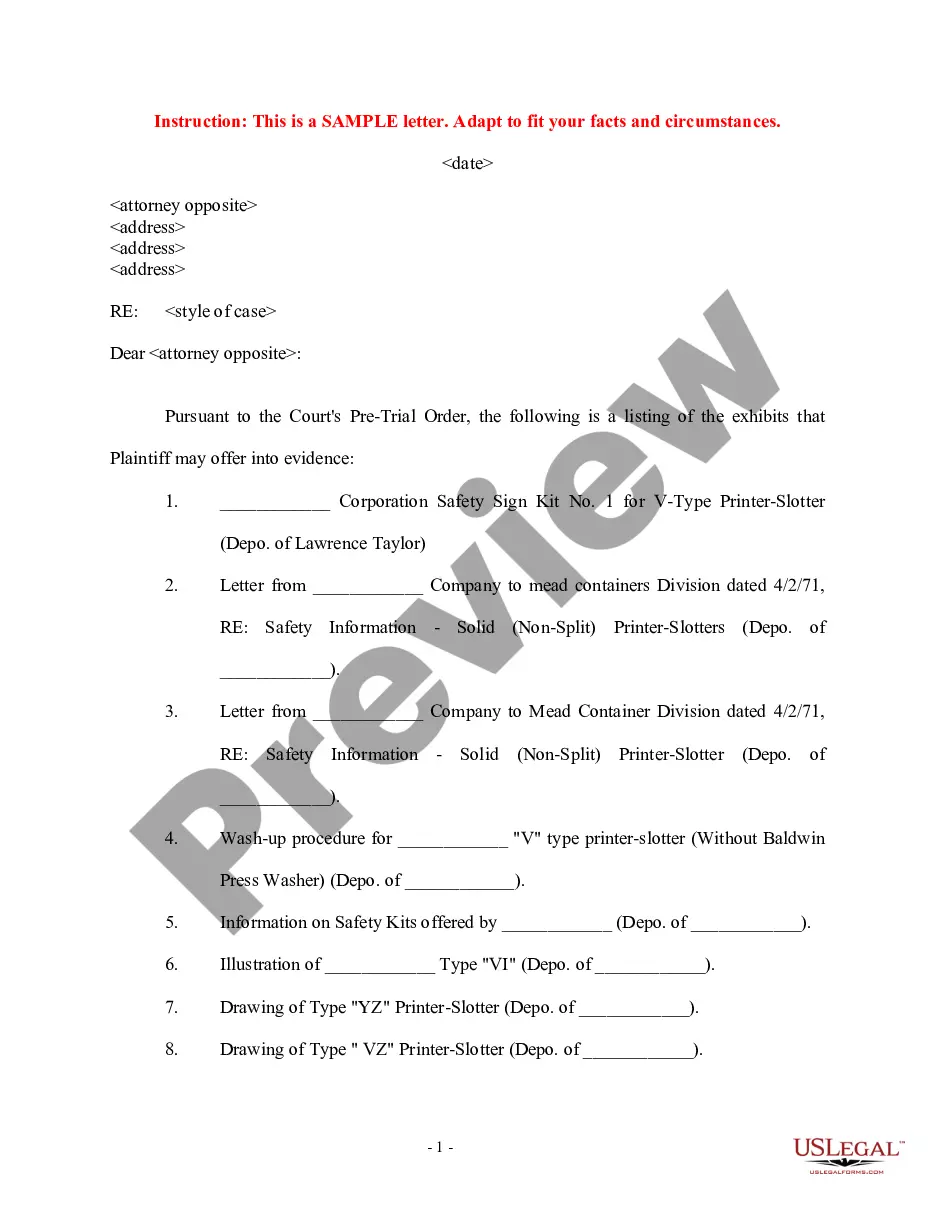
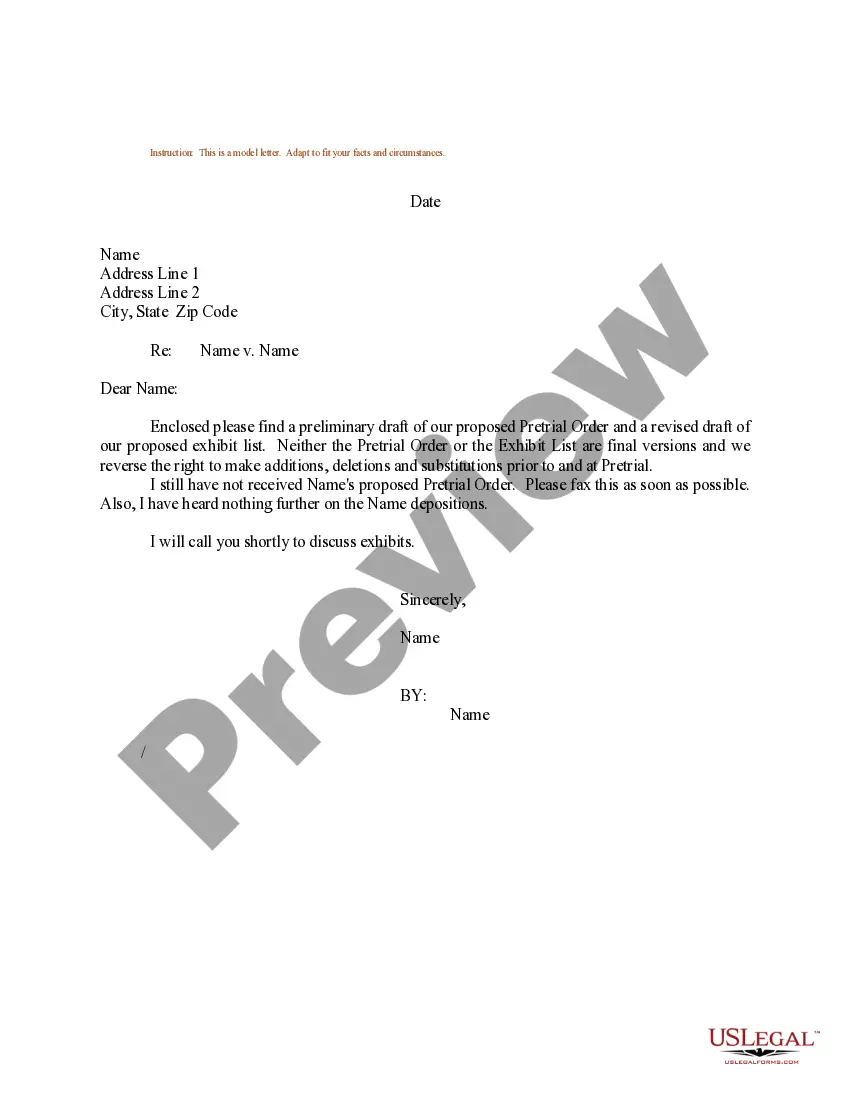
Get your form ready online
Our built-in tools help you complete, sign, share, and store your documents in one place.
Make edits, fill in missing information, and update formatting in US Legal Forms—just like you would in MS Word.
Download a copy, print it, send it by email, or mail it via USPS—whatever works best for your next step.
Sign and collect signatures with our SignNow integration. Send to multiple recipients, set reminders, and more. Go Premium to unlock E-Sign.
If this form requires notarization, complete it online through a secure video call—no need to meet a notary in person or wait for an appointment.
We protect your documents and personal data by following strict security and privacy standards.

Make edits, fill in missing information, and update formatting in US Legal Forms—just like you would in MS Word.

Download a copy, print it, send it by email, or mail it via USPS—whatever works best for your next step.

Sign and collect signatures with our SignNow integration. Send to multiple recipients, set reminders, and more. Go Premium to unlock E-Sign.

If this form requires notarization, complete it online through a secure video call—no need to meet a notary in person or wait for an appointment.

We protect your documents and personal data by following strict security and privacy standards.
Looking for another form?
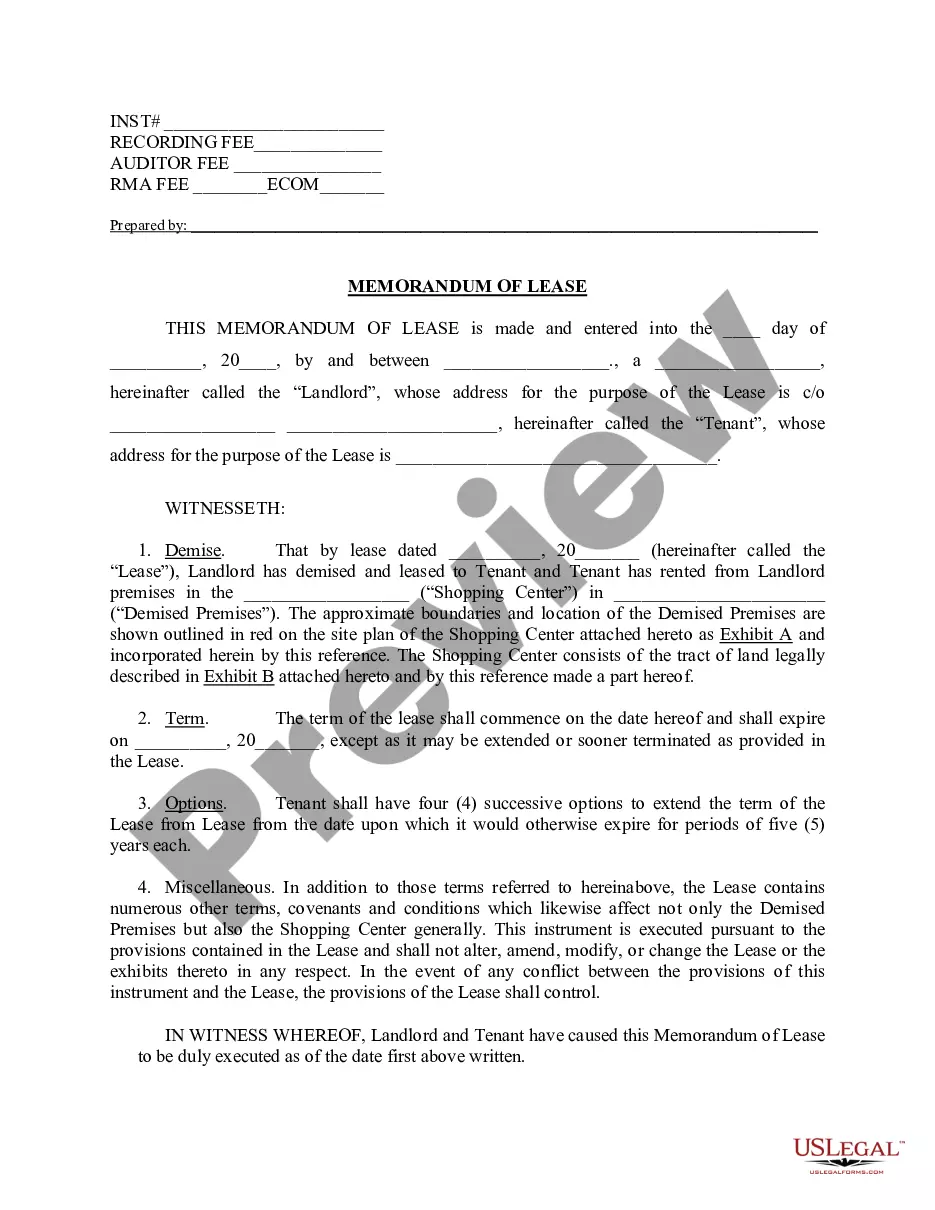
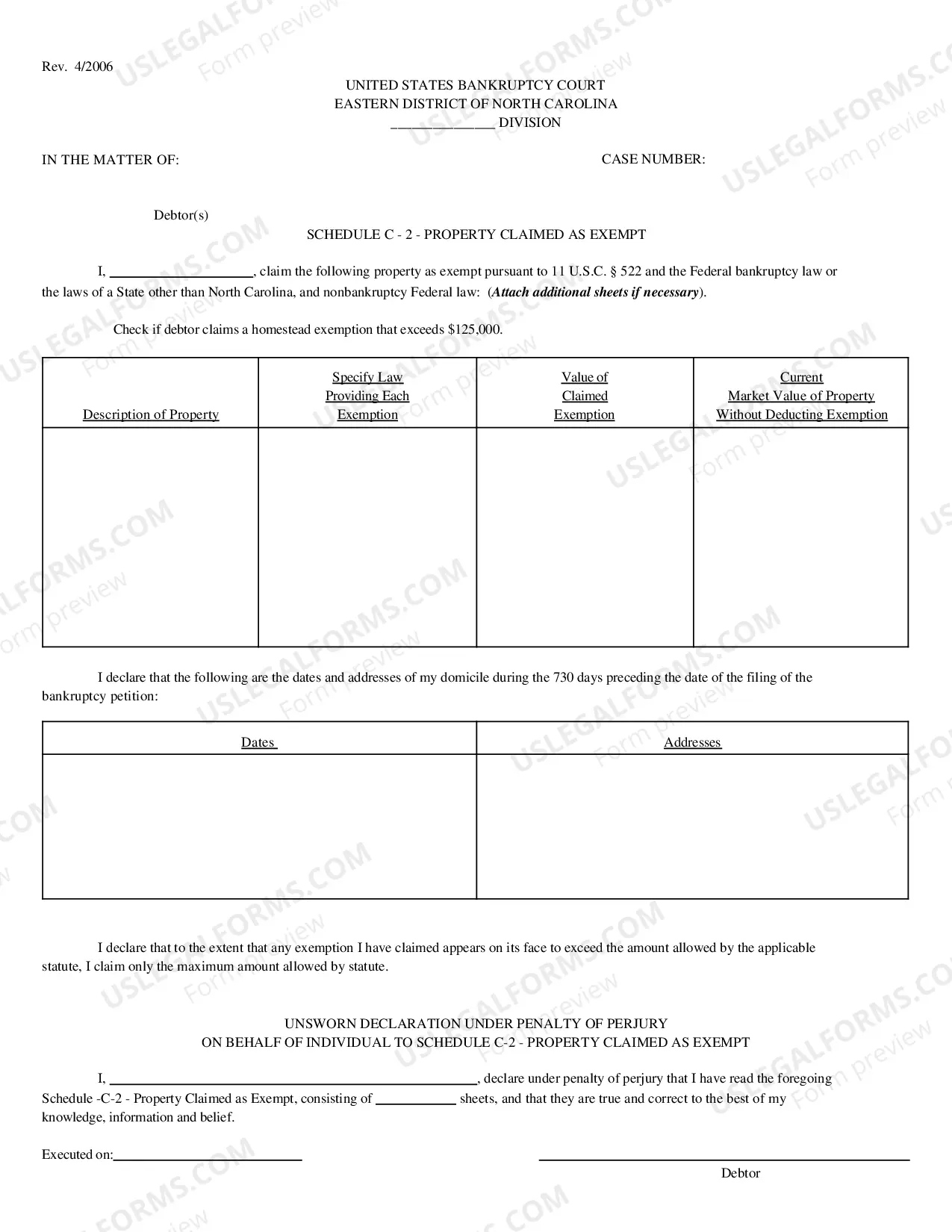
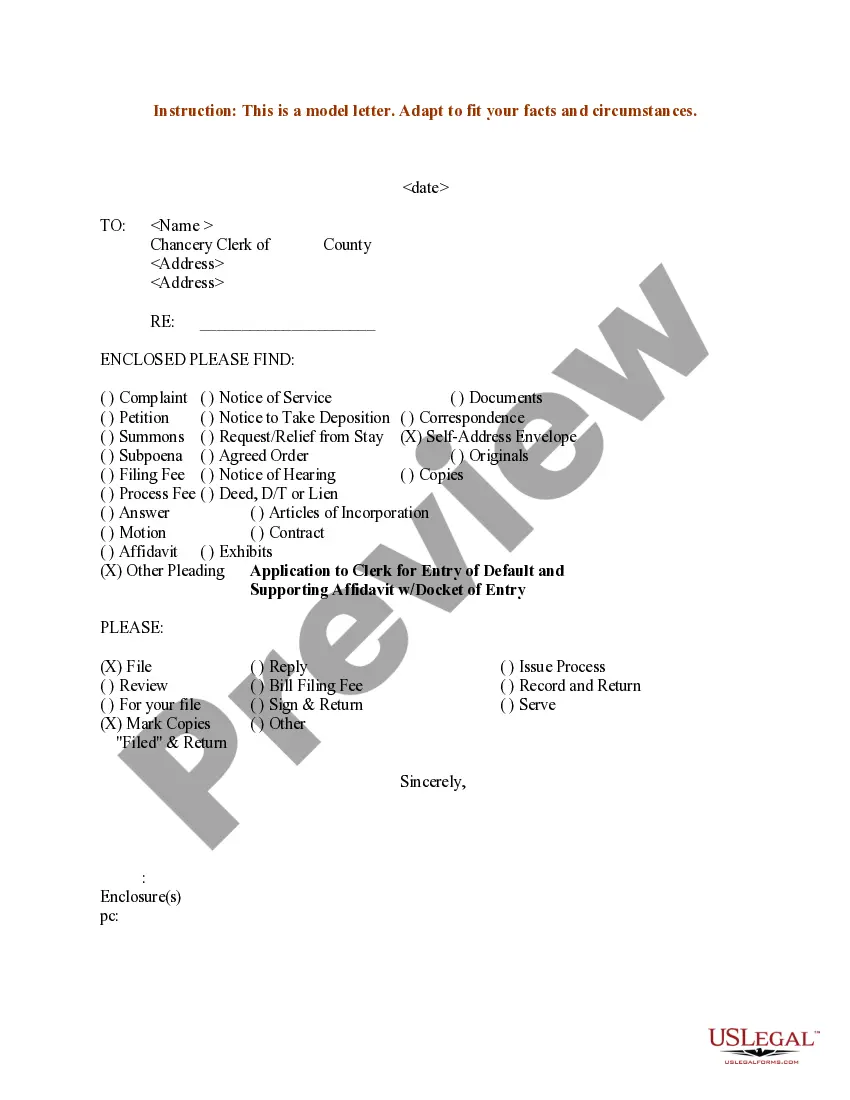
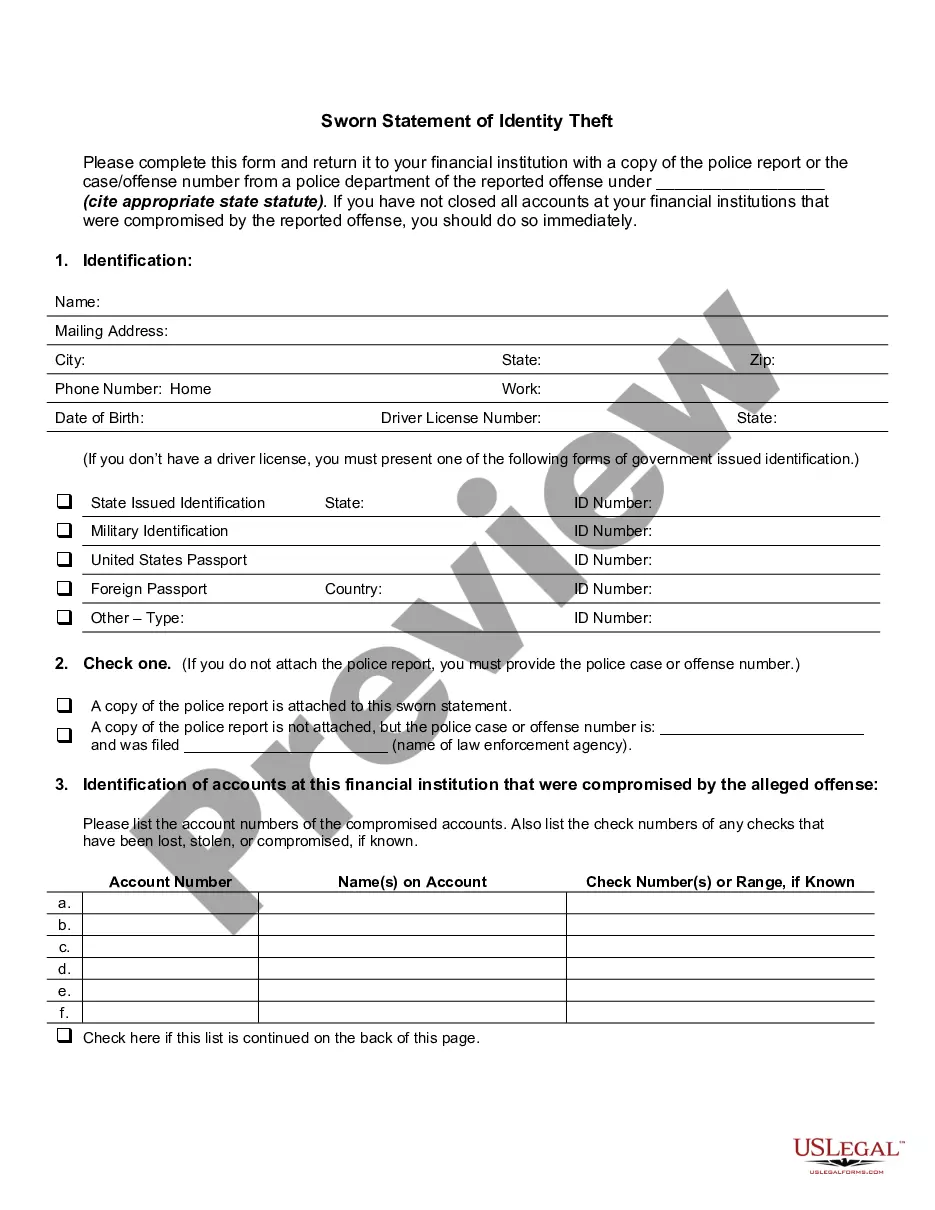
How to fill out Sample Letter Regarding List Of Exhibits?
Identifying a reliable resource to find the most up-to-date and suitable legal templates is a significant part of managing administrative processes.
Locating the correct legal documents requires accuracy and careful consideration, which is why it is crucial to obtain samples of List Exhibit Form For Family Court solely from trustworthy sources, such as US Legal Forms.
Eliminate the complications that come with your legal paperwork. Explore the extensive US Legal Forms catalog where you can find legal templates, assess their applicability to your situation, and download them instantly.
- Utilize the library navigation or search feature to locate your template.
- Access the form’s details to ensure it meets the criteria for your state and locality.
- View the form preview, if available, to confirm it is the form you are seeking.
- Return to the search to find a more suitable document if the List Exhibit Form For Family Court does not meet your requirements.
- If you are confident about the form’s pertinence, download it.
- As a registered user, click Log in to verify and access your chosen templates in My documents.
- If you do not possess an account yet, click Buy now to acquire the template.
- Select the pricing plan that aligns with your preferences.
- Proceed with the registration to complete your purchase.
- Finalize your purchase by selecting a payment method (credit card or PayPal).
- Select the file format for downloading the List Exhibit Form For Family Court.
- After obtaining the form on your device, you may edit it using the editor or print it and fill it out manually.
Form popularity
FAQ
Preparing exhibits for family court requires careful attention to detail. First, gather all relevant documents and label them appropriately. Use a list exhibit form for family court to keep track of each item and its importance. This preparation not only simplifies your presentation but also helps the judge follow your arguments with ease.
To write an exhibit list for court, start by numbering each piece of evidence. Include a brief description of each exhibit, highlighting its relevance to your case. Utilizing a list exhibit form for family court streamlines this process. This form allows you to maintain clarity and organization, which can impress the judge and support your arguments.
An exhibit is a specific type of evidence that is formally presented during a hearing or trial. While all exhibits are evidence, not all evidence qualifies as an exhibit unless it is properly labeled and submitted for review. A list exhibit form for family court helps in distinguishing your exhibits clearly. Understanding this difference ensures you adhere to court protocols.
Organizing evidence for family court involves categorizing documents and labeling them clearly. A useful approach is to create a list exhibit form for family court, where you detail each piece of evidence and its significance. This method ensures that you present your information in a logical order, making it easier for the judge to understand your case.
Avoid making negative comments about the other parent or using emotional language while speaking to a family court judge. Keep your presentation respectful and focused. Using a list exhibit form for family court can help you stick to the facts. This organized approach allows you to communicate your position without personal attacks.
One of the biggest mistakes in a custody battle is failing to present clear and organized evidence. Using a list exhibit form for family court can make a significant difference in your case. Judges look for well-structured arguments supported by solid documentation. Always prioritize your child's best interests in your evidence presentation.
To introduce evidence in court, you must first label each piece clearly. Use a list exhibit form for family court to organize your documents. When presenting your evidence, reference your exhibit number and explain its relevance to your case. This clarity helps the judge understand your position effectively.
An order to show cause in family court NY is a legal document that requests the court to take action on a specific matter. It allows a party to ask the court to make a ruling or decision without the presence of the other party in some urgent cases. This order sets a date for the opposing party to appear and explain why the court should not grant the requested relief. For better clarity, consider referencing the List exhibit form for family court to ensure you have the proper documentation.
Filling out a court motion form involves several key steps. First, gather the necessary information related to your case, including relevant dates and details. Next, clearly and accurately complete each section of the form, ensuring you follow the provided instructions. Remember, utilizing a comprehensive resource like the List exhibit form for family court can streamline this process and provide you with the right templates.
A court exhibit typically consists of documents or items presented as evidence during a legal proceeding. These can include contracts, photographs, or written statements, clearly labeled and organized for easy reference. When preparing your materials, a List exhibit form for family court can act as an essential tool to ensure that your exhibits are presented effectively and professionally.