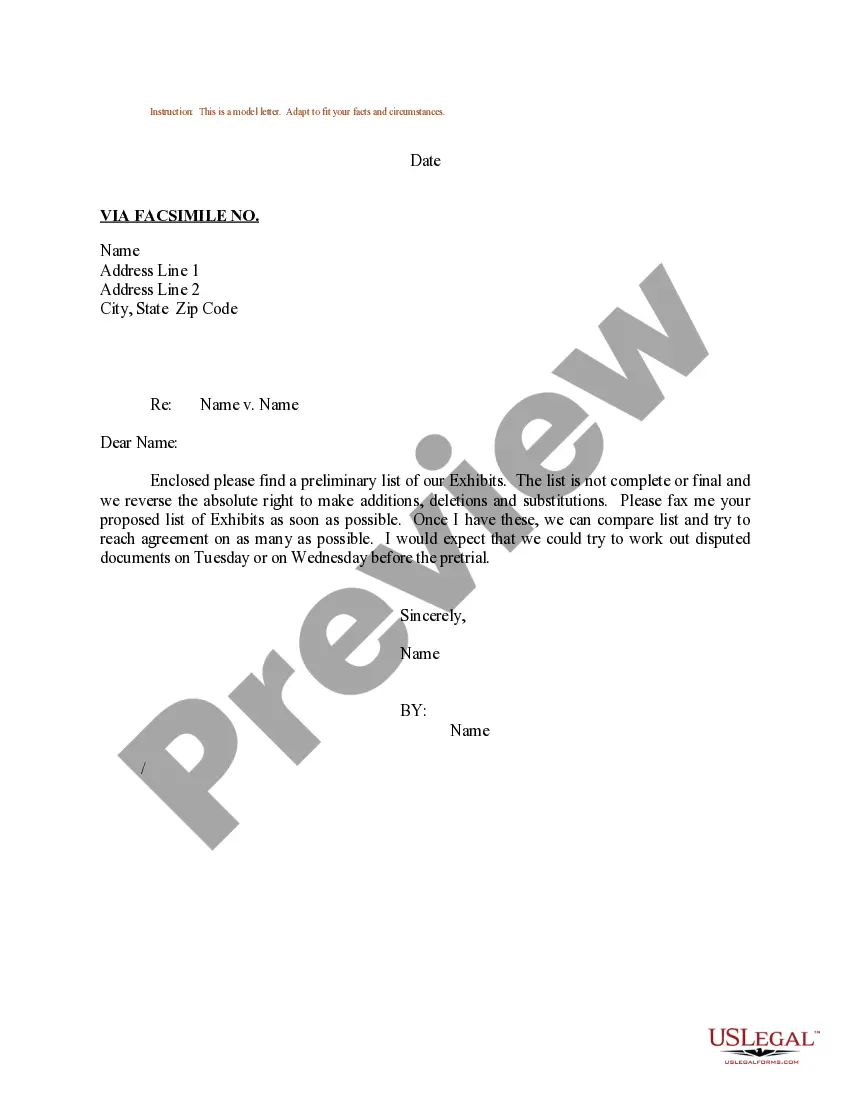
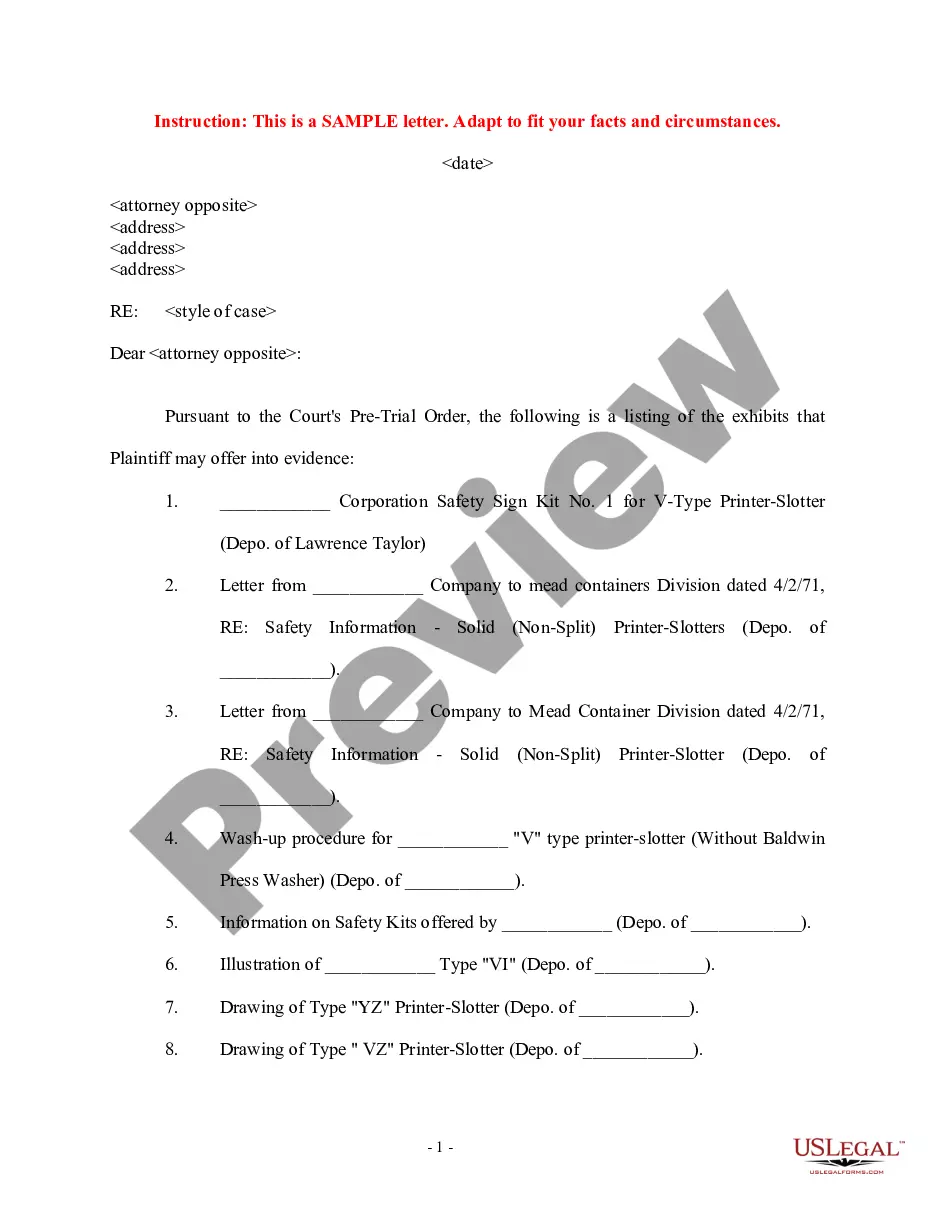
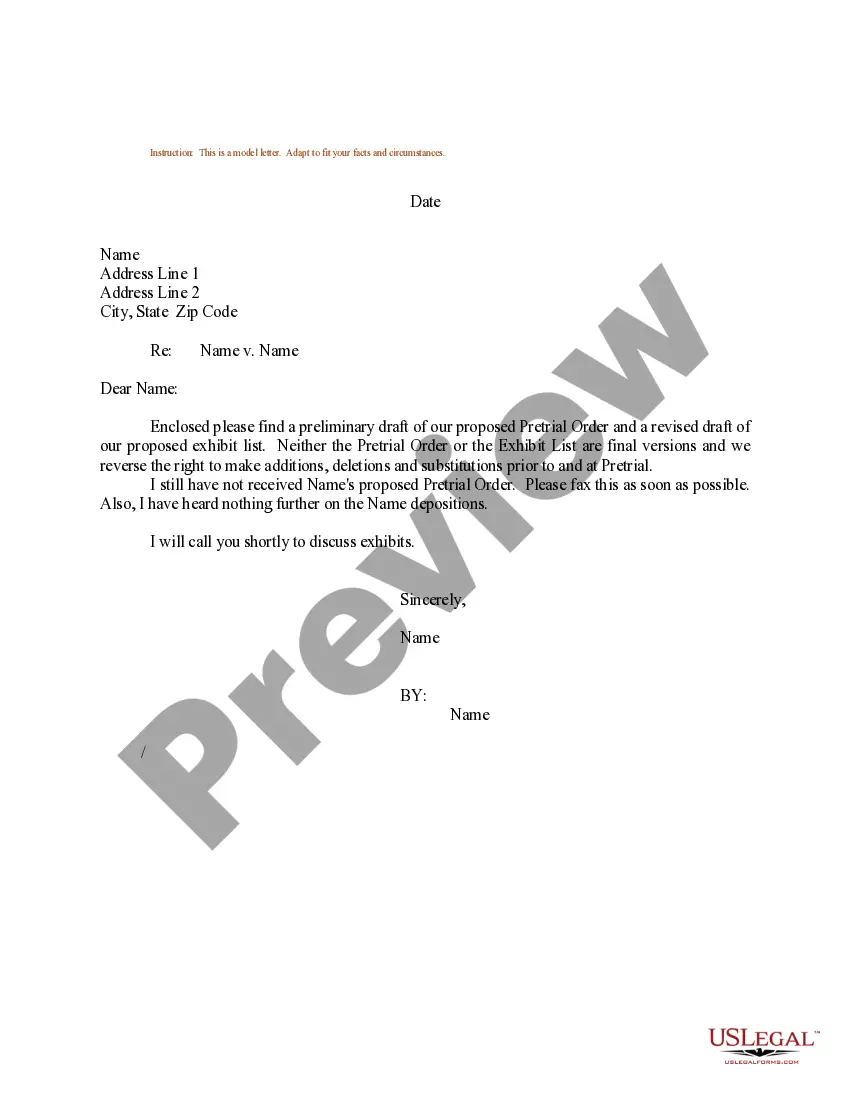
Exhibit List Template For Trial California
Description
Get your form ready online
Our built-in tools help you complete, sign, share, and store your documents in one place.
Make edits, fill in missing information, and update formatting in US Legal Forms—just like you would in MS Word.
Download a copy, print it, send it by email, or mail it via USPS—whatever works best for your next step.
Sign and collect signatures with our SignNow integration. Send to multiple recipients, set reminders, and more. Go Premium to unlock E-Sign.
If this form requires notarization, complete it online through a secure video call—no need to meet a notary in person or wait for an appointment.
We protect your documents and personal data by following strict security and privacy standards.

Make edits, fill in missing information, and update formatting in US Legal Forms—just like you would in MS Word.

Download a copy, print it, send it by email, or mail it via USPS—whatever works best for your next step.

Sign and collect signatures with our SignNow integration. Send to multiple recipients, set reminders, and more. Go Premium to unlock E-Sign.

If this form requires notarization, complete it online through a secure video call—no need to meet a notary in person or wait for an appointment.

We protect your documents and personal data by following strict security and privacy standards.
Looking for another form?
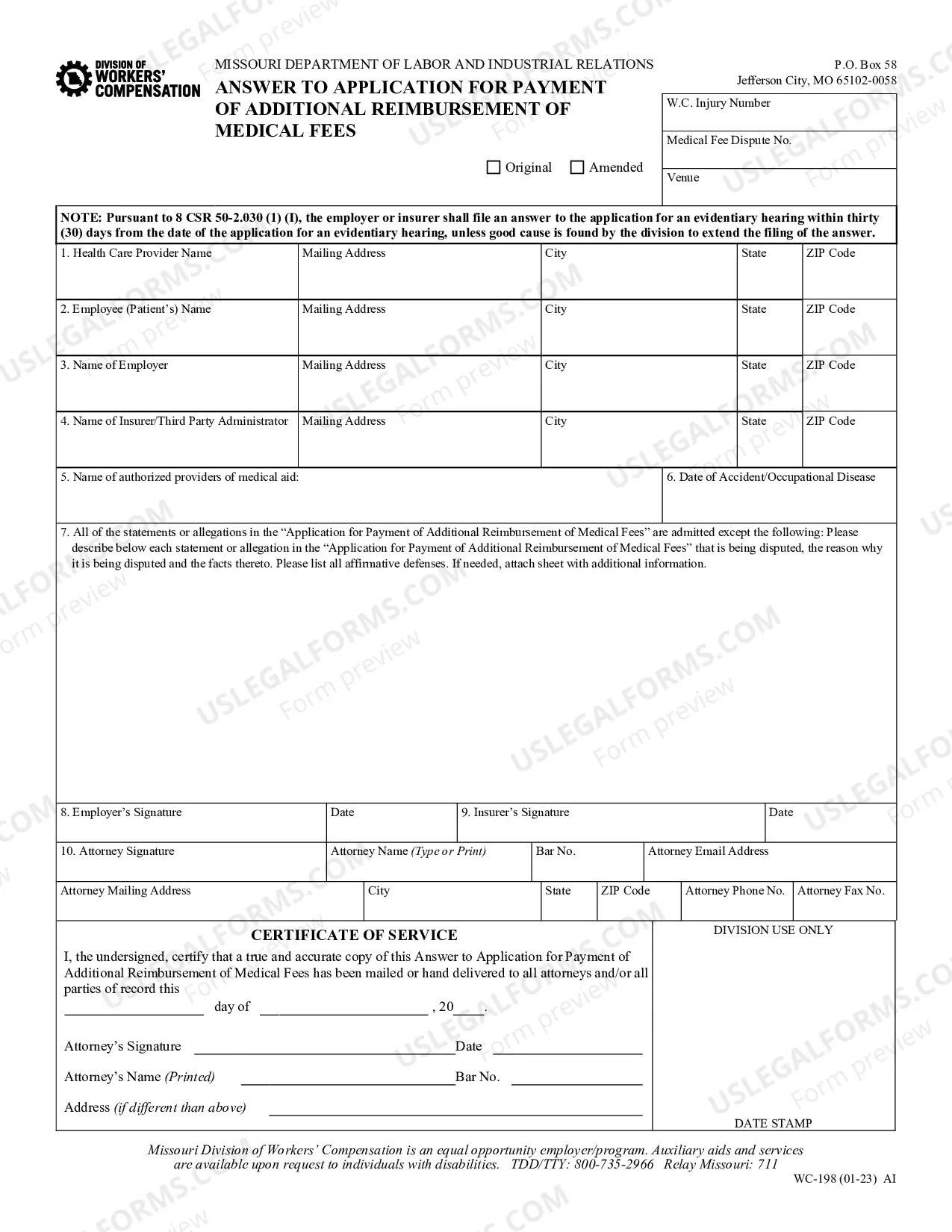
How to fill out Sample Letter Regarding List Of Exhibits?
Utilizing legal document examples that comply with federal and local laws is essential, and the internet presents numerous choices to select from.
However, what is the value in spending time searching for the properly formulated Exhibit List Template For Trial California example online if the US Legal Forms digital library already has such templates compiled in one location.
US Legal Forms is the largest online legal repository with more than 85,000 fillable templates created by attorneys for various professional and personal situations.
Assess the template using the Preview feature or through the text outline to ensure it meets your specifications.
- They are easy to navigate with all documents organized by state and intended use.
- Our experts stay informed about legal changes, ensuring that your documents are always current and compliant when obtaining an Exhibit List Template For Trial California from our site.
- Acquiring an Exhibit List Template For Trial California is fast and straightforward for both existing and new users.
- If you have an account with an active subscription, Log In and save the document example you require in the appropriate format.
- If you are a newcomer to our website, follow the instructions below.
Form popularity
FAQ
If you are marking the exhibit yourself, mark it with a pen or marker as ?Exhibit 1? [or ?Exhibit A?] or whatever number or letter the exhibit is. If you are in a court where the clerk marks the exhibits, you will typically hand the exhibit to the court attendant, who will take it to the clerk for marking.
Marking exhibits: Each exhibit should be marked with an exhibit sticker or label for identification. Typically, exhibits are sequentially numbered (Exhibit 1, Exhibit 2, etc.) or lettered (Exhibit A, Exhibit B, etc.).
How Do I Choose and Prepare Exhibits? - YouTube YouTube Start of suggested clip End of suggested clip Write. Your case number on the line provided on the sticker. If. You are the plaintiff. You willMoreWrite. Your case number on the line provided on the sticker. If. You are the plaintiff. You will number your exhibits. Starting with the number one and going up from there for each new exhibit.
Organize and Copy Exhibits You should place ?Exhibit? stickers on each exhibit so that the court reporter does not need to take time to do this at trial. Create a master index of each exhibit including the author/source, date, type and short description to identify the exhibit.
The exhibit list shall contain all exhibits that the parties intend to offer for admission into evidence. Those exhibits should be appropriately labeled as Plaintiff's or Defendant's exhibits, e.g., PX-1, DX-1. Any exhibits that have been produced by bates number must also include the bates number.