Discrimination For Disability
Description
Get your form ready online
Our built-in tools help you complete, sign, share, and store your documents in one place.
Make edits, fill in missing information, and update formatting in US Legal Forms—just like you would in MS Word.
Download a copy, print it, send it by email, or mail it via USPS—whatever works best for your next step.
Sign and collect signatures with our SignNow integration. Send to multiple recipients, set reminders, and more. Go Premium to unlock E-Sign.
If this form requires notarization, complete it online through a secure video call—no need to meet a notary in person or wait for an appointment.
We protect your documents and personal data by following strict security and privacy standards.

Make edits, fill in missing information, and update formatting in US Legal Forms—just like you would in MS Word.

Download a copy, print it, send it by email, or mail it via USPS—whatever works best for your next step.

Sign and collect signatures with our SignNow integration. Send to multiple recipients, set reminders, and more. Go Premium to unlock E-Sign.

If this form requires notarization, complete it online through a secure video call—no need to meet a notary in person or wait for an appointment.

We protect your documents and personal data by following strict security and privacy standards.
Looking for another form?
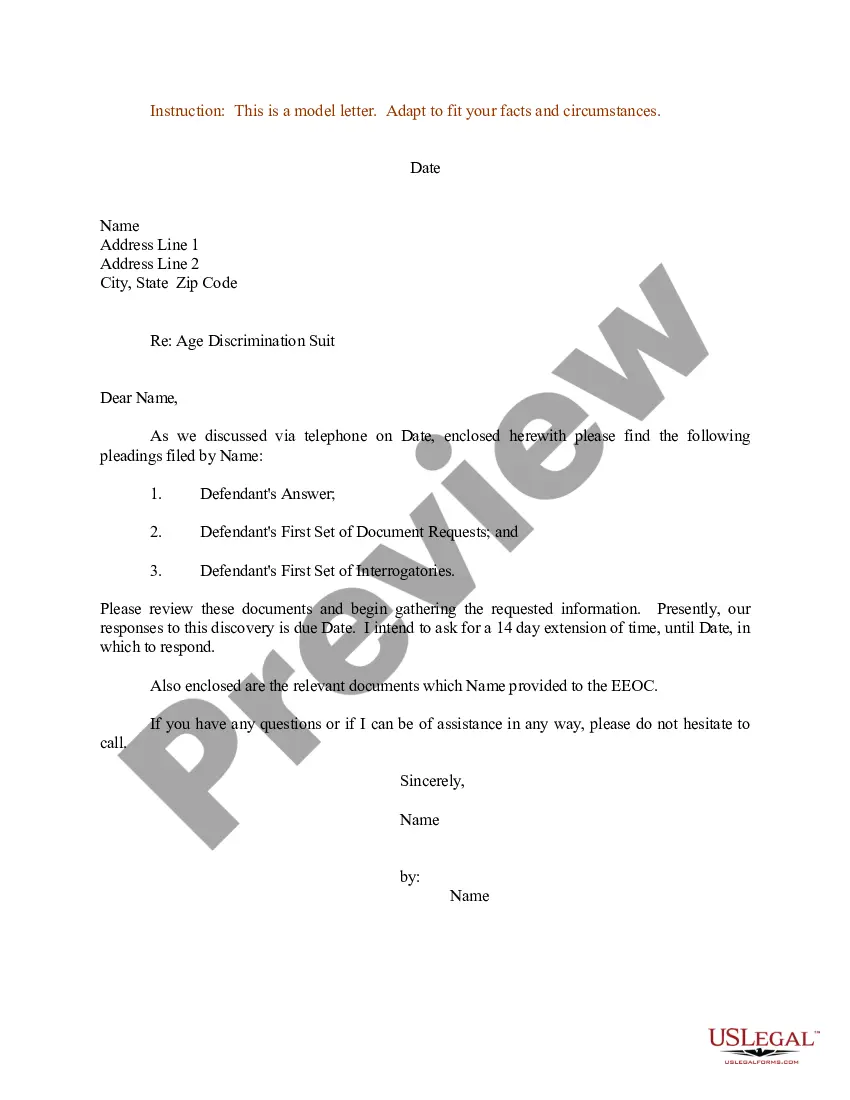
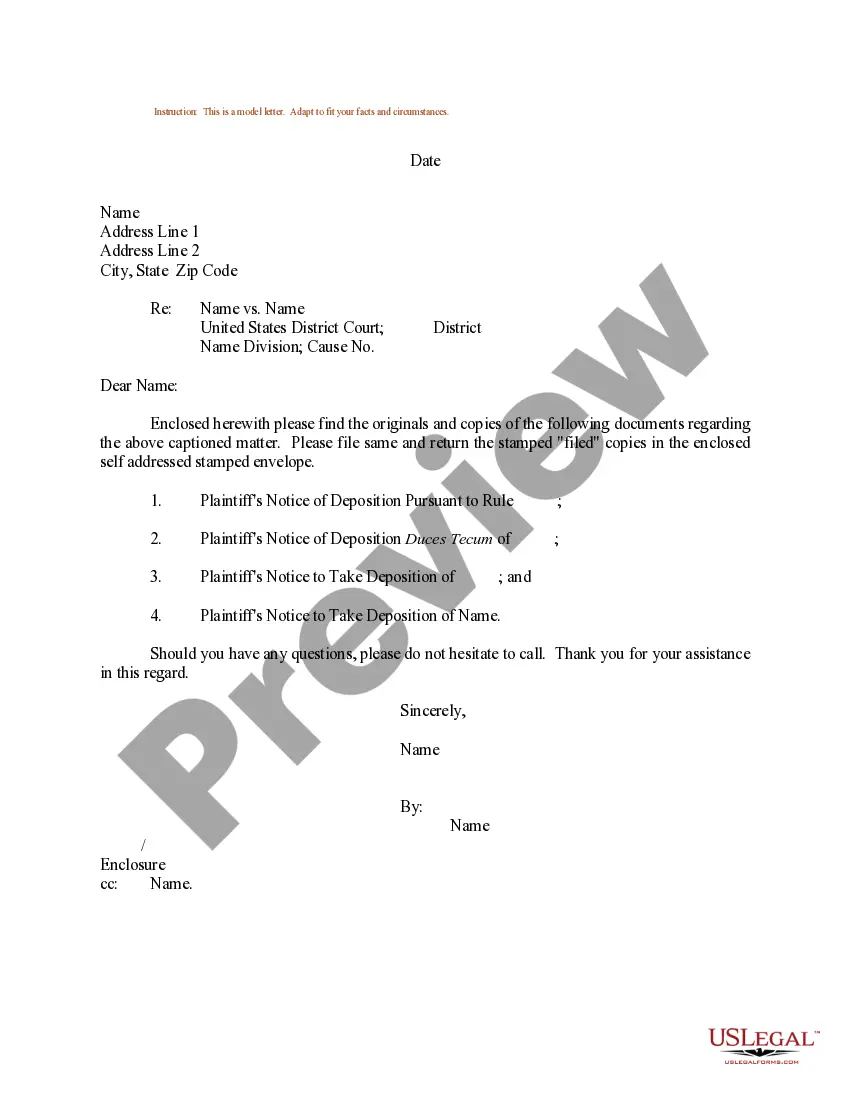
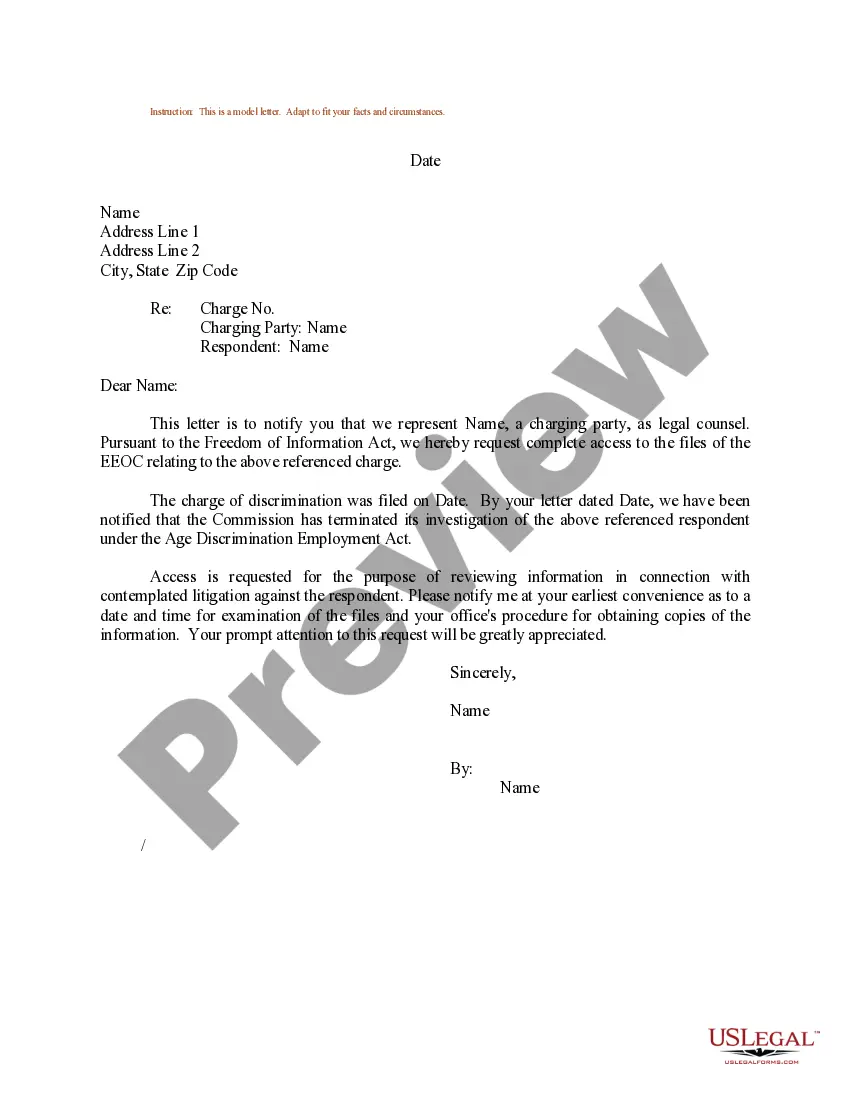
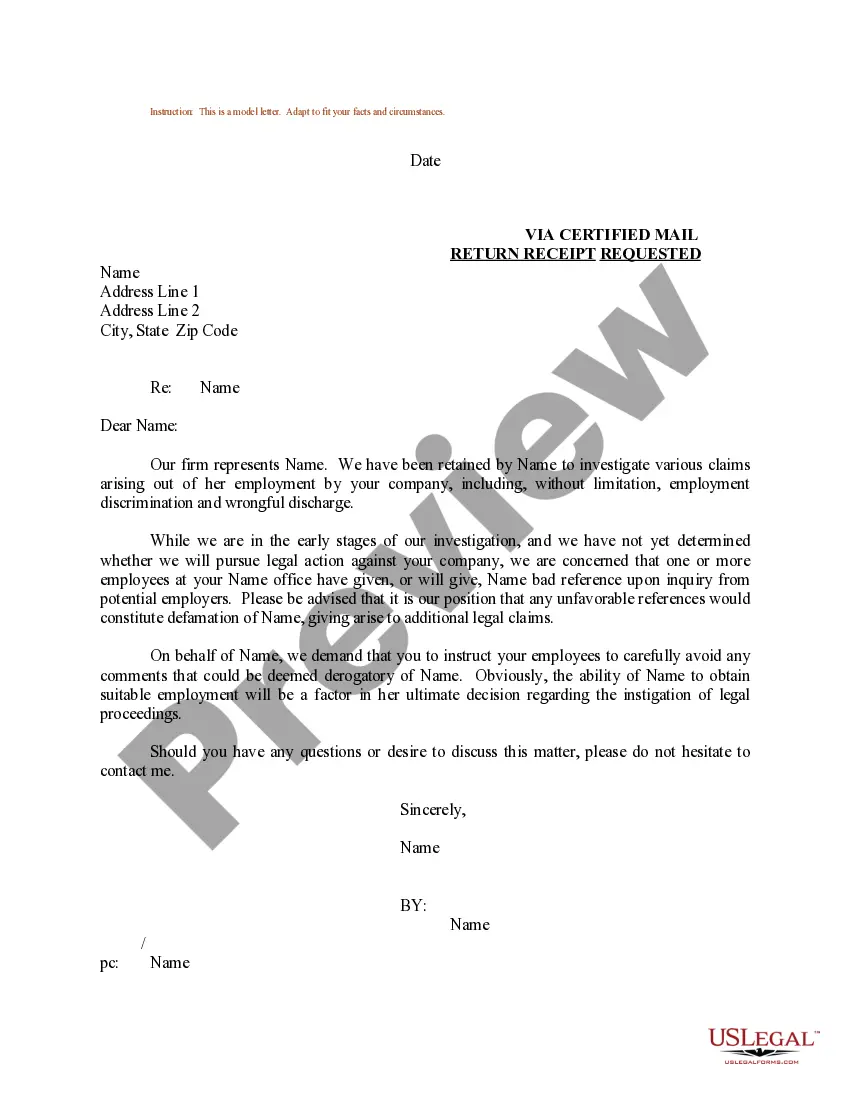
How to fill out Sample Letter For Age Discrimination Action - Pleadings?
- If you're an existing user, log into your account and download the required form by clicking the Download button, ensuring your subscription is active. If needed, renew your plan.
- For new users, start by checking the Preview mode and form description to verify you have selected the right document that aligns with your local jurisdiction.
- If the form does not meet your needs, utilize the Search tab to find a more suitable template.
- Once you've found the correct form, click on the Buy Now button and choose your preferred subscription plan, creating an account for full access.
- Complete your purchase using your credit card or PayPal, then download the completed form to your device.
- You can always revisit and manage your downloaded documents via the My Forms section in your account.
By following these simple steps, you'll be well-equipped to handle your required legal documents effectively.
Don’t let legal challenges hold you back. Explore US Legal Forms today for quick access to premium legal resources tailored to your needs!
Form popularity
FAQ
Discrimination for disability often shows itself in straightforward situations. For instance, if a person is not hired because they require specific accommodations during an interview process, that’s discrimination. Similarly, if an employee faces harassment from colleagues because of their disability, this also constitutes discrimination. Recognizing these behaviors is the first step toward combating them.
An example of discrimination for disability could be an employee being denied a promotion because their employer views their medical condition as a weakness. This unjust mindset can lead to overlooking qualified individuals solely based on their disability. Another situation might involve an employer refusing to accommodate an employee’s medical needs, thereby creating an inhospitable work environment. These actions are not only unethical but also illegal.
Handling discrimination for disability at work involves a few key steps. First, keep a detailed record of any discriminatory behavior, including witnesses if possible. Second, approach your supervisor or HR to discuss the situation openly; they are responsible for ensuring a fair workplace. Seeking legal advice can also guide you in protecting your rights effectively.
If you encounter discrimination for disability at work, you should document the incidents carefully, noting dates and details. Next, report the issue to your human resources department or a manager you trust; they should take your claims seriously. It’s also wise to consult with legal experts who specialize in disability rights to explore your options further. Assert your rights and take action promptly.
Discrimination for disability occurs when an individual faces unfair treatment because of their physical or mental condition. This type of discrimination can manifest in various settings, including workplaces and educational institutions. It often involves denying someone equal opportunities or access due to their disability. Understanding this concept is crucial for recognizing your rights.
Establishing discrimination for disability requires gathering information that shows unfair treatment based on your disability. You should collect records of any negative actions, such as demotions, lack of promotions, or hostile behavior related to your condition. Speaking with witnesses or coworkers who can verify your experience strengthens your case. Consulting with legal experts can provide clarity on the process and necessary evidence.
To address discrimination for disability in the workplace, start by documenting any incidents of unfair treatment. Report the situation to your HR department or manager, ensuring to present your evidence clearly. Seeking legal guidance can also help you understand your rights and explore your options. Utilizing resources like US Legal Forms can assist you in filing necessary complaints or taking further action.
Discrimination cases for disability can be challenging to prove, mainly due to the need for clear evidence. Many factors come into play, including the subjective interpretation of circumstances. However, with detailed documentation and the right legal guidance, individuals can effectively argue their case. Platforms like USLegalForms can assist you in preparing the necessary documentation and provide resources to navigate your situation more confidently.
To prove discrimination for disability, one must often meet specific criteria established by the law. Generally, the individual must demonstrate that they have a recognized disability, faced adverse treatment, and that the disability was a significant factor in that treatment. This often involves comparing treatment to that of similarly situated employees without disabilities. Gathering proper evidence strengthens your case significantly.
A violation under the Disabilities Act may include an employer refusing to provide reasonable accommodations to an employee with a disability. For example, if a worker with a visual impairment is not allowed to use screen reading software, that is a clear case of discrimination for disability. Such acts prevent individuals from performing their job effectively. Understanding your rights is paramount when facing such violations.