Va Buddy Letter Example
Description
Get your form ready online
Our built-in tools help you complete, sign, share, and store your documents in one place.
Make edits, fill in missing information, and update formatting in US Legal Forms—just like you would in MS Word.
Download a copy, print it, send it by email, or mail it via USPS—whatever works best for your next step.
Sign and collect signatures with our SignNow integration. Send to multiple recipients, set reminders, and more. Go Premium to unlock E-Sign.
If this form requires notarization, complete it online through a secure video call—no need to meet a notary in person or wait for an appointment.
We protect your documents and personal data by following strict security and privacy standards.

Make edits, fill in missing information, and update formatting in US Legal Forms—just like you would in MS Word.

Download a copy, print it, send it by email, or mail it via USPS—whatever works best for your next step.

Sign and collect signatures with our SignNow integration. Send to multiple recipients, set reminders, and more. Go Premium to unlock E-Sign.

If this form requires notarization, complete it online through a secure video call—no need to meet a notary in person or wait for an appointment.

We protect your documents and personal data by following strict security and privacy standards.
Looking for another form?




How to fill out Sample Letter For Spouse Signature?
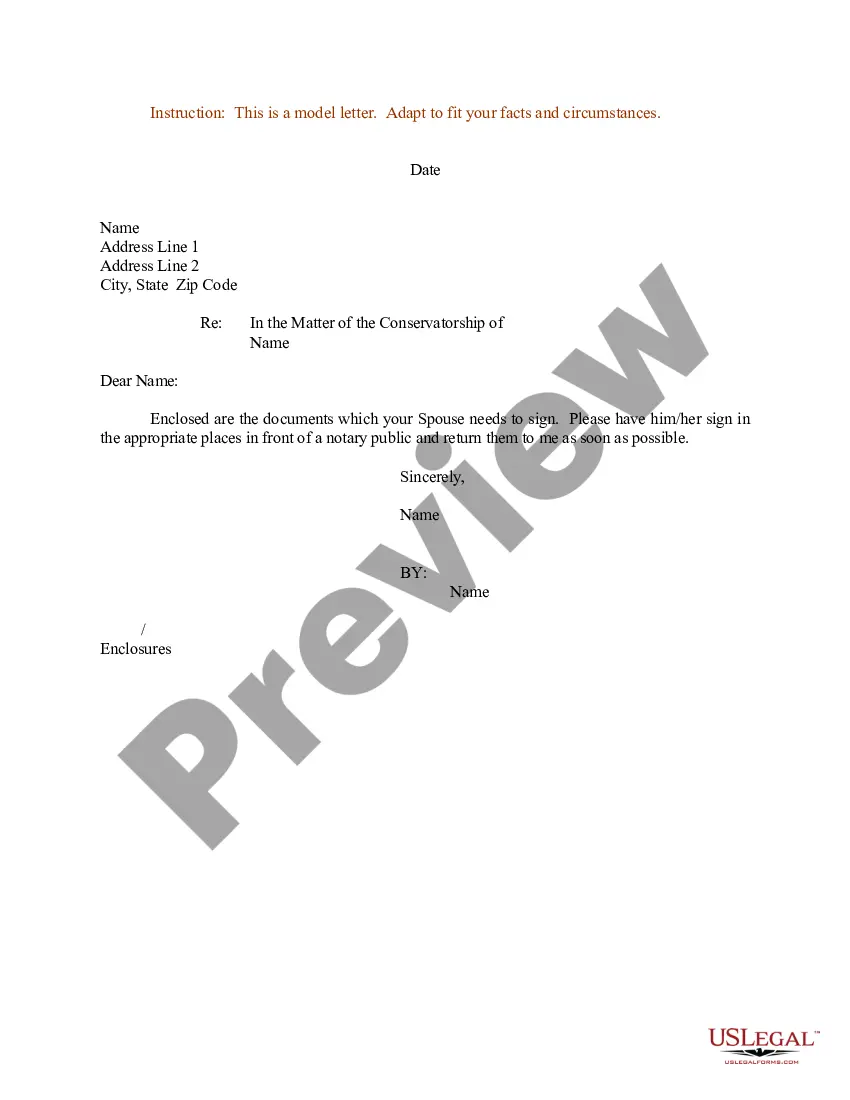
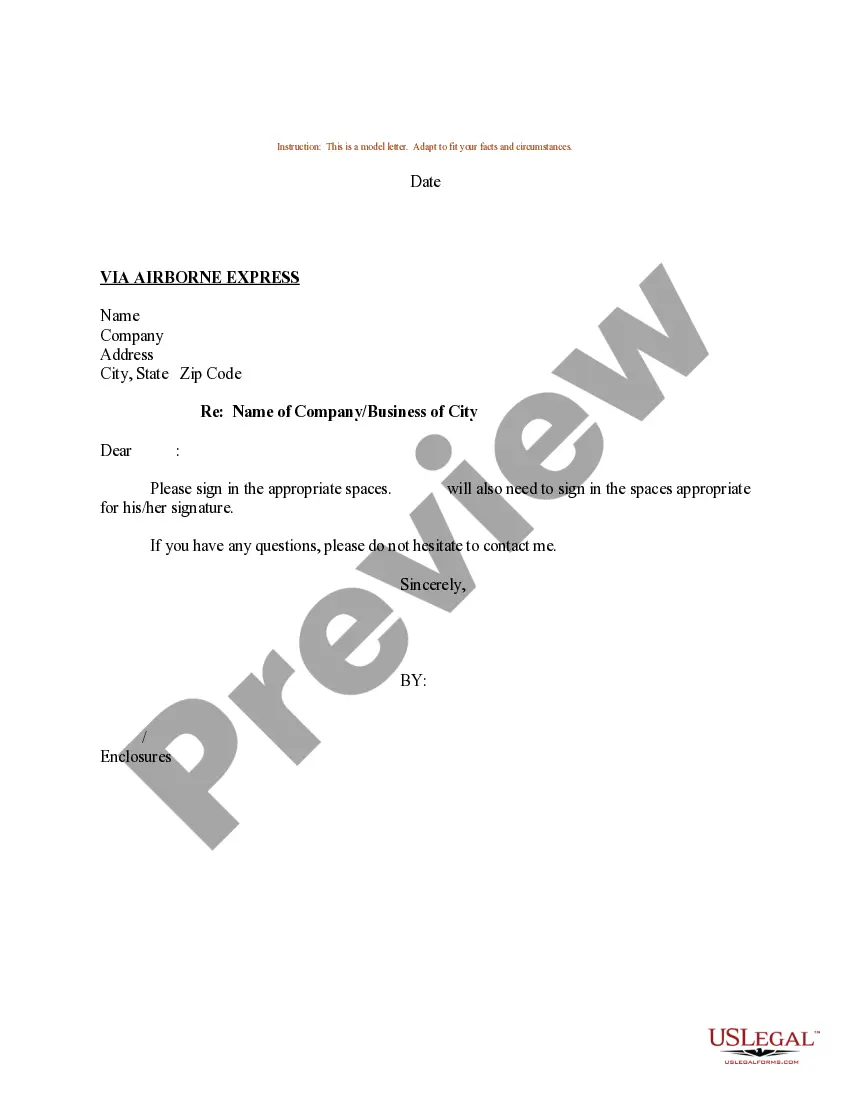
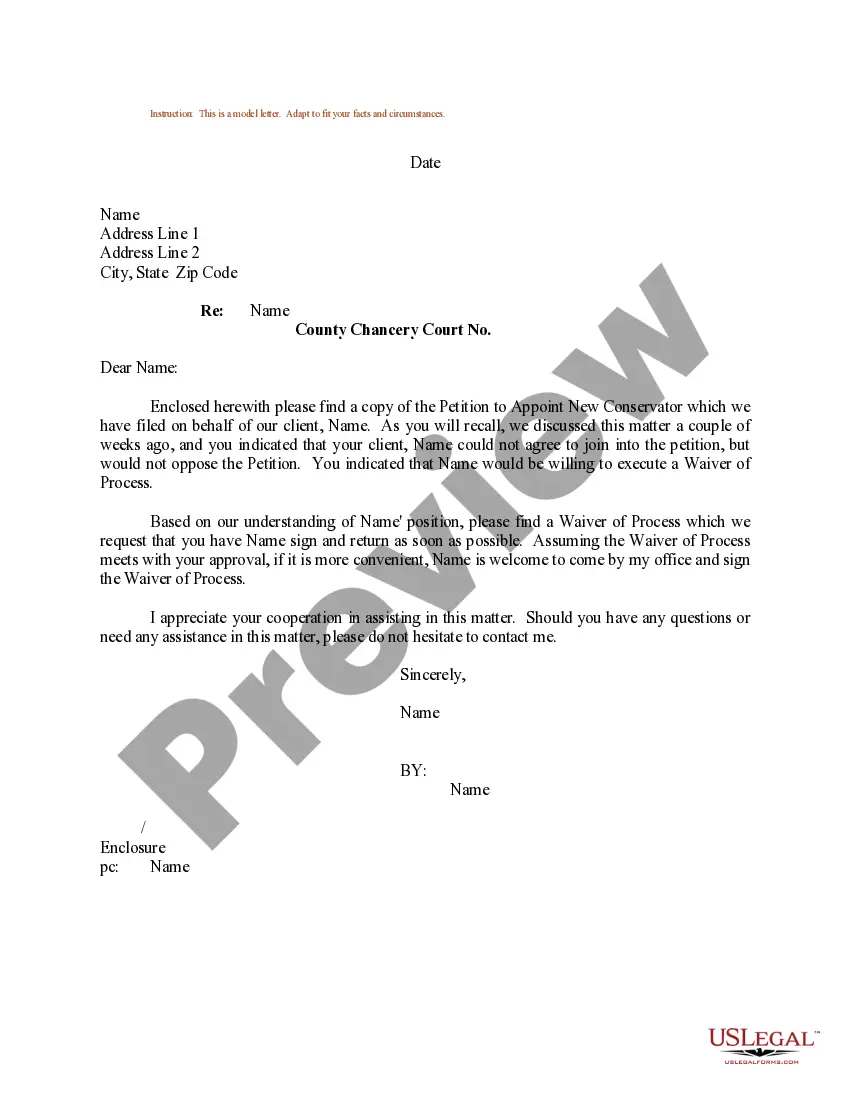
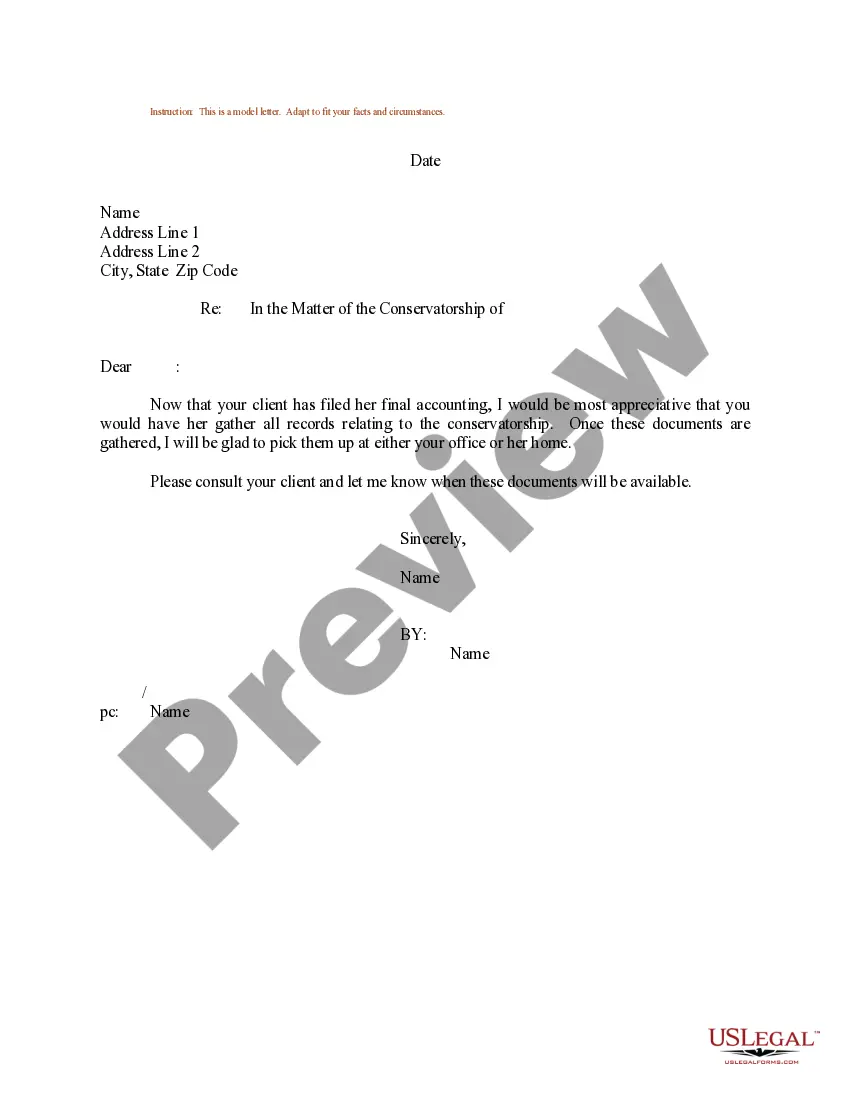
The VA Buddy Letter Sample you observe on this page is a reusable official template crafted by professional attorneys in accordance with federal and local laws and regulations.
For over 25 years, US Legal Forms has offered individuals, groups, and lawyers more than 85,000 validated, state-specific documents for any business and personal events. It’s the quickest, most direct, and most dependable method to acquire the forms you require, as the service ensures the utmost level of data protection and anti-malware measures.
Select the format you desire for your VA Buddy Letter Example (PDF, Word, RTF) and download the sample onto your device.
- Search for the document you require and examine it.
- Browse through the example you searched and preview it or review the form description to ensure it meets your requirements. If it does not, utilize the search bar to find the correct one. Click Buy Now when you have identified the template you need.
- Register and Log In.
- Select the pricing plan that best suits you and create an account. Use PayPal or a credit card to make a swift payment. If you already possess an account, Log In and check your subscription to continue.
- Acquire the fillable template.
Form popularity
FAQ
To write a good buddy letter for VA disability, start by clearly stating your relationship with the veteran and how long you have known them. Then, describe specific incidents that highlight their condition and its impact on their daily life. Ensure the letter is honest, detailed, and directly related to the veteran's disability claim. For guidance, check out examples of VA buddy letters available on the uslegalforms platform, which can streamline your writing process.
Yes, buddy letters are often beneficial for VA claims. They provide personal insights and real-life examples that support your disability needs. When a buddy letter articulates how your condition impacts your life, it enhances your claim's credibility and increases your chances of approval. Thus, a solid VA buddy letter example can be a game changer in your VA application process.
A VA buddy statement does not need to be notarized to be valid. However, having it notarized can add an extra layer of authenticity and make your submission stronger. By providing a notarized VA buddy letter example, you assure the VA that the testimony is legitimate and trustworthy. While it is not a requirement, it's a step that can reinforce your claim.
A VA buddy statement is typically signed by someone who knows you well, such as a fellow veteran, family member, or close friend. This individual should be able to provide firsthand accounts of your service or how your condition affects your daily life. Their testimony adds personal weight to your claim and helps the VA understand your situation better. Therefore, a credible signer is essential for a strong VA buddy letter example.
To write a buddy letter for a VA claim, begin by clearly stating your relationship to the veteran and how you know their service details. Use specific examples that illustrate the impact of the service-related issues on the veteran's life. A VA buddy letter example can help you understand the proper format and essential elements to include. Ensuring clarity and honesty in your writing is crucial for the letter's effectiveness.
VA buddy letters do not need to be notarized. However, having a notarized letter can add credibility to the document, which may help your case. When writing a VA buddy letter, it is important to focus on personal experiences that support the claim. Utilizing a VA buddy letter example can guide you in creating an effective letter.
Yes, you can write your own buddy statement. However, it is essential to ensure that your statement includes accurate, detailed information about the veteran’s experiences and condition. Using a VA buddy letter example can help you understand how to convey your thoughts effectively while adhering to VA guidelines.
To fill out the VA Buddy statement form, start by completing your details and the veteran's information. Follow the prompts to provide specific accounts and observations regarding the veteran's challenges. A VA buddy letter example can guide you in crafting a compelling statement that clearly communicates the necessary information.
A buddy statement example usually includes a personal account from a friend or fellow service member, detailing the veteran's condition and its impact. It may describe shared experiences or specific incidents that highlight the challenges faced by the veteran. Reviewing a VA buddy letter example can help you structure your statement effectively.
A VA statement typically outlines a veteran's service, challenges faced, and how their disability affects their daily life. An example may include personal observations about the veteran’s struggles in adjusting to civilian life. Accessing a VA buddy letter example can help you see how to present these elements clearly and persuasively.