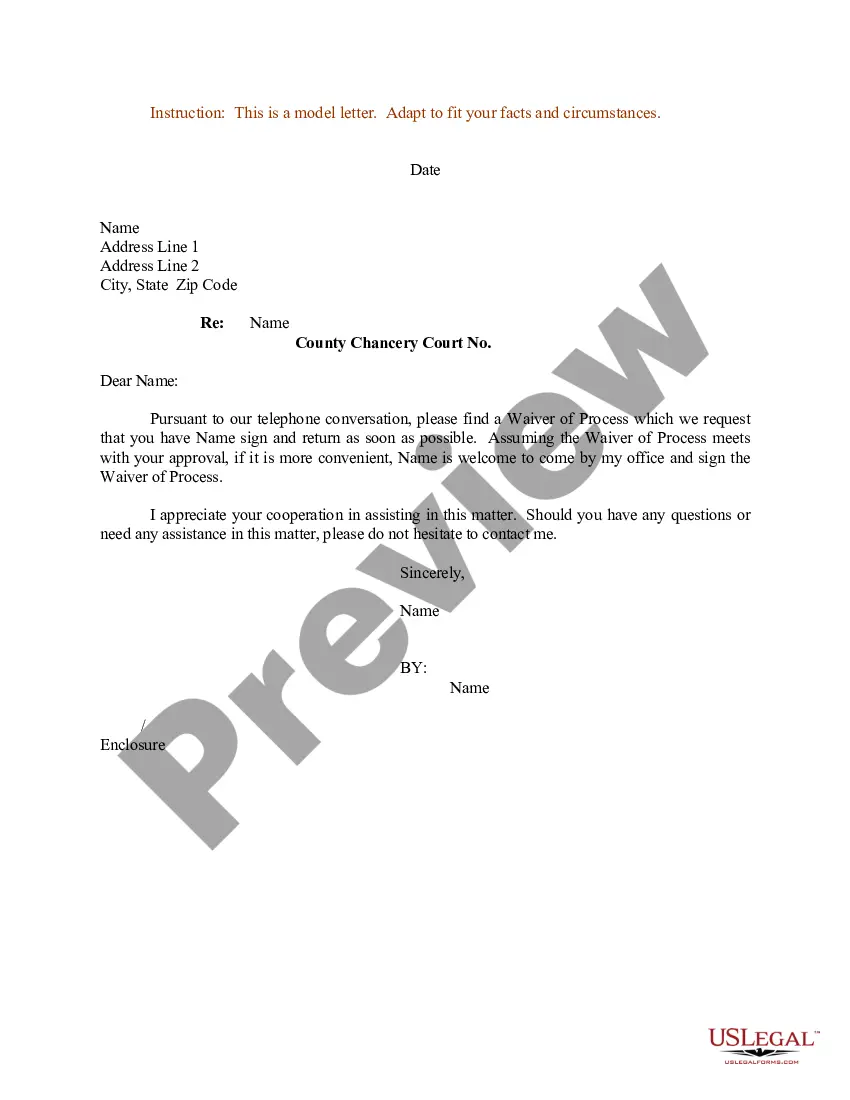
Waiver Letter For Permission
Description
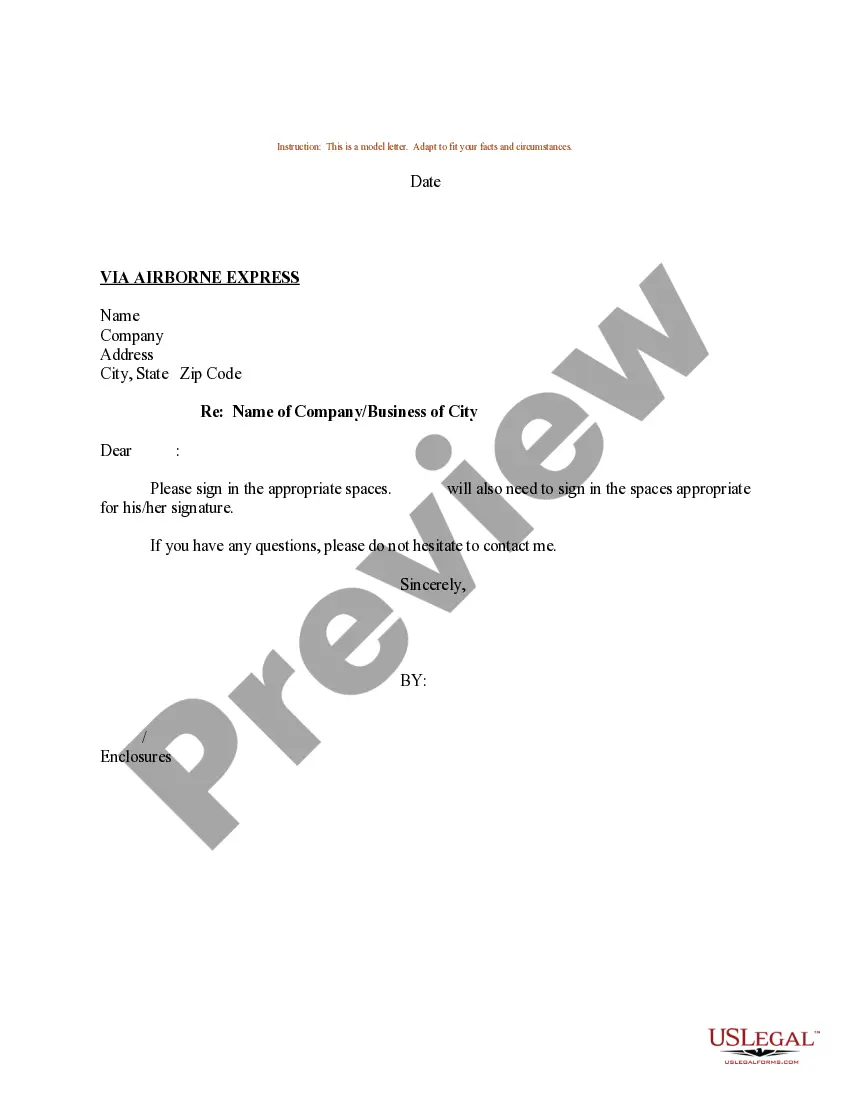
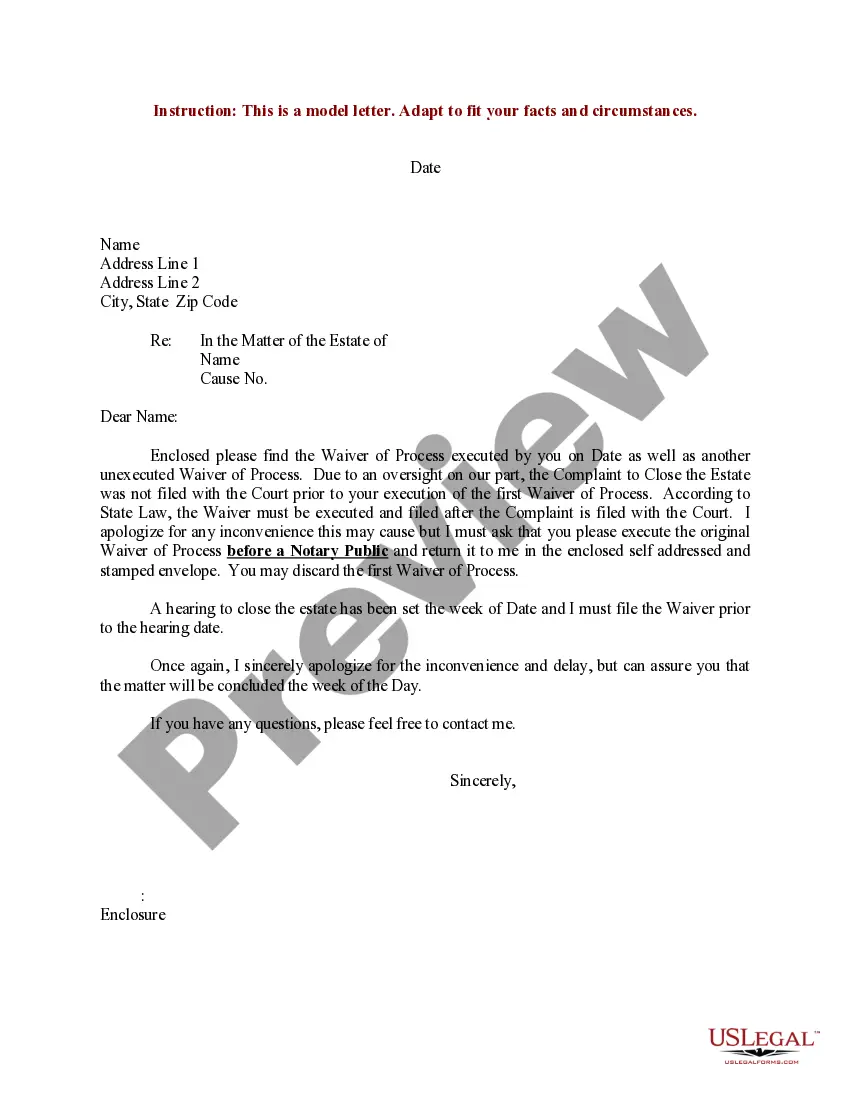
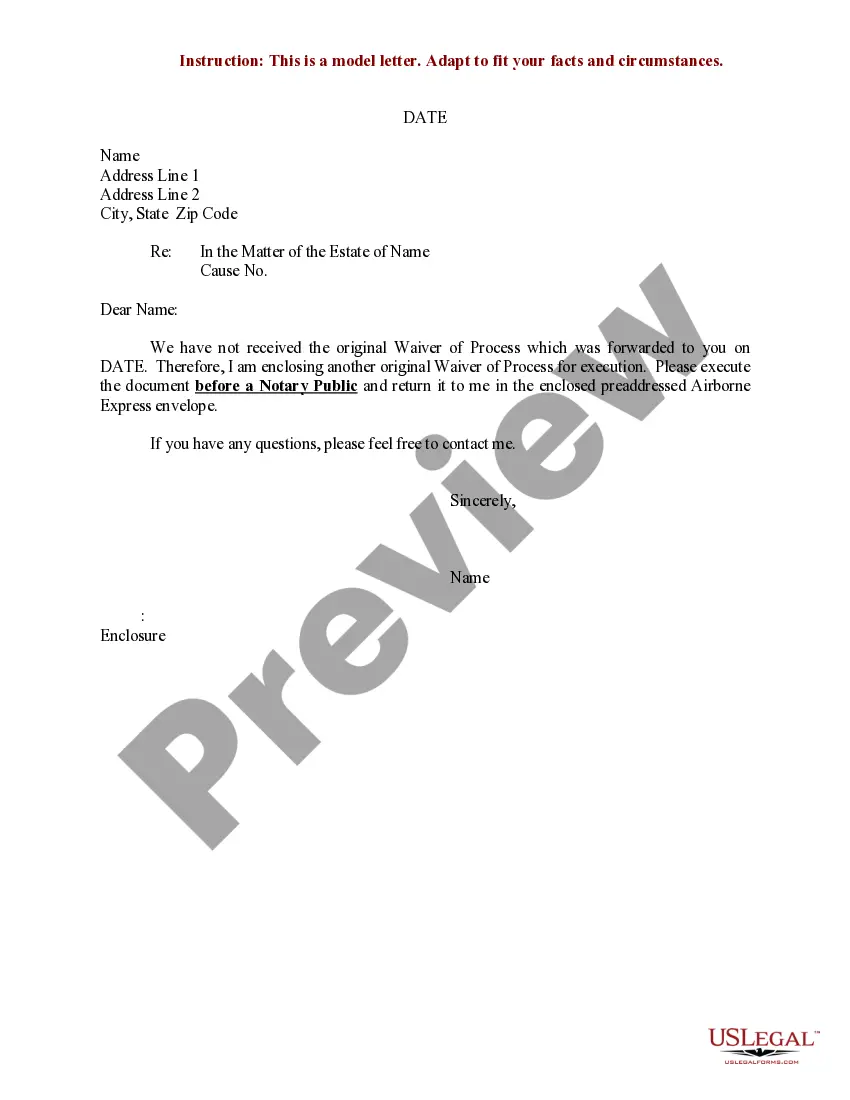
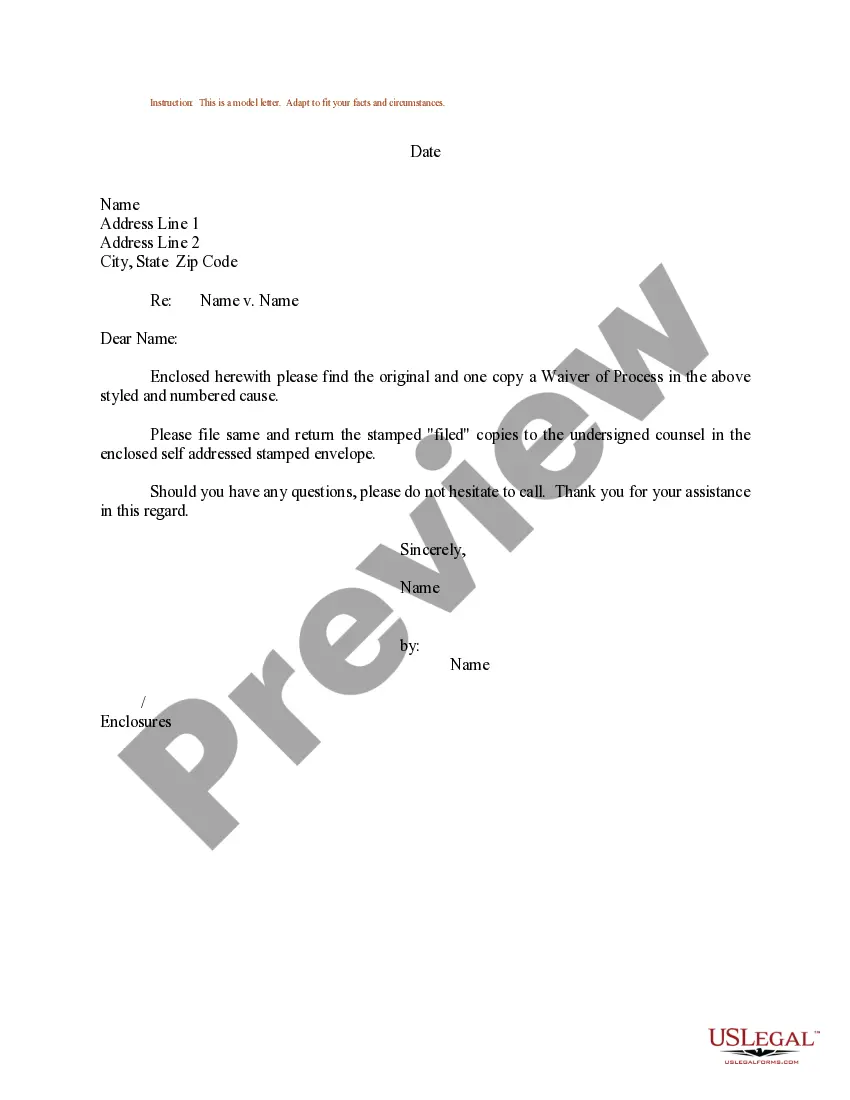
Get your form ready online
Our built-in tools help you complete, sign, share, and store your documents in one place.
Make edits, fill in missing information, and update formatting in US Legal Forms—just like you would in MS Word.
Download a copy, print it, send it by email, or mail it via USPS—whatever works best for your next step.
Sign and collect signatures with our SignNow integration. Send to multiple recipients, set reminders, and more. Go Premium to unlock E-Sign.
If this form requires notarization, complete it online through a secure video call—no need to meet a notary in person or wait for an appointment.
We protect your documents and personal data by following strict security and privacy standards.

Make edits, fill in missing information, and update formatting in US Legal Forms—just like you would in MS Word.

Download a copy, print it, send it by email, or mail it via USPS—whatever works best for your next step.

Sign and collect signatures with our SignNow integration. Send to multiple recipients, set reminders, and more. Go Premium to unlock E-Sign.

If this form requires notarization, complete it online through a secure video call—no need to meet a notary in person or wait for an appointment.

We protect your documents and personal data by following strict security and privacy standards.
Looking for another form?









Form popularity
FAQ
An example of a waiver statement might read, ‘I hereby release and discharge Organization Name from any and all claims arising from my participation in Activity.’ This concise statement outlines the intention to waive rights and liability. Crafting an effective waiver letter for permission involves including such statements to ensure clarity and legal protection.
To write a good waiver letter, start with a clear introduction stating the purpose of the letter. Outline the risks involved and express the intent to waive liability for those risks. Including precise language and ensuring both parties sign enhances the document's effectiveness. A structured and clear waiver letter for permission not only protects you but establishes trust with the other party.
Filling out a general release form involves entering your details and specifying the risks associated with the activity. Carefully read the terms outlined in the document before signing to ensure comprehensive understanding. A general release form is often a part of a waiver letter for permission, ensuring that both parties acknowledge and accept the conditions of the waiver.
When filling out a waiver form, begin by gathering necessary information such as names, dates, and the nature of the activity. Clearly state that you agree to waive rights to claims related to the activity. Signing the document indicates your understanding and acceptance of the terms. A well-prepared waiver letter for permission reduces misunderstandings and protects all parties involved.
To fill out a general waiver and release form, start by entering your personal information accurately. Specify the activity or risk involved, and ensure that you read the terms carefully before signing. This process guarantees that you fully understand the implications. Using a waiver letter for permission enables effective communication of intent and agreement.
A general release waiver is a document that relinquishes liability rights against another party for specific actions or incidents. It protects the party taking the risk by confirming that the other party cannot be held responsible for any future claims. When you create a waiver letter for permission, it often serves as a general release to ensure clarity and mutual understanding.
To write a legal waiver, start by clearly identifying the parties involved and the specific activities or risks being waived. Next, state the intent to release liability for any potential damages. It's essential to include a signature line for both parties to ensure mutual consent. Remember, a well-crafted waiver letter for permission can protect you from legal disputes.
A simple example of a waiver letter for permission can be a participant agreeing to not hold an organization liable for any injuries sustained during an event. This waiver typically includes the participant's acknowledgment of risks involved, effectively safeguarding the organization from legal claims. Simple templates available on sites like USLegalForms can help you draft a well-structured waiver.
To write a letter of waiver, start with a formal introduction that states your intention. Include your personal details and describe the specific rights or claims you are waiving. Make sure to provide context behind this decision and conclude with your signature to affirm your agreement. Utilizing platforms like USLegalForms can streamline this process.
Yes, you can write up your own waiver letter for permission, provided you follow a clear structure and include essential details. Begin by stating your intention, outline the rights being waived, and explain the context. Using templates from resources such as USLegalForms can facilitate creating a valid and enforceable waiver.